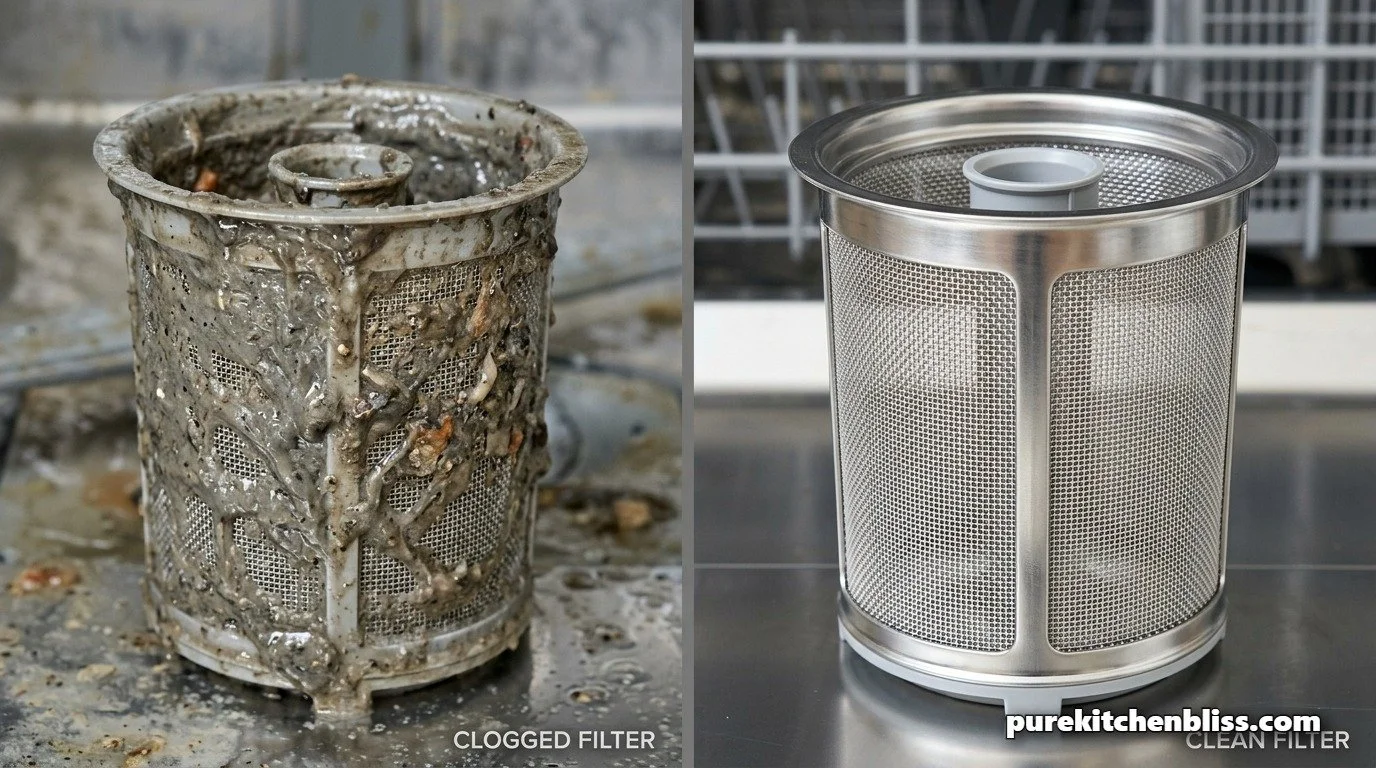
Why Your Dishwasher Smells Like Eggs: The Professional Reset
In a modern kitchen, the dishwasher is a silent workhorse, but it is also the most complex intersection of water, food waste, and heat in your home. When you start noticing a "sulfur" or "rotten egg" smell emanating from the machine, the standard advice is often to simply run a cycle with a bowl of vinegar.
The problem is that vinegar is a surface-level solution for a structural issue. If your dishwasher smells, the cause is almost always buried in the Invisible Infrastructure: the filter, the spray arms, or the stagnant water trapped in the drainage "high loop." To truly eliminate the odor and protect your non-toxic kids' dishes, you need to perform a mechanical reset of the system.

How to Get Rid of "Gnats" in the Kitchen: The Diagnostic Guide
There is nothing that ruins the feel of a high-performance kitchen faster than a cloud of tiny, hovering insects. The immediate reaction for most homeowners is to go online, find a gnat hack and set out a bowl of apple cider vinegar. But after three days, many people find the bowl empty and the "gnats" still swarming.
The reason DIY "hacks" often fail is simple: you are likely fighting the wrong bug. In the world of kitchen infrastructure, "gnat" is a generic term for three very different pests: Fruit Flies, Fungus Gnats, and Drain Flies. Each one breeds in a different location, eats different organic matter, and requires a completely different elimination strategy. To reclaim your space, you must move past the "one-size-fits-all" trap and perform a biological audit of your kitchen.

Stop the Scout: Non-Toxic Ant Hacks for Your Kitchen
The first summer I spent in my current home, I quickly learned a frustrating reality: ants don’t just stay outside. My first instinct was the standard homeowner response, I called a professional pest control company. But as I watched them spray heavy, pungent chemicals around my baseboards and near my workstation sink, I had a realization. I didn't want my kitchen, the heart of my home's wellness, smelling like a science lab. I have 4 kids and did not want this in my house again.
I realized that "brute force" pesticides are often a temporary fix for a structural problem. Since then, I’ve moved away from the chemicals and mastered a set of "Builder-Grade" hacks that keep my kitchen ant-free by targeting their biology and their entry points. To beat the cycle, you don't need poison; you need to disrupt their Pheromone Infrastructure.
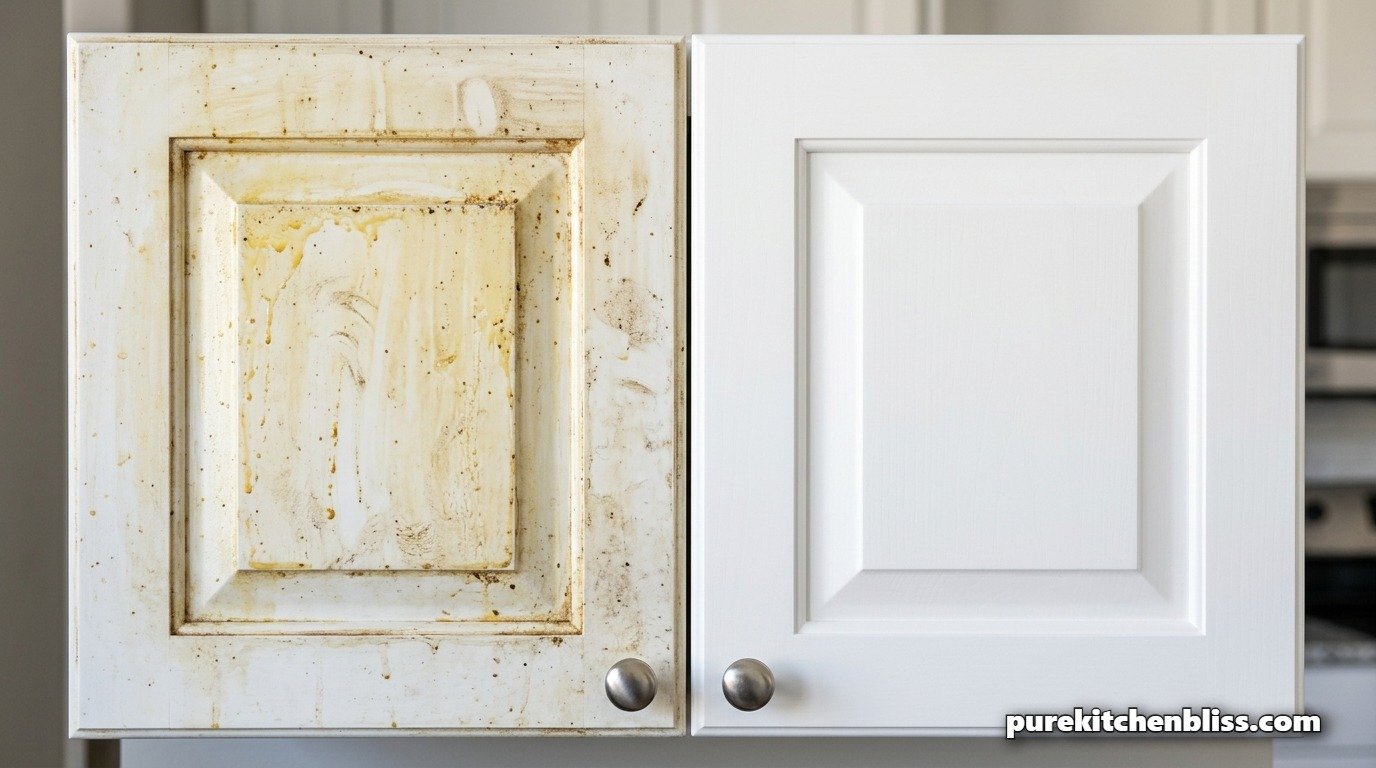
Why Your White Cabinets Are Turning Yellow (And the Non-Toxic Fix)
There is nothing more frustrating than investing in a crisp, white kitchen only to notice a dingy yellow hue creeping across the cabinet doors three years later. Most "hack" sites will tell you to scrub them with bleach or heavy abrasives, but if you want to protect your cabinetry's infrastructure, those are the last things you should reach for.
Yellowing isn't just "dirt"; it’s usually a chemical reaction. It’s either chromophore development from cooking grease that has polymerized under your range hood, or it's the breakdown of the topcoat due to UV exposure. To outshine the competition, we aren't just going to clean the surface, we’re going to perform a pH-balanced "Brightening Reset."
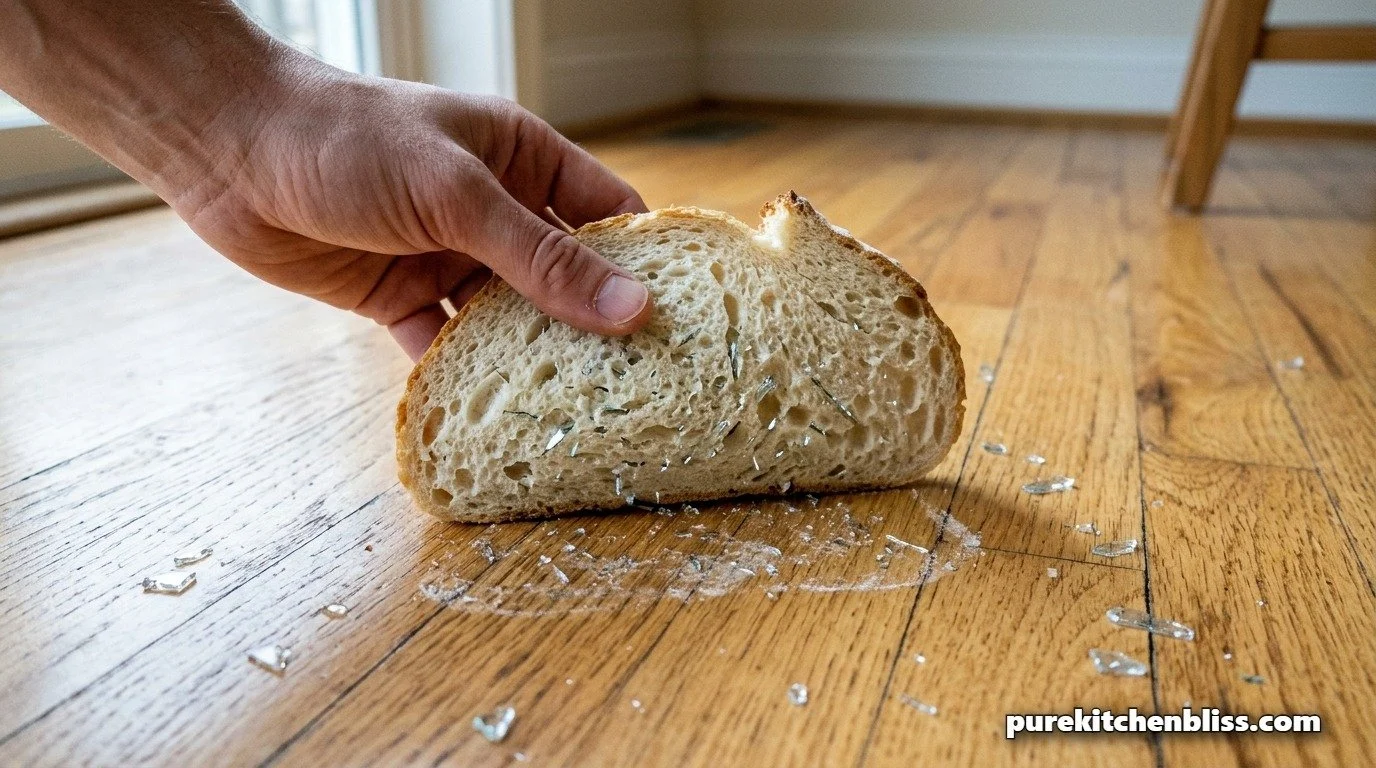
How to Clean Broken Glass on Hardwood Floors
While a glass breaking on a workstation sink is a mess, a glass shattering on a hardwood kitchen floor is a structural challenge. Unlike porcelain or sintered stone, hardwood is a relatively soft, organic material. When glass impacts wood, the shards don't just scatter; the force can drive microscopic slivers into the wood grain or the gaps between the planks.
To maintain the integrity of your floor’s finish and the safety of your home, you cannot simply sweep and move on. You must use a systematic approach that extracts glass from the "texture" of the wood without scratching the protective topcoat.
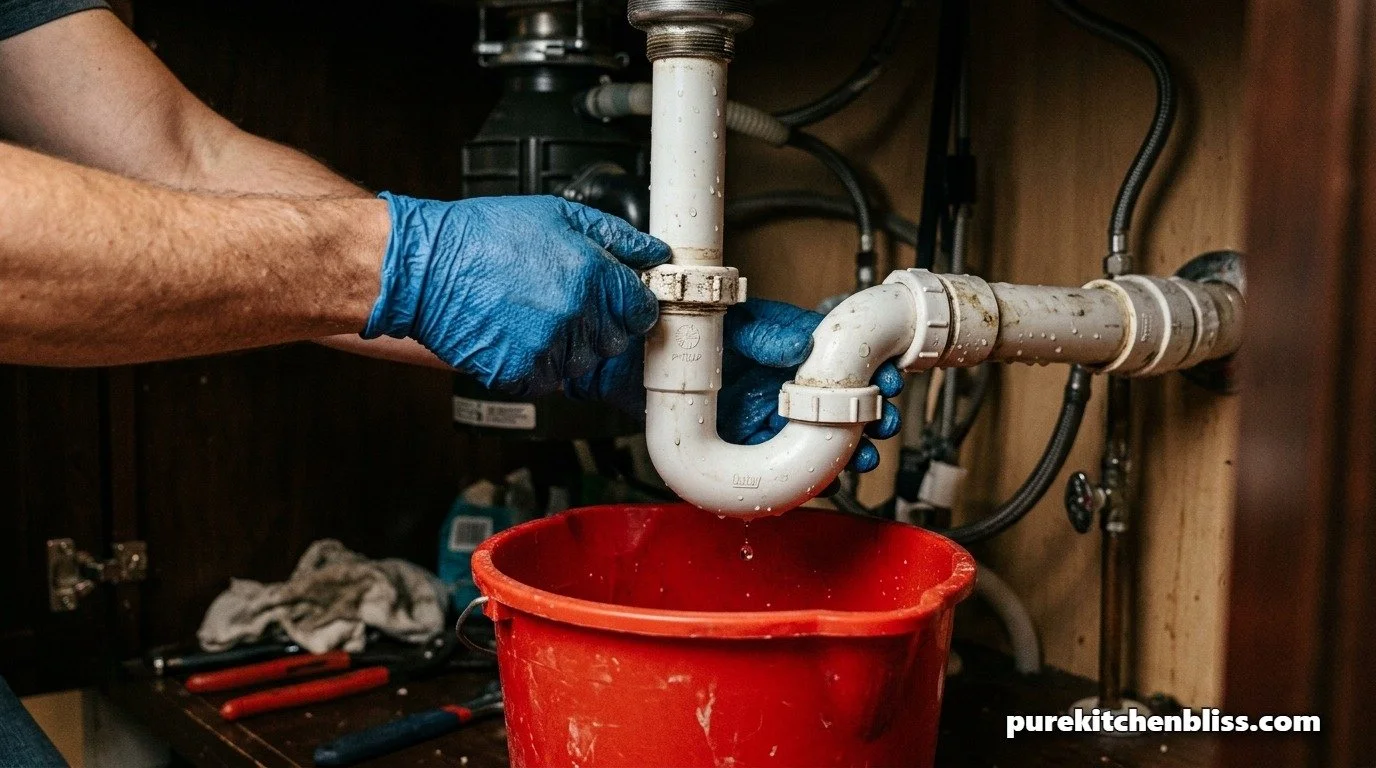
Accidentally Poured Cooking Oil Down the Sink? Here’s the Emergency Fix
It happens in a split second: a pan slips, or a well-meaning guest pours a tray of bacon grease directly into the basin. In a modern kitchen, the drainage system is a sensitive piece of invisible infrastructure. Unlike water, cooking oil is a liquid that "thinks" it is a solid. The moment it hits the cold standing water in your pipes, it begins to polymerize, sticking to the PVC walls and creating a foundation for a "fatberg."
If you have spilled oil down your drain, your reaction in the first five minutes determines whether you have a 10-minute cleanup or a $1,500 visit from a rooter service. To save your plumbing, you must move beyond the "hot water" myth and use an emulsification strategy that breaks the molecular bond of the grease.
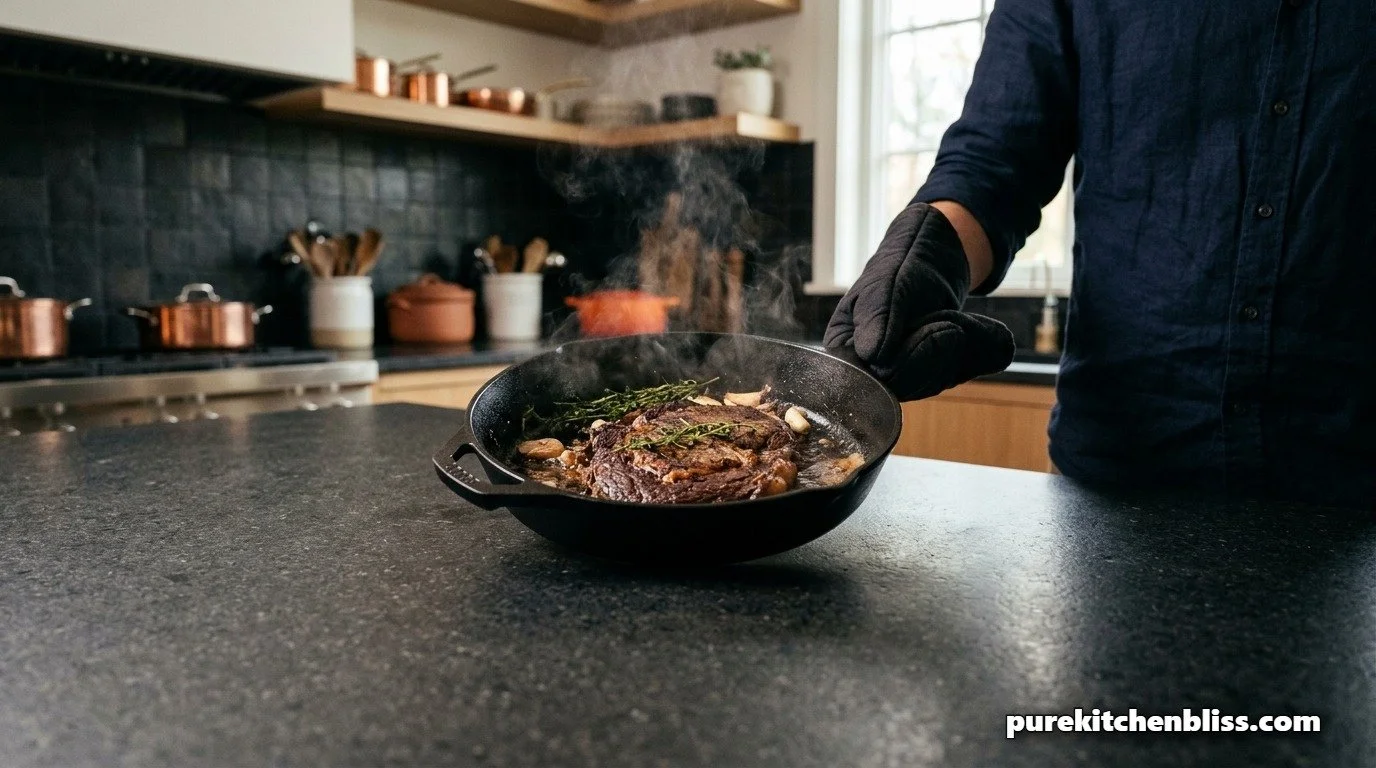
Sintered Stone vs. Porcelain: The Battle of Ultra-Compact Surfaces
In the current landscape of kitchen design, the demand for surfaces that can withstand professional-grade use without the maintenance of natural stone has led to the rise of "ultra-compact" materials. Two names dominate this category: Sintered Stone and Porcelain. To the casual observer, they appear identical—thin, large-format slabs with hyper-realistic veining. However, from a structural and fabrication perspective, the differences are significant.
Choosing between these two isn't just about aesthetics; it’s about the underlying infrastructure of your kitchen. Whether you are planning for an invisible induction system or a heavy-duty prep zone, understanding the mineral composition and the firing process of these slabs is essential for a long-lasting installation.
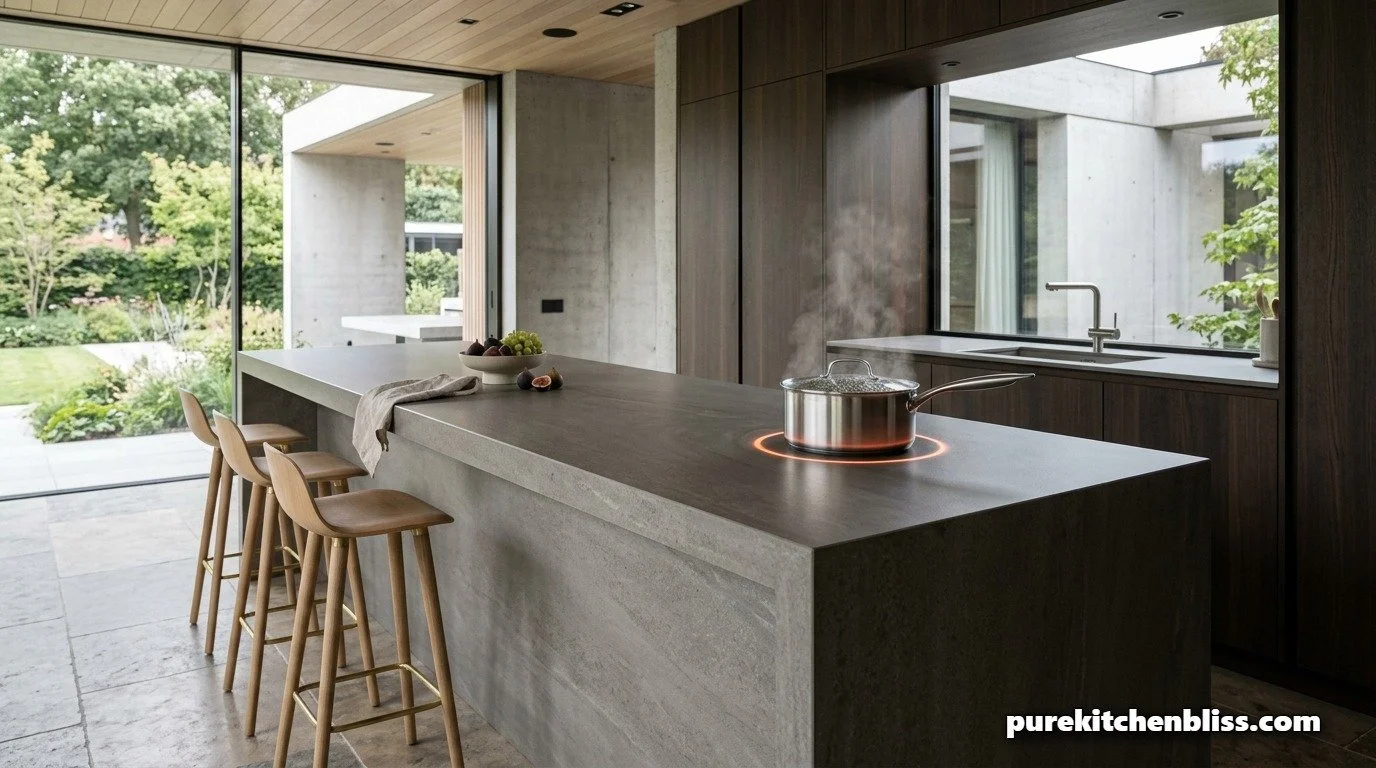
The Rise of Invisible Induction: Cooking Under Stone Surfaces
In the evolution of the high-performance sanctuary, the ultimate goal has always been the seamless integration of technology and aesthetics. For years, the sleek glass surface of a standard induction cooktop was considered the peak of minimalism. However, in 2026, the "Builder" community has pushed the boundaries further with Invisible Induction, a system where the cooking elements are mounted entirely beneath the countertop slab.
This technology allows your kitchen island to function as a seamless piece of stone for prep, dining, and entertaining, only revealing its culinary capabilities when a magnetic pan is placed on the surface. But "Invisible Induction" is not a simple plug-and-play upgrade; it is a complex intersection of physics, material science, and precision fabrication. To implement this infrastructure, one must understand how magnetic fields interact with stone and the thermal management required to prevent slab failure.
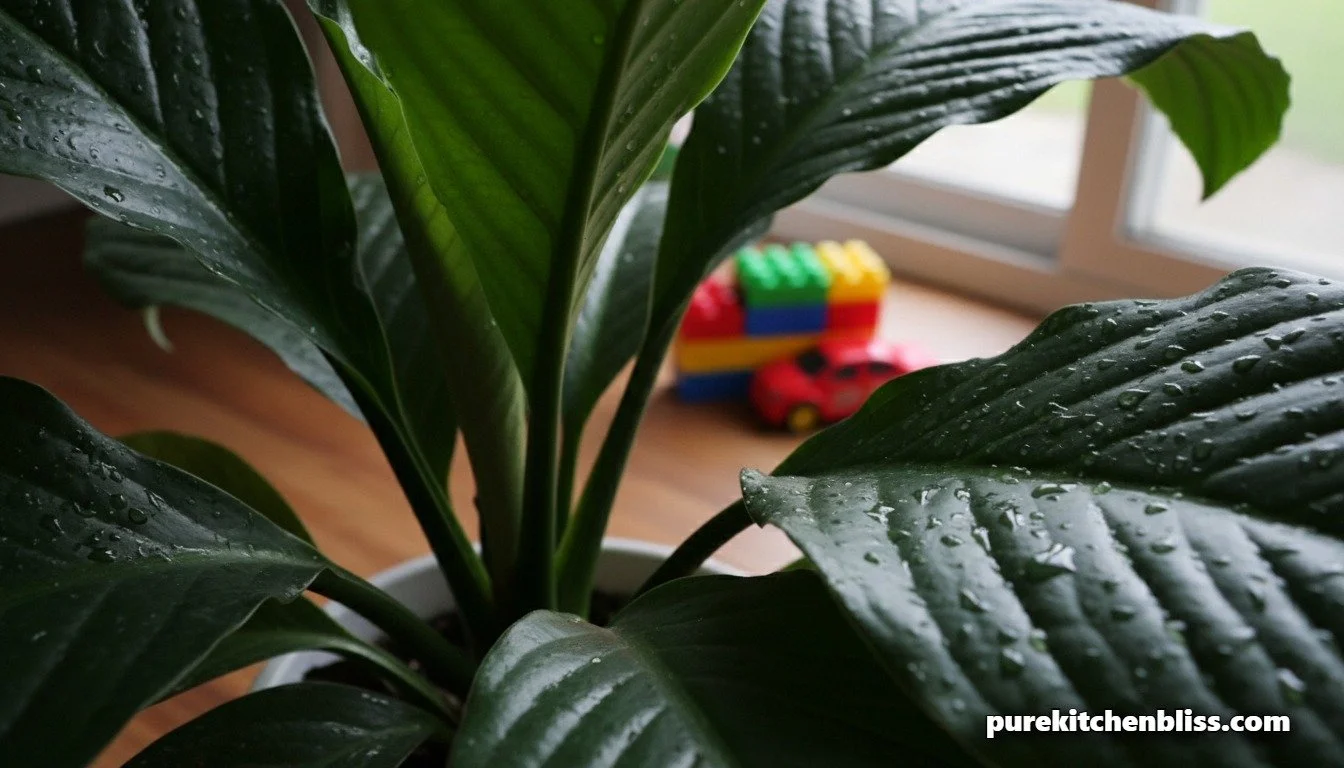
Cast Iron Plant Mastery: The Indestructible Foundation for Your Kitchen
In the world of home building, we look for materials that can withstand anything, heavy foot traffic, temperature swings, and years of use. In the botanical world, that material is the Cast Iron Plant. Its name isn't an accident; this plant was a staple in Victorian-era homes because it was the only thing that could survive the soot, heat, and dim light of coal-burning stoves.
As a father of four, I appreciate the Cast Iron Plant for its sheer "structural" presence. It doesn't trail or climb; it stands its ground with broad, leathery leaves that bring a sense of permanence to a room. If you have a corner in your kitchen or dining area that feels empty or "cold," this is the indestructible living furniture you’ve been looking for.
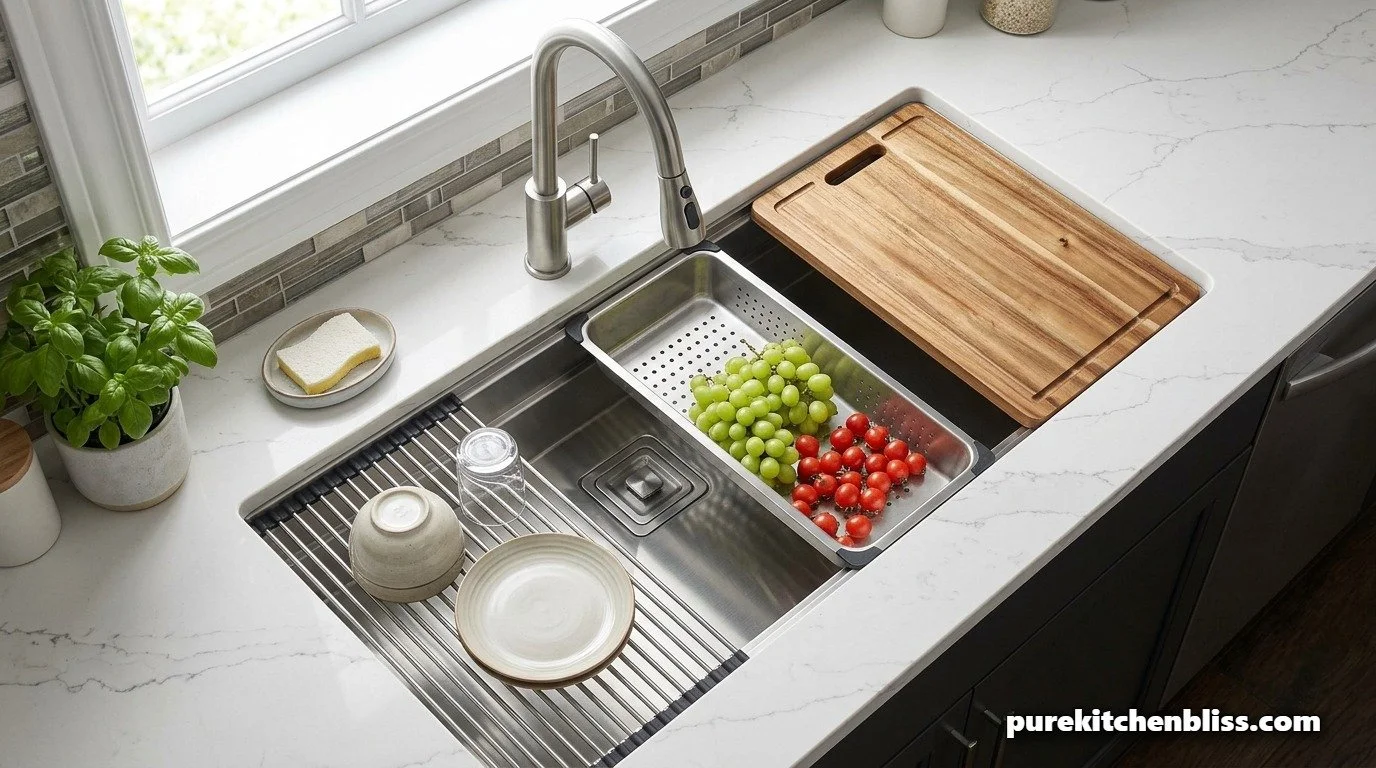
The Anatomy of a Workstation Sink: More Than Just a Basin
For decades, the kitchen sink was a static object—a simple basin designed to hold water and dirty dishes. However, as we shift toward high-performance sanctuaries, the sink has undergone a radical architectural evolution. It is no longer just a plumbing fixture; it is a specialized piece of "Active Infrastructure" known as the Workstation Sink.
By utilizing a system of integrated interior ledges, the workstation sink transforms the "Cleaning Zone" into a multi-level prep area. This allows you to chop, strain, and wash within the footprint of the sink itself, keeping your countertops dry and clear of debris. To choose the right one, you must understand the mechanical tiers that define a professional-grade station.

The Ammonia Myth: Why This Old-School Cleaner Has No Place in a High-Performance Kitchen
For generations, ammonia was the "gold standard" for cutting through the heavy, polymerizing grease that accumulates in a working kitchen. It was cheap, powerful, and left a streak-free shine on windows. But just as the "Builder" community has moved away from toxic additives in bath products, the 2026 standard for the kitchen has shifted.
In a high-performance sanctuary, we no longer use "brute force" chemistry. We use targeted, pH-balanced solutions. Ammonia isn't just a respiratory irritant—it is a chemical mismatch for modern infrastructure. From the resins in your quartz countertops to the structural integrity of your high-performance sink, ammonia is a legacy cleaner that causes more harm than it solves.
The Hidden Chemicals in Kids' Dishes: Convenience or a Health Risk?
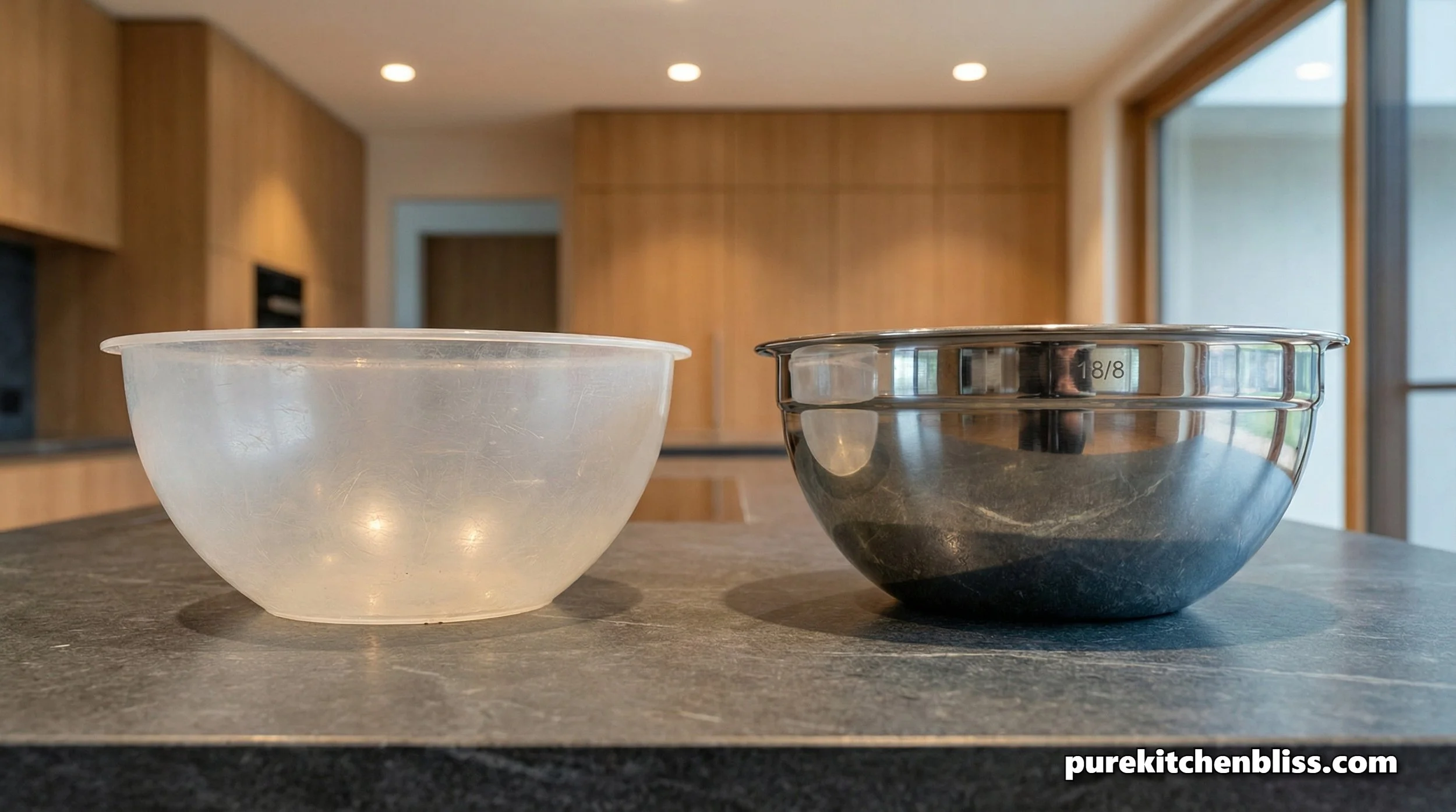
Just as many parents have begun to scrutinize the synthetic dyes and fragrances in popular bath products, a new front has opened in the quest for a non-toxic home: the kitchen cupboard. In our pursuit of a high-performance sanctuary, we often prioritize "shatterproof" and "non-stick" conveniences. We want the toddler plate that survives a fall from a high chair and the pan that wipes clean in seconds.
However, from a material-science perspective, "convenience" often comes with a chemical trade-off. Many of the most popular children’s dishes rely on resins and coatings that can "off-gas" or "leach" when exposed to heat or acidity. To out-perform standard big-box kitchen advice, parents must look past the colorful branding and audit the actual infrastructure of their children's dinnerware.

Is Your Kid’s Cookware Safe? A Parent’s Guide to Non-Toxic Plates & Pans
Just as parents have begun to question the synthetic dyes and fragrances in bath bombs, the modern kitchen is under a new level of scrutiny. In our pursuit of a high-performance sanctuary, we often prioritize the "shatterproof" and "non-stick" conveniences that make feeding children easier.
However, many of these "kid-friendly" materials rely on chemical coatings and composite resins that can leach into food when heated. To build a truly safe kitchen environment, you must understand the difference between a "convenient" material and a "biologically inert" one. When you are preparing a meal for a developing body, the material of the pan is just as critical as the quality of the ingredients.
The 3-Zone Spice Strategy: Protecting Your Volatile Infrastructure
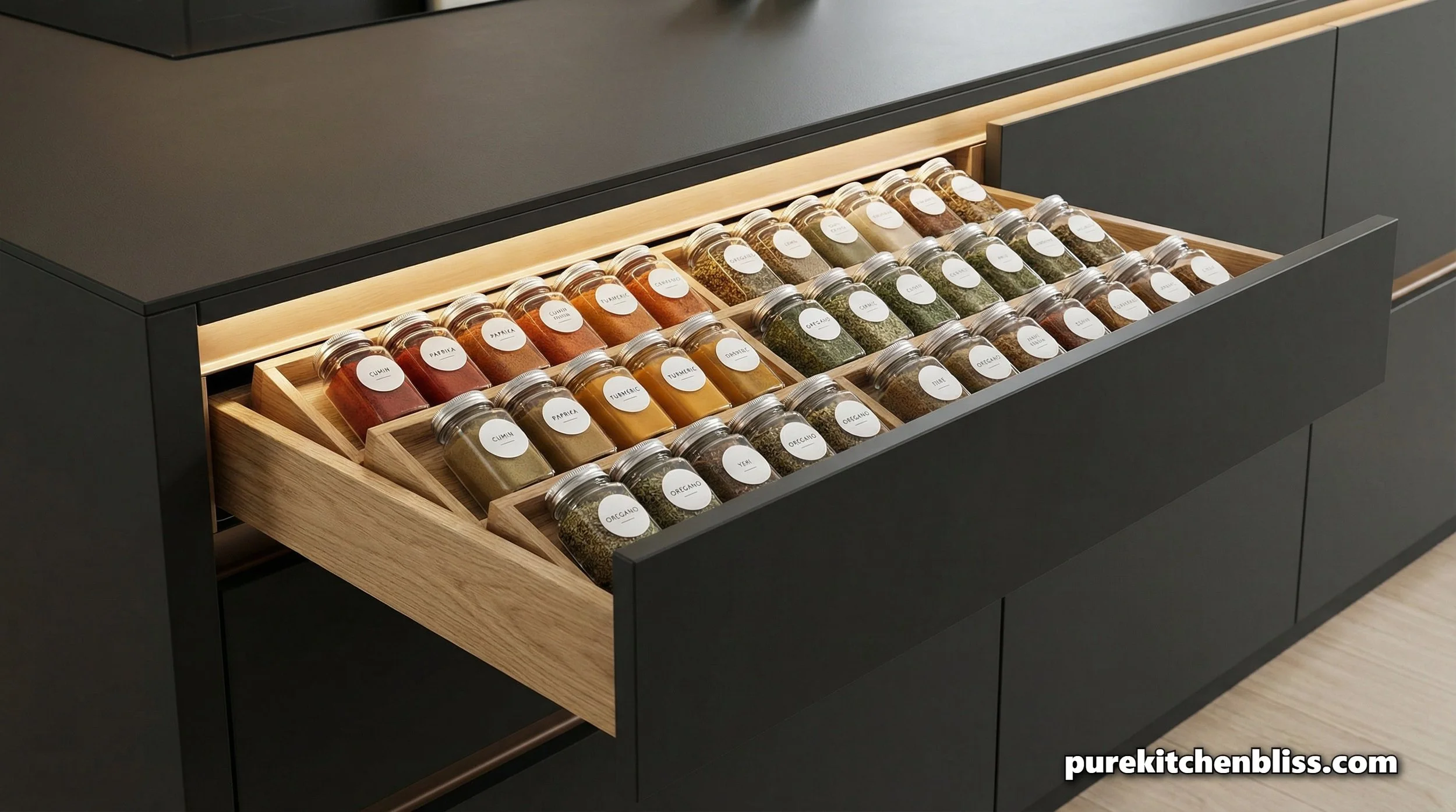
In the pursuit of a high-performance sanctuary, we often spend thousands on professional appliances but neglect the very ingredients that provide flavor. Spices are essentially dried plant matter containing volatile oils. When those oils evaporate or oxidize, your $50 steak tastes like cardboard.
The traditional "Spice Rack" over the range is a functional nightmare. The heat from your induction cooktop and the steam that escapes your range hoodact as catalysts for degradation. To preserve your culinary investment, you must implement the 3-Zone Spice Strategy. This system separates your inventory based on frequency of use and environmental sensitivity.
Designing the 5 Culinary Zones: Beyond the Kitchen Triangle
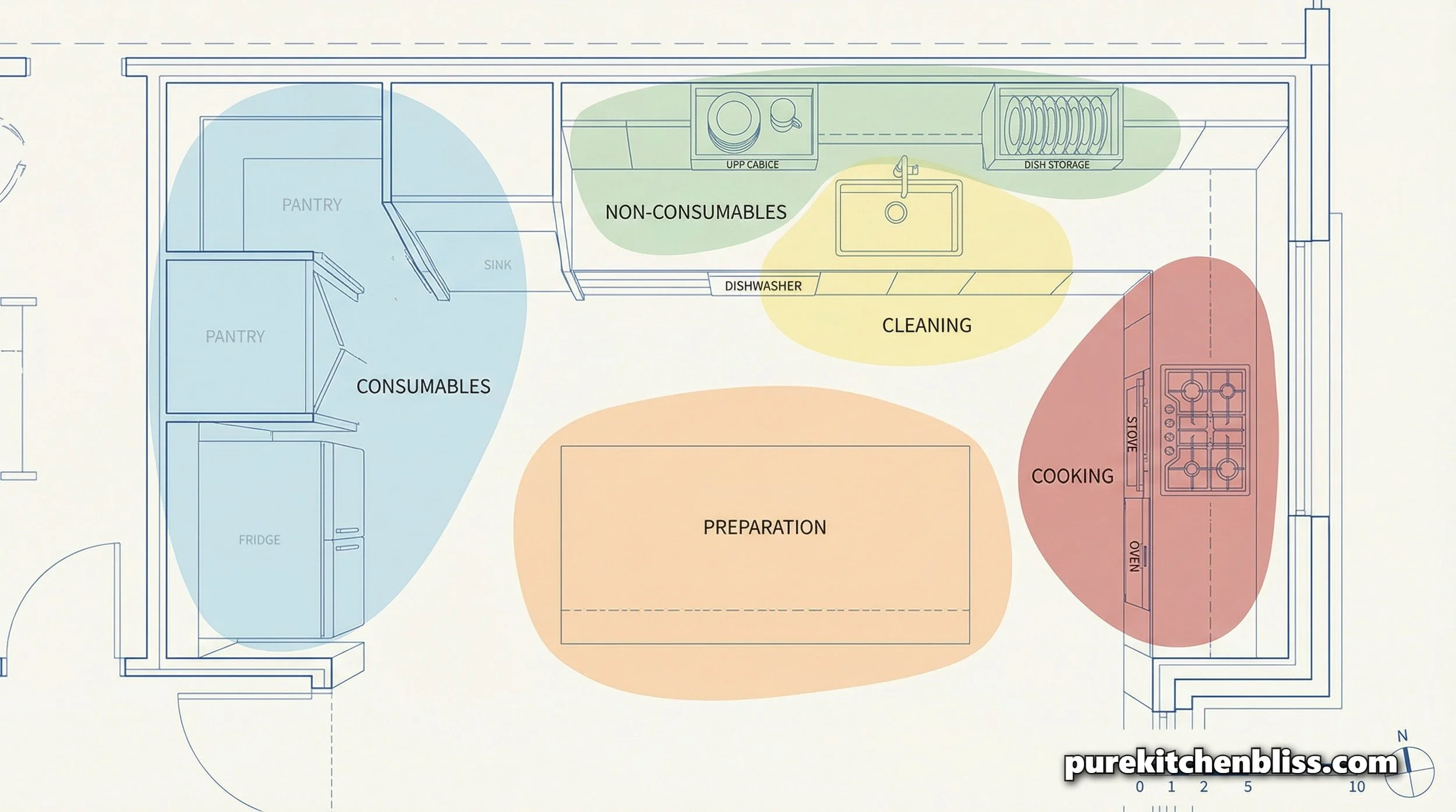
For decades, the "Kitchen Triangle" was the gold standard of kitchen design. The idea was simple: minimize the steps between the sink, the refrigerator, and the stove. However, as our kitchens have evolved into high-performance sanctuaries, the triangle has collapsed under the weight of modern appliances, specialty coffee stations, and multi-cook households.
In 2026, professional designers utilize Zone-Based Infrastructure. By dividing the kitchen into five distinct functional areas, you eliminate the "traffic jams" that occur when one person is trying to chop vegetables while another is trying to unload the dishwasher. Whether you have a massive island or a compact galley, these zones dictate the success of your culinary workflow.

The Kitchen Litter Box: Convenience or a Hygiene Nightmare?
In the quest to optimize every square inch of our home’s footprint, the kitchen often becomes a "catch-all" for utility. For many pet owners, the area under the sink or a corner of the pantry seems like the logical home for a cat’s litter box. It’s out of the way, easy to clean, and usually features the best-performing kitchen flooringfor managing spills.
However, from a "Builder" perspective, placing a waste station in a food-prep environment introduces a significant conflict in your kitchen's hygiene infrastructure. While convenient, the proximity of feline waste to your high-performance sink and meal-prep surfaces creates risks that many homeowners overlook. To decide if a kitchen litter box is right for you, you must understand the science of "Cross-Zone Contamination."
How to Deep Clean Your Oven Without Harsh Chemicals
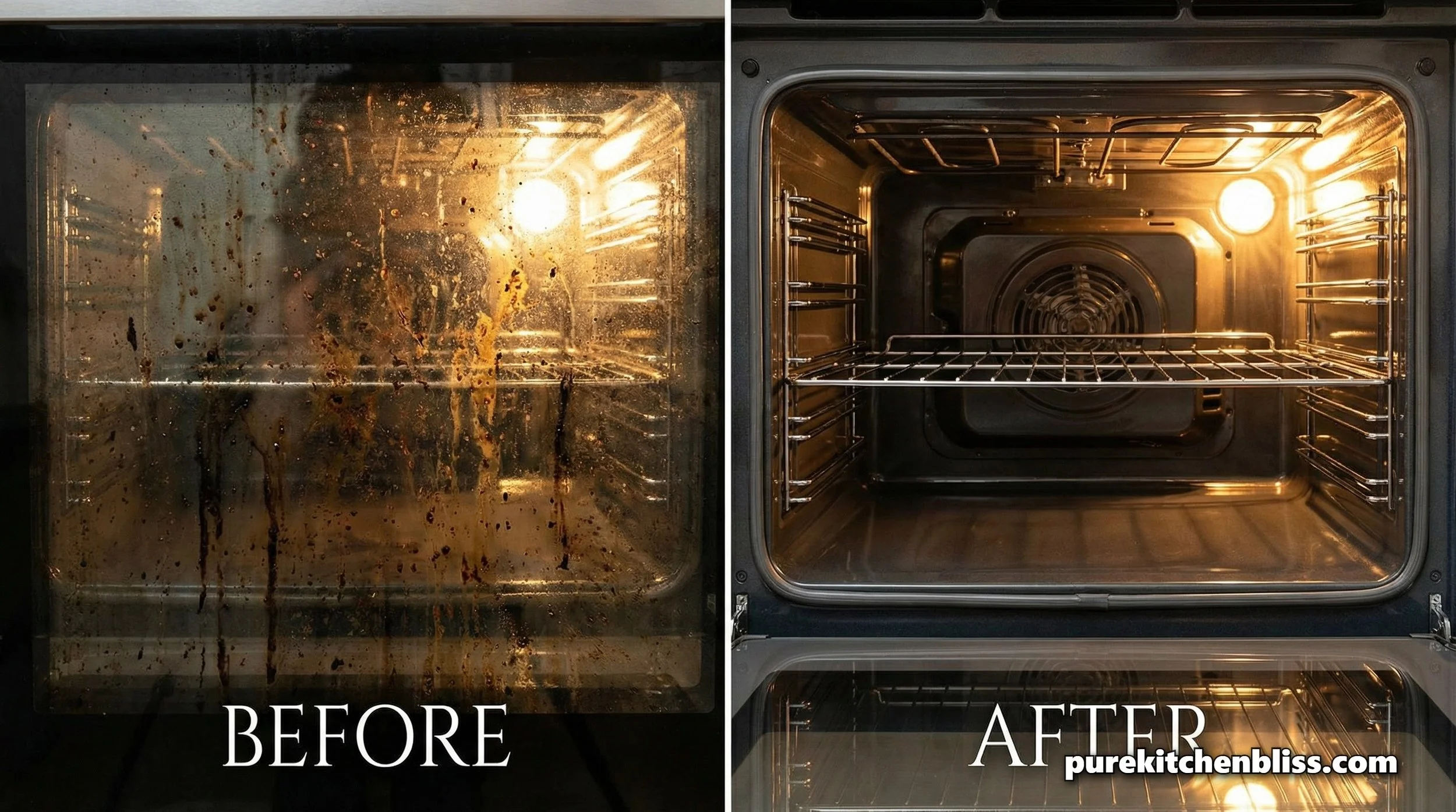
Your oven is the heavy-duty heart of your kitchen infrastructure. However, it is also the most neglected. Over time, carbonized food and vaporized fats create a "lacquer" on the interior walls. This isn't just an aesthetic issue; a dirty oven is less energy-efficient, produces smoke that triggers your range hood , and can even affect the flavor of your food.
While the "Self-Clean" cycle seems convenient, it relies on extreme heat (often over 480°C) that can damage the sensitive electronic sensors in modern ranges. To maintain a high-performance sanctuary, we recommend a manual "Steam and Paste" protocol. This method uses basic chemistry to break down grease without releasing the caustic fumes associated with traditional oven cleaners.

What is Listeria and How to Protect Your Kitchen
Building on our discussion of food safety dates, it is time to address the most resilient "Invisible Infrastructure" threat in your home: Listeria monocytogenes. Unlike most foodborne pathogens, Listeria is a survivor. It doesn't just endure the cold; it thrives in it.
In 2026, we often assume our high-end appliances are a fortress against bacteria. However, Listeria is uniquely adapted to exploit the very environments we use to keep food fresh. Understanding its biology is the first step in building a truly defensive kitchen. If your goal is a high-performance sanctuary, you must manage the microscopic environment just as carefully as you manage the aesthetics.

Best Before vs. Expiration Dates: Decoding the Language of Your Pantry
In a world where we meticulously organize our high-functioning pantries, the most common point of confusion isn't the layout—it’s the labels. Every year, tons of perfectly edible food are discarded because consumers treat a "Best Before" date as a hard "Drop Dead" deadline.
To run an efficient kitchen, you must understand that these dates are rarely about safety and almost always about peak performance. Understanding the chemistry of food degradation allows you to make informed decisions, reducing waste and protecting your grocery budget.
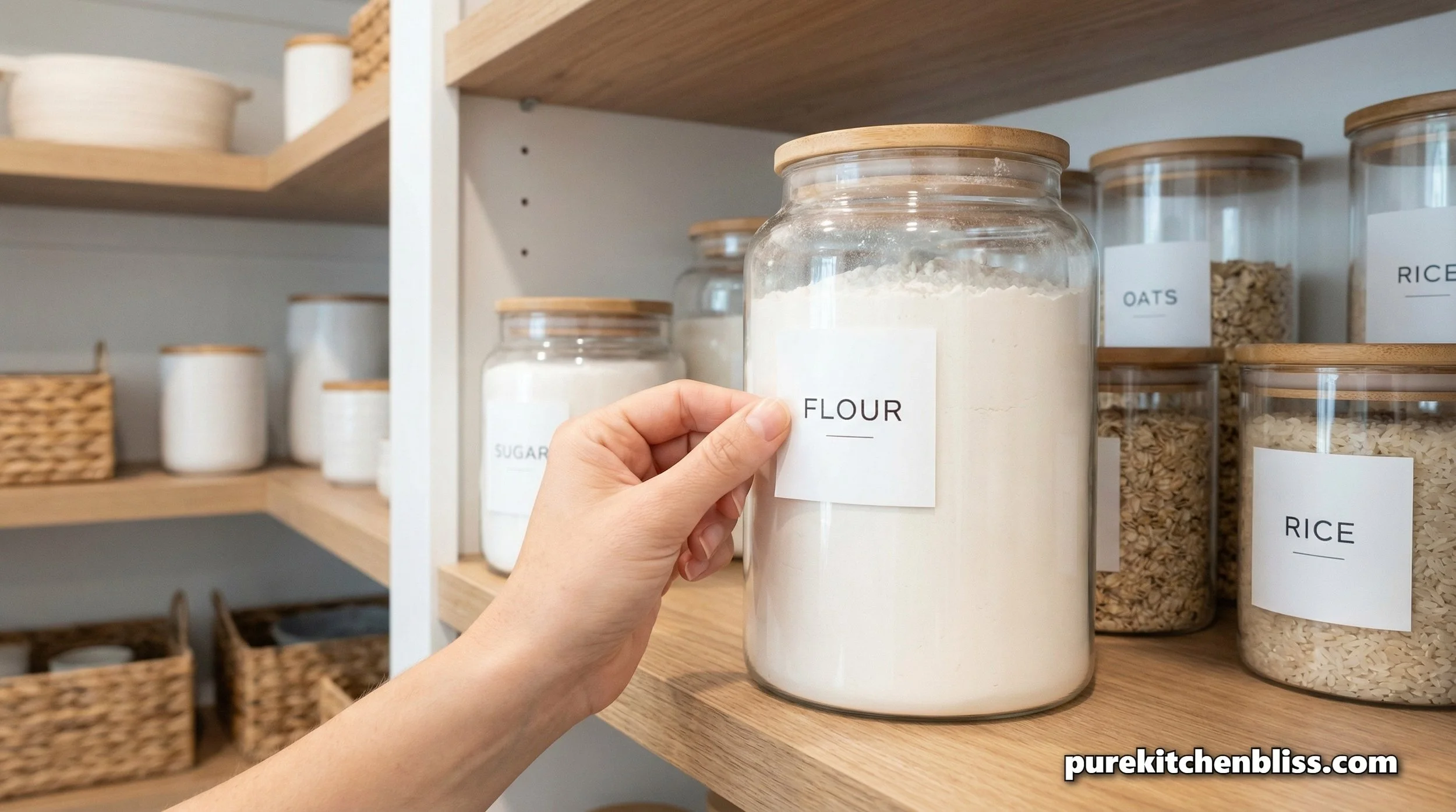
The High-Functioning Pantry: Building Your Inventory Infrastructure
The modern pantry has moved beyond being a simple closet for canned goods. In 2026, we view the pantry as a critical piece of "Active Infrastructure"—a localized warehouse that must be managed with the same precision as a professional kitchen. When a pantry is disorganized, it doesn't just look messy; it creates a "friction point" in your daily workflow, leading to food waste and "rebuying" items you already own.
Designing a high-functioning pantry is about more than just matching baskets. It requires a deep understanding of food storage rules and a commitment to "Zone-Based" organization. By treating your pantry as an inventory system rather than a storage locker, you can reduce meal-prep time by 20% and significantly lower your monthly grocery spend.