How to Deep Clean Your Oven Without Harsh Chemicals
Your oven is the heavy-duty heart of your kitchen infrastructure. However, it is also the most neglected. Over time, carbonized food and vaporized fats create a "lacquer" on the interior walls. This isn't just an aesthetic issue; a dirty oven is less energy-efficient, produces smoke that triggers your range hood , and can even affect the flavor of your food.
While the "Self-Clean" cycle seems convenient, it relies on extreme heat (often over 480°C) that can damage the sensitive electronic sensors in modern ranges. To maintain a high-performance sanctuary, we recommend a manual "Steam and Paste" protocol. This method uses basic chemistry to break down grease without releasing the caustic fumes associated with traditional oven cleaners.
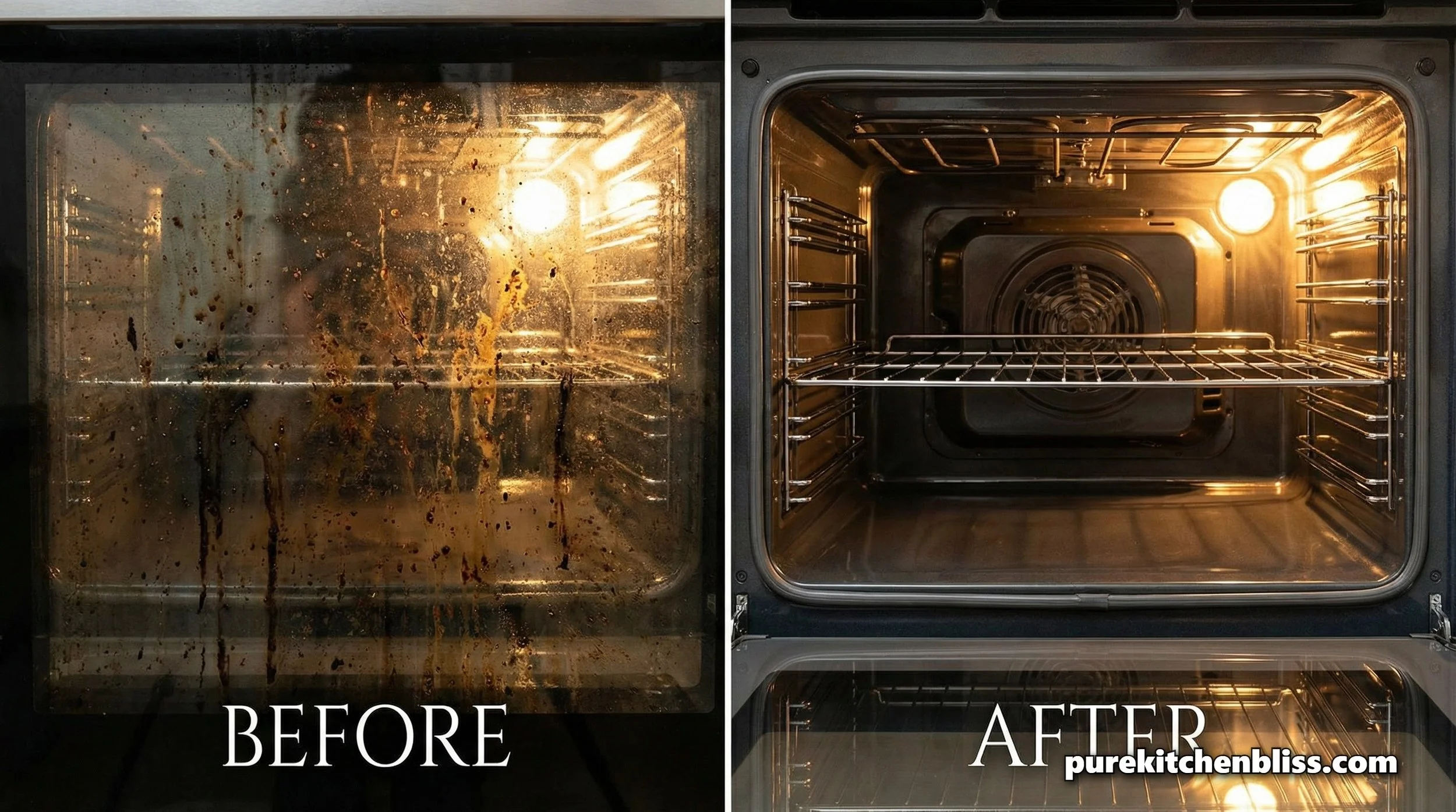
1. The "Steam Pre-Treat" Infrastructure
Before you start scrubbing, you need to soften the "carbon lacquer." The most effective way to do this is with a localized steam treatment.
The Setup: Fill a large, oven-safe glass bowl with boiling water and two tablespoons of citric acid.
The Process: Place the bowl on the center rack of a cool oven. Turn the oven to its lowest setting (around 80°C) and let it sit for 30 minutes.
The Result: The acidic steam will permeate the grease layers, making them significantly easier to lift during the manual cleaning stage.
2. The Alkaline Paste: Sodium Bicarbonate
Once the oven has cooled slightly and the grease is "primed," it’s time to apply an alkaline paste. Grease is acidic, so we use a base (Baking Soda) to neutralize and lift it.
The Recipe: Mix 1/2 cup of baking soda with 3 tablespoons of water and a few drops of Castile soap.
The Application: Spread this paste over the interior walls, avoiding the heating elements. Leave it overnight. As the paste dries, it pulls the grease out of the enamel pores.
3. The Glass Door: Restoring Transparency
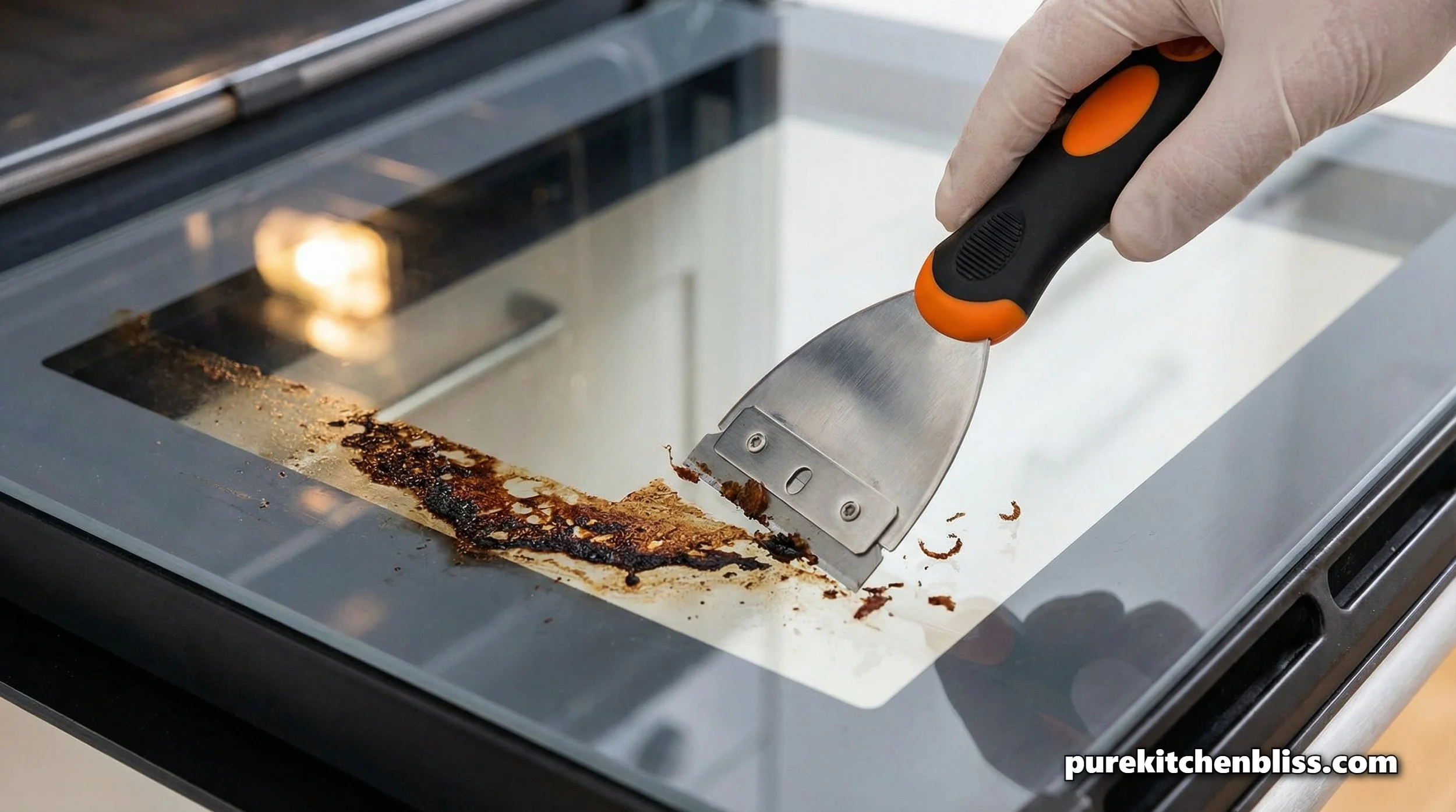
The oven window is the most visible part of your cooking infrastructure. If it’s cloudy, your layered kitchen lighting will only highlight the grime.
The Razor Secret: For truly burnt-on "rings" on the glass, use a brand-new glass scraper at a 45-degree angle. This is the only way to remove carbonized sugar without scratching the tempered glass.
The Rinse: Finish by spraying the glass with a 50/50 vinegar and water solution to neutralize any remaining baking soda film.
4. Comparison: Self-Clean vs. Manual Method
| Feature | Self-Clean Cycle | Manual Steam/Paste |
|---|---|---|
| Temperature | Extreme (480°C+) | Low (80°C) |
| Air Quality | High Fumes/Smoke | Odorless/Neutral |
| Appliance Risk | Can fry circuit boards | Completely Safe |
| Labor Level | None (Hands-off) | Moderate (Wiping required) |
5. Maintaining the Racks: The Bath Soak
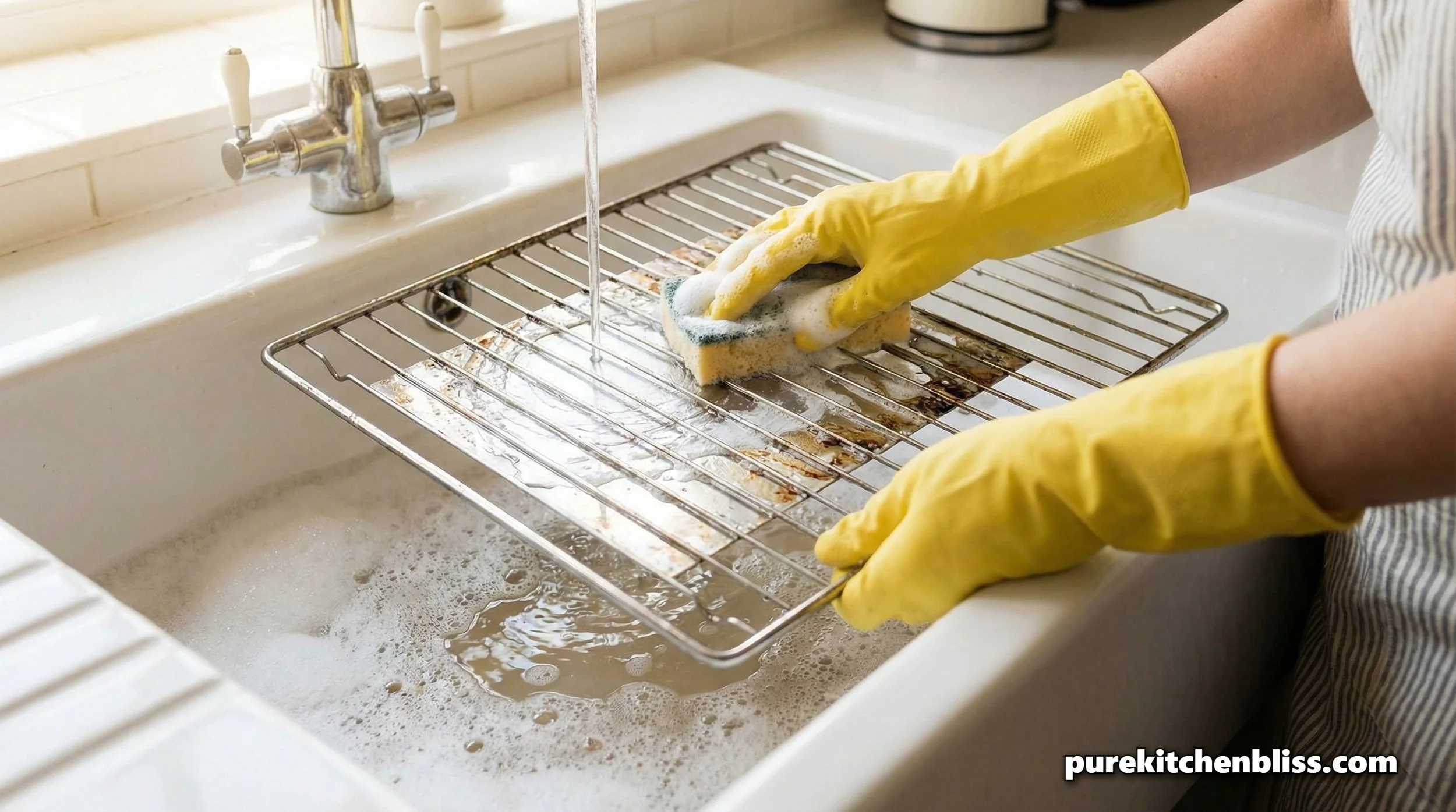
Never leave your racks in the oven during a self-clean cycle, as it will strip the finish and make them hard to slide. To clean them:
The Trick: Line your bathtub with an old towel (to prevent scratching) and soak the racks in hot water with 1/2 cup of dish soap and 1/2 cup of baking soda. After 4 hours, the grease will simply slide off.
6. Managing the Seals
As we established in our guide on Listeria and kitchen pathogens, gaskets are harborages for bacteria. While you are deep-cleaning the oven, use a damp cloth to wipe the fiberglass door seal. Be gentle, if you fray this seal, your oven will leak heat, costing you more in energy and causing uneven baking.
Conclusion: A Safer Way to Shine Deep cleaning your oven without harsh chemicals is a commitment to the longevity of your appliance and the air quality of your home. By utilizing the "Steam and Paste" method, you keep your kitchen infrastructure in peak condition without the risks of extreme heat.
Next Up: Ensure your kitchen air stays clear by learning How to Deep Clean Your Range Hood