Accidentally Poured Cooking Oil Down the Sink? Here’s the Emergency Fix
It happens in a split second: a pan slips, or a well-meaning guest pours a tray of bacon grease directly into the basin. In a modern kitchen, the drainage system is a sensitive piece of invisible infrastructure. Unlike water, cooking oil is a liquid that "thinks" it is a solid. The moment it hits the cold standing water in your pipes, it begins to polymerize, sticking to the PVC walls and creating a foundation for a "fatberg."
If you have spilled oil down your drain, your reaction in the first five minutes determines whether you have a 10-minute cleanup or a $1,500 visit from a rooter service. To save your plumbing, you must move beyond the "hot water" myth and use an emulsification strategy that breaks the molecular bond of the grease.
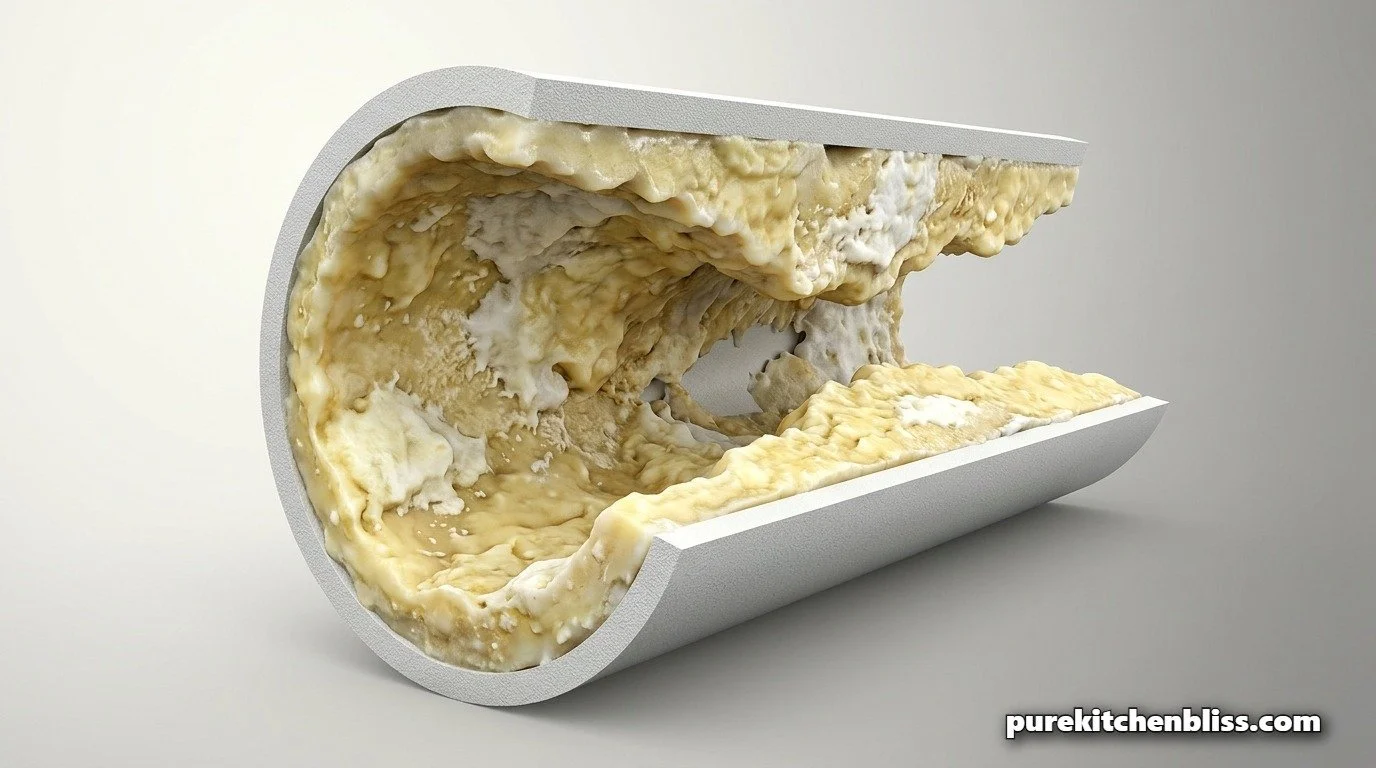
1. Step One: The Immediate "Stop"
The most common mistake is instinctively turning on the faucet to "wash it down." Stop the water immediately. If the oil is still sitting in the basin of your workstation sink, do not rinse it. Use paper towels to soak up as much liquid oil as possible. Every ounce you remove manually is an ounce that won't solidify in your walls.
If you have a garbage disposal, do not turn it on; the centrifugal force will only spray the oil deeper into the discharge pipe and coat the grinding components in a sticky film that traps future food scraps.
2. The Emulsification Flush
Water alone—even boiling water—is often not enough to clear heavy grease because oil is hydrophobic. You need an emulsifier to break the oil into microscopic droplets that can be carried away.
The Agent: Squirt at least 1/2 cup of high-concentrate degreasing soap (like Dawn) or Castile soapdirectly down the drain.
The Temperature: Run your tap at its absolute maximum heat.
The Process: Let the hot water run for a full 5 to 10 minutes. The soap binds to the oil molecules, while the heat keeps the fats in a liquid state until they reach the larger, high-volume municipal sewer lines.
Warning for PVC: If your home uses PVC piping, avoid pouring literal boiling water (100°C) down the drain, as it can soften the glue at the joints. Stick to the "Maximum Hot" setting on your faucet.
3. The Mechanical Reset: Baking Soda & Vinegar
If the drain feels sluggish after the initial flush, you need to create internal pressure to move the "sludge" along the pipe walls.
The Base: Pour 1/2 cup of baking soda down the drain.
The Acid: Follow with 1/2 cup of white vinegar.
The Seal: Immediately plug the sink with a heavy stopper. The resulting carbon dioxide gas creates a localized pressure zone that helps "scrub" the oil film off the interior of the pipes.
The Rinse: After 15 minutes, flush with hot water again. This is a much safer alternative than using caustic chemicals that can damage your sintered stone surfaces.
4. Comparison: Emergency Oil Fixes
| Method | How it Works | Best For... |
|---|---|---|
| Paper Towel Blotting | Manual removal of liquid oil. | Immediate spill in basin. |
| Soap Emulsification | Breaks molecular bond of fat. | Liquid oil already in the pipe. |
| Baking Soda/Vinegar | Mechanical scrubbing via gas. | Sluggish drains or oil residue. |
| P-Trap Removal | Direct physical cleaning. | Stubborn clogs or large spills. |
5. Clearing the P-Trap: The Final Infrastructure Audit
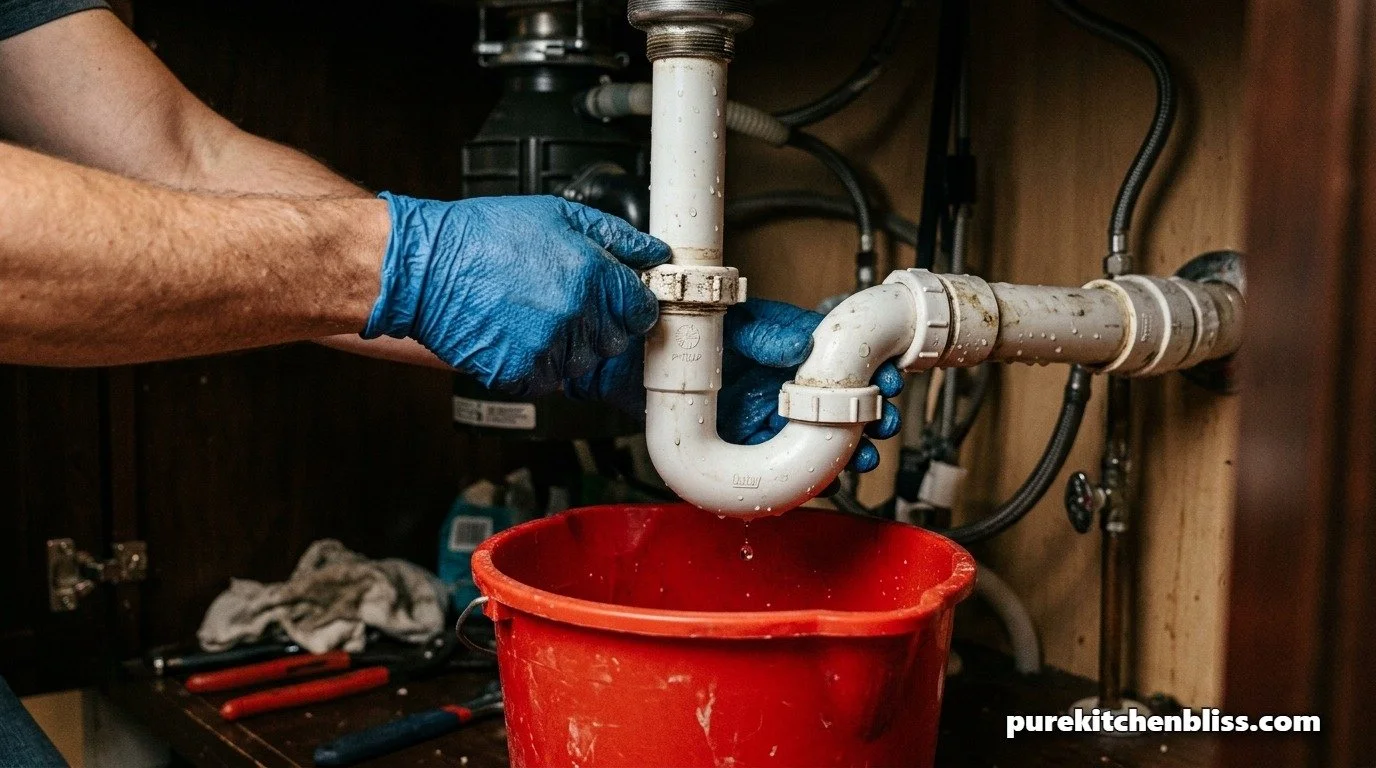
If the sink is still backing up, the oil has settled in the P-trap. This is the U-shaped pipe designed to hold a "water seal" to block sewer gases. It is also a trap for heavy fats.
Preparation: Place a bucket under the U-bend to catch the "grey water."
Disassembly: Most modern P-traps use hand-tightened slip nuts. Unscrew them and remove the U-bend.
The Clean: Take the pipe to a different basin and scrub the interior with hot, soapy water and a bottle brush.
The Re-Install: Ensure the rubber gaskets are seated correctly before tightening. A leak here can damage your cabinetry and create moisture issues under your sink.
6. Cleaning the Aftermath: Removing the Oil Film
Once the plumbing is safe, you must address the residue in the sink basin. Oil film can trap bacteria and lead to the pathogen risks we discussed.
For Stainless Steel: Use a 50/50 mix of white vinegar and water to cut through the rainbow sheen.
For Stone: Avoid vinegar or ammonia-based cleaners. Stick to pH-neutral cleaners to ensure you don't etch the surface or damage the invisible induction infrastructure.
The Finishing Touch: Use the citric acid trick to remove any water spots and leave the basin sterile and streak-free.
Conclusion: Prevention as Infrastructure The best way to manage a grease spill is to treat your drainage as a "Zero-Oil" zone. Keep a dedicated glass "grease jar" under the sink for cooking fats, and always wipe pans with a paper towel before they enter the wash cycle. By treating your plumbing with the same respect as your high-end appliances, you ensure your kitchen remains a high-functioning environment.
Next Up: Ensure your "Cleaning Zone" is operating at peak efficiency with our guide on How to Deep Clean Your Dishwasher.