
Is Silicone a Safe Alternative to Plastic in the Kitchen? 🍳🧪
If you look through modern kitchen design pages or scroll through eco-friendly cooking feeds, you’ll notice that bright plastic tools are rapidly disappearing. In their place is a massive wave of silicone gear: reusable storage bags, baking mats, flexible spatulas, and stretch lids.
With four kids in the house, our kitchen is a high-volume testing ground for anything related to food storage and prep. For a long time, we relied heavily on standard plastic wrap, disposable zip-top bags, and plastic storage containers to pack school lunches and tuck away leftovers. But over the last few years, the data surrounding microplastics and chemical leaching has made me think twice about the materials we bring into our home.
When you heat up traditional plastic, or subject it to the intense thermal loops of a dishwasher, it degrades. That structural breakdown can cause it to leach synthetic chemicals like BPA and phthalates directly into your family's food.
Because of this, many home cooks are turning to silicone as a "green" savior. But as someone who evaluates structural materials and synthetic compounds for a living in my carpentry shop, I wanted to look past the marketing. Is silicone actually a safe alternative to plastic under heat and pressure, or is it just another design fad?
Today, I’m breaking down the true chemical stability of food-grade silicone, the environmental trade-offs you need to know, and a simple, zero-dollar structural test you can do in five seconds to make sure your kitchen gear is completely pure.
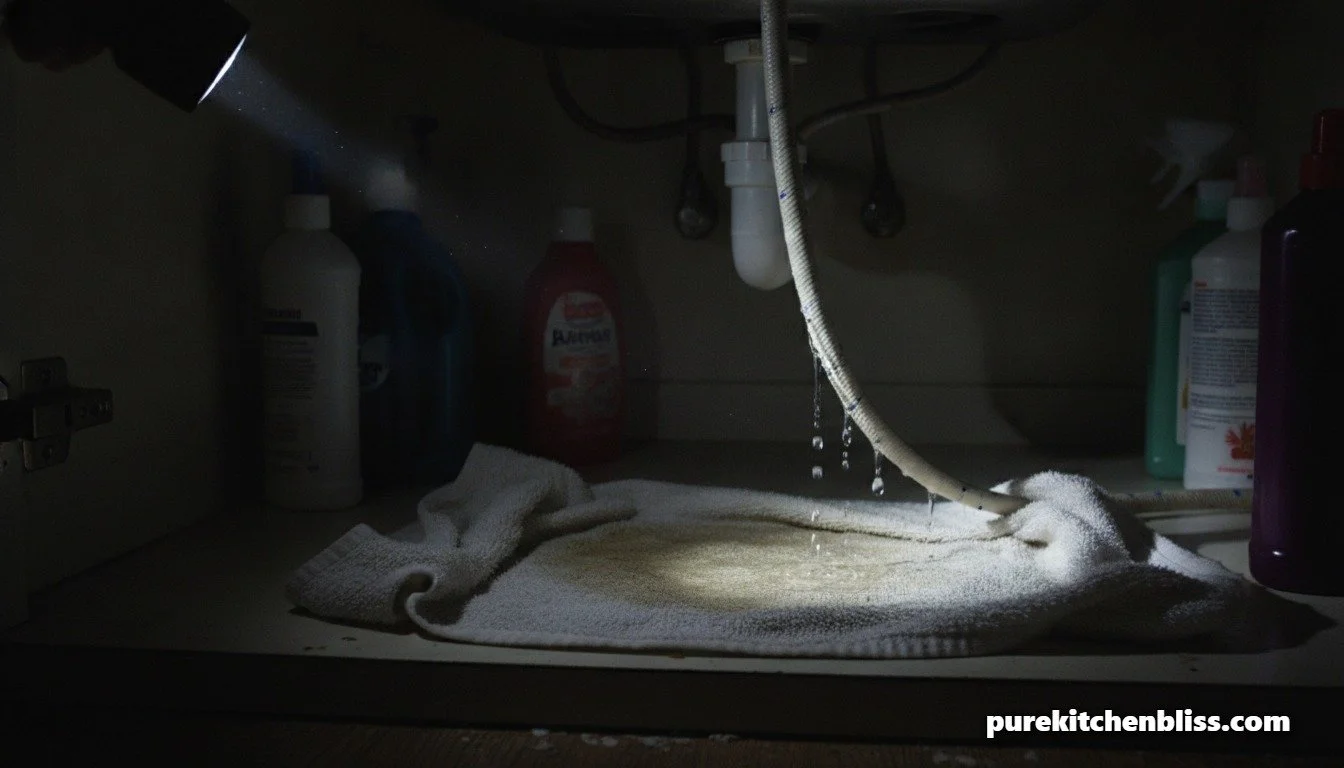
How to Fix a Leaky Kitchen Sink Sprayer Hose Before It Ruins Your Cabinets 🛠️💧
The other day, we looked at how running a fully loaded dishwasher is actually the most sustainable way to tackle the dinner cleanup loop. But no matter how much you rely on your machine, your kitchen sink’s pull-out sprayer hose still handles a ton of heavy daily torque, rinsing off big cutting boards, filling up stockpots, and spraying down the corners of the basin.
With four kids constantly managing their own cleanup, our sink sprayer gets yanked, twisted, and pulled dozens of times a day.
Last week, my oldest went to rinse out a cup and noticed a steady stream of water trickling down the braided line, running straight through the countertop hole and pooling right on the floor of the lower cabinet.
If you don't catch a leak like this quickly, that hidden water will warp your wood base panels, rot your subfloor, and create a breeding ground for mildew. A lot of people panic when they see water under the sink and assume they need to spend hundreds of dollars on a local plumber or replace the entire high-end faucet fixture.
As a builder, my first step is always to look at the mechanical connection points. Nine times out of ten, a leaking sprayer line is caused by a simple worn-out rubber seal or a loose quick-connect fitting. Here is my straightforward, step-by-step dad blueprint to diagnose and fix a leaky sink sprayer hose in under twenty minutes for less than five bucks.
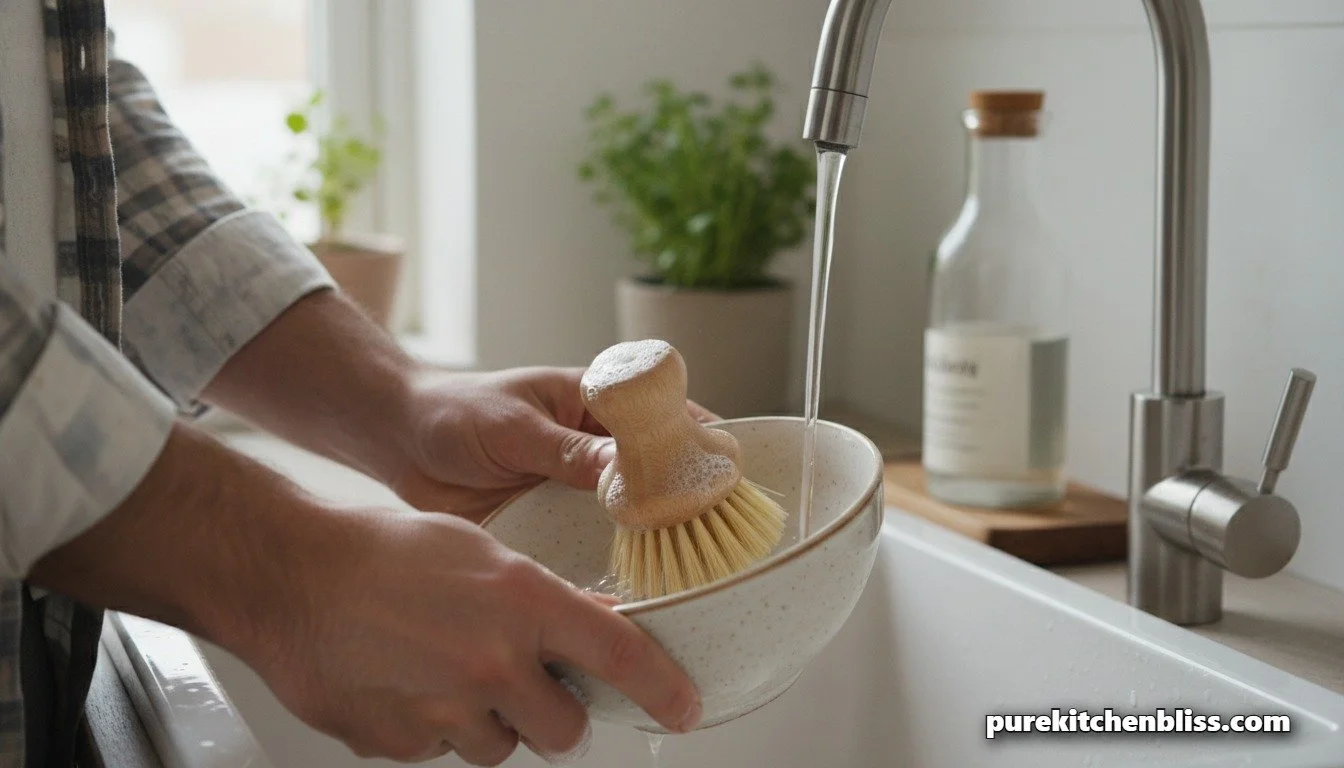
What Is the Most Eco-Friendly Way to Wash Dishes? 🍽️💧
After sitting down to a big dinner with four kids, the kitchen counters are always piled high with plates, mixing bowls, and pots. In a large household, cleanup is a massive daily operation. For a long time, I assumed that standing at the sink and hand washing everything was the most sustainable, eco-friendly way to handle the chore. It just felt more intentional than running a machine.
But as a builder who looks at utility loops and water infrastructure, I decided to look closely at the actual volume numbers.
The reality is that running a modern, fully loaded Energy Star-certified dishwasher is up to 5 times more water-efficient than washing your dishes by hand.
When you look at the mechanical data, the old-school assumption completely falls apart. If you want to lower your home's environmental footprint, reduce your utility bills, and save time, you need to understand the true math behind your cleanup routine. Today, I'm breaking down the water efficiency mechanics of dishwashing, and sharing the best zero-waste swaps if you do have to scrub a heavy pan by hand.

How Do I Improve the Indoor Air Quality in My Kitchen? 🌬️🍳
When we talk about upgrading a kitchen, we usually focus on the tactile elements: the durability of the cabinets, the layout of the island, or how easily we can scratch-test the stone surface. But as a builder, the invisible elements of a room matter just as much as the structural ones.
Data shows that kitchen air can be up to 2 to 5 times more polluted than outdoor air.
Between atomized cooking oils, gas combustion byproducts, and conventional chemical cleaners, the workspace where we feed our families can quickly turn into a stagnant cloud of airborne irritants.
With four kids running around our kitchen island every day, keeping our indoor air clean is a massive priority for me. Fortunately, managing your air footprint doesn't require tearing down your drywall or buying commercial-grade exhaust systems. By establishing a few basic ventilation routines and understanding how your cooking appliances affect your home's air loop, you can breathe much easier. Here is my straightforward guide to tuning your kitchen's air quality.
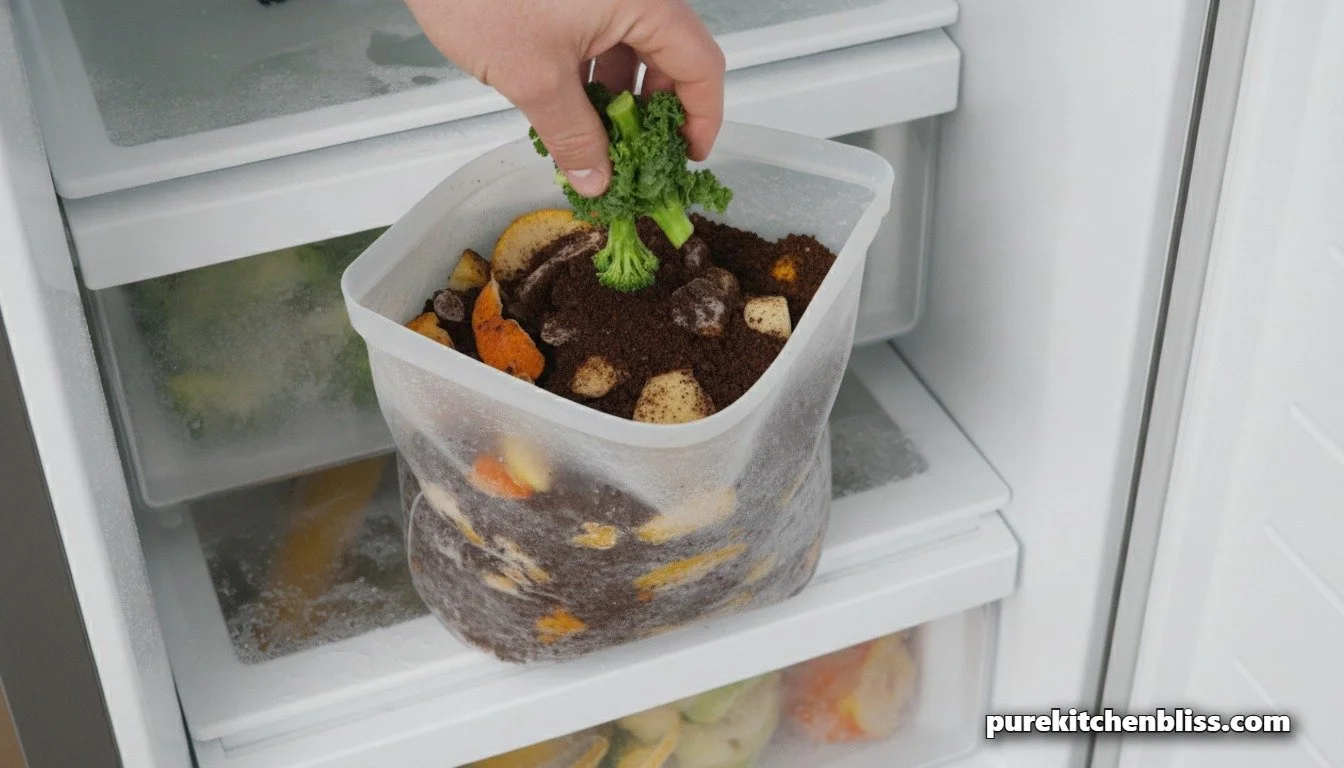
How to Start Composting at Home Without Bad Smells 🌿🍎
When people think about starting a home composting routine, they usually love the environmental idea of keeping organic food waste out of landfills. But almost immediately, the practical hesitation sets in: the smell.
Nobody wants a kitchen island that smells like rotting vegetables, and nobody wants a cloud of fruit flies buzzing around their food prep zone, especially when you have a big family running through meals every day.
In a house with four kids, our kitchen produces a massive amount of coffee grounds, apple cores, eggshells, and vegetable scraps. If you just throw those scraps into an open container under the sink, you are setting yourself up for a nightmare.
But as a builder, I look at decomposition as a basic mechanical process. Kitchen composting doesn't smell if you properly balance moisture and airflow, keeping the organic matter from rotting anaerobically (without oxygen).
You don’t need an expensive, loud electric composting machine sitting on your counter to go green. By using a couple of smart containment setups and a zero-dollar layout trick, you can start composting today without a single bad odor. Here is the exact routine we use to keep our kitchen fresh.

How Can I Improve My Bathroom Air Quality on a Budget? 🌿🧼
When we think about home wellness and renovation, the kitchen gets a lot of attention. We talk about stone surfaces, clean water lines, and ventilation. But from a builder's perspective, there is another room in the house that struggles with a much heavier environmental load: the bathroom.
Indoor air quality is a massive health driver for a family, and our bathrooms are natural breeding grounds for moisture build-up, volatile organic compounds (VOCs), and airborne spores.
In a house with four kids, the family bathroom handles a relentless rotation of steamy showers, damp towels, and daily grooming routines. For a long time, the standard solution for bathroom odors was to grab a bright can of synthetic aerosol air freshener from the grocery store aisle and spray down the room.
But as I’ve learned more about materials and home health, I’ve realized that spraying those aerosols is a major mistake. Most traditional air sprays are packed with synthetic fragrances and hidden chemicals like phthalates, which act as endocrine disruptors. You are essentially trying to mask an odor by loading the air with harsh chemical vapors right where your family brushes their teeth and breathes.
Creating a clean, healthy home environment doesn't require a $10,000 ventilation overhaul. You can clean up your bathroom's air quality on a strict budget. Here is exactly how I ditched the chemical sprays and used a few simple, affordable physics tricks to build a natural bathroom odor eliminator system for under twenty bucks.
How Can I Make My Kitchen More Eco-Friendly on a Budget? 🌿♻️
When people talk about building a sustainable, eco-friendly kitchen, the conversation usually shifts to big-ticket luxury items. They talk about installing thousands of dollars worth of solar panels, swapping out working appliances for smart-grid versions, or sourcing high-end wheatstraw agrifiber cabinetry boxes.
But in a house with four kids, I look at sustainability through a much more practical lens. You don't need a massive home renovation budget to make a real environmental impact.
The absolute fastest way to go green without spending money is to target your highest recurring waste streams.
By looking at the daily habits, paper consumption, and mechanical efficiency of your existing setup, you can dramatically lower your home's footprint while actually putting money back into your wallet. Today, I’m sharing the top three budget-friendly, zero-waste kitchen swaps I used to green our family kitchen for under twenty bucks.

Why I Stopped Using Aerosol Cooking Sprays on My Nonstick Pans 🍳❌
A lot of people notice that their nonstick frying pans, baking sheets, or waffle makers start losing their slick surface after just a few months of use. Even if you are incredibly careful, never using sharp metal utensils, always hand-washing them with a soft sponge, and storing them with protectors, food still starts sticking to the center of the pan.
In my shop and kitchen experience, the culprit usually isn’t your cooking temperature or your washing technique. It is that yellow aerosol cooking spray can sitting in your pantry.
With four kids in the house, we go through a lot of quick breakfasts and weeknight stir-fries. For a long time, grabbing a can of commercial nonstick spray seemed like the easiest, fastest way to coat a skillet or a 4-slice Belgian waffle grid before throwing down batter.
But as a builder, I tend to look at the chemistry of how different coatings interact under heat. Once you realize what is actually inside an aerosol canister, you’ll understand why it is slowly destroying your expensive cookware.
Today, I’m breaking down the basic chemistry of why aerosol sprays ruin nonstick finishes, and the simple, refillable tool I switched to instead to keep our pans perfectly slick for years.

My Honest Take on TikTok's Gravity Electric Spice Grinders 🧂👀
If you spend any time scrolling through social media lately, you’ve probably noticed a massive shift in how people film their cooking videos. There is a whole movement built around "aesthetic prep."
People are completely moving away from mismatched plastic tools and cluttered countertops. Instead, everything is about matching textures, satisfying sounds, and gadgets that make the actual process of cooking look seamless and beautiful.
Lately, my kids have shown me one specific tool that seems to be in every single viral recipe clip: Gravity Electric Salt and Pepper Grinders.
You’ve definitely seen them. They are sleek, modern-looking canisters that sit on the counter. Instead of twisting them with two hands, you just tip them upside down over a pot, a blue LED light turns on, and they automatically start grinding fresh spices using internal tilt sensors.
Because we run a busy family kitchen and a coffee shop, my kitchen island is always a hub for food prep. I’m always skeptical of gadgets that trend just because they look pretty in a 15-second video clip. I wanted to see if these automatic grinders were just aesthetic hype or if they actually solved a real problem for a busy home cook.
I picked up a set to test out on our main island, and after a month of daily family use, here is my honest, first-person review.
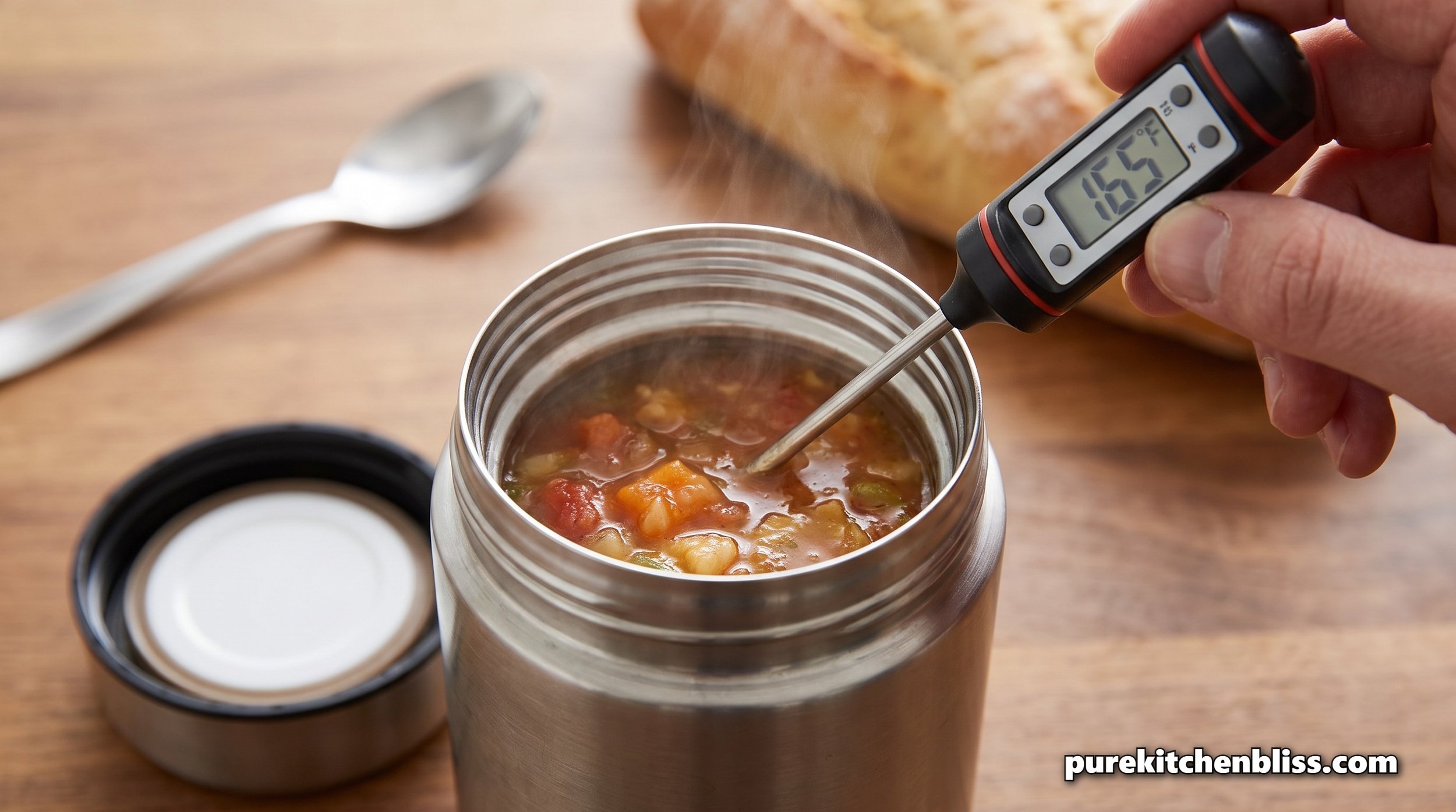
Does a Thermos Actually Keep School Lunch Safe? Here's What the Research Shows
Warm thermos lunches are everywhere in back-to-school content this year, and most of it treats "it's in a thermos" as a safety guarantee. A University of Texas study found the opposite, over 90 percent of perishable items in packed lunches were sitting at unsafe temperatures by the time kids actually ate them. Here's what the research actually shows, and the one step that changes the outcome.
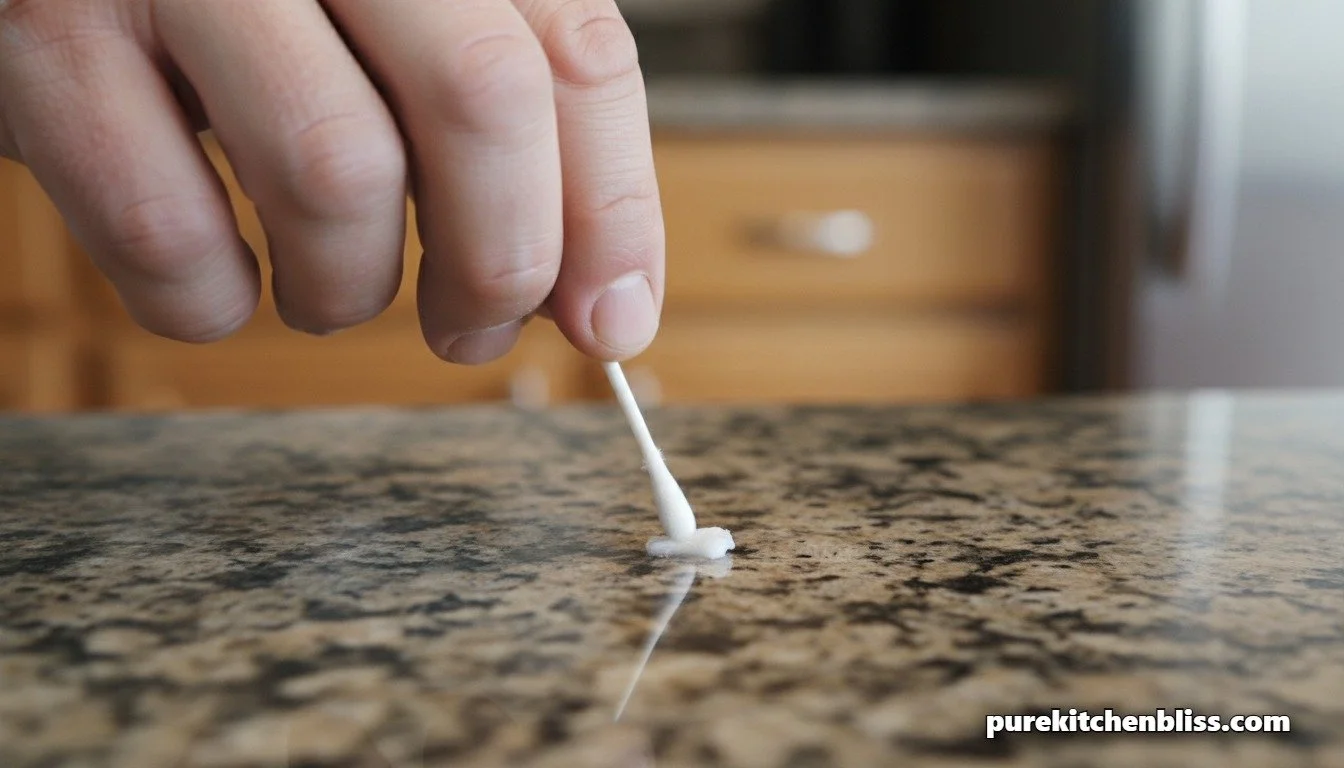
How I Get Super Glue Off My Countertop 🛠️💧
With having four kids, I always seem to have someone working on some sort of project at the kitchen island. Whether it's fixing a broken plastic toy, working on a school model, or doing crafts, our counters get a lot of action. And honestly, as the kids get older, the more glue it seems they want to use.
I feel like I am constantly cleaning dried glue, paint, and tape residue off our countertops.
Last week, my oldest one was working on a project and accidentally left me a nice, rock-hard puddle of super glue right on our main work surface. If you’ve ever dealt with cyanoacrylate (the chemical name for super glue), you know that once it cures, it bonds instantly and feels like plastic armor welded to your counter.
If you look up a quick solution online, a lot of generic advice will tell you to just grab a metal razor blade and scrape it off, or dump heavy acetone everywhere. But as a woodworker and builder, my immediate thought is always about protecting the surface finish. If you have a premium honed stone or wood counter, aggressive scraping or using the wrong chemicals can permanently scratch the material or strip away the protective sealer.
You have to be patient and let chemistry do the work. Here is exactly what I did last week to clean that super glue puddle off our countertop without leaving a single scratch behind.

What Actually Upgrades Your Coffee: Kettle, Grinder, or Machine?
Once the mornings turn cooler, our house shifts hard from iced coffee back to hot, and every fall I get asked the same question, what's actually worth buying to make coffee better at home. The honest answer surprises people, it's rarely the espresso machine itself that's holding a cup back.
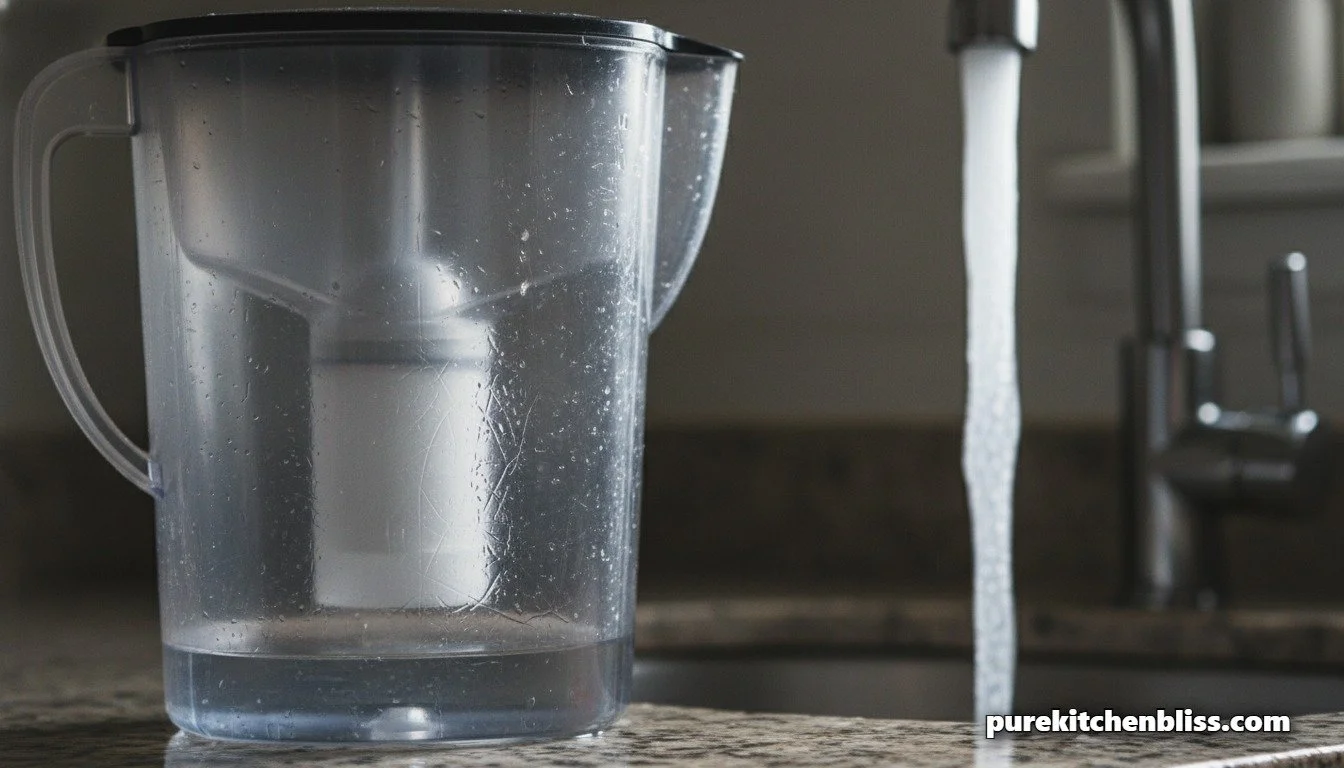
Why I Installed an Inline Water Filtration System Beneath My Kitchen Sink 🚰💧
With a house full of four growing kids, our kitchen island operates like a high-volume hydration station. Someone is always filling a sports bottle for practice, grabbing water for school, or mixing up a pitcher of lemonade.
For years, we relied on those standard, plastic countertop filter pitchers. But let's be completely honest: in a six-person household, those pitchers are a logistical joke. They are slow, they take up premium counter space, and they are always sitting completely empty because nobody ever wants to refill them. I got tired of the constant countertop clutter and the low-yield waiting game.
Last year, I decided to fix our hydration bottleneck permanently. I crawled inside the main sink cabinet and plumbed a high-flow, commercial-grade inline water filtration system directly into our cold water supply line.
If you ask a big-box store associate how to get filtered water, they’ll try to sell you a separate, tiny "filtered water tap" that requires you to drill a brand-new hole right through your expensive custom countertops. As a carpenter, I hate drilling unnecessary holes in a clean slab. Instead, I used an inline configuration. This means 100% of the cold water coming out of our primary kitchen faucet goes through the filters first.
Today, I’m walking you through my exact, first-person plumbing blueprint to install an under-sink inline water filter so you can ditch the plastic pitchers and get instant, endless purified water straight from your main tap.
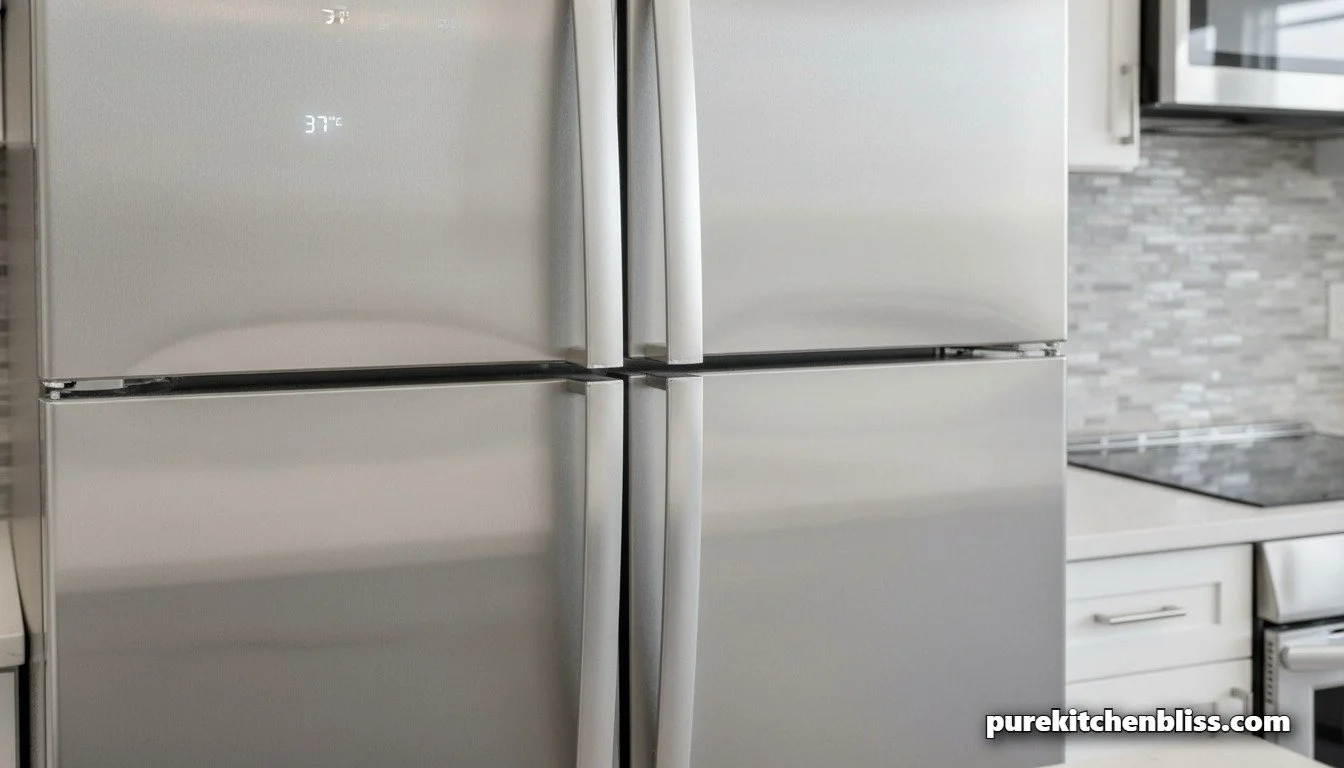
How I Tuned My Refrigerator Doors to Save Money on My Monthly Power Bill 🛠️💸
In my coffee shop, running refrigeration equipment with a failing door seal is a massive operational liability. If a walk-in cooler door sags by even a quarter of an inch, cold air constantly dumps out onto the floor, causing the heavy compressor engine to run around the clock. Your electricity bill spikes, the compressor prematurely burns out, and you risk ruining thousands of dollars in commercial dairy inventory.
Last weekend, I noticed a similar warning sign inside my own kitchen. As I sat at the island, the house was quiet, but our panel-ready refrigerator was emitting a constant, low, aggressive hum that wouldn't shut off.
In a home with four kids, our refrigerator doors get wrenched open and slammed shut dozens of times a day. Over time, that constant physical impact, combined with the heavy weight of milk jugs and juice bottles loaded into the door bins, will cause the factory hinges to sag.
If you ask a generic AI chat tool why your fridge is running constantly, it will instantly tell you to replace the compressor or call an appliance repair tech. But as a carpenter, I look at the physical geometry of the appliance first. Most of the time, the compressor is fine, the doors are just sagging out of alignment, breaking the magnetic seal. Here is my exact, first-person diagnostic routine to level your refrigerator doors and restore a watertight thermal barrier in 10 minutes flat using a basic wrench and a single dollar bill.
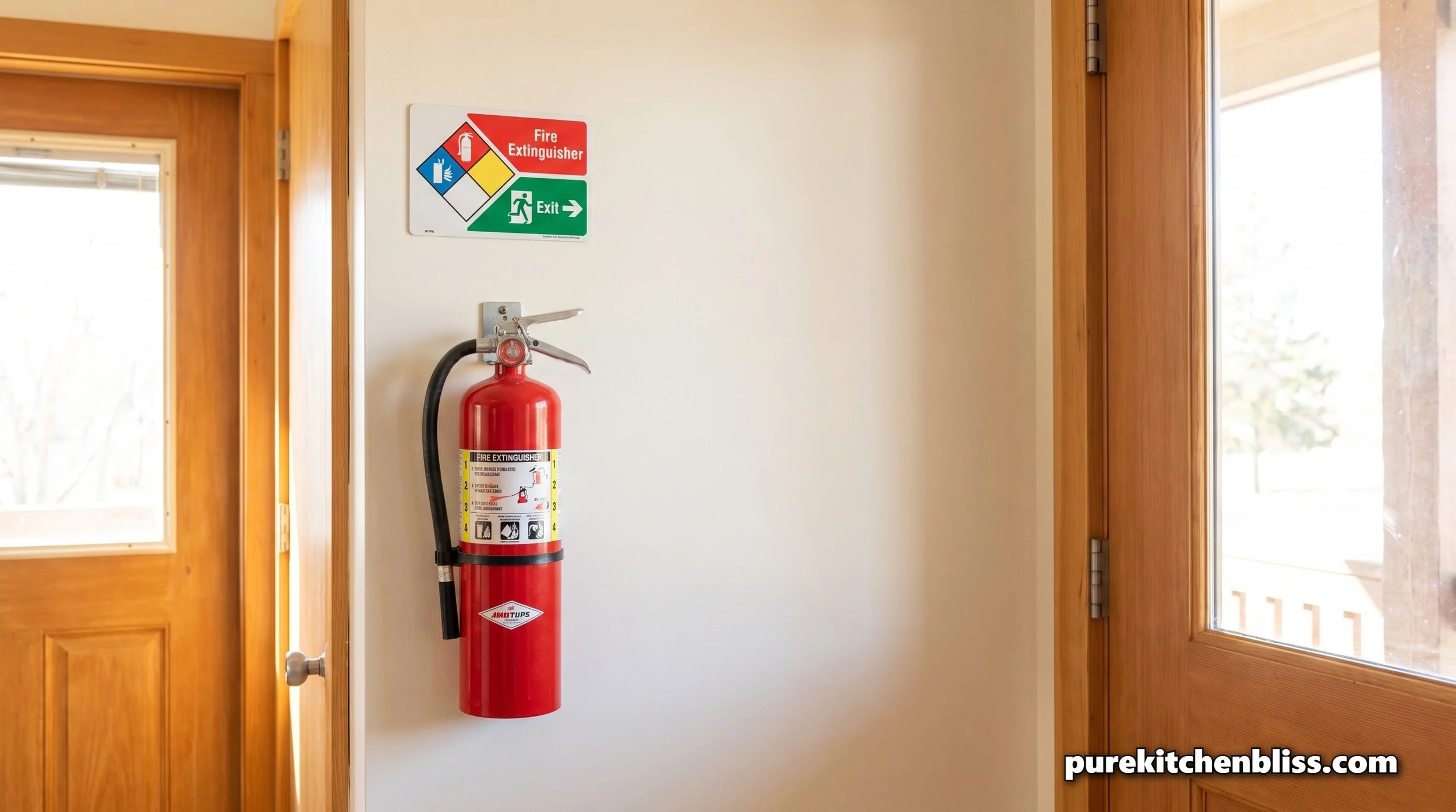
Where to Put Your Kitchen Fire Extinguisher (And Why Your Smoke Alarm Battery Matters More Than You Think)
Most kitchens have a fire extinguisher tucked in a cabinet somewhere and a smoke alarm on the ceiling nobody's touched since it was installed. Both of those are common enough to feel like they don't need a second thought, and both are set up wrong in a huge number of homes. Here's where each one actually belongs, and the maintenance schedule that determines whether either will work when you need it.
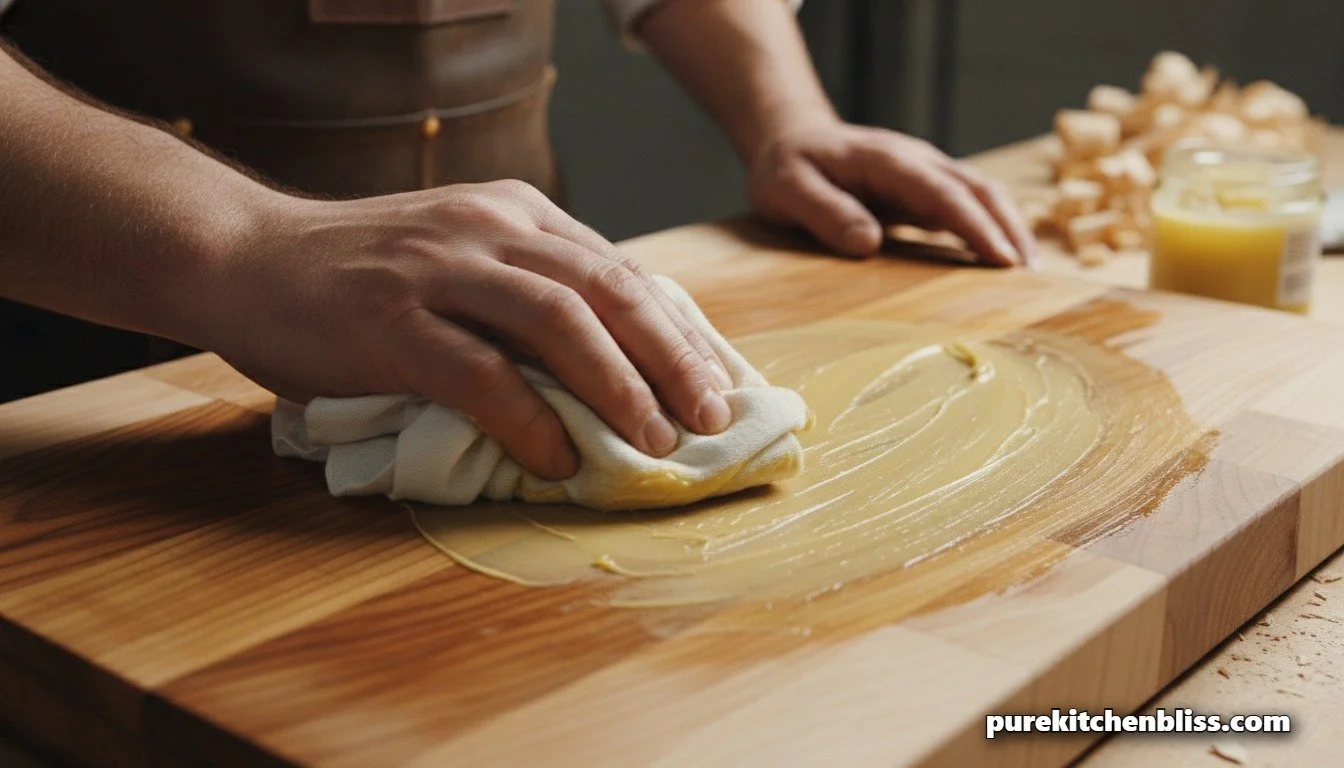
How I Re-Oil My Wood Cutting Boards to Stop Them from Splitting and Warping 🪵🛠️
In my carpentry shop, a premium slab of white oak, walnut, or rock maple is handled with absolute precision. We measure to the millimeter, control the ambient humidity, and apply beautiful protective finishes. But in my kitchen, my wood cutting boards are subjected to a daily, violent onslaught of water, acidic meat juices, heavy cleavers, and scrubby sponges.
With four kids running around a high-contact kitchen sanctuary, our prep boards face constant abuse. A few months ago, I walked into the kitchen and noticed my favorite heavy-duty walnut block was starting to look dull, dry, and gray. Even worse, it had developed a slight cup, meaning the edges were warping upward off the flat countertop.
If you jump onto a generic internet summary, it might tell you to rub olive oil or vegetable oil from your pantry onto dry wood. As a professional woodworker, I am telling you that is the fastest way to ruin a board. Cooking oils are unstable fats; they will oxidize, turn rancid, and leave your prep surfaces smelling like stale grease.
Twice a year, I round up every cutting board, wooden spoon, and rolling pin in the house and take them out to my workbench for a deep conditioning treatment. Here is my exact, first-person shop routine to clean, hydrate, and seal wood grains so they never split, warp, or trap bacteria again.
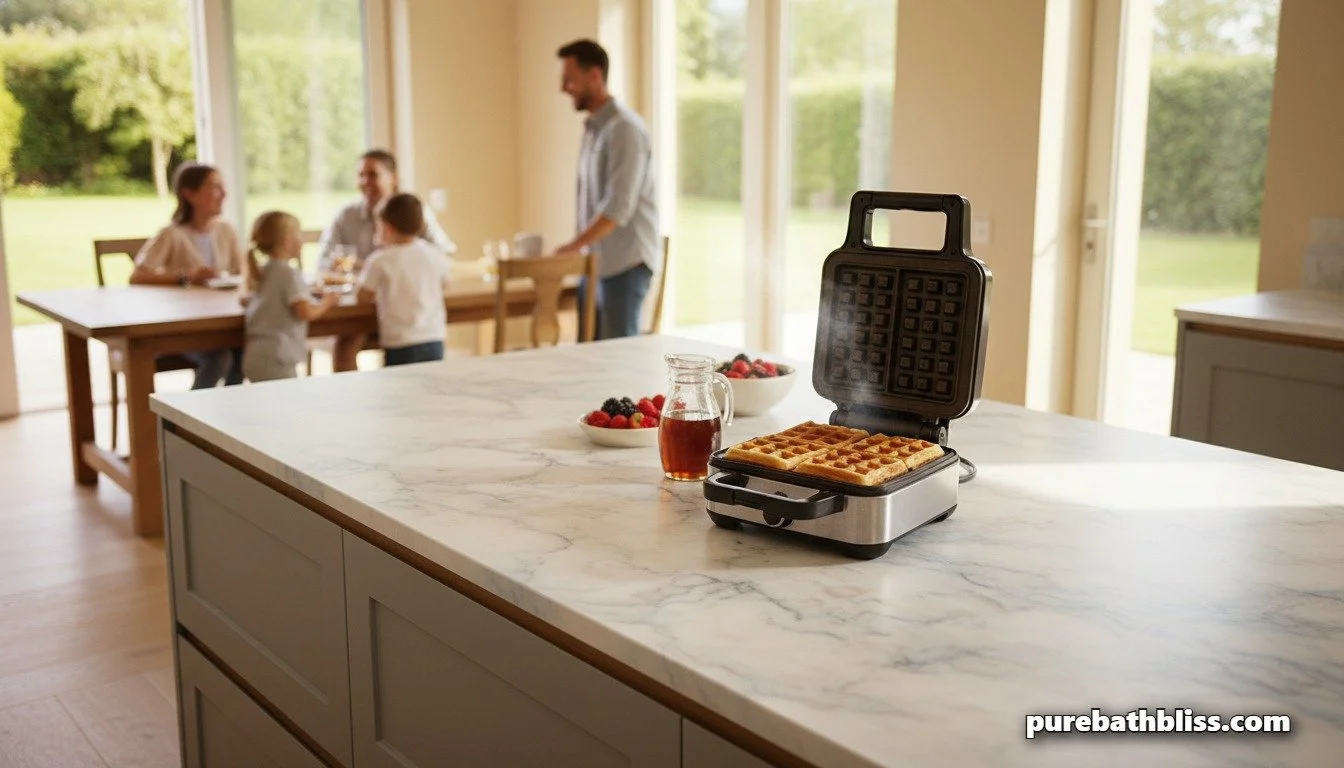
My Top 3 Four-Slice Waffle Makers: How I Finally Reclaimed My Sunday Mornings 🧇⏱️
For years, my family had a little unwritten rule on Sunday mornings. We had this tiny, single-slice round waffle maker. It wasn't fancy, but it worked. As our family grew to six people, I stubbornly refused to replace it because, well, it wasn't broken.
But let me tell you what my Sunday mornings actually looked like: I would stand at the counter for over an hour, pouring batter, waiting for the little green light, popping out one single waffle, cutting it into quarters for the kids, and starting all over again. By the time everyone else was full and running off to play, I was exhausted, staring at a stack of dirty dishes, and eating a cold, leftover scrap by myself. 🖥️❌
I finally broke down, put my stubbornness aside, and bought a heavy-duty, family-sized 4-slice machine. It completely changed the game. I am no longer held hostage by breakfast.
In the modern era of automated internet summaries, you can easily find a robotic list of appliances. But as a carpenter, a coffee shop owner, and a dad who actually cooks under pressure, I look for heavy structural hinge design, even thermal distribution, and easy teardown. Today, I’m sharing my first-person review of my top three 4-slice waffle makers on the market—including the exact KRUPS Belgian Waffle Maker that saved my sanity.
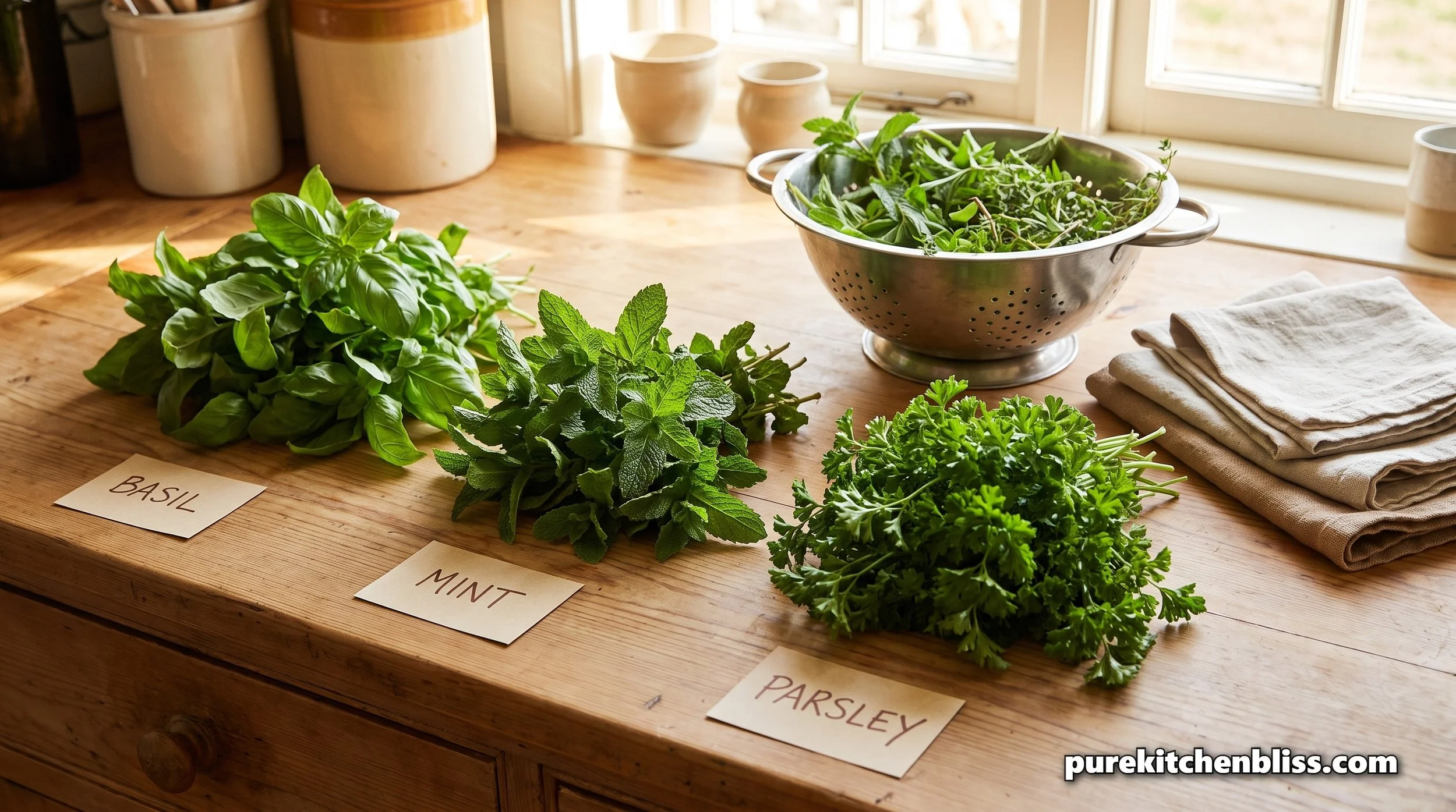
What to Do With Your Herb Garden Before It Bolts at the End of Summer
Every August our basil goes from thriving to bolting almost overnight once the heat really sets in, and I used to lose half a season's worth of herbs just watching it happen without a plan. Freezing, drying, and a few other preservation methods each work better for different herbs, and the difference between a plan that actually saves your harvest and one that lets it go to waste comes down to timing and matching the method to the herb.
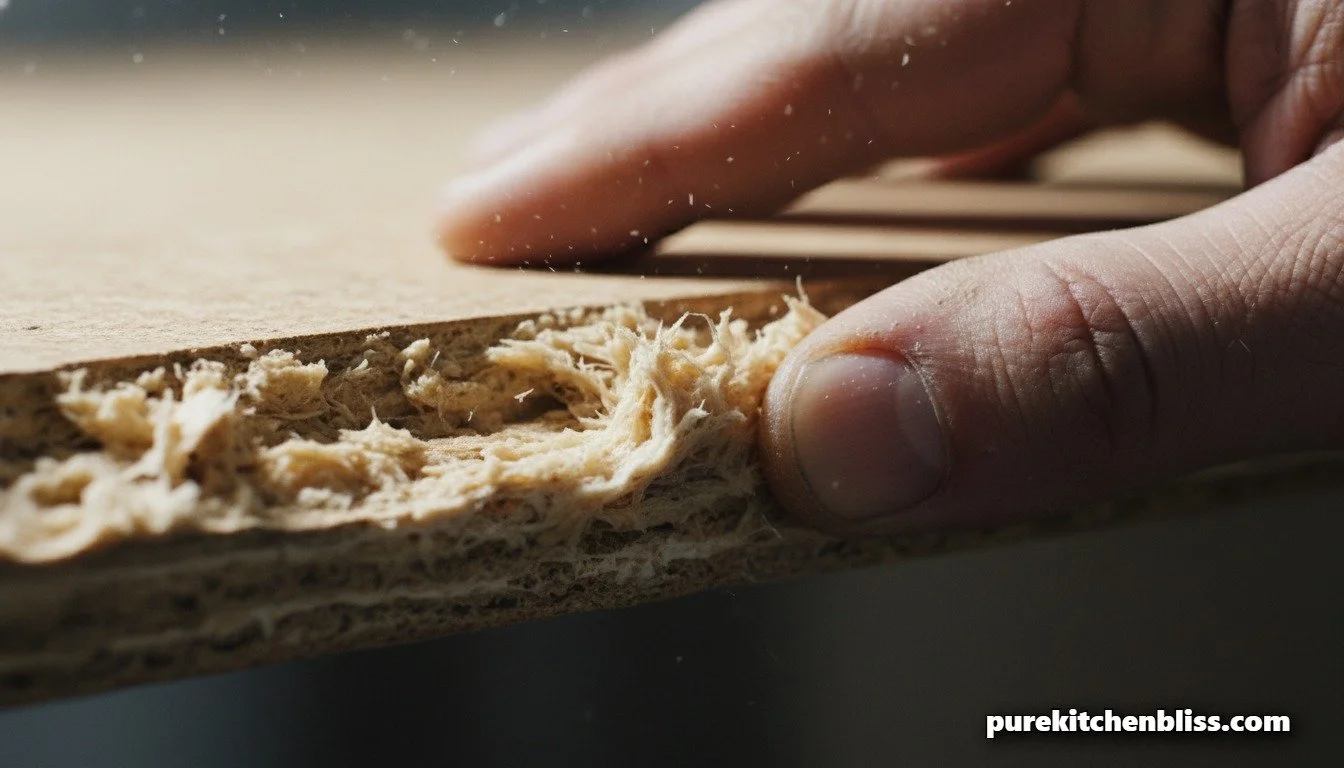
Why I Refuse to Use Particleboard in My Kitchen Builds (And What I Use Instead) 🪵
I have spent more than twenty years running a custom carpentry shop and cutting apart old, failing kitchens. Over that time, I have seen exactly what happens to a home when you build a room out of cheap, mass-market materials.
If you walk into a big-box store or look at a budget cabinet line online, the sales pitch always focuses on the outside. They show you a beautiful, flawless Cloud Dancer porcelain color palette or a clean shaker door style. But as a carpenter, I don’t care about a pretty veneer face if the core skeleton of the cabinet box is garbage.
The biggest culprit in modern home construction is particleboard (sometimes dressed up with fancy names like "furniture board" or "compressed engineered wood"). It is the undisputed choice for cheap, mass-produced cabinetry.
But in my shop, I have a strict, non-negotiable rule: I completely refuse to run particleboard through my saws for a kitchen build. In a house with four kids, our kitchen handles constant physical impact, high humidity, and heavy weight loads. Building a long-term kitchen on a foundation of particleboard is a recipe for structural failure. Today, I’m giving you my unfiltered carpenter’s warning on why this material is a ticking time bomb, and the two heavy-duty alternatives I use instead to build a kitchen that lasts 20 years.
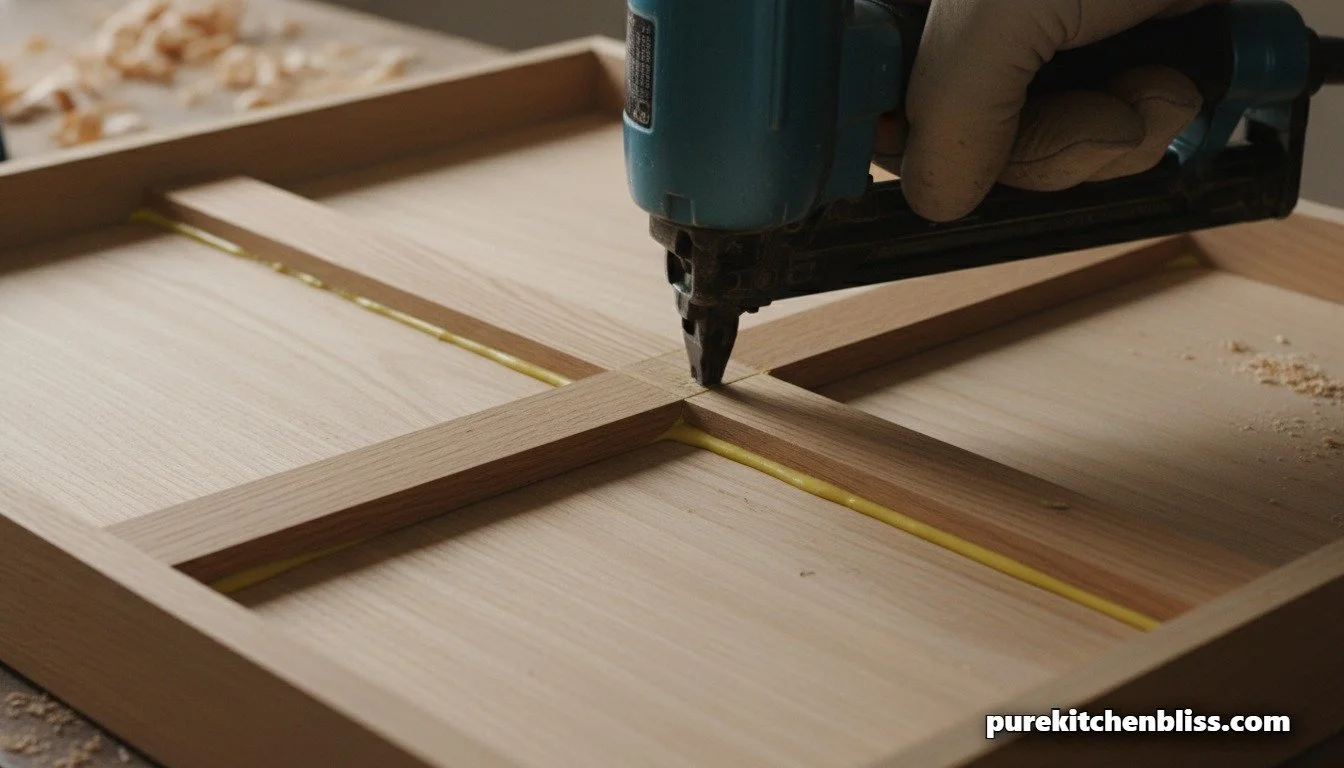
How I Fix a Sagging Kitchen Drawer That Was Built with Cheap Hardware 🛠️🧰
In a house with four kids, my kitchen cabinetry doesn't get treated with gentle, showroom respect. Drawers don't get smoothly slid open, they get yanked by toddlers using the handles as climbing steps, leaned on by teenagers looking for snacks, and routinely overloaded with heavy cast-iron pans and baking gear.
Last week, my family finally hit the breaking point with our main baking drawer. Every time we tried to pull it open, it shuddered, screeched, and got stuck halfway on its tracks. When I pulled the drawer box completely out of the cabinet frame to look at it on my workshop bench, the problem was instantly obvious: the thin, 1/4-inch particleboard bottom panel had completely bowed downward under the weight of the flour bins, pulling out of its side grooves and bending the cheap, factory-installed side slides out of alignment.
If you search online for "how to fix a stuck drawer," a generic AI search result will tell you to spray WD-40 on the tracks or rub a candle along the wood. As a professional carpenter, I am telling you that advice is useless nonsense. If the structural integrity of the box is compromised, no amount of lubricant will fix it. You need to reinforce the load-bearing bones of the drawer.
Today, I’m walking you through my exact, first-person workshop blueprint to rebuild and reinforce a sagging kitchen drawer box so it handles heavy daily abuse without ever catching or sticking again.