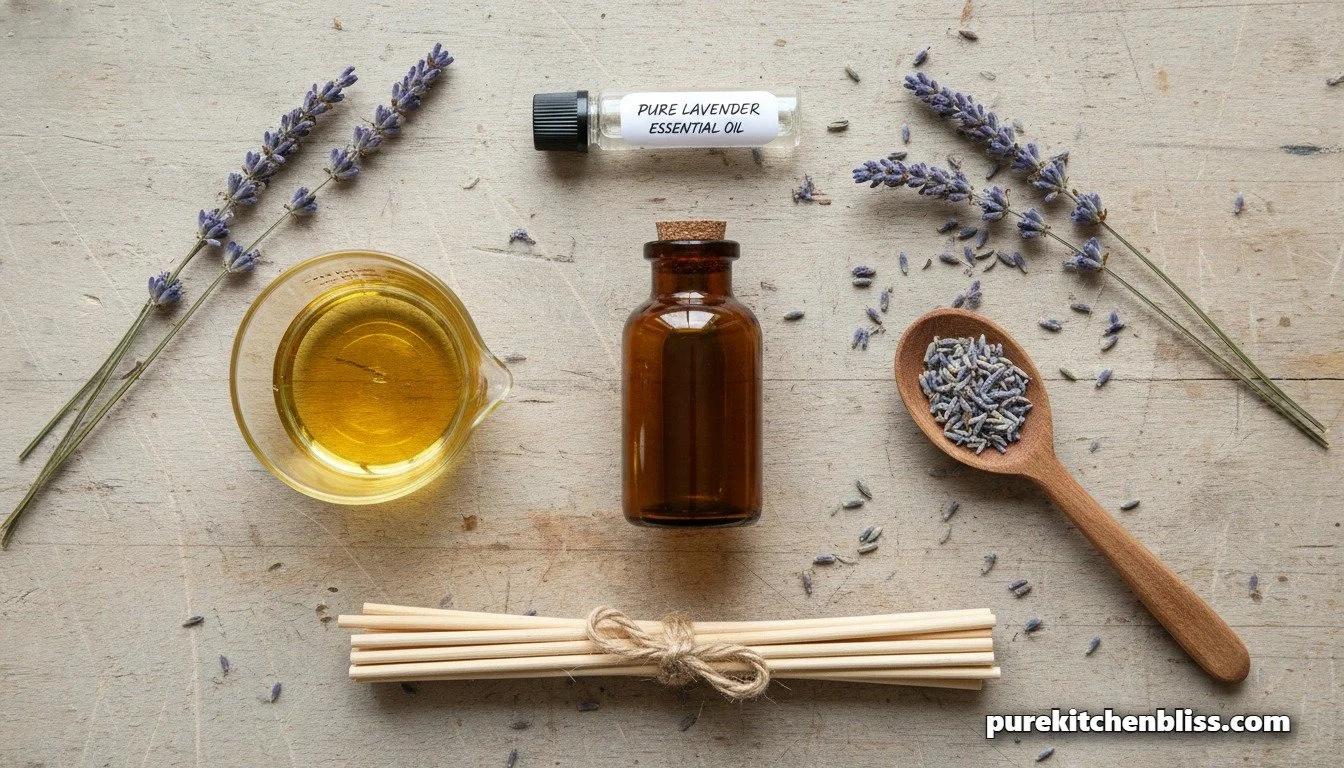
DIY Lavender Reed Diffuser: The Perfect 2026 Spa Secret 🌿🧴
If you’ve been following our every-other-day posting schedule, you know we just unlocked the secret to passive air diffusers using shop scraps. But today, we are scaling things up to target the ultimate relaxation zone. We are building a custom, artisan DIY Lavender Reed Diffuser.
Walk into any high-end boutique in 2026, and you’ll see reed diffusers retailing for $60 a pop. But as a builder, I look at those bottles and see about $5 worth of raw materials. Most commercial brands use synthetic fragrance oils loaded with phthalates. When you have four kids running around a high-traffic kitchen sanctuary, the last thing you want to do is pump synthetic chemicals into the air.
Today, we’re using pure "Shop Logic" to mix an all-natural, highly potent lavender diffuser that matches the exact quality of the blends I run in my coffee shop. Here is the blueprint for crafting your own piece of spa-level bliss.
The Green Dust: How to Clean and Prevent Moldy Lemons
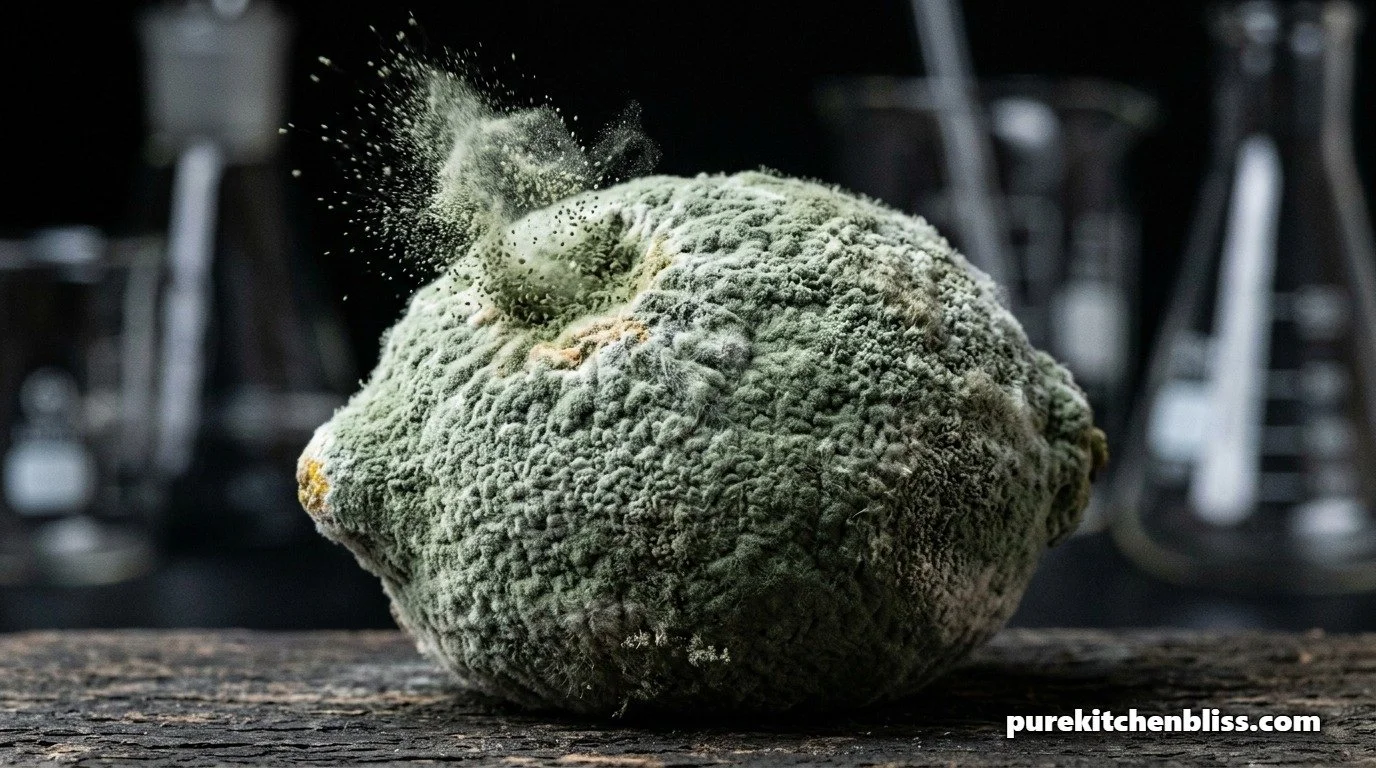
It starts as a small, white fuzzy patch, but within 48 hours, a single lemon can transform into a pressurized vessel of green spores. If you’ve ever picked one up only to have it release a fine, "smoke-like" dust everywhere, you’ve experienced a spore-dispersal event.
In a high-performance kitchen, this is a serious maintenance hurdle. That green dust isn't just "dirt"; it is a colony of Penicillium looking for its next host. If those spores settle into the porous wood of a fruit bowl or the gaskets of your refrigerator, they can remain dormant for months, waiting to ruin the next batch of groceries. To protect your culinary sanctuary, you need a protocol that captures the dust before it migrates.

Stop the Scout: Non-Toxic Ant Hacks for Your Kitchen
The first summer I spent in my current home, I quickly learned a frustrating reality: ants don’t just stay outside. My first instinct was the standard homeowner response, I called a professional pest control company. But as I watched them spray heavy, pungent chemicals around my baseboards and near my workstation sink, I had a realization. I didn't want my kitchen, the heart of my home's wellness, smelling like a science lab. I have 4 kids and did not want this in my house again.
I realized that "brute force" pesticides are often a temporary fix for a structural problem. Since then, I’ve moved away from the chemicals and mastered a set of "Builder-Grade" hacks that keep my kitchen ant-free by targeting their biology and their entry points. To beat the cycle, you don't need poison; you need to disrupt their Pheromone Infrastructure.
The Ammonia Myth: Why This Old-School Cleaner Has No Place in a High-Performance Kitchen
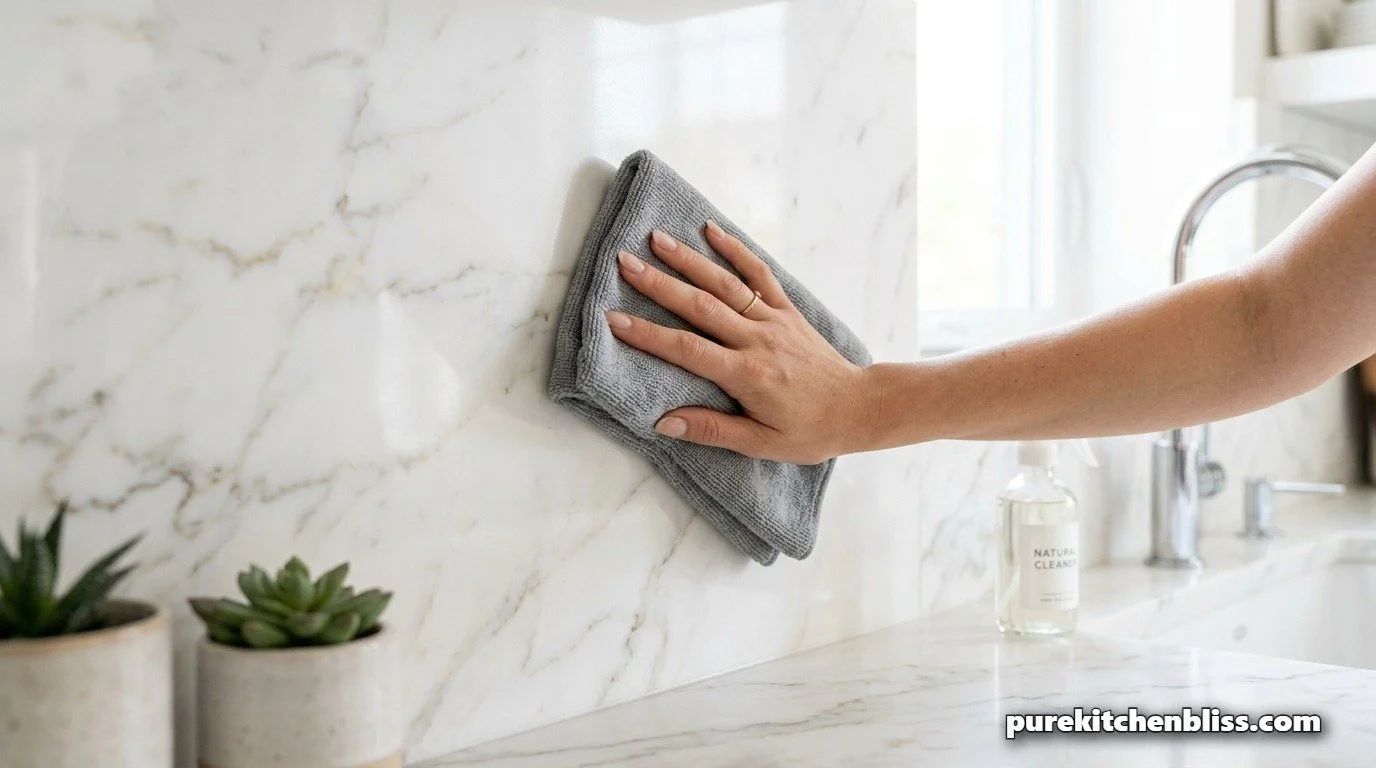
For generations, ammonia was the "gold standard" for cutting through the heavy, polymerizing grease that accumulates in a working kitchen. It was cheap, powerful, and left a streak-free shine on windows. But just as the "Builder" community has moved away from toxic additives in bath products, the 2026 standard for the kitchen has shifted.
In a high-performance sanctuary, we no longer use "brute force" chemistry. We use targeted, pH-balanced solutions. Ammonia isn't just a respiratory irritant—it is a chemical mismatch for modern infrastructure. From the resins in your quartz countertops to the structural integrity of your high-performance sink, ammonia is a legacy cleaner that causes more harm than it solves.
The Hidden Chemicals in Kids' Dishes: Convenience or a Health Risk?
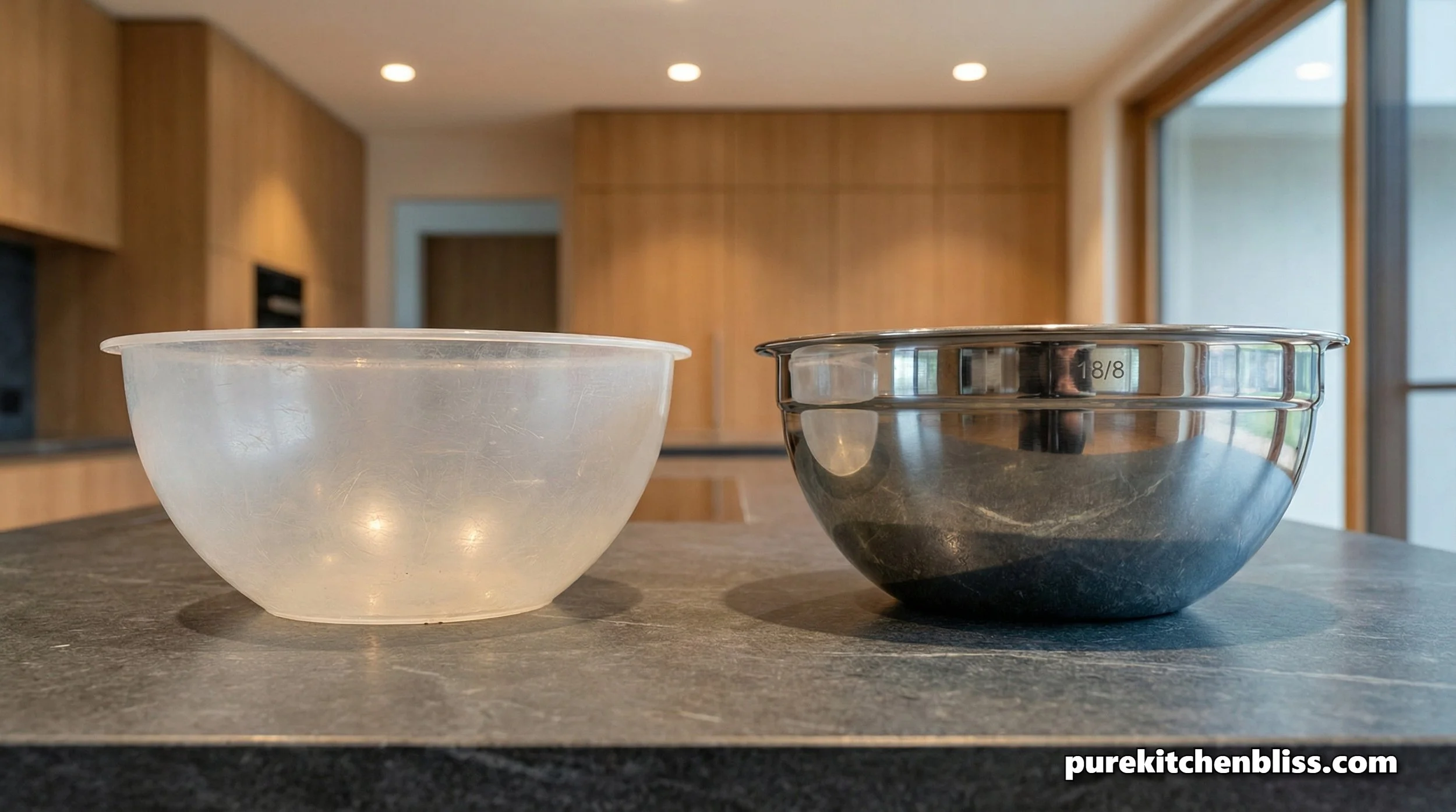
Just as many parents have begun to scrutinize the synthetic dyes and fragrances in popular bath products, a new front has opened in the quest for a non-toxic home: the kitchen cupboard. In our pursuit of a high-performance sanctuary, we often prioritize "shatterproof" and "non-stick" conveniences. We want the toddler plate that survives a fall from a high chair and the pan that wipes clean in seconds.
However, from a material-science perspective, "convenience" often comes with a chemical trade-off. Many of the most popular children’s dishes rely on resins and coatings that can "off-gas" or "leach" when exposed to heat or acidity. To out-perform standard big-box kitchen advice, parents must look past the colorful branding and audit the actual infrastructure of their children's dinnerware.

Is Your Kid’s Cookware Safe? A Parent’s Guide to Non-Toxic Plates & Pans
Just as parents have begun to question the synthetic dyes and fragrances in bath bombs, the modern kitchen is under a new level of scrutiny. In our pursuit of a high-performance sanctuary, we often prioritize the "shatterproof" and "non-stick" conveniences that make feeding children easier.
However, many of these "kid-friendly" materials rely on chemical coatings and composite resins that can leach into food when heated. To build a truly safe kitchen environment, you must understand the difference between a "convenient" material and a "biologically inert" one. When you are preparing a meal for a developing body, the material of the pan is just as critical as the quality of the ingredients.