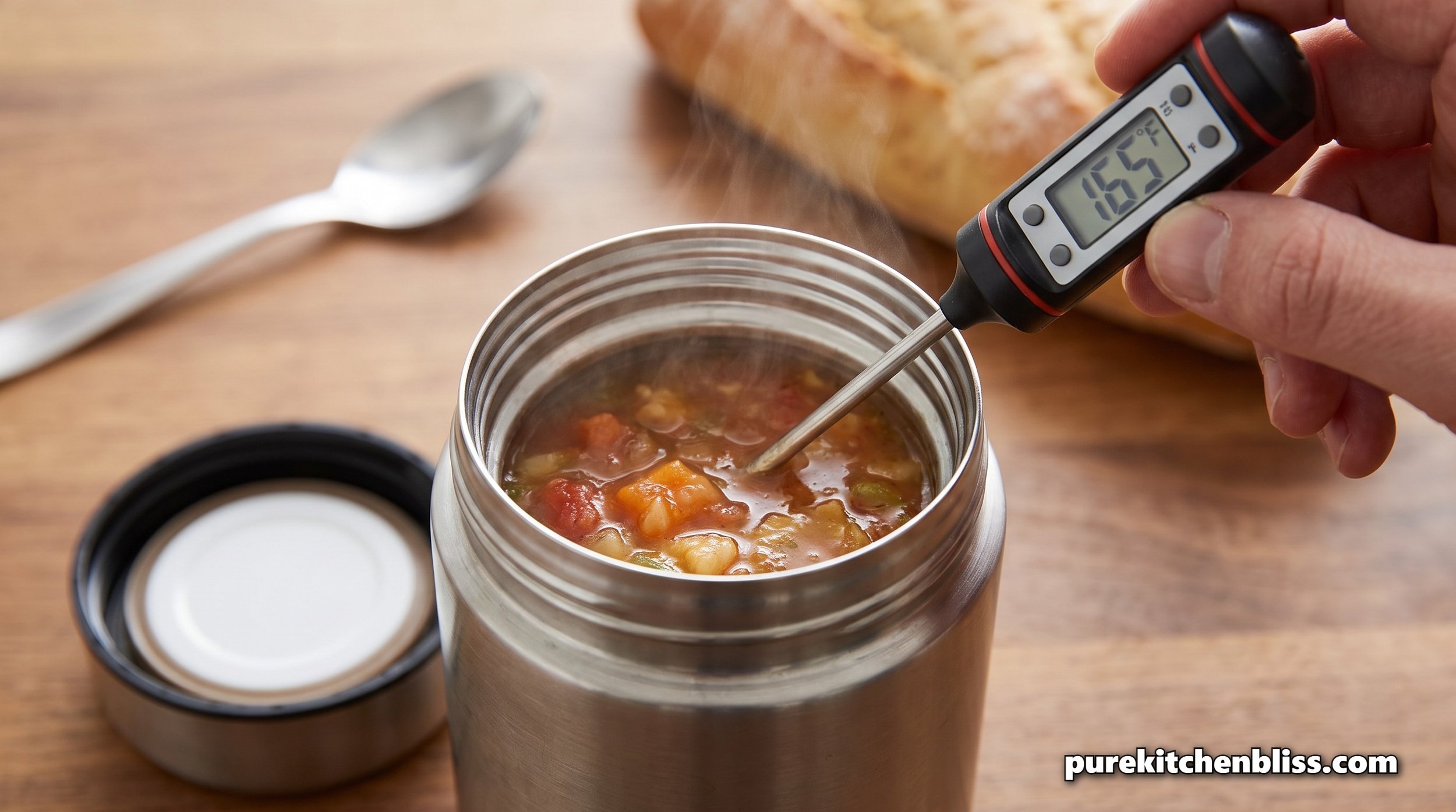
Does a Thermos Actually Keep School Lunch Safe? Here's What the Research Shows
Warm thermos lunches are everywhere in back-to-school content this year, and most of it treats "it's in a thermos" as a safety guarantee. A University of Texas study found the opposite, over 90 percent of perishable items in packed lunches were sitting at unsafe temperatures by the time kids actually ate them. Here's what the research actually shows, and the one step that changes the outcome.
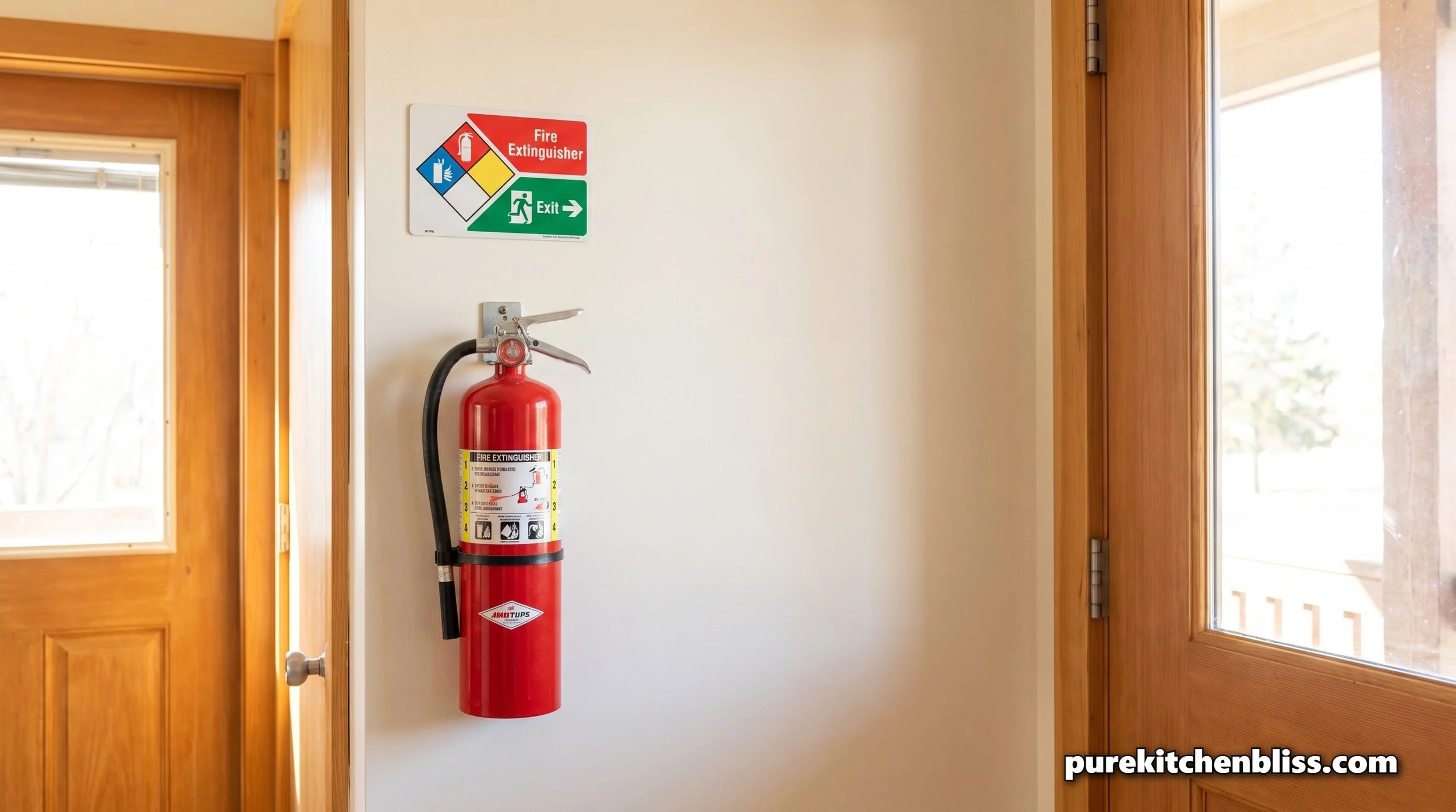
Where to Put Your Kitchen Fire Extinguisher (And Why Your Smoke Alarm Battery Matters More Than You Think)
Most kitchens have a fire extinguisher tucked in a cabinet somewhere and a smoke alarm on the ceiling nobody's touched since it was installed. Both of those are common enough to feel like they don't need a second thought, and both are set up wrong in a huge number of homes. Here's where each one actually belongs, and the maintenance schedule that determines whether either will work when you need it.
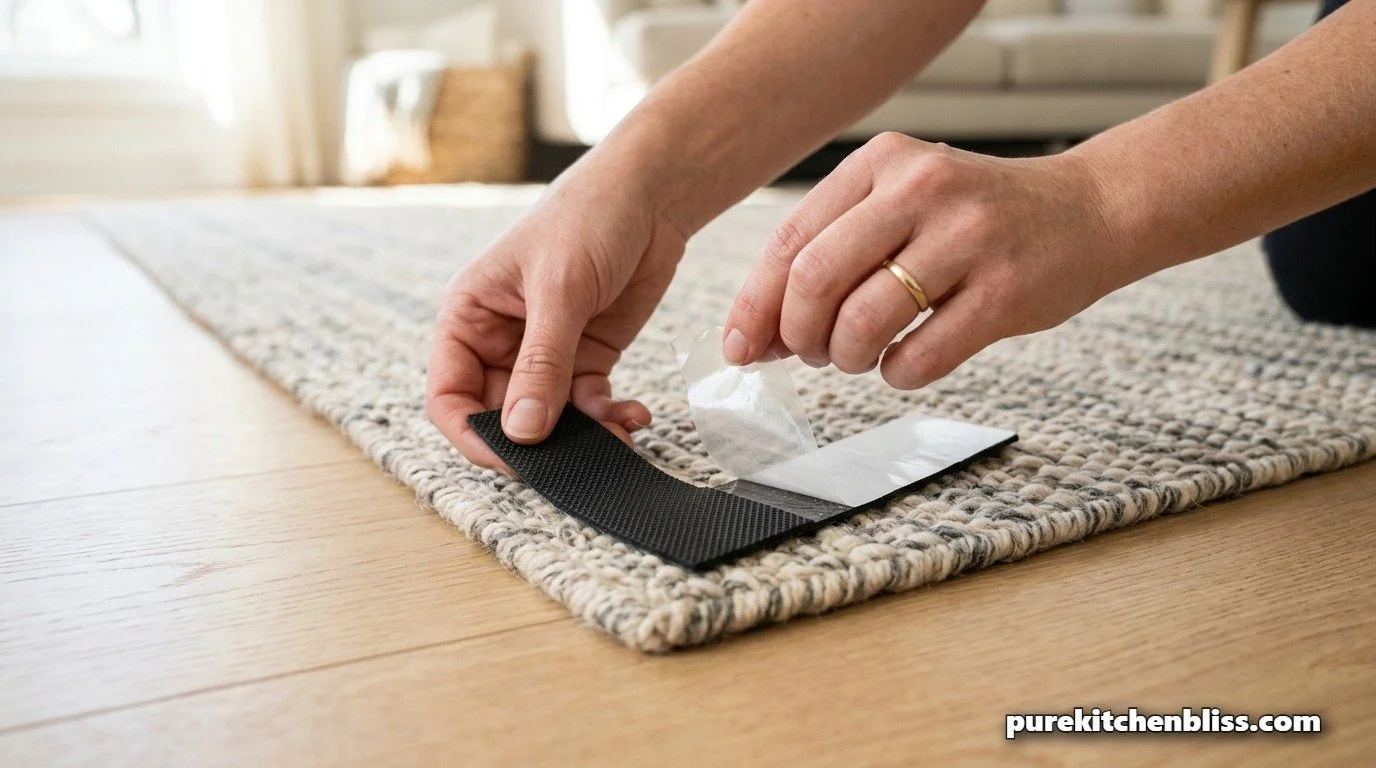
The Best Rug Grippers on Amazon: Engineering a Slip-Proof Sanctuary ⚓✨
If you’ve already read my anti-slip masterclass, you know that I don't play around with floor safety. In a house with four kids, a sliding rug isn't just an eyesore, it’s a mechanical failure waiting to happen. 😱
As a builder, I look for "adhesive shear strength" and "reusability." You need a gripper that anchors the rug to the hardwood without destroying the fabric or leaving a sticky mess on your floor. I’ve vetted the top-rated options on Amazon to find the ones that actually stand up to high-traffic kitchen "load." Here are the four that make the cut for a professional kitchen sanctuary.

The "Anti-Slip" Masterclass: How I Rug-Proof My Kitchen for 4 Kids! 🏃♂️💨
Let’s be real: A beautiful runner rug looks amazing in a kitchen sanctuary, but if it’s not anchored properly, it’s basically a high-speed slip-and-slide for your kids. 😱 As a carpenter, I’ve seen what happens when "friction fails" on a job site, and as a father, I’ve seen enough "wipeouts" on the kitchen floor to last a lifetime.
If you’re tired of constantly kicking your rug back into place or worrying about the kids taking a corner too fast, you need a safety intervention. We’re moving beyond those cheap, mesh non-slip pads that turn into dust. We’re talking about real mechanical grip. Here is how I anchor my kitchen for maximum safety and style!
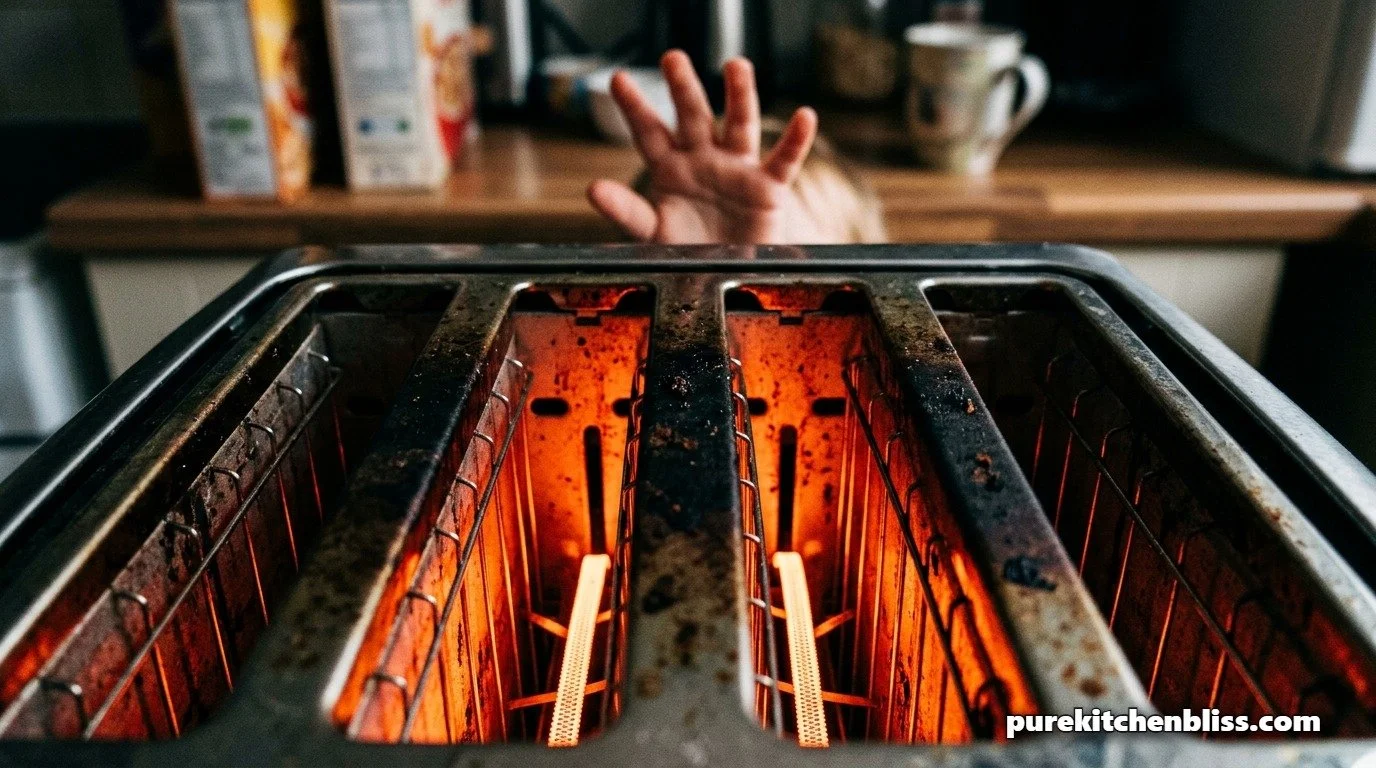
Toaster Safety 101: How to Keep Your Kids Safe and Your Kitchen Fire-Free! 🔥🥪
Let's talk about the most dangerous "small tool" in your kitchen: The Toaster. 🍞 It seems innocent enough, but as a carpenter, I see a toaster for what it really is, an exposed electrical heating element surrounded by flammable crumbs. 😱 When you add four curious kids into the mix, it’s a recipe for a "mechanical failure" you definitely don't want.
Keeping your kitchen sanctuary safe means respecting the heat. We’re not just talking about burnt toast; we’re talking about electrical safety and burn prevention. Here is my high-efficiency guide to "child-proofing" your morning breakfast routine!

6 Things You Can Get Your Child to Help You With in the Kitchen!
A true kitchen sanctuary isn't just a place for high-end mechanicals and pristine surfaces; it is a space for legacy and learning. As a father of four, I’ve learned that involving children in the kitchen early doesn't just teach them life skills, it gives them a sense of ownership over the home's most important room.
The key is matching the task to their height and motor skills while ensuring the fabric of your safety systems remains intact. Here are 6 ways to turn your "helpers" into junior kitchen stewards.
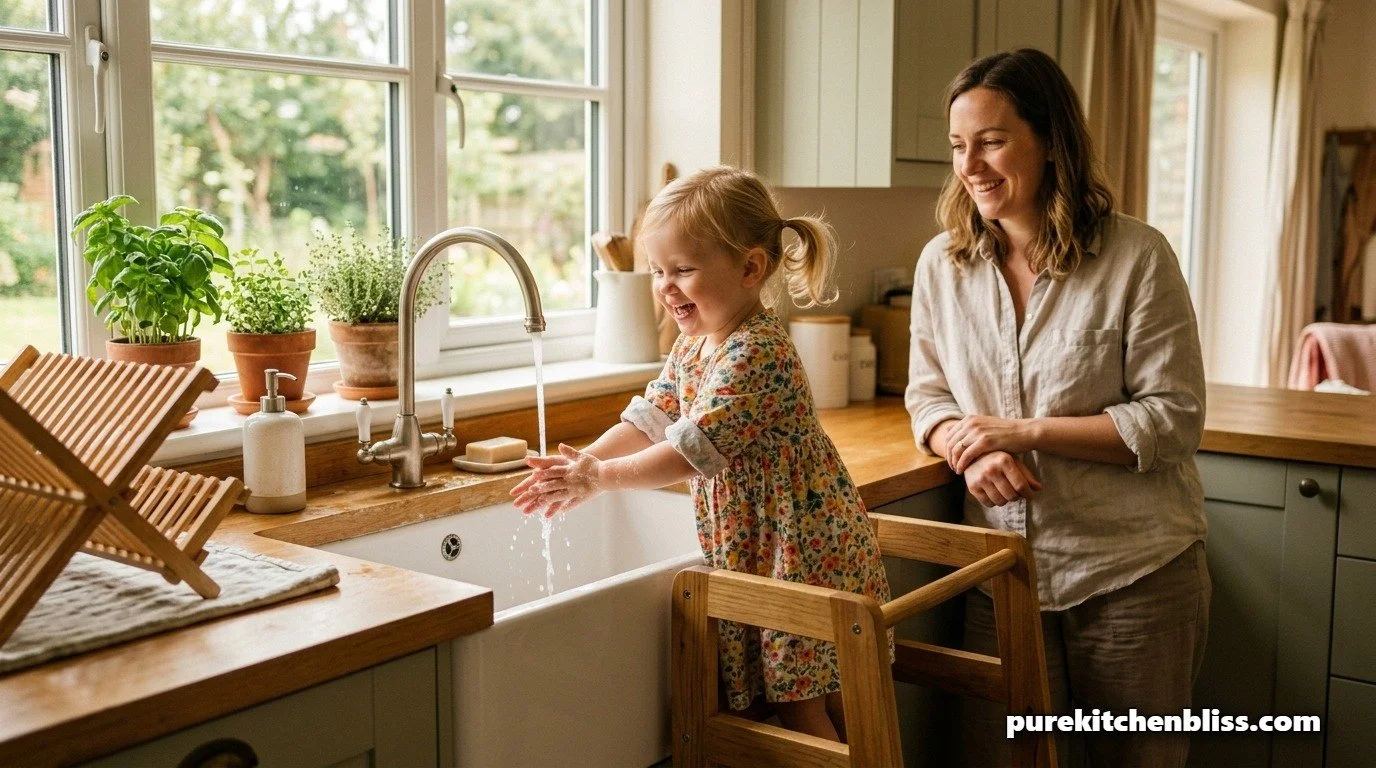
The 120°F Reset: How to Prevent Kitchen Sink Scalds Permanently
As a carpenter and a father of four, I’ve seen my share of "near misses" in the kitchen. We spend thousands on sintered stone countertops and high-end espresso machines, but we often overlook the most dangerous "Invisible Infrastructure" in the room: the temperature of the water coming out of the tap.
In a standard home, the water heater is often set to 140°F (60°C) to kill bacteria and ensure the dishwasher runs effectively. However, water at 140°F can cause a third-degree burn on a child’s delicate skin in less than three seconds.
To turn your kitchen into a true sanctuary for a growing family, you need more than just a "caution" sign. You need a Thermostatic Mixing Valve (TMV).
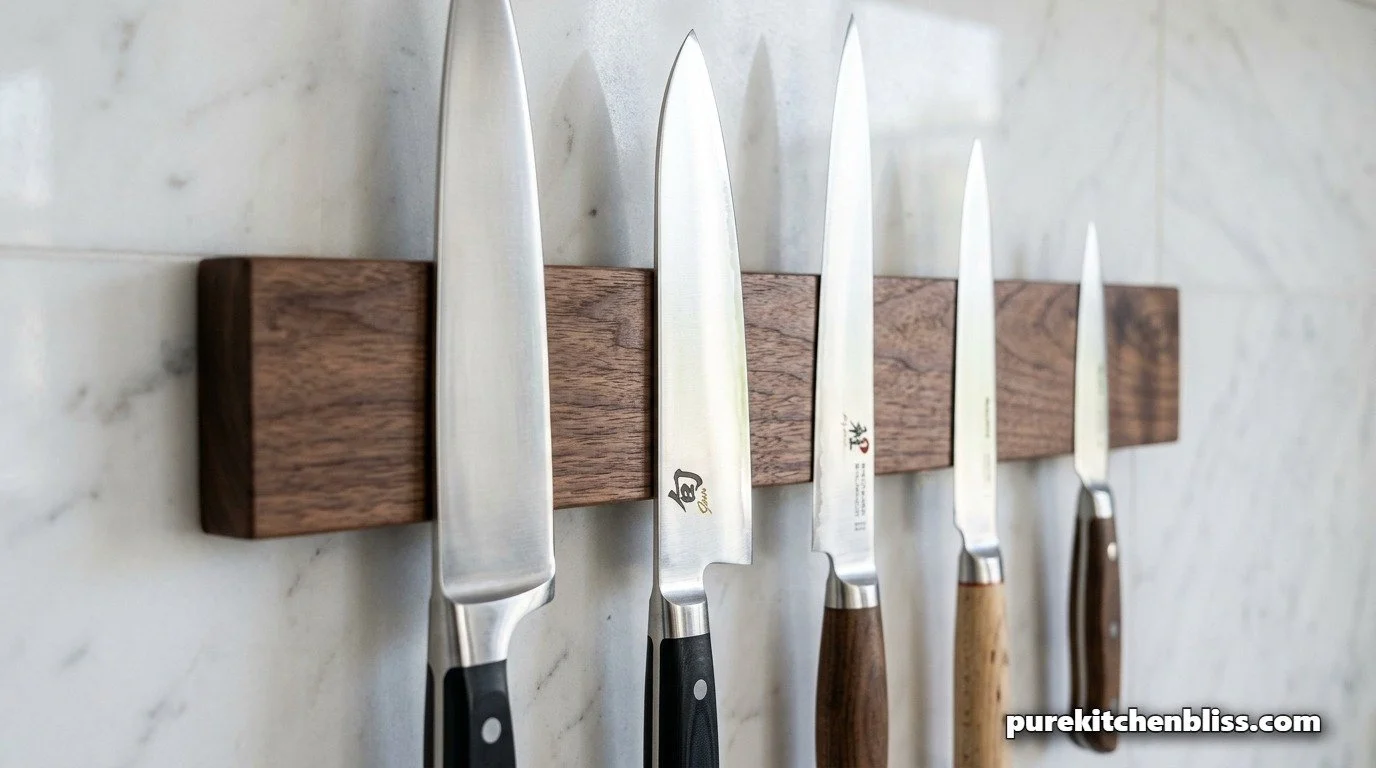
Magnetic Knife Strips: The Hygiene Case for Open Storage
In the world of professional kitchen design, the traditional wooden knife block is increasingly viewed as a legacy failure. While it provides a convenient place to dock your cutlery, the interior of those narrow wooden slots is a dark, unventilated environment where moisture from "mostly dry" knives can settle. Over time, this creates a hidden breeding ground for yeast and mold, a "bacteria box" sitting right on your counter.
For a high-performance kitchen, the solution is the Magnetic Knife Strip. By moving your blades to an open-air, vertical surface, you aren't just saving counter space; you are upgrading your kitchen’s sanitization infrastructure. When your blades are exposed to the ambient airflow of the room, they dehydrate instantly, breaking the biological cycle that leads to cross-contamination.
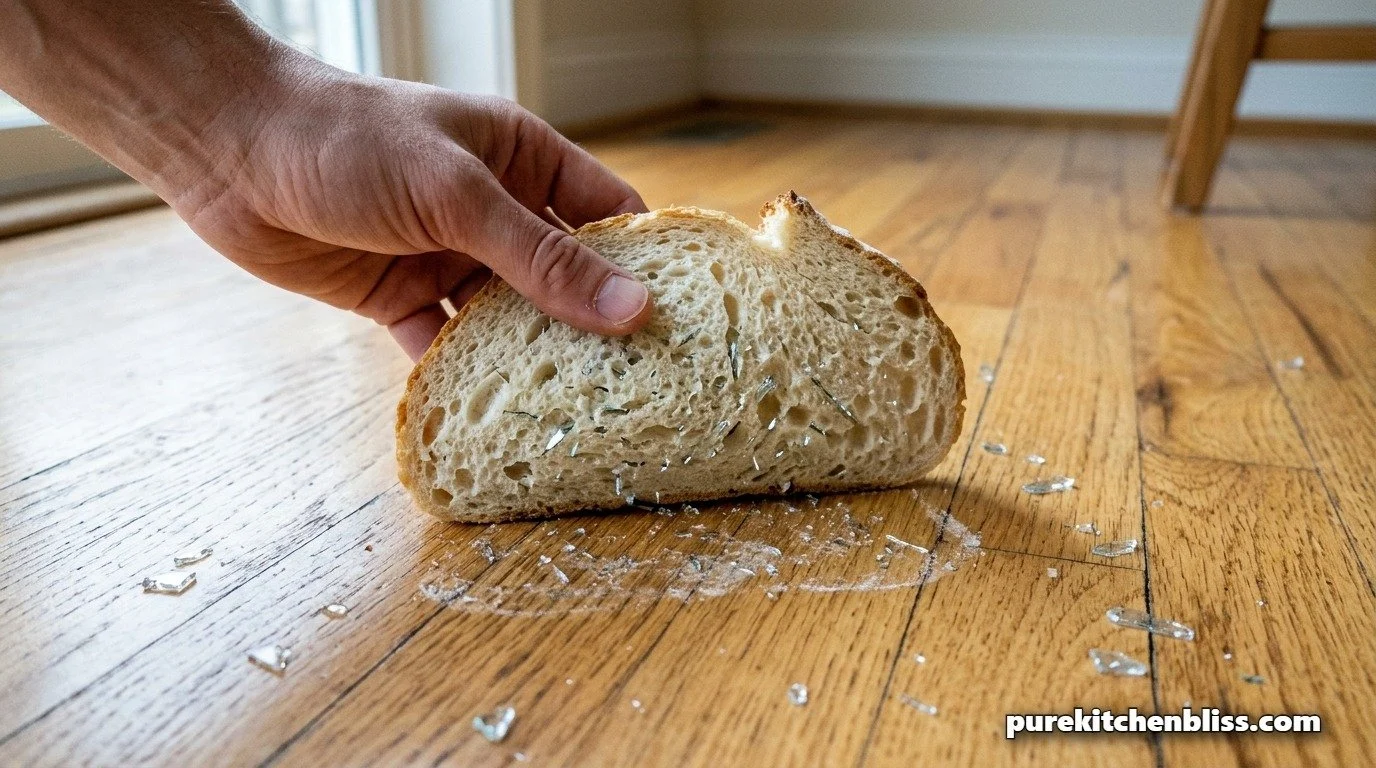
How to Clean Broken Glass on Hardwood Floors
While a glass breaking on a workstation sink is a mess, a glass shattering on a hardwood kitchen floor is a structural challenge. Unlike porcelain or sintered stone, hardwood is a relatively soft, organic material. When glass impacts wood, the shards don't just scatter; the force can drive microscopic slivers into the wood grain or the gaps between the planks.
To maintain the integrity of your floor’s finish and the safety of your home, you cannot simply sweep and move on. You must use a systematic approach that extracts glass from the "texture" of the wood without scratching the protective topcoat.

Best Before vs. Expiration Dates: Decoding the Language of Your Pantry
In a world where we meticulously organize our high-functioning pantries, the most common point of confusion isn't the layout—it’s the labels. Every year, tons of perfectly edible food are discarded because consumers treat a "Best Before" date as a hard "Drop Dead" deadline.
To run an efficient kitchen, you must understand that these dates are rarely about safety and almost always about peak performance. Understanding the chemistry of food degradation allows you to make informed decisions, reducing waste and protecting your grocery budget.
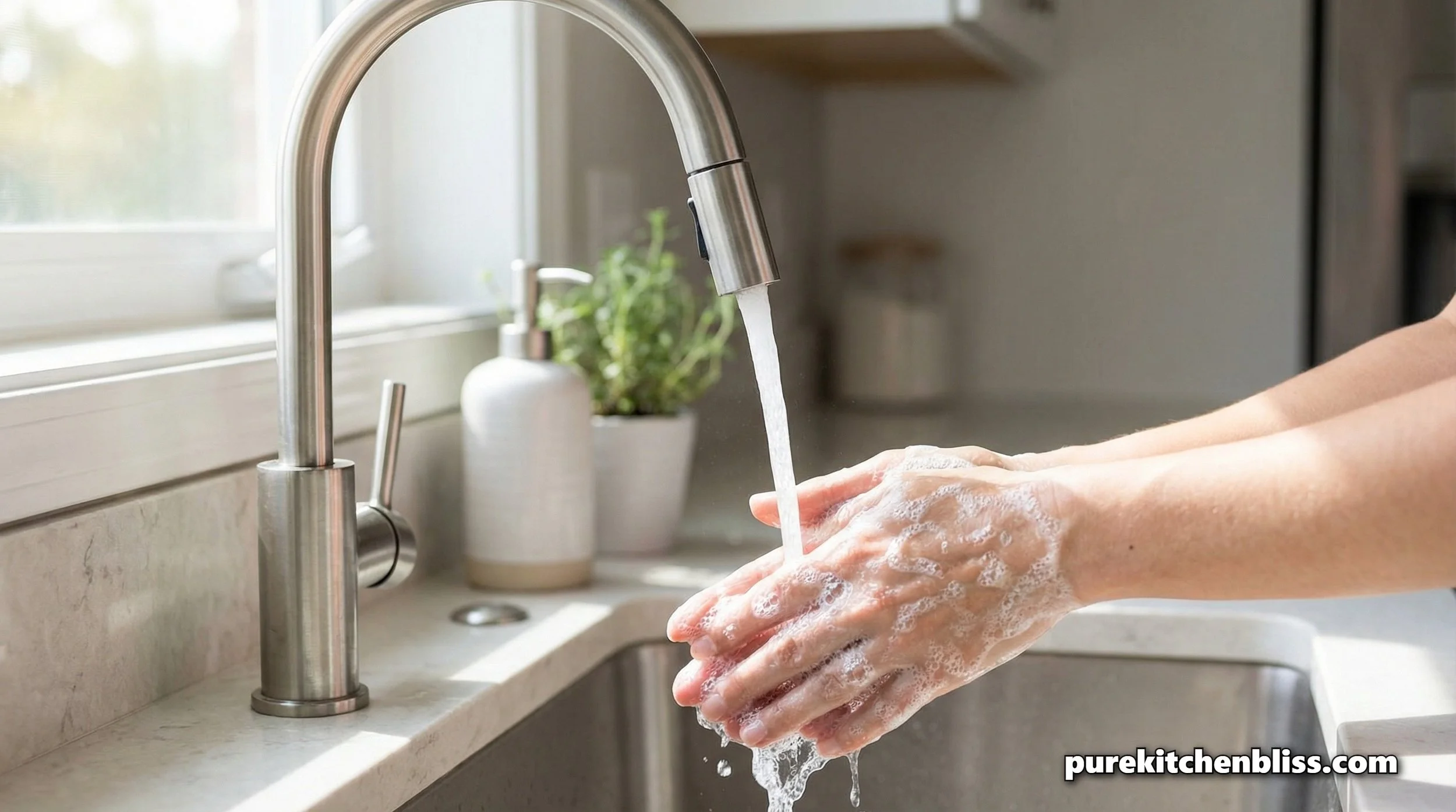
How Often Should You Really Wash Your Hands While Cooking?
We’ve all been there: you’re in the middle of a complex recipe, the pan is sizzling, and you realize you need to check your phone for the next step. Or maybe you just finished dicing a chicken breast and you’re about to reach for the salt cellar. In those high-pressure moments, the question always pops up: Do I really need to wash my hands again?
Handwashing is the most basic part of kitchen safety, but it’s also one of the most confusing. If you wash every single time you touch a different ingredient, you’ll end up with cracked, dry skin before the onions are even translucent. But if you skip a wash at the wrong time, you risk turning a nice dinner into a case of food poisoning.
To cook like an expert, you need to understand the "Critical Moments" of hand hygiene. It’s not about washing constantly, it’s about washing at the right times.
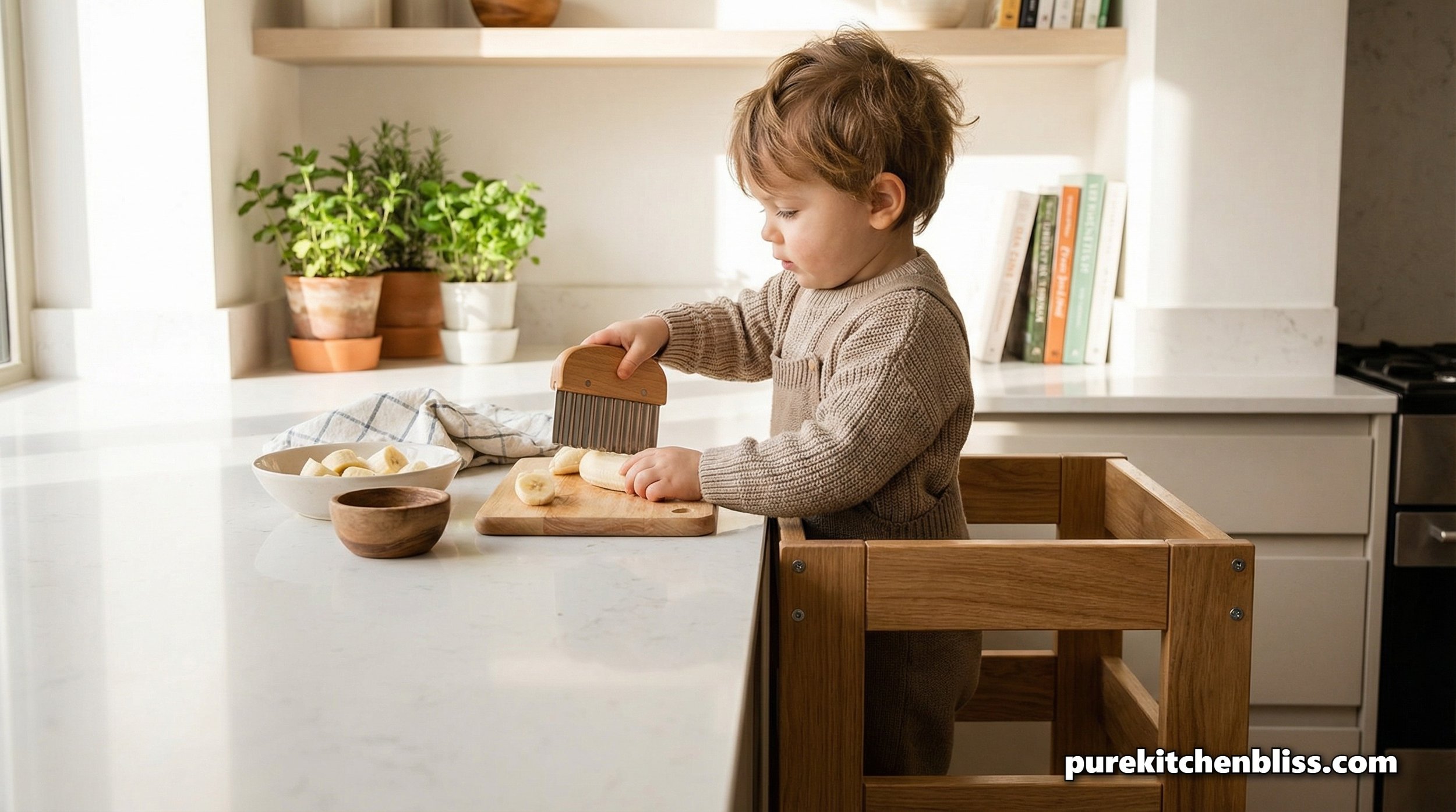
5 Fun and Safe Kitchen Tools for Toddlers Helping Mom
In a house with four daughters, I’ve seen the transition from "toddler chaos" to "capable sous-chef" many times. As a builder-curator, I look at a toddler in the kitchen as an apprentice entering a high-output workspace. To make it a sustainable sanctuary, we need to provide them with "small-scale infrastructure," tools that are ergonomically designed for their "soft infrastructure" (developing motor skills) while maintaining strict safety standards.
Involving toddlers isn't just about keeping them busy; it’s about apprenticeship. Most parents hesitate to let toddlers help because of the "Sharp and Hot" nature of the environment. But as a builder, I know that if you give a worker the wrong tool for the job, an accident is inevitable. By curating a specialized toolkit, you allow your child to participate in the Monday Morning Momentum without compromising the safety of your sanctuary.
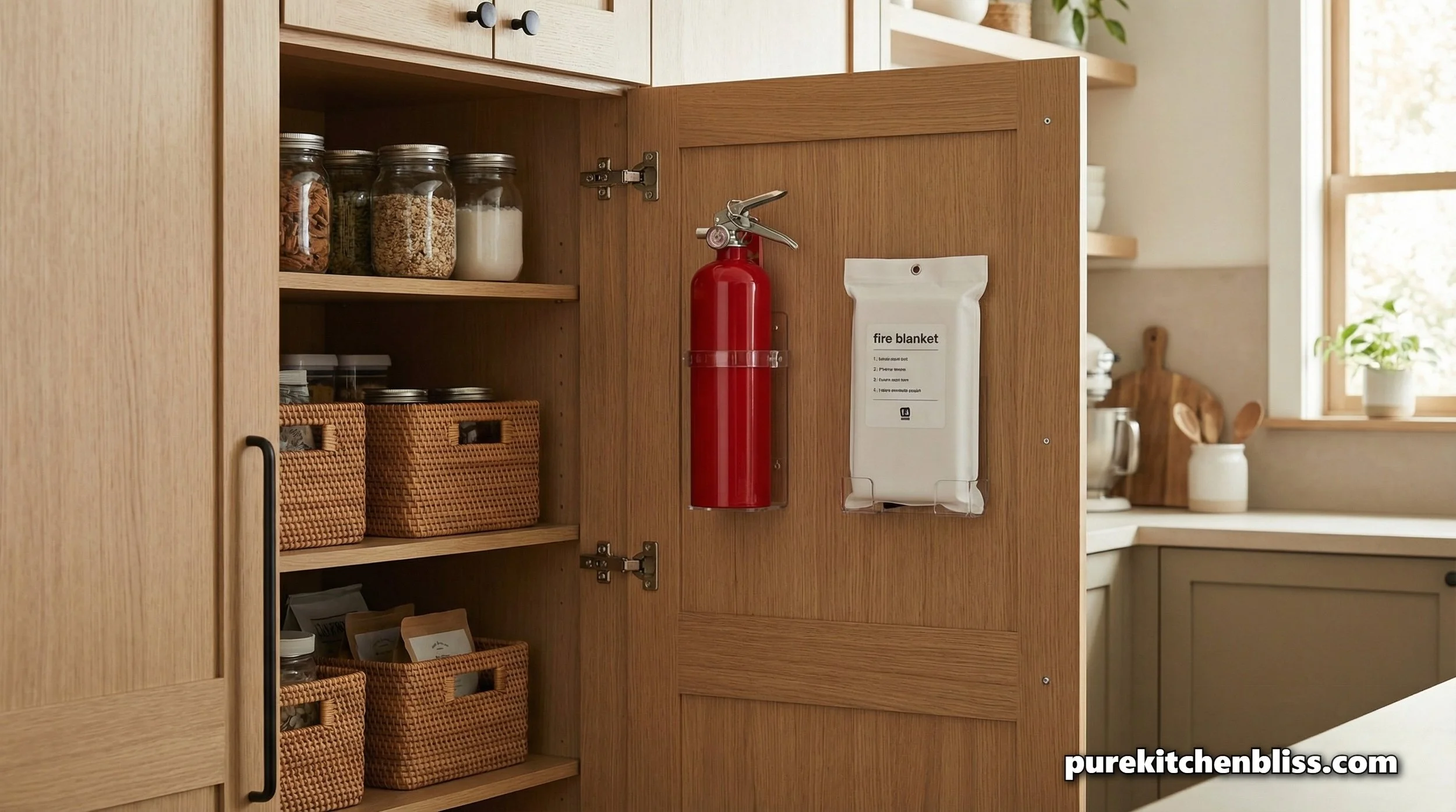
5 Must-Have Items for Your Kitchen Safety
In my 20 years in the trades, I’ve learned that the most critical tools in a house aren't the ones used for the "finish work", they are the ones you never hope to use, but must have "at the ready." Most homeowners focus on the aesthetics, the Zero-VOC Paint or the Stone Drying Mat, but the true "bones" of a kitchen are its safety systems.
Whether you are deep in the Monday Morning Momentum or prepping a large family meal in the midst of "Beautiful Chaos," these five items ensure that a small mechanical glitch doesn't become a structural disaster.
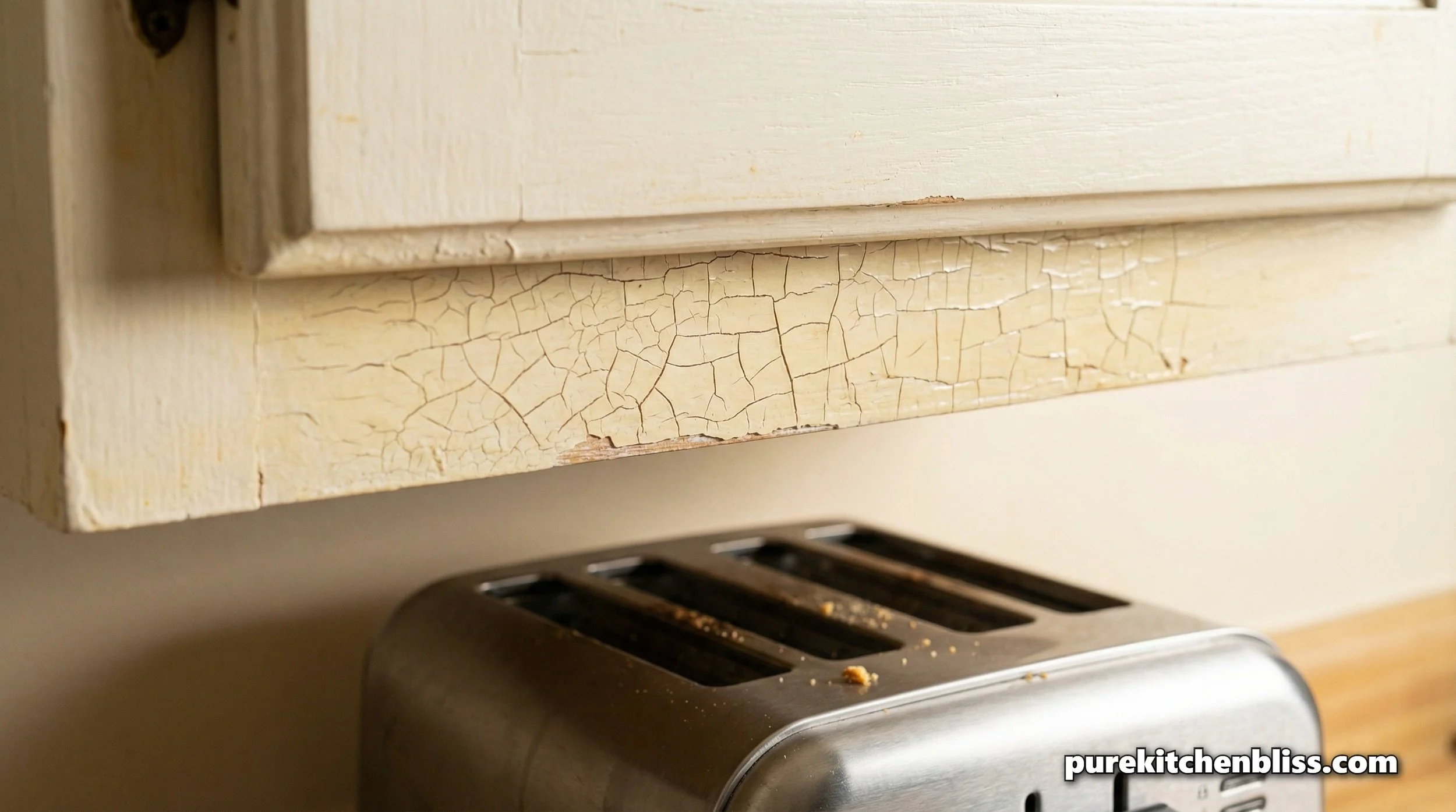
Why Toaster Placement Must Be Considered: Protecting the Bones of Your Kitchen
In the "Beautiful Chaos" of a family kitchen, the toaster is often the unsung workhorse of the Monday Morning Momentum. However, to a builder-curator, a toaster isn't just a convenient appliance; it is a high-heat thermal engine that interacts directly with your kitchen’s "bones."
Most people instinctively tuck their toaster under an upper cabinet to save counter space, but from a structural and safety standpoint, this is a compromise that can degrade your home’s infrastructure over time. In my 20 years in the trades, I’ve seen the "invisible" damage caused by poorly placed high-heat appliances. When you engage a toaster, it generates significant vertical heat and aerosolized particulates. If that heat has nowhere to go but up into your Zero-VOC Cabinet Paint, you are essentially "cooking" your kitchen’s infrastructure from the bottom up.