The Hidden Chemicals in Kids' Dishes: Convenience or a Health Risk?
Just as many parents have begun to scrutinize the synthetic dyes and fragrances in popular bath products, a new front has opened in the quest for a non-toxic home: the kitchen cupboard. In our pursuit of a high-performance sanctuary, we often prioritize "shatterproof" and "non-stick" conveniences. We want the toddler plate that survives a fall from a high chair and the pan that wipes clean in seconds.
However, from a material-science perspective, "convenience" often comes with a chemical trade-off. Many of the most popular children’s dishes rely on resins and coatings that can "off-gas" or "leach" when exposed to heat or acidity. To out-perform standard big-box kitchen advice, parents must look past the colorful branding and audit the actual infrastructure of their children's dinnerware.
1. The Melamine and "Eco-Bamboo" Deception
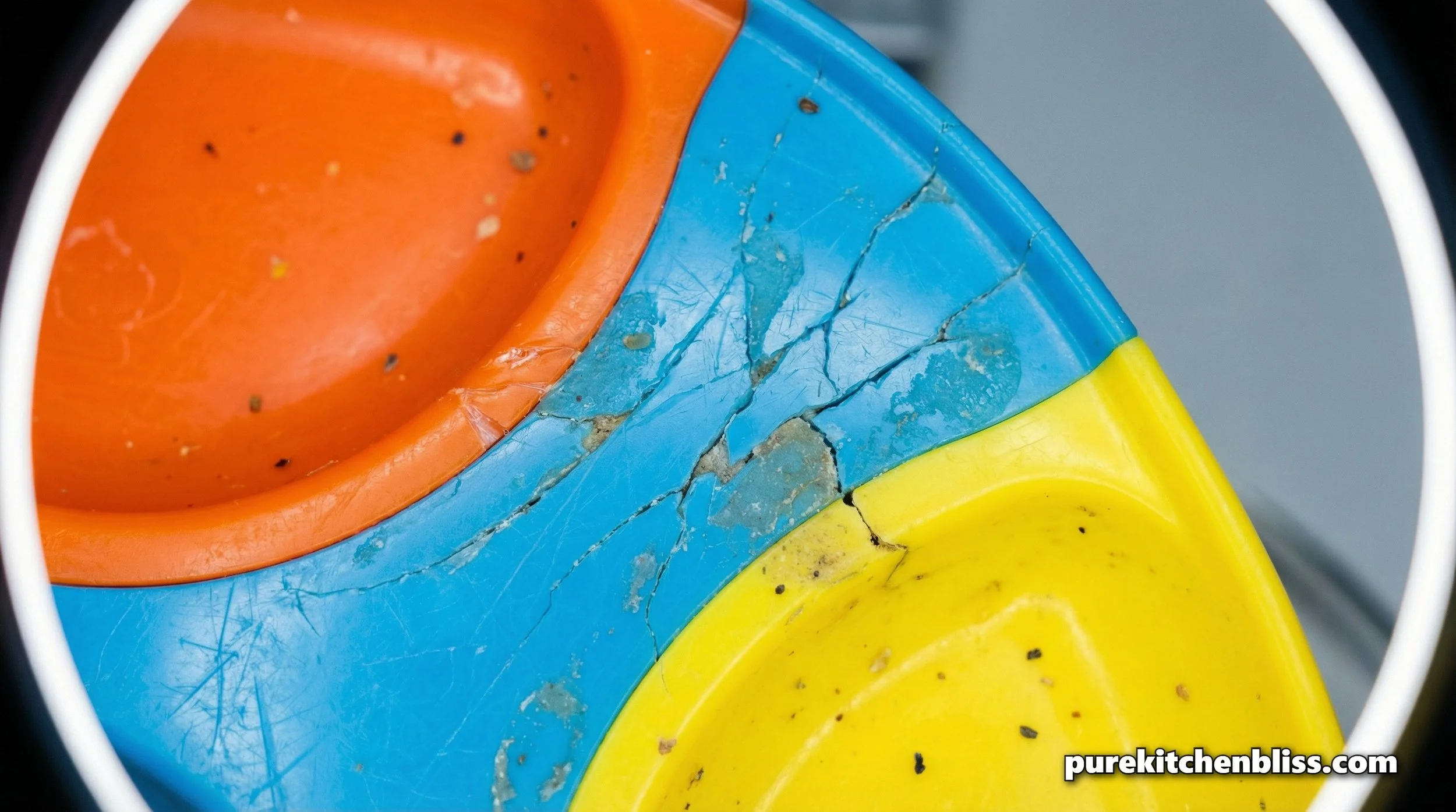
Perhaps the most common "hidden" chemical in the kitchen is melamine-formaldehyde resin. This is often marketed under the guise of "Bamboo Fiber" or "Eco-Friendly" plates. While these products look like natural wood or sturdy ceramic, they are actually powdered bamboo held together by a plastic binder.
The Leaching Trigger: Research shows that when melamine-formaldehyde dishes are heated (via the microwave or by serving high-heat soups), the resin can break down. This allows formaldehyde and melamine to migrate into the food.
The High-Performance Rule: If you use melamine or bamboo composites, they should be restricted to cold snacks only. They should never be used in a deep-cleaned dishwasher as the high heat and detergents accelerate the breakdown of the binders.
2. PFAS: The "Non-Stick" Legacy in Family Cooking
When preparing family staples like pancakes or grilled cheese, most parents reach for a non-stick pan. While modern labels often claim to be "PFOA-free," they frequently still utilize other PFAS (per- and polyfluoroalkyl substances).
The Vapor Risk: In an active cooking zone , a pan can reach high temperatures quickly. If a PTFE-coated pan is overheated, it can release polymer fumes. For developing respiratory systems, these "invisible" emissions are an unnecessary risk.
The Infrastructure Upgrade: Switch to Ceramic-Coated or Carbon Steel. These materials provide the "release" properties of non-stick without the risk of chemical off-gassing, even at high heat on an induction cooktop.
3. Phthalates and "BPA-Free" Marketing
The term "BPA-Free" has become a powerful marketing tool, but it is often a half-truth. Manufacturers frequently replace Bisphenol A (BPA) with BPS or BPF, which may have similar endocrine-disrupting effects.
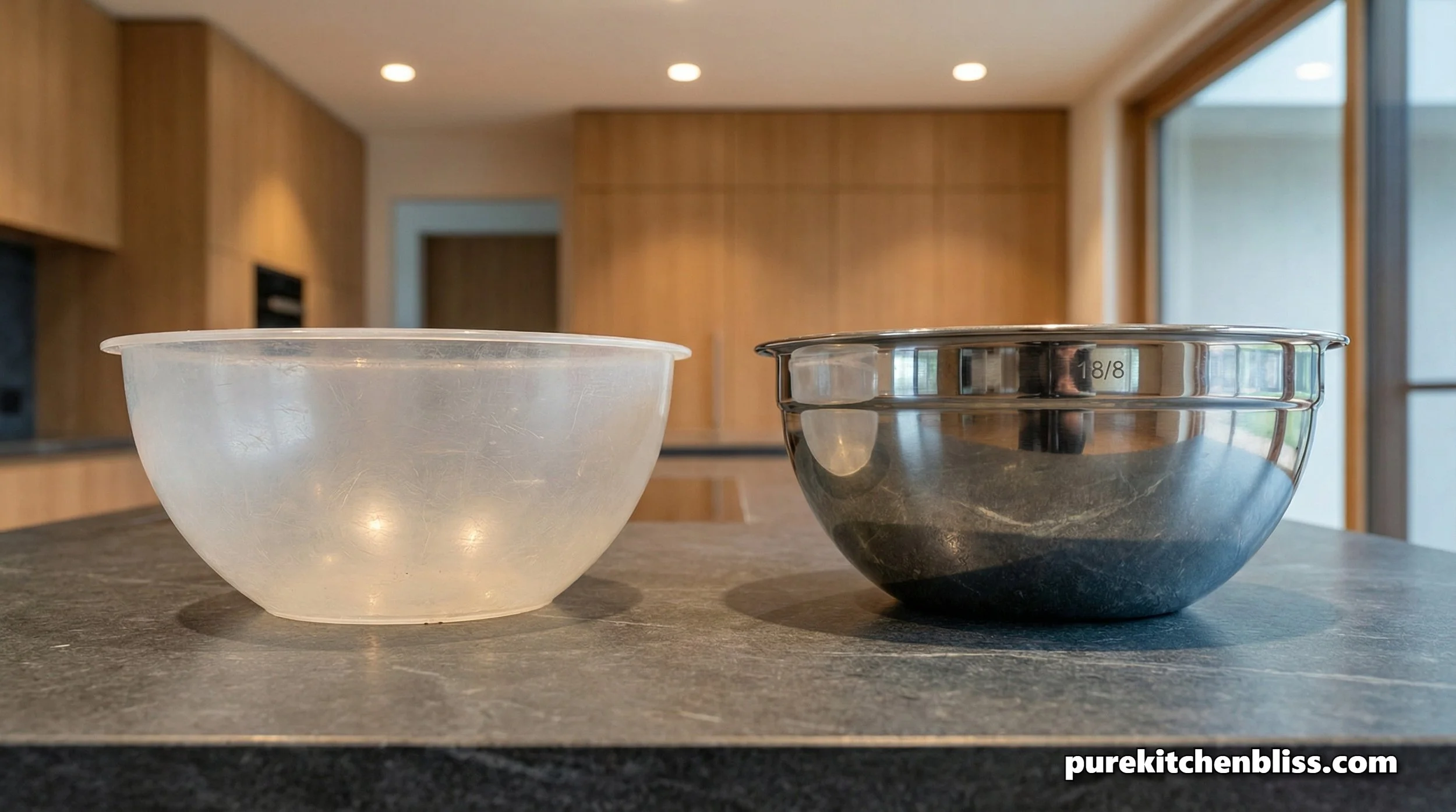
The Estrogenic Factor: Plastics, especially those that are soft or flexible, often contain phthalates to increase durability. These chemicals are not chemically bound to the plastic, meaning they can leach out over time, especially when the plastic is scratched or aged.
The Builder Solution: Move toward 18/8 Stainless Steel or Borosilicate Glass. These materials are "biologically inert," meaning they do not react with food or release hormones, regardless of temperature.
4. Comparison: Child-Safe Material Audit
| Material | Chemical Risk | Safety Protocol |
|---|---|---|
| 18/8 Stainless Steel | None (Inert) | Safe for all temperatures and dishwasher. |
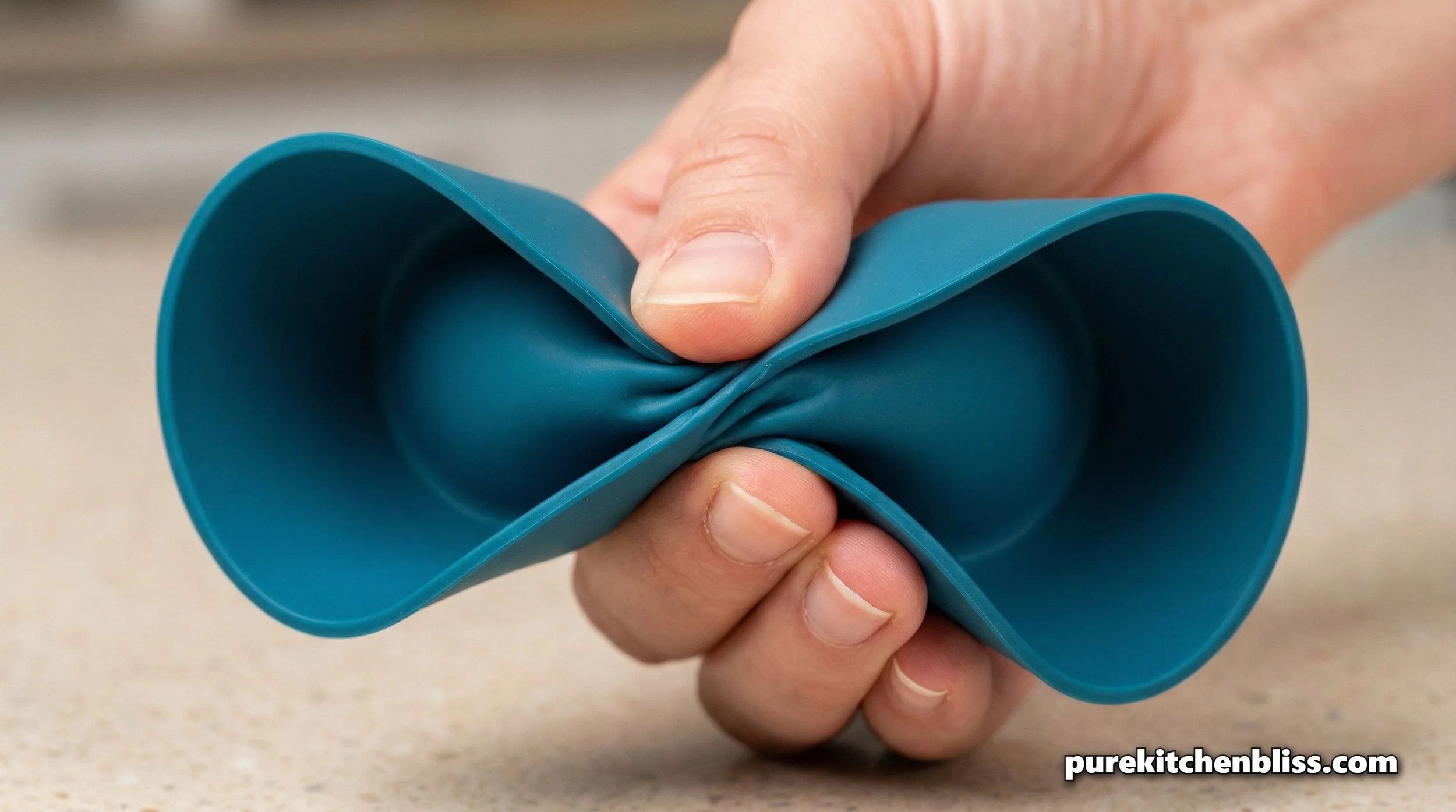
| Platinum Silicone | None (If pure) | Check for "white" fillers; safe for baking. |
| Melamine / Bamboo | Formaldehyde Leaching | Cold snacks only. Never microwave. |
| Standard Plastic | BPA/BPS & Phthalates | Avoid heat; replace if scratched or cloudy. |
5. Managing the Bio-Infrastructure
Beyond the chemicals, the physical state of children’s dishes impacts safety. Scratched plastic creates microscopic "canyons" where oils and food proteins become trapped. As we established in our Listeria protection guide, these scratches are perfect breeding grounds for bacteria that standard washing cannot reach.
The Retirement Rule: If a plastic or melamine dish is scratched, dull, or feels "sticky" after washing, it has reached the end of its safe life cycle. The structural integrity has failed, and the leaching risk has increased.
6. The Sanitization Solution
To maintain a non-toxic kitchen, your cleaning method should be as pure as your materials.
The Gentle Clean: For high-quality silicone and wood, avoid heavy sulfates. Use Castile soap to prevent chemical residues from lingering on porous surfaces.
The Mineral Strip: If your stainless steel toddler cups develop a "cloudy" film, it is likely mineral buildup. Don't use abrasive scrubbers that scratch the metal; use the citric acid trick to dissolve the buildup safely.
Conclusion: Mastery of the Materials Building a high-performance kitchen for your family requires looking beyond the "shatterproof" marketing. By choosing inert materials like stainless steel and glass and strictly managing the heat exposure of plastics, you protect the health and wellness of your sanctuary. True convenience isn't just a plate that won't break, it's a plate that won't leach.
Next Up: Protect your home’s environmental infrastructure by learning How to Deep Clean Your Oven Without Harsh Chemicals.