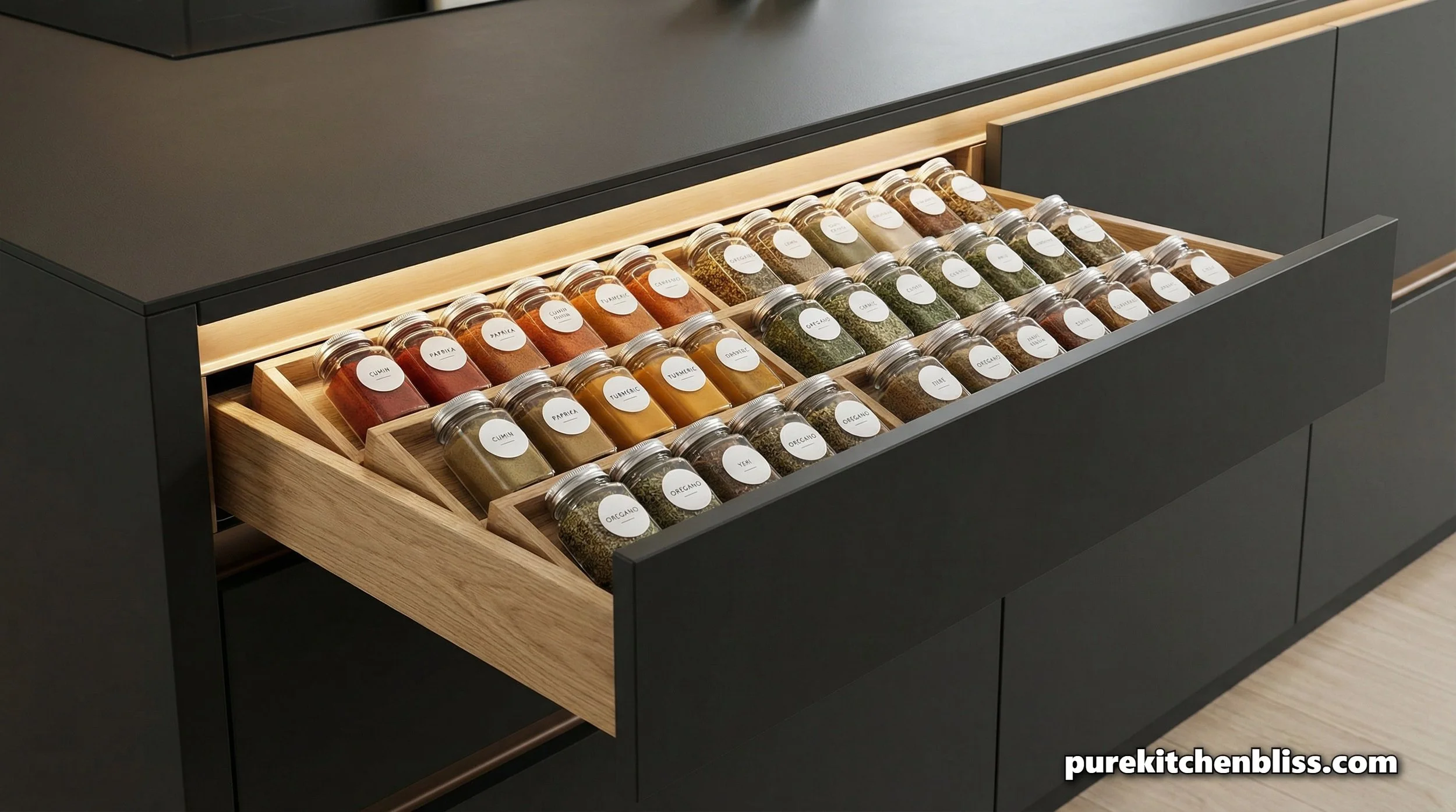
The 3-Zone Spice Strategy: Protecting Your Volatile Infrastructure
In the pursuit of a high-performance sanctuary, we often spend thousands on professional appliances but neglect the very ingredients that provide flavor. Spices are essentially dried plant matter containing volatile oils. When those oils evaporate or oxidize, your $50 steak tastes like cardboard.
The traditional "Spice Rack" over the range is a functional nightmare. The heat from your induction cooktop and the steam that escapes your range hoodact as catalysts for degradation. To preserve your culinary investment, you must implement the 3-Zone Spice Strategy. This system separates your inventory based on frequency of use and environmental sensitivity.
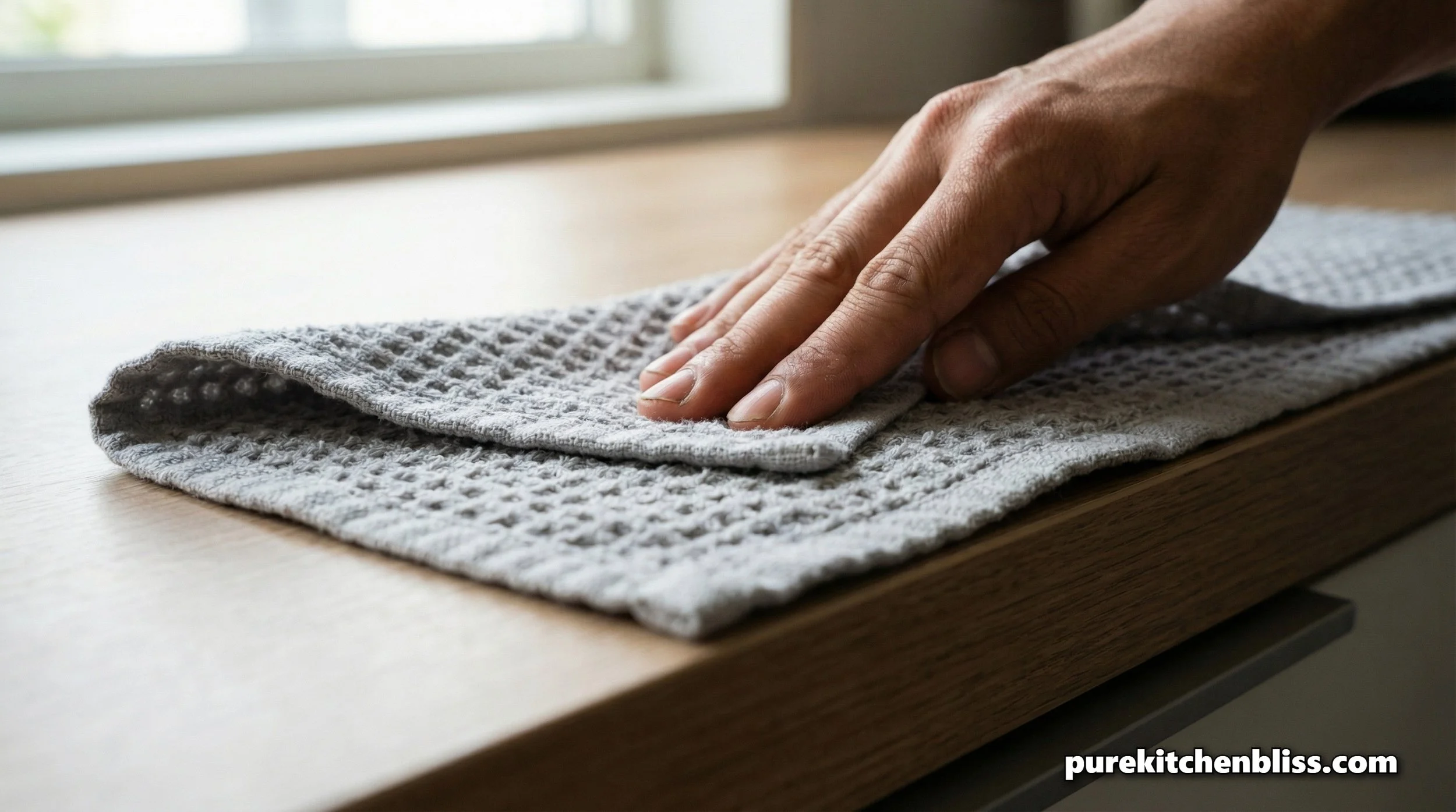
The Triple-Fold Masterclass: How to Fold Towels Like a Professional
In a sustainable sanctuary, the visual state of your storage is just as important as the items inside. We’ve all experienced the frustration of a leaning tower of towels that eventually collapses into "Beautiful Chaos." This often happens because the "foundation" of the fold is unstable. Most home-folding methods rely on simple halves or quarters, which leave the towel's weight unevenly distributed and the "raw" edges exposed to the air.
The Hotel Triple-Fold is the gold standard for high-performance home organization. It is designed to create a self-supporting, uniform "brick" that hides raw edges and maximizes shelf space. By mastering this geometry, you move from merely "storing" your linens to "curating" your home’s infrastructure.
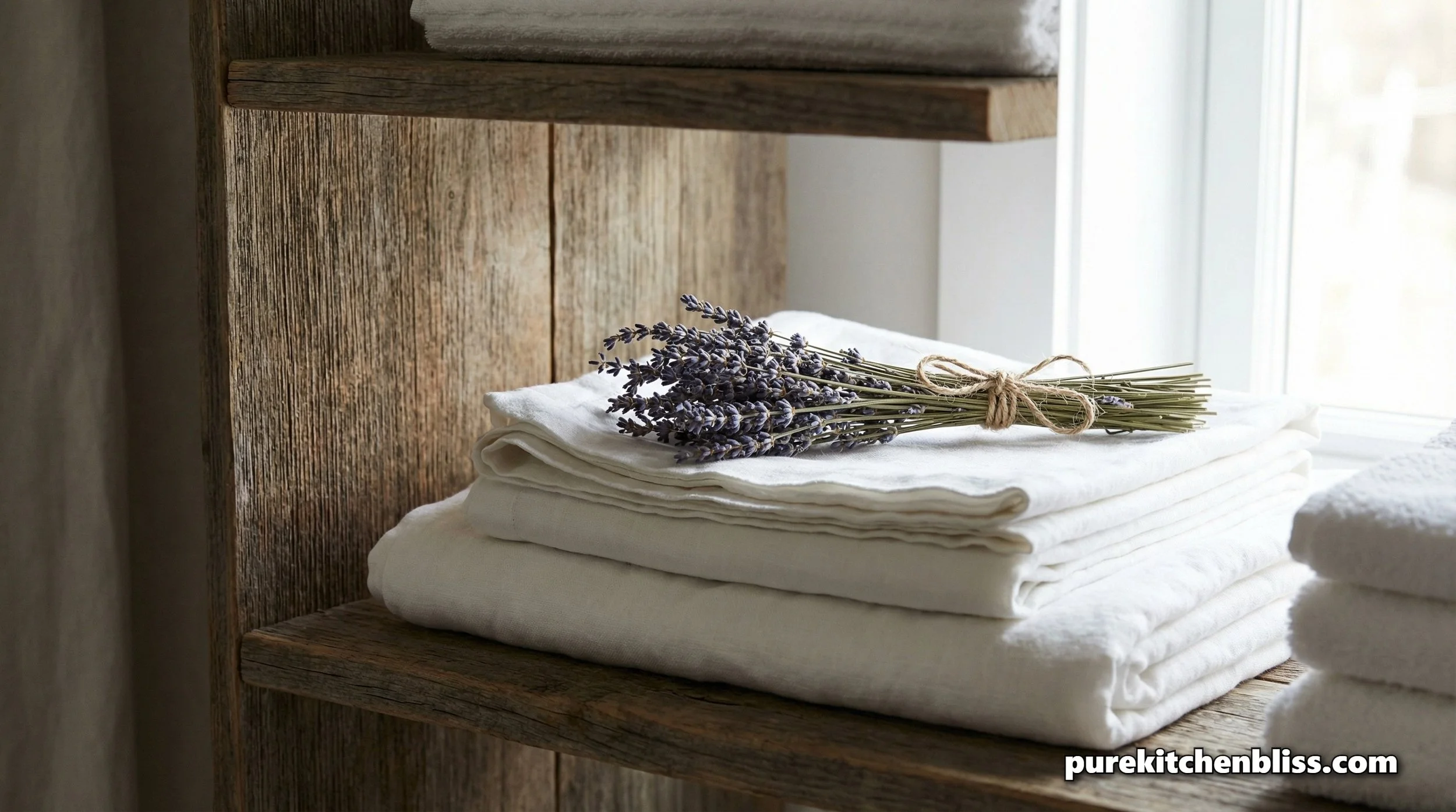
5 Natural Ways to Scent Your Linen Closet Without Chemicals
There is a specific sensory experience associated with opening a perfectly organized linen closet: the cool touch of cotton, the visual order of the stacks, and, most importantly, the scent. However, in our quest for a "fresh" home, many of us have relied on synthetic fragrances, plug-ins, and petroleum based dryer sheets. While these products provide an immediate hit of perfume, they often introduce Volatile Organic Compounds (VOCs) into our air and leave a waxy residue on the very fibers we use to dry our skin.
In a Sustainable Sanctuary, we prioritize "Passive Scenting," the art of using natural botanicals and essential oils to maintain a subtle, blissful aroma without compromising air quality. By integrating these five non-toxic methods, you can ensure your linens remain a source of sensory delight.
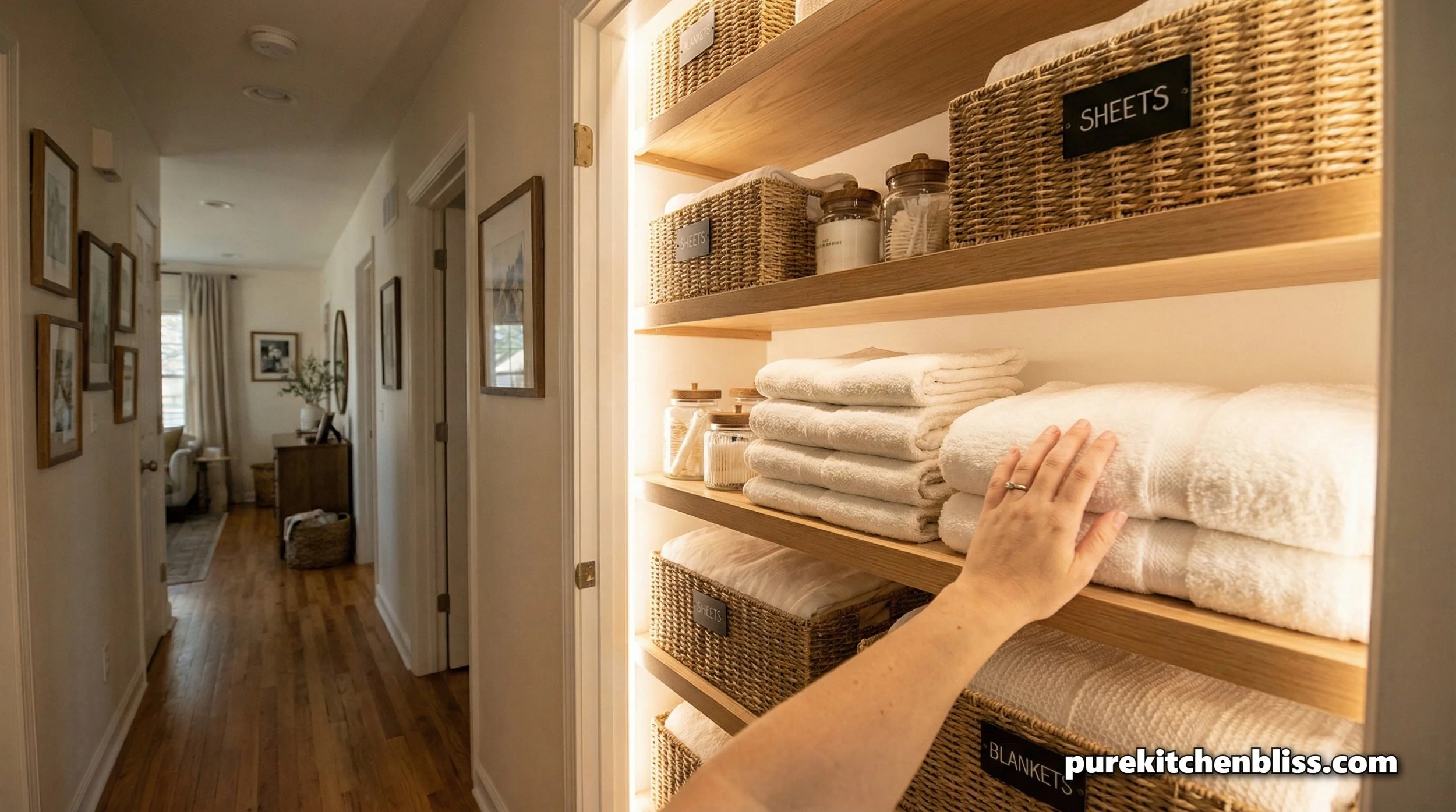
The Ultimate Linen Closet Audit: Mastering Your Home’s Soft Infrastructure
In the curation of a sustainable sanctuary, we often focus on the hard surfaces, the stone counters, the wood cabinetry, and the architectural lines. But the "soft infrastructure" of the home, the linens that touch our skin and facilitate our rest, is equally vital to the feeling of bliss and order.
The linen closet is the hidden engine of household comfort. It is where we store the tools of our daily rituals: the towels that wrap us after a restorative bath, the sheets that invite deep sleep, and the textiles that maintain our kitchen’s purity. However, because this space is often tucked behind a closed door, it is prone to a specific type of "Beautiful Chaos", a slow accumulation of mismatched sets, frayed edges, and forgotten fabrics.
A true Linen Closet Audit is more than an afternoon of folding; it is a systematic reset of your home’s textile inventory. In this definitive guide, we will explore the material science of linens, the psychology of organization, and the professional methods for maintaining freshness from the fiber up.
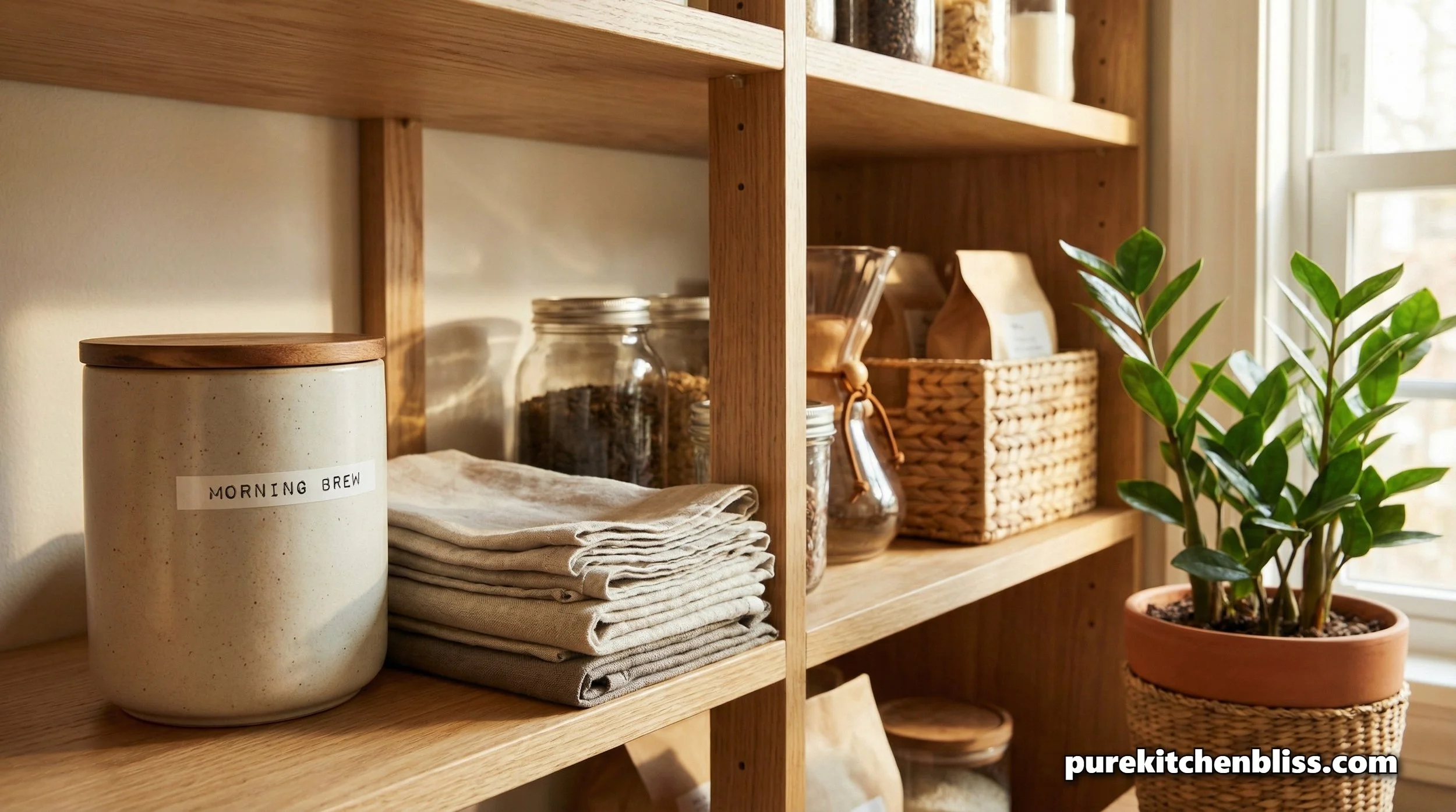
Where is the Best Place to Store Coffee in Your Kitchen?
In the "Beautiful Chaos" of a busy home, the coffee station is often the high-traffic engine that powers the Monday Morning Momentum. It’s the ritual that centers the day. However, for many home enthusiasts, coffee storage is an afterthought. We spend significant time selecting the right roast or the perfect brewer, only to store the beans in a way that actively destroys their quality—on a sunny windowsill or in the damp environment of a freezer.
To maintain a sustainable sanctuary, we have to look at coffee as a living organic product. Coffee beans are highly porous, acting almost like sponges that absorb every odor and molecule of moisture in your kitchen. Protecting the "bones" of your coffee isn't just about taste; it's about respecting the materials in your pantry.
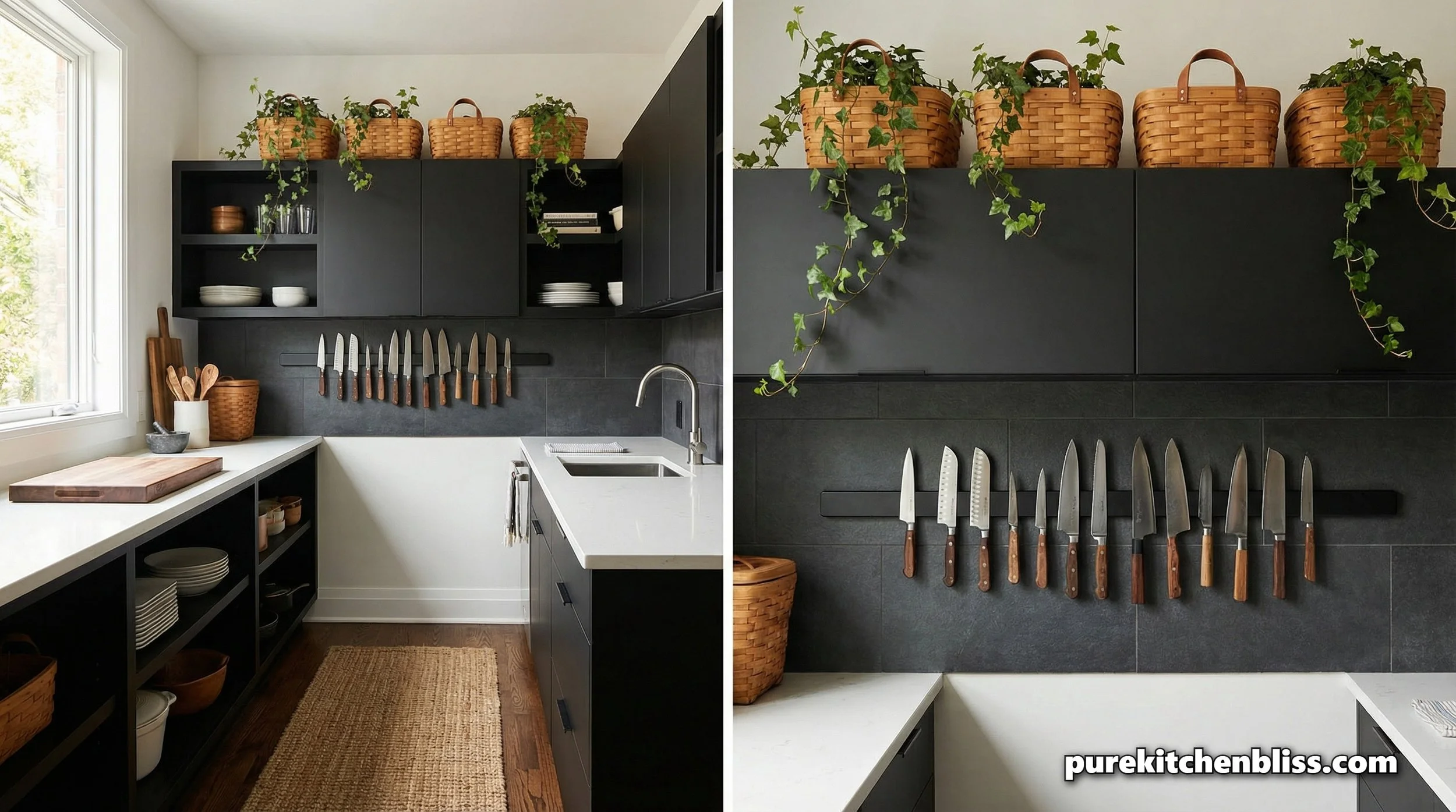
Small Kitchen Organization: Beyond the Plastic Bin
Most organization articles tell you to buy a label maker and call it a day. But in a small kitchen, especially one managing the "beautiful chaos" of a family of six, organization isn't a hobby. It is Infrastructure. When space is at a premium, every square inch must be "staged" for efficiency. If you have to move three things to get to one pan, your kitchen’s momentum is broken. As a Red Seal Carpenter, I look at a kitchen and see vertical real estate and weight loads. As a dad, I see friction points. To create a Sustainable Sanctuary, we need to organize for flow, material protection, and vertical density.
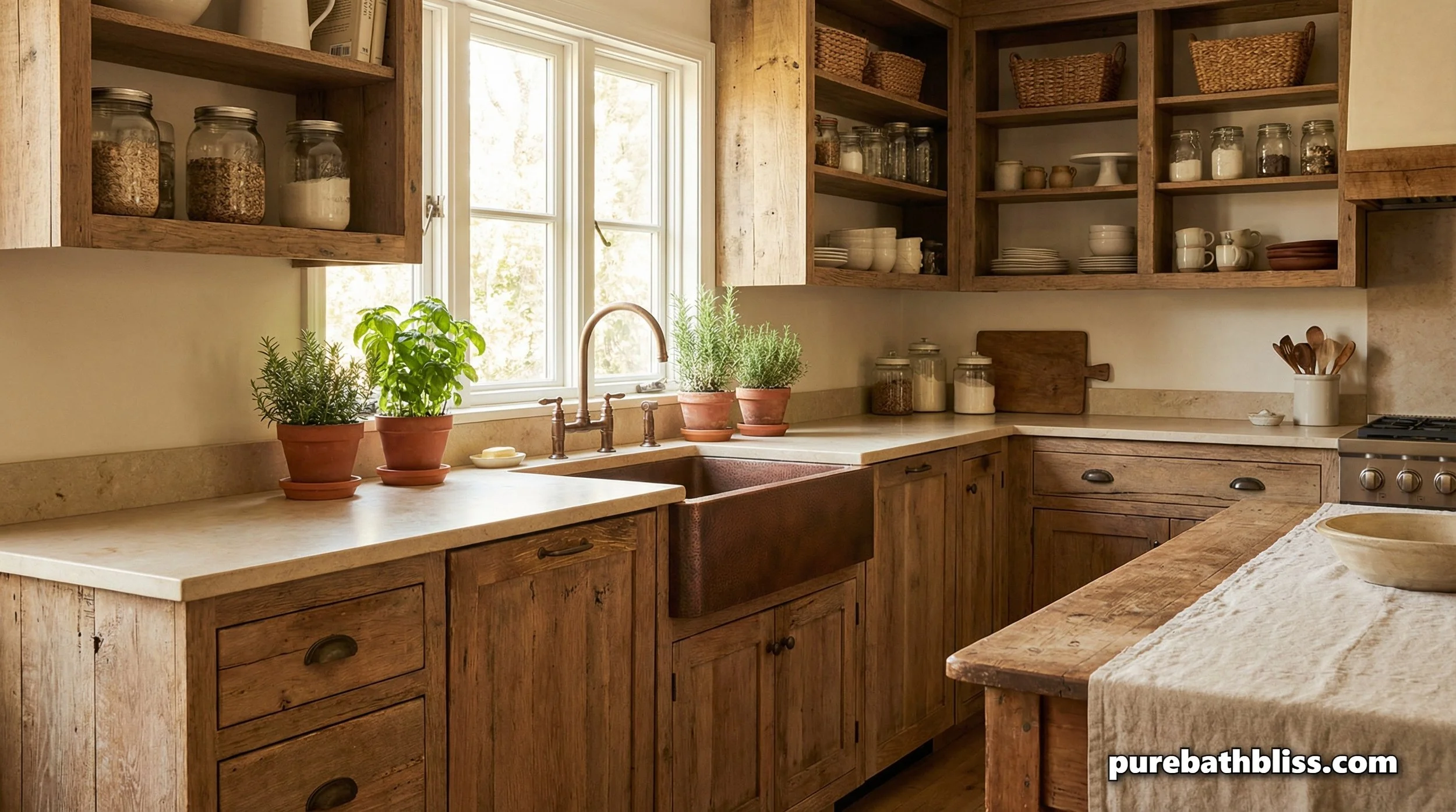
The Sanctuary Philosophy: Health as an Infrastructure
The modern kitchen is often described as the "heart of the home," but in the pursuit of convenience, we have allowed it to become a source of biological stress. From the off-gassing of composite cabinetry to the microplastics shedding from "non-stick" coatings, the room where we nourish our bodies is frequently the most chemically burdened space in the house.
At PureKitchenBliss, we view the kitchen through the lens of the Sustainable Sanctuary. It is not merely a workspace for meal preparation; it is a high-performance ecosystem. When you align the infrastructure of your kitchen with the principles of organic living, you create a ripple effect that touches your health, your home’s longevity, and the planet.