The Kitchen Litter Box: Convenience or a Hygiene Nightmare?
In the quest to optimize every square inch of our home’s footprint, the kitchen often becomes a "catch-all" for utility. For many pet owners, the area under the sink or a corner of the pantry seems like the logical home for a cat’s litter box. It’s out of the way, easy to clean, and usually features the best-performing kitchen flooring for managing spills.
However, from a "Builder" perspective, placing a waste station in a food-prep environment introduces a significant conflict in your kitchen's hygiene infrastructure. While convenient, the proximity of feline waste to your high-performance sink and meal-prep surfaces creates risks that many homeowners overlook. To decide if a kitchen litter box is right for you, you must understand the science of "Cross-Zone Contamination."
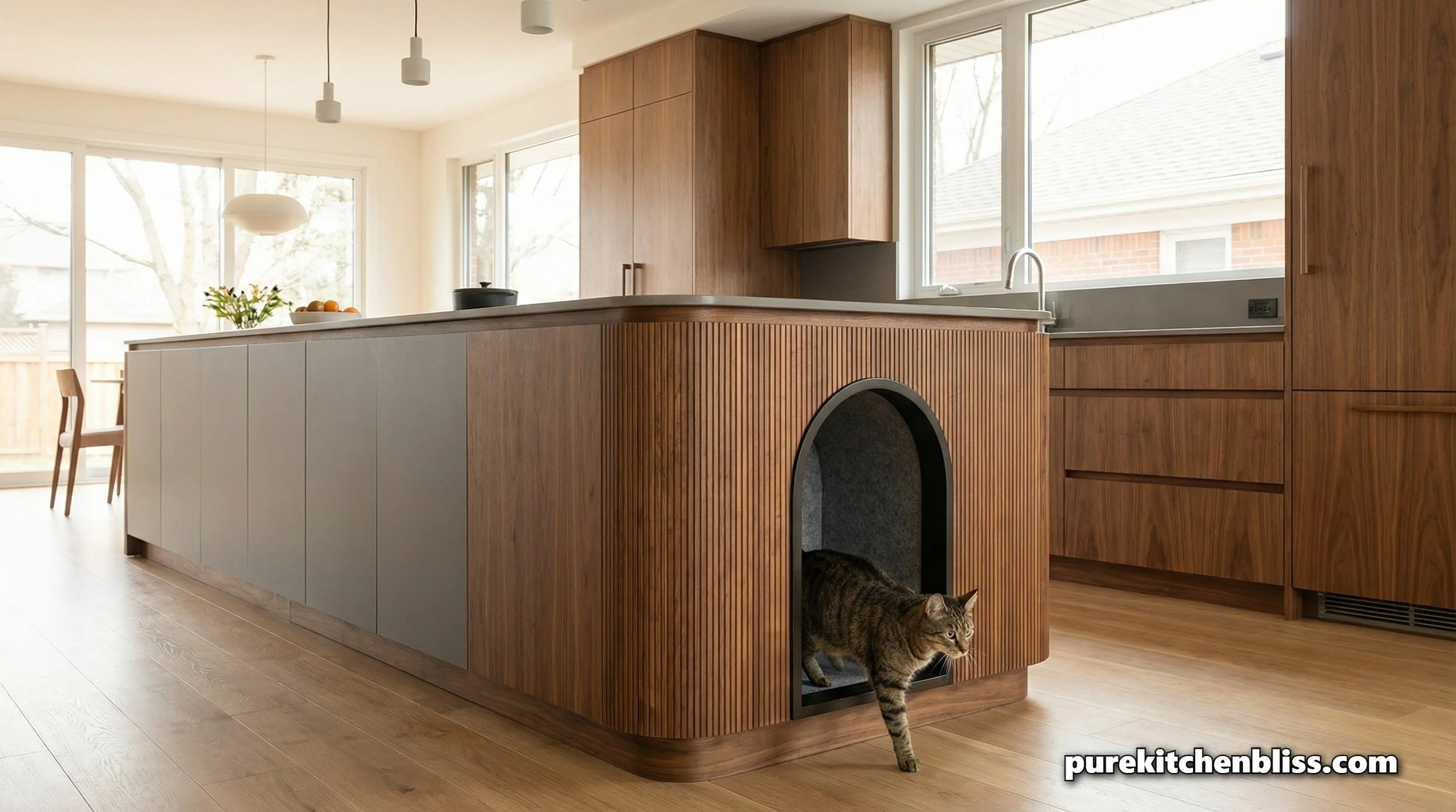
1. The Aerosolized Threat: Toxoplasmosis and Dust
The primary concern with a kitchen litter box isn't just the visible mess, it’s the invisible particles. Every time a cat scratches at their litter, they create a plume of "Micro-Dust."
The Drift: In a kitchen with active airflow from a powerful range hood, these dust particles can travel several feet. If your litter box is near your prep area, that dust can settle on your light or dark countertops.
Pathogens: Litter can harbor Toxoplasma gondii, a parasite that is particularly dangerous in a food environment. Unlike the Listeria risks we discussed, which are usually introduced via the fridge, Toxoplasma is an airborne risk that can settle on "ready-to-eat" foods.
2. The "Pantry Conflict"
Many homeowners tuck the litter box into a walk-in pantry to hide the smell. However, as we established in our high-functioning pantry guide, the pantry is a "living" environment.
Odor Absorption: Open bags of flour, sugar, and grains are highly absorbent. If the litter box isn't scooped multiple times a day, the ammonia and pheromones can actually permeate your dry goods, affecting the "sensory integrity" of your ingredients.
Humidity: Litter boxes naturally increase localized humidity. As we noted in our guide to pantry mold prevention, excess moisture in a dark, enclosed space is a recipe for mold growth on the walls behind the litter station.
3. Comparison: Kitchen vs. Other Locations
| Location | Hygiene Risk | Odor Control | Recommendation |
|---|---|---|---|
| Kitchen | High (Food Prep) | Difficult | Not Recommended |
| Mudroom | Low | Moderate | Ideal |
| Bathroom | Medium | Easy (Fan) | Acceptable |
| Basement | Low | Moderate | Good (if ventilated) |
4. How to Mitigate Risk (If the Kitchen is Your Only Option)
If your home’s layout leaves you with no choice but the kitchen, you must upgrade your "Pet Infrastructure."
The Air Purifier: Place a HEPA-filter air purifier within three feet of the litter box. This captures the microscopic dust and dander before it can drift into your layered lighting zones.
Non-Tracking Litter: Switch to a large-pellet or paper-based litter. These are far less likely to stick to paws, which prevents your cat from tracking waste onto the oven door or dining chairs.
Sanitation Protocol: Treat the floor around the box as a "Bio-Zone." Clean it daily using Castile soap and hot water. Avoid using harsh chemicals like bleach near the box, as the ammonia in cat urine can react with it to create dangerous fumes.
5. Custom "Litter Garages"
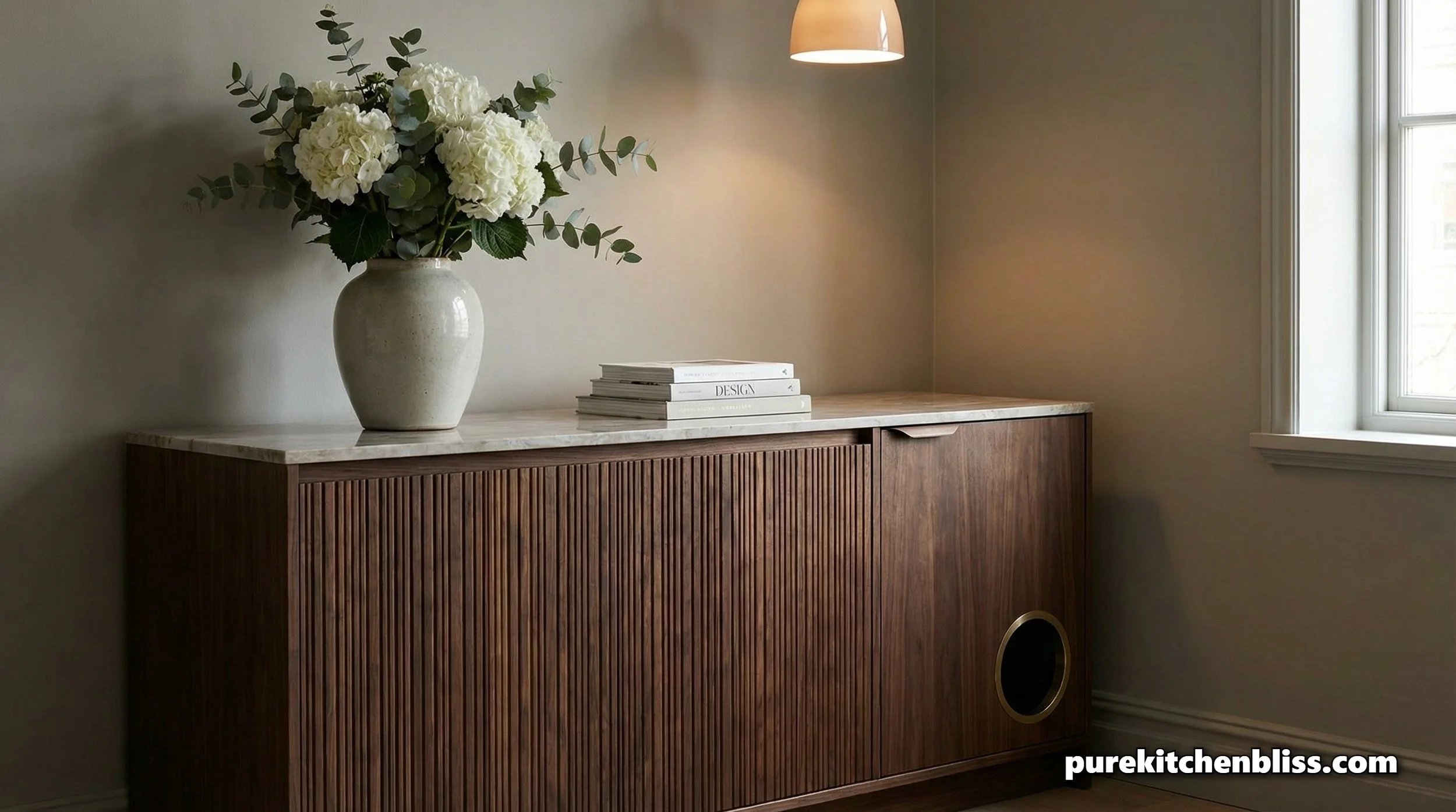
For a truly high-performance kitchen, the solution is built-in. Modern cabinet designers are now creating "Pet Garages"—ventilated, enclosed cabinet sections specifically for litter boxes. These units often feature their own dedicated exhaust fan, tied into the home’s ventilation system, effectively isolating the box from the rest of the kitchen.
Conclusion: A Delicate Balance While the kitchen offers convenience for scooping and floor maintenance, the hygiene risks make it a "Last Resort" location. If you must keep a litter box in the kitchen, focus on airborne filtration and strict "Zone" management to ensure your sanctuary remains a healthy place for food.
Next Up: Maintain your floor’s integrity by learning the best Modern Kitchen Flooring Options.