How to Get Rid of "Gnats" in the Kitchen: The Diagnostic Guide
There is nothing that ruins the feel of a high-performance kitchen faster than a cloud of tiny, hovering insects. The immediate reaction for most homeowners is to go online, find a gnat hack and set out a bowl of apple cider vinegar. But after three days, many people find the bowl empty and the "gnats" still swarming.
The reason DIY "hacks" often fail is simple: you are likely fighting the wrong bug. In the world of kitchen infrastructure, "gnat" is a generic term for three very different pests: Fruit Flies, Fungus Gnats, and Drain Flies. Each one breeds in a different location, eats different organic matter, and requires a completely different elimination strategy. To reclaim your space, you must move past the "one-size-fits-all" trap and perform a biological audit of your kitchen.
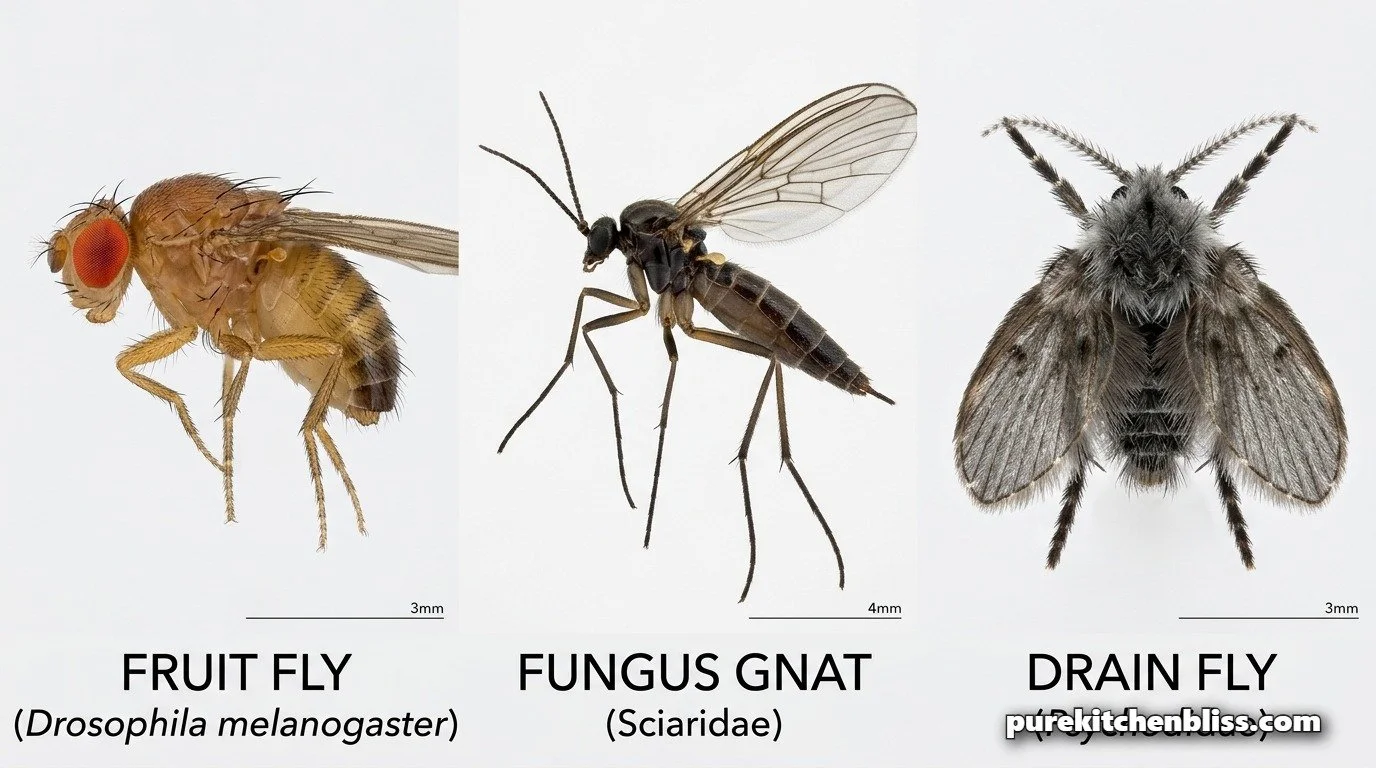
1. The Red-Eyed Invader: Fruit Flies (Drosophila)
If your "gnats" are hovering around your fruit bowl or the trash can, they are likely Fruit Flies.
The Identification: Look for a tan or light brown body and, most importantly, bright red eyes. They are rounded, looking like miniature versions of a standard housefly.
The Breeding Site: They seek out fermenting sugar. This includes overripe bananas, the sticky ring left by a wine bottle, or the organic slime inside your garbage disposal.
The "Builder" Fix:
The Lockdown: Move all produce to the refrigerator.
The Trap:This is where the apple cider vinegar works. Place 2 inches of ACV in a jar with a drop of dish soap. The soap breaks the surface tension, causing the flies to sink.
The Infrastructure Wipe: Clean the seals of your refrigerator and the bottom of your trash pull-out with Castile soap.
2. The Soil Dweller: Fungus Gnats (Sciaroidea)
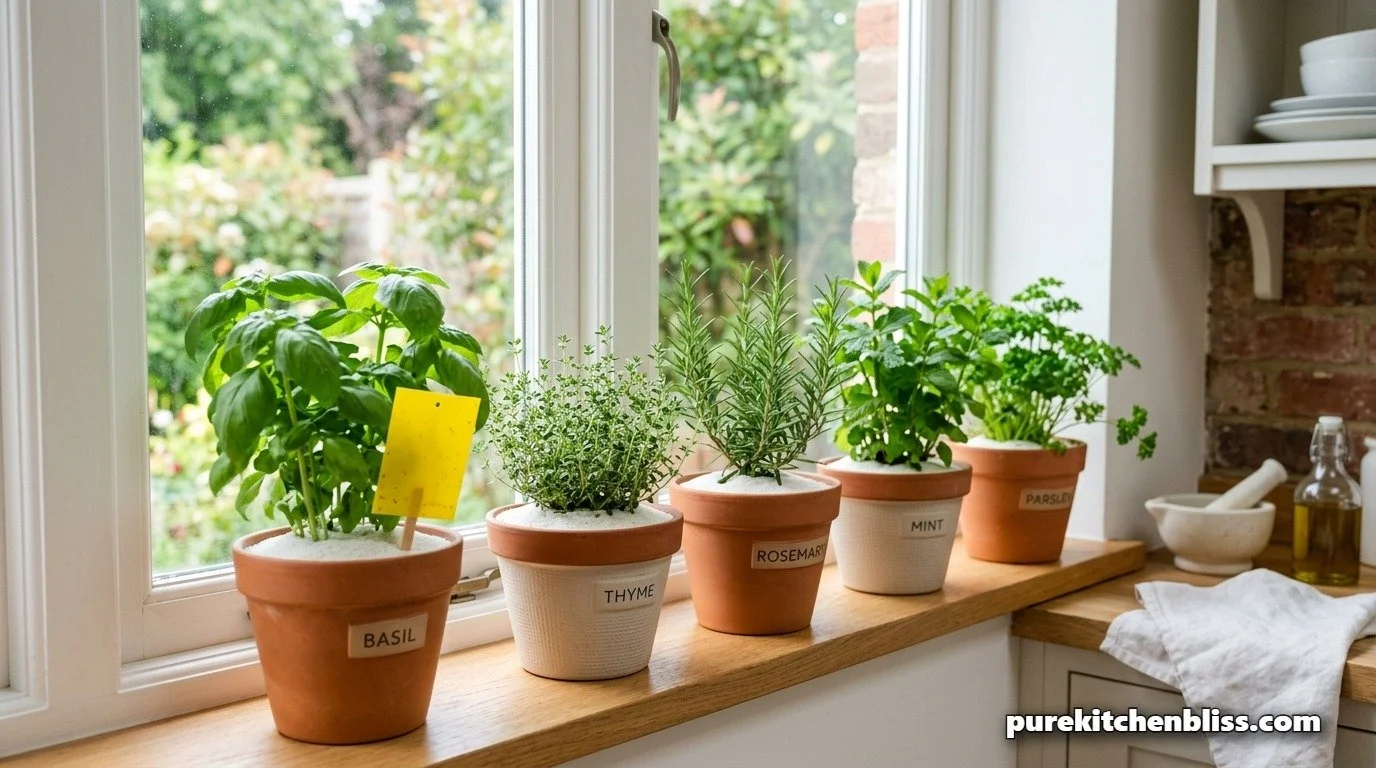
If the vinegar trap is empty but the bugs are still swarming your windows or your potted herbs, you have Fungus Gnats.
The Identification: These look like tiny, black mosquitoes with long, dangling legs. They are weak fliers and often appear to "stagger" through the air.
The Breeding Site: They don't care about your fruit. They breed in the top two inches of moist potting soil. Their larvae feed on the fungi and organic matter in the dirt.
The "Builder" Fix:
The Drought: Let your plants dry out completely between waterings. The larvae cannot survive in dry soil.
BTI Treatment: Use "Mosquito Bits" or a similar product containing Bacillus thuringiensis israelensis (BTI). This is a naturally occurring bacterium that is non-toxic to humans but deadly to gnat larvae.
The Sand Barrier: Top your indoor pots with a 1/2-inch layer of decorative sand. This prevents the adults from reaching the soil to lay eggs.
3. The Moth-Like Ghost: Drain Flies (Psychodidae)
If you see "fuzzy" gnats resting on the walls near your workstation sink or in the bathroom, you have Drain Flies.
The Identification: These are the easiest to spot. They have fuzzy, moth-like wings and a heart-shaped body. They are most active at night.
The Breeding Site: They live in the gelatinous biofilm (slime) that lines your pipes and P-trap.
The "Builder" Fix:
The Tape Test: Cover your drain with clear tape overnight. If you find flies stuck to the underside in the morning, you’ve found the source.
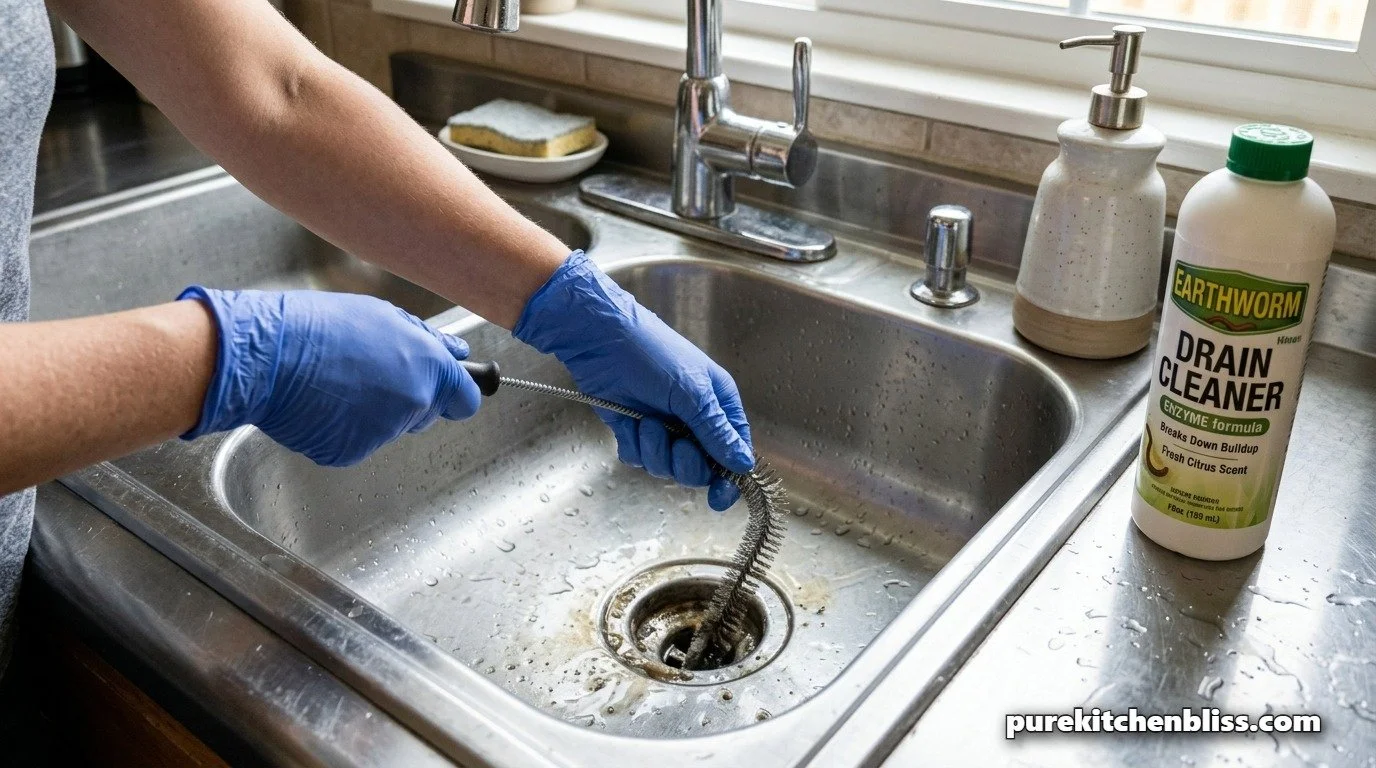
Mechanical Cleaning: Skip the "Ammonia Myth" cleaners. They won't cut through the biofilm. Use a stiff pipe brush to manually scrub the inside of the drain.
The Enzyme Reset: Use a bio-enzymatic drain cleaner. These "good bacteria" eat the organic slime that the flies call home. Follow up with a deep dishwasher clean to ensure the entire drainage line is clear.
4. Comparison: Which "Gnat" is In Your Kitchen?
| Pest | Visual Clue | The "Secret" Source |
|---|---|---|
| Fruit Fly | Red eyes; Tan body. | Overripe fruit; sticky spills under fridge. |
| Fungus Gnat | Black; Long, mosquito legs. | Overwatered houseplant soil. |
| Drain Fly | Fuzzy; Moth-like wings. | Slimy biofilm in P-traps/drains. |
5. Why "Chemical Foggers" are a Design Failure
Many homeowners reach for aerosol pesticides, but this is a "Band-Aid" fix. In a kitchen, chemical drift can settle on your non-toxic kids' dishes or damage your sintered stone countertops.
The adult flies you see are only 10% of the population. The other 90% are eggs and larvae hidden in the soil, the slime, or the fruit. To beat "gnats," you don't need to kill the fliers; you need to destroy the habitat.
Conclusion: Reclaiming Your Culinary Sanctuary
Eliminating tiny flies isn't about having the best "hack", it's about accurate diagnosis. Once you identify whether you are fighting a Fruit Fly, a Fungus Gnat, or a Drain Fly, the solution becomes a simple matter of infrastructure maintenance. Seal your food, dry your soil, and scrub your drains. Your kitchen will be pest-free in less than a week.
Next Up: Protect your kitchen’s structural wellness with our guide on Why Your White Cabinets Are Turning Yellow.