Why Your White Cabinets Are Turning Yellow (And the Non-Toxic Fix)
There is nothing more frustrating than investing in a crisp, white kitchen only to notice a dingy yellow hue creeping across the cabinet doors three years later. Most "hack" sites will tell you to scrub them with bleach or heavy abrasives, but if you want to protect your cabinetry's infrastructure, those are the last things you should reach for.
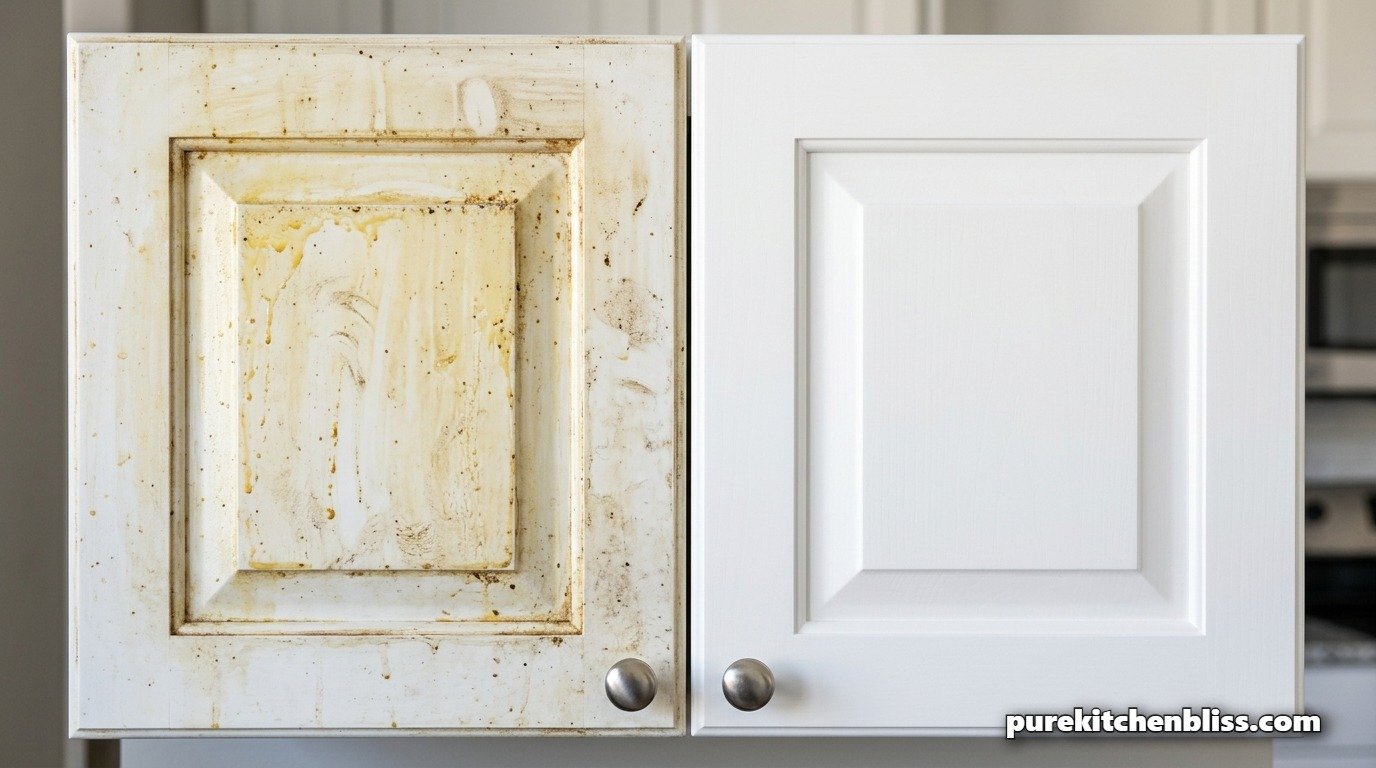
Yellowing isn't just "dirt"; it’s usually a chemical reaction. It’s either chromophore development from cooking grease that has polymerized under your range hood, or it's the breakdown of the topcoat due to UV exposure. To outshine the competition, we aren't just going to clean the surface, we’re going to perform a pH-balanced "Brightening Reset."
1. The Science of the "Yellow Film"
Before you scrub, you have to identify the enemy. In 90% of kitchens, the yellowing is a layer of "Aerosolized Cooking Fat."When you cook, microscopic oil droplets travel through the air. If they aren't caught by your workstation sink’s splash zone, they land on your cabinets and harden into a plastic-like varnish.
The Mistake: Using ammonia or bleach. As we explored in The Ammonia Myth, these high-pH cleaners can actually "cook" the oil further or damage the cabinet's protective clear coat, leading to even faster yellowing in the future.
2. The "Sponge-Killer" Hack: The Alkaline-Acid Double Wash
To beat a "SpongeHack," we need a two-step process that actually reverses the polymerization.
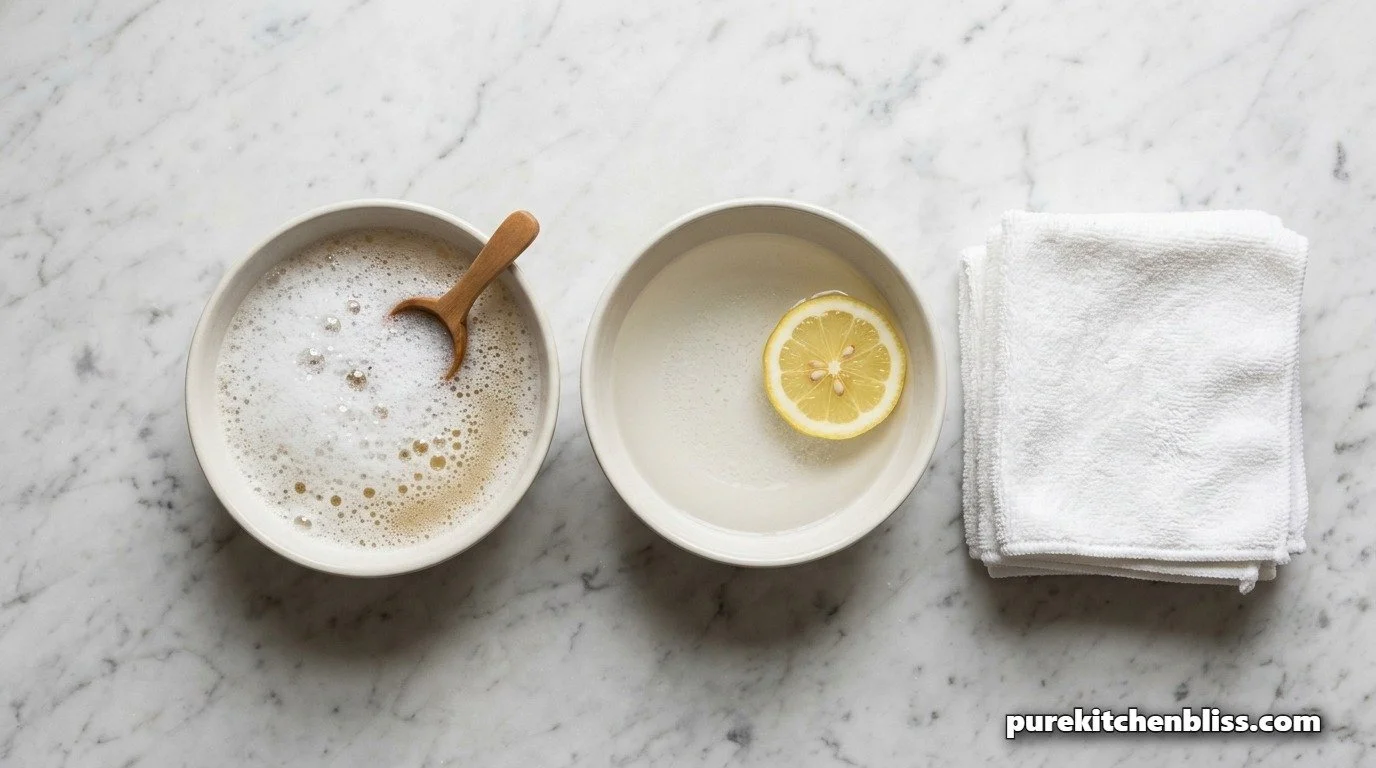
Step 1 (The Degrease): Mix 2 cups of warm water with 1 tablespoon of Castile soap. This is an alkaline wash that breaks the "lipid bond" of the grease. Use a microfiber cloth to wipe the cabinets downward.
Step 2 (The Brightener): This is the secret. Mix 1 cup of water with 1 tablespoon of citric acid powder. While vinegar is too weak, the concentrated acidity of the citric acid trick acts as a mild bleaching agent that doesn't damage the paint. It "lifts" the yellowing caused by oxidation.
3. Protecting the Finish: The "Anti-Yellow" Audit
If your cabinets are yellowing near the windows, it’s not grease—it’s UV degradation.
The Fix: Many modern high-performance cabinets use UV-inhibitor topcoats, but older finishes don't. After cleaning, apply a thin layer of Furniture Grade Carnauba Wax. This creates a physical barrier against oxygen and UV rays, preventing the "chromophores" from forming in the first place.
The Infrastructure Check: If the yellowing is concentrated around the stove, your ventilation infrastructure is failing. It’s time to audit your CFM levels to ensure grease is being pulled out of the room before it can settle on your white finishes.
4. Comparison: The Cabinet Brightening Matrix
| Method | The Risk | The Result |
|---|---|---|
| Magic Erasers | Abrasive; strips the sheen/topcoat. | Quick clean, but permanent damage. |
| Bleach Solution | Corrosive; can turn wood yellow. | Weakening of the paint bond. |
| Castile + Citric Acid | None (pH Balanced). | Restored color + protected finish. |
5. Why You Should Skip the "Vinegar-Only" Hack
While vinegar is great for cleaning, it is an "all-acid" approach.
Grease is a fat; fats require an alkaline (soap) to emulsify. If you only use vinegar, you are essentially "pickling" the grease onto your cabinets. By using our two-step method, you remove the fat first and then brighten the surface. This is the difference between a "housekeeping tip" and a "Builder-Grade" restoration.
Conclusion: Maintaining the "Builder-White" Standard Your cabinets are the largest visual piece of infrastructure in your kitchen. Keeping them bright isn't about scrubbing harder; it’s about understanding the chemistry of the stains. By utilizing a pH-balanced double wash, you protect your investment and keep your kitchen looking like it was installed yesterday.
Next Up: Learn how to protect your white surfaces from "Chemical Drift" in our guide to The Ammonia Cleaning Myth.