Why Is My Fruit Bowl Always Getting Moldy?
Transparency Note: We independently select these products based on research and user reviews. If you buy something through our links, we may earn a commission.
In a house with four daughters, the fruit bowl is the high-traffic fuel station. It’s the central hub where energy is grabbed between school and soccer. But as a builder curator, I look at that bowl and see more than a snack station; I see a storage system. If the "bones" of your setup are wrong, you aren't just storing apples, you’re essentially creating an incubator for fungal spores.
Mold is a scavenger that requires three specific environmental conditions to thrive: moisture, stagnant air, and ethylene gas. If your fruit bowl is a solid ceramic or glass basin, you are inadvertently building a "Bio-Dome" where these three factors collude to break down the cellular integrity of your produce. To maintain a sustainable sanctuary, we need to move from "static storage" to "active aeration."
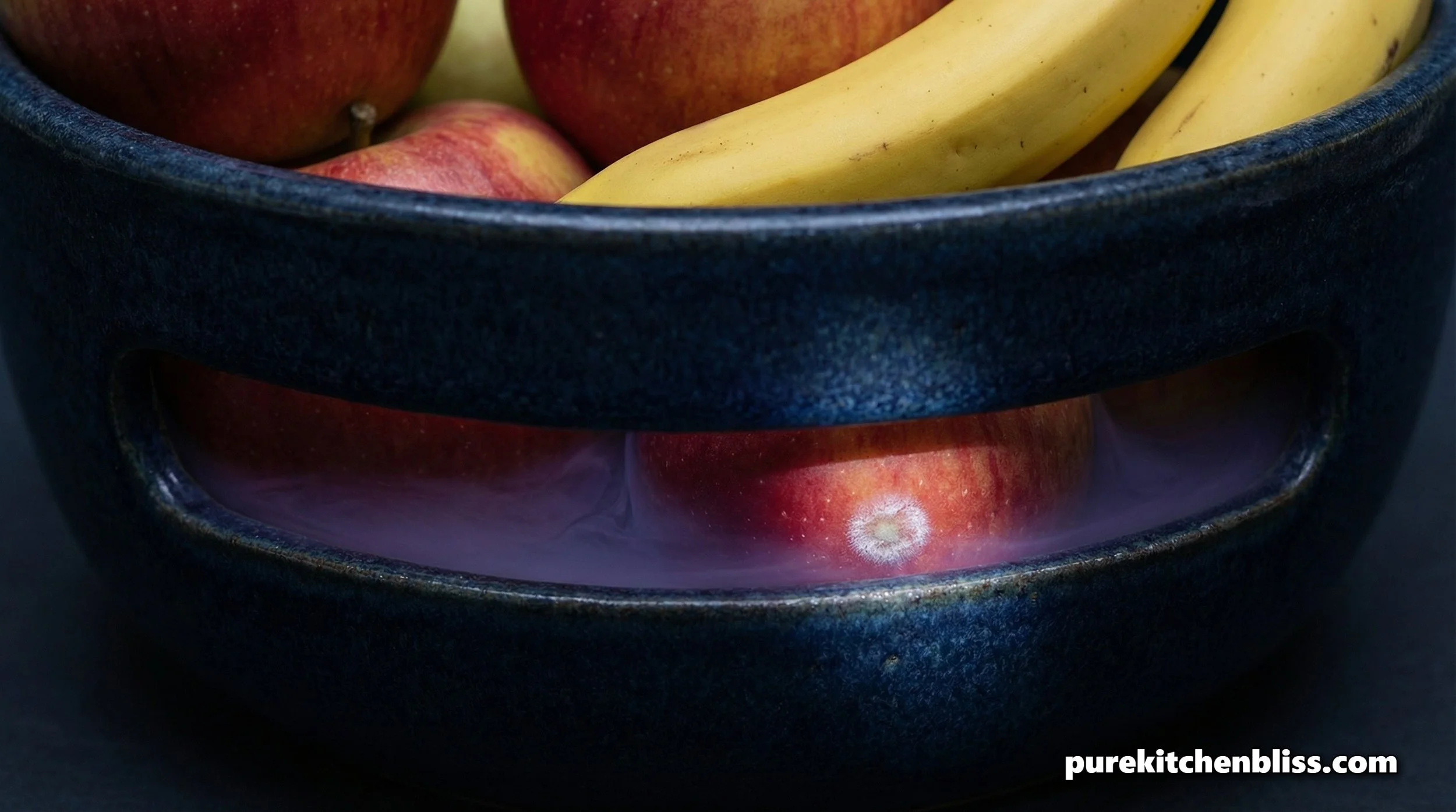
1. The "Airflow" Infrastructure Failure
The biggest mistake I see in kitchen curation is choosing a fruit bowl based on aesthetics rather than aeration.
The Problem: Solid-bottom bowls (glass, ceramic, or plastic) trap moisture and heat. Fruit "breathes" through a process called cellular respiration, releasing water vapor. In a solid bowl, that vapor has nowhere to go. It settles at the base, creating a "damp zone" where dormant mold spores activate.
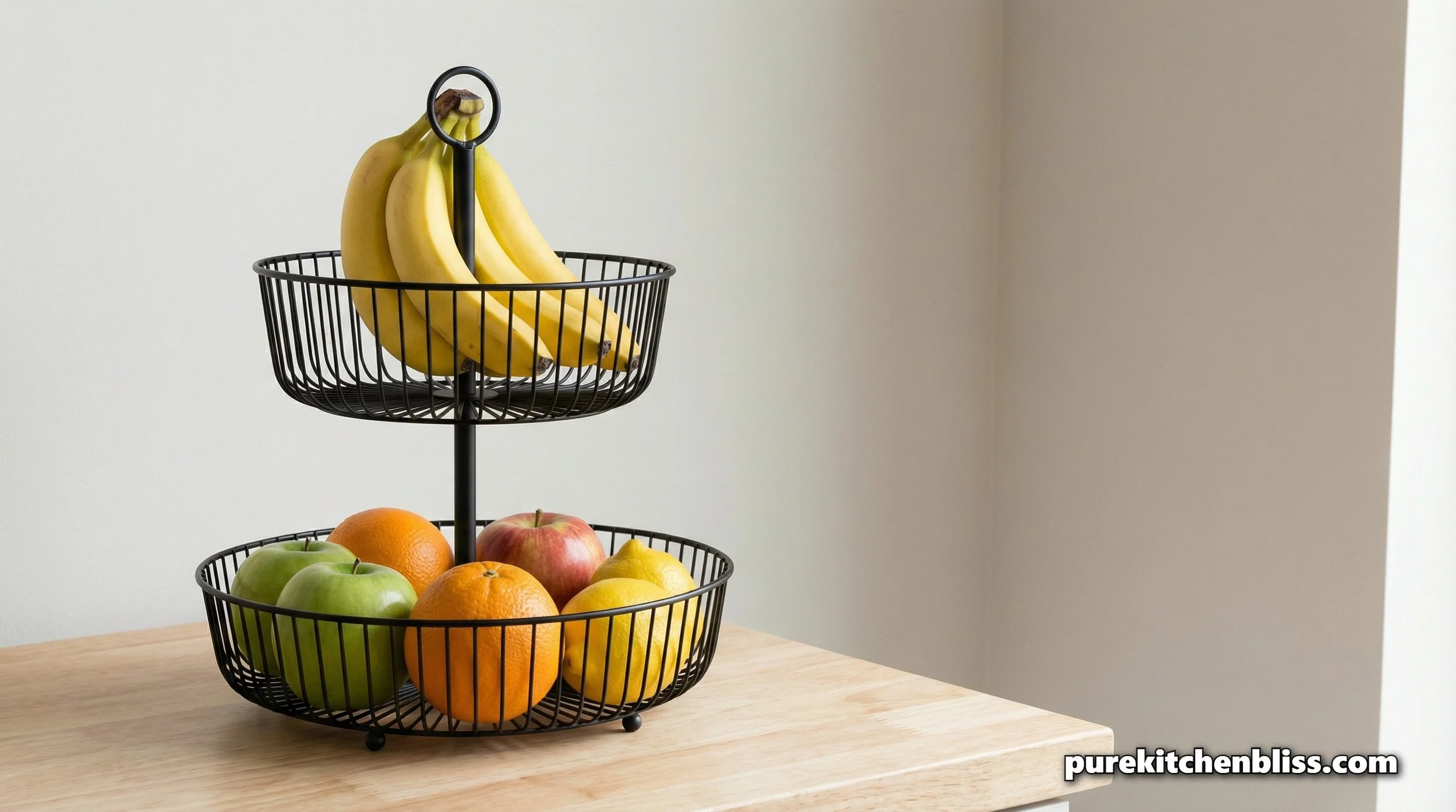
The Structural Fix: Switch to a wire mesh or slatted wood basket. This allows 360-degree airflow. In the trades, we know that moving air is the best dehumidifier, the natural currents in your kitchen will extract that moisture before it can settle.
2. The "Ethylene Overload" (The Gas Pocket)
Fruit releases ethylene, a natural ripening hormone in the form of a gas. In a deep, crowded bowl, this gas becomes trapped and concentrated.
The Problem: Concentrated ethylene causes fruit to ripen and then rot at an accelerated rate. If you have bananas (the ultimate high-ethylene producers) sitting on top of delicate peaches or apples, the fruit at the bottom is being "gassed" into premature decay.
The Structural Fix: Use a tiered system or a "banana hanger." By suspending the bananas, you allow the gas to dissipate into your Kitchen Ventilation currents rather than pooling in the "sump" of the bowl.
3. The "Bio-Film" Contamination
As a builder, I know that mold is a "living infrastructure." If one piece of fruit has ever molded in that bowl, the spores are likely still there, dormant in the microscopic pores of the material.
The Failure: If you don't "sanitize the site" after a mold event, you are simply seeding the next batch of fruit. This is how a "science project" becomes a recurring nightmare in your sanctuary.
The Ritual: During your Sunday Night Countertop Reset, you must wash the bowl with a 50/50 mix of water and Distilled White Vinegar. Vinegar is a natural antifungal that kills 82% of mold species on contact, ensuring your storage bones remain pure.
BUILDER TIP: THE "PUMICE" EFFECT
Never place your fruit bowl directly on a damp tea towel or near the "Sump" area of your sink. The stone or tile in those areas holds "Latent Cold," which can cause condensation to form inside a warm bowl. This creates a "dew point" that triggers a mold bloom from the bottom up. Keep your bowl on a dry, elevated part of your Countertop Workspace.
4. The Separation Protocol
Not all fruit belongs in the same "infrastructure." To maximize freshness, you need to manage your inventory based on their chemical output:
The "Loner" Rule: Apples and bananas are high-ethylene producers. Keep them in a separate aerated basket from "sensitive" produce like berries or citrus.
The Stone Fruit Strategy: Peaches and plums should stay on the counter until they are ripe, then move to the Professional Fridge Organization to halt the decay process.
The Berry Buffer: Never wash berries until the moment you eat them. Moisture is the "bio-bridge" that mold uses to travel from one berry to the next.
GET THE AERATED INFRASTRUCTURE
Protect your produce and your pantry budget. We’ve sourced the best "open-air" baskets that prioritize airflow without sacrificing the aesthetic of your sanctuary.
Check Price: Two-Tiered Wire Fruit Basket with Banana Hanger
The "Sanctuary Clean": Organic Distilled White Vinegar for Fruit Washing
Conclusion: Engineering Freshness
Mold isn't an inevitability; it’s a symptom of poor "storage bones." By upgrading to an aerated basket, managing your ethylene producers, and keeping a strict vinegar-wash ritual, you ensure your fruit bowl remains a vibrant part of your Sustainable Sanctuary rather than a waste center.
Explore More in Your Kitchen Sanctuary:
To clean the counters under your fruit bowl: 5 Brilliant Uses for Castile Soap
To manage the odors from overripe fruit: Why Does My Kitchen Sink Smell?
To protect your kitchen air: 7 Unkillable Plants That Purify Your Air