Best Before vs. Expiration Dates: Decoding the Language of Your Pantry
In a world where we meticulously organize our high-functioning pantries, the most common point of confusion isn't the layout—it’s the labels. Every year, tons of perfectly edible food are discarded because consumers treat a "Best Before" date as a hard "Drop Dead" deadline.
To run an efficient kitchen, you must understand that these dates are rarely about safety and almost always about peak performance. Understanding the chemistry of food degradation allows you to make informed decisions, reducing waste and protecting your grocery budget.
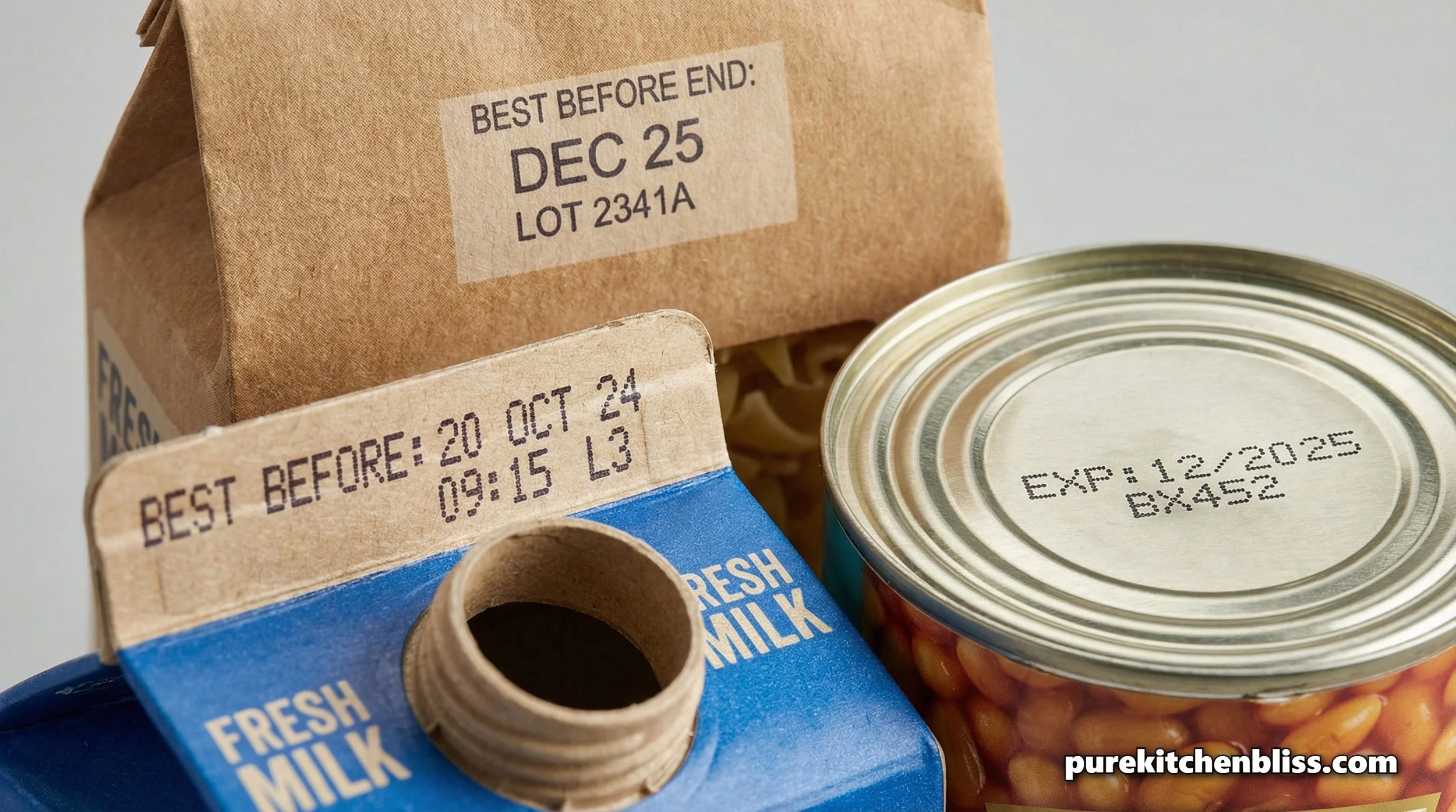
1. The "Best Before" Date: A Promise of Quality
The "Best Before" date is a manufacturer's guarantee of sensory integrity. It tells you how long the product will maintain its optimal flavor, texture, and nutritional profile under specific storage conditions.
The Reality: Once this date passes, the food does not magically become toxic. Instead, the "infrastructure" of the food begins to break down. Crackers may lose their crunch, or olive oil may lose its bright, peppery notes.
The Exception: If you haven't followed the food storage rules we discussed, even a product within its "Best Before" window can spoil. This is why a temperature-controlled, dark pantry is essential.
2. The "Expiration" Date: The Safety Deadline
Unlike "Best Before," an "Expiration" date is a hard stop. In most regions, this label is legally required only on specific items like infant formula, meal replacements, and certain prescription supplements.
The Risk: After this date, the nutritional content may no longer match the label, or the chemical stability of the product may be compromised.
The Rule: If it says "Expires On," do not consume it past that date. This is a matter of biological and chemical safety, not just taste.

3. "Use By" vs. "Sell By": The Retail Logic
To further complicate your inventory infrastructure, you will often see retail-specific stamps.
Sell By: This is a guide for the grocery store manager. It tells them when to pull an item from the shelf to ensure the consumer still has a reasonable "quality window" at home. It is not a safety date for you.
Use By: This is commonly found on highly perishable items like fresh poultry or bagged salads. Treat this with the same caution as an Expiration date. Bacteria like Listeria don't care about "sensory quality", they care about time and temperature.
4. Comparison: The Label Decoder Ring
| Label Type | Meaning | Action Required |
|---|---|---|
| Best Before | Peak quality, flavor, and texture. | Check for signs of spoilage; usually safe. |
| Expires On | Nutritional/Chemical stability limit. | Discard immediately. |
| Sell By | Inventory management for retailers. | Safe to buy; follow home storage rules. |
| Use By | Safety limit for highly perishables. | Discard or freeze by date. |
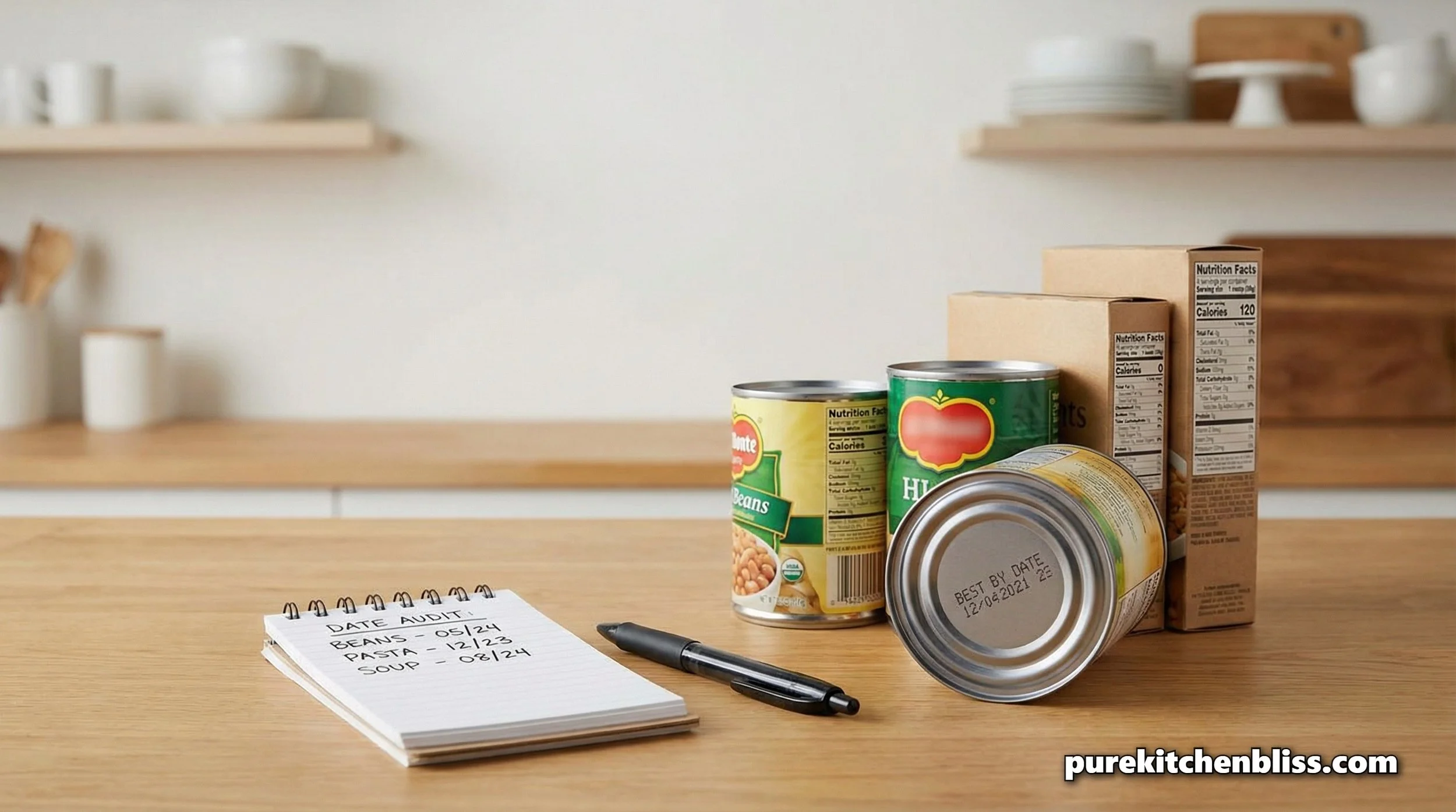
5. The "Three-Senses" Audit
When a product is past its "Best Before" date, you should perform a manual audit before discarding it. This is a skill every "Builder" homeowner should master:
Sight: Look for bulging cans (a sign of botulism), mold, or significant discoloration.
Smell: High-fat items like nuts or whole-grain flours will smell "paint-like" or metallic when they go rancid.
Touch: Check for "slimy" textures on produce or a loss of structural integrity in canned goods.
6. Extending the Life of Your Inventory
Proper maintenance of your appliances can actually "push" these dates. If your refrigerator gaskets are clean and your range hood is clearing humidity, your food will stay in the "Quality Zone" much longer.
Conclusion: Mastery of the Label Understanding the difference between a decline in quality and a risk to safety is the ultimate "High-Performance" kitchen skill. By decoding these labels, you stop being a victim of marketing dates and start being the curator of a sustainable, efficient pantry.
Next Up: Optimize your food storage environment by learning how to Design a High-Functioning Pantry.