Stop the Scout: Non-Toxic Ant Hacks for Your Kitchen
Transparency Note: We independently select these products based on research and user reviews. If you buy something through our links, we may earn a commission.
The first summer I spent in my current home, I quickly learned a frustrating reality: ants don’t just stay outside. My first instinct was the standard homeowner response, I called a professional pest control company. But as I watched them spray heavy, pungent chemicals around my baseboards and near my workstation sink, I had a realization. I didn't want my kitchen, the heart of my home's wellness, smelling like a science lab. I have 4 kids and did not want this in my house again.
I realized that "brute force" pesticides are often a temporary fix for a structural problem. Since then, I’ve moved away from the chemicals and mastered a set of "Builder-Grade" hacks that keep my kitchen ant-free by targeting their biology and their entry points. To beat the cycle, you don't need poison; you need to disrupt their Pheromone Infrastructure.
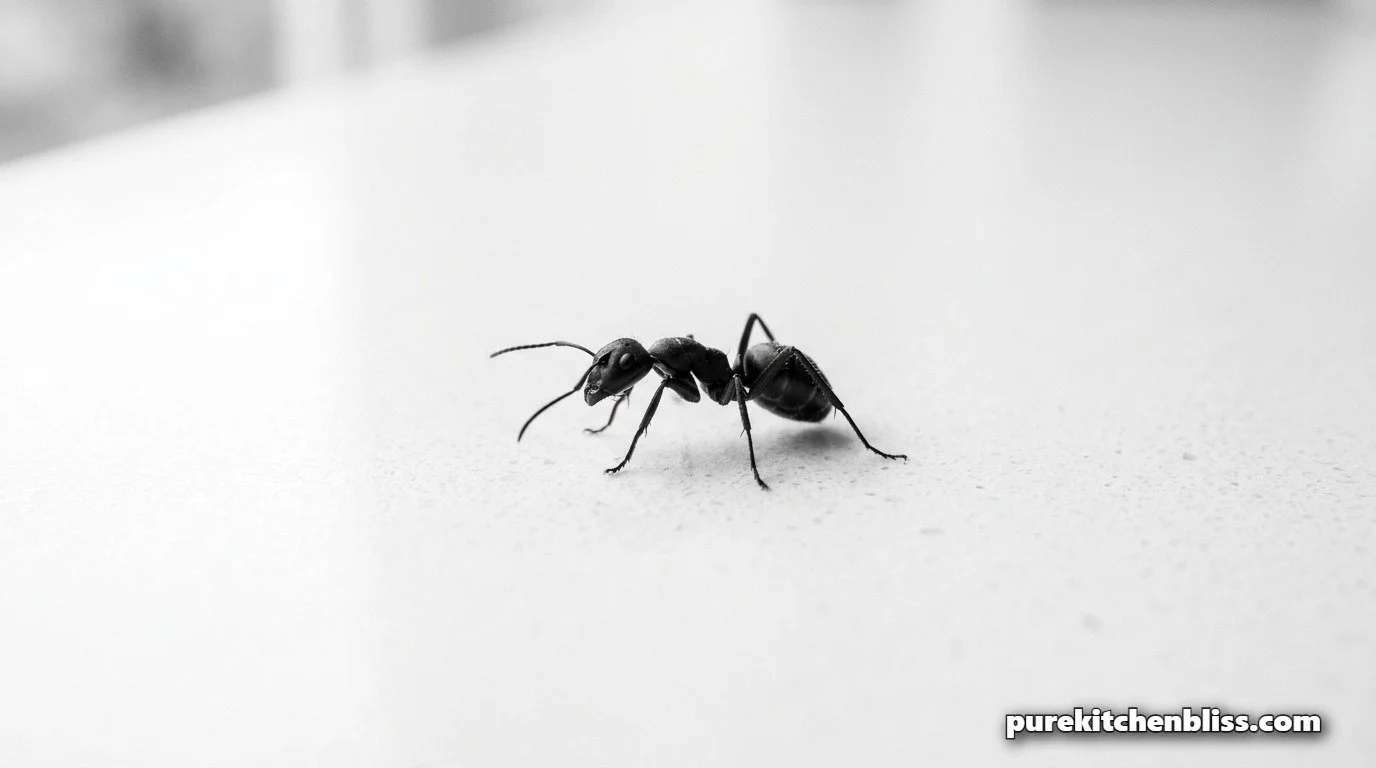
1. The "Scout" Theory: Why You See One Before the Many
In a high-performance kitchen, the first ant you see is the most dangerous. This is the "Scout." Its job isn't to eat; it’s to lay down an invisible chemical road map called a pheromone trail.
The Mistake: Squashing the scout and walking away.
The Professional Fix: You must erase the map. Standard water won't do it. You need an acidic solution to dissolve the pheromones. While some suggest lemon juice, the most effective tool is a 50/50 mix of white vinegar and water. This doesn't just clean the surface; it "blinds" the rest of the colony, preventing the "parade" from ever starting.
2. Sealing the "Invisible" Infrastructure
Ants don't walk through your front door; they find the gaps in your home’s assembly. If you want to out-clean the ants, you have to audit your seals.
The Sink Gap: Look where your plumbing enters the wall under the sink. Often, there is a gap around the pipe.
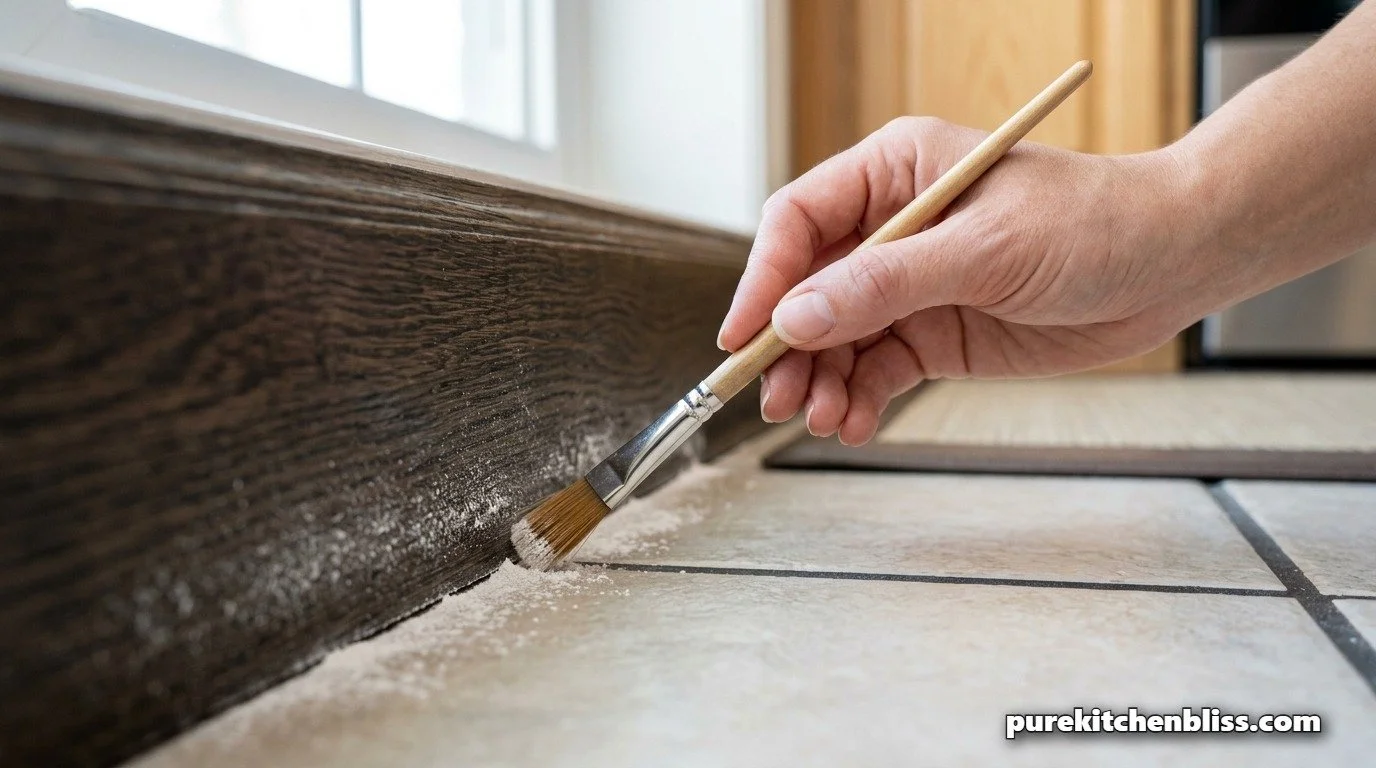
The Hack: Instead of chemical sprays, use Food-Grade Diatomaceous Earth (DE). This is a natural powder made of fossilized algae. To us, it feels like flour; to an ant, it is like walking over broken glass. Sprinkle it into the wall voids and behind baseboards where it stays dry and active for years.
The Caulk Audit: Use a high-quality silicone to seal the transition between your countertop and the backsplash. This removes the "highway" ants use to navigate your kitchen unseen.
3. The Peppermint Barrier vs. The "Ammonia Myth"
Many old-school cleaners, like those containing ammonia, actually act as a secondary attractant once the initial scent dissipates, as they can strip away the protective finishes on your cabinets.
The Essential Oil Hack: Ants rely on their sense of smell to survive. Peppermint essential oil contains menthol, which overwhelms their sensory receptors.
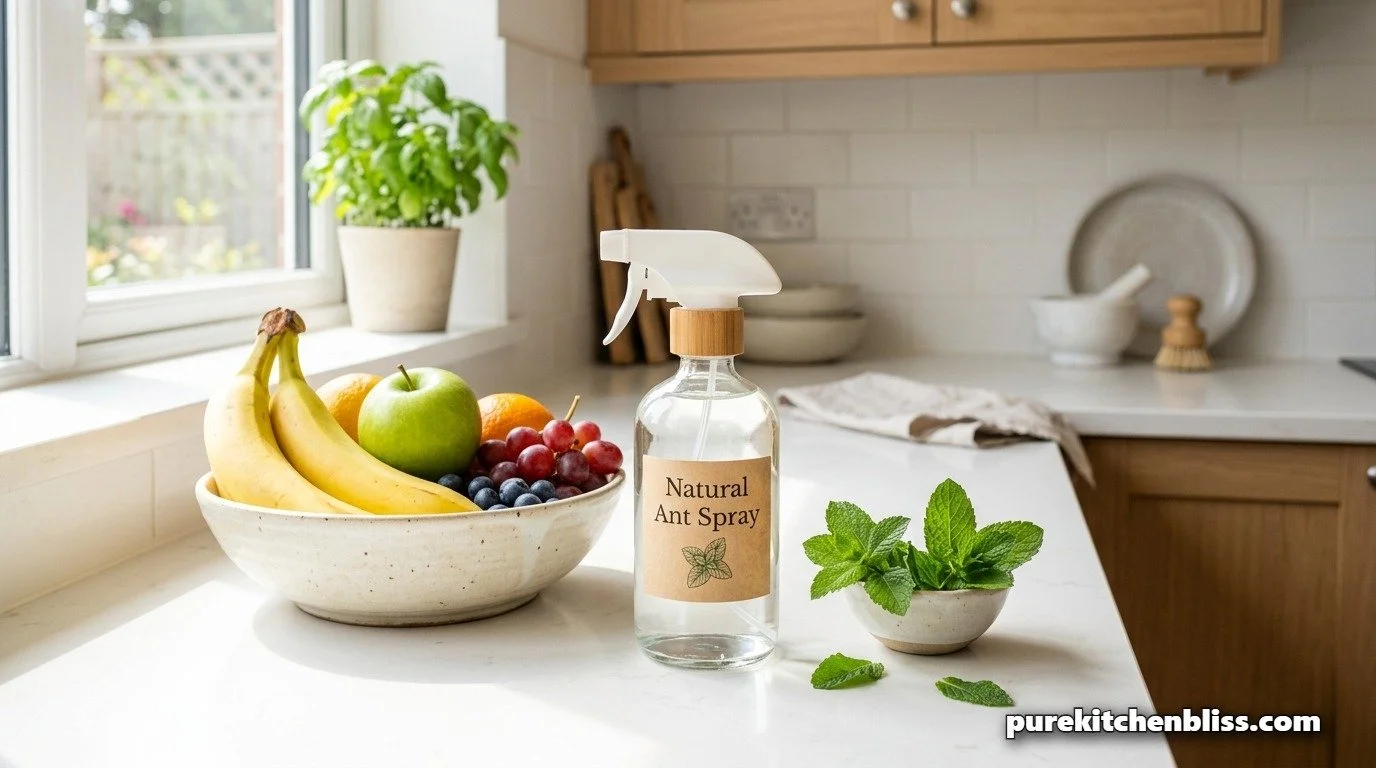
The Builder Protocol: Add 15 drops of peppermint oil to a spray bottle of water. Spray your windowsills and door thresholds. Unlike pesticides, this creates a "scent wall" that smells like a luxury spa to humans but a "danger zone" to ants. (Note: Ensure the oil is kept away from pets).
4. Comparison: Chemical vs. Structural Deterrents
| Method | The Mechanism | Safety Status |
|---|---|---|
| Professional Pesticides | Neurotoxins that kill on contact. | Low (Chemical Residue) |
| White Vinegar (1:1) | Dissolves pheromone scent trails. | High (Food-Safe) |
| Diatomaceous Earth | Mechanical desiccant (dehydrates). | High (Non-Toxic) |
| Peppermint Oil | Overwhelms sensory receptors. | Medium (Safe, keep from pets) |
5. The "Zero-Crumb" Kitchen Audit
Sponge-hacks and vinegar only go so far if the "Buffet" is still open. To truly keep ants out, you have to audit how you store food.
The Airtight Rule: Move sugar, flour, and cereals into airtight glass or BPA-free containers. Cardboard boxes are porous and allow scents to leak out, signaling to the ants that food is available.
The Sink Maintenance: Ants are often searching for water as much as food. Ensure your dishwasher isn't leaking and your sink is wiped dry at night. A dry kitchen is a boring kitchen to a scout ant.
The Trash Strategy: Ensure your trash pull-out is cleaned weekly with Castile soap. Even a small spill of juice at the bottom of the bin can attract an entire colony within hours.
Conclusion: Defense Through Design Keeping ants out of your kitchen isn't about the strength of your poison; it’s about the intelligence of your defense. By erasing pheromone trails, sealing your entry points, and using natural scent barriers, you protect your kitchen’s wellness without compromising on safety. You don't have to live in a science lab to have a pest-free home.
Next Up: Learn how to protect your kitchen floors from the "Invisible" damage of Broken Glass on Hardwood.