Choosing between dark and light countertops in 2026 is less about "what’s in style" and more about the maintenance infrastructure you’re willing to build. Both have distinct "personalities" when it comes to showing wear, light reflection, and daily grime.
As we move toward the high-performance sanctuary aesthetic, the choice usually comes down to whether you want a "bright workshop" or a "moody retreat." A kitchen island is often the largest single-material surface in your home; its color will dictate the entire "temperature" of the room.
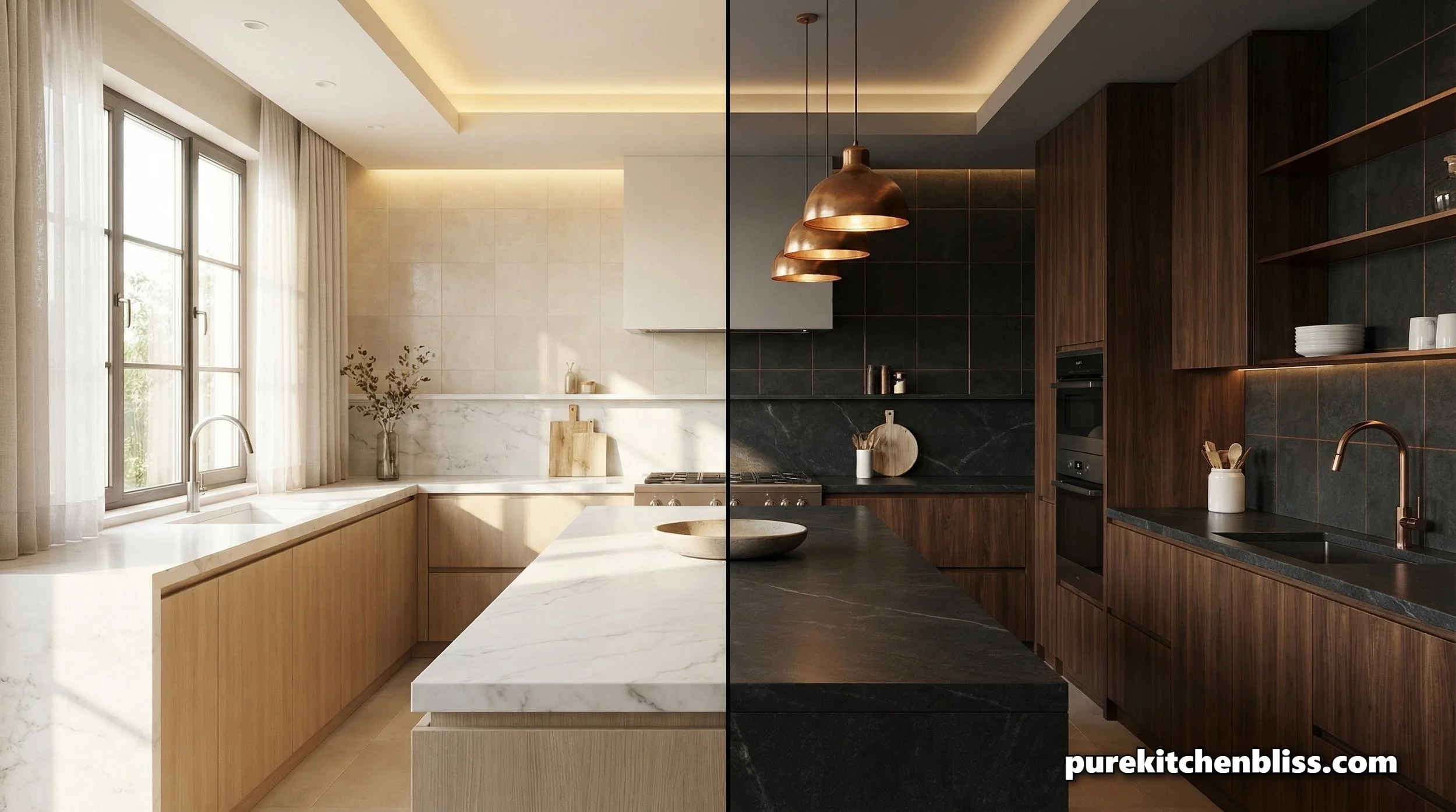
1. Light Countertops: The "Visibility" Choice
Light surfaces, ranging from Calacatta marble to bleached concrete and "Cloud White" quartz, are the traditional choice for modern kitchens because they maximize natural light.
The Reflective Advantage
In a kitchen with limited windows, light countertops act as a massive horizontal mirror. They reflect ambient light back up onto the walls and ceiling, making the space feel significantly larger and more open. This is particularly effective if you are following Grandma’s decor trends which often utilize cozy, smaller layouts.
The "High-Disclosure" Reality
The downside to a light surface is that it hides nothing. While it is excellent at masking light-colored dust or hard water spots, it will highlight every dark crumb, coffee ring, and stray hair. For the "Builder" homeowner, this can be an advantage: you always know exactly when your surface is truly clean.
Maintenance and Sealing
If you choose a light natural stone like marble or quartzite, you must be vigilant about sealing. Even a gentle Castile soap cleaningwon't save a white marble slab from a red wine stain if the pores aren't properly sealed. Light quartz is a safer "low-maintenance" alternative, though it lacks the unique veining of natural stone.
2. Dark Countertops: The "Depth" Choice
Dark surfaces, such as Soapstone, Black Granite, or Midnight Dekton, provide a grounded, sophisticated feel. They are the backbone of the "Moody Kitchen" trend that has taken over 2026.
The "Organic" Camouflage
Dark countertops are incredible at hiding "organic" messes. A splash of tomato sauce, a ring of red wine, or a smudge of chocolate is virtually invisible on a dark, textured surface. This makes them a favorite for families or "messy" home chefs who don't want to wipe down the counters every five minutes during a meal prep.
The Dust and Fingerprint Challenge
The Achilles' heel of dark surfaces is "non-organic" debris. Dust, flour, and fingerprints show up with startling clarity, especially if the stone has a polished finish. In 2026, the industry has solved this by moving toward Honed and Leathered finishes. These matte textures diffuse light, making fingerprints and oil smudges much less noticeable than they were on the shiny black granites of the early 2000s.
The 2026 Shift: Tonal Charcoals
We are moving away from "Stark Black" and toward Tonal Charcoals and Deep Olives. These mid-to-dark colors offer the drama of a dark counter but are much more forgiving when it comes to showing daily dust.
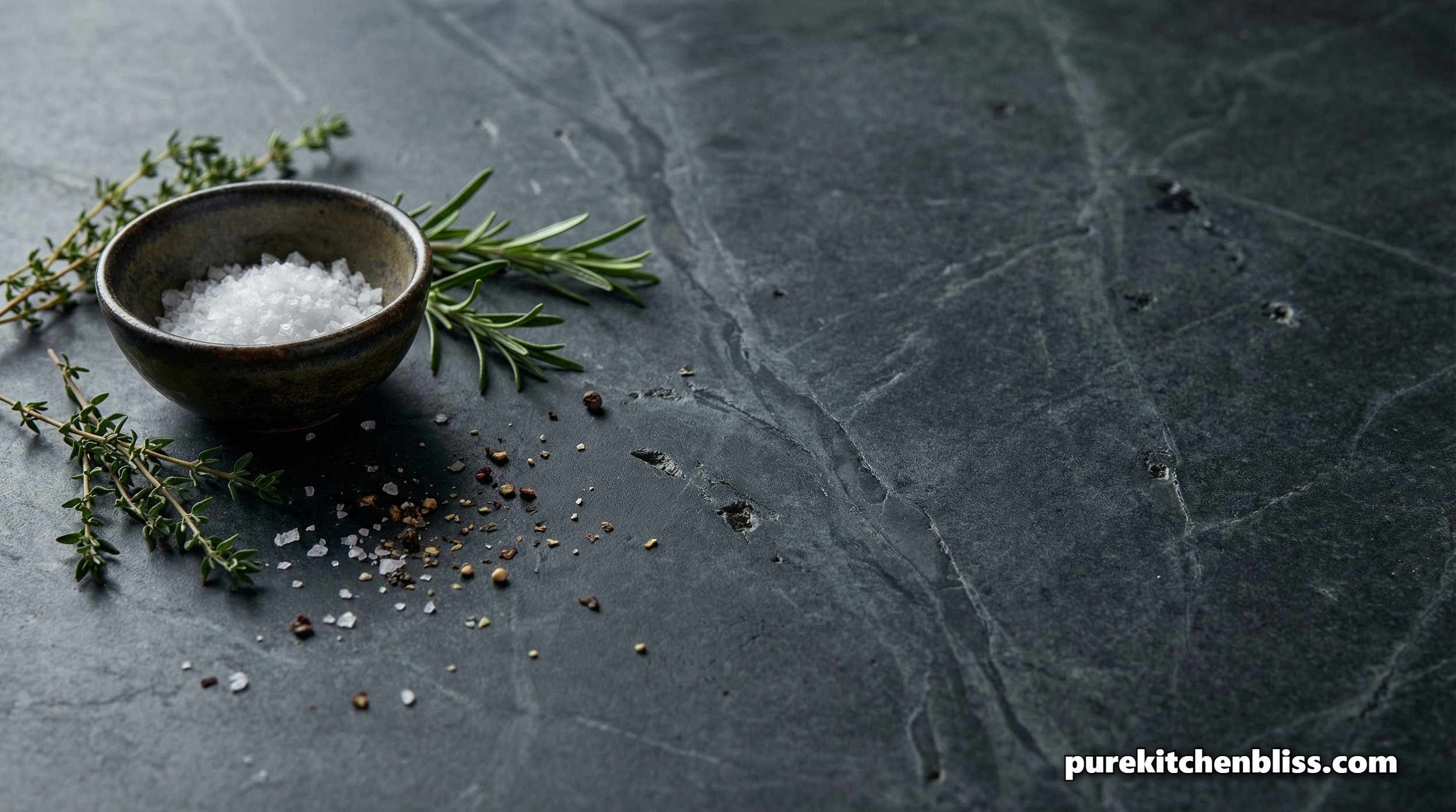
3. Comparison: The Maintenance Matrix
Use the table below to determine which "infrastructure" fits your lifestyle.
| Feature | Light Countertops | Dark Countertops |
|---|---|---|
| Hides Dust? | Yes (Excellent) | No (Shows quickly) |
| Hides Stains? | No (Requires sealing) | Yes (Excellent) |
| Fingerprints? | Minimal | High (especially polished) |
| Light Impact | Reflects (Brightens) | Absorbs (Adds mood) |
4. Ergonomics and Eye Strain
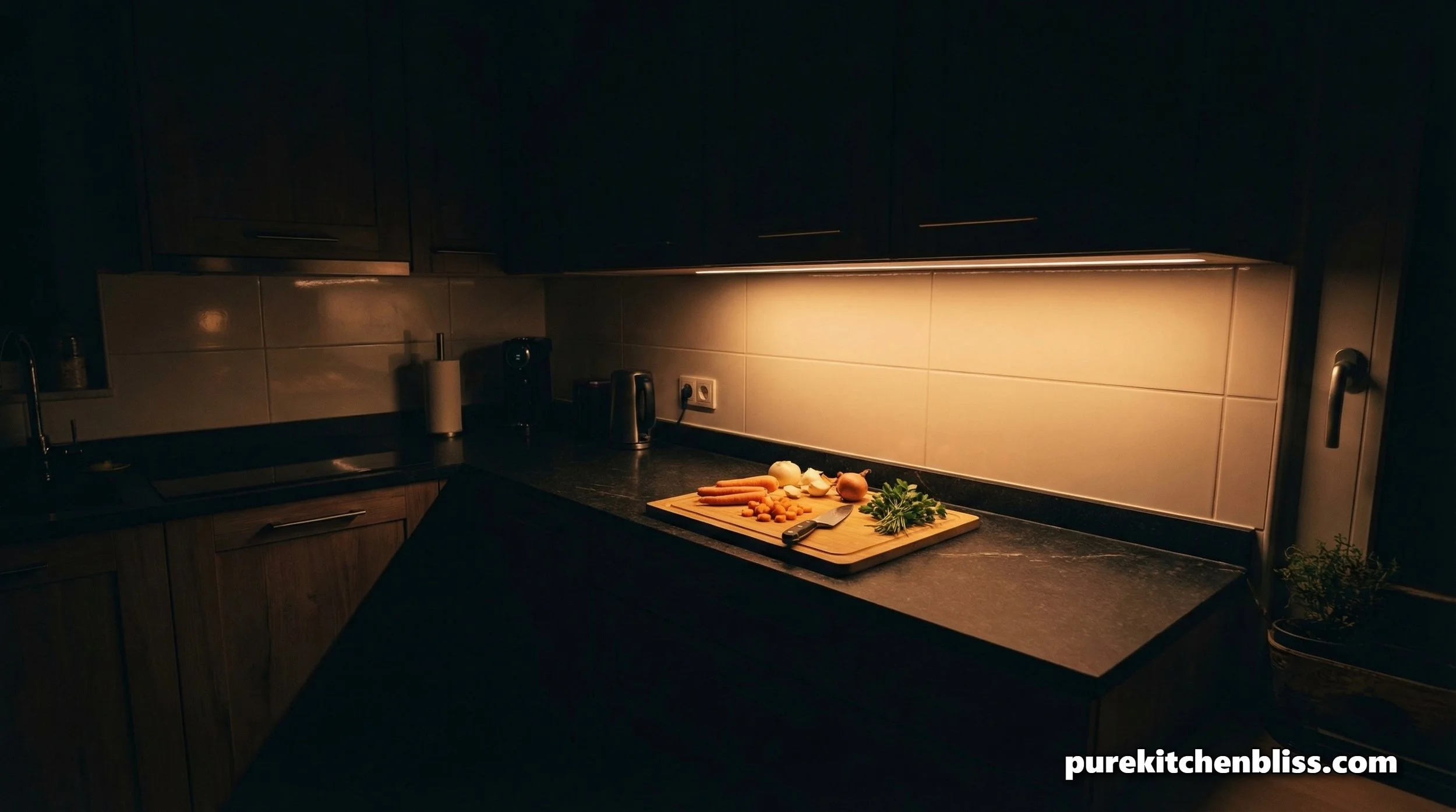
From a "Builder" perspective, the contrast between your countertop and your prep work matters.
Light Counters: Offer high contrast for dark ingredients (leafy greens, meats), making it easier to see what you are doing.
Dark Counters: Can make it harder to see fine details during prep unless you have excellent under-cabinet task lighting.
5. The "Honed" Verdict
In 2026, the "best" choice for most homeowners is a Honed (Matte) Finish regardless of color. A polished white counter can feel clinical and harsh, while a polished black counter is a maintenance nightmare. A honed finish softens the stone and makes the material feel more like part of the "Sanctuary."
Conclusion: How to Decide? If you have a small kitchen with limited natural light, go Light. It will open the space and make it feel more inviting. If you have a large, well-lit kitchen and you prefer a workspace that feels grounded and hides "work-in-progress" messes, go Dark.
Ready to maintain your chosen surface?
Coordinate your hardware: Is gold hardware back?
Match your floor: Best flooring for modern kitchens
Keep it clean: How to degrease your range hood