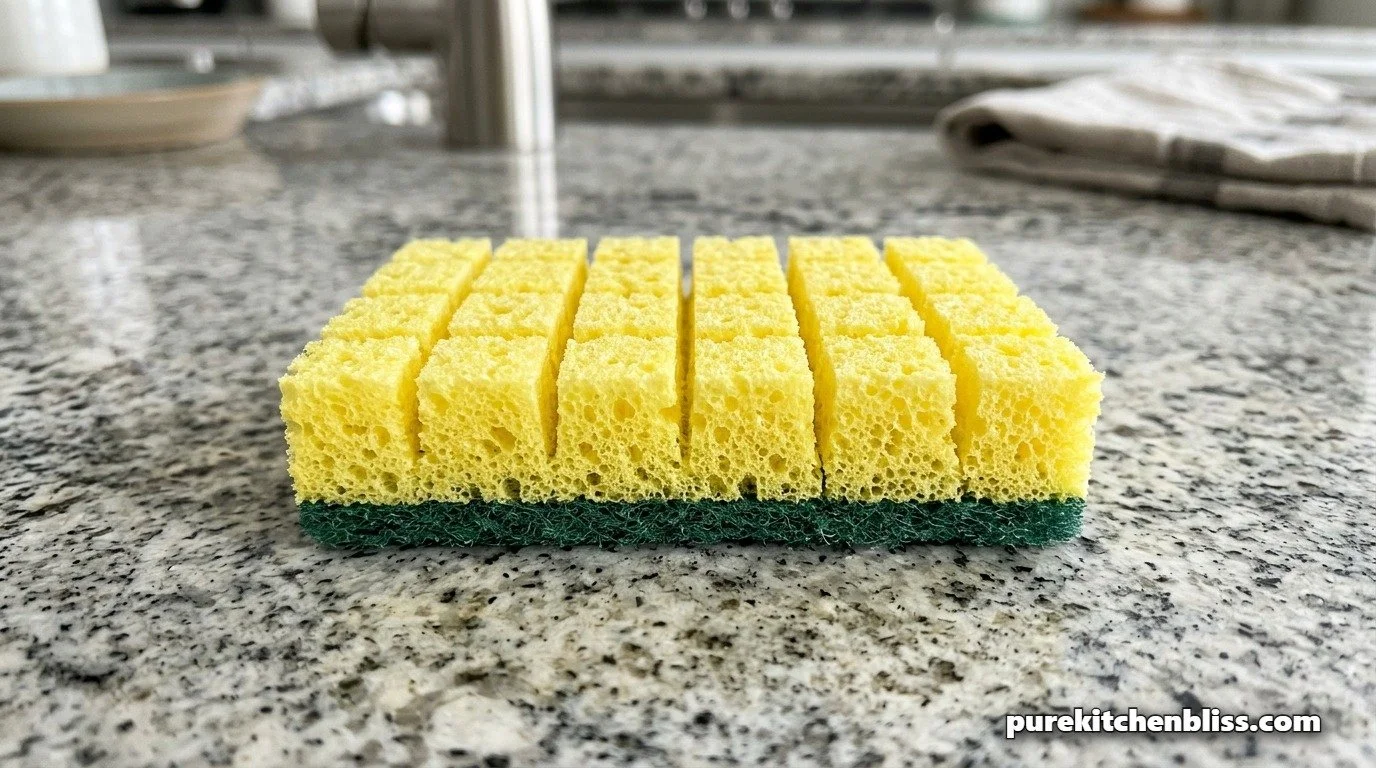
5 Genius Sponge Hacks You Need to Try Right Now! 🧽
Let’s be honest: we all have a pack of those yellow-and-green sponges sitting under the sink. But if you’re only using them to scrub plates, you’re using about 10% of their power! 🤯
In my kitchen sanctuary, I’ve realized that with a pair of scissors and a little creativity, a 50-cent sponge becomes a high-performance cleaning tool that saves me hours of frustration. Whether you’re trying to clean a narrow vase or the tracks of your sliding glass door, the sponge is your secret weapon. Here are 5 ways I’m hacking my cleaning routine to handle the "Family Load" in record time!
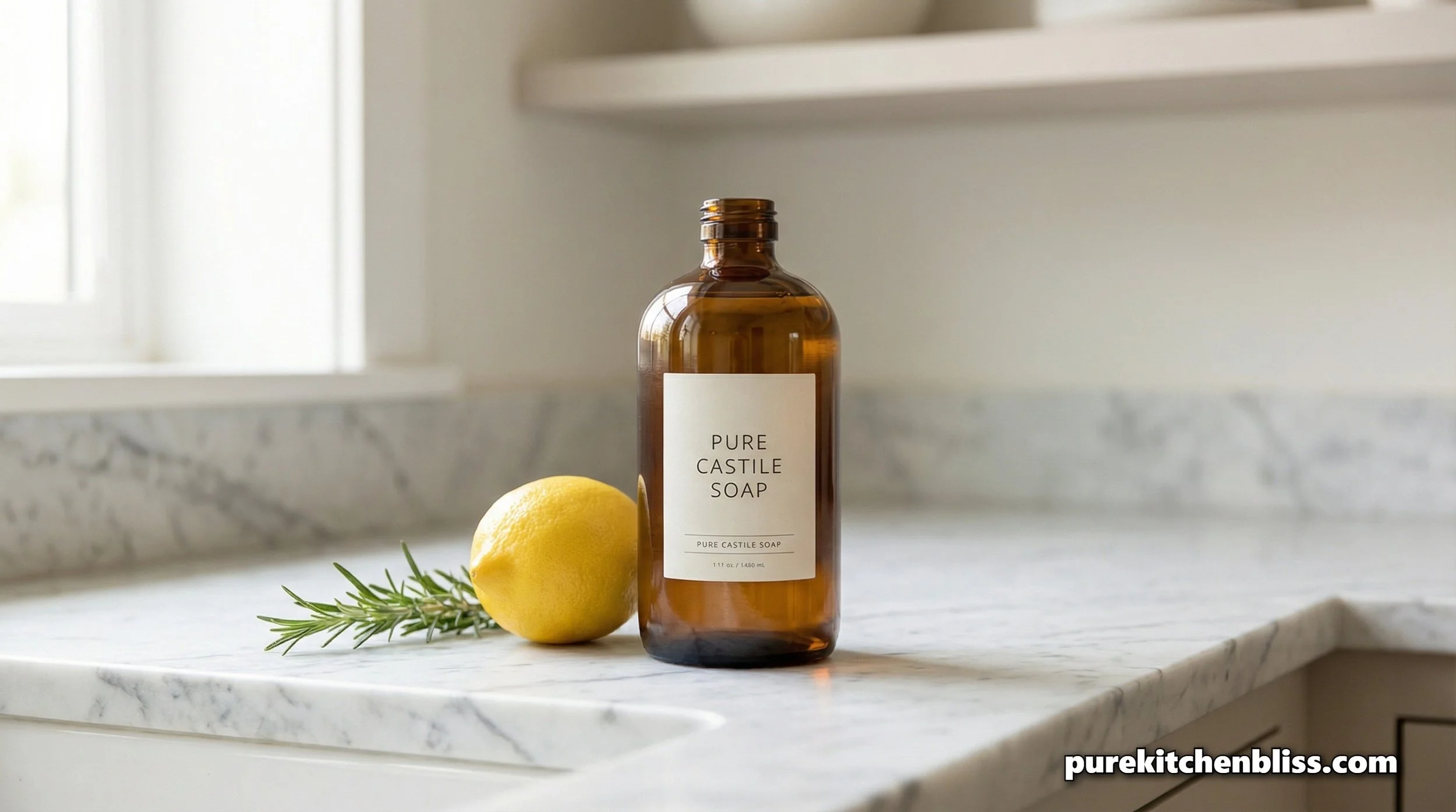
5 Brilliant Uses for Castile Soap in Your Kitchen Sanctuary
Most people think of Castile soap as a body wash, but in our kitchen, it’s a foundational part of our maintenance infrastructure. Because it is a true soap (not a synthetic detergent), it works by emulsifying oils and lifting debris away from surfaces without leaving a toxic film.
Whether we are deep in a Sunday Night Countertop Reset or just managing the daily "beautiful chaos," Castile soap is the common thread in our cleaning protocol. Here are 5 ways to use it to protect your kitchen’s "bones."

How to Degrease Kitchen Cabinets Naturally
If you run your finger along the top edge of your upper cabinets and it feels "tacky" or leaves a smudge, you are dealing with polymerized grease. This isn't just dust; it’s a mixture of aerosolized cooking oils and household particulates that have undergone a chemical change, effectively becoming a "natural glue" on your cabinet’s infrastructure.
In a house with four daughters, the kitchen is a high-output zone. Whether it’s Sunday night prep or a Monday Morning Momentum breakfast, grease happens. But you don’t need harsh, petroleum-based solvents to fix it. Here is the professional, non-toxic way to restore your cabinetry.
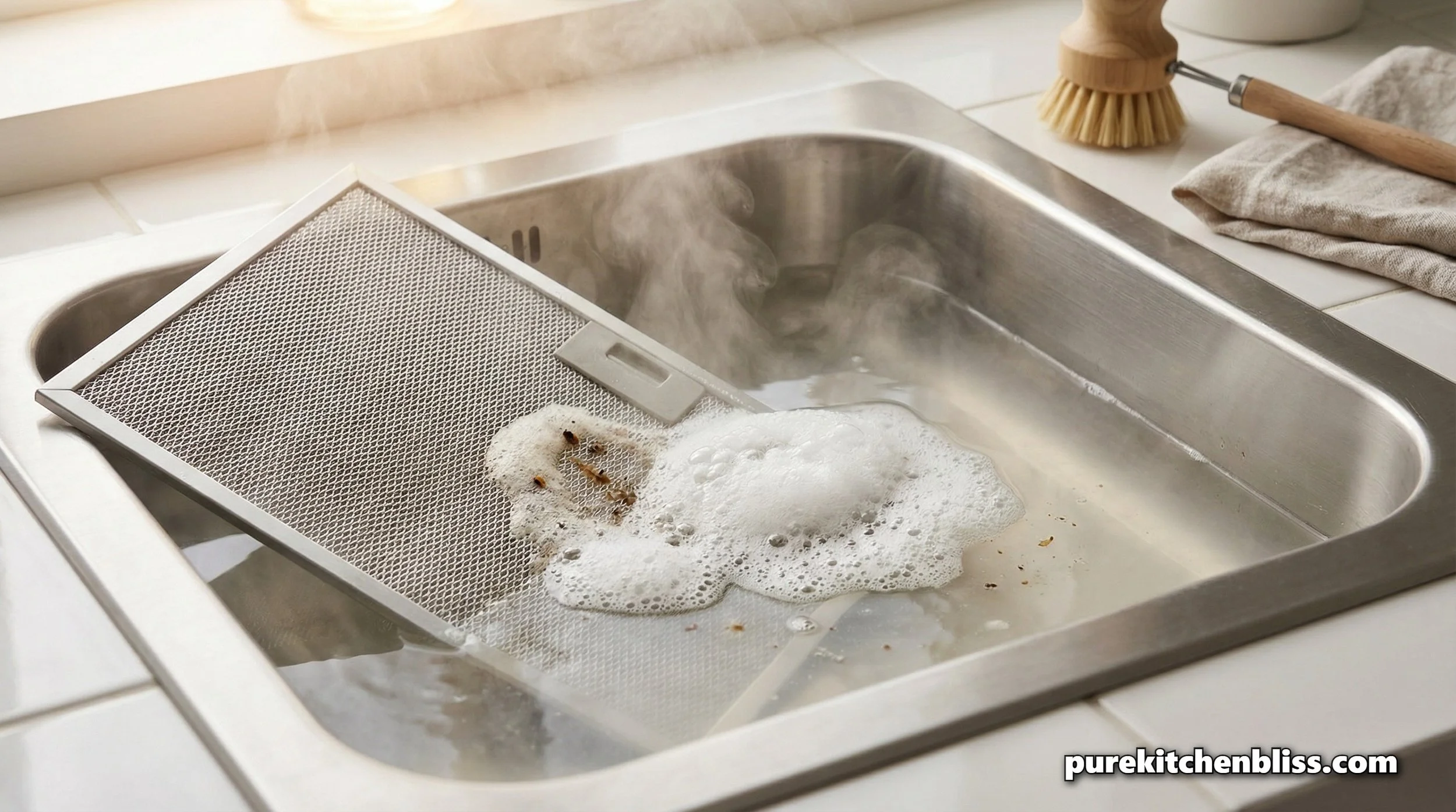
Range Hood Restoration: Deep-Cleaning Your Kitchen's Lungs
The range hood is the unsung hero of the kitchen sanctuary. Its primary function is to act as the "lungs" of the room, extracting aerosolized grease, steam, and volatile organic compounds (VOCs) created during the cooking process. However, when the filters become saturated, this critical extraction system fails. Instead of removing contaminants, a clogged hood allows grease to settle on your cabinetry, ceilings, and walls, creating a sticky residue that attracts dust and household pests.
Restoring your range hood is not just a matter of aesthetics; it is about maintaining the mechanical integrity of your kitchen’s air filtration. By following a systematic degreasing protocol, you ensure that your ventilation system operates at peak efficiency.
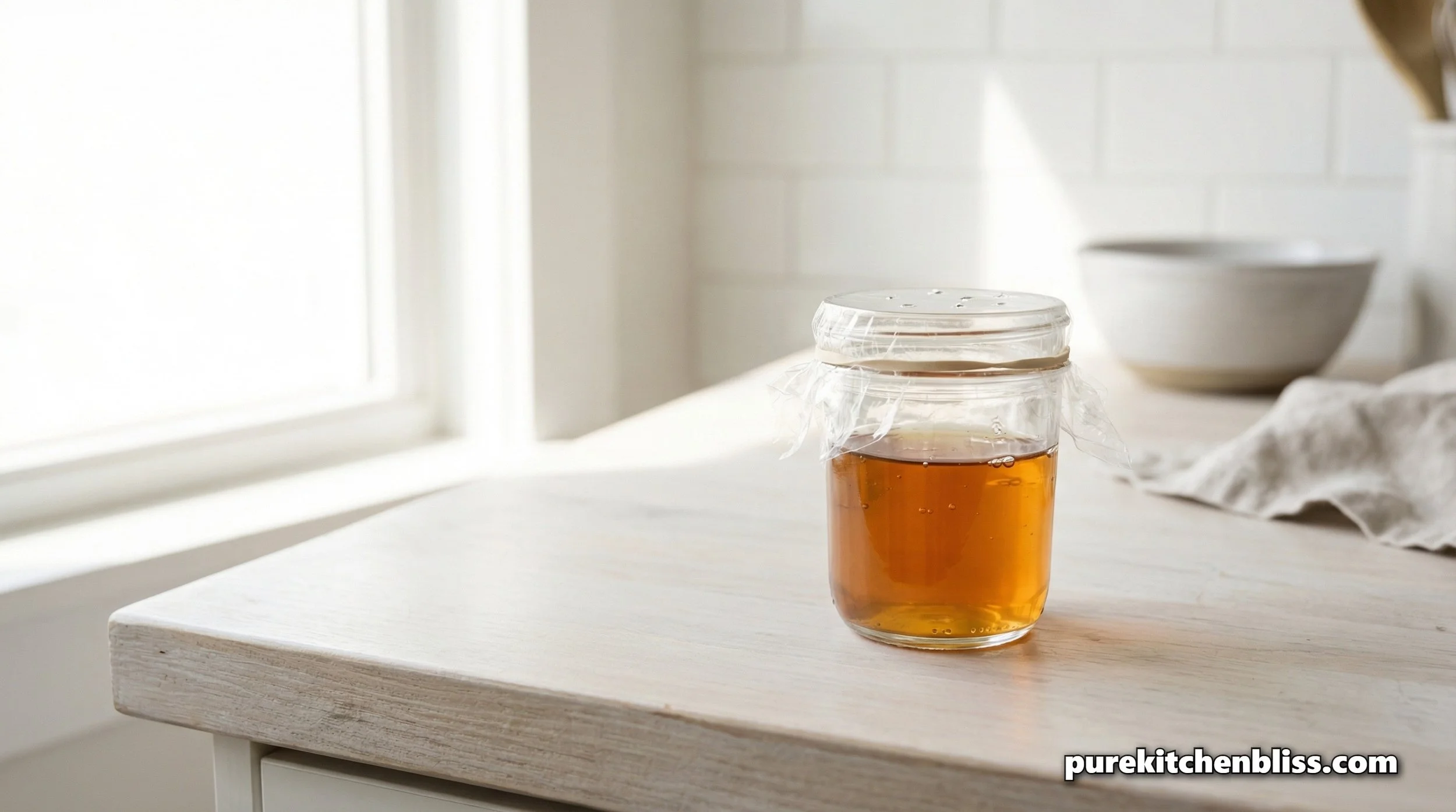
DIY Fruit Fly Trap: The Non-Toxic Apple Cider Vinegar Solution
When a fruit fly swarm hits your kitchen, the "beautiful chaos" of family life can quickly feel a bit less blissful. My first instinct as a builder is always to look for the most efficient, non-toxic tool to solve the problem. You don't need industrial-strength aerosols to clear your air; you just need to understand the biology of the pest and a few basic pantry staples.
This DIY trap is a specialized tool for the "Extraction Phase" of our cleaning protocol. It targets the active adults using the scent of fermentation and a simple trick of physics to ensure they can’t escape. In this guide, we will break down the material science of the bait, the engineering of the vessel, and provide a "Pure Recipe Card" for your home records.
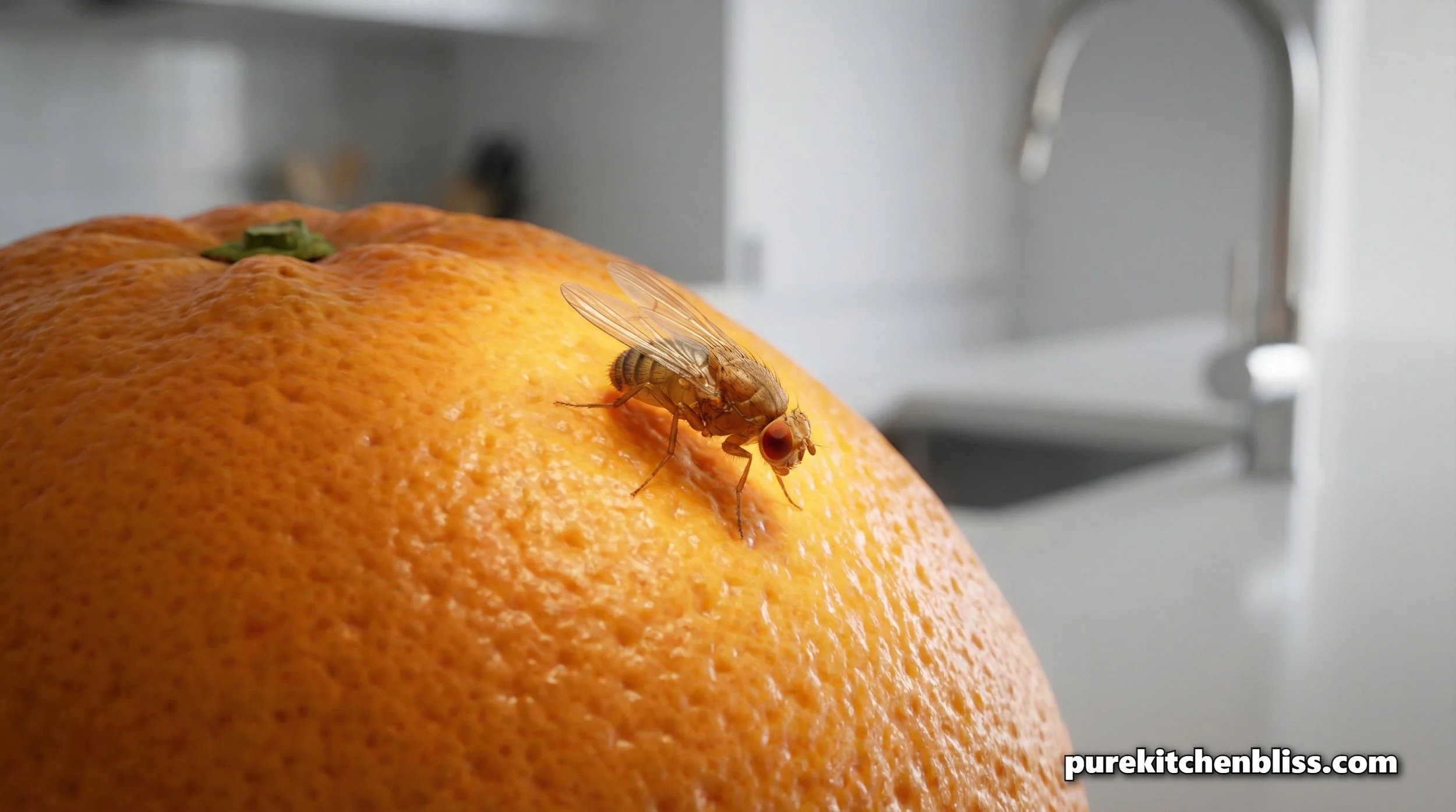
How to Get Rid of Fruit Flies
Fruit flies (Drosophila melanogaster) don’t just "appear" out of nowhere. They are high-performance scavengers with an incredible sense of smell. They can detect the ethanol of a fermenting banana or the microscopic biofilm in your drain from a distance that would put a bloodhound to shame.
Once they enter your kitchen, they look for the softest spots, damp tea towels, overripe fruit, or the "sump" of your sink. To get rid of them, we don't use toxic aerosol sprays that compromise our air quality. Instead, we use a two-phase tactical approach: targeted extraction and source elimination.
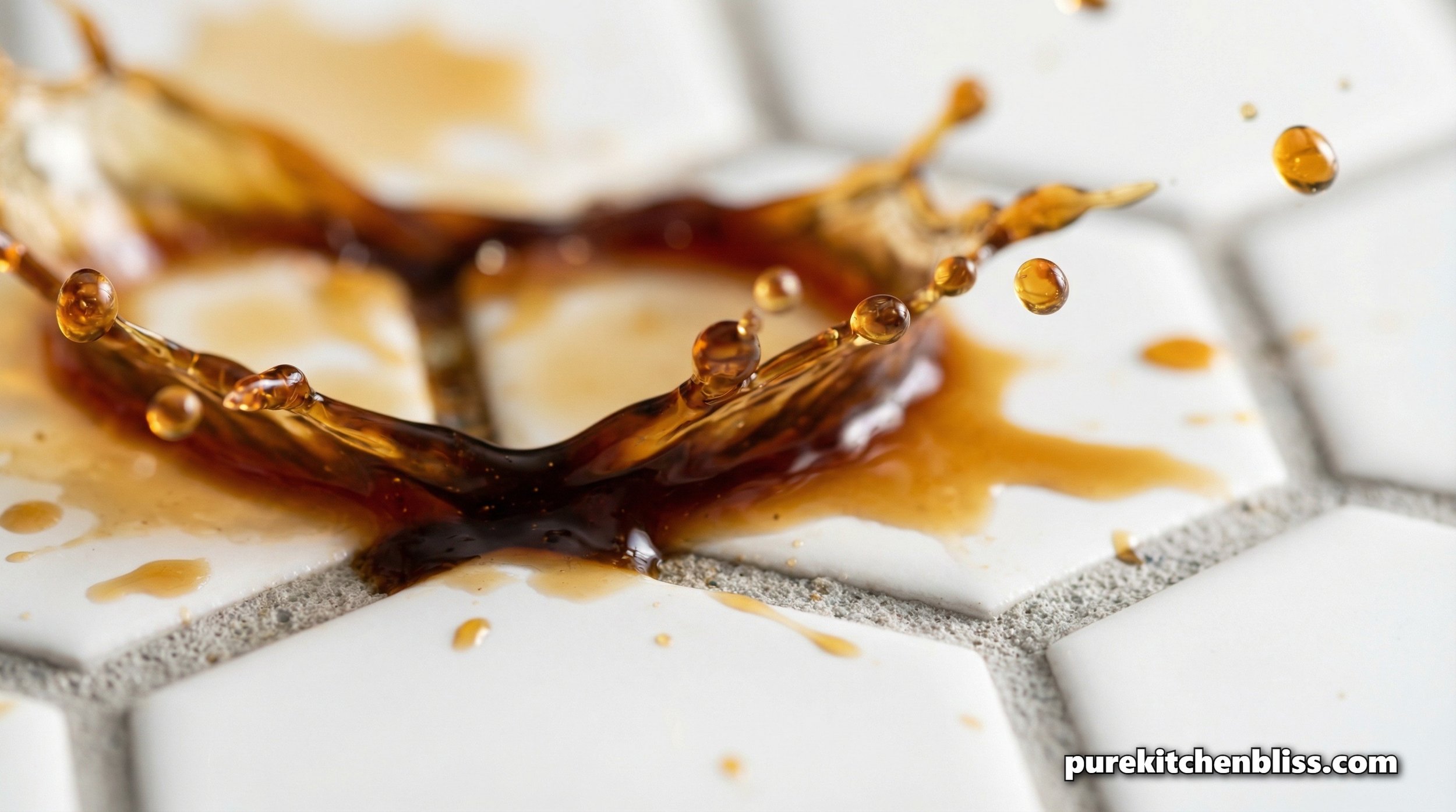
How to Clean Coffee Spills on Your Tiled Kitchen Floor
In the trades, I’ve seen beautiful (and expensive) tile floors ruined not by the tile failing, but by the grout failing. Grout is essentially a rigid, cementitious sponge. When you drop your morning brew, the coffee doesn't just sit on top; it begins a "capillary climb" into the microscopic pores of your floor’s infrastructure.
If you have kids or pets, your first instinct might be to grab a heavy chemical bleach. Stop. Harsh chemicals can break down the sealers on your tile and weaken the grout’s structural integrity over time. Instead, we use a "neutralization and extraction" method to restore the sanctuary.
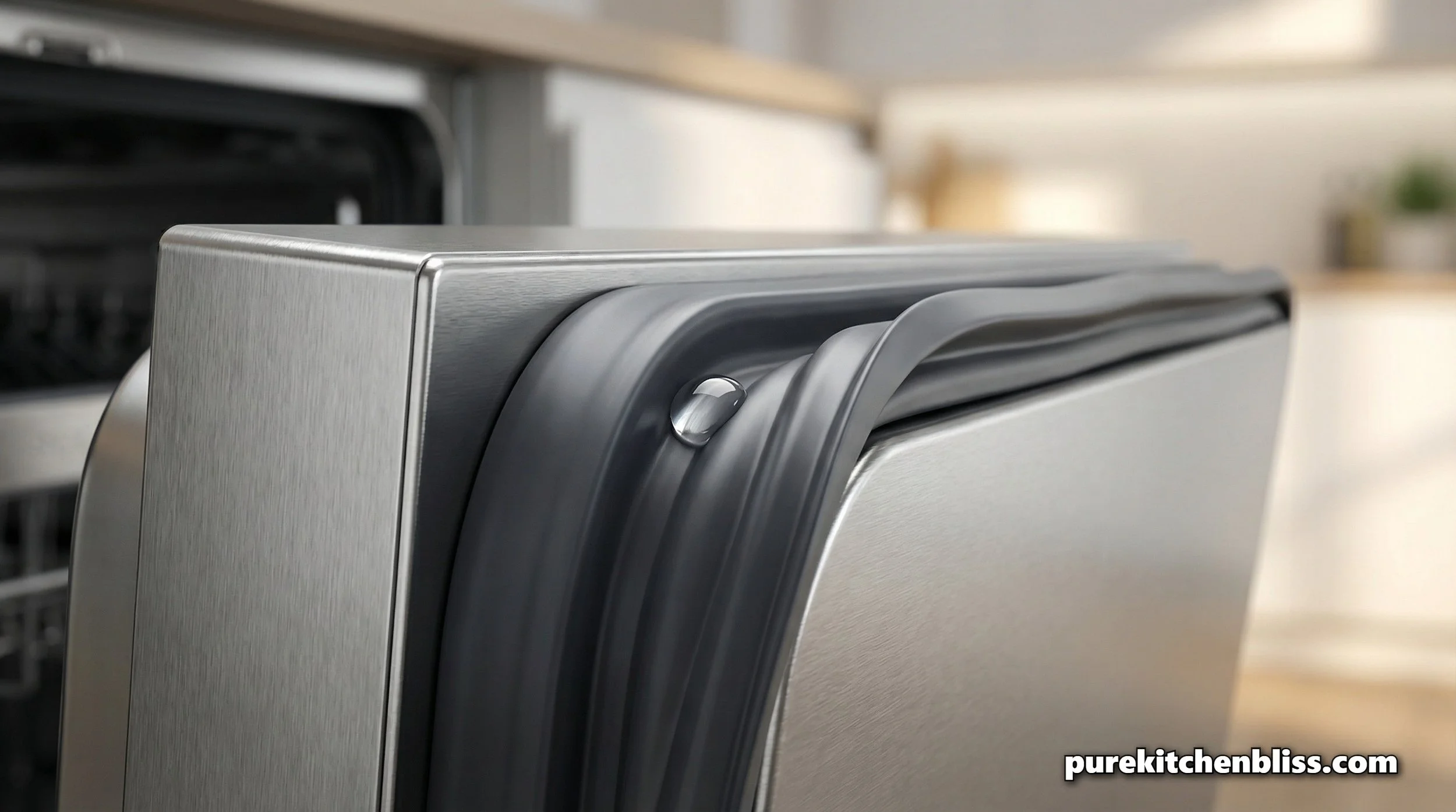
Will Vinegar Ruin the Rubber Seals on Your Appliances? The Professional Verdict
In my 20 years in the trades and as a father of four, I’ve seen the damage caused by "natural cleaning" gone wrong. Vinegar is the darling of the Sustainable Sanctuary, and for good reason, it’s a powerful, non-toxic descaler. But as a builder, I know that Acetic Acid (the active ingredient in vinegar) is still an acid.
Your dishwasher, washing machine, and refrigerator rely on rubber gaskets to keep water and air where they belong. If those seals fail, you aren't just looking at a broken appliance; you’re looking at moisture seeping into your subfloor and rotting your cabinetry. Here is the professional "Reality Check" on using vinegar near your appliance infrastructure.

The DIY Vodka Fabric Spray: How to Remove Kitchen Odors Without Chemicals
As a Red Seal Carpenter, I spent years dealing with "site smells"—sawdust, sweat, and heavy machinery. But nothing sticks quite like kitchen grease. If you’ve ever noticed that your kids' backpacks or your favorite winter coat smells like last night’s How to Get Rid of Fried Food Smell, you’ve experienced the "Sponge Effect."
Fabric is a porous material that captures aerosolized lipids and odors. While you can't throw your couch or the kids' school bags in the wash every day, you can reset their scent profile using a professional theater trick: The Vodka Spray.

How to Get Rid of Fried Food Smell: A Professional 3-Step Protocol
We’ve all been there. You treat the family to a "beautiful chaos" Friday night fish fry or homemade donuts, only to wake up Saturday morning feeling like you’re living inside a fast-food restaurant.
While common advice sites suggest a simple pot of boiling vinegar, as a professional who understands the "bones" of a home, I know that isn't enough. Fried food smells are carried by aerosolized lipids (fats). These fats are heavy and "tacky", they don't just float; they bond to your cabinetry finishes and your kitchen’s airflow systems. To truly restore your Sustainable Sanctuary, you need to address the odor at the structural level. Here is my professional protocol for a total olfactory reset.

5 Brilliant Uses for Coffee Grounds in Your Kitchen Sanctuary
In a house with four daughters, the morning coffee isn't just a luxury; it’s the fuel that powers the start of our "beautiful chaos." For years, I made the mistake of seeing the leftover grounds as a waste product, something to be tossed into the bin without a second thought.
As I shifted toward building a Sustainable Sanctuary, I realized that coffee grounds are a multi-purpose tool with a unique "material spec." They are nitrogen-rich, naturally abrasive, and highly porous—making them perfect for maintaining the purity and performance of your kitchen without reaching for synthetic chemicals. By repurposing this daily byproduct, you aren't just being "green"; you're utilizing high-performance organic matter to protect your home’s infrastructure.
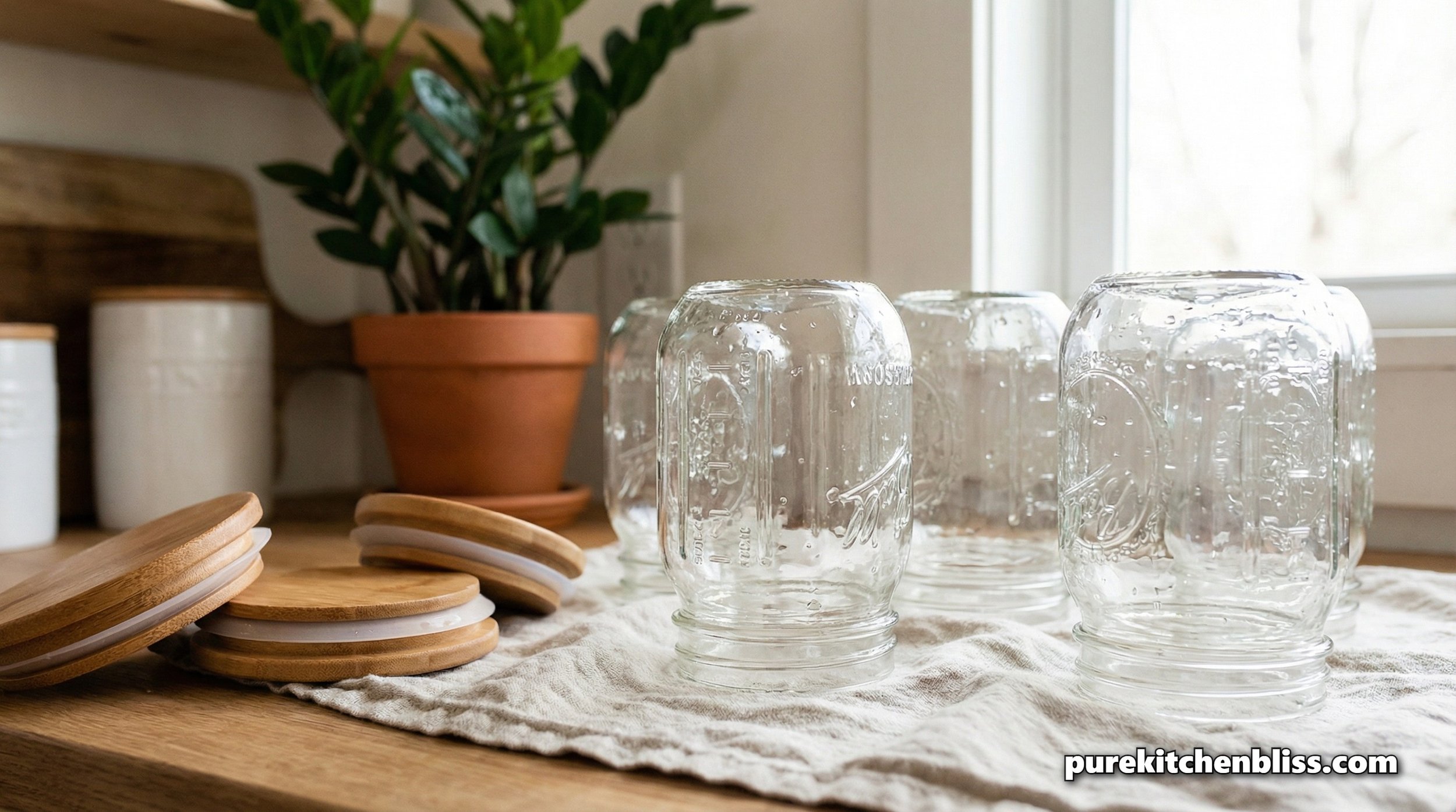
How to Clean Glass Jars Without Harsh Chemicals
To a Builder-Curator, a glass jar is one of the most versatile pieces of "micro-infrastructure" in the kitchen. Whether you are decanting grains for your Small Kitchen Organization Hacks or prepping for a Monday Morning Momentum smoothie, your glass must be sterile, clear, and free from the chemical residues found in commercial soaps.
In a household with four daughters, we go through a lot of glass. Upcycling jars from the grocery store isn't just a sustainable habit; it’s a way to build a high-performance pantry on a budget. However, cleaning glass isn't just about removing visible dirt; it’s about neutralizing odors and stripping away the "polymerized" oils that can turn rancid over time. Here is the professional, non-toxic protocol for restoring glass to its original purity.
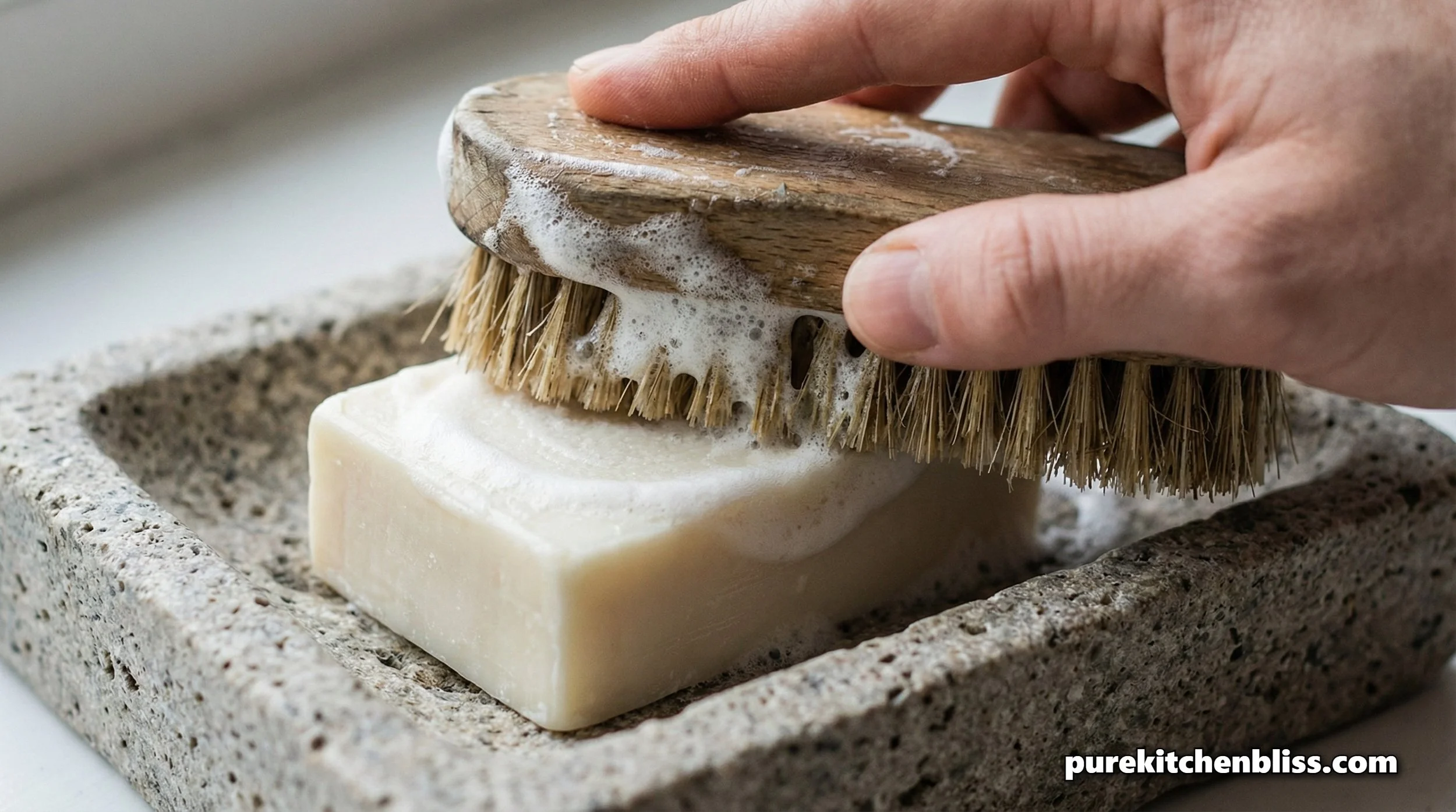
The Best Eco-Friendly Dish Soaps: Purity for Your Plates and Pipes
In a kitchen that manages the "beautiful chaos" of four kids, the dish soap is one of the most-used tools in the shed. From scrubbing oatmeal off morning bowls to degreasing the Sunday roast pan, it is a constant presence. However, as someone who cares about the "bones" of the home, I look at dish soap differently.
Many commercial soaps are loaded with petroleum-based surfactants and phthalates. These aren't just bad for the planet; they can be tough on your plumbing and leave a chemical film on your family's food-prep surfaces. Transitioning to an eco-friendly, non-toxic soap is one of the simplest ways to upgrade the purity of your sanctuary.
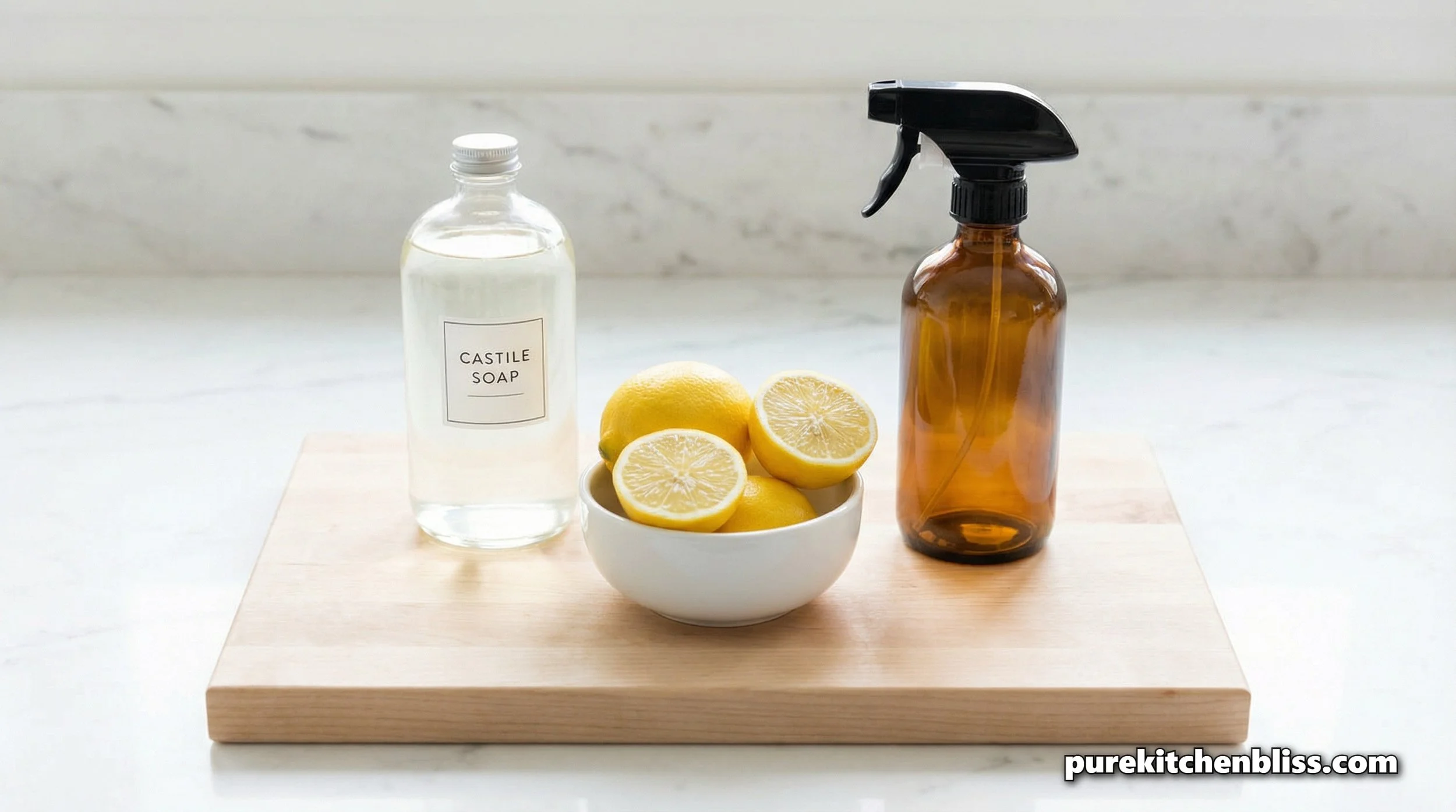
The Non-Toxic Kitchen Degreaser: How to Cut Through Grease Without Chemicals
If you’ve ever run your hand along the top of your kitchen cabinets or the back of your range hood and felt that sticky, "tacky" film, you’ve encountered aerosolized grease. In a busy kitchen, cooking oils become airborne, mix with household dust, and settle on every horizontal and vertical surface.
Most people reach for heavy-duty, "nuclear" degreasers to solve this. However, as a professional who understands the chemistry of home finishes, I avoid these. Harsh solvents can strip the topcoats off your cabinetry, etch your stone, and leave behind toxic residues that off-gas into your sanctuary.

How Often Should You Clean Your Countertops? The Professional Maintenance Schedule
In my 20 years in the trades and as a father of four, I’ve realized that people generally fall into two camps when it comes to countertops: the "Compulsive Wipers" and the "Weekend Warriors." But to truly maintain a Sustainable Sanctuary, your cleaning frequency shouldn't be based on a whim, it should be based on material science and biological load.
If you clean too often with the wrong chemicals, you can etch your stone and strip your sealants. If you clean too rarely, you’re allowing your family’s meal-prep surfaces to become a breeding ground for bacteria and "Fatbergs" of aerosolized grease.
To maintain a "Pure Kitchen," you need a tiered maintenance schedule that addresses Biological Safety, Material Protection, and Visual Peace. Here is the professional breakdown of how often, and how, to treat your kitchen’s most important horizontal surfaces.
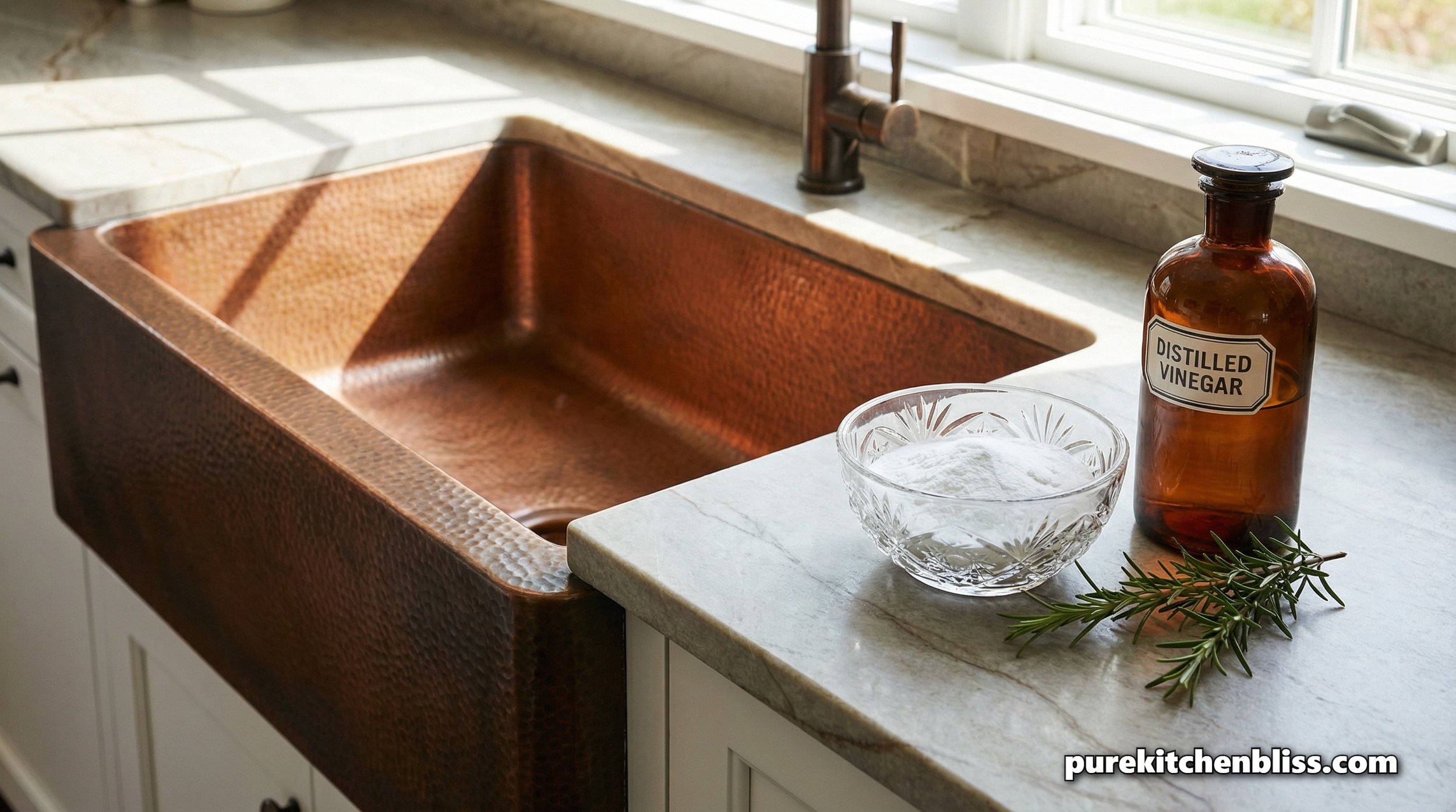
How to Unclog a Kitchen Drain With Baking Soda and Vinegar
Caustic drain cleaner works, but it also eats away at pipe seals and kills the bacteria your septic system depends on. A baking soda and vinegar flush is a genuine alternative, not a myth, but only if you understand the actual chemistry, check your pipe material first, and know when the clog is something baking soda was never going to touch.
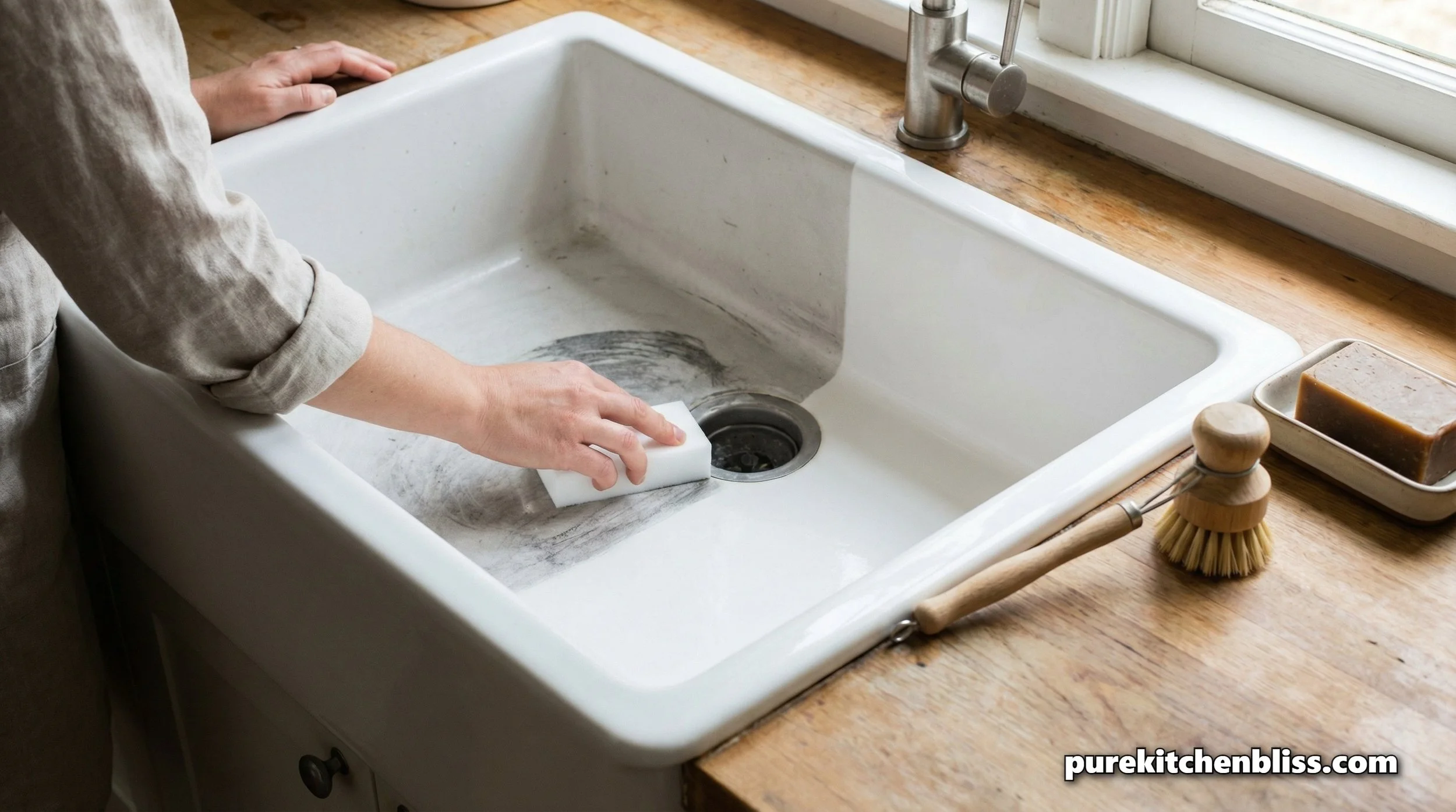
Magic Erasers in the Kitchen: What Actually Works and What They Ruin
To a homeowner, a Magic Eraser is a sponge. To a builder who's spent 20 years installing cabinetry and stone countertops, it's 3,000 grit sandpaper with a friendly name. Here's the actual material science behind melamine foam, exactly which kitchen surfaces it's safe on, which ones it will permanently damage, and what to reach for on a daily basis instead.