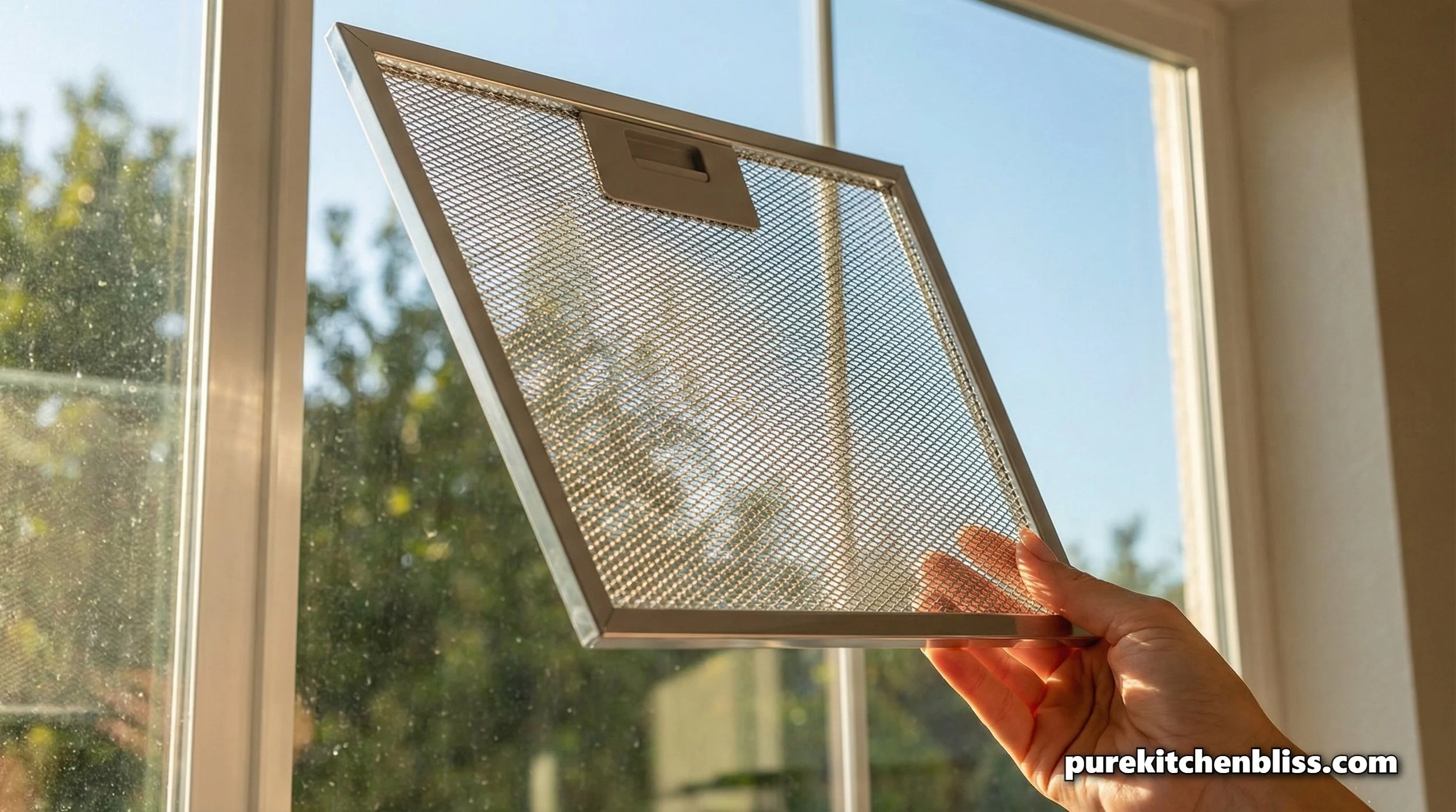
Range Hood Restoration: Deep-Cleaning Your Kitchen's Lungs
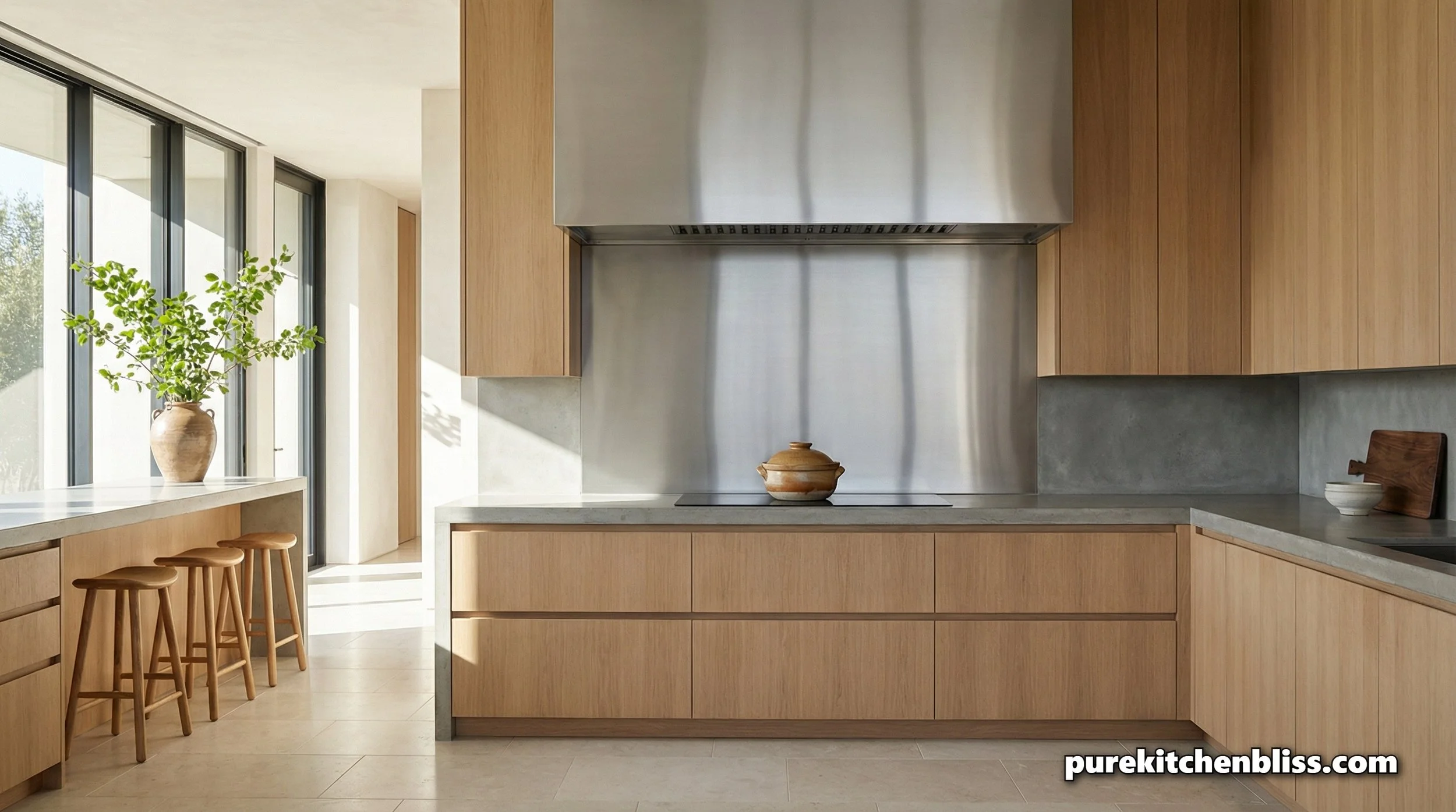
Modern minimalist kitchen featuring a stainless steel range hood and a clean white induction cooktop in a bright, airy sanctuary-style home.
The range hood is the unsung hero of the kitchen sanctuary. Its primary function is to act as the "lungs" of the room, extracting aerosolized grease, steam, and volatile organic compounds (VOCs) created during the cooking process. However, when the filters become saturated, this critical extraction system fails. Instead of removing contaminants, a clogged hood allows grease to settle on your cabinetry, ceilings, and walls, creating a sticky residue that attracts dust and household pests.
Restoring your range hood is not just a matter of aesthetics; it is about maintaining the mechanical integrity of your kitchen’s air filtration. By following a systematic degreasing protocol, you ensure that your ventilation system operates at peak efficiency.
1. The Science of Grease Accumulation
To effectively clean a range hood, it is helpful to understand what is happening at a molecular level. Most kitchen filters are made of layered aluminum or stainless steel mesh. These layers are designed to create "impingement," a process where grease-laden air is forced to change direction quickly, causing the heavier grease particles to drop out of the air and stick to the metal.
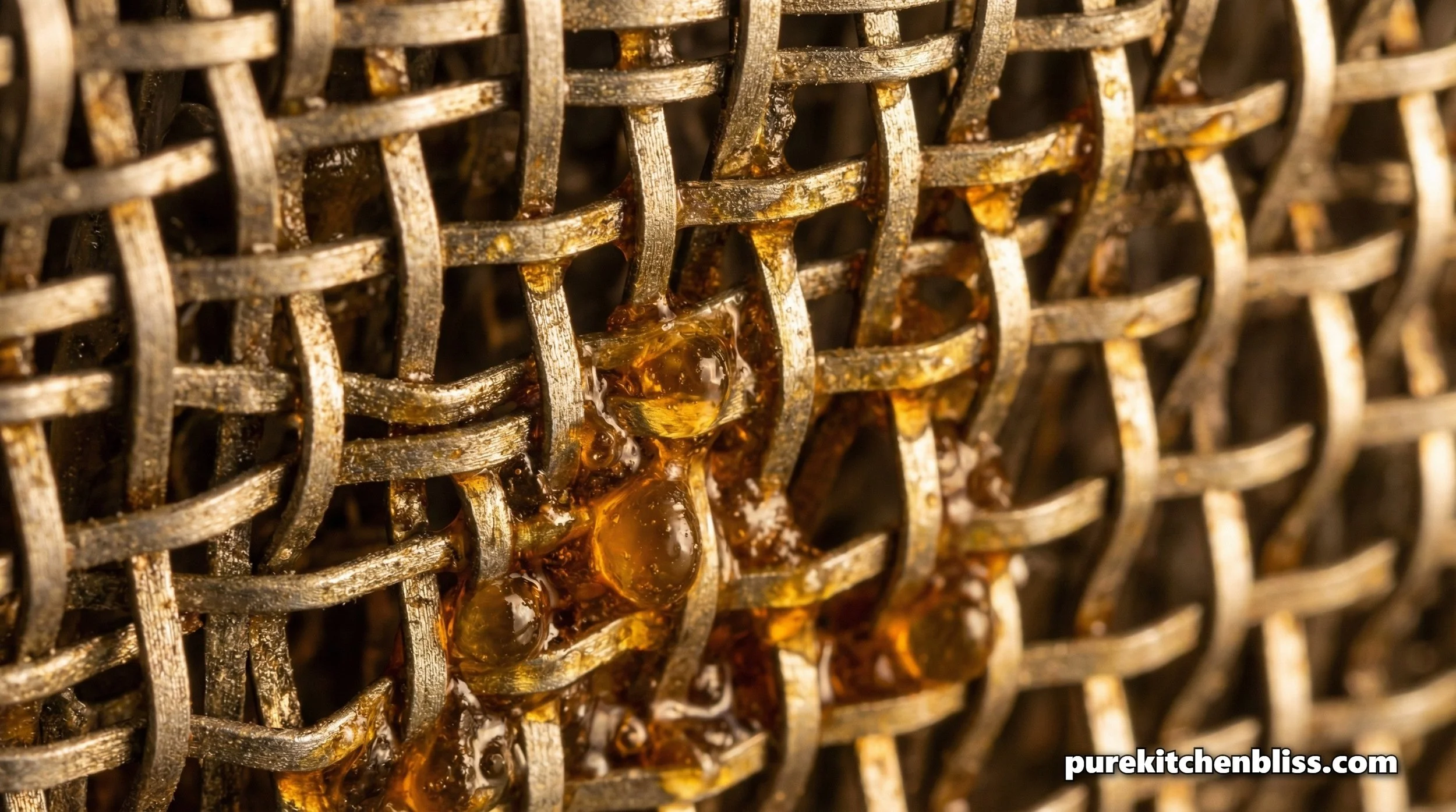
Over time, this grease undergoes polymerization. As it is repeatedly heated by the stovetop and cooled by the ambient air, the oils harden into a yellow, varnish-like substance. This "polymerized grease" is water-resistant and acts as a glue, trapping hair, dust, and microscopic debris. Standard dish soap and a sponge are rarely enough to break these bonds; you need a combination of thermal energy (heat) and alkalinity to liquefy the residue.
2. The Maintenance Schedule
How often you perform a "Restoration Reset" depends on your cooking habits.
High Volume (Daily Searing/Frying): Monthly.
Standard Volume (Family Meals): Every 3 months.
Low Volume (Occasional Cooking): Every 6 months.
A simple test to check your filter’s health is the "Paper Test." Turn your fan on to its highest setting and hold a single sheet of paper up to the filter. If the fan cannot hold the paper in place via suction, your airflow is significantly restricted, and a deep clean is required.
3. The Extraction Protocol: The Deep Soak
The most effective way to restore metal filters is through a controlled immersion bath. This method ensures that the cleaning agents penetrate the deep, inner layers of the mesh where a brush cannot reach.
The Role of Alkalinity
We use Sodium Carbonate (Washing Soda) because it has a high pH level. When introduced to boiling water, it creates an alkaline solution that chemically reacts with the acidic fatty acids in the grease. This process, known as saponification, essentially turns the grease into a water-soluble "soap," allowing it to be flushed away easily.
Range Hood Filter Reset: The Recipe
Range Hood Filter Reset
Frequency: QuarterlyA professional-grade deep soak designed to liquefy polymerized grease and restore kitchen airflow.
The Pure Materials
- Boiling Water: Enough to submerge the filters completely.
- 1/2 Cup Washing Soda: (Sodium Carbonate) for maximum grease-cutting.
- 1 Teaspoon Dish Soap: Acts as a surfactant to keep grease from re-settling.
- A Heat-Safe Basin: A stainless steel sink or a large stockpot.
The Restoration Process
- Preparation: Remove the filters from the hood. Check for a small latch or sliding mechanism.
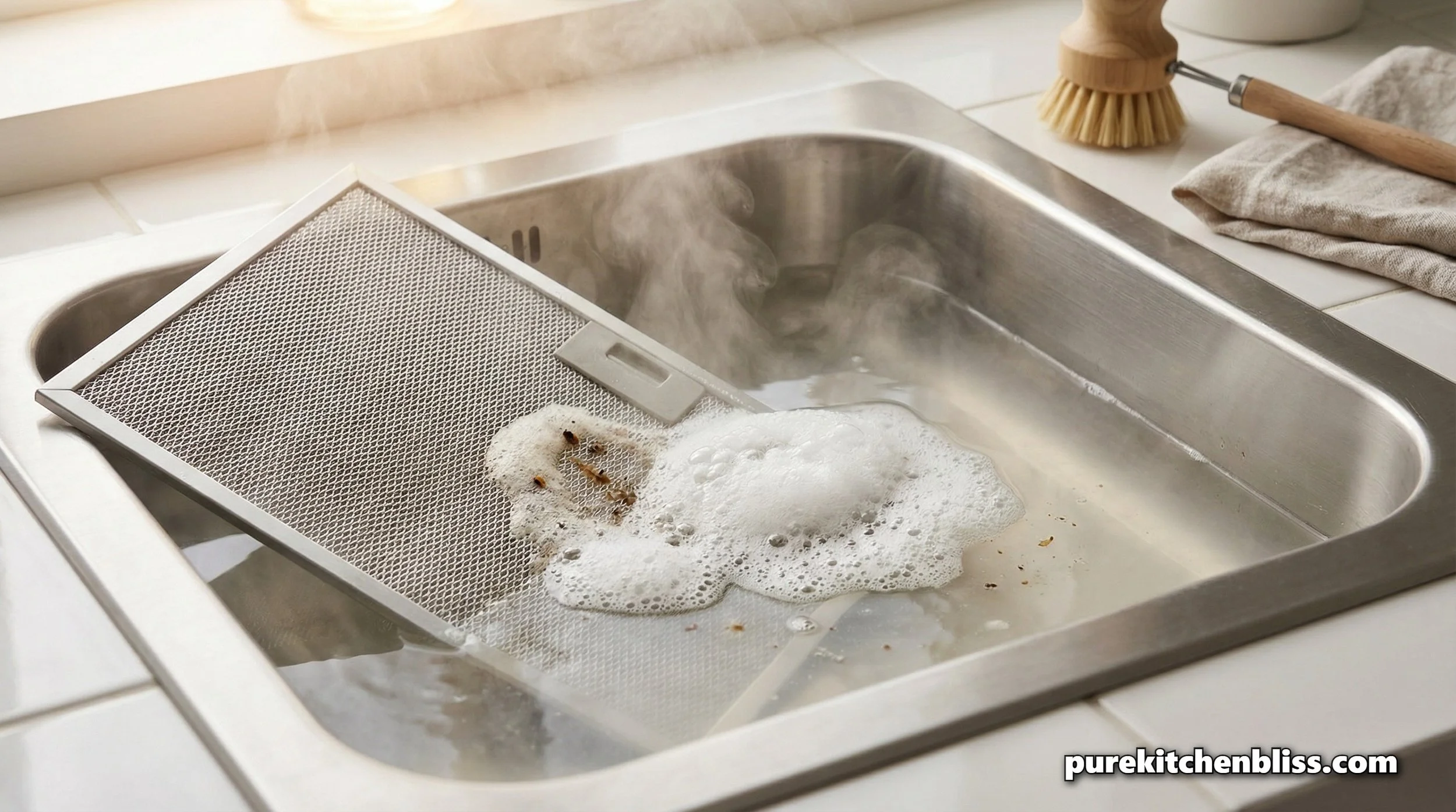
- The Alkaline Base: Place the filters in your basin and sprinkle the Washing Soda evenly over the mesh.
- The Thermal Shock: Pour boiling water directly over the filters. You will see an immediate effervescent reaction as the grease begins to lift.
- The Dwell: Let the filters soak for 20 minutes. The water will likely turn a dark amber color as the oils liquefy.
- Agitation & Rinse: If any spots remain, use a soft brush to gently clear the corners. Rinse thoroughly with hot tap water.
- Air Dry: Ensure filters are 100% dry before reinstalling to prevent moisture from entering the fan motor.
4. Addressing the Interior Housing
While the filters are soaking, it is essential to clean the interior housing of the hood. Grease often splatters onto the light covers and the internal walls near the fan motor.
To maintain the air quality of your sanctuary, avoid using aerosolized chemical degreasers in this confined space. Instead, use a cloth dampened with a high-proof alcohol (like your Sanctuary Mist) to wipe down the metal surfaces. Alcohol cuts through light grease films instantly and evaporates cleanly without leaving a toxic scent behind.
5. Troubleshooting Restricted Airflow
If you have cleaned your filters and the "Paper Test" still fails, the issue may be deeper in the system:
The Ductwork: If your hood vents to the outside, the exterior flapper may be stuck closed by bird nests or exterior debris.
The Recirculation Filter: If your hood does not vent outside, it likely uses an internal Charcoal Filter. These cannot be cleaned and must be replaced every 3–6 months to effectively neutralize odors.
Next Steps for Your Kitchen Sanctuary:
To refresh the air after a deep-cleaning session: DIY Vodka Fabric Spray: The Sanctuary Mist
For a daily rhythm that prevents grease buildup: The Sunday Night Countertop Reset Ritual
To ensure your waste management is as clean as your air: How Often Should You Change Your Kitchen Garbage?