The Anatomy of a High-Performance Kitchen Sink
In the high-performance sanctuary, the kitchen sink has undergone a radical transformation. It is no longer just a "basin for dishes"; it has evolved into a multi-functional "Workstation." In 2026, we view the sink as the primary engine of the kitchen's prep and cleanup infrastructure. If your sink is poorly designed, your entire culinary workflow suffers.
When choosing a sink, you are making a decision that affects your ergonomics, your cleaning time, and the longevity of your surrounding . To build a professional-grade kitchen, you must understand the five key anatomical features of a high-performance sink.
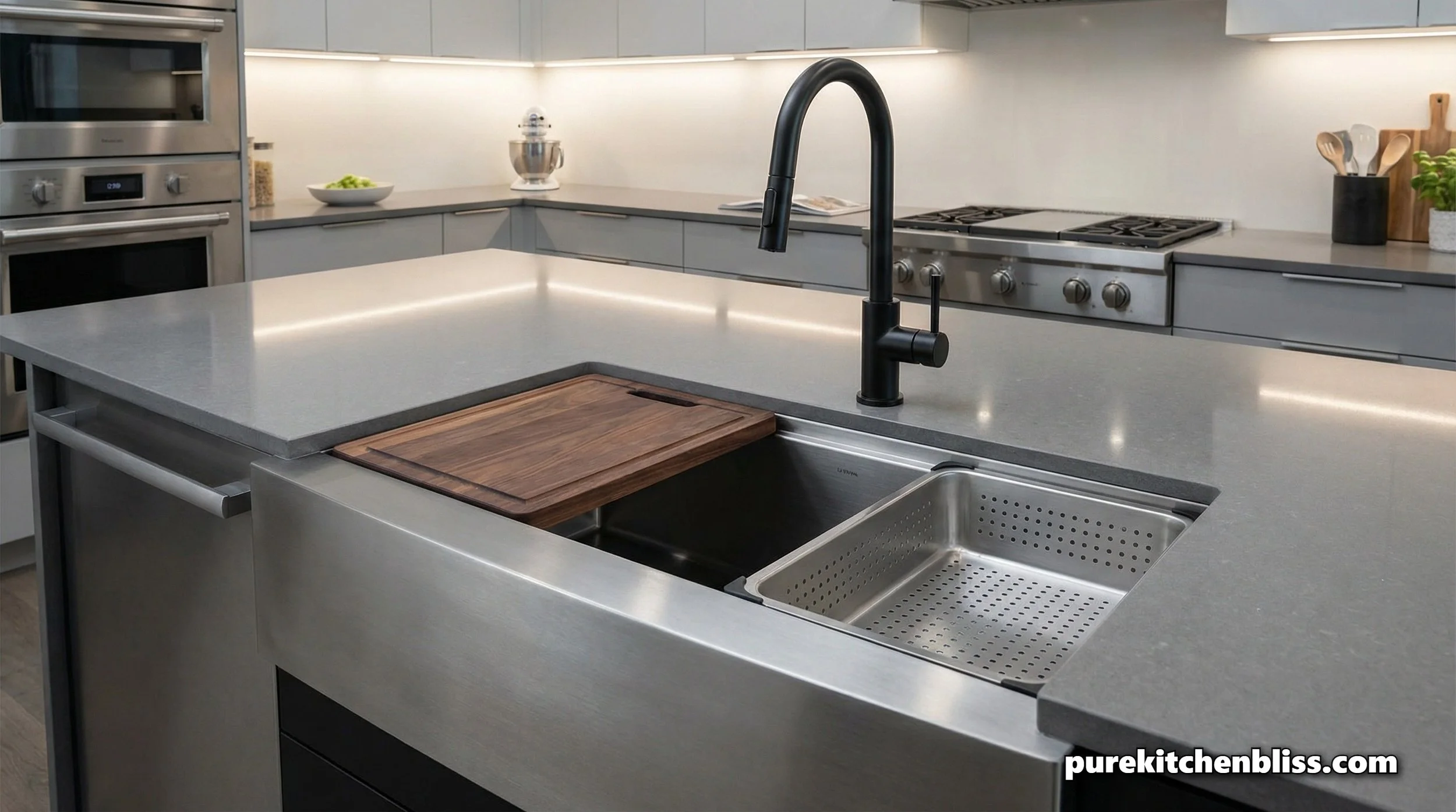
1. The Single Basin vs. Double Basin Debate
By 2026, the industry has largely moved away from the traditional 50/50 split double sink.
The High-Performance Choice: The Large Single Basin. A single, deep basin (at least 30 inches wide) allows you to fully submerge large roasting pans, baking sheets, and even the filters from your range hood without clanking against a center divider.
The "Workstation" Compromise: If you miss the separation of a double sink, modern sinks now feature "Integrated Ledges." These allow you to drop in colanders or secondary basins only when you need them, maintaining the flexibility of a large open space for heavy-duty scrubbing.
2. The Integrated Ledge (The Prep Station)
The defining feature of 2026 sink infrastructure is the tiered ledge. This is a functional "track" built into the interior walls of the sink.
Sliding Accessories: This ledge allows you to slide a cutting board, a drying rack, or a vegetable colander directly over the sink.
The Ergonomic Benefit: By prepping vegetables directly over the sink, you eliminate the "drip trail" from the sink to the counter. It also keeps yout light or dark countertops cleaner and drier, reducing the risk of water damage or stone etching.
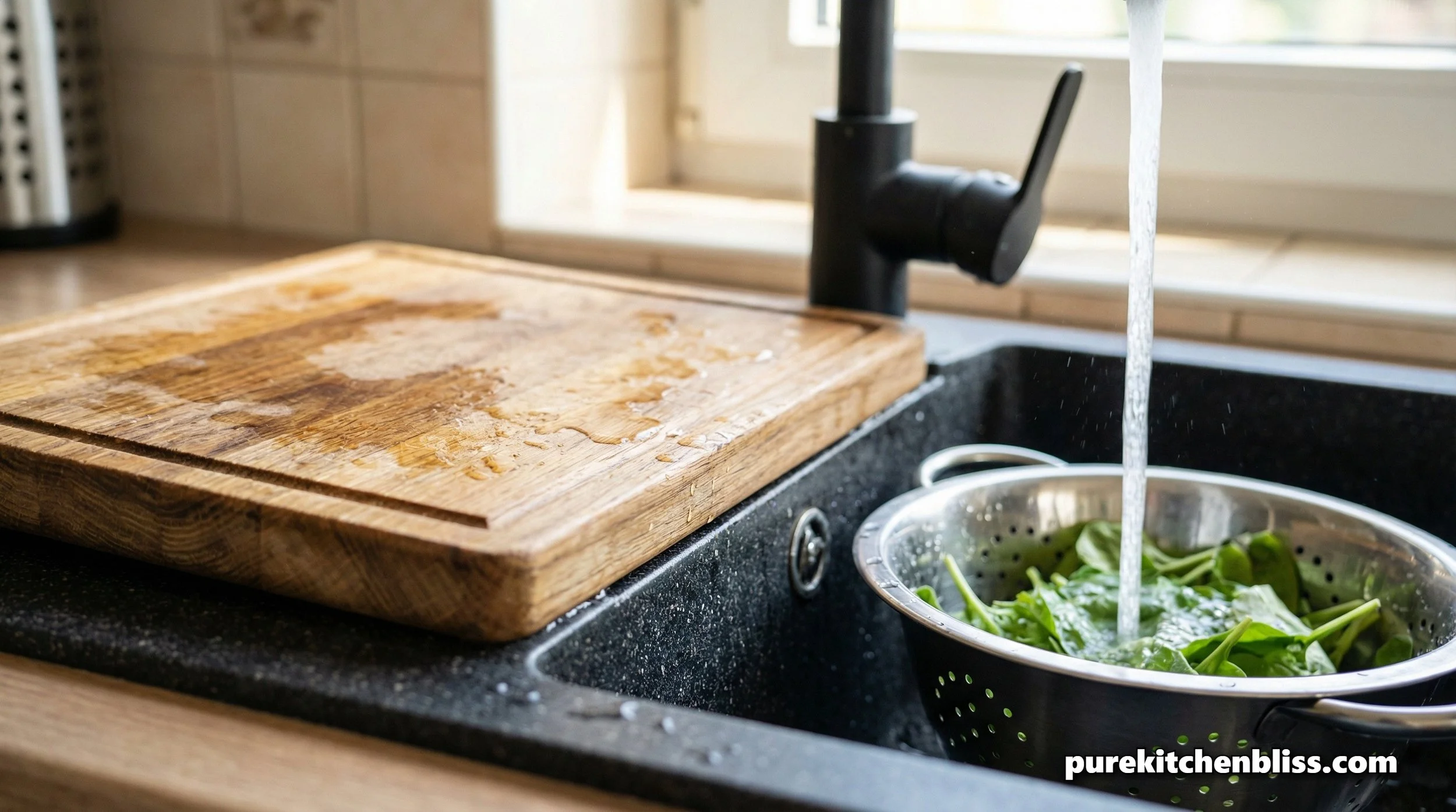
3. Material Science: Stainless vs. Composite
Your choice of material dictates the "sound" and the maintenance of your kitchen.
16-Gauge Stainless Steel: This is the "Builder" standard. The lower the gauge, the thicker the steel. 16-gauge is quieter and more dent-resistant than the thinner 18-gauge found in big-box stores. It is also the most hygienic surface for raw meat prep.
Granite Composite: If you prefer the look of Grandma’s decor trends, composite sinks offer a stone-like texture that is incredibly scratch-resistant. However, because they are porous, they require regular cleaning with Castile soap to prevent coffee or beet stains from setting in.
4. Comparison: Sink Material Performance
| Material | Durability | Heat Resistance | Noise Level |
|---|---|---|---|
| Stainless Steel (16G) | High (Dents, but won't crack) | Extreme | Medium (Vibrates) |
| Granite Composite | Extreme (Scratch-proof) | High | Low (Quiet) |
| Fireclay / Porcelain | Medium (Can chip) | High | Low (Quiet) |
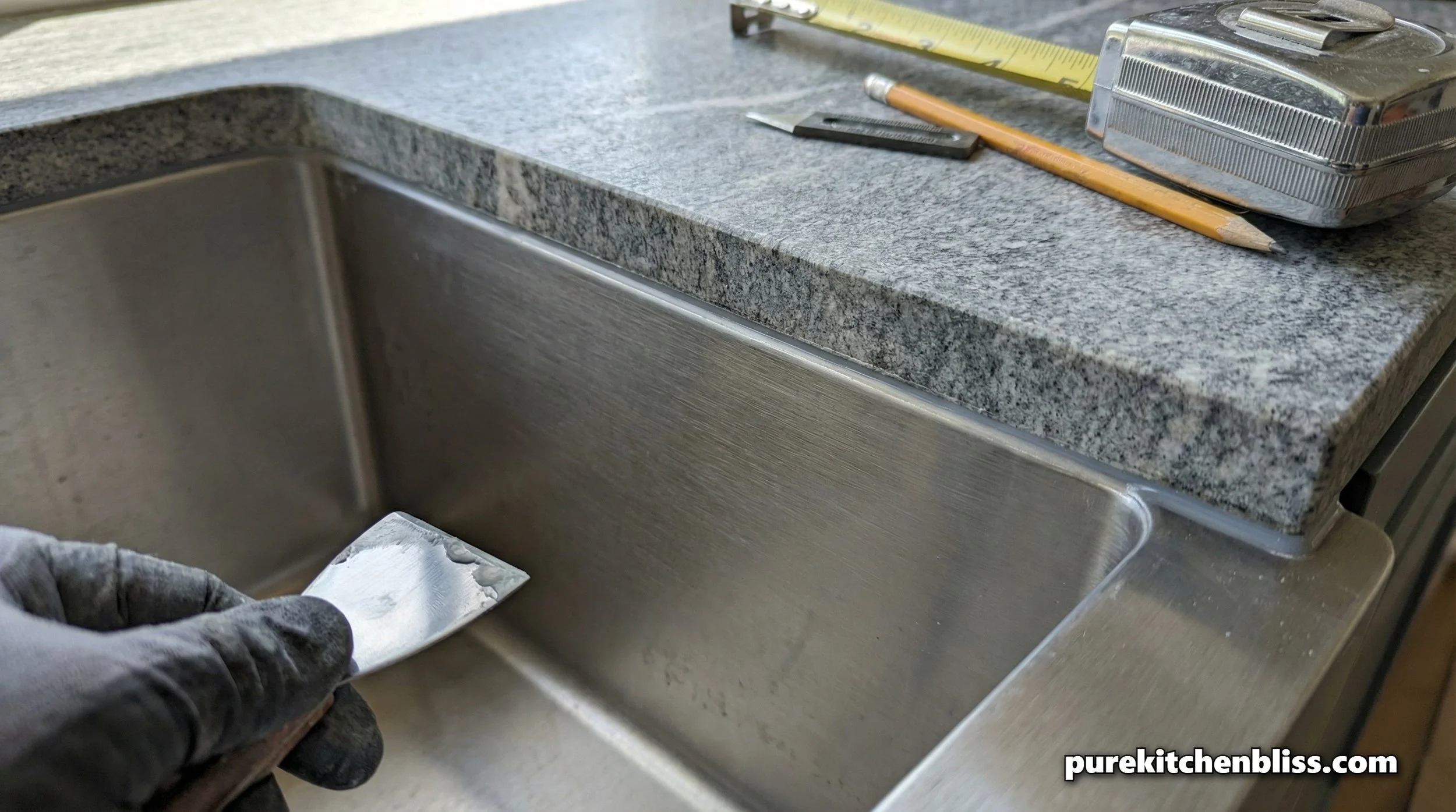
5. The "Quiet" Infrastructure: Sound Dampening
A high-performance sink shouldn't sound like a drum when you drop a spoon.
The Builder Secret: Look for sinks that have extra-thick rubber pads and a sprayed anti-condensation coating on the underside. This prevents "sweating" in humid climates, which is a major contributor to kitchen mold hot spots.
6. Drainage and the Off-Center Drain
The center drain is a relic of the past. Modern sink anatomy favors a Rear-Offset Drain.
Cabinet Space: Moving the drain to the back right or back left corner means the plumbing pipes under the sink are tucked away, leaving more room for storage or a pull-out trash bin.
Drainage: It allows you to place a large pot in the center of the sink without blocking the water flow. This is a subtle but massive improvement to your daily kitchen infrastructure.
Conclusion: Investing in the Hub The kitchen sink is the most used tool in the house. By prioritizing a workstation ledge, 16-gauge steel, and a rear-offset drain, you are building a system that makes prep faster and cleanup easier. It is the silent partner in your high-performance kitchen.
Refine your kitchen’s performance further:
Clean your tools: Soften towels with citric acid
Optimize your light: 3 layers of kitchen lighting
Handle the mess: Kitchen mold prevention
Upgrade your hardware: Gold kitchen trends