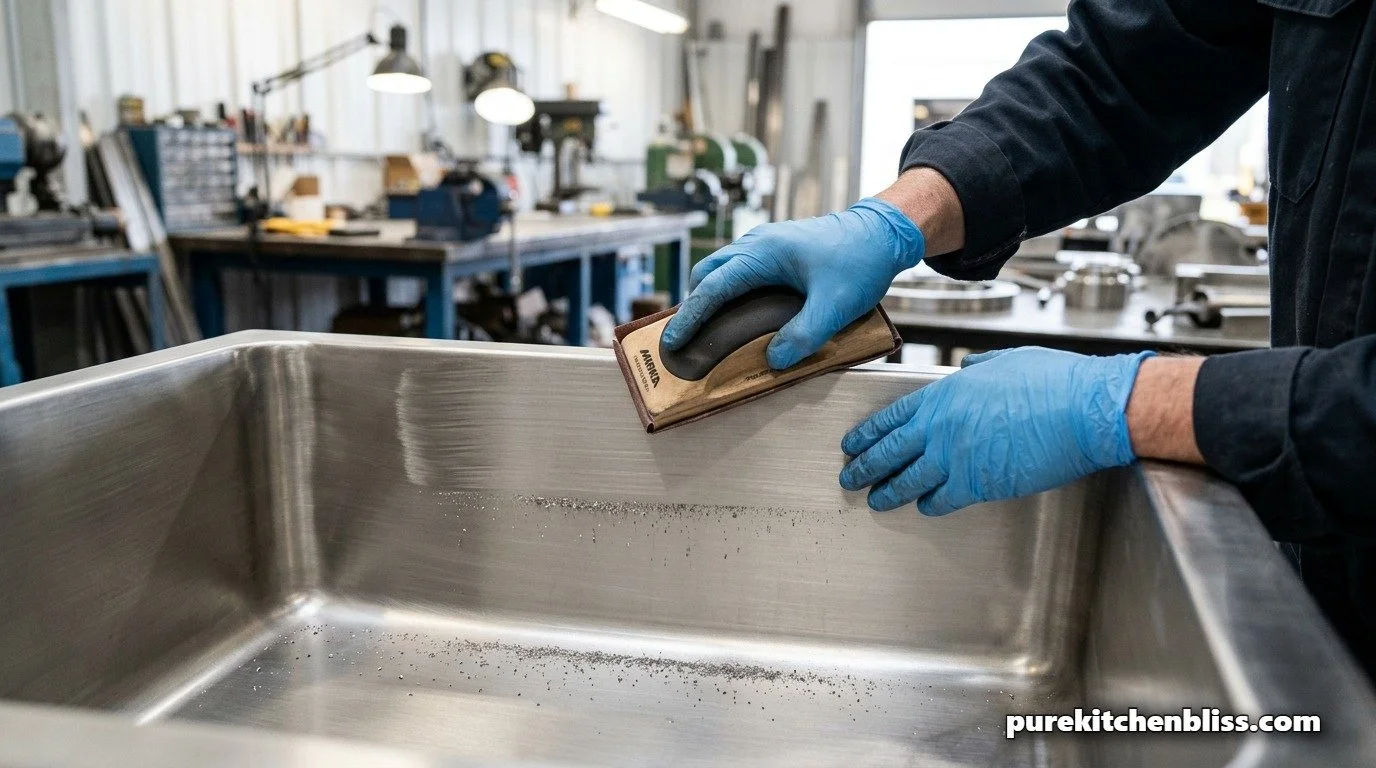
Restoring the Grain: Professional Stainless Steel Maintenance
In a high-performance kitchen sanctuary, the stainless steel of your workstation sink is more than just a basin, it is a metallurgical marvel. Most home maintenance guides suggest a quick wipe with olive oil to hide scratches, but as a builder, I find that approach fundamentally flawed.
Hiding a scratch is a temporary aesthetic fix; it is not a repair of the mechanical finish. Stainless steel’s "stainless" property comes from an invisible, microscopic layer of chromium oxide. When you scratch that surface, you are physically breaching the metal's protective envelope. To truly restore your sink's luster, you have to master the science of grain alignment and the passivation process.
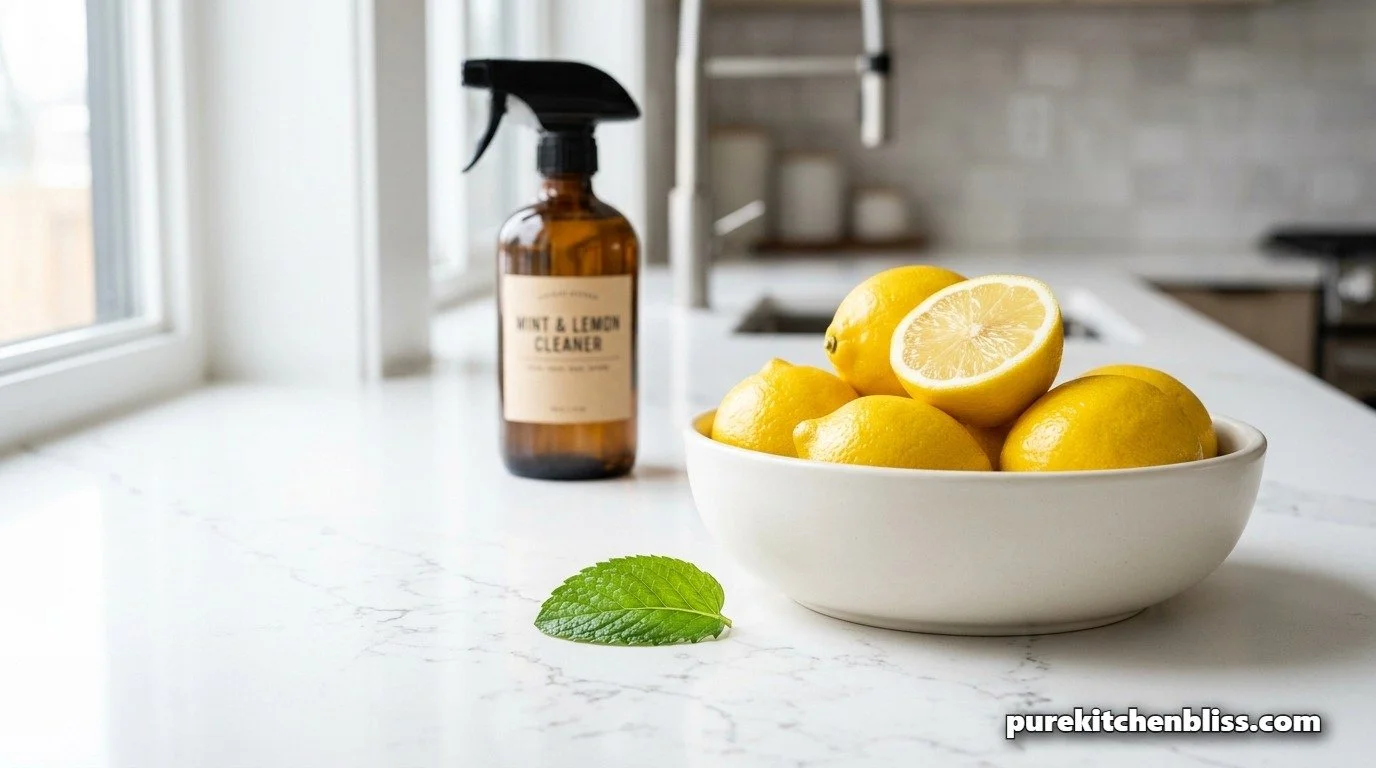
The Bug-Free Sanctuary: Preventive Measures for the Summer Swarm
As the temperatures climb toward the end of May, the "mechanical" integrity of your kitchen is put to a new test. In our guide to microwave safety, we discussed protecting your appliances; now, we address the biological threats to your kitchen sanctuary.
When bugs, specifically fruit flies, house flies, and sugar ants, infiltrate a kitchen, it is rarely a failure of "cleaning." It is usually a failure of the envelope. As a builder, I view pest control as a "rough-in" problem. If you don't seal the entry points and manage the organic waste infrastructure, no amount of spray will keep the sanctuary sterile.
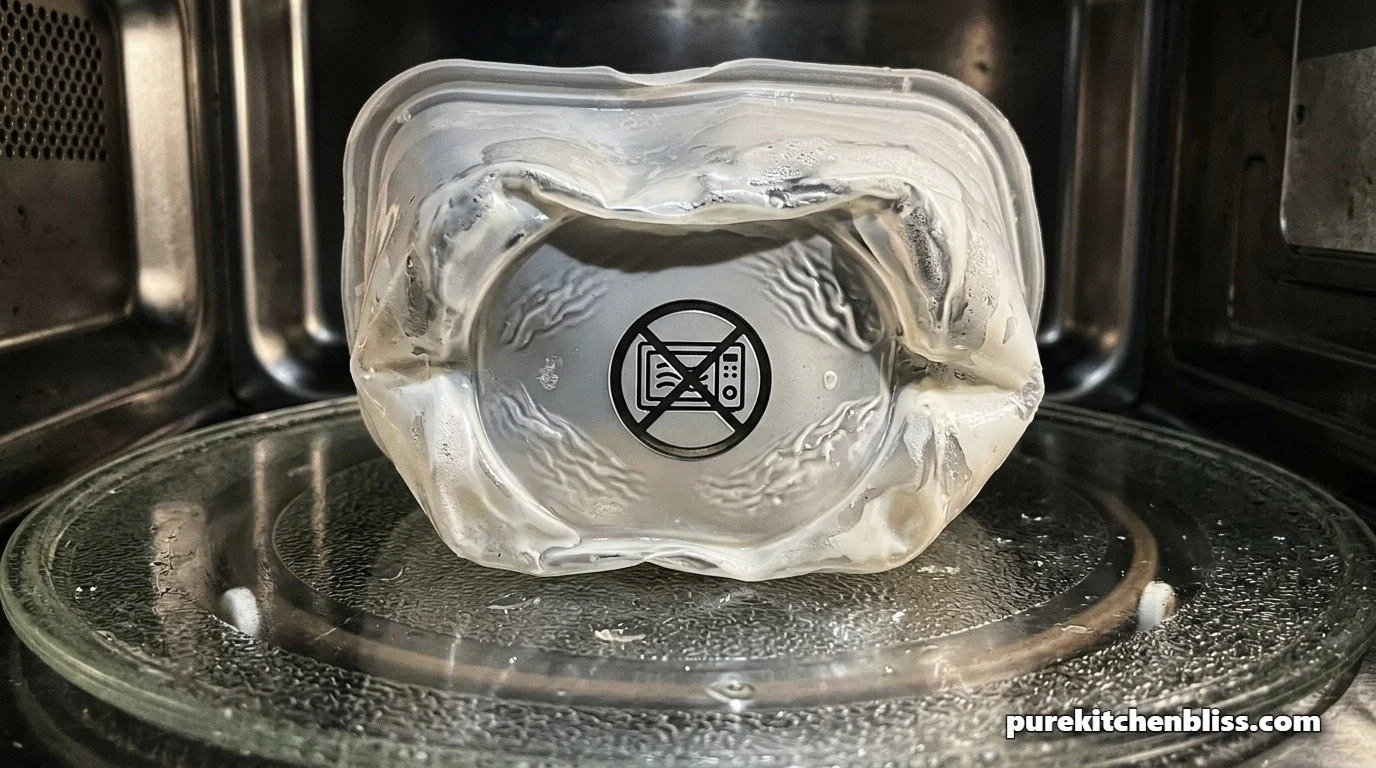
Microwave Safety: Protecting the Mechanical Heart of Your Kitchen
In a high-performance kitchen sanctuary, we often focus on the longevity of our hard water defense systemsor the precision of our soft-close mechanicals. However, the most common threat to your kitchen’s safety isn't a plumbing leak—it’s the misuse of the microwave oven.
Since Percy Spencer patented the microwave in 1945, it has become a staple of the modern rough-in. But as a builder, I see the aftermath of "arc-over" and thermal runaway caused by simple user errors. To maintain the fabric of your kitchen and prevent premature appliance failure, you must understand the technical limits of microwave energy.
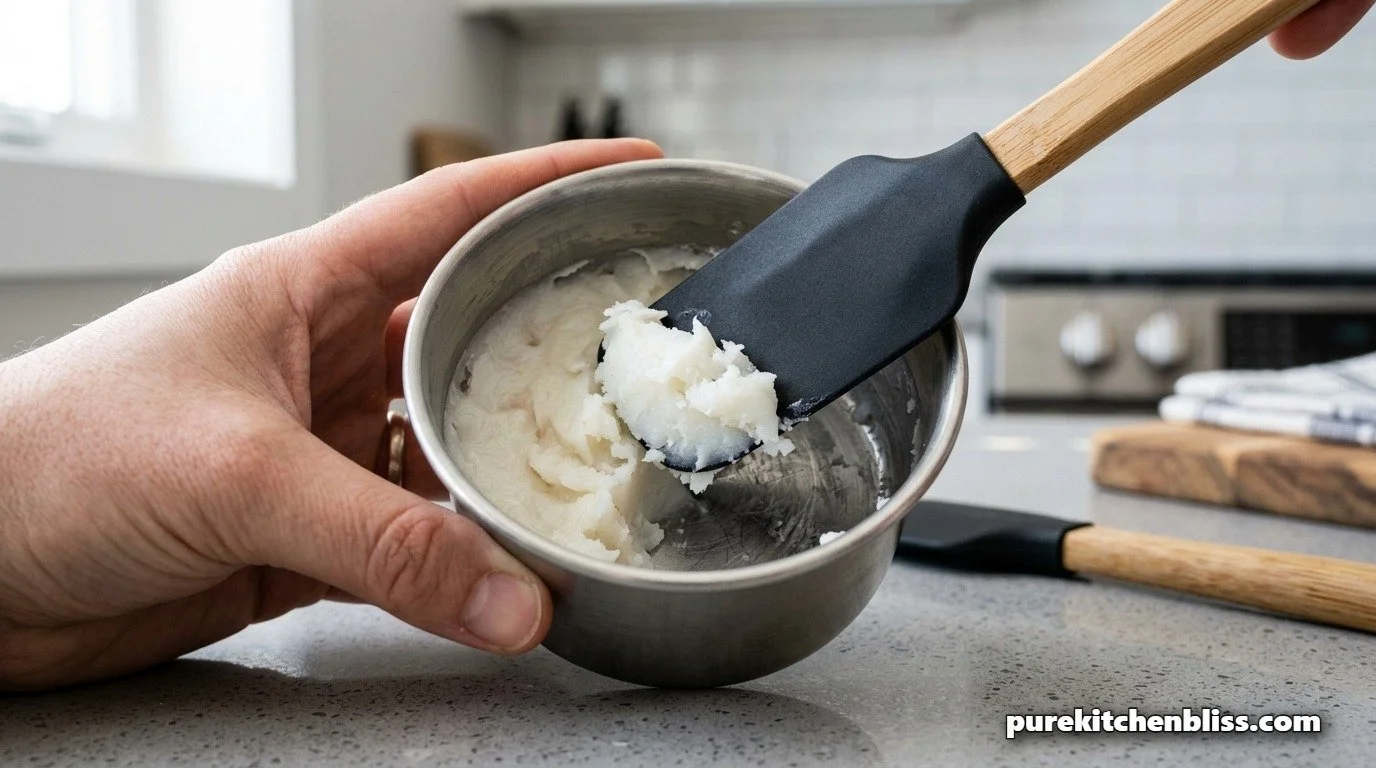
5 Safe Ways to Dispose of Kitchen Oil and Grease
In a high-performance kitchen sanctuary, the most dangerous substance you can handle isn't a sharp knife or a hot flame, it’s used cooking oil. Most homeowners treat their workstation sink like a universal waste bin, but as a builder, I’ve seen the "fatbergs" that form when grease meets cold pipes.
Pouring oil down the drain is a direct attack on the mechanicals of your home. It coats the interior of your PVC or cast-iron rough-in, trapping food particles and eventually causing a total systemic failure. To protect the fabric of your plumbing, you need a technical approach to grease management.
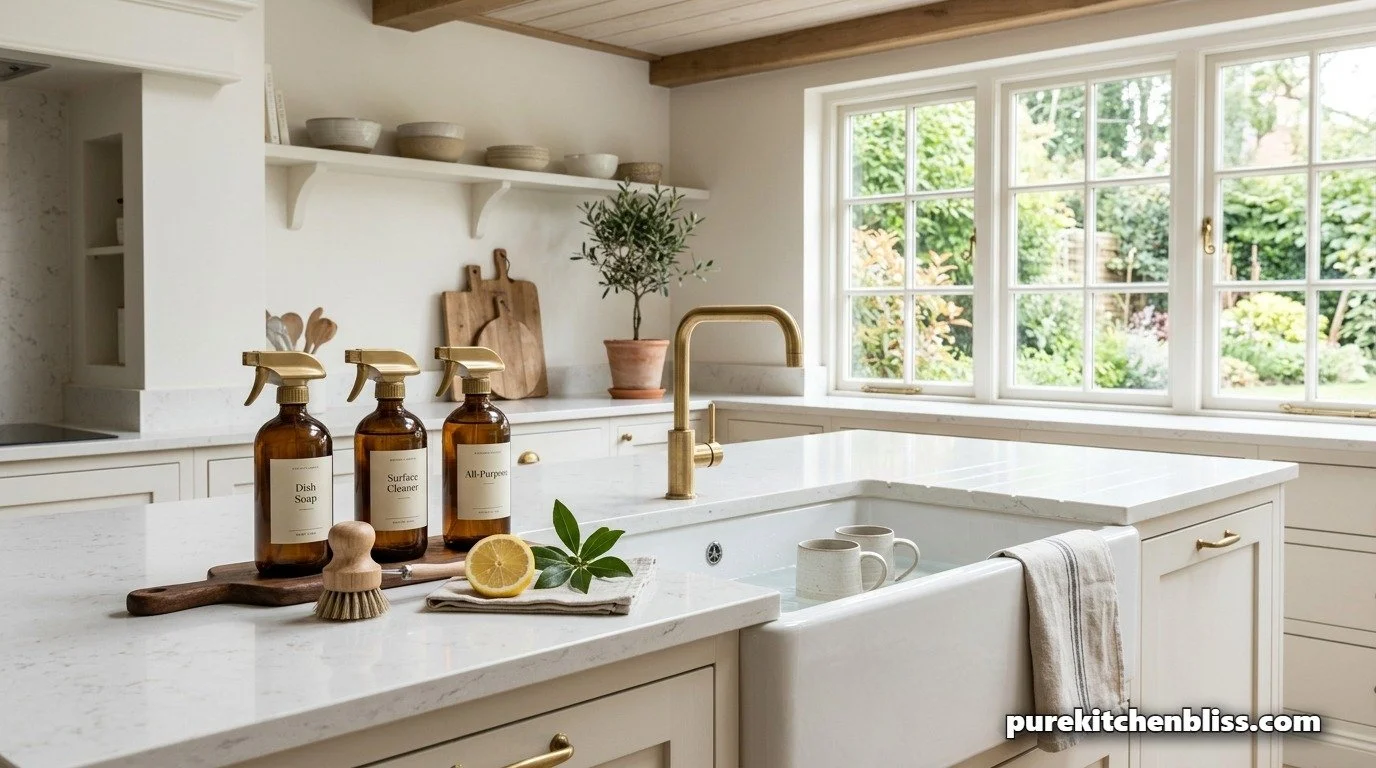
Top 5 Organic Products to Clean Your Sink With!
Maintaining a kitchen sanctuary means keeping your high-traffic areas sterile without introducing toxic chemical residues into your food prep zone. As we explored in our look at scouring pad microplastics, the tools and liquids we use eventually enter our water systems and our bodies.
If you are looking to protect the fabric of your home while ensuring a hospital-grade clean, you need products that leverage plant-based surfactants and natural acids. Here are the top 5 organic products that effectively sanitize your sink.
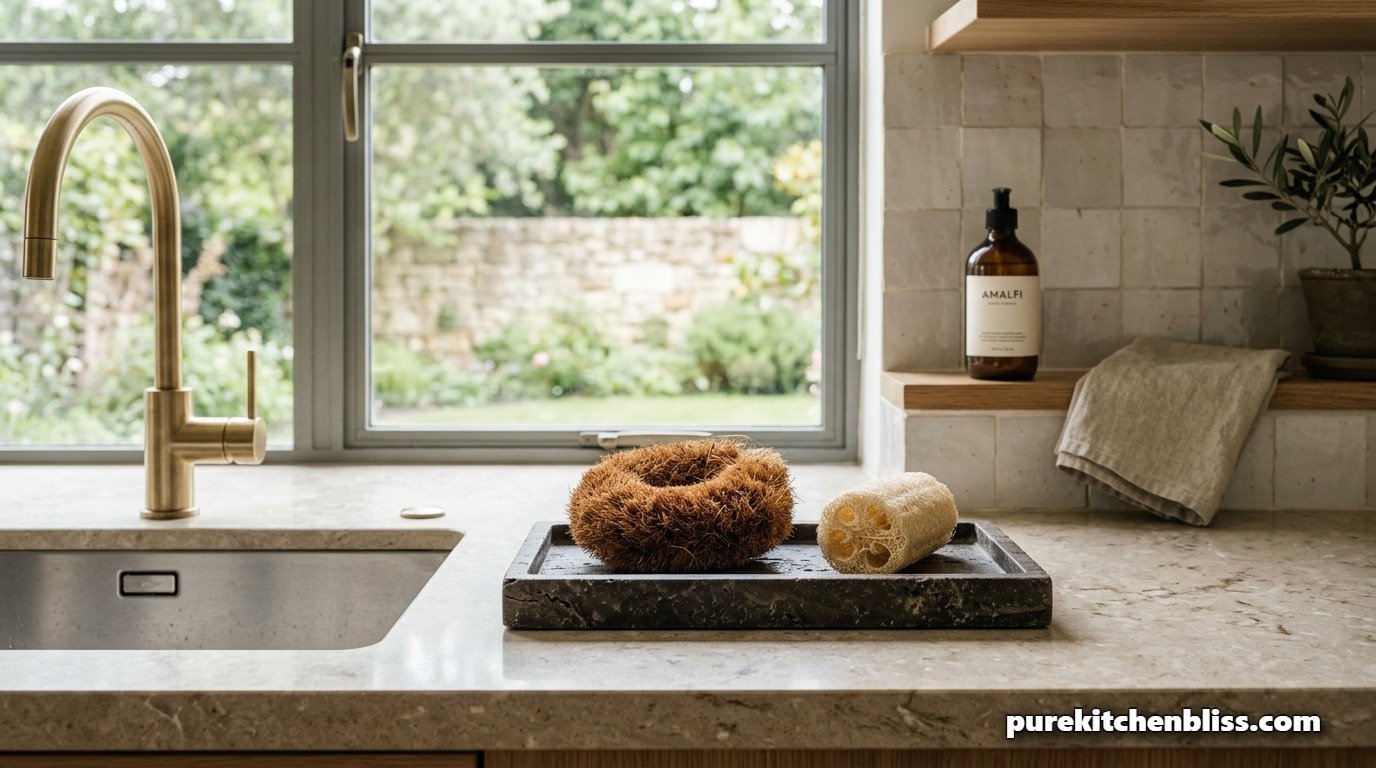
The Microplastic Shed: Are Scouring Pads Killing Your Sanctuary?
In our quest for a silent sanctuary and pristine mechanicals, we often overlook the smallest tools in our arsenal. The standard synthetic scouring pad is a workhorse—cheap, abrasive, and effective. But as a builder, I look at the "wear cycle" of a tool. Where does that material go when it disappears?
I once had a friend who I realized would use a brand-new pad every single day. I was blown away by what I thought was pure waste, but it pushed me to look deeper into the mechanical reality of these scrubbers. What I found changed how I view the "cleanliness" of a kitchen.
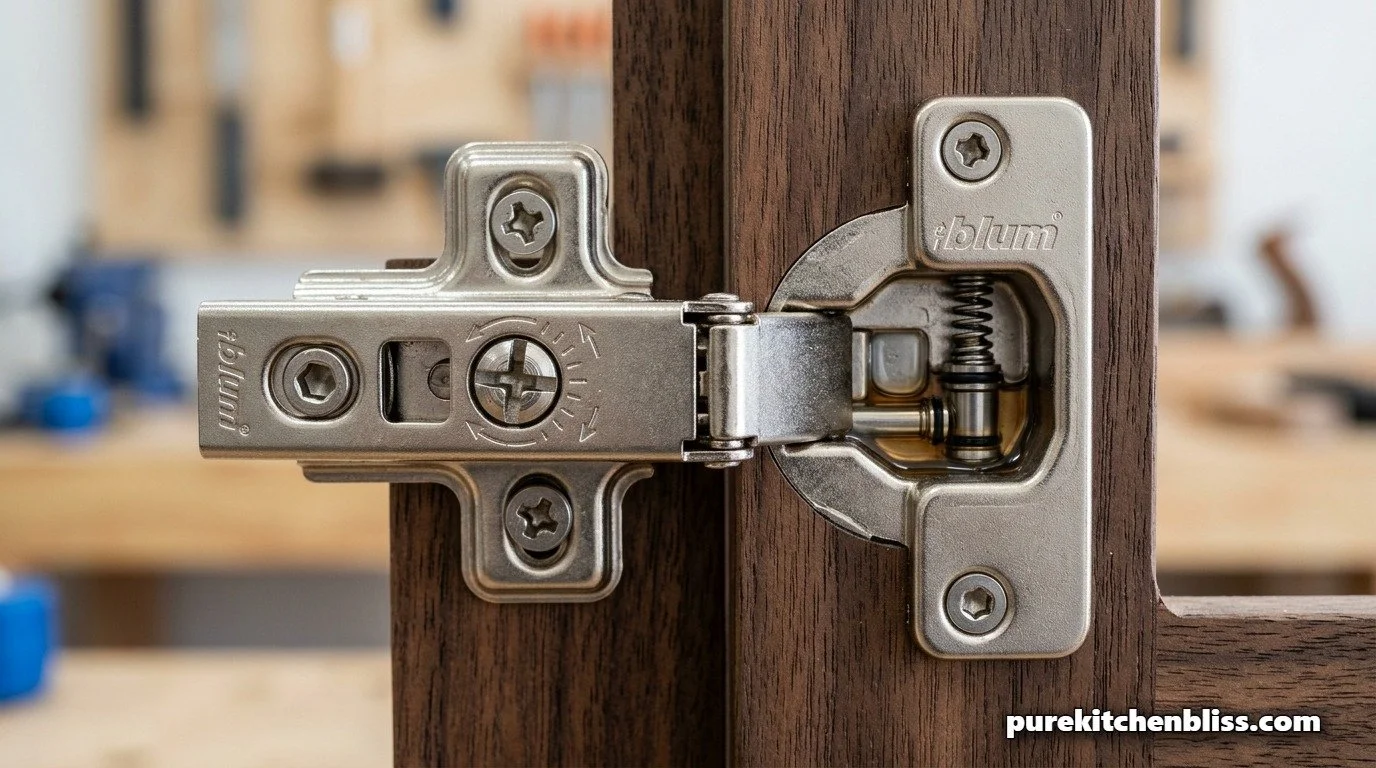
The Silent Sanctuary: Soft-Close Mechanicals & Hinges
In a high-performance kitchen, the "feel" of the space is dictated by the mechanical tolerances of its moving parts. As we’ve established with our hard water defense systems, the longevity of a kitchen depends on the quality of its internal components.
The most frequent point of physical contact in your home isn't the countertop; it's the cabinet hinge. A "slamming" cabinet door is more than an acoustic nuisance, it's a sign of a mechanical system failing to decelerate. To achieve a true "Zero-G" feel where doors glide into place, you need to understand the hydraulic dampening hidden inside the hinge cup.In a high-performance kitchen, the "feel" of the space is dictated by the mechanical tolerances of its moving parts. As we’ve established with our hard water defense systems, the longevity of a kitchen depends on the quality of its internal components.
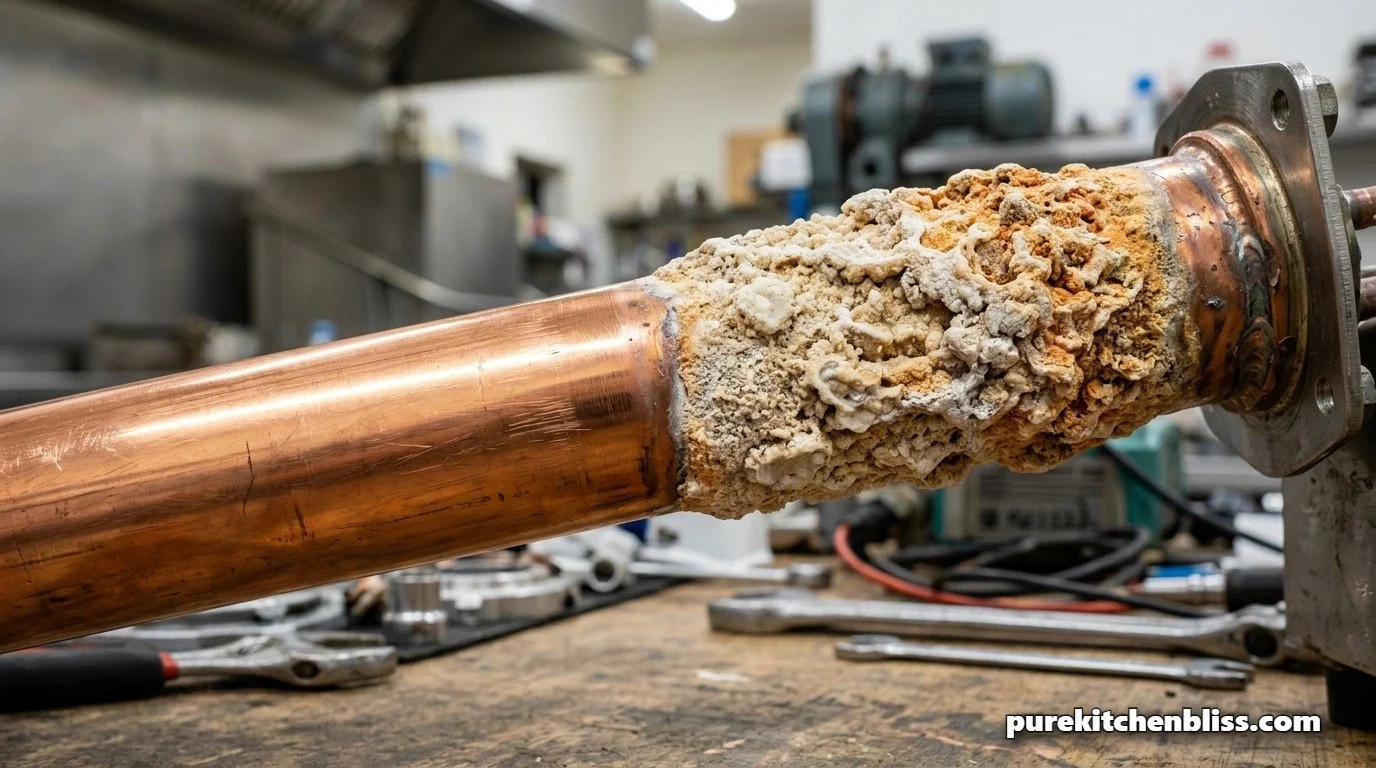
Hard Water Defense: The Mechanical Heart of the Kitchen
In a high-performance sanctuary, we obsess over the aesthetics of full-height slabs and the ergonomics of a workstation sink. But there is an invisible predator that targets the "internal organs" of your home: Calcium and Magnesium.
If you are running untreated water through a $5,000 Miele steam oven or a Breville Bambino, you aren't just making coffee, you are effectively "sandblasting" your heating elements from the inside out. In a commercial environment, we wouldn't dream of pulling a shot without a dedicated filtration manifold. Your home deserves the same technical standard.
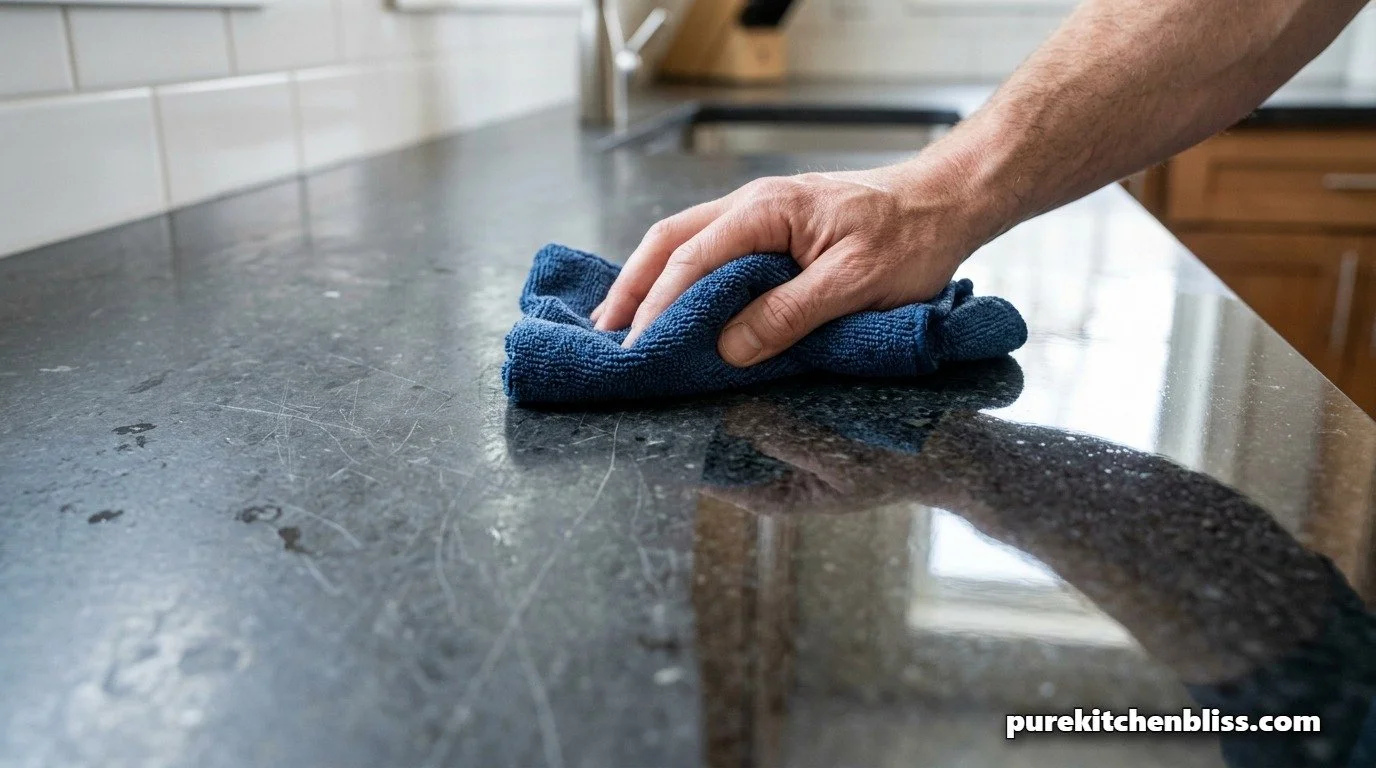
Beyond Paint: The Technical Guide to Updating Laminate
Laminate countertops are the "legacy infrastructure" of millions of homes. While they were the height of 1980s engineering, they eventually succumbed to delamination, edge-chipping, and surface dullness. Most homeowners are told their only options are a $200 paint kit or a full replacement with sintered stone.
But, we have a third option: Technical Restoration. This isn't about covering the problem; it's about chemically and mechanically reinforcing the existing surface to turn it into a high-performance kitchen sanctuary.
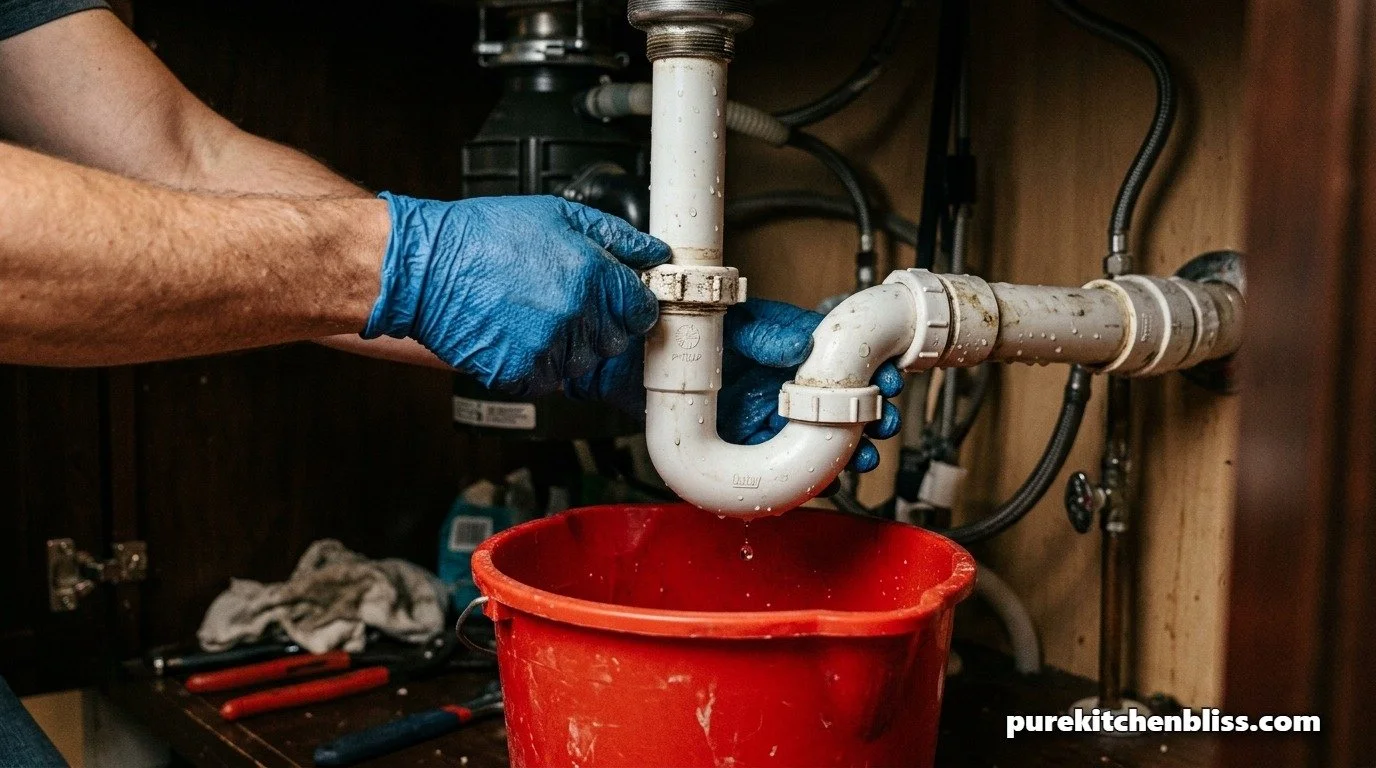
Accidentally Poured Cooking Oil Down the Sink? Here’s the Emergency Fix
It happens in a split second: a pan slips, or a well-meaning guest pours a tray of bacon grease directly into the basin. In a modern kitchen, the drainage system is a sensitive piece of invisible infrastructure. Unlike water, cooking oil is a liquid that "thinks" it is a solid. The moment it hits the cold standing water in your pipes, it begins to polymerize, sticking to the PVC walls and creating a foundation for a "fatberg."
If you have spilled oil down your drain, your reaction in the first five minutes determines whether you have a 10-minute cleanup or a $1,500 visit from a rooter service. To save your plumbing, you must move beyond the "hot water" myth and use an emulsification strategy that breaks the molecular bond of the grease.
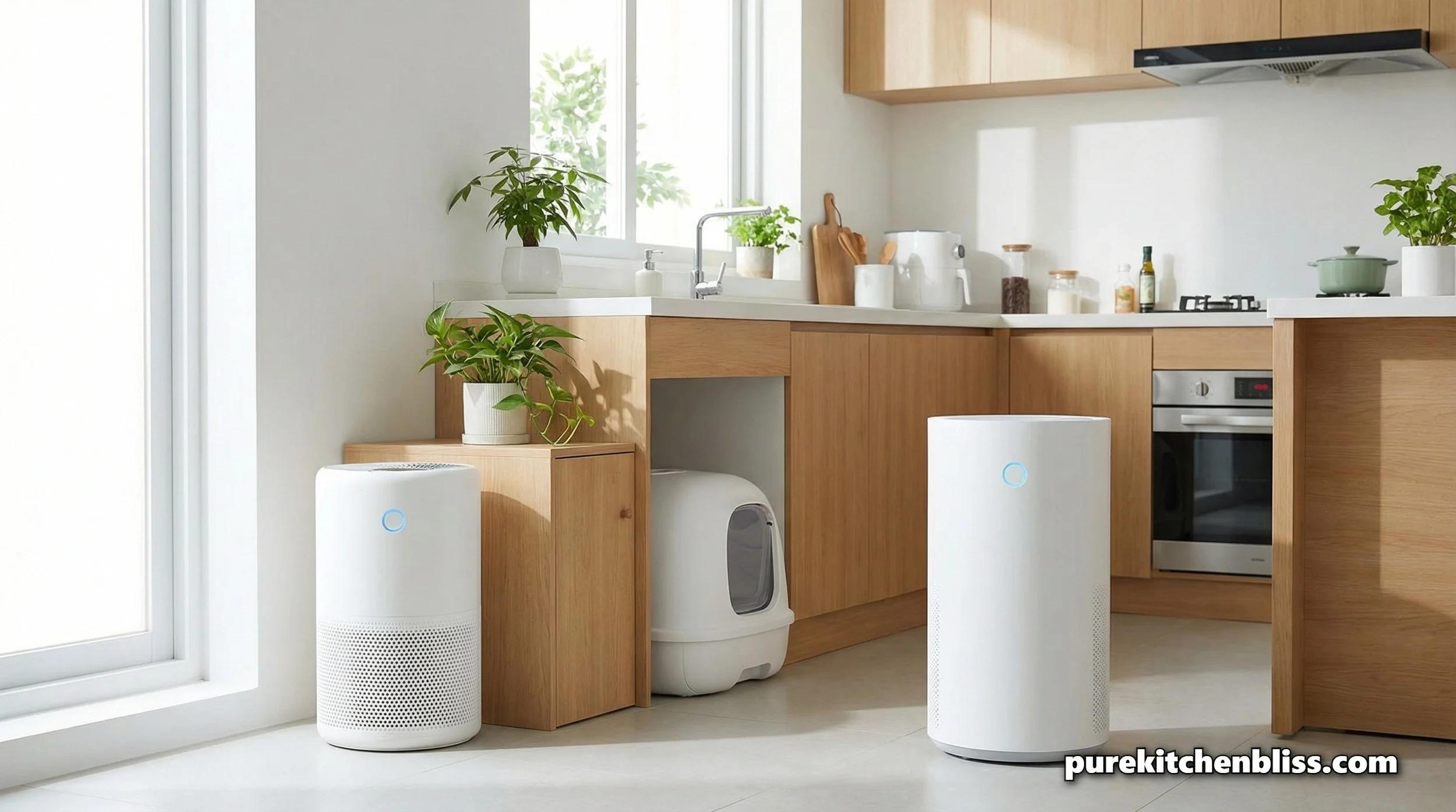
The Kitchen Litter Box: Convenience or a Hygiene Nightmare?
In the quest to optimize every square inch of our home’s footprint, the kitchen often becomes a "catch-all" for utility. For many pet owners, the area under the sink or a corner of the pantry seems like the logical home for a cat’s litter box. It’s out of the way, easy to clean, and usually features the best-performing kitchen flooringfor managing spills.
However, from a "Builder" perspective, placing a waste station in a food-prep environment introduces a significant conflict in your kitchen's hygiene infrastructure. While convenient, the proximity of feline waste to your high-performance sink and meal-prep surfaces creates risks that many homeowners overlook. To decide if a kitchen litter box is right for you, you must understand the science of "Cross-Zone Contamination."
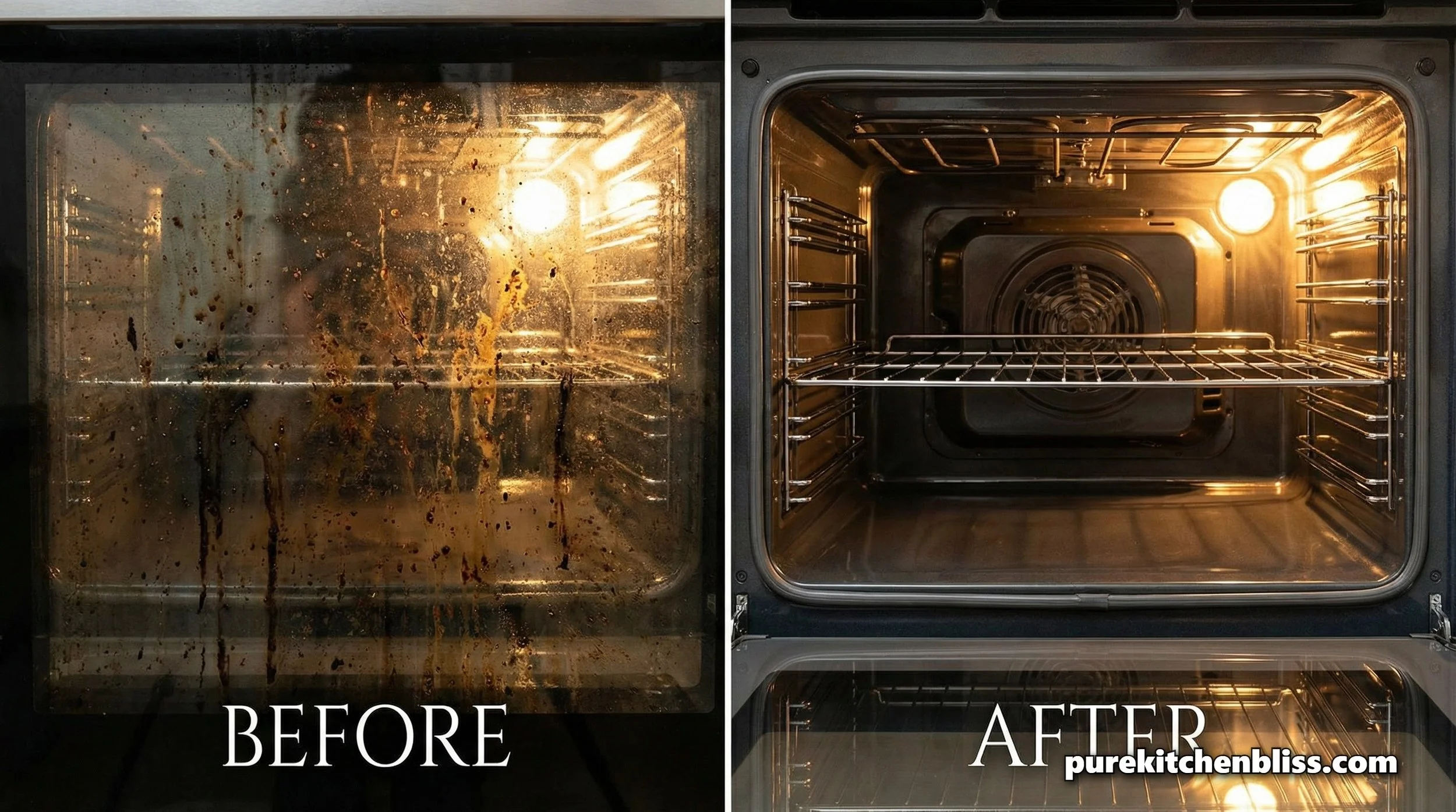
How to Deep Clean Your Oven Without Harsh Chemicals
Your oven is the heavy-duty heart of your kitchen infrastructure. However, it is also the most neglected. Over time, carbonized food and vaporized fats create a "lacquer" on the interior walls. This isn't just an aesthetic issue; a dirty oven is less energy-efficient, produces smoke that triggers your range hood , and can even affect the flavor of your food.
While the "Self-Clean" cycle seems convenient, it relies on extreme heat (often over 480°C) that can damage the sensitive electronic sensors in modern ranges. To maintain a high-performance sanctuary, we recommend a manual "Steam and Paste" protocol. This method uses basic chemistry to break down grease without releasing the caustic fumes associated with traditional oven cleaners.

What is Listeria and How to Protect Your Kitchen
Building on our discussion of food safety dates, it is time to address the most resilient "Invisible Infrastructure" threat in your home: Listeria monocytogenes. Unlike most foodborne pathogens, Listeria is a survivor. It doesn't just endure the cold; it thrives in it.
In 2026, we often assume our high-end appliances are a fortress against bacteria. However, Listeria is uniquely adapted to exploit the very environments we use to keep food fresh. Understanding its biology is the first step in building a truly defensive kitchen. If your goal is a high-performance sanctuary, you must manage the microscopic environment just as carefully as you manage the aesthetics.
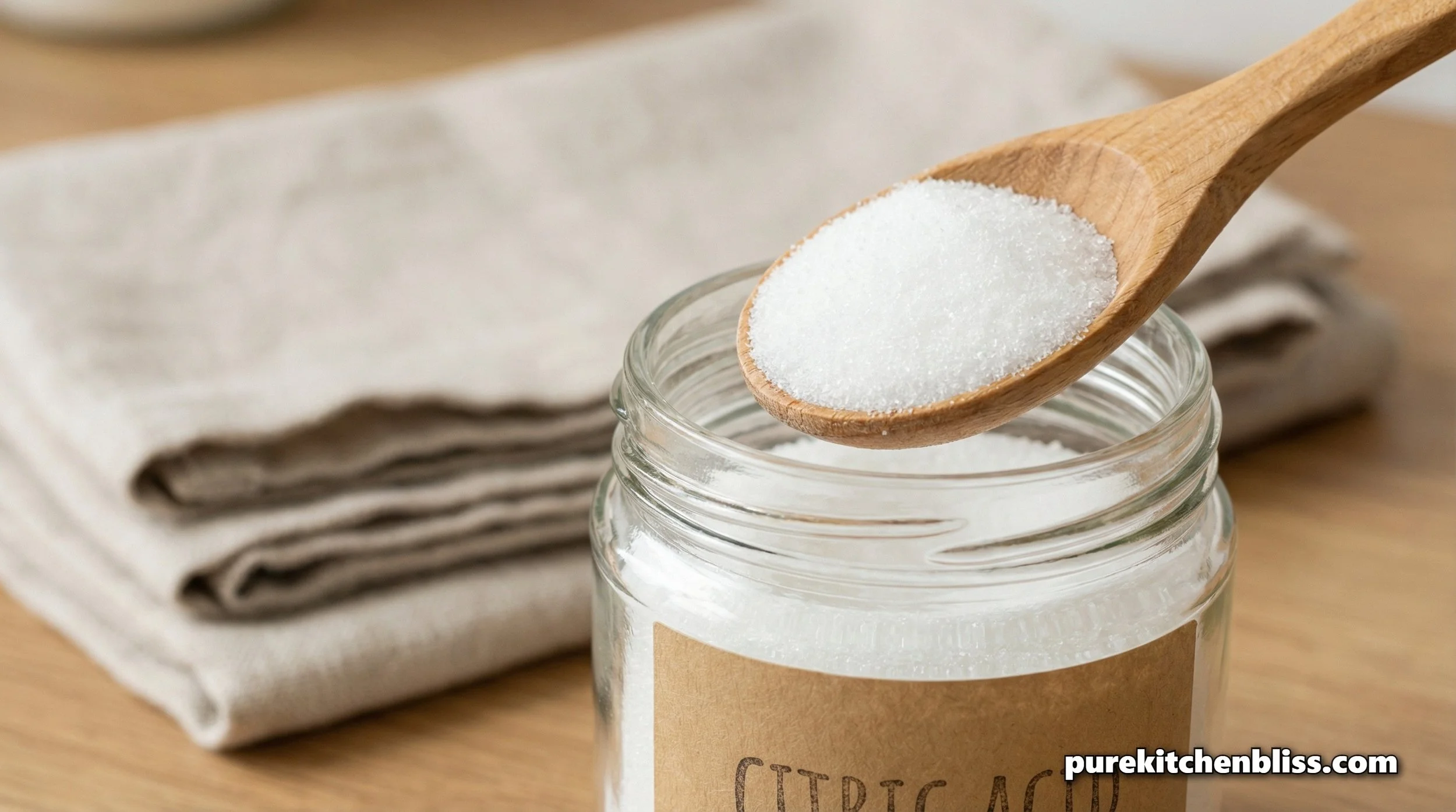
How to Soften Stiff Kitchen Towels with a Simple Citric Acid Trick
If you’ve noticed your favorite linen kitchen towels have become scratchy, stiff, and less absorbent, you aren't alone. In the high-performance sanctuary, we often blame the dryer or the detergent. However, the real culprit is "Invisible Infrastructure" failure: mineral stripping.
Hard water contains calcium and magnesium that bond to fabric fibers, creating a literal "crust" that repels water. While vinegar is the traditional DIY fix, it leaves a lingering salad-dressing scent and can degrade rubber seals in your appliances. Enter Citric Acid, the odorless, food-safe powerhouse that is currently taking the "Builder" community by storm.
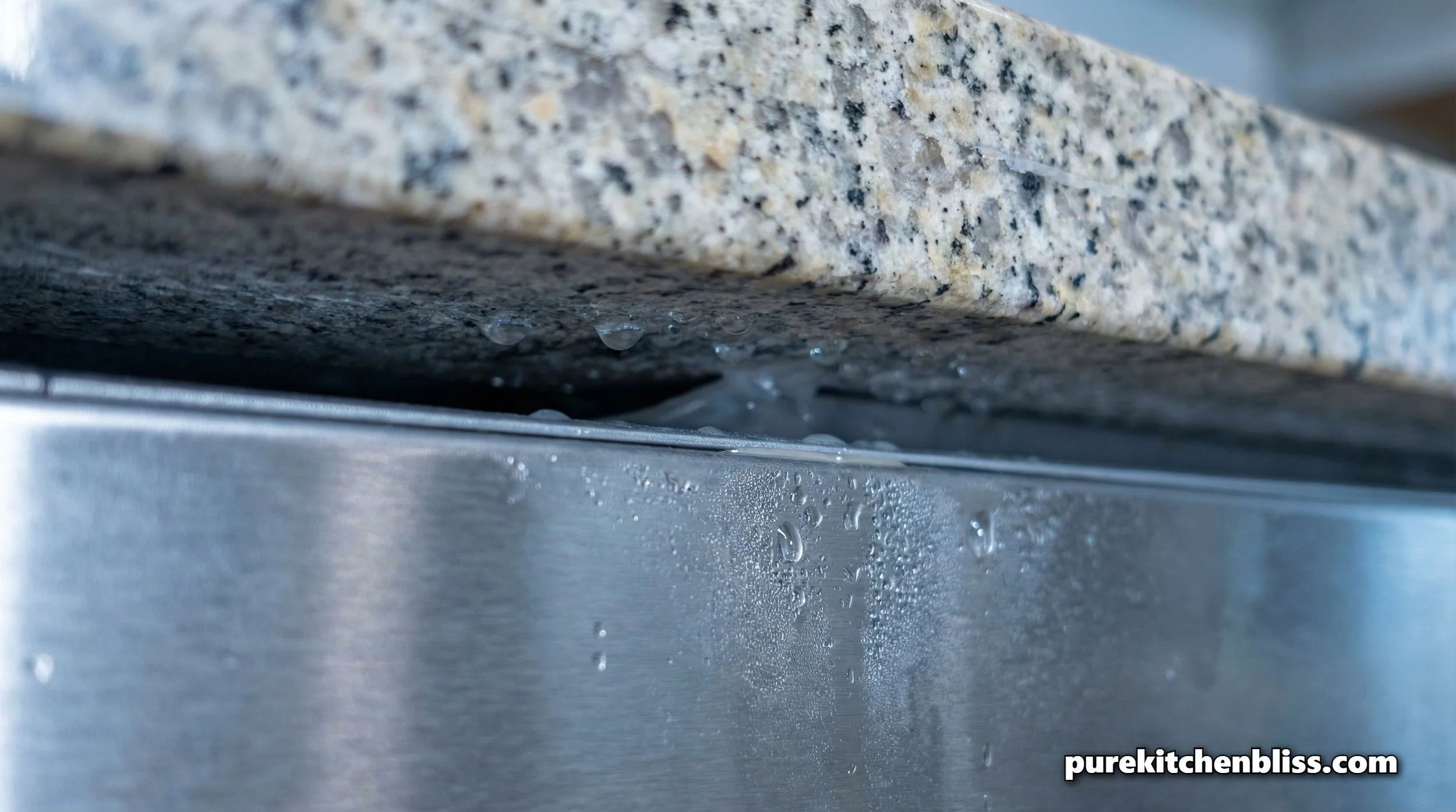
Kitchen Mold Hot Spots: Where to Look & How to Fix It
In the pursuit of a high-performance sanctuary, we often focus on the visual, the stone, the wood, and the gold hardware. But the true foundation of a healthy kitchen is its "Invisible Infrastructure," specifically its ability to manage moisture. Mold is not just a sign of a "dirty" kitchen; it is a biological response to trapped humidity and stagnant air.
By 2026, kitchen design has pivoted toward better ventilation and non-porous materials, but even the most modern space has hidden vulnerabilities. If you can smell a faint, musty odor but can't see the source, you likely have a "Micro-Climate" issue. Here is where mold hides in your kitchen and exactly how to dismantle its habitat.
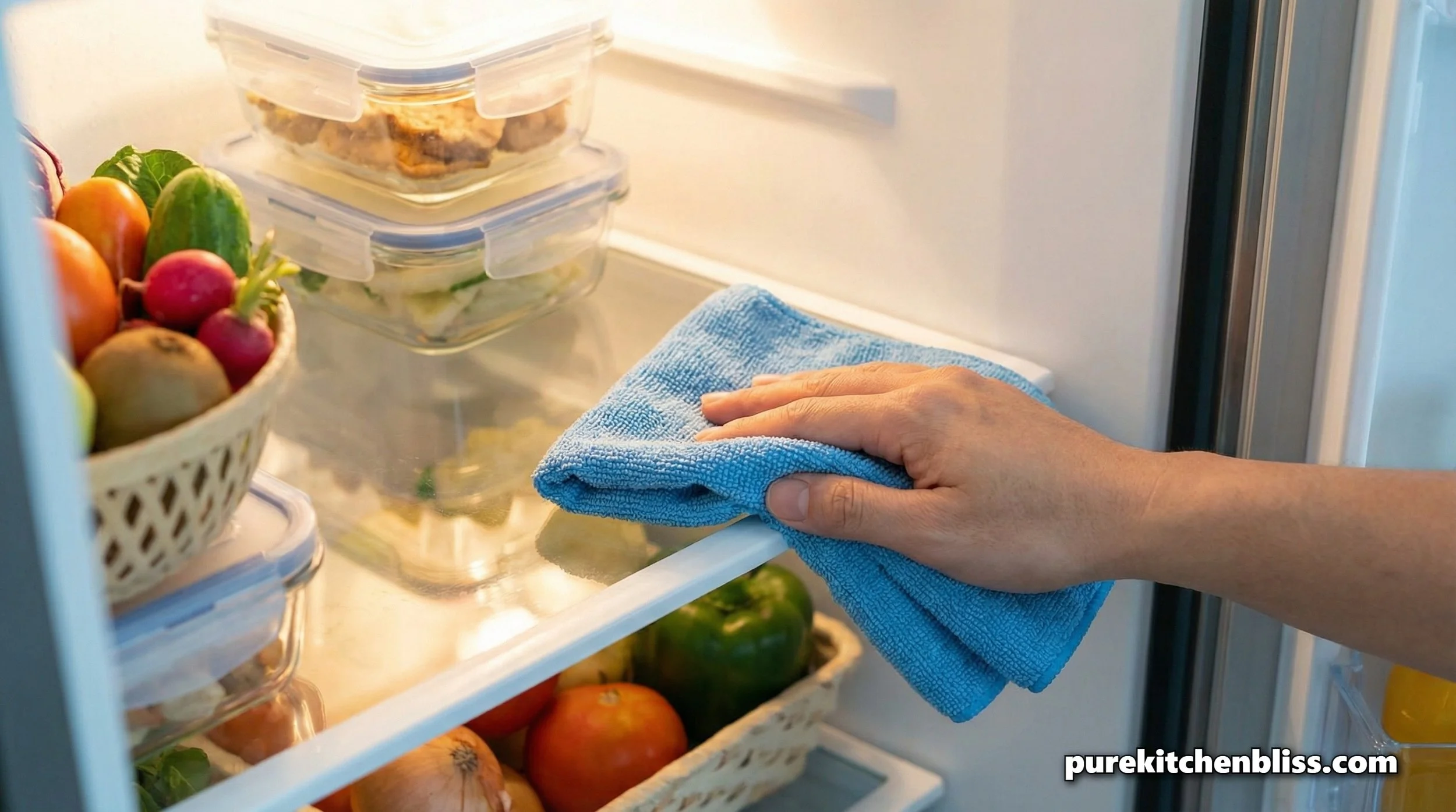
How to Organize Your Fridge and Freezer for Maximum Freshness
Your refrigerator is the most hardworking appliance in your home, but it’s rarely used to its full potential. Most of us treat the fridge like a "drop zone" for groceries, stuffing items wherever they fit. But a disorganized fridge isn't just a headache, it leads to spoiled food, wasted money, and even food safety risks.
To turn your fridge into a high-performance system, you need to understand how temperature zones work, how produce reacts to its neighbors, and how to store your food so it stays at peak freshness. Here is how to audit your cooling infrastructure and organize it for better results.
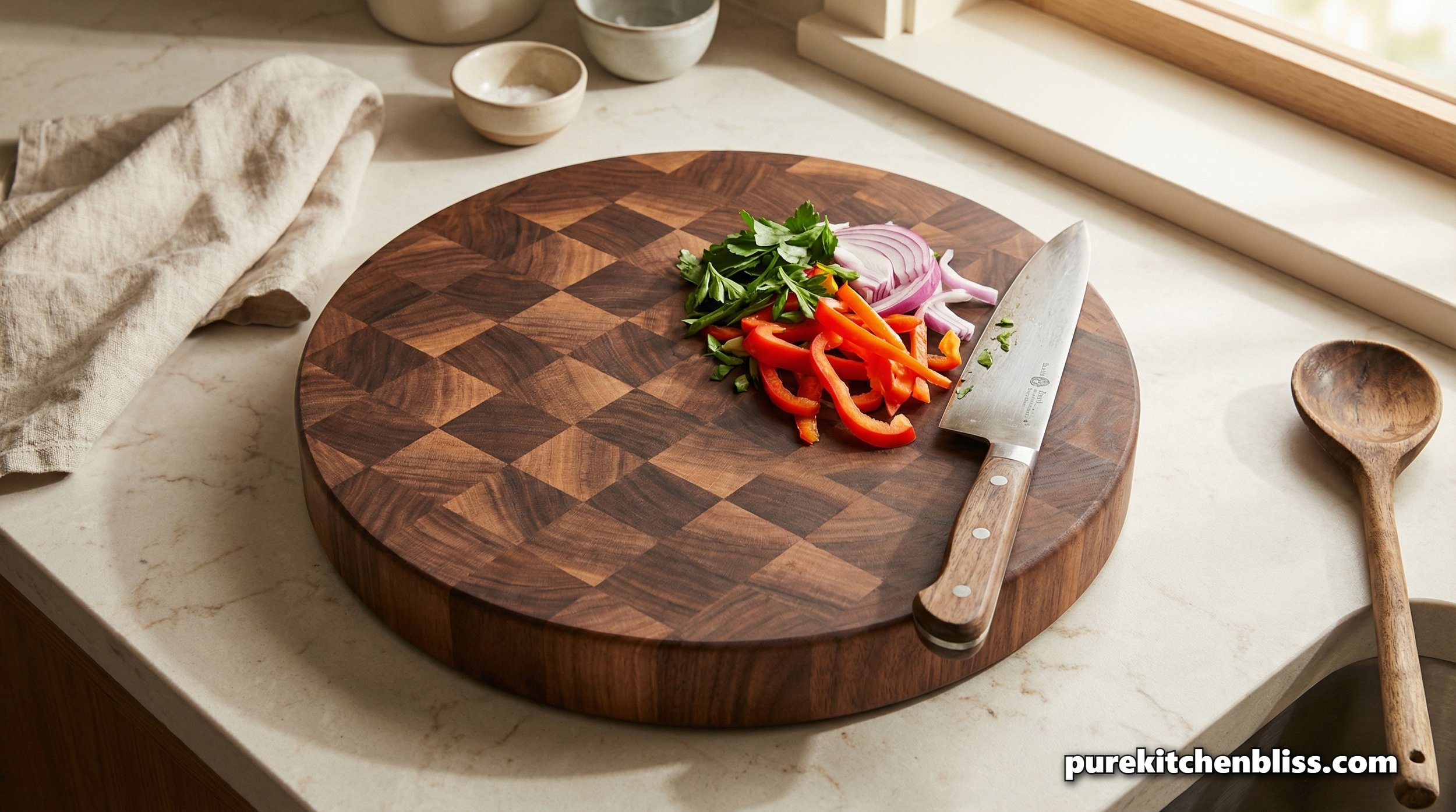
The Best Cutting Boards for Your Kitchen: Wood vs. Plastic
Plastic boards definitely have their place in a modern kitchen. Their biggest advantage is maintenance. High-density polyethylene (HDPE) boards can be tossed into a high-heat dishwasher cycle, which is the most reliable way to kill bacteria.
Because of this, many experts recommend a "split system." Use your large, beautiful wooden board for vegetables, bread, and cooked meats, and keep a dedicated plastic board specifically for raw poultry and fish.
However, plastic has a major downside: once it gets deep "scars" from your knife, it becomes almost impossible to clean by hand. Bacteria can hide in those tiny grooves where a sponge can’t reach. If your plastic board looks like a roadmap of deep cuts, it’s time to recycle it and get a new one.
How to Deep Clean Your Dishwasher and Fix Common Issues
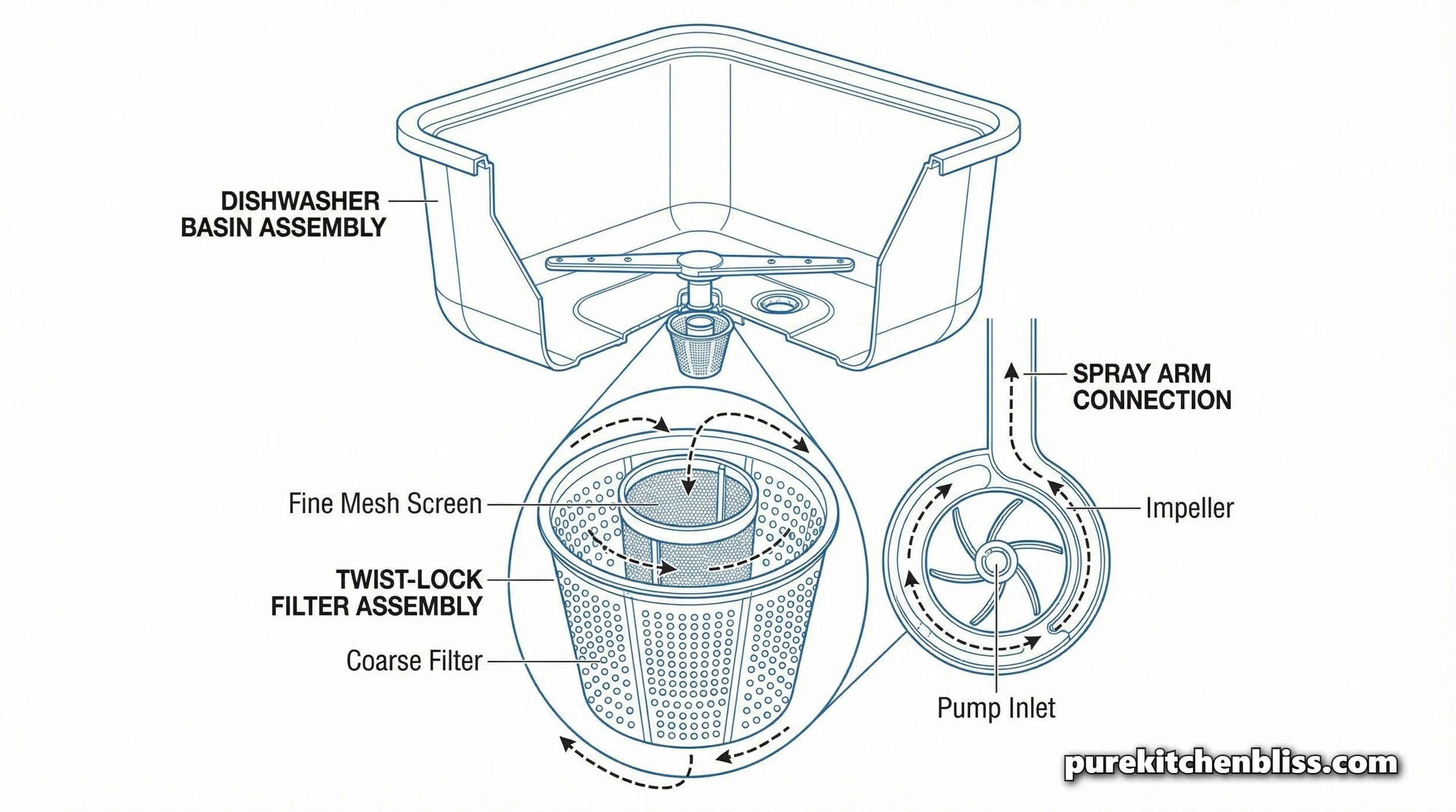
In a high output kitchen, the dishwasher is a critical piece of infrastructure. It is designed to circulate high-temperature water, break down food particles, and pump waste out through a drain line. When this process works efficiently, it is a closed-loop hydraulic system. When it fails, it manifests as water stagnation, poor cleaning performance, and the eventual failure of the internal pump assembly.
Most dishwasher failures are not sudden "catastrophes." They are the result of gradual neglect. Calcium deposits, mineral scale, and organic buildup accumulate in the filtration system, forcing the pump to work against resistance. This creates heat, causes premature bearing wear, and forces the motor to operate outside of its design specifications. This guide outlines the professional steps to maintain this system at peak operational efficiency.
A Simple Guide to Choosing Under-Cabinet Lights
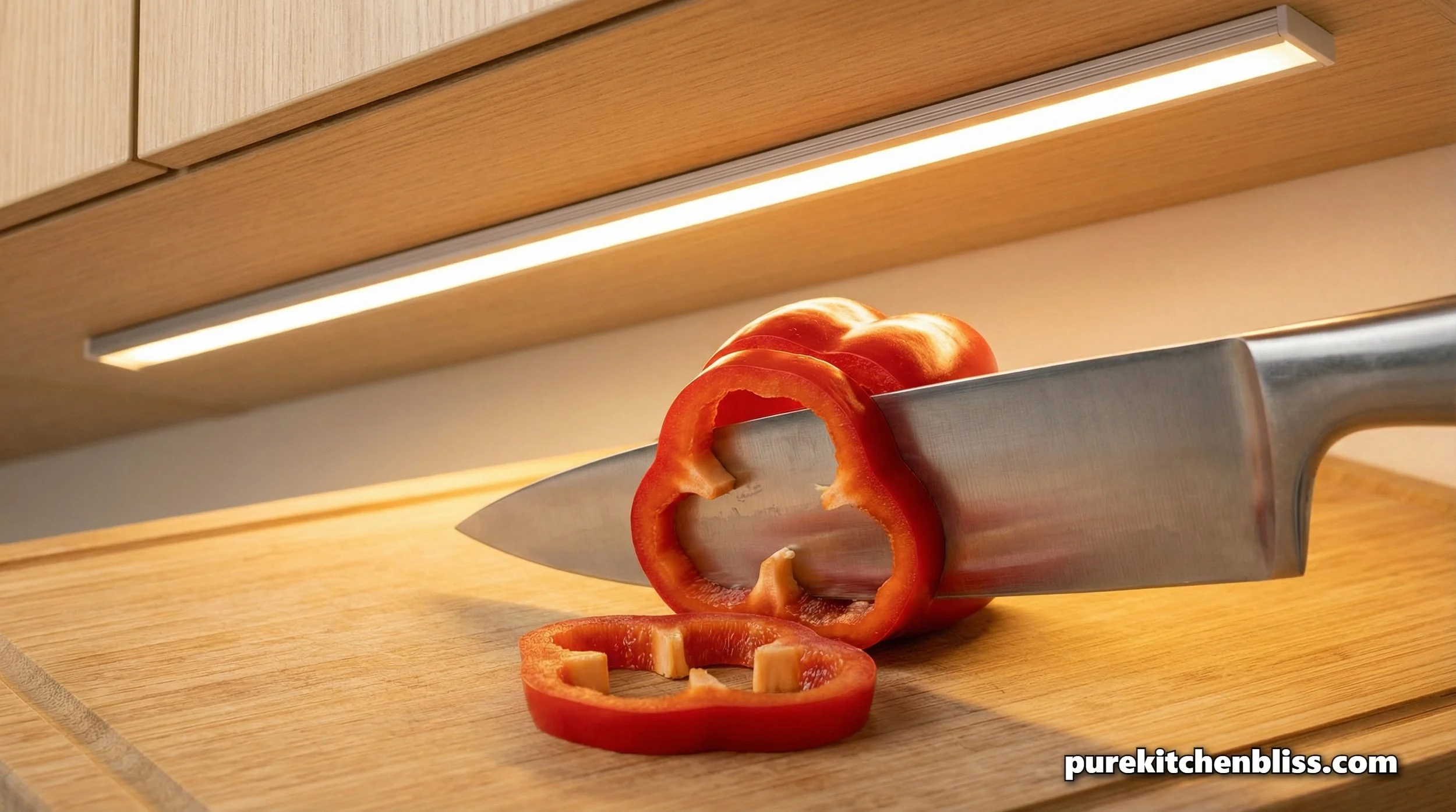
In a high-performance kitchen, lighting is the primary interface between the user and the workspace. If you cannot see the precise state of your ingredients, the doneness of a protein, the freshness of produce, or the accuracy of a knife cut, you are operating with a structural deficit. Most residential kitchen lighting relies on ambient overhead fixtures that create "backlighting," casting your workspace into a shadow while you are trying to work.
Under-cabinet lighting is the correction for this failure. It transforms the counter from a dark, shadowed surface into a high-visibility, precision workspace. However, not all lighting is created equal. Most "consumer-grade" LED kits prioritize aesthetic brightness over Color Rendering Index (CRI) and Thermal Stability. This audit evaluates the technical requirements necessary to build a permanent, professional-grade lighting infrastructure that enhances safety and visual clarity.
The Best Slim Dish Racks for Small Kitchens
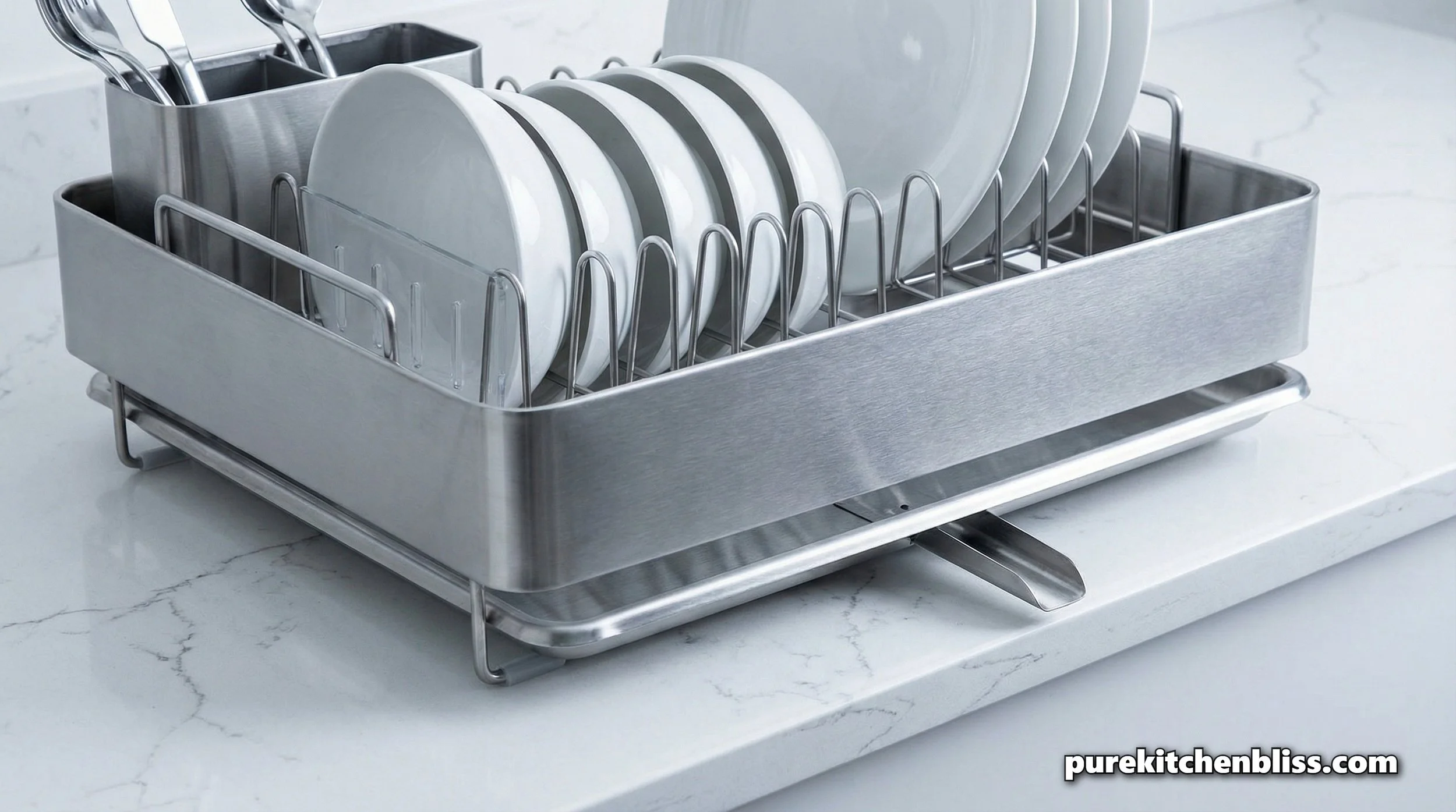
In a high-output kitchen, counter space is the most valuable real estate. A drying rack should not just hold wet items; it is a piece of infrastructure that must manage moisture, prevent microbial growth, and facilitate rapid evaporation. If your rack fails to do this, it’s not a tool, it’s a permanent wet spot that invites oxidation and bacterial colonization.
The following list prioritizes "Structural Integrity" and "Hydro-Dynamics." We evaluated these models based on three specific metrics: Material Fatigue (how they handle wet environments), Flow-Dynamics (how effectively they move water away from the dishes), and Spatial Density (how much volume they handle per square inch of countertop).