In a high-performance kitchen sanctuary, the stainless steel of your workstation sink is more than just a basin, it is a metallurgical marvel. Most home maintenance guides suggest a quick wipe with olive oil to hide scratches, but as a builder, I find that approach fundamentally flawed.
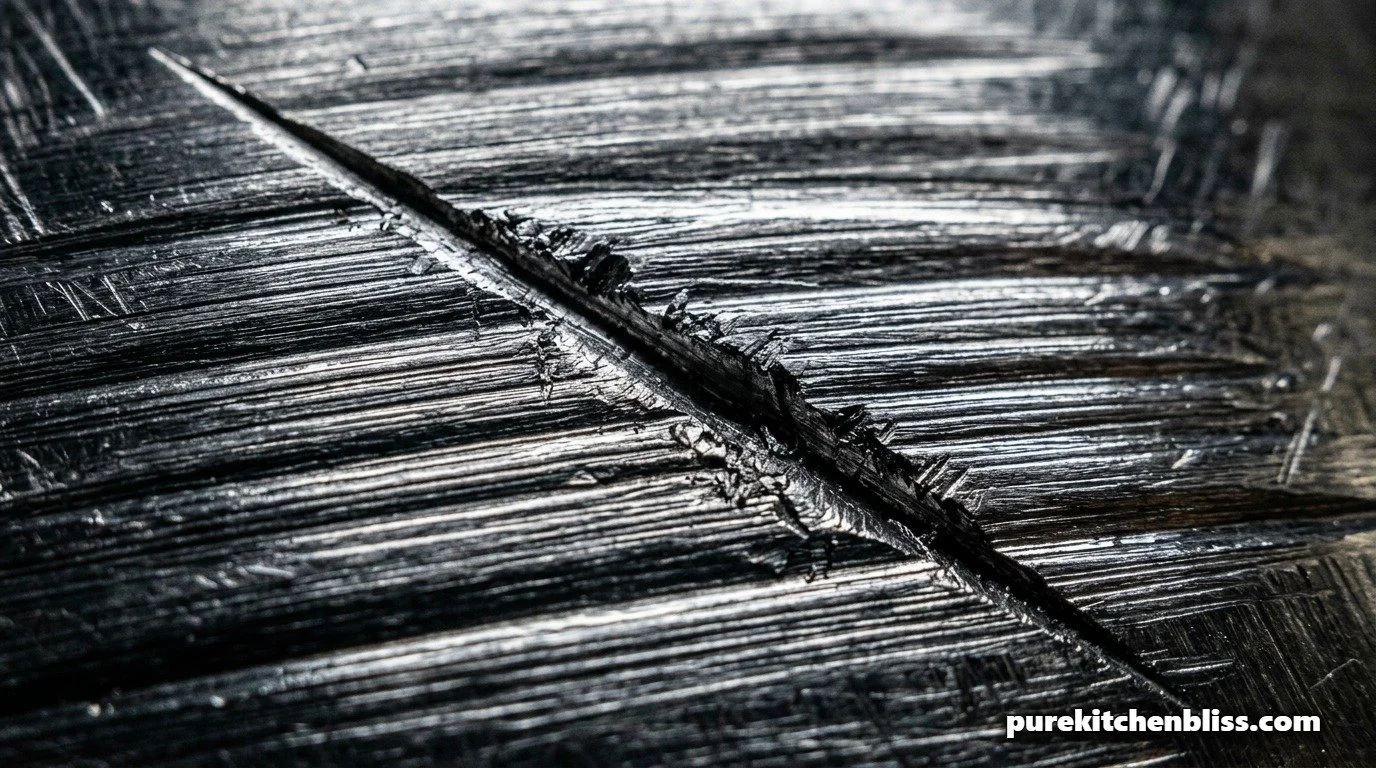
Hiding a scratch is a temporary aesthetic fix; it is not a repair of the mechanical finish. Stainless steel’s "stainless" property comes from an invisible, microscopic layer of chromium oxide. When you scratch that surface, you are physically breaching the metal's protective envelope. To truly restore your sink's luster, you have to master the science of grain alignment and the passivation process.
1. Understanding the "Grain" Envelope
Stainless steel is "brushed" at the factory to create a directional texture. This isn't just for looks; the grain helps hide the wear and tear of daily use.
The Error: Wiping against the grain (circular motions) is the fastest way to kill the "Sanctuary" glow of your kitchen. It creates "cross-hatching" that traps the hard water minerals we fight so hard to keep out.
The Fix: You must always work parallel to the factory brush lines. This keeps the "valleys" of the metal clear of debris.
2. The Passivation Science
The reason high-end steel doesn't rust is that the chromium in the alloy reacts with oxygen to form a protective "skin."
The Breach: When you use a harsh, non-organic cleaner or an abrasive scouring pad, you strip this skin.
The Restoration: After polishing out a scratch with a fine-grit abrasive (like a 400-grit wet-dry paper), you must let the sink "breathe" for 24 hours without chemicals. This allows the chromium oxide layer to re-passivate (self-heal) using the oxygen in your home's air.
3. Comparison: Stainless Steel Maintenance Tiers
| Maintenance Level | Action Taken | Material Impact | Long-Term Result |
|---|---|---|---|
| "Lifestyle" Wipe | Topical Oil (Olive/Mineral) | Traps Dust & Bacteria | Temporary Shine; Dull Metal |
| Mechanical Polish | Grit-Matched Sanding | Levels Surface Scratches | Restores Factory Luster |
| Passivation Reset | Deep Clean + Oxygen Cure | Rebuilds Protective Skin | Prevents Pitting & Corrosion |
4. The "Surgical" Scratch Repair
For deep gouges, the ones that happen when a heavy cast iron pan is dropped, you have to act as a "metal surgeon."
Clean: Use Aunt Fannie's Vinegar to remove any oily residues.
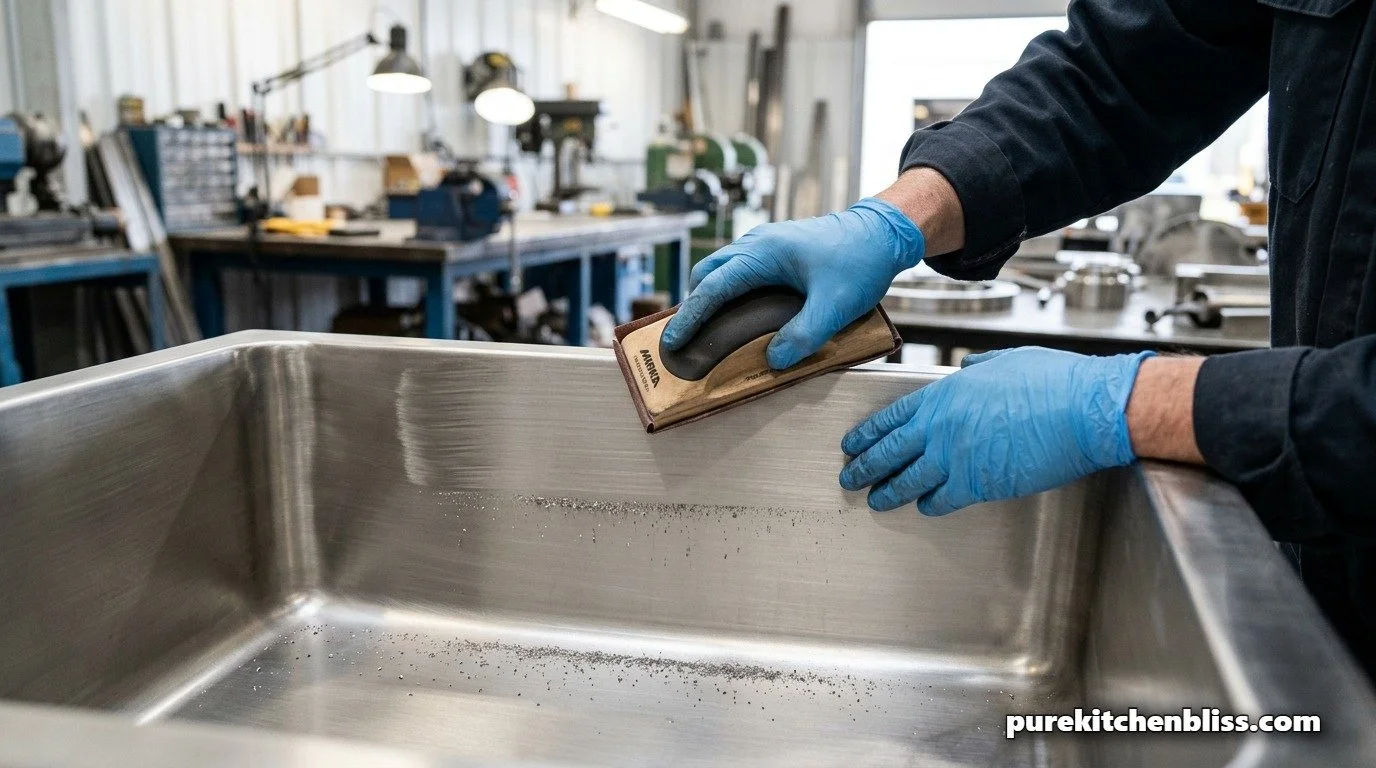
Sand: Use a sanding block to ensure even pressure. Moving only with the grain, use a medium grit followed by a fine grit.
Blend: Use a maroon-colored industrial scouring pad to blend the edges of your repair into the factory finish.
5. Managing the Acoustic "Mechanicals"
A common mistake when repairing or "thinning" the steel via sanding is forgetting the acoustic dampening. If your sink starts to sound "tinny" after years of polishing, the undermount insulation pads might be delaminating.
The Check: Tap the side of the sink. If it "clangs" rather than "thuds," you need to reapply a rubberized sound-deadening spray or pad to the underside of the unit. This restores the "Quiet Luxury" of your Sanctuary.

Next Up: Transition your kitchen from hot extraction to cold with our Cold Brew Infrastructure: Professional Setup for Your Coffee Niche.