In a high-performance kitchen sanctuary, we often focus on the longevity of our hard water defense systems or the precision of our soft-close mechanicals. However, the most common threat to your kitchen’s safety isn't a plumbing leak—it’s the misuse of the microwave oven.
Since Percy Spencer patented the microwave in 1945, it has become a staple of the modern rough-in. But as a builder, I see the aftermath of "arc-over" and thermal runaway caused by simple user errors. To maintain the fabric of your kitchen and prevent premature appliance failure, you must understand the technical limits of microwave energy.
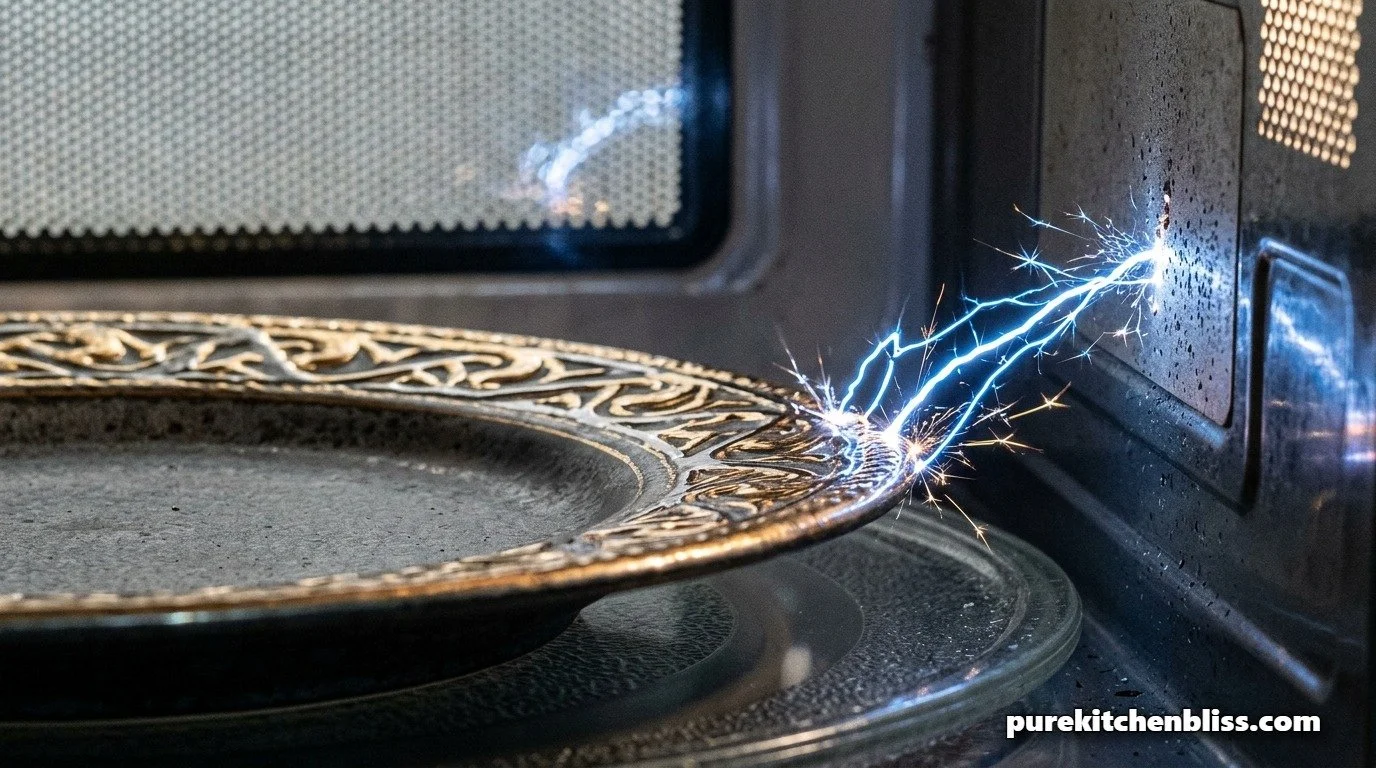
1. The Metal "Arc" Hazard
Most homeowners know to avoid forks, but metal hides in the underpinnings of many everyday items.
Hidden Conductors: Chinese takeout handles, metallic-rimmed plates, and even some recycled paper towels containing trace metal fragments can cause "arcing."
The Result: This isn't just a fire hazard; it can physically burn a hole through the interior lining of your microwave, destroying the appliance's seal and potentially leaking radiation into your sanctuary.
2. Thermal Pressure: Eggs and Grapes
The microwave heats water molecules rapidly, creating internal pressure that can overwhelm the structural integrity of certain foods.
Hard-Boiled Eggs: Without a pressure-relief valve, the moisture inside an egg turns to steam instantly, causing a violent explosion.
Sliced Grapes: Due to their size and electrolyte content, grapes can create a plasma bridge between two halves, causing a miniature electrical storm.
Comparison: Microwave Material Safety
| Item | Technical Risk | Sanctuary Outcome |
|---|---|---|
| Styrofoam | Styrene Leaching | Chemical Contamination |
| Empty Microwave | Magnetron Overheating | Appliance Failure |
| Hot Peppers | Capsaicin Aerosol | Lethal "Pepper Spray" Effect |
3. The Chemical Leak: Plastics and Styrofoam
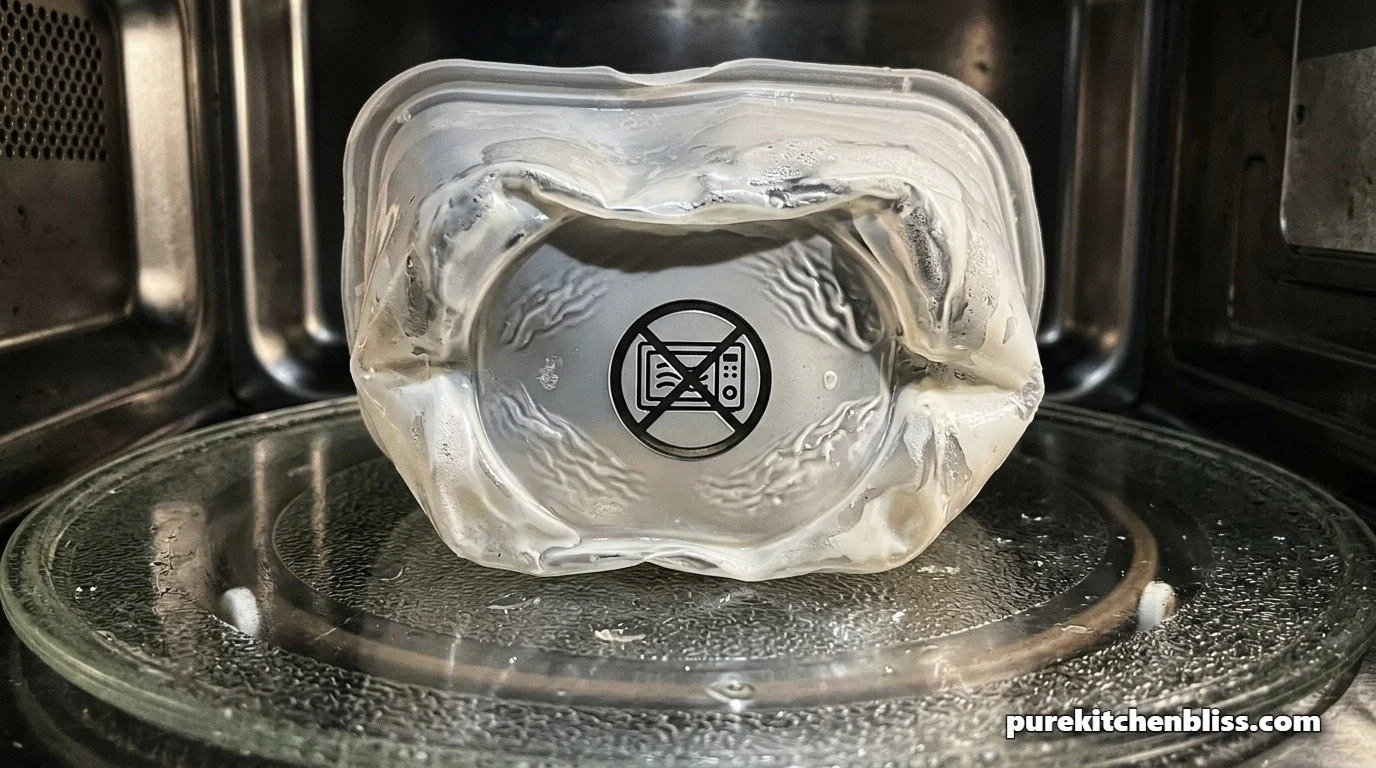
When you heat non-rated plastics or Styrofoam, the heat doesn't just warm your food; it breaks down the polymer envelope of the container.
The Leach: Chemicals like styrene and BPA can migrate into your meal. To keep your home organic and sterile, always transfer leftovers to glass or microwave-safe ceramic before heating.
4. The "No-Load" Danger
Running a microwave empty is like running a car engine with no oil. Without food or liquid to absorb the energy, the microwaves bounce back into the magnetron (the power source).
The Mechanical Toll: This causes the magnetron to "cook" itself. Always ensure there is a load, even just a cup of water, to protect the appliance’s mechanical heart.

5. Hot Peppers: The Kitchen "Pepper Spray"
Microwaving chile peppers releases capsaicin into the air in a concentrated, gaseous form. Opening the door after heating peppers is the equivalent of being hit with pepper spray, causing severe irritation to your eyes and lungs, violating the peace of your learning sanctuary.
Next Up: Learn how to manage kitchen waste without destroying your plumbing in our guide on 5 Ways to Dispose of Oil or Oily Substances From the Kitchen.