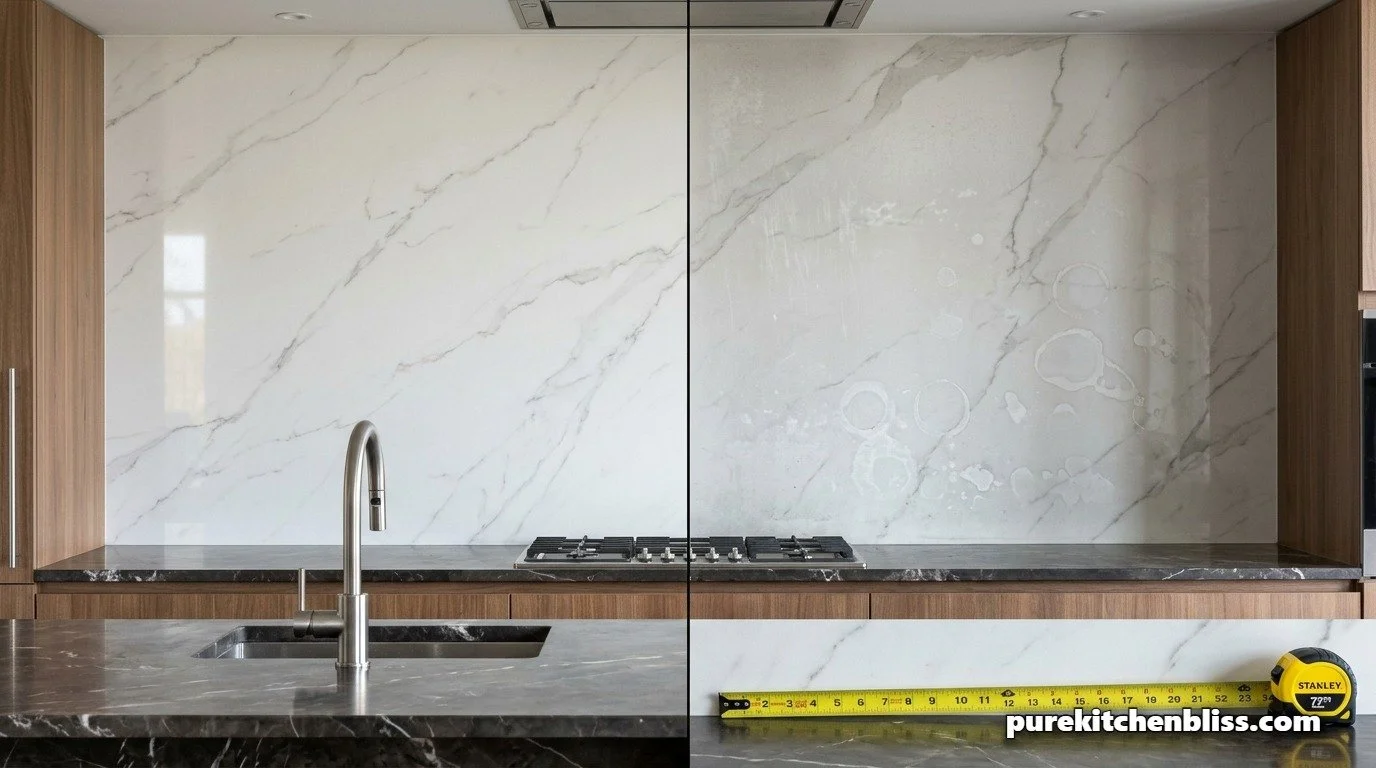
In a high-performance sanctuary, we obsess over the aesthetics of full-height slabs and the ergonomics of a workstation sink. But there is an invisible predator that targets the "internal organs" of your home: Calcium and Magnesium.
If you are running untreated water through a $5,000 Miele steam oven or a Breville Bambino, you aren't just making coffee, you are effectively "sandblasting" your heating elements from the inside out. In a commercial environment, we wouldn't dream of pulling a shot without a dedicated filtration manifold. Your home deserves the same technical standard.
1. The Chemistry of "Silent Friction"
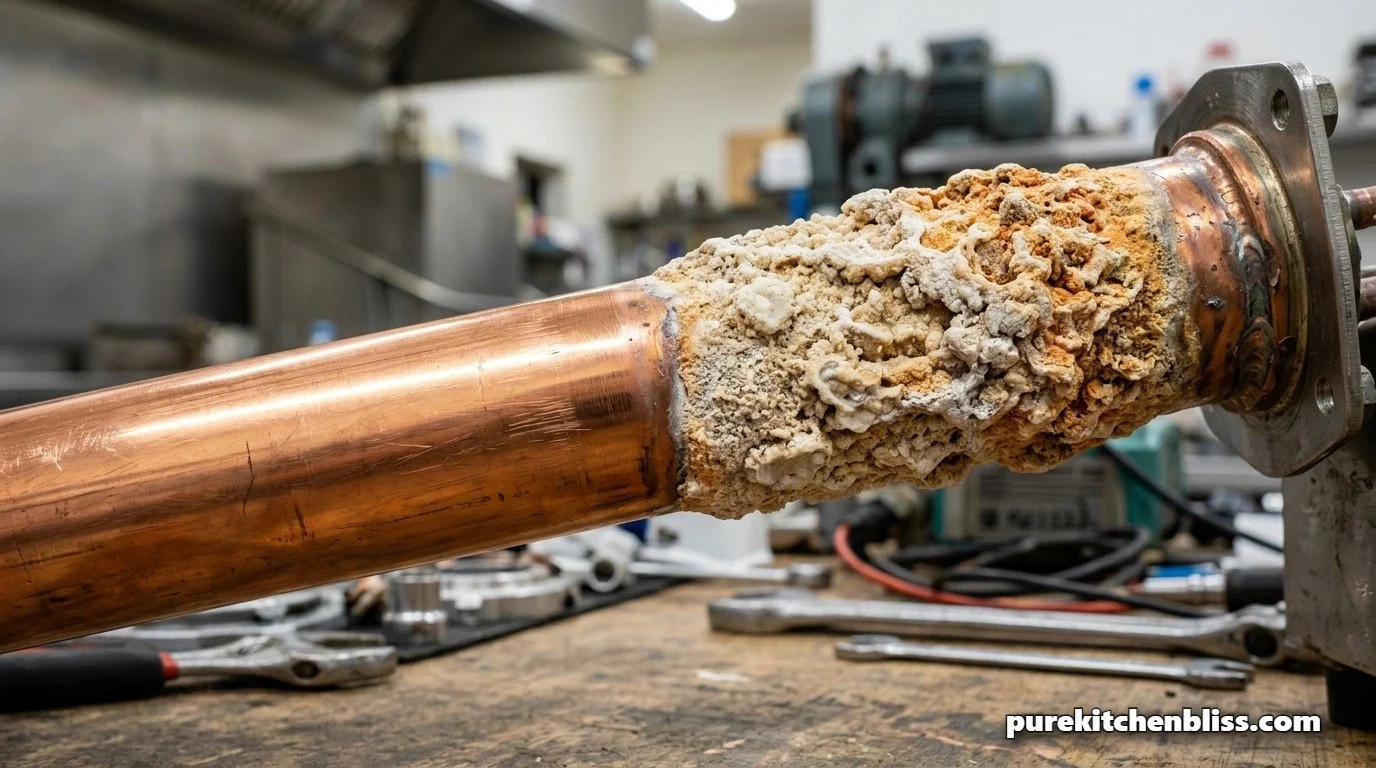
Hard water is defined by high concentrations of dissolved minerals. When this water is heated, these minerals precipitate and solidify into limescale, creating a layer of "stone" inside your copper pipes and steel boilers.
The Insulator Effect: Limescale acts as a thermal barrier. Your heating elements have to work 30% harder to reach the same temperature, leading to premature burnout.
The Solenoid Failure: High-end appliances rely on precise solenoid valves. A single "flake" of calcium can lodge in these gates, causing a permanent leak or a complete system failure.
2. Ion-Exchange: The Systematic Solution
While "vinegar flushes" are a common DIY suggestion, they are a reactive fix for a systemic problem. To achieve a true sanctuary-grade environment, you need an Ion-Exchange Water Softener integrated into your home's rough-in.
The process is pure material science: hard water passes through a bed of resin beads. As the calcium and magnesium pass through, they "swap" places with sodium ions. This creates a structural barrier between your investment and total mechanical failure.
3. Comparison: The Maintenance Delta
| Appliance | Hard Water Risk | Soft Water Lifespan |
|---|---|---|
| Dishwasher | Element burnout | 15+ Years |
| Espresso Machine | Blocked boiler | Daily Consistency |
4. Sanitization and the Dishwasher Drain
Hard water doesn't just destroy metal; it interferes with detergent chemistry. If your water is hard, soap cannot properly emulsify fats, leading to the dreaded "grease ring" and smelly dishwasher odors. Proper filtration allows your systems to clean more effectively, further extending the life of the motor.