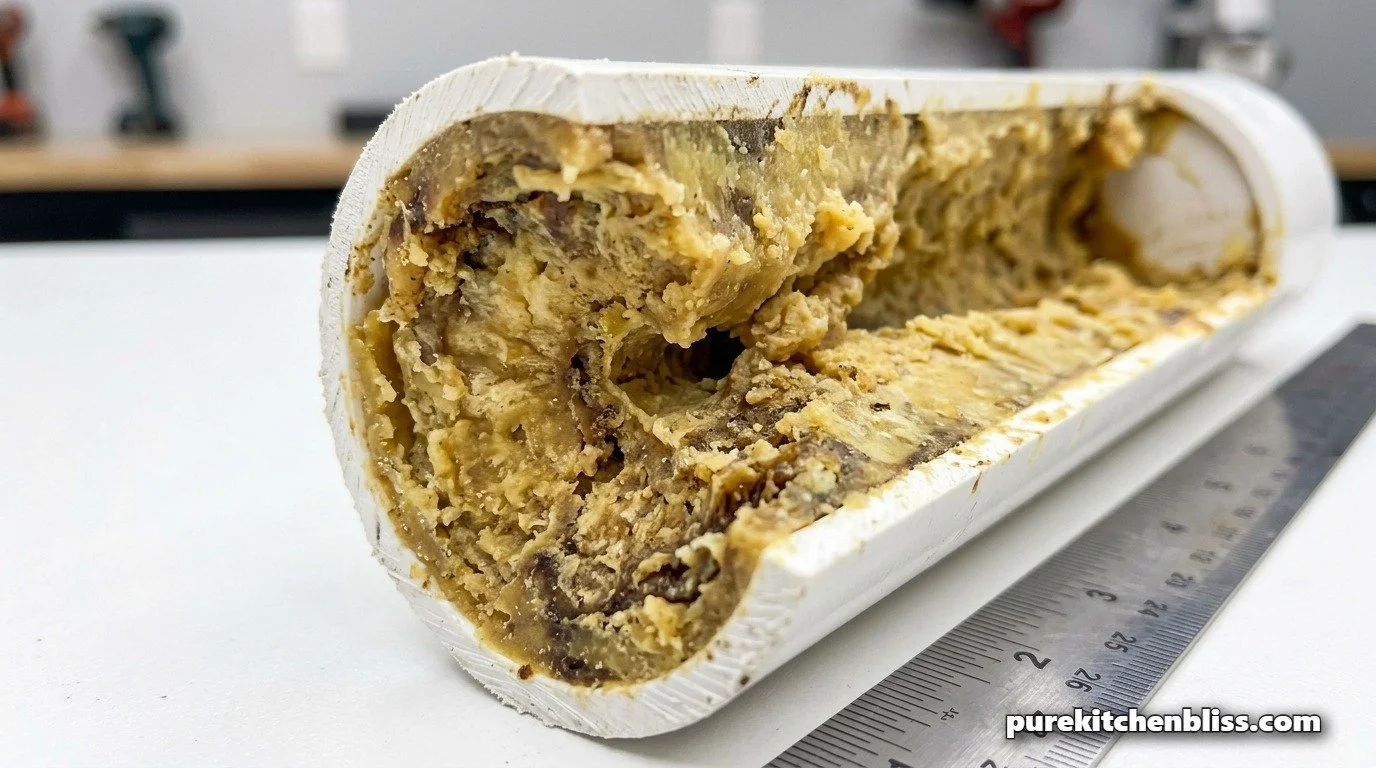
In a high-performance kitchen sanctuary, the most dangerous substance you can handle isn't a sharp knife or a hot flame, it’s used cooking oil. Most homeowners treat their workstation sink like a universal waste bin, but as a builder, I’ve seen the "fatbergs" that form when grease meets cold pipes.
Pouring oil down the drain is a direct attack on the mechanicals of your home. It coats the interior of your PVC or cast-iron rough-in, trapping food particles and eventually causing a total systemic failure. To protect the fabric of your plumbing, you need a technical approach to grease management.
1. The "Contain and Consolidate" Method
For liquid oils (vegetable, canola, and peanut), the only professional solution is total containment.
The Process: Never pour warm oil into the trash. Let it cool completely and use a dedicated "Grease Jar", ideally a non-recyclable metal tin or a glass jar with a threaded lid.
The Benefit: This prevents leaks in your waste bins and keeps the scent from attracting pests, maintaining the sterile integrity of your sanctuary.
2. The "Solidify and Scrape" Technique
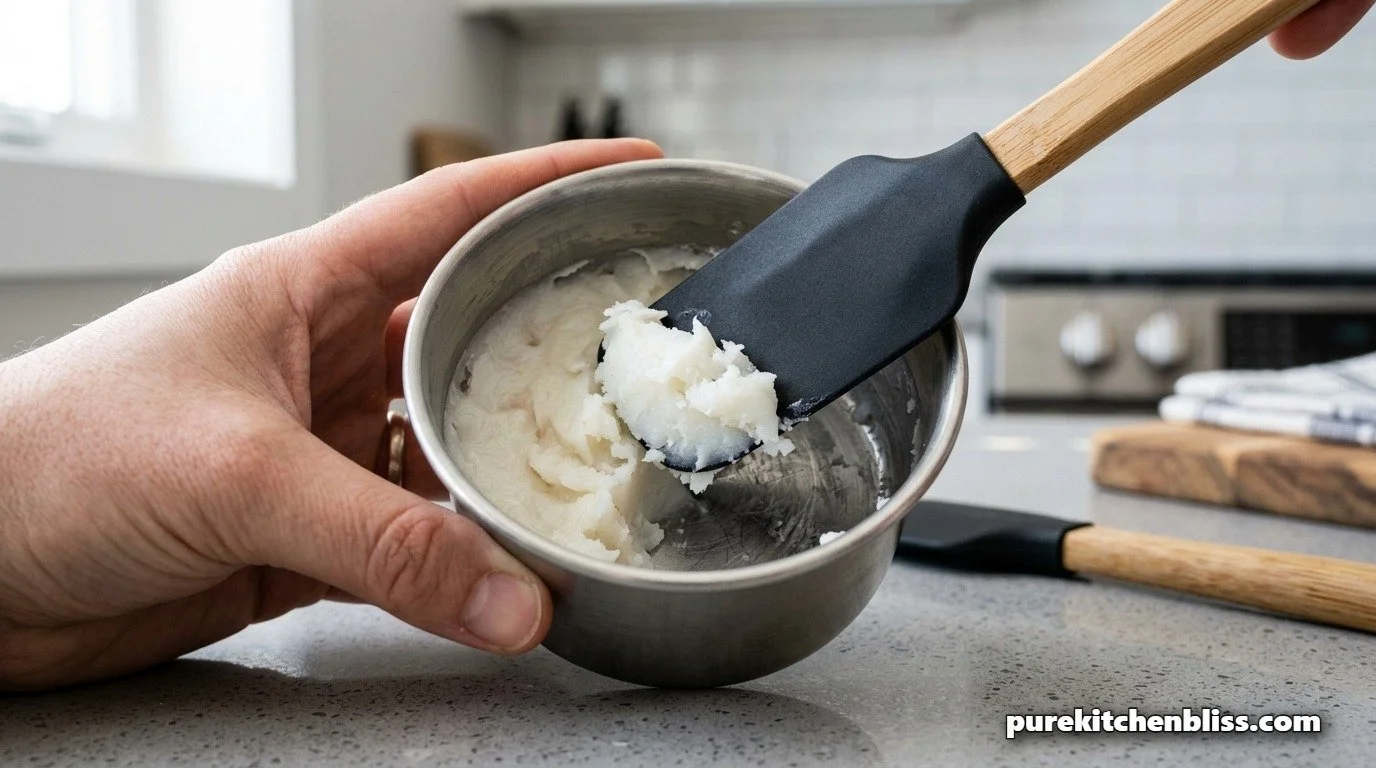
Fats that are solid at room temperature (bacon grease, lard, butter) should never see a drop of water.
The Process: Pour the hot grease into a small bowl and place it in the fridge. Once it reaches a "puck" consistency, scrape it directly into the organic waste or trash using a silicone spatula.
The Technical Edge: This protects your soft-close mechanicals from the vibration of a heavy-duty disposal unit trying to grind through congealed fats.
3. Absorption: The "Oil-Dry" Approach
For small amounts of oil left in a skillet or sheet pan, do not rinse them in the sink, even with organic cleaning products.
The Process: Use a paper towel or, better yet, a handful of sawdust (a carpenter’s secret) to absorb the liquid oil before washing.
The Logic: This ensures that when you do finally wash the pan, only trace amounts of lipids enter your hard water defense systems.
Comparison: Grease Disposal Impact
| Method | Plumbing Risk | Mechanical Safety |
|---|---|---|
| Drain Pouring | Extreme (Fatberg risk) | Zero (Causes failure) |
| Containment | Zero Risk | Full Protection |
4. Local Bio-Fuel Recycling
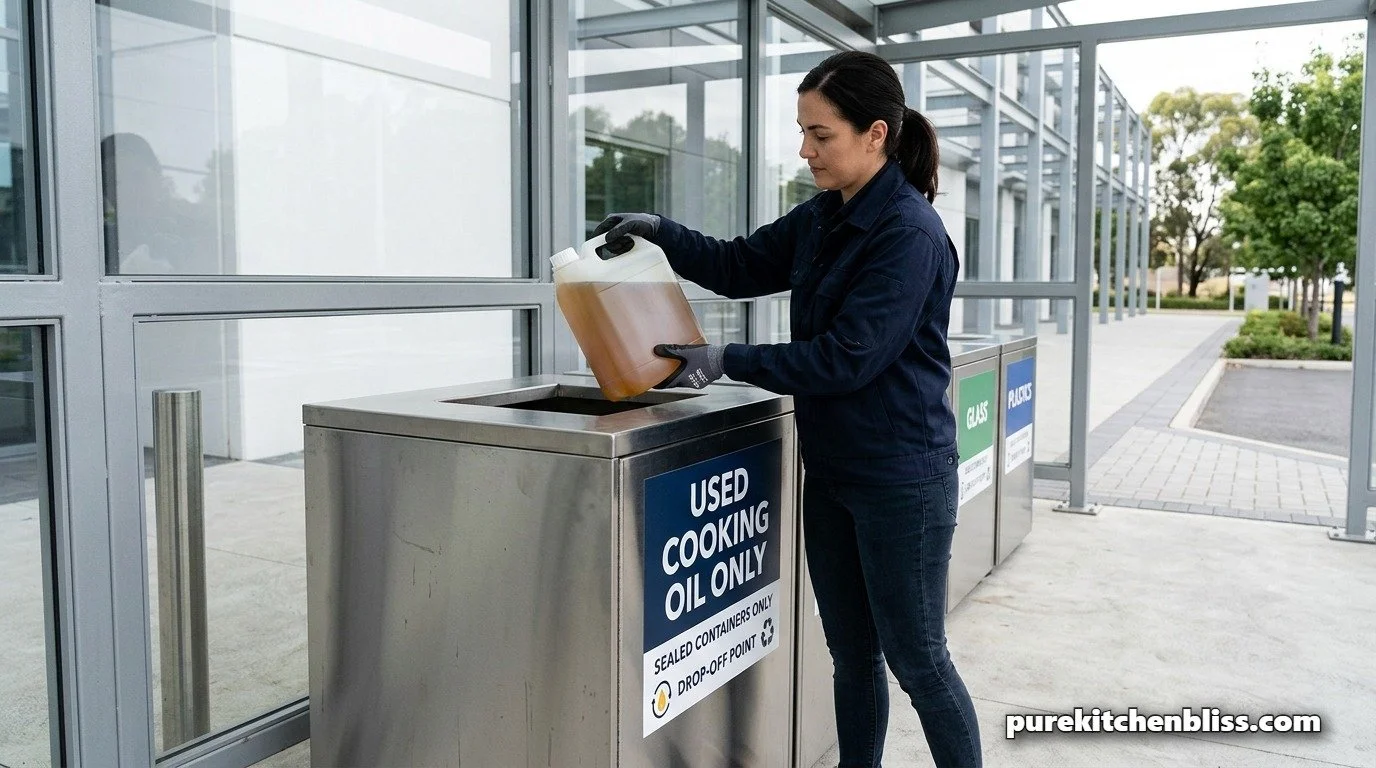
For the ultimate "Sanctuary" move, look for a local waste-to-energy program.
The Tech: Many municipalities now offer "Used Cooking Oil" (UCO) drop-offs. This oil is refined into high-grade biodiesel.
The Cycle: Instead of clogging your rough-in, your waste becomes the fuel that powers the next generation of transport.
5. The "Freezer Jar" Trick
If you don't have a recycling center nearby, keep your grease jar in the freezer. This keeps the oil in a "suspended" solid state, preventing it from turning rancid and causing the smelly dishwasher odors that can travel through shared vent stacks.
Next Up: Achieving a perfect built-in look requires more than just a counter-depth unit. See our The Zero-Clearance Flush: Refrigerator Ventilation & Rough-In Guide