How to Soften Stiff Kitchen Towels with a Simple Citric Acid Trick
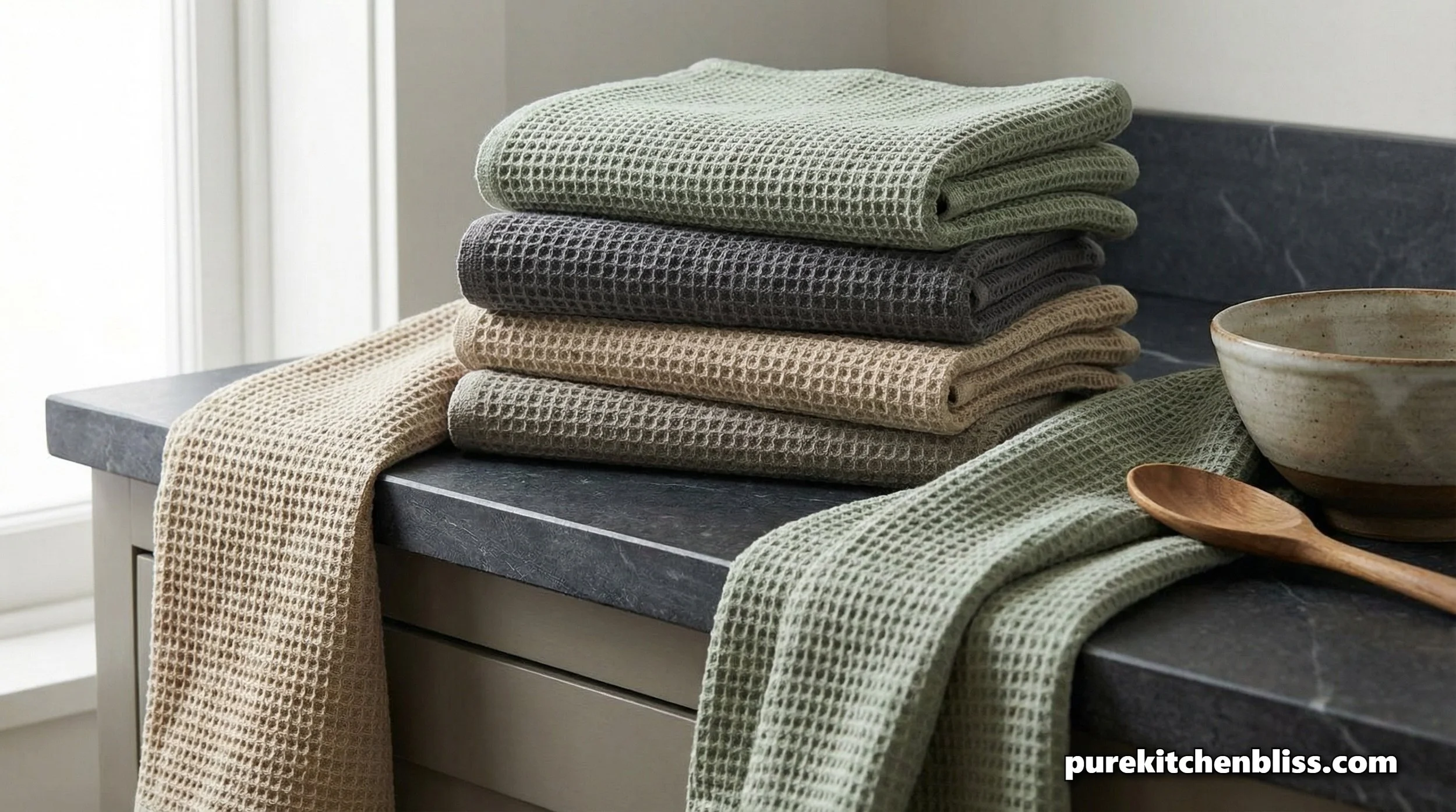
If you’ve noticed your favorite linen kitchen towels have become scratchy, stiff, and less absorbent, you aren't alone. In the high-performance sanctuary , we often blame the dryer or the detergent. However, the real culprit is "Invisible Infrastructure" failure: mineral stripping.
Hard water contains calcium and magnesium that bond to fabric fibers, creating a literal "crust" that repels water. While vinegar is the traditional DIY fix, it leaves a lingering salad-dressing scent and can degrade rubber seals in your appliances. Enter Citric Acid, the odorless, food-safe powerhouse that is currently taking the "Builder" community by storm.
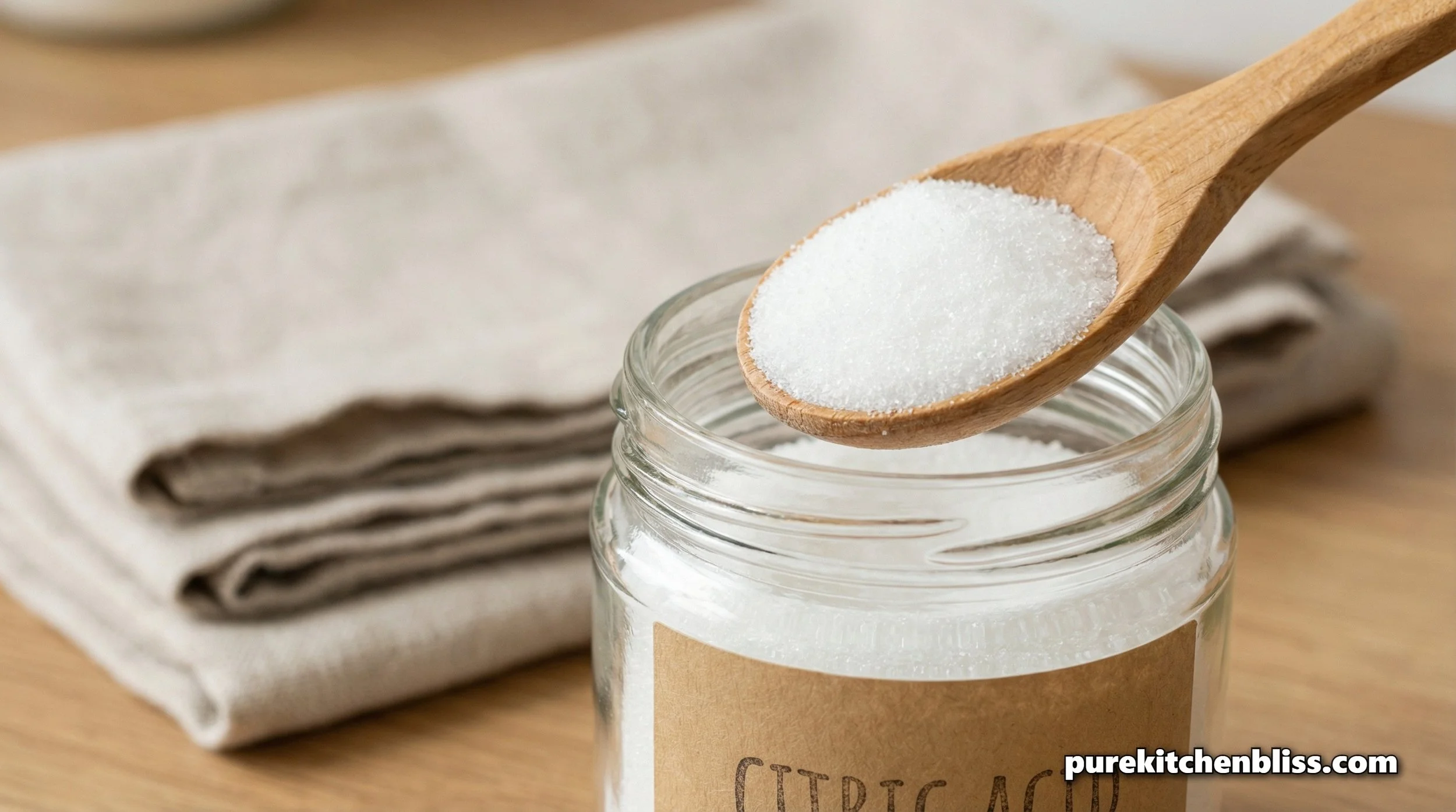
1. The Science: Why Citric Acid Beats Vinegar
Vinegar is roughly 5% acetic acid. Citric acid, when mixed with water, is a much more concentrated chelating agent. This means it "grabs" onto the minerals in your towels and pulls them out of the fibers more efficiently.
In the kitchen, where we prioritize the versatile uses for Castile soap, citric acid is the perfect partner. While Castile soap is amazing, it can react with hard water to create "soap scum." A citric acid rinse neutralizes that reaction, leaving your towels as soft as the day you bought them.
2. The Towel Softening Protocol
To restore your kitchen towels, you don't need a special cycle. You simply need to bypass the fabric softener, which actually coats fibers in a water-repellent wax, and use this instead:
The Solution: Dissolve 2 tablespoons of food-grade citric acid powder in 1 cup of warm water.
The Application: Pour this mixture directly into the fabric softener compartment of your washing machine.
The Result: The acid will neutralize the pH of the wash water during the final rinse, stripping away the mineral "crunch" and leaving the fibers open and absorbent.
3. Expanding the Trick: Kitchen Infrastructure Descaling
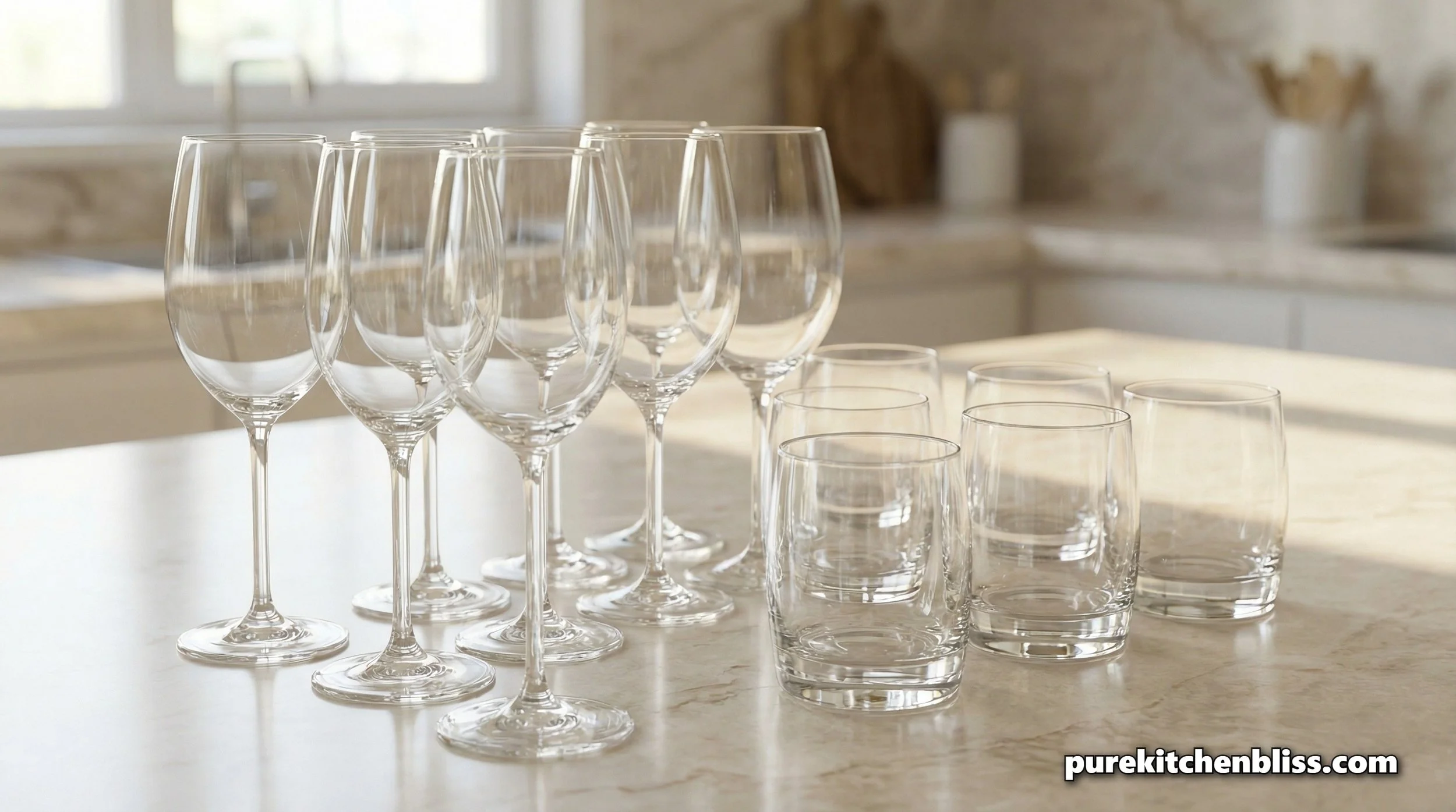
The "Towel Trick" works because it addresses mineral buildup. That same buildup is likely affecting your most used appliances. If you live in an area with hard water, your modern kitchen lighting might be revealing "cloudiness" on your glassware and white flakes in your kettle.
The Dishwasher Reset
If your glasses are coming out cloudy, your dishwasher’s internal heating element is likely coated in scale.
The Fix: Place 2 tablespoons of citric acid powder in the bottom of an empty dishwasher and run a hot cycle. It will dissolve the scale on the arms and the heating element, making the machine run like new.
The Electric Kettle Boil
If the bottom of your kettle has a white, chalky crust, it takes longer to boil and wastes energy.
The Fix: Boil a full kettle with 1 tablespoon of citric acid. Let it sit for 15 minutes, then rinse. The metal will be sparkling and reflective, mirroring the polish of your gold hardware.
4. Comparison: Vinegar vs. Citric Acid
| Feature | White Vinegar | Citric Acid Powder |
|---|---|---|
| Odor | Strong, pungent scent | Completely odorless |
| Mineral Stripping | Moderate (requires high volume) | High (Concentrated) |
| Appliance Safety | Can degrade rubber gaskets | Safe for gaskets & metal |
| Storage Space | Bulky gallon jugs | Compact, stable jar |
5. Safety Tip: What to Avoid
While citric acid is a "miracle" for towels and stainless steel, it is a powerful acid. Never use citric acid on natural stone countertops. As we discussed in our guide to light vs. dark countertops, materials like marble and limestone are calcium-based. Citric acid will "eat" the surface, causing permanent dull spots known as etching. Always keep your citric acid soaking in the sink or inside the appliance itself.
Conclusion: The Simple Shift to Softness Maintaining a high-performance kitchen isn't always about expensive upgrades; sometimes it’s about better chemistry. By replacing your fabric softener with a simple citric acid rinse, you protect your towel infrastructure and keep your kitchen running efficiently.
Keep your kitchen infrastructure pristine:
Deep clean your airflow: How to degrease your range hood
Manage moisture: Kitchen mold hot spots
Choose the right surfaces: Best flooring for modern kitchens