As the temperatures climb toward the end of May, the "mechanical" integrity of your kitchen is put to a new test. In our guide to microwave safety, we discussed protecting your appliances; now, we address the biological threats to your kitchen sanctuary.
When bugs, specifically fruit flies, house flies, and sugar ants, infiltrate a kitchen, it is rarely a failure of "cleaning." It is usually a failure of the envelope. As a builder, I view pest control as a "rough-in" problem. If you don't seal the entry points and manage the organic waste infrastructure, no amount of spray will keep the sanctuary sterile.
1. Hardening the Envelope: The Structural Seal
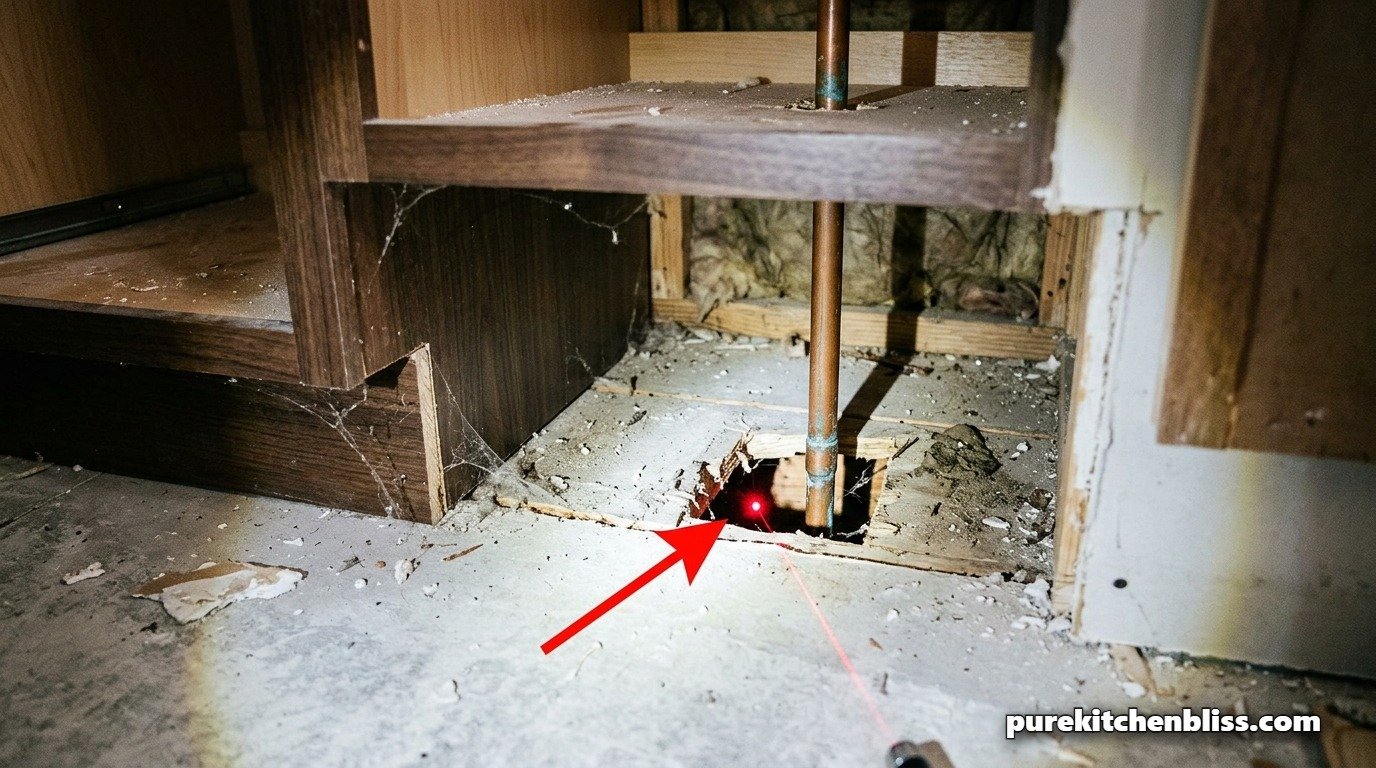
Most bugs don't walk through the front door; they use the gaps in your mechanical rough-in.
The Pipe Penetrations: Check the "holes" under your workstation sink. If the plumbing penetrations through the drywall or floor aren't sealed with expandable foam or silicone caulk, they are "super-highways" for ants.
The Window Gaskets: Inspect the weather stripping on your kitchen windows. If you can see light through the seal, a fly can smell your compost from a mile away.
2. Managing the "Organic Load"
Bugs are attracted to the volatile organic compounds (VOCs) released by decaying food.
The Grease Trap: As noted in our oil disposal guide, grease buildup in pipes acts as a breeding ground for drain flies.
The Solution: Use an enzymatic drain cleaner (not a caustic one) once a week in May to digest the organic "film" inside your pipes. This removes the nursery where flies lay their eggs.
3. Comparison: Physical vs. Chemical Defense
| Defense Method | Target | Sanctuary Impact |
|---|---|---|
| HEPA Air Filtration | Airborne VOCs/Odors | Zero Chemicals |
| Synthetic Sprays | Active Pests | Respiratory Irritant |
| Silicone Caulking | Entry Routes | Permanent Fix |
4. The Countertop Sanctuary: Fruit Fly Strategy
Fruit flies aren't just "born" from old bananas; they are hitchhikers that enter on store-bought produce.
The Wash Routine: The moment you bring produce home, wash it. Removing the microscopic eggs from the skin of the fruit immediately halts the lifecycle.
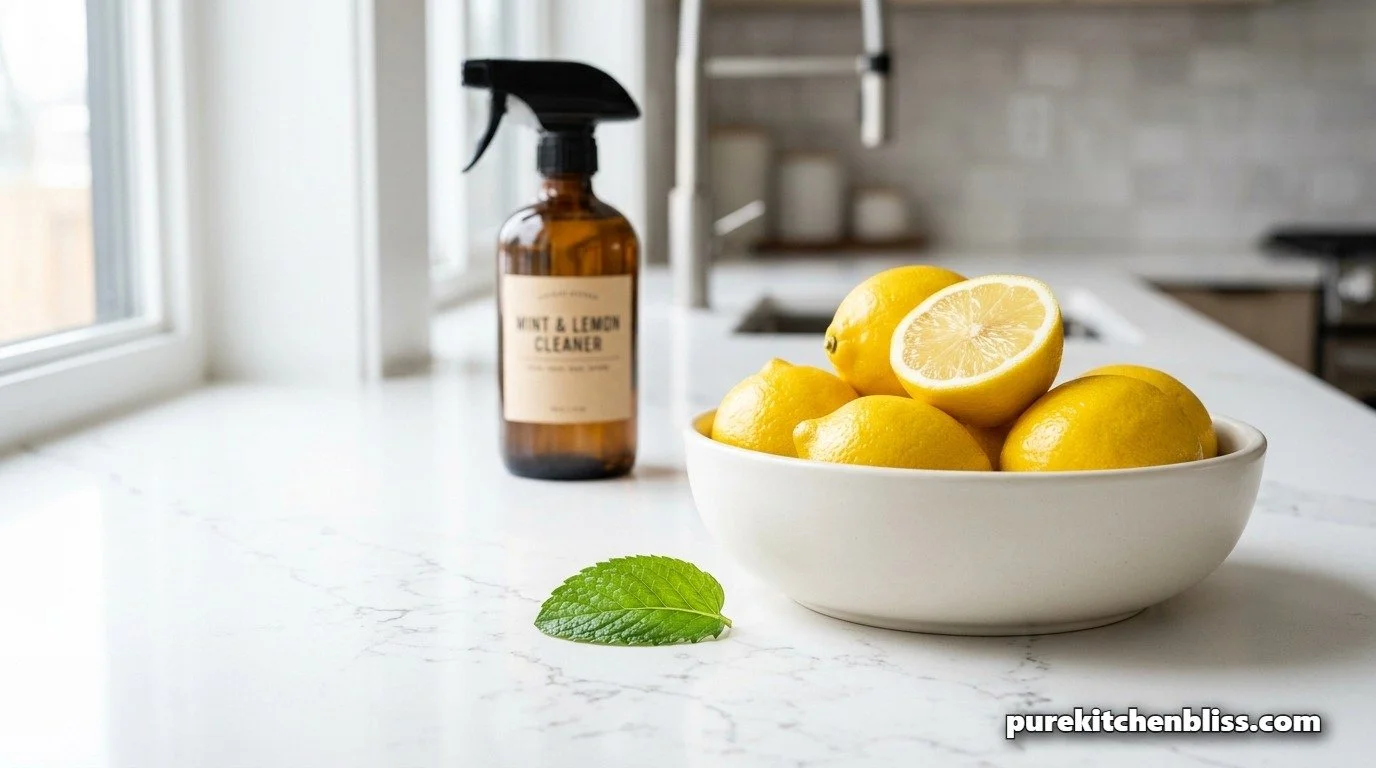
The Organic Barrier: Use organic cleaning products with peppermint or eucalyptus oil. These scents act as a natural "cloaking device," masking the smell of ripening sugars from scouting insects.
5. Trash Infrastructure: The "Lid-Lock"
If your trash is hidden behind a soft-close cabinet door, that is a good start, but it isn't enough.
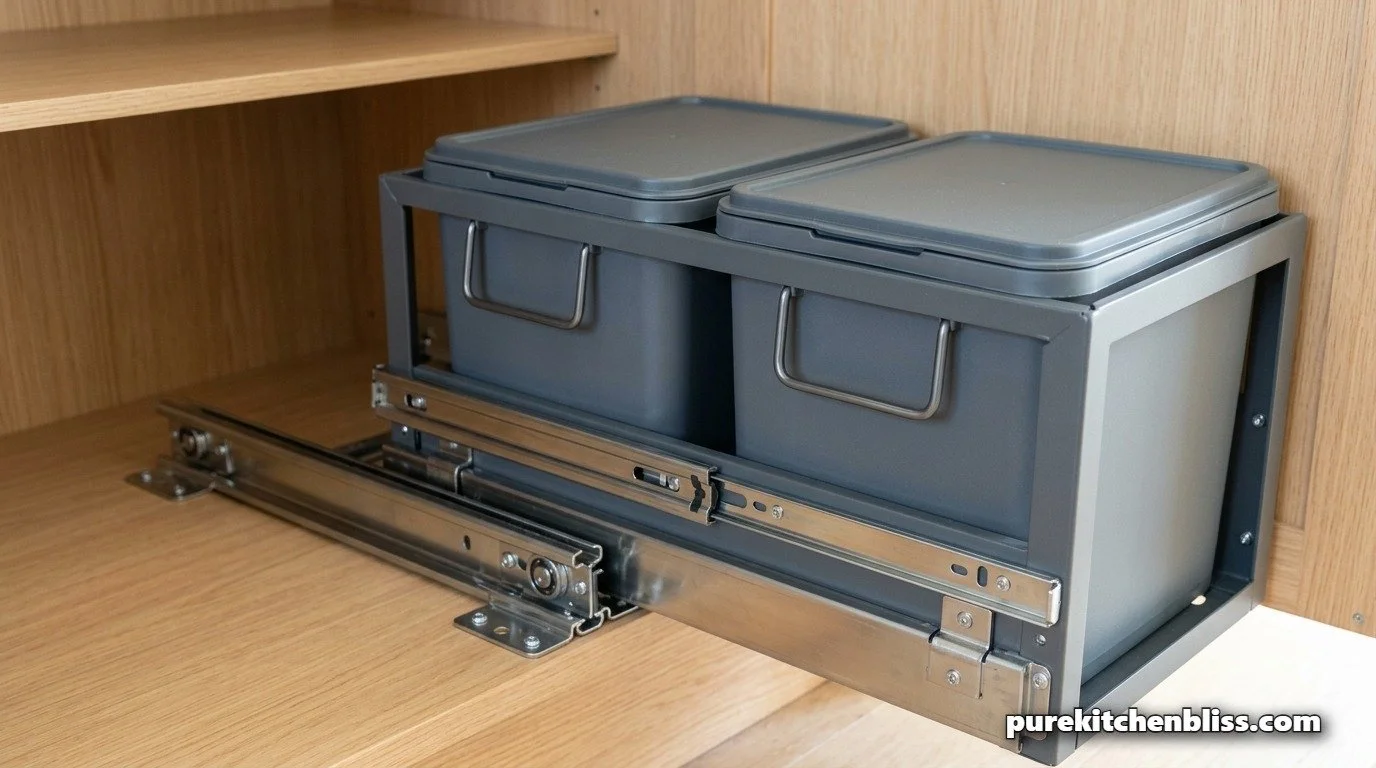
The Pull-Out Reality: The cabinet box itself can trap odors.
The Builder's Move: Line the bottom of your pull-out trash drawer with a cedar plank or a charcoal odor absorber. This neutralizes the "scent trail" that leads ants through your home’s foundation and into your cabinetry.
6. Managing the Standing Water
Bugs need water more than they need food. A leaky faucet or a damp sponge is a literal oasis.
The Dry-Down: Every night, use a microfiber cloth to dry the basin of your sink.
The Dishwasher Check: Ensure your dishwasher is draining fully. If you have lingering water in the bottom, you likely have a smelly dishwasher drain issue that is inviting pests into the machine's internal mechanicals.