How to Organize Your Fridge and Freezer for Maximum Freshness
Your refrigerator is the most hardworking appliance in your home, but it’s rarely used to its full potential. Most of us treat the fridge like a "drop zone" for groceries, stuffing items wherever they fit. But a disorganized fridge isn't just a headache, it leads to spoiled food, wasted money, and even food safety risks.
To turn your fridge into a high-performance system, you need to understand how temperature zones work, how produce reacts to its neighbors, and how to store your food so it stays at peak freshness. Here is how to audit your cooling infrastructure and organize it for better results.
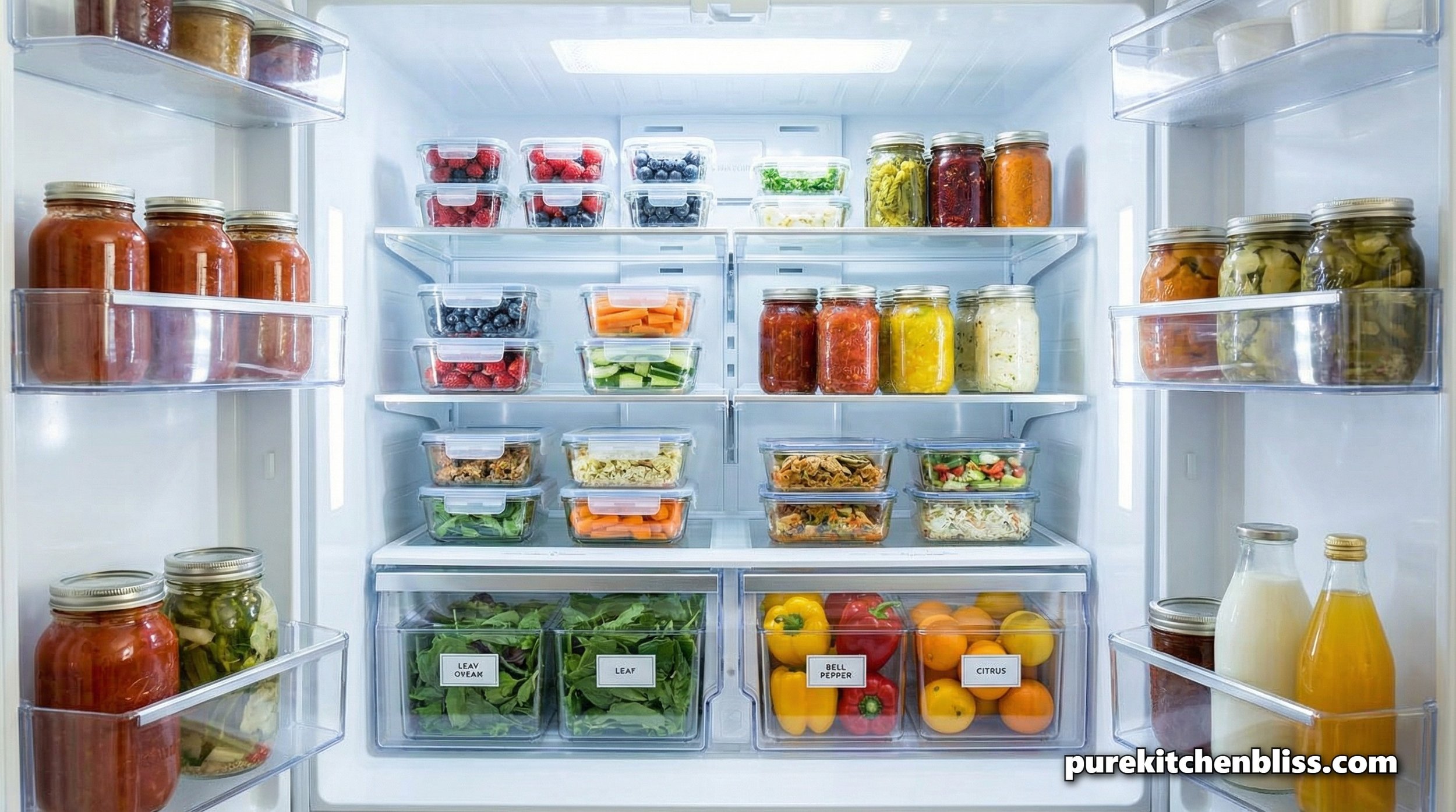
1. Understanding Fridge Temperature Zones
Every fridge has "hot spots" and "cold spots." If you’ve ever had your milk go sour before the expiration date or found your lettuce frozen in the crisper, your food is likely in the wrong zone.
The Coldest Zone (Back of the Bottom Shelf): This is where temperatures are most stable and lowest. Store your milk, eggs, and raw meats here. Never store milk in the door—it’s the warmest part of the fridge.
The Middle Zone: Perfect for leftovers, yogurt, and cheese.
The Crisper Drawers: These aren't just for show. They are designed to control humidity. Keep leafy greens and vegetables here.
The Door: This is the warmest area, as it's exposed to the room air every time you open the door. Only store condiments, sauces, and items that don't spoil easily here.
| Zone | Temperature Profile | What to Store Here |
|---|---|---|
| Top Shelf | Consistent & Moderate | Leftovers, drinks, and deli meats. |
| Bottom Shelf | Coldest & Most Stable | Milk, eggs, raw meats, and dairy. |
| Crisper Drawers | Controlled Humidity | Vegetables, fruits, and leafy greens. |
| Door | Warmest & Fluctuating | Condiments, sauces, and juices. |
2. The Science of Produce: Managing Ethylene Gas
One of the most common reasons for premature spoilage is "Ethylene Gas." Some fruits and vegetables are high producers of this gas (think apples, bananas, and avocados), while others are highly sensitive to it (think lettuce, broccoli, and carrots).
If you store a bowl of apples right next to a bag of spinach, the apples release gas that tells the spinach to "age" faster. Within a few days, your spinach turns yellow and slimy. To maximize freshness, try to separate your heavy gas producers from your sensitive leafy greens. Keep your apples and stone fruits in one drawer or on a separate shelf from your fragile green vegetables. This simple separation can add days to the life of your produce.
3. The "FIFO" System: Fighting Food Blindness
One of the biggest sources of food waste is the "black hole" at the back of the fridge. We buy a new tub of yogurt, push the old one to the back, and forget it exists until it grows fuzz.
Adopt the restaurant-style FIFO method (First In, First Out). When you bring new groceries home, pull everything currently in the fridge forward. Put the new items in the back. It takes three extra seconds while you’re unloading, but it prevents "food blindness", a state where you simply don't see what's in your fridge because it’s covered by newer items.
4. Freezer Best Practices: The Power of Thermal Mass
Freezer burn isn't caused by the cold; it’s caused by air. When air hits the surface of your food, it creates ice crystals that destroy the texture and flavor.
Remove the Excess: Before freezing, remove as much air as possible. Use a straw to suck air out of a Ziploc bag or use a vacuum sealer if you freeze in bulk.
The "Full" Rule: A full freezer is actually more efficient than an empty one. Frozen items act as "thermal mass," holding their temperature much better than air does. If your freezer is empty, it works harder every time the door opens. If you have extra space, fill it with jugs of water or bags of ice. They will help keep the temperature stable and help the freezer recover faster after you close the door.
5. Technical Efficiency: Keeping the Machine Happy
Your fridge is a mechanical system. If you treat it like a machine, it will last longer and run cheaper.
Airflow is Vital: Never overstuff your fridge so tightly that air cannot circulate. The cold air needs to move between the shelves to maintain an even temperature. If you block the vents (usually located at the back), your fridge will develop "hot spots."
Check the Seals: A fridge seal (the rubber gasket around the door) is like a window seal in your home. If it's cracked or loose, cold air escapes. Test it by closing the door on a piece of paper. If you can pull the paper out easily with the door closed, the seal is too loose and needs to be replaced.
Maintain the Coils: If your fridge has coils on the back or bottom, vacuum them every six months. A layer of dust on the coils acts like insulation, forcing your fridge to work 20% harder to stay cool.
6. Controlling Odors Naturally
You don't need fancy, artificial "fridge deodorizers." They often just mask smells rather than eliminating them.
Baking Soda: A simple open box of baking soda in the back of the fridge is still the best way to neutralize odors. It absorbs the smells naturally. Swap it out every three months.
Coffee Grounds: If you have particularly stubborn smells (like fish or garlic), a small bowl of dry, used coffee grounds (left over from your other prep work) works wonders for pulling odors out of the air.
7. What Not to Refrigerate
We often over-refrigerate items that don't need to be there.
Tomatoes: Keep them on the counter. The fridge turns them mealy and kills the flavor.
Onions and Garlic: These need airflow and darkness. Storing them in the fridge makes them soft, moldy, and spreads their smell to other foods.
Potatoes: Cold temperatures turn potato starch into sugar, changing the texture and taste. Keep them in a cool, dark pantry.
8. The Deep Clean: A Monthly Reset
Your fridge accumulates crumbs, sticky drips, and odors, even if you don't see them. Once a month, give it a quick "reset" before your big grocery trip:
Check for "Expireds": Go shelf by shelf and toss anything past its prime.
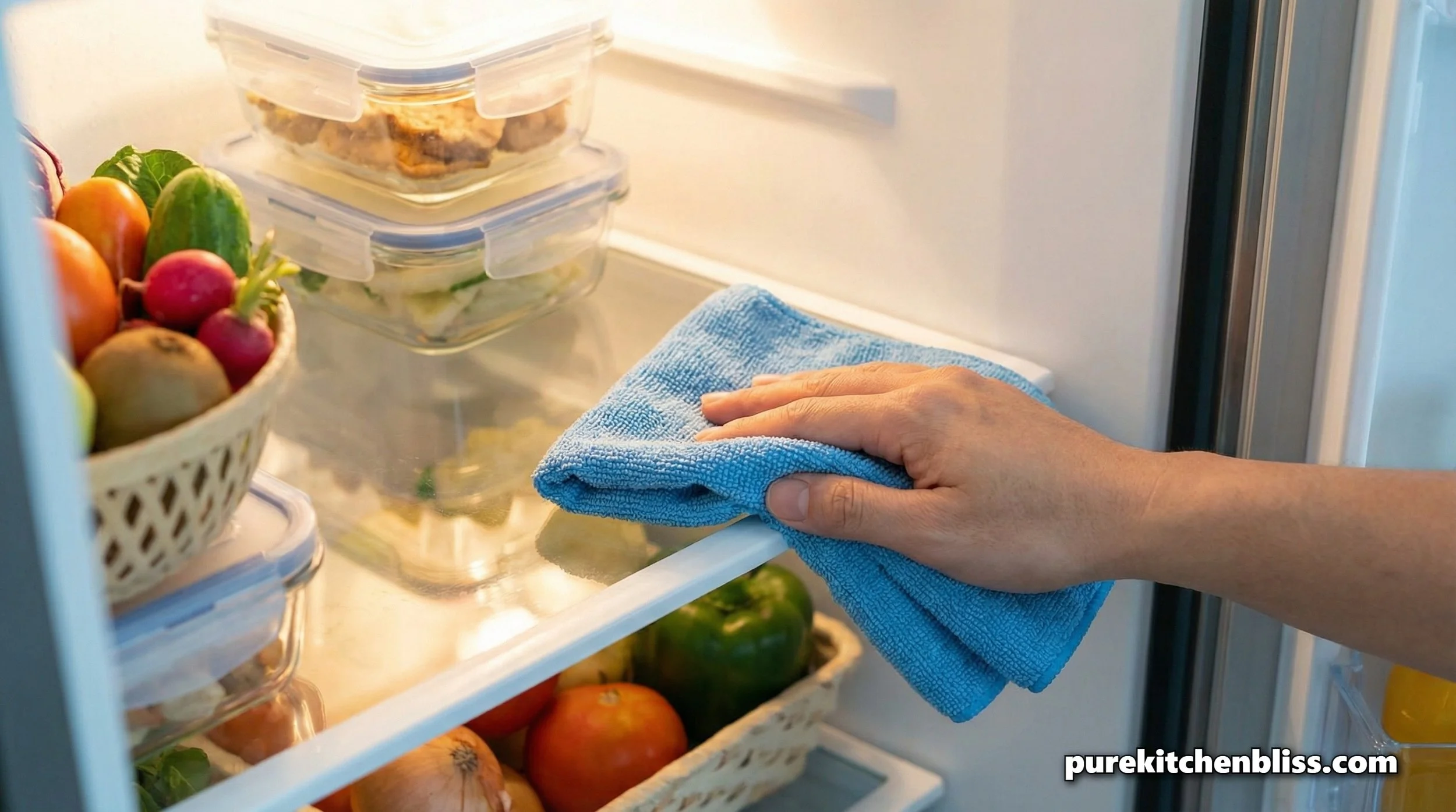
Wipe Down Surfaces: Use a mild soap and warm water (avoid harsh bleach, which can leave a residue near food).
Sanitize Handles: The handle is the most touched part of your kitchen. Wipe it down with a disinfectant wipe weekly.
Conclusion: A System That Works for You Organizing your fridge isn't just about making it look "Instagram-ready." It’s about creating a system that saves you time during your meal prep and saves you money by preventing food waste. When you know exactly what you have, where it lives, and how it interacts with its neighbors (like your sensitive greens vs. your ethylene-producing apples), you’ll find yourself cooking at home more often and enjoying your fresh, healthy ingredients to the fullest.
Want to keep your kitchen running at its best?
Keep your sink fresh: How to Fix a Smelly Kitchen Sink and Keep It Clean
Care for your prep tools: The Best Cutting Boards for Your Kitchen: Wood vs. Plastic
Stay safe while you cook: How Often Should You Really Wash Your Hands While Cooking?