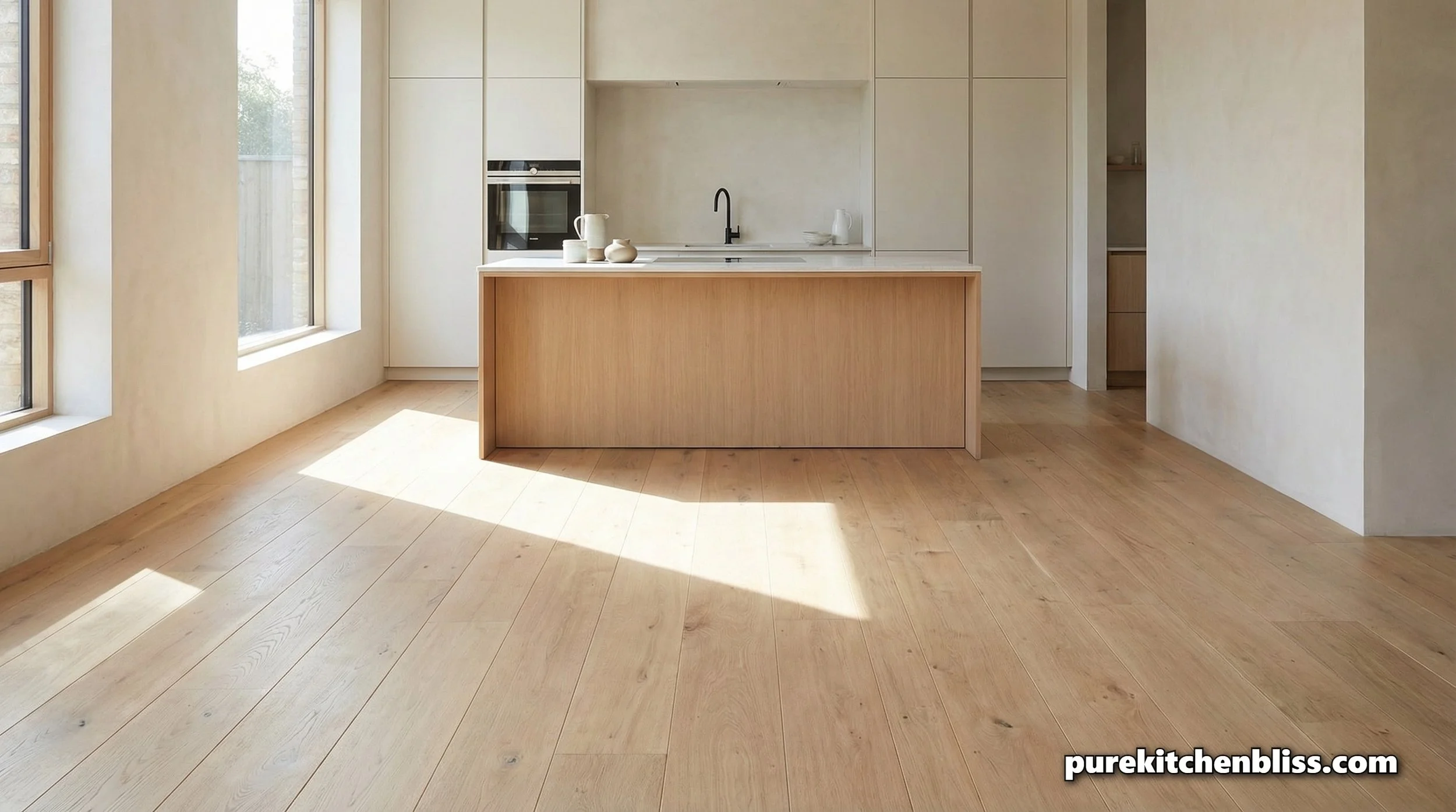
The Best Type of Flooring for a Modern Kitchen
Choosing the right flooring for a 2026 modern kitchen is about balancing high-performance infrastructure with the "Tactile Sanctuary" aesthetic. In a space where spills, heavy foot traffic, and dropped cast-iron pans are a reality, your flooring needs to be more than just a visual backdrop, it needs to be resilient.
The modern kitchen has moved away from the "all-white, all-gloss" look of the early 2020s. Today, we prioritize materials that age gracefully and provide a sensory experience. Whether you are looking for the warmth of wood or the industrial permanence of stone, your floor is the largest surface area in the room, and it dictates the ergonomic comfort of your entire cooking workflow.
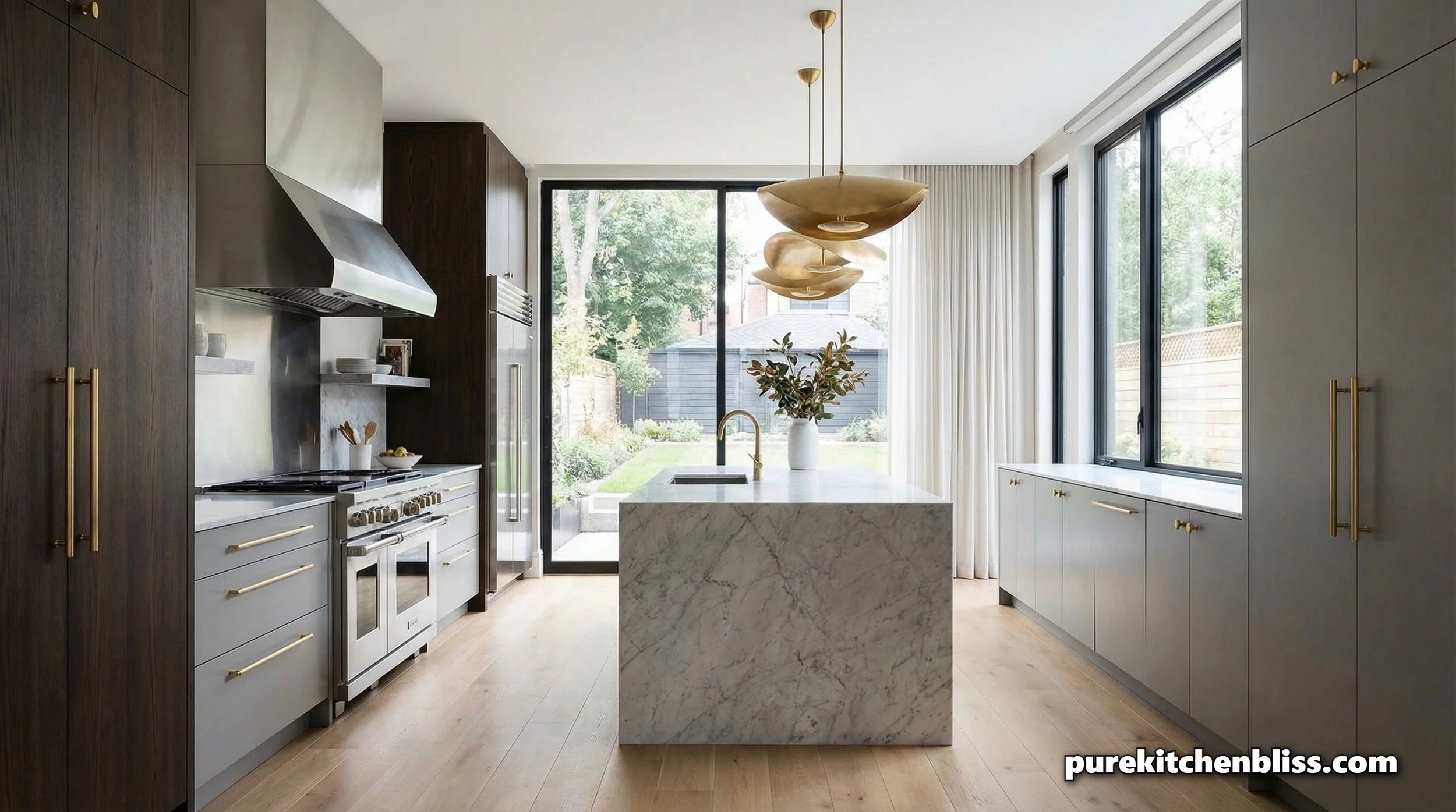
Is the Gold Trend Back in 2026?
If you walk into a high-end showroom in 2026, you’ll notice something immediately: the "jewelry" of the kitchen has changed. For years, we were told that gold was a fleeting trend, a flashy choice that would date a home as quickly as the polished brass of the 1980s. But as we settle into the high-performance sanctuary aesthetic, gold hasn't just returned; it has matured.
The "New Gold" of 2026 isn't the yellow, reflective plating of the past. It has evolved into soft, muted tones like Champagne Bronze, Honey Brass, and Aged Gold. These finishes are now being treated as "warm neutrals" rather than accent colors. They provide the necessary warmth to balance the deeper, moody cabinet colors, like forest green and navy, that are currently dominating modern design.
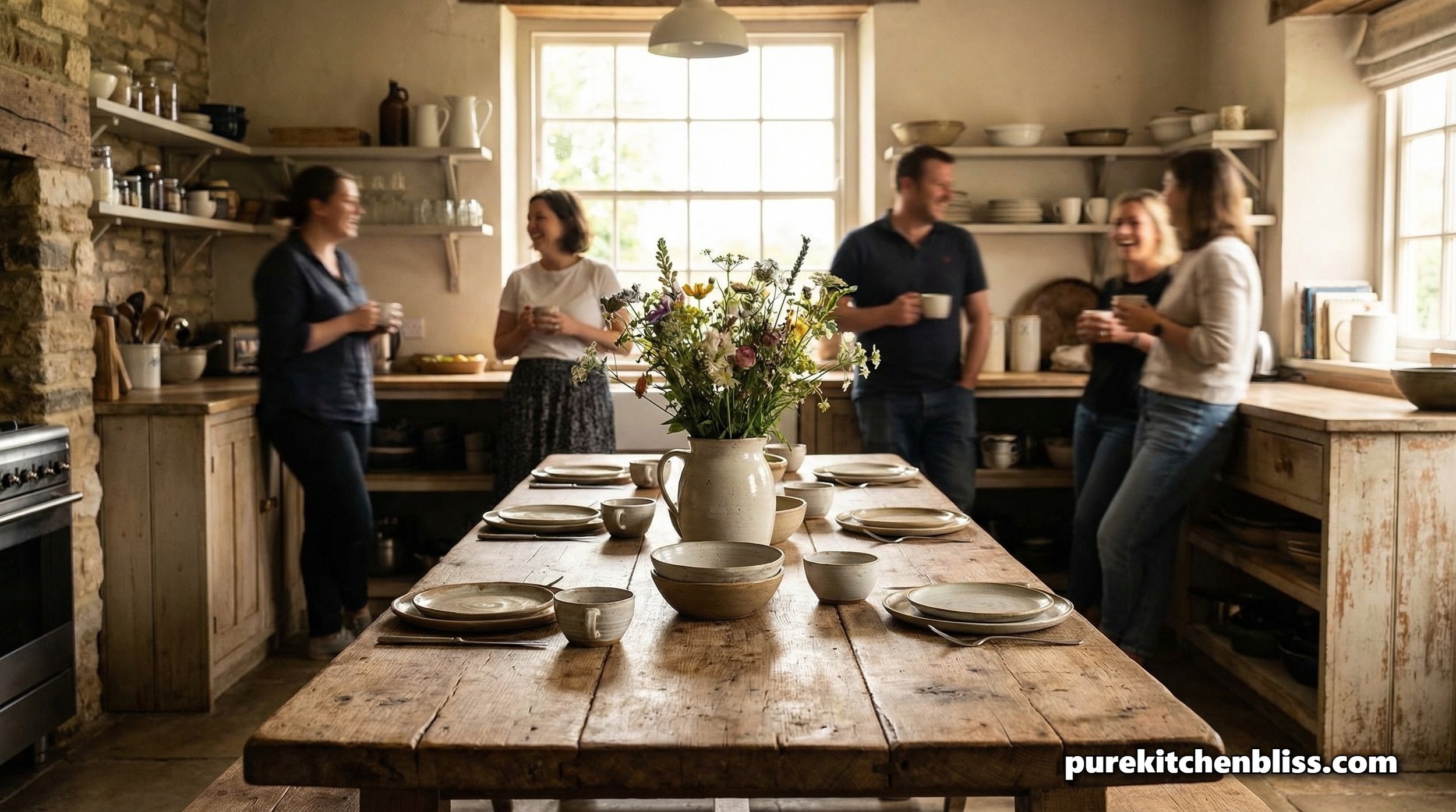
Top 5 Kitchen Trends in 2026: The High-Performance Sanctuary
For years, the goal of kitchen design was to make the heart of the home look as "invisible" as possible. We saw an endless era of handle-less cabinets, integrated fridges that looked like closets, and induction hobs that disappeared into the countertop. But as we move through 2026, the "Invisible Kitchen" is officially dead.
In its place is the High-Performance Sanctuary. Homeowners are no longer interested in a kitchen that looks like a sterile laboratory; they want a space that feels like a workshop—warm, textured, and deeply functional. We are seeing a return to "Mechanical Beauty," where the tools of the trade are part of the decor. From the resurgence of the walk-in larder to the death of the "Operating Room" lighting, here are the top 5 kitchen trends defining 2026.
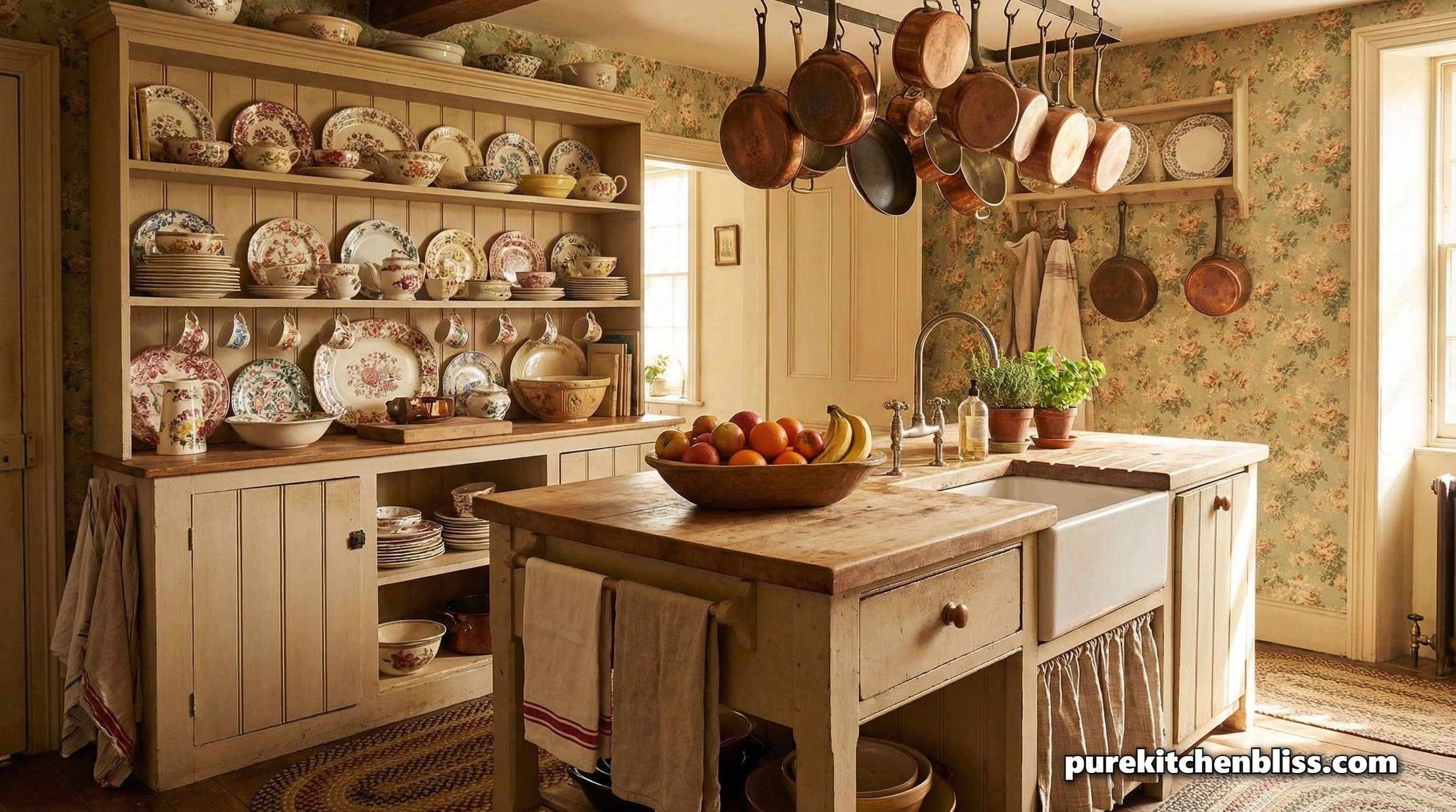
Why "Grandma’s Decor" is the Biggest Kitchen Trend of 2026
For the last decade, the "Modern Minimalist" kitchen reigned supreme. We saw an endless sea of cold white marble, handle-less gray cabinets, and hidden appliances that made the heart of the home look more like a laboratory than a living space. But as we move through 2026, the pendulum has swung violently in the opposite direction.
"Grandmacore", or more formally, Cottagecore Evolution, is the defining aesthetic of the year. We are seeing a massive return to the warm, cluttered, and highly functional kitchens of our grandparents. This isn't just about nostalgia; it's a reaction to a high-tech world. People are craving "tactile infrastructure", surfaces that show wear, tools that last a lifetime, and a sense of soul that a polished quartz slab simply cannot provide.
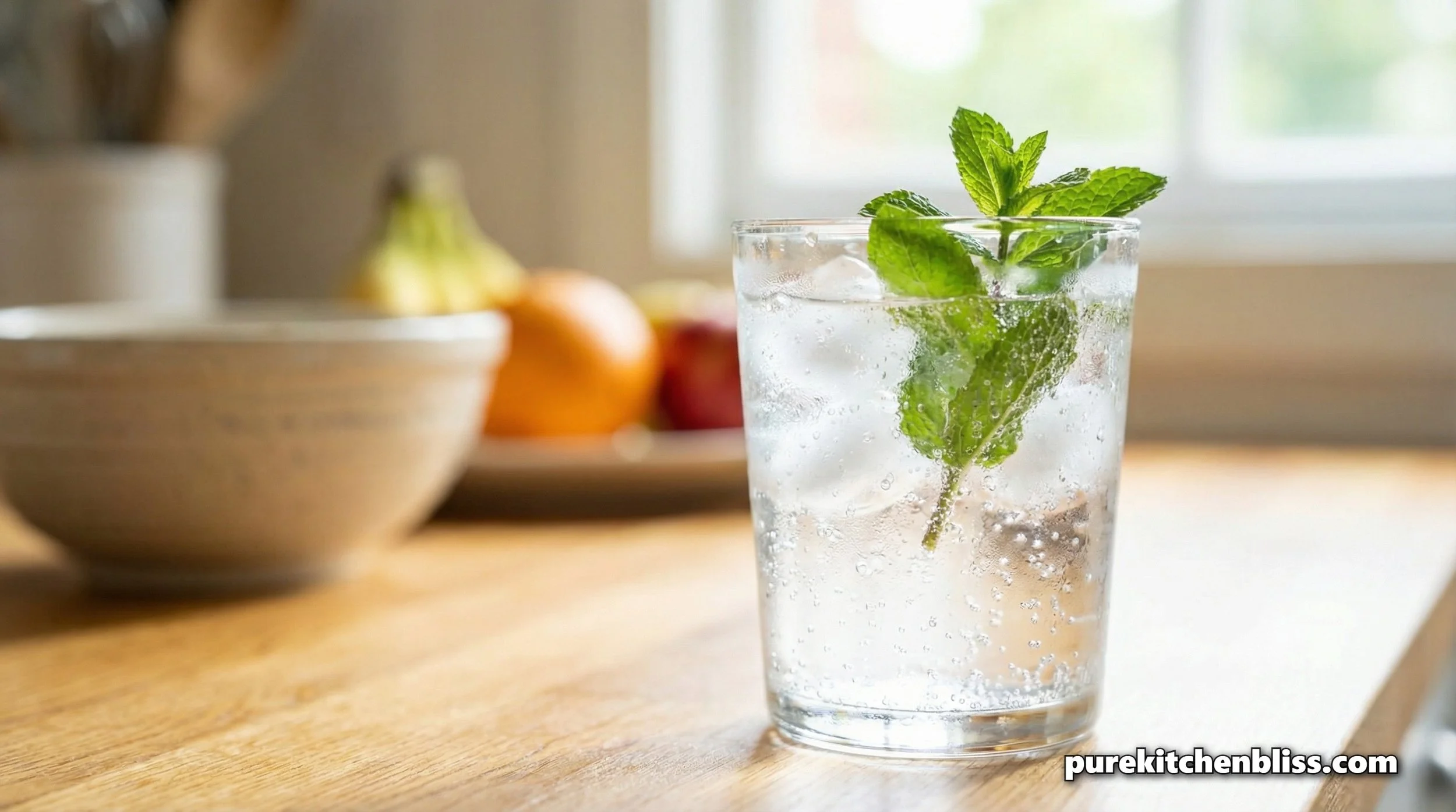
How to Grow Mint Indoors Without It Taking Over
Mint is the champion of indoor gardening. It is remarkably resilient, grows with a vigor that can catch a beginner off-guard, and can survive in environmental conditions that would kill other, more delicate herbs like basil or cilantro. However, mint has a reputation for being "invasive," which is a problem if you have a massive outdoor garden but a great benefit if you are growing it in a controlled container on your kitchen counter. It is the perfect "anchor" plant for anyone who wants to learn the mechanics of high-yield indoor growing, as it provides immediate feedback on your care routines. If you treat it like the aggressive grower it is, you will have a year-round supply of fresh leaves for teas, cocktails, and culinary garnishes.
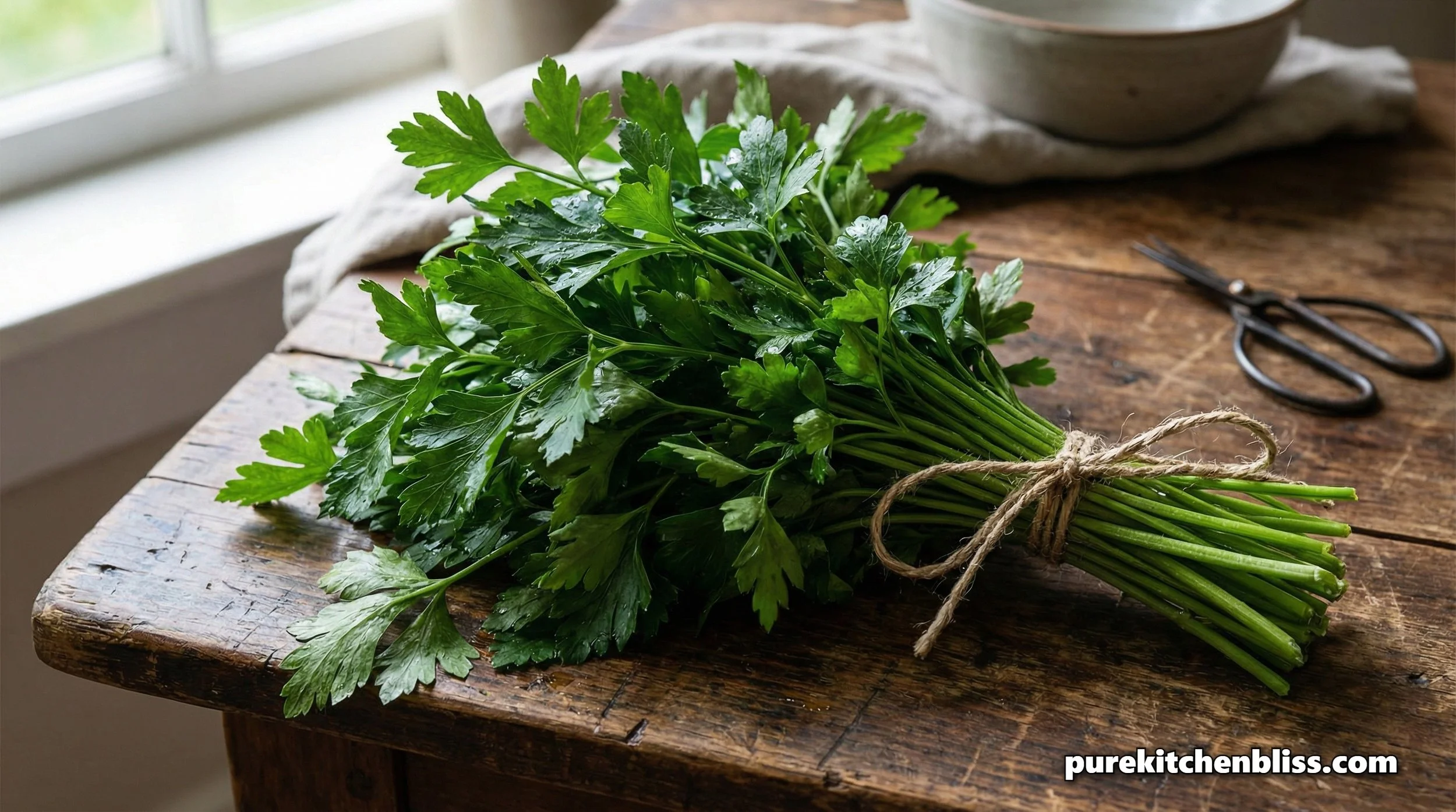
The Expert Guide to Growing Parsley Indoors
Parsley is the workhorse of the kitchen. Whether you’re chopping it for a chimichurri, garnishing a roast, or adding it to a sauce, it brings a fresh, earthy brightness that is impossible to replicate with dried store-bought versions. Growing parsley indoors is surprisingly easy, provided you give it the right "container infrastructure." Unlike basil, which craves high heat, or mint, which is an aggressive grower, parsley requires a more measured, patient approach. It is a biennial plant, meaning it grows through one full season, rests, and then finishes its life cycle in the second. If you treat it with respect and understand its specific root requirements, it will reward you with fresh, vibrant leaves long after other herbs have bolted or withered.
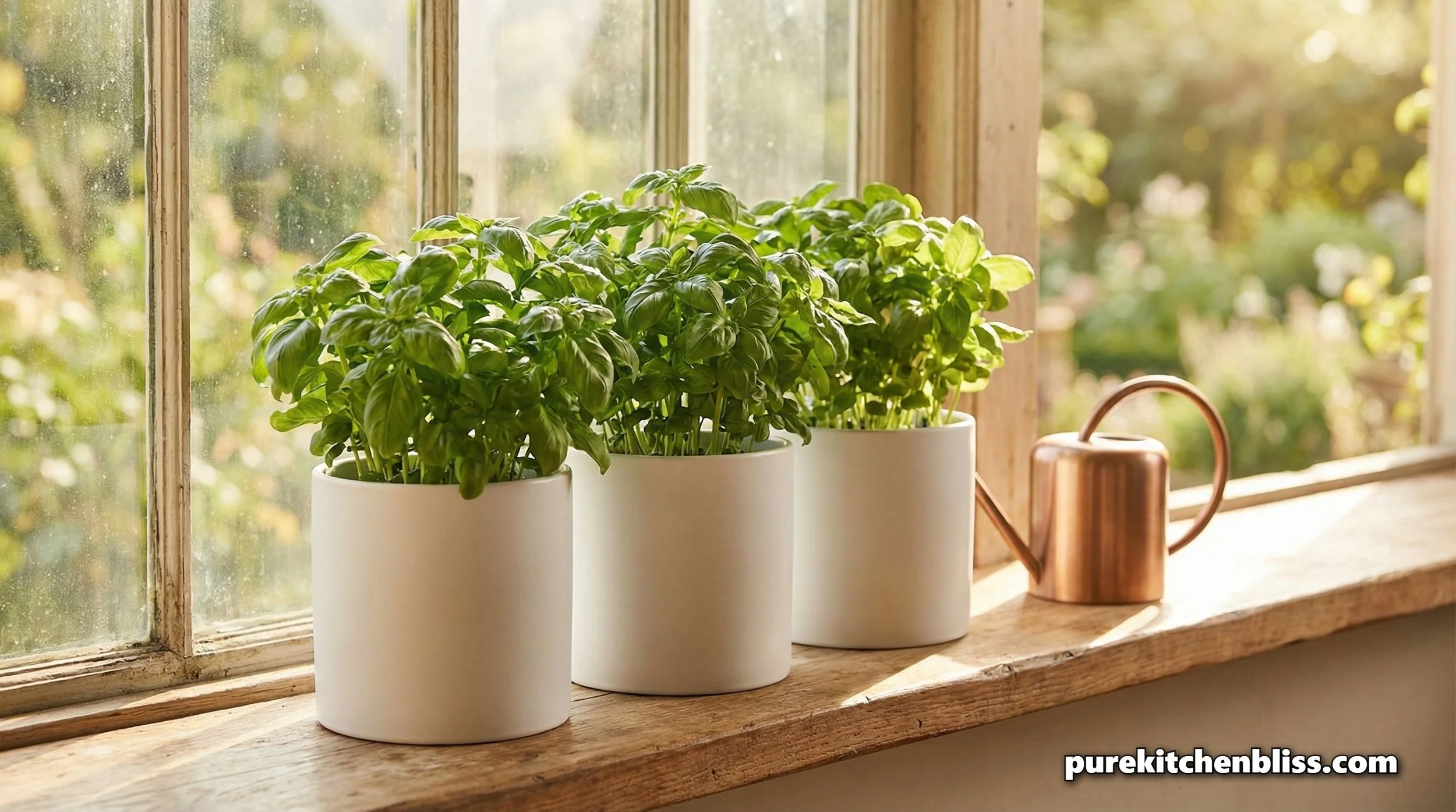
How to Grow Basil Indoors: The Expert Care Guide
If you love fresh pesto, caprese salads, or a simple garnish for your pasta, basil is the one herb you absolutely need in your kitchen. But basil is also notoriously difficult to keep alive indoors. It isn't a "set it and forget it" plant; it is a high-demand biological system that requires specific environmental inputs to thrive.
When you get it right, a single basil plant can provide you with leaves for months. When you get it wrong, it grows tall, spindly, and dies within weeks. Here is how to build a high-performance basil station on your kitchen counter.
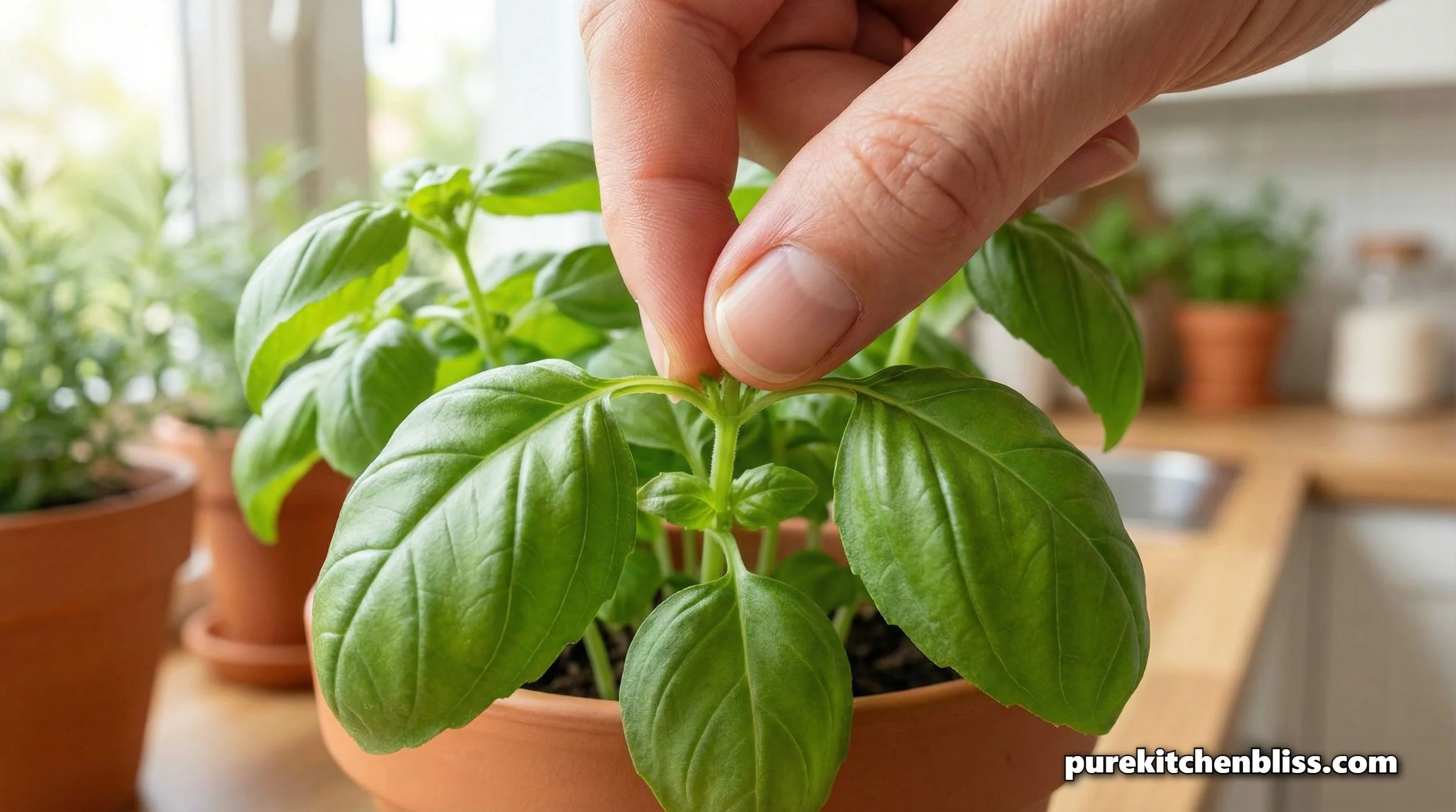
Top 3 Herbs to Grow in Your Kitchen (And How to Keep Them Alive)
There is a specific kind of frustration that comes with buying a plastic clamshell of fresh basil or parsley from the grocery store, only to have it turn into a slimy, black mess in the fridge within 48 hours. When you cook often, fresh herbs aren't just an accessory, they are the finishing touch that elevates a home cooked meal into something truly special.
But for many, indoor herb gardening feels like a losing battle. Plants grow "leggy," turn yellow, or die overnight. The secret isn't a "green thumb"; it’s understanding the mechanical needs of these plants. You are essentially building a small scale infrastructure for food production on your windowsill. If you give them the right light, the right drainage, and the right pruning technique, you can have fresh herbs year-round.
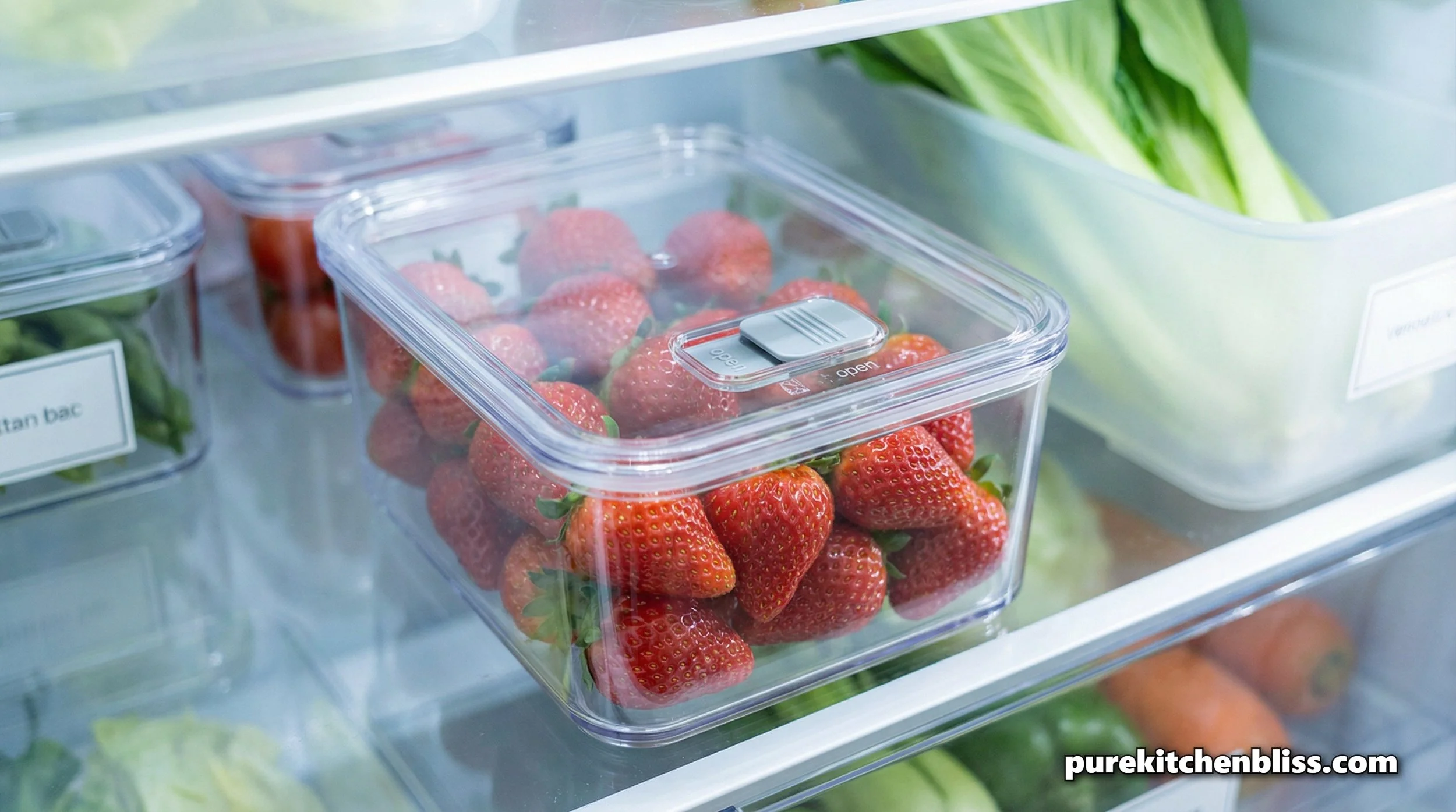
The Best Fridge Storage Containers to Keep Food Fresh
The biggest enemy of a clean, efficient fridge isn't just a lack of space, it’s the "mismatch." If you’re storing leftovers in random takeout containers, mismatched plastic bowls, and half-open bags, you are fighting a losing battle. You can’t stack them, you can’t see what’s inside, and they take up double the space they should.
Upgrading your fridge storage is one of the highest-return investments you can make in your kitchen. Good containers help you reclaim space, they keep air out (which prevents food from drying out), and, most importantly, they make it easy to see exactly what you have so you actually eat it before it goes bad.
Here is the expert guide on which containers are worth your money and which ones you can skip.
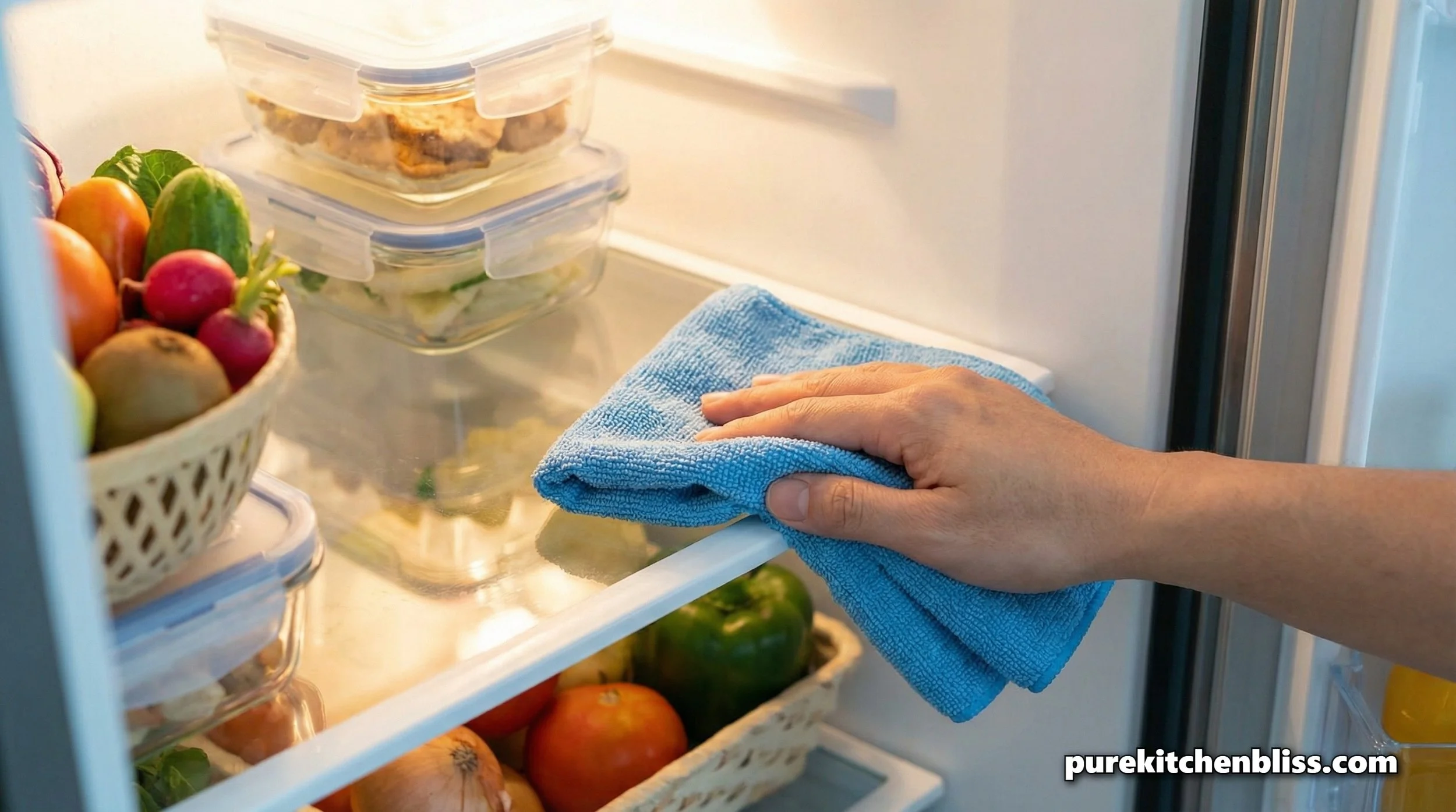
How to Organize Your Fridge and Freezer for Maximum Freshness
Your refrigerator is the most hardworking appliance in your home, but it’s rarely used to its full potential. Most of us treat the fridge like a "drop zone" for groceries, stuffing items wherever they fit. But a disorganized fridge isn't just a headache, it leads to spoiled food, wasted money, and even food safety risks.
To turn your fridge into a high-performance system, you need to understand how temperature zones work, how produce reacts to its neighbors, and how to store your food so it stays at peak freshness. Here is how to audit your cooling infrastructure and organize it for better results.
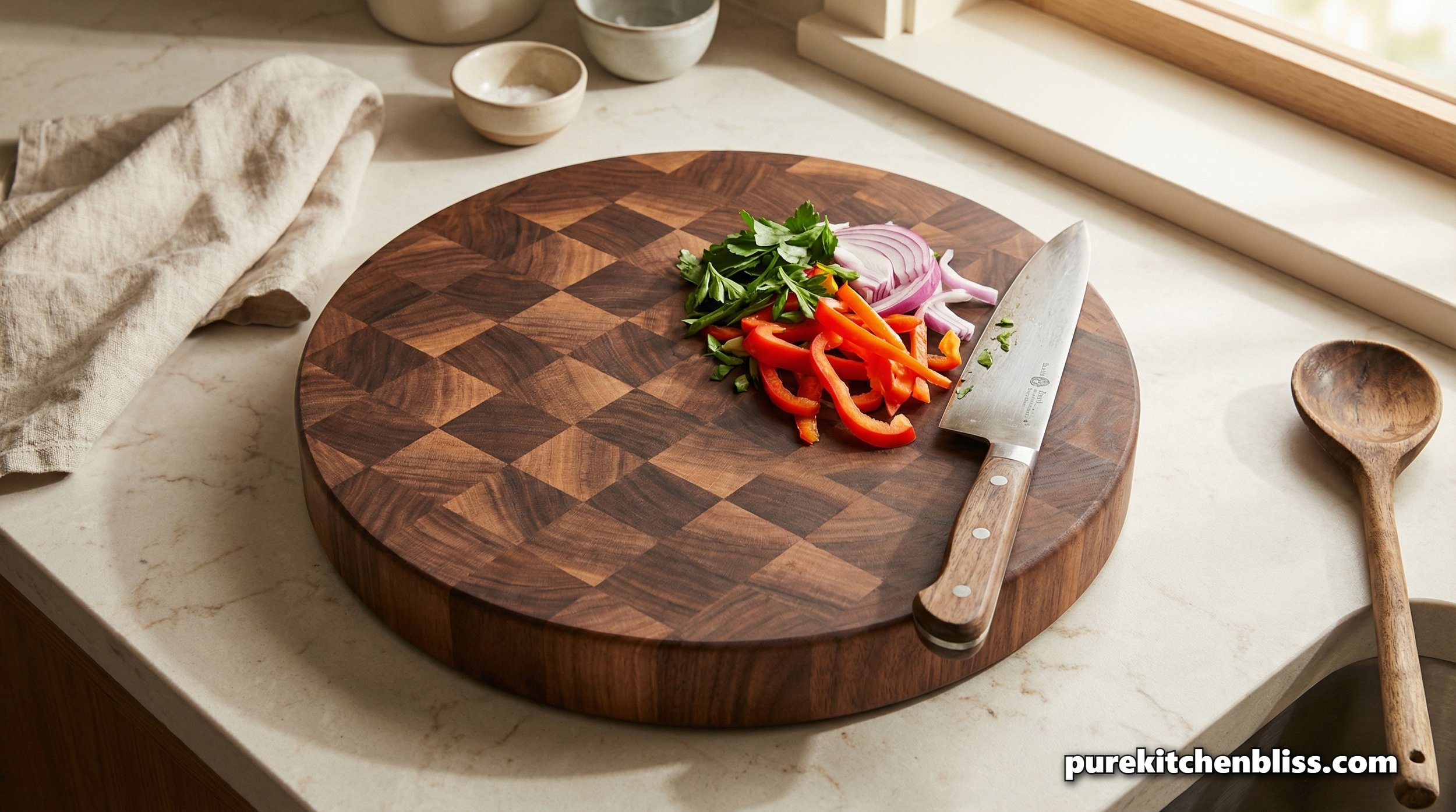
The Best Cutting Boards for Your Kitchen: Wood vs. Plastic
Plastic boards definitely have their place in a modern kitchen. Their biggest advantage is maintenance. High-density polyethylene (HDPE) boards can be tossed into a high-heat dishwasher cycle, which is the most reliable way to kill bacteria.
Because of this, many experts recommend a "split system." Use your large, beautiful wooden board for vegetables, bread, and cooked meats, and keep a dedicated plastic board specifically for raw poultry and fish.
However, plastic has a major downside: once it gets deep "scars" from your knife, it becomes almost impossible to clean by hand. Bacteria can hide in those tiny grooves where a sponge can’t reach. If your plastic board looks like a roadmap of deep cuts, it’s time to recycle it and get a new one.
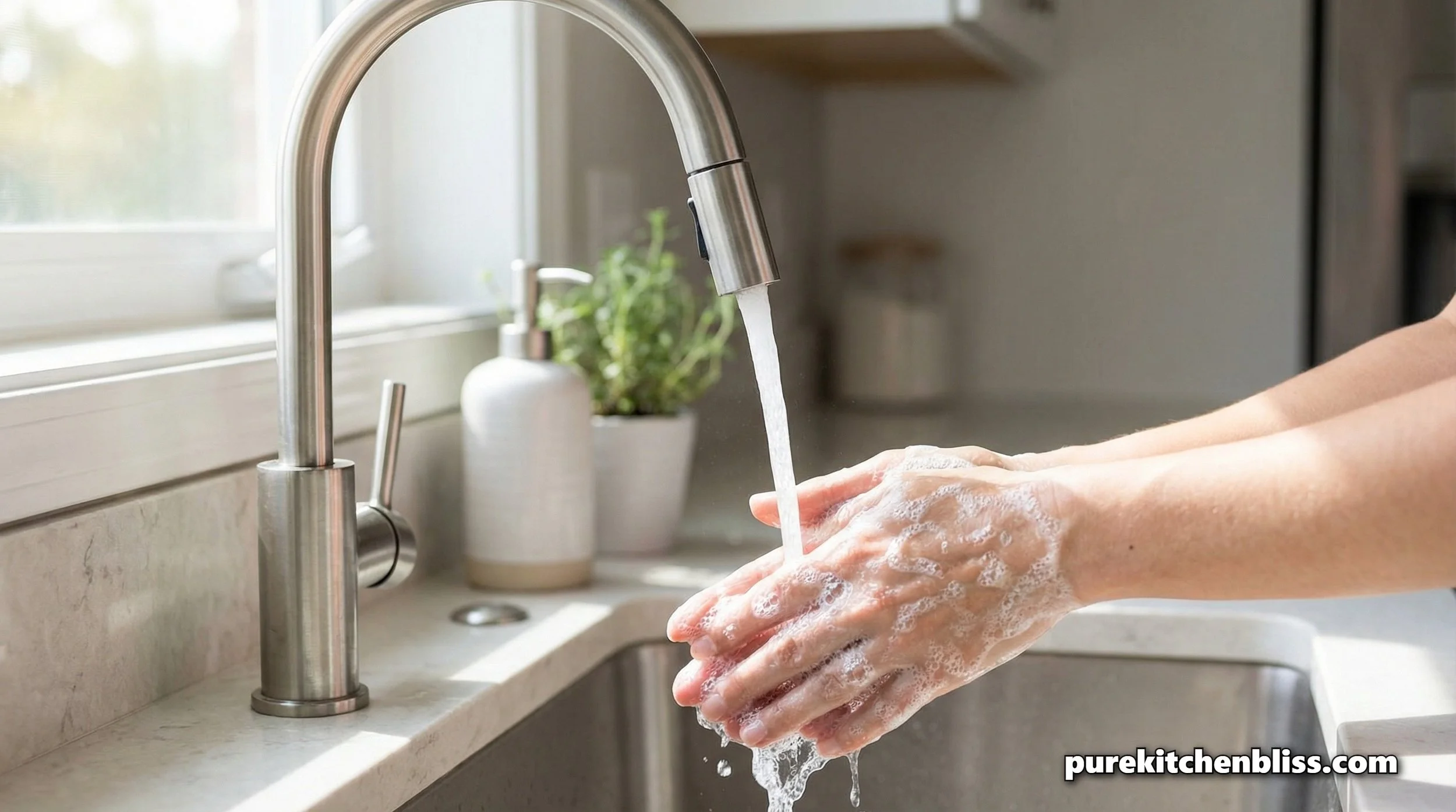
How Often Should You Really Wash Your Hands While Cooking?
We’ve all been there: you’re in the middle of a complex recipe, the pan is sizzling, and you realize you need to check your phone for the next step. Or maybe you just finished dicing a chicken breast and you’re about to reach for the salt cellar. In those high-pressure moments, the question always pops up: Do I really need to wash my hands again?
Handwashing is the most basic part of kitchen safety, but it’s also one of the most confusing. If you wash every single time you touch a different ingredient, you’ll end up with cracked, dry skin before the onions are even translucent. But if you skip a wash at the wrong time, you risk turning a nice dinner into a case of food poisoning.
To cook like an expert, you need to understand the "Critical Moments" of hand hygiene. It’s not about washing constantly, it’s about washing at the right times.
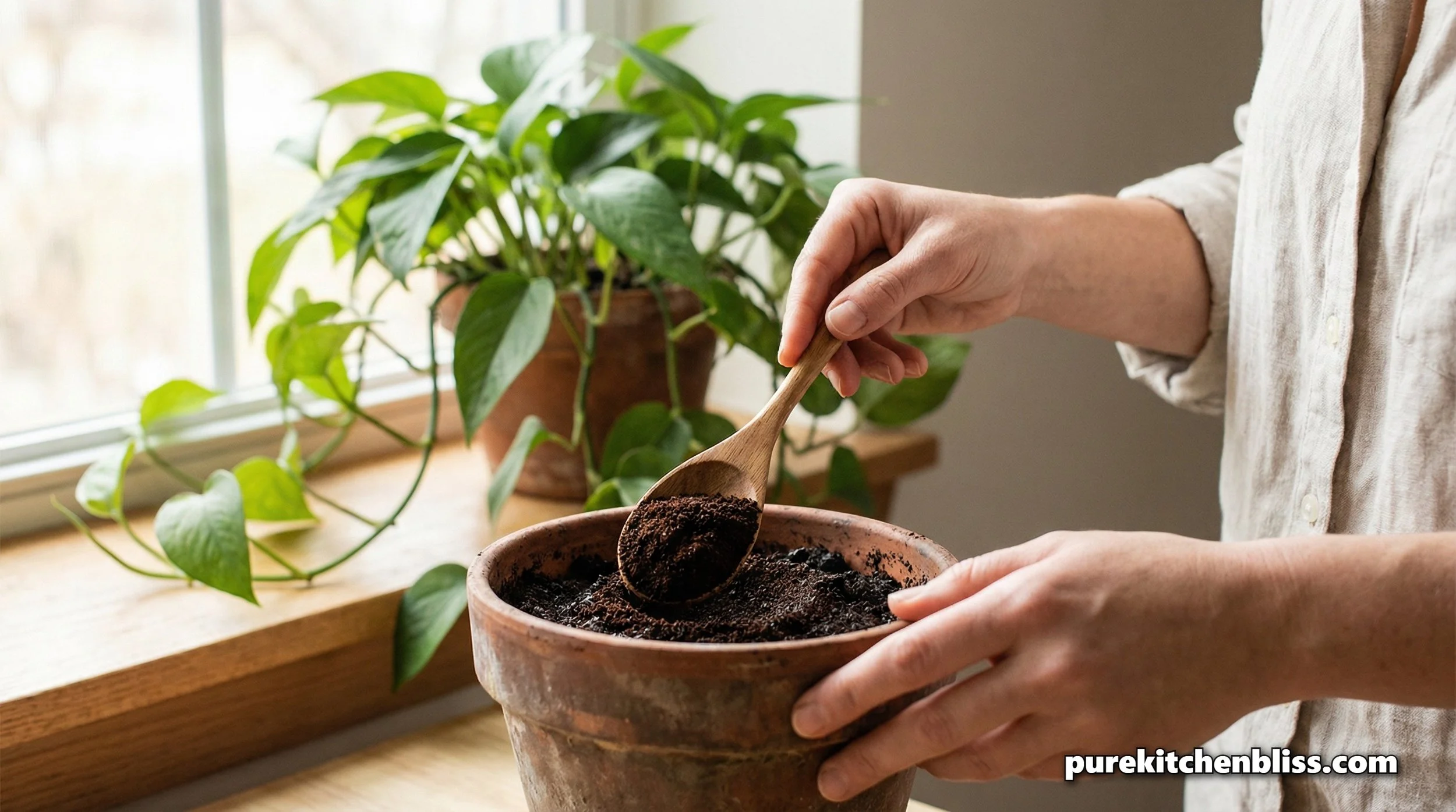
How to Use Coffee Grounds for Your Plants Without Killing Them
Your morning coffee doesn't just wake you up, it can also be a powerful tool for your indoor garden. Most of us hate the idea of throwing away nitrogen-rich waste, and using coffee grounds as fertilizer is one of the most popular "home hacks" on the internet. But if you’ve ever dumped your wet grounds directly into a flowerpot only to find a fuzzy layer of mold a few days later, you know that this trick isn't as simple as it looks.
When used correctly, coffee grounds can improve soil texture and give your plants the nutrients they need to grow lush, green leaves. When used incorrectly, they can actually stunt growth, invite pests, and even kill your favorite greenery. Here is everything you need to know about using coffee waste safely and effectively.
Kitchen Color Trends for 2026: What’s In and Why
In the world of high-performance kitchen design, color is never just "paint." It is an Aesthetic Load, a functional variable that changes how light reflects, how your space "feels" thermally, and how your kitchen’s infrastructure holds up over time.
In 2026, the era of the "Stark White" kitchen is over. We are moving toward Understated Confidence. For an apartment kitchen, where you often cannot change the "bones" easily, your color choices are your primary tool for reclaiming the space.
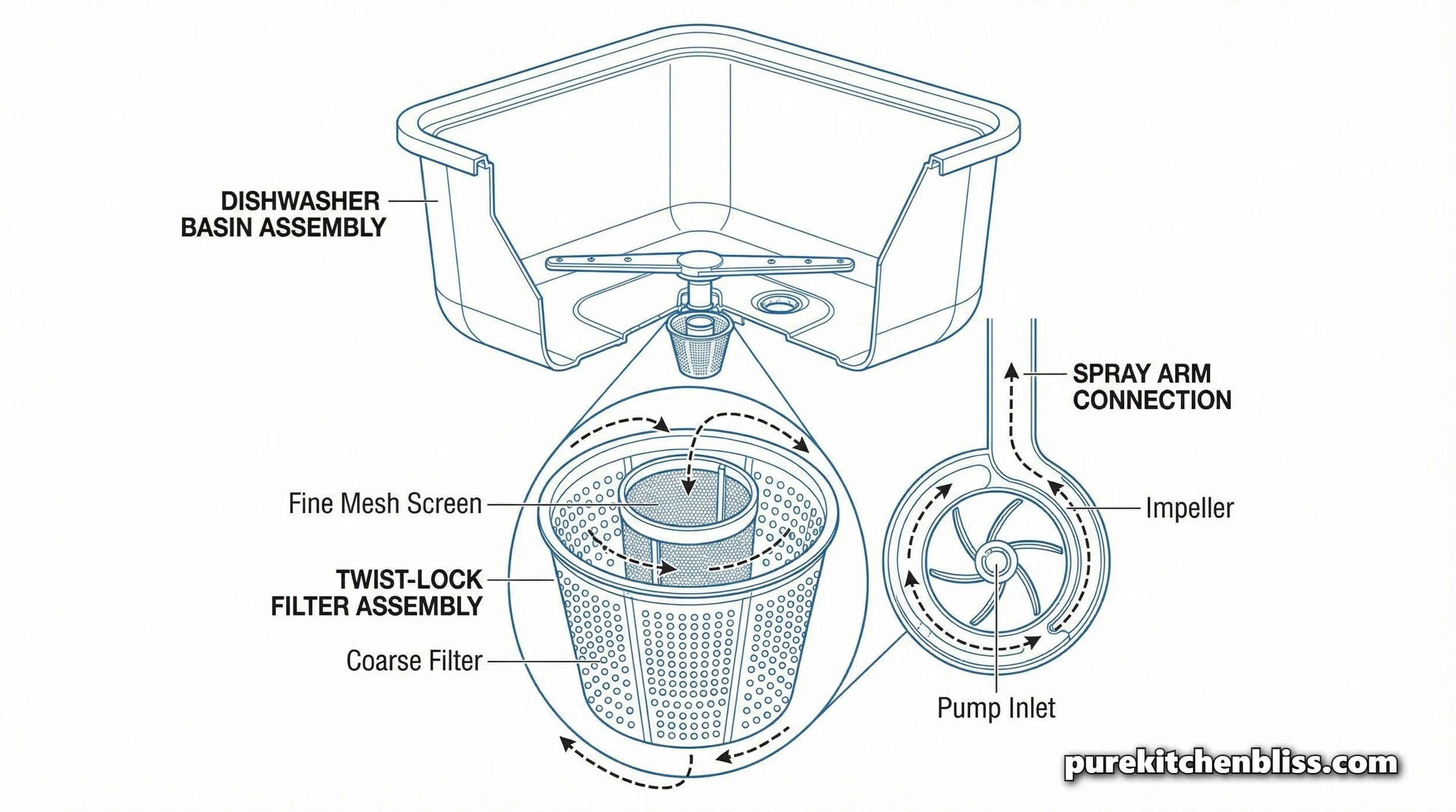
How to Deep Clean Your Dishwasher and Fix Common Issues
In a high output kitchen, the dishwasher is a critical piece of infrastructure. It is designed to circulate high-temperature water, break down food particles, and pump waste out through a drain line. When this process works efficiently, it is a closed-loop hydraulic system. When it fails, it manifests as water stagnation, poor cleaning performance, and the eventual failure of the internal pump assembly.
Most dishwasher failures are not sudden "catastrophes." They are the result of gradual neglect. Calcium deposits, mineral scale, and organic buildup accumulate in the filtration system, forcing the pump to work against resistance. This creates heat, causes premature bearing wear, and forces the motor to operate outside of its design specifications. This guide outlines the professional steps to maintain this system at peak operational efficiency.
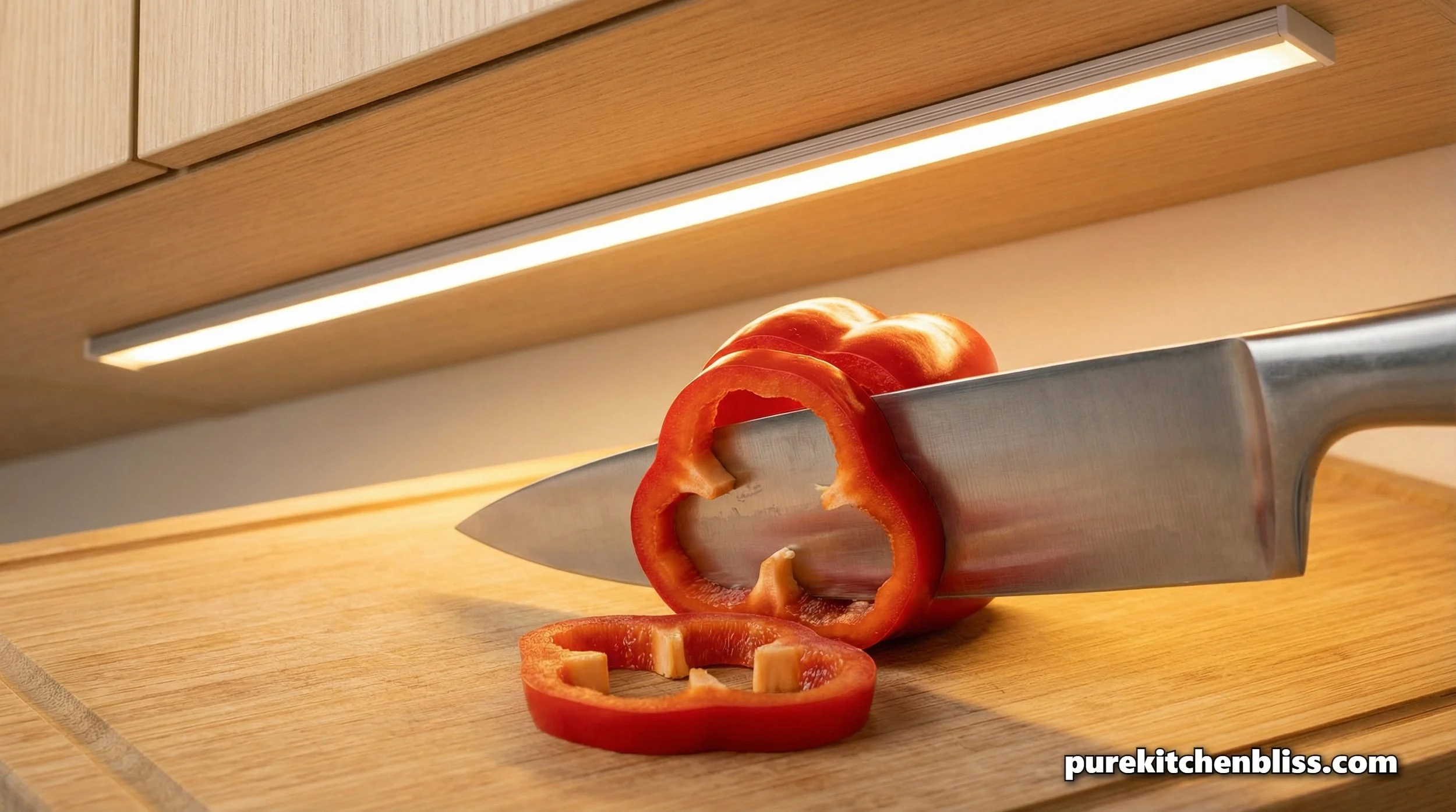
A Simple Guide to Choosing Under-Cabinet Lights
In a high-performance kitchen, lighting is the primary interface between the user and the workspace. If you cannot see the precise state of your ingredients, the doneness of a protein, the freshness of produce, or the accuracy of a knife cut, you are operating with a structural deficit. Most residential kitchen lighting relies on ambient overhead fixtures that create "backlighting," casting your workspace into a shadow while you are trying to work.
Under-cabinet lighting is the correction for this failure. It transforms the counter from a dark, shadowed surface into a high-visibility, precision workspace. However, not all lighting is created equal. Most "consumer-grade" LED kits prioritize aesthetic brightness over Color Rendering Index (CRI) and Thermal Stability. This audit evaluates the technical requirements necessary to build a permanent, professional-grade lighting infrastructure that enhances safety and visual clarity.
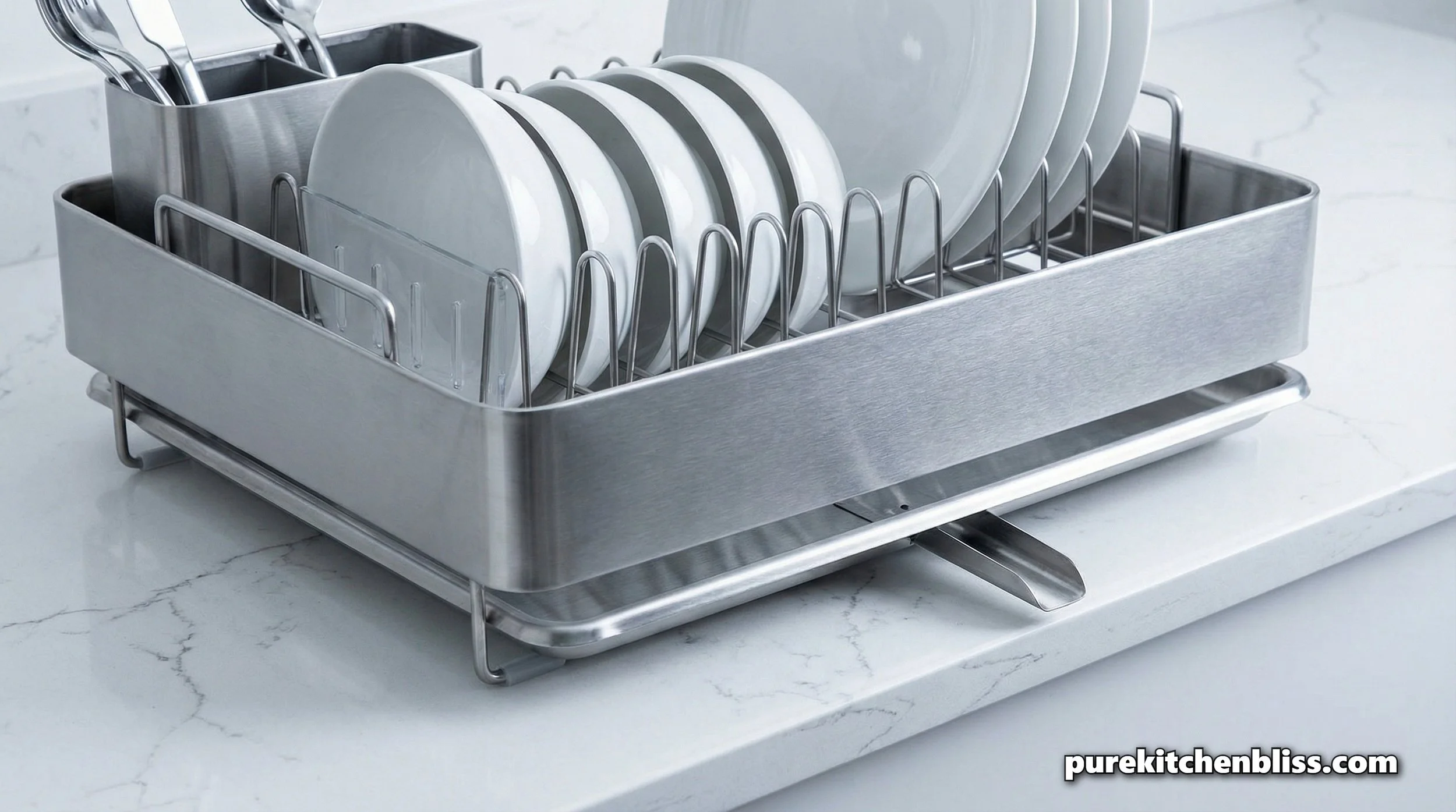
The Best Slim Dish Racks for Small Kitchens
In a high-output kitchen, counter space is the most valuable real estate. A drying rack should not just hold wet items; it is a piece of infrastructure that must manage moisture, prevent microbial growth, and facilitate rapid evaporation. If your rack fails to do this, it’s not a tool, it’s a permanent wet spot that invites oxidation and bacterial colonization.
The following list prioritizes "Structural Integrity" and "Hydro-Dynamics." We evaluated these models based on three specific metrics: Material Fatigue (how they handle wet environments), Flow-Dynamics (how effectively they move water away from the dishes), and Spatial Density (how much volume they handle per square inch of countertop).
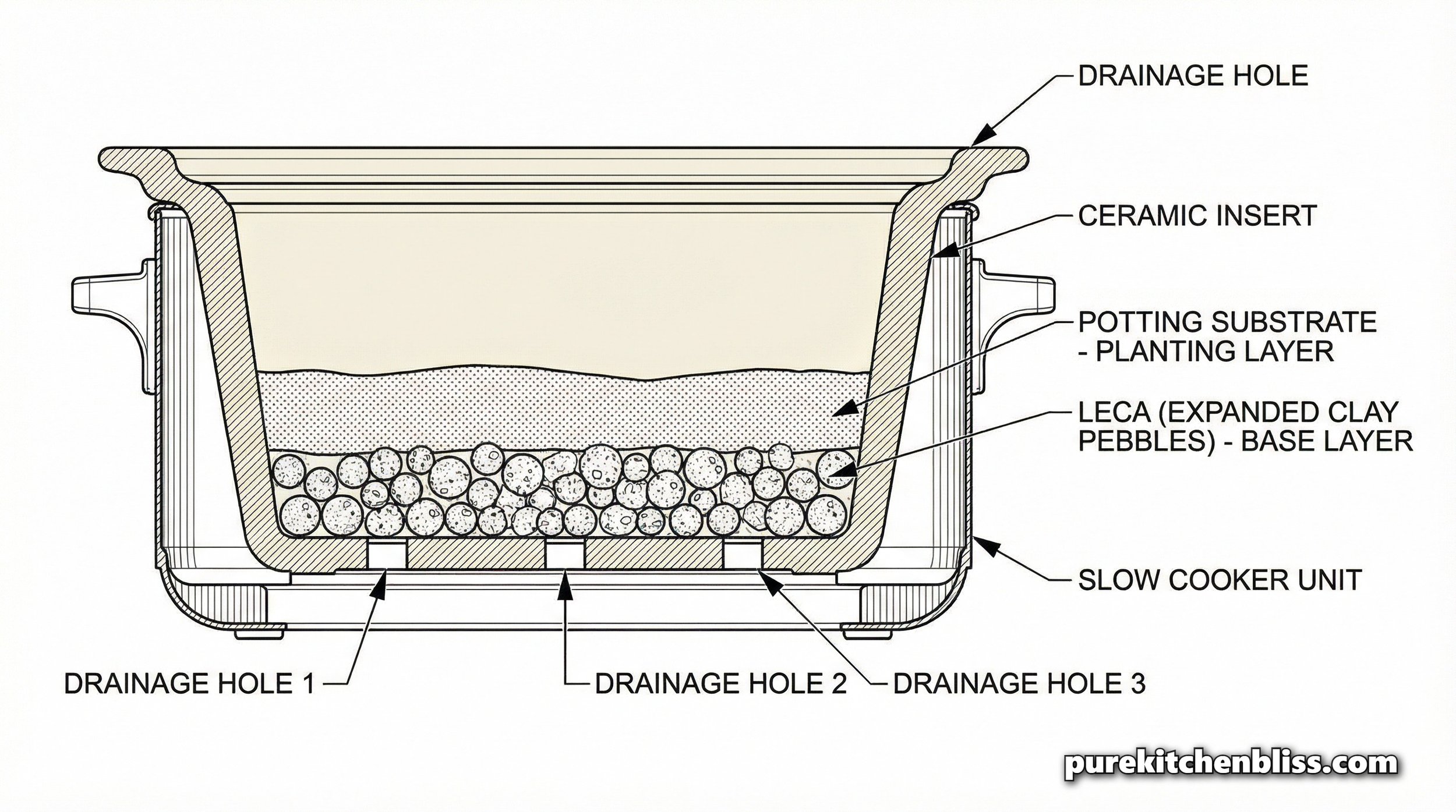
How to Turn an Old Slow Cooker into a Perfect Planter
Material efficiency is the hallmark of a functional kitchen. A ceramic slow cooker insert is often overlooked as a piece of equipment, but it is an ideal candidate for home infrastructure. It is heavy, non-reactive, and possesses excellent thermal mass, meaning it resists rapid temperature swings. These thermal properties are vital for stabilizing a plant’s root system, which is arguably the most sensitive part of any living organism in your kitchen.
Many standard upcycling guides suggest using these inserts as "cachepots”, hiding a plastic nursery pot inside. While this is simple, it creates a "dead zone" between the two vessels. This space acts as an incubator for trapped moisture, mold, and stagnant air, which can compromise the air quality of your sanctuary. Instead, this protocol builds a permanent extraction system directly into the vessel itself, turning it into a dedicated, high-performance home for your Unkillable Plants.
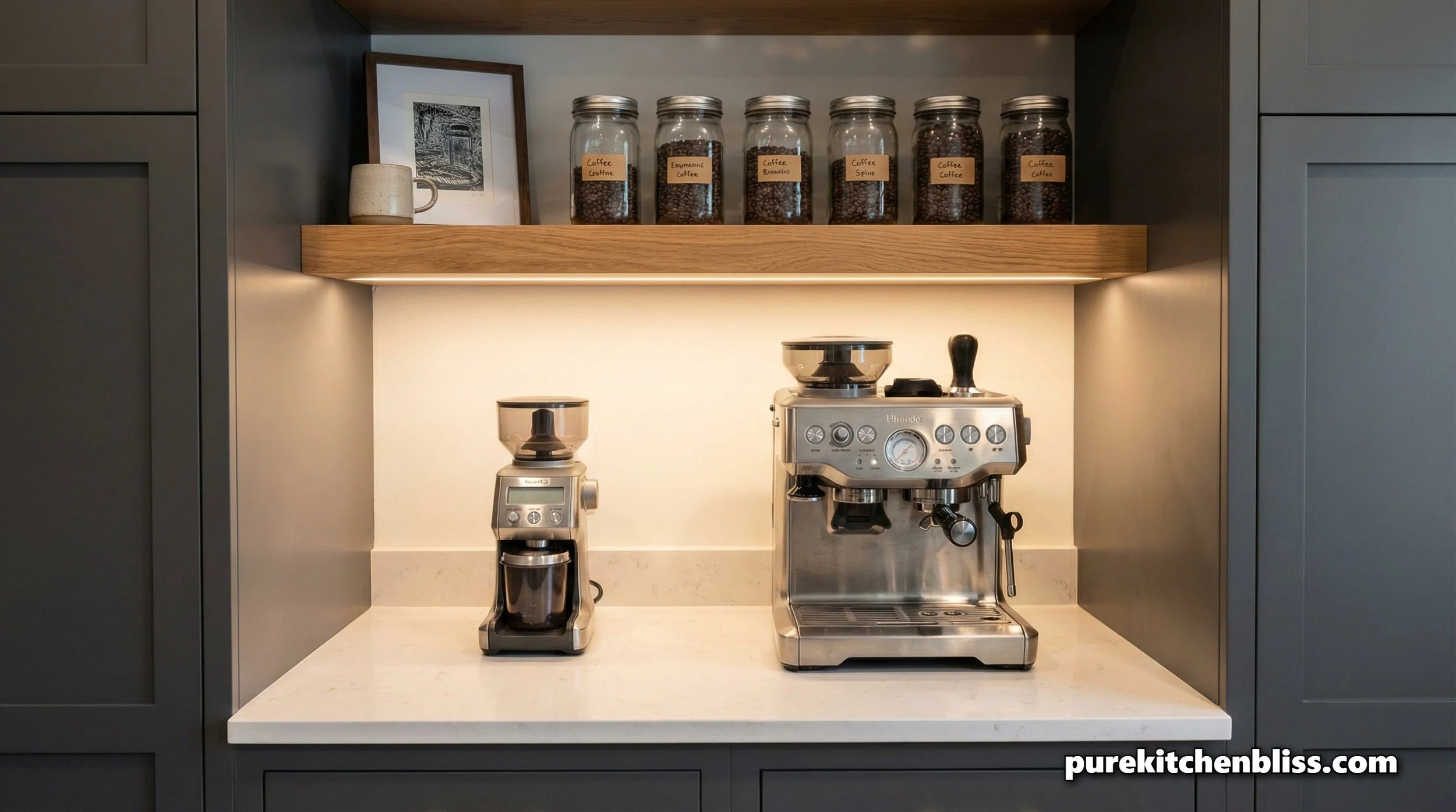
The Ultimate Kitchen Coffee Station
In a house with four daughters, the morning routine is a high-demand "production run." As a builder-curator, I don't see a coffee station as just a place for a machine; I see it as a high-traffic utility zone. If you simply plop an espresso machine under a cabinet, you are ignoring the two primary threats to your kitchen’s "bones": aerosolized steam and the mechanical wear of daily use.
To build a sustainable sanctuary, your coffee station needs more than just an outlet. It needs a "workflow infrastructure" that manages water access, heat dissipation, and thermal protection. Whether you’re a pour-over minimalist or a dual-boiler espresso enthusiast, here is how to engineer a station that supports your Monday Morning Momentum.
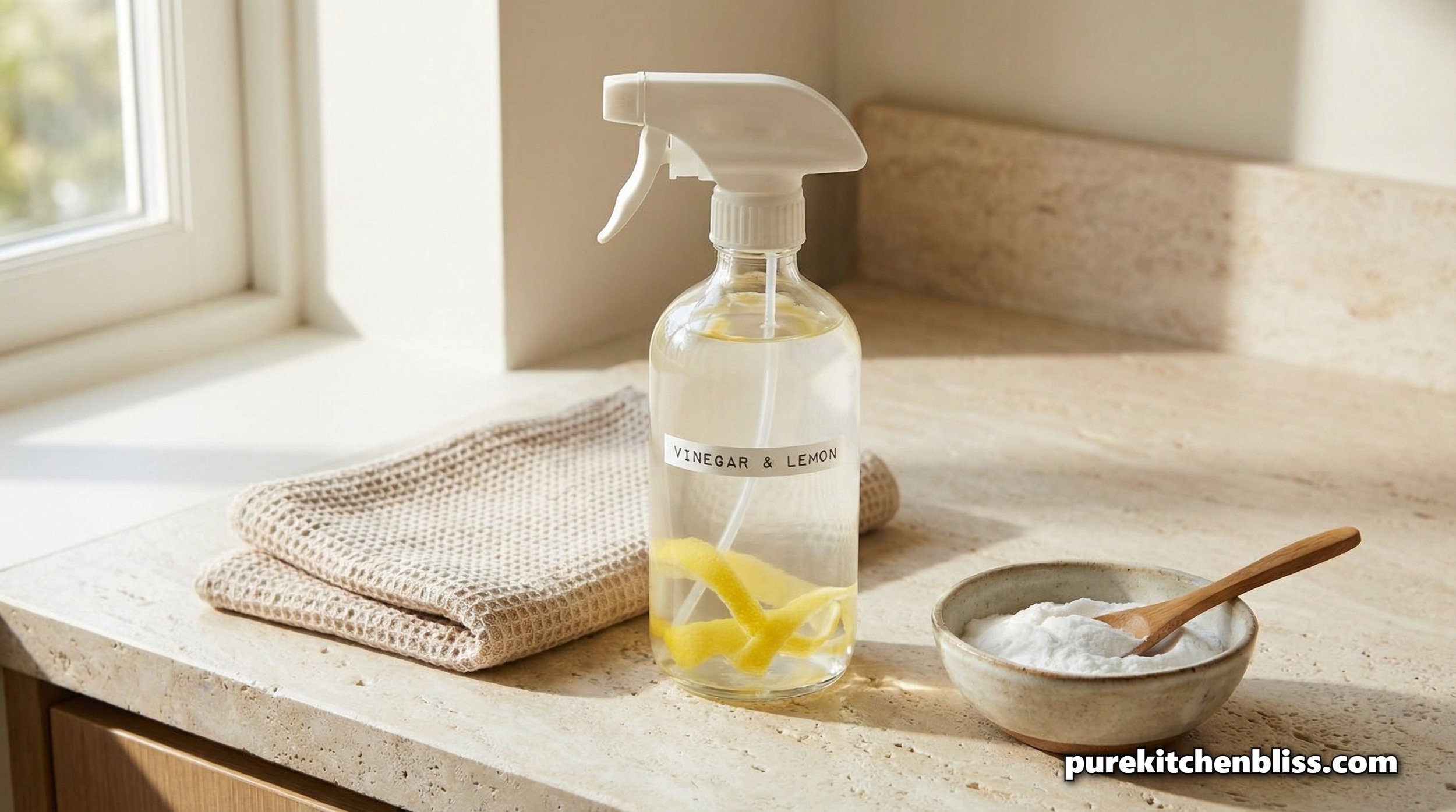
7 Brilliant Uses for Vinegar in Your Kitchen Sanctuary
In the arsenal of a Builder-Curator, distilled white vinegar is the "acidic workhorse." As a Red Seal Carpenter, I appreciate vinegar because it’s a low-pH solvent that breaks down mineral deposits and alkaline residues without compromising the structural integrity of your home's air quality. In a house with four daughters, we strictly avoid the harsh, synthetic fumes of commercial cleaners.
Vinegar is the ultimate tool for maintaining a sustainable sanctuary because it’s edible, biodegradable, and incredibly effective at a molecular level. It consists of roughly 5% acetic acid, which makes it a natural "chemical extraction" tool. It doesn't just mask odors; it physically dissolves the bonds of hard water minerals, grease, and even the stubborn "biofilm" we discussed in the Smelly Sink Guide.