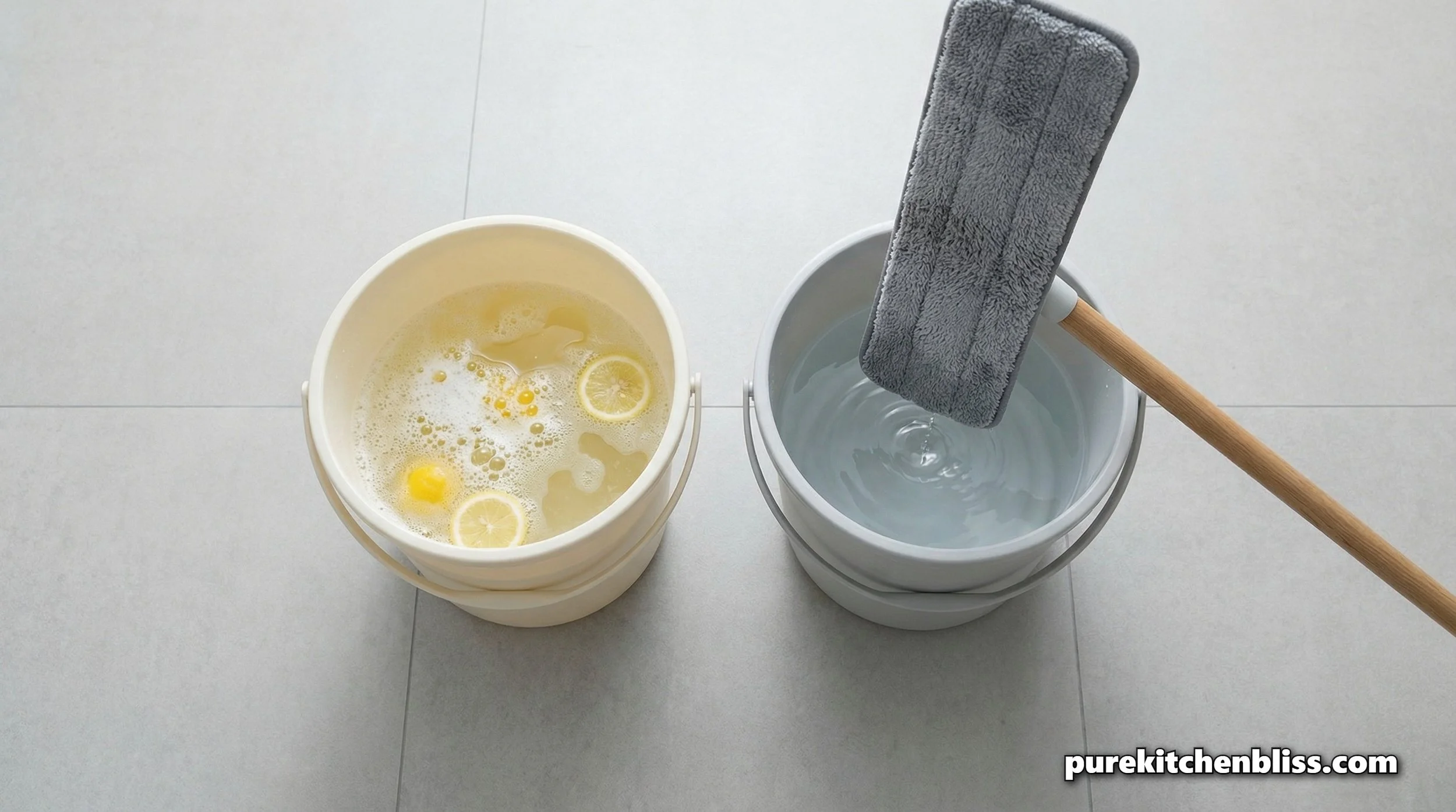
How Often Should You Mop Your Kitchen Floors?
Most homeowners approach floor care as a reactive chore: they mop when the surface looks dull or feels "tacky" underfoot. But as a builder who understands how "biofilm" and moisture interact with varying flooring materials, I can tell you that visual cleanliness is a lagging indicator. By the time you can see the dirt, it has already begun to bond with your grout lines or migrate into the joins of your hardwood.
In our home, we follow a tiered "Extraction Schedule." We move away from the idea of "cleaning" and toward the idea of "stewardship." We focus on high traffic flow and "Micro-Resets" to ensure the floor doesn't become a hidden source of toxins for our family.
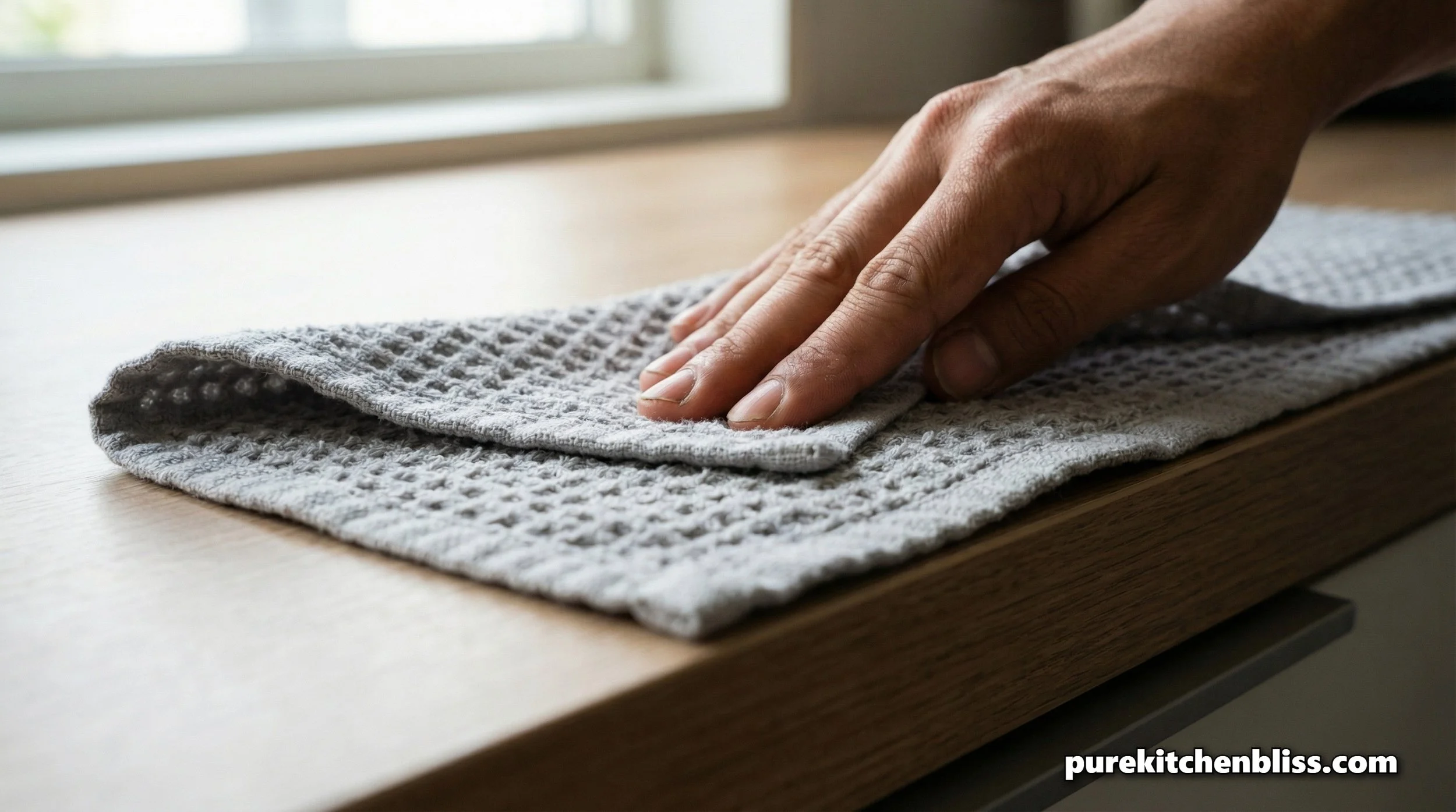
The Triple-Fold Masterclass: How to Fold Towels Like a Professional
In a sustainable sanctuary, the visual state of your storage is just as important as the items inside. We’ve all experienced the frustration of a leaning tower of towels that eventually collapses into "Beautiful Chaos." This often happens because the "foundation" of the fold is unstable. Most home-folding methods rely on simple halves or quarters, which leave the towel's weight unevenly distributed and the "raw" edges exposed to the air.
The Hotel Triple-Fold is the gold standard for high-performance home organization. It is designed to create a self-supporting, uniform "brick" that hides raw edges and maximizes shelf space. By mastering this geometry, you move from merely "storing" your linens to "curating" your home’s infrastructure.
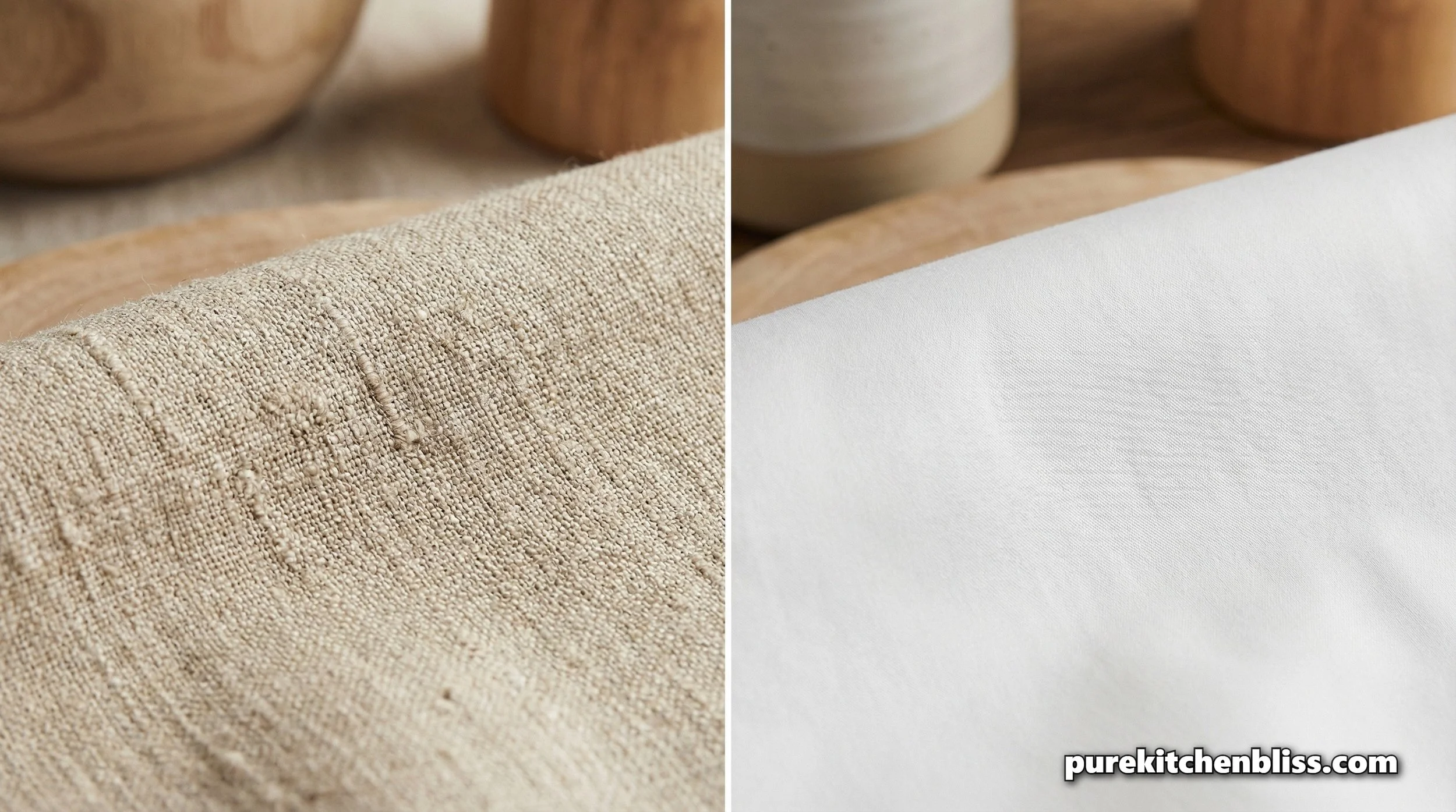
Linen vs. Cotton: Which Fiber is Best for Your Sanctuary?
In the pursuit of a sustainable sanctuary, we often spend significant time researching the "bones" of our home—the non-toxic finishes and the structural integrity of our furniture. However, we spend a third of our lives in direct contact with the textiles on our beds. The debate between Linen and Cotton is not merely an aesthetic choice; it is a choice about thermal regulation, longevity, and environmental stewardship.
Both fibers have been used for millennia, yet they offer vastly different experiences for the sleeper. To choose the right material for your bed, we must look at the science of the fiber, the "break-in" period, and how each fits into your The Ultimate Linen Closet Audit.

Open Shelves vs. Upper Cabinets: The Ultimate Kitchen Infrastructure Debate
In the "Beautiful Chaos" of a family kitchen, storage is our most valuable asset. It is the hidden framework that allows the room to function. However, how we "stage" that storage determines the entire vibe of the sanctuary. I’m often asked if open shelving is a "practical" choice for a high output home or just a fleeting design trend that leads to a lifetime of dusting and regret.
The truth is, both have a place in a Sustainable Sanctuary, but they serve very different structural purposes. To decide which is right for your home, we have to look beyond the aesthetic and examine your kitchen’s Airflow, your Maintenance Rituals, and your Spatial Flow.
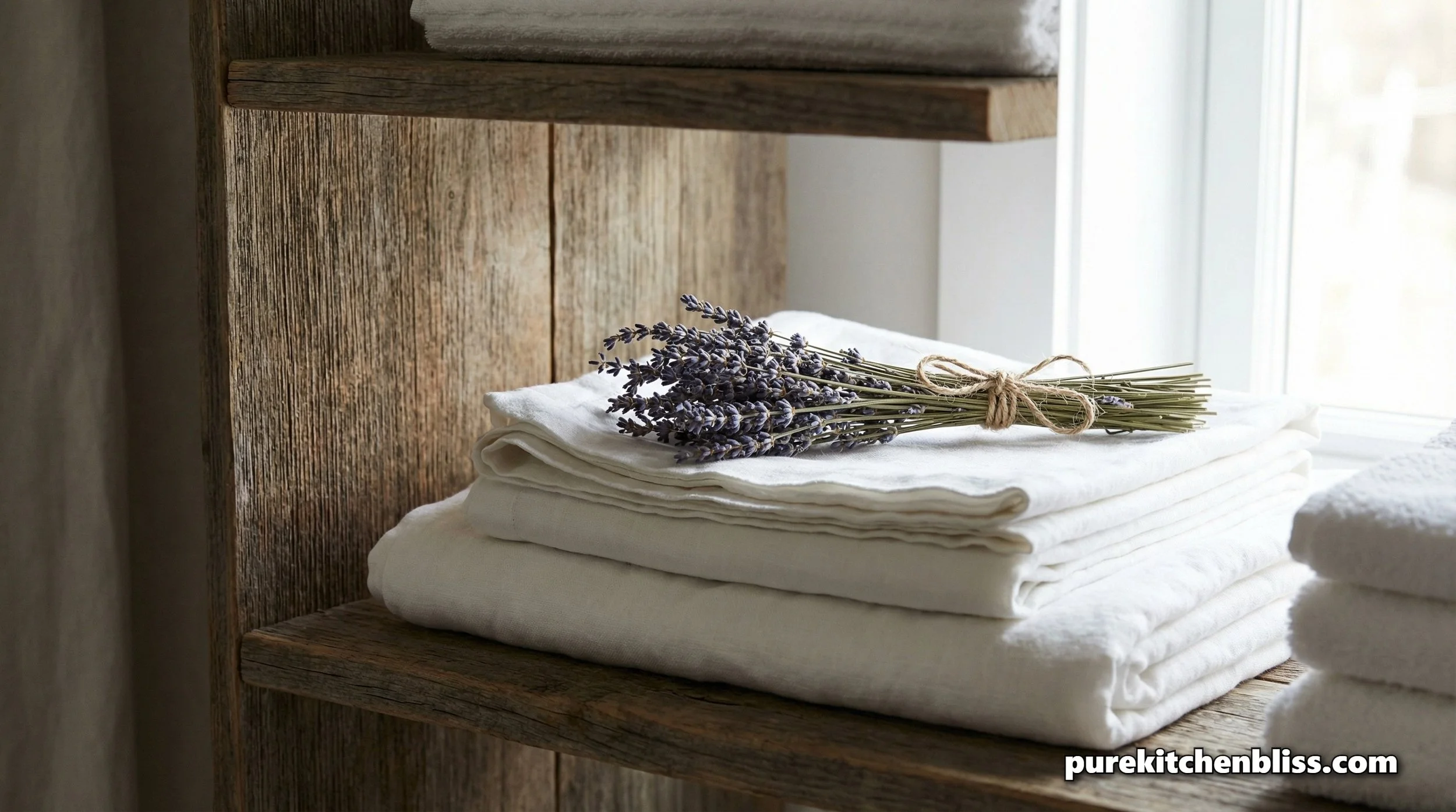
5 Natural Ways to Scent Your Linen Closet Without Chemicals
There is a specific sensory experience associated with opening a perfectly organized linen closet: the cool touch of cotton, the visual order of the stacks, and, most importantly, the scent. However, in our quest for a "fresh" home, many of us have relied on synthetic fragrances, plug-ins, and petroleum based dryer sheets. While these products provide an immediate hit of perfume, they often introduce Volatile Organic Compounds (VOCs) into our air and leave a waxy residue on the very fibers we use to dry our skin.
In a Sustainable Sanctuary, we prioritize "Passive Scenting," the art of using natural botanicals and essential oils to maintain a subtle, blissful aroma without compromising air quality. By integrating these five non-toxic methods, you can ensure your linens remain a source of sensory delight.
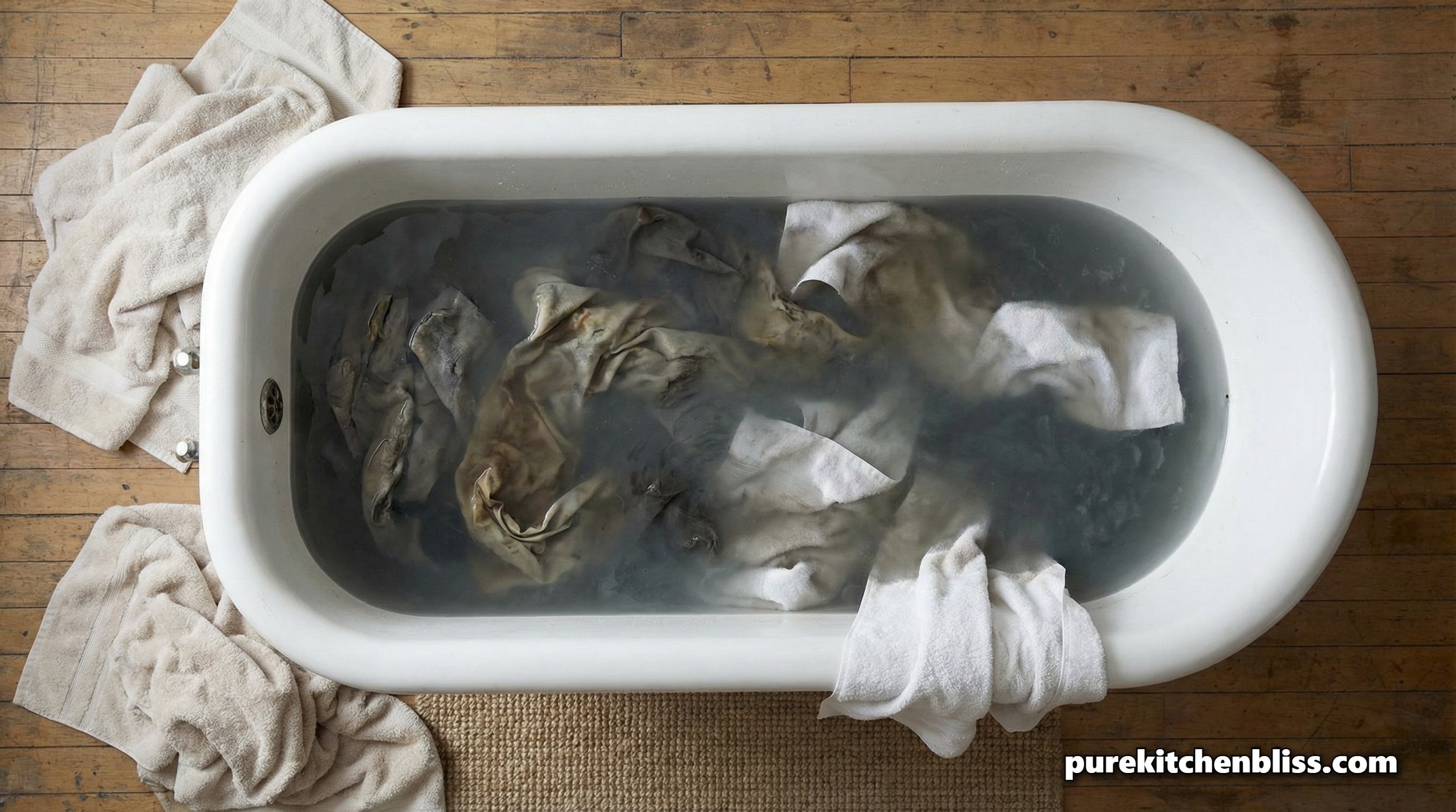
How to Strip Your Towels: The Ultimate Deep Reset for Absorbency
Have you ever noticed that even after a fresh wash, your towels feel slightly scratchy, less absorbent, or carry a faint, musty scent the moment they get damp? This isn't necessarily a sign that your towels are reaching the end of their life. Instead, it’s often a symptom of "Product Fatigue." Over months of daily use, towels accumulate a microscopic layer of body oils, mineral deposits from hard water, and, ironically, leftover residue from detergents and fabric softeners.
To restore your towels to their original boutique-level plushness, you need a "Deep Reset." In the world of home stewardship, this is known as towel stripping. This non-toxic process reaches deep into the fibers to extract the buildup that standard wash cycles leave behind.
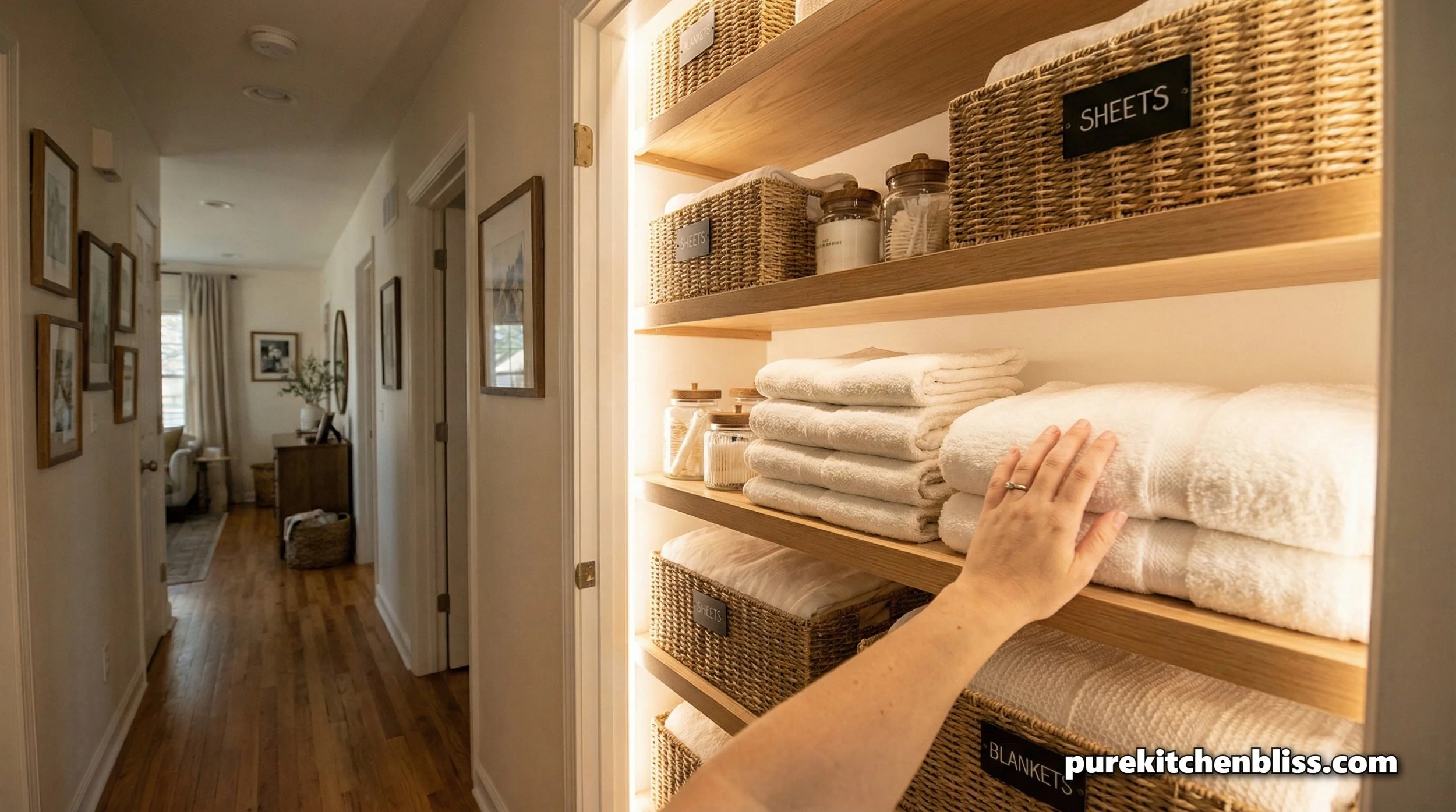
The Ultimate Linen Closet Audit: Mastering Your Home’s Soft Infrastructure
In the curation of a sustainable sanctuary, we often focus on the hard surfaces, the stone counters, the wood cabinetry, and the architectural lines. But the "soft infrastructure" of the home, the linens that touch our skin and facilitate our rest, is equally vital to the feeling of bliss and order.
The linen closet is the hidden engine of household comfort. It is where we store the tools of our daily rituals: the towels that wrap us after a restorative bath, the sheets that invite deep sleep, and the textiles that maintain our kitchen’s purity. However, because this space is often tucked behind a closed door, it is prone to a specific type of "Beautiful Chaos", a slow accumulation of mismatched sets, frayed edges, and forgotten fabrics.
A true Linen Closet Audit is more than an afternoon of folding; it is a systematic reset of your home’s textile inventory. In this definitive guide, we will explore the material science of linens, the psychology of organization, and the professional methods for maintaining freshness from the fiber up.
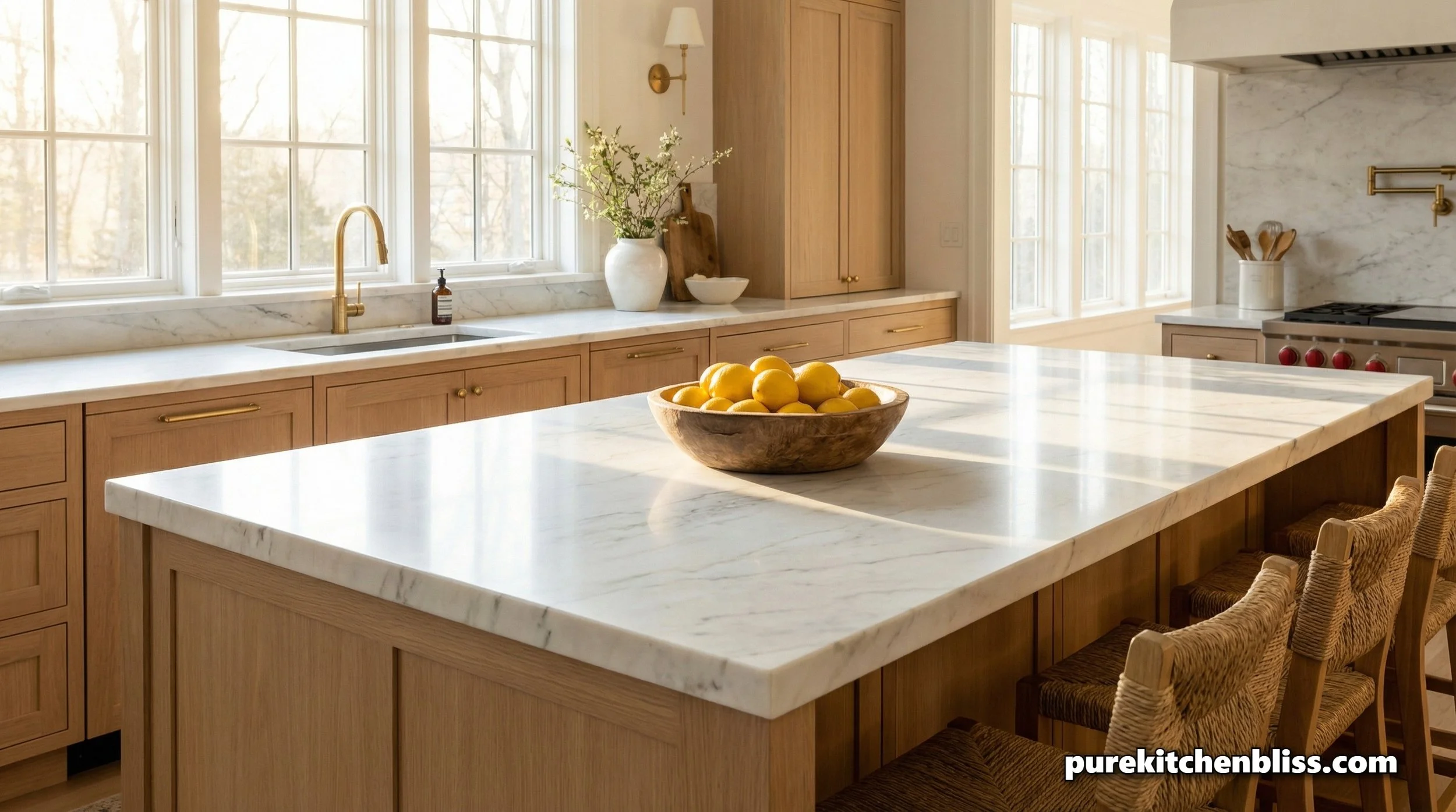
Kitchen Countertop Stewardship: A Guide to Quartz and Natural Stone
In the heart of the home, the countertop is the primary stage for the "Beautiful Chaos" of daily life. Whether it is a marble slab that has seen years of family baking or a modern quartz surface designed for high-performance durability, your countertops are a significant investment in your home’s aesthetic and value.
True stewardship of these surfaces goes beyond a quick wipe-down after dinner. It involves understanding the unique "personality" of the material you’ve chosen. By using the right rhythms and non-toxic materials, you can ensure your surfaces remain a source of pride rather than a source of stress.
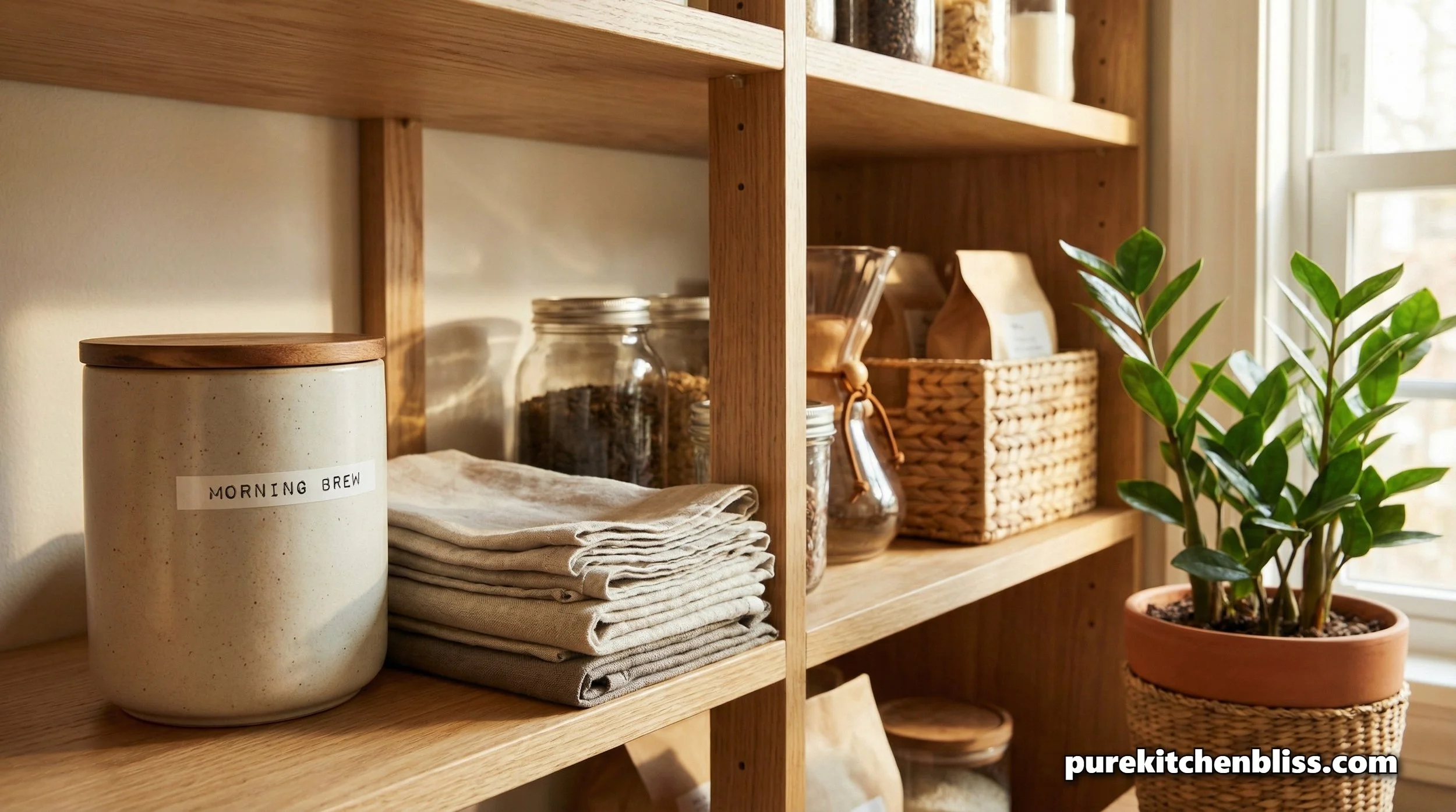
Where is the Best Place to Store Coffee in Your Kitchen?
In the "Beautiful Chaos" of a busy home, the coffee station is often the high-traffic engine that powers the Monday Morning Momentum. It’s the ritual that centers the day. However, for many home enthusiasts, coffee storage is an afterthought. We spend significant time selecting the right roast or the perfect brewer, only to store the beans in a way that actively destroys their quality—on a sunny windowsill or in the damp environment of a freezer.
To maintain a sustainable sanctuary, we have to look at coffee as a living organic product. Coffee beans are highly porous, acting almost like sponges that absorb every odor and molecule of moisture in your kitchen. Protecting the "bones" of your coffee isn't just about taste; it's about respecting the materials in your pantry.
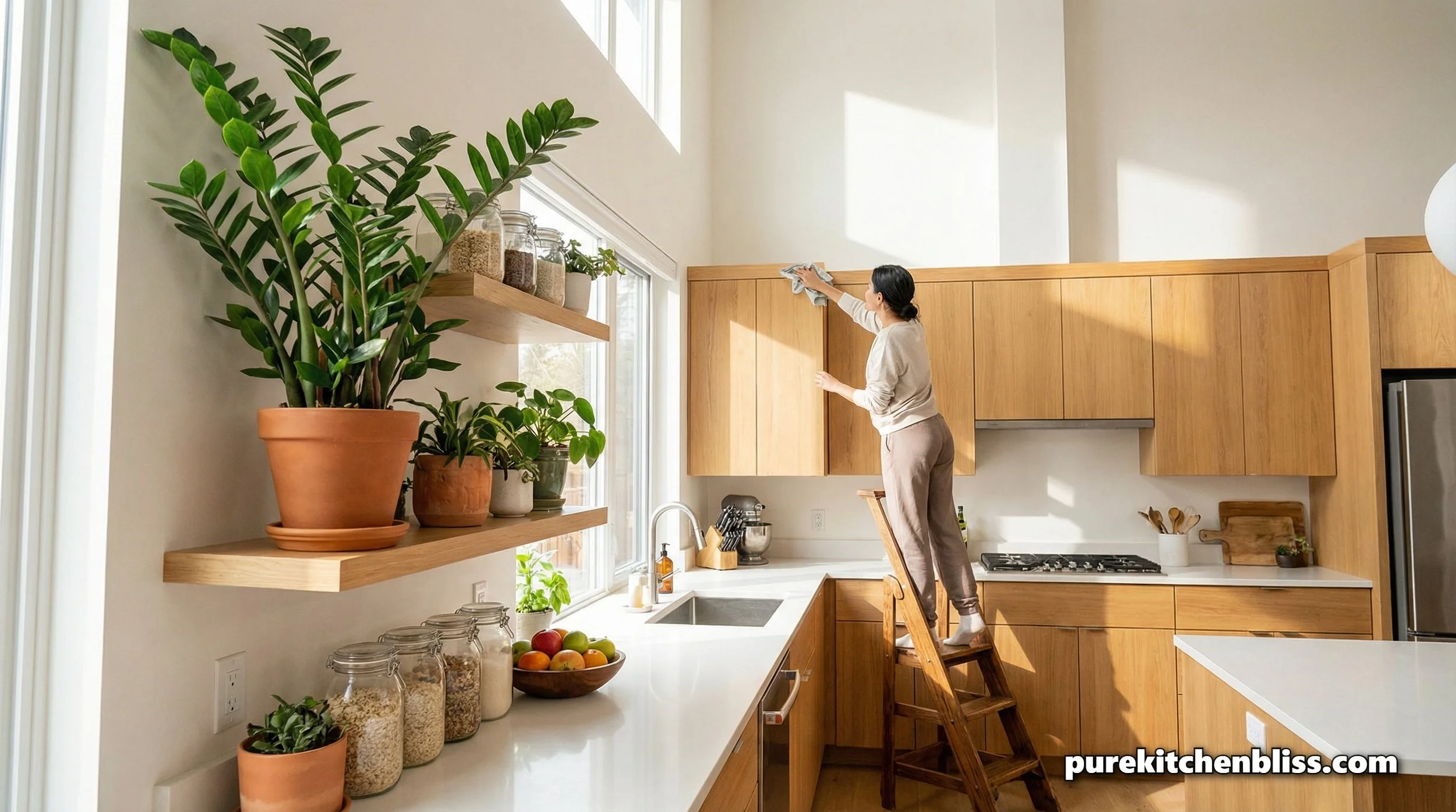
How to Degrease Kitchen Cabinets Naturally
If you run your finger along the top edge of your upper cabinets and it feels "tacky" or leaves a smudge, you are dealing with polymerized grease. This isn't just dust; it’s a mixture of aerosolized cooking oils and household particulates that have undergone a chemical change, effectively becoming a "natural glue" on your cabinet’s infrastructure.
In a house with four daughters, the kitchen is a high-output zone. Whether it’s Sunday night prep or a Monday Morning Momentum breakfast, grease happens. But you don’t need harsh, petroleum-based solvents to fix it. Here is the professional, non-toxic way to restore your cabinetry.
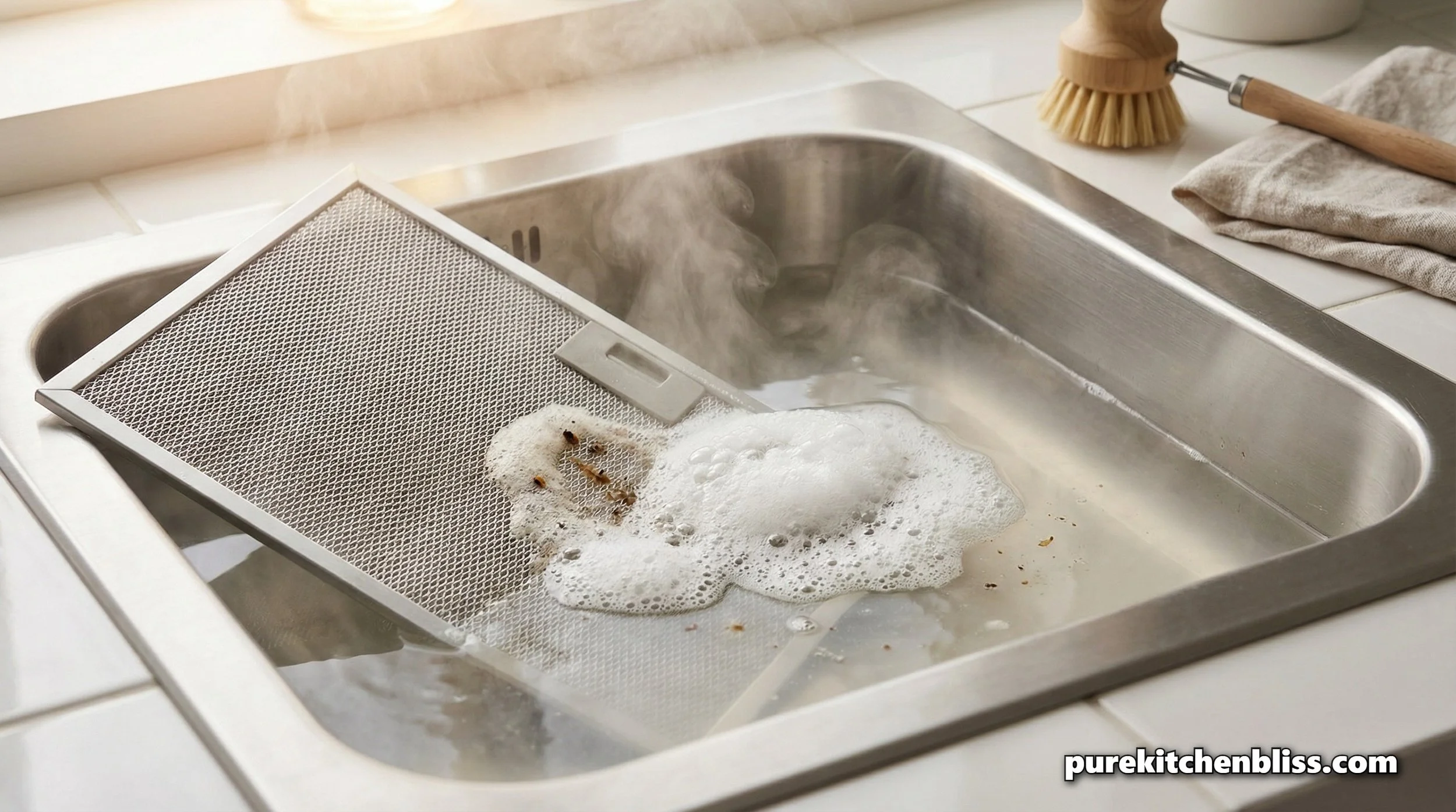
Range Hood Restoration: Deep-Cleaning Your Kitchen's Lungs
The range hood is the unsung hero of the kitchen sanctuary. Its primary function is to act as the "lungs" of the room, extracting aerosolized grease, steam, and volatile organic compounds (VOCs) created during the cooking process. However, when the filters become saturated, this critical extraction system fails. Instead of removing contaminants, a clogged hood allows grease to settle on your cabinetry, ceilings, and walls, creating a sticky residue that attracts dust and household pests.
Restoring your range hood is not just a matter of aesthetics; it is about maintaining the mechanical integrity of your kitchen’s air filtration. By following a systematic degreasing protocol, you ensure that your ventilation system operates at peak efficiency.
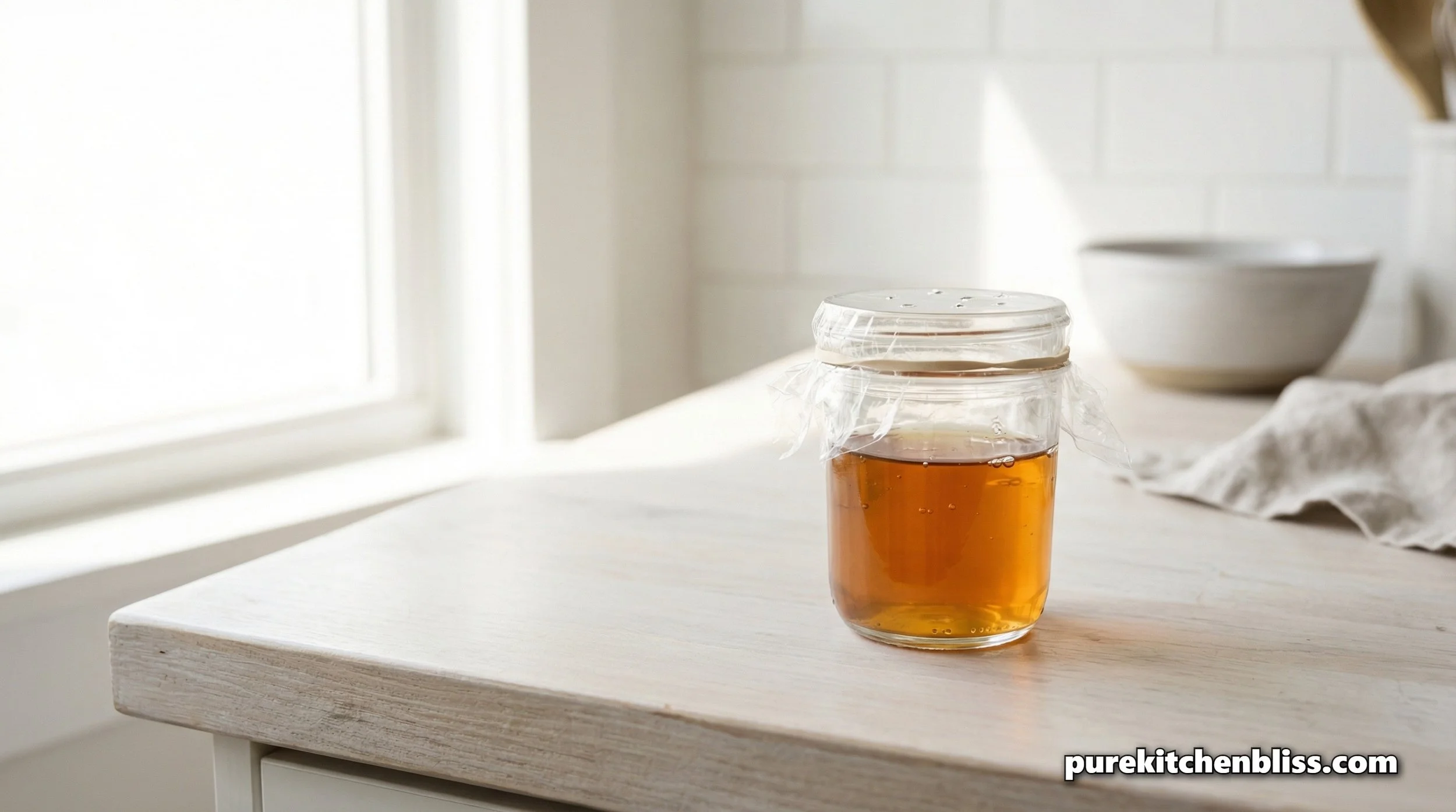
DIY Fruit Fly Trap: The Non-Toxic Apple Cider Vinegar Solution
When a fruit fly swarm hits your kitchen, the "beautiful chaos" of family life can quickly feel a bit less blissful. My first instinct as a builder is always to look for the most efficient, non-toxic tool to solve the problem. You don't need industrial-strength aerosols to clear your air; you just need to understand the biology of the pest and a few basic pantry staples.
This DIY trap is a specialized tool for the "Extraction Phase" of our cleaning protocol. It targets the active adults using the scent of fermentation and a simple trick of physics to ensure they can’t escape. In this guide, we will break down the material science of the bait, the engineering of the vessel, and provide a "Pure Recipe Card" for your home records.
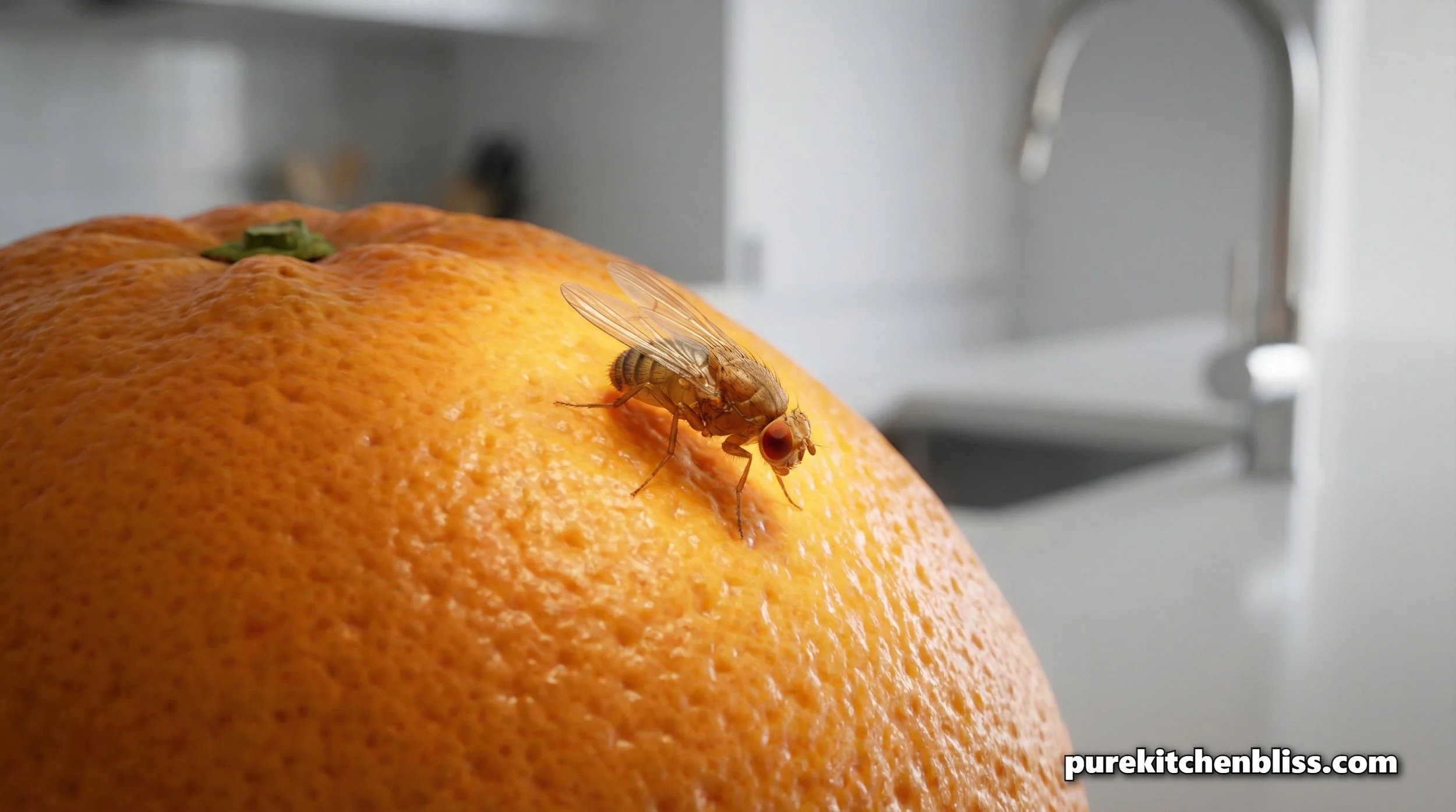
How to Get Rid of Fruit Flies
Fruit flies (Drosophila melanogaster) don’t just "appear" out of nowhere. They are high-performance scavengers with an incredible sense of smell. They can detect the ethanol of a fermenting banana or the microscopic biofilm in your drain from a distance that would put a bloodhound to shame.
Once they enter your kitchen, they look for the softest spots, damp tea towels, overripe fruit, or the "sump" of your sink. To get rid of them, we don't use toxic aerosol sprays that compromise our air quality. Instead, we use a two-phase tactical approach: targeted extraction and source elimination.
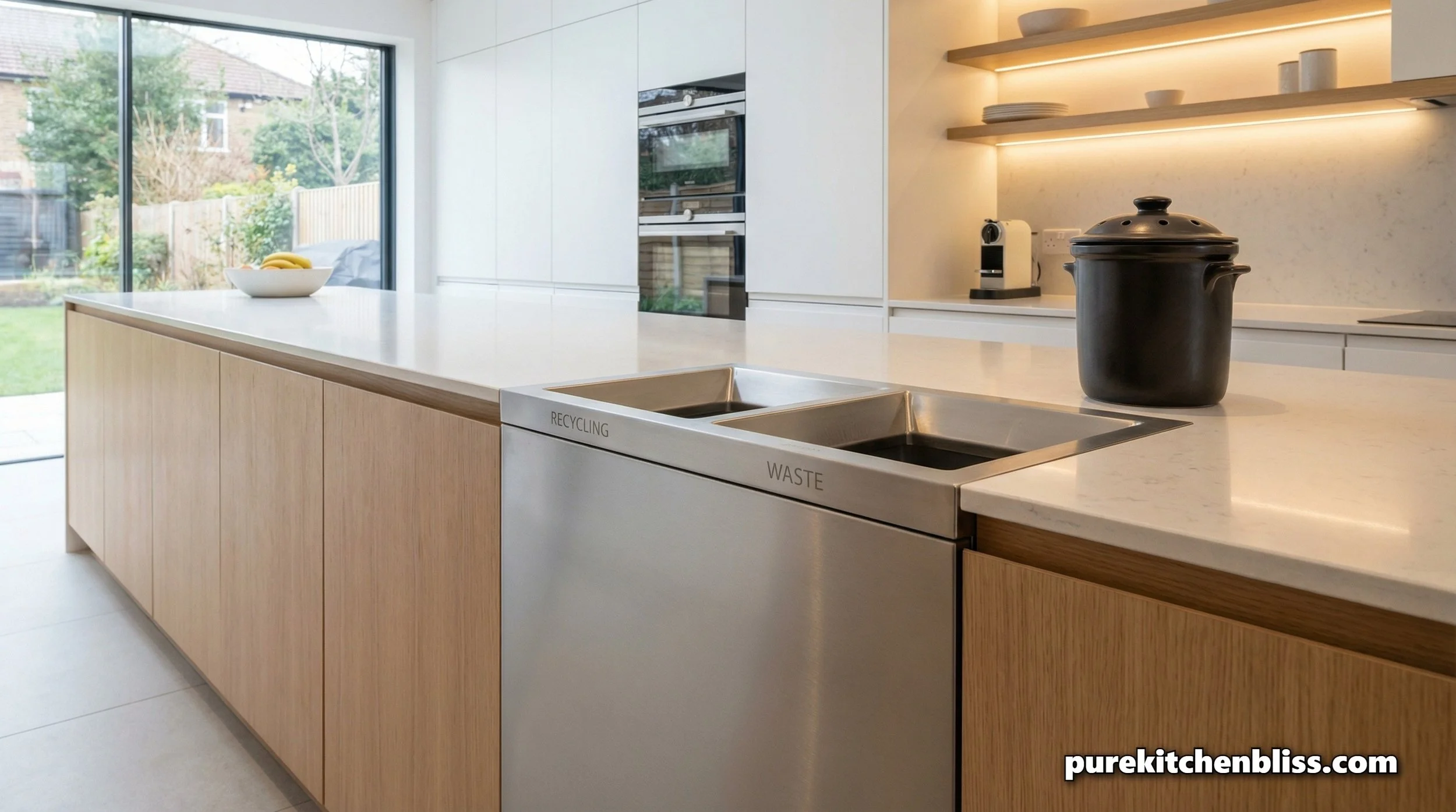
How Often Should You Change Your Kitchen Garbage?
In a house with four daughters and a high-performance meal-prep schedule, the kitchen garbage isn't just a bin—it’s a biological waste station. I look at the garbage area as a high-risk zone for "Infrastructure Contamination."
If left too long, organic waste begins a process of anaerobic decomposition, releasing moisture and VOCs (volatile organic compounds) that can permeate your cabinetry and affect your kitchen's air quality. To maintain a Sustainable Sanctuary, we need a strict extraction schedule. Most people wait until the bag is full to take out the trash, but we don't measure garbage by volume; we measure it by Bio-Load.
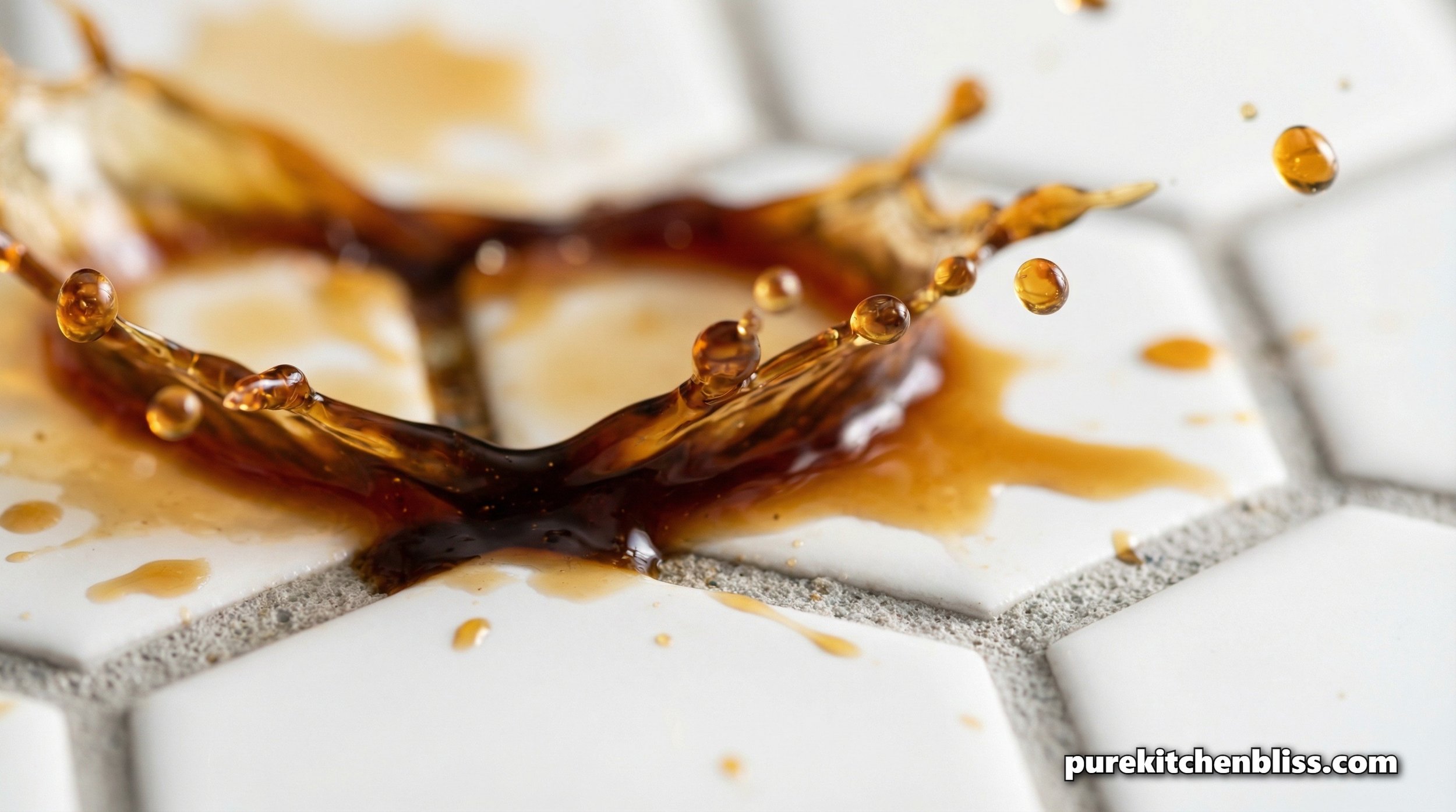
How to Clean Coffee Spills on Your Tiled Kitchen Floor
In the trades, I’ve seen beautiful (and expensive) tile floors ruined not by the tile failing, but by the grout failing. Grout is essentially a rigid, cementitious sponge. When you drop your morning brew, the coffee doesn't just sit on top; it begins a "capillary climb" into the microscopic pores of your floor’s infrastructure.
If you have kids or pets, your first instinct might be to grab a heavy chemical bleach. Stop. Harsh chemicals can break down the sealers on your tile and weaken the grout’s structural integrity over time. Instead, we use a "neutralization and extraction" method to restore the sanctuary.
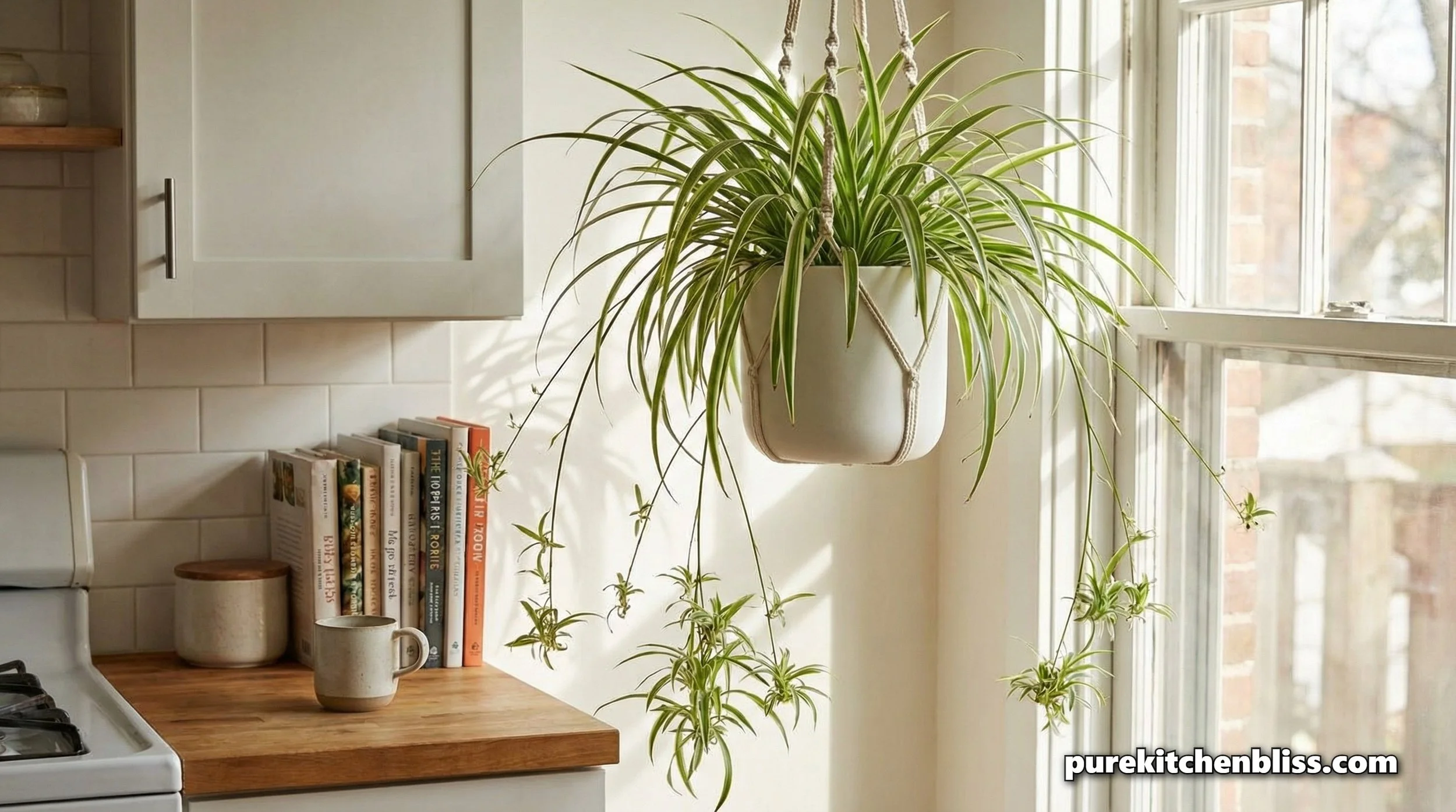
Spider Plant Care: The High-Performance Filter for Your Kitchen
In a house with four daughters and a constant flow of activity, the kitchen is more than just a place to cook—it is a high-output environment. As a Builder-Curator, I look at every element of the room as infrastructure. While we’ve covered the "Steel Beam" resilience of the Internal Link: Snake Plant, the Spider Plant (Chlorophytum comosum) brings a different kind of mechanical advantage to your sanctuary.
The Spider Plant is the kitchen’s "Carbon Monoxide Scrubber." It is one of the few plants scientifically proven to target the specific byproducts of gas cooking and wood-burning. More importantly, in a home where safety is paramount, it is 100% non-toxic to your pets.
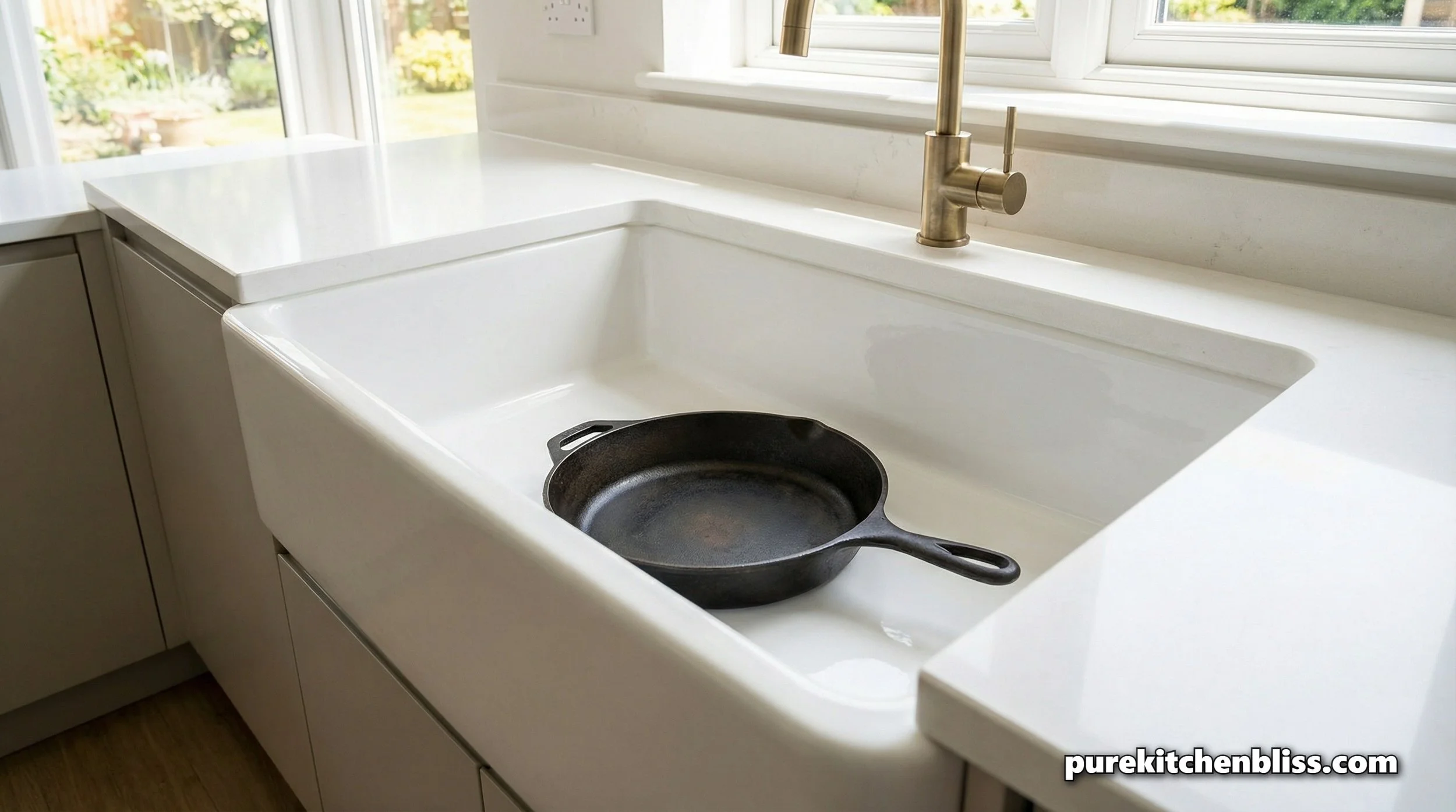
Do You Really Need a Double Sink?
In a busy home with four daughters, the kitchen sink is the most used piece of mechanical equipment you own. It’s the primary station for prepping organic meals, washing out DIY Glass Jars, and tackling the Sunday Night Countertop Reset.
The traditional double sink (the "50/50 split") was designed for a pre-dishwasher era when one side held the soapy water and the other held the rinse water. But in a modern kitchen equipped with a high-efficiency dishwasher and a Stone Dish Drying Mat, that middle divider often becomes a structural hurdle rather than a help. As a Red Seal Carpenter, I look at the sink as the "engine room" of your kitchen. If the engine isn't sized right, the whole system stalls.
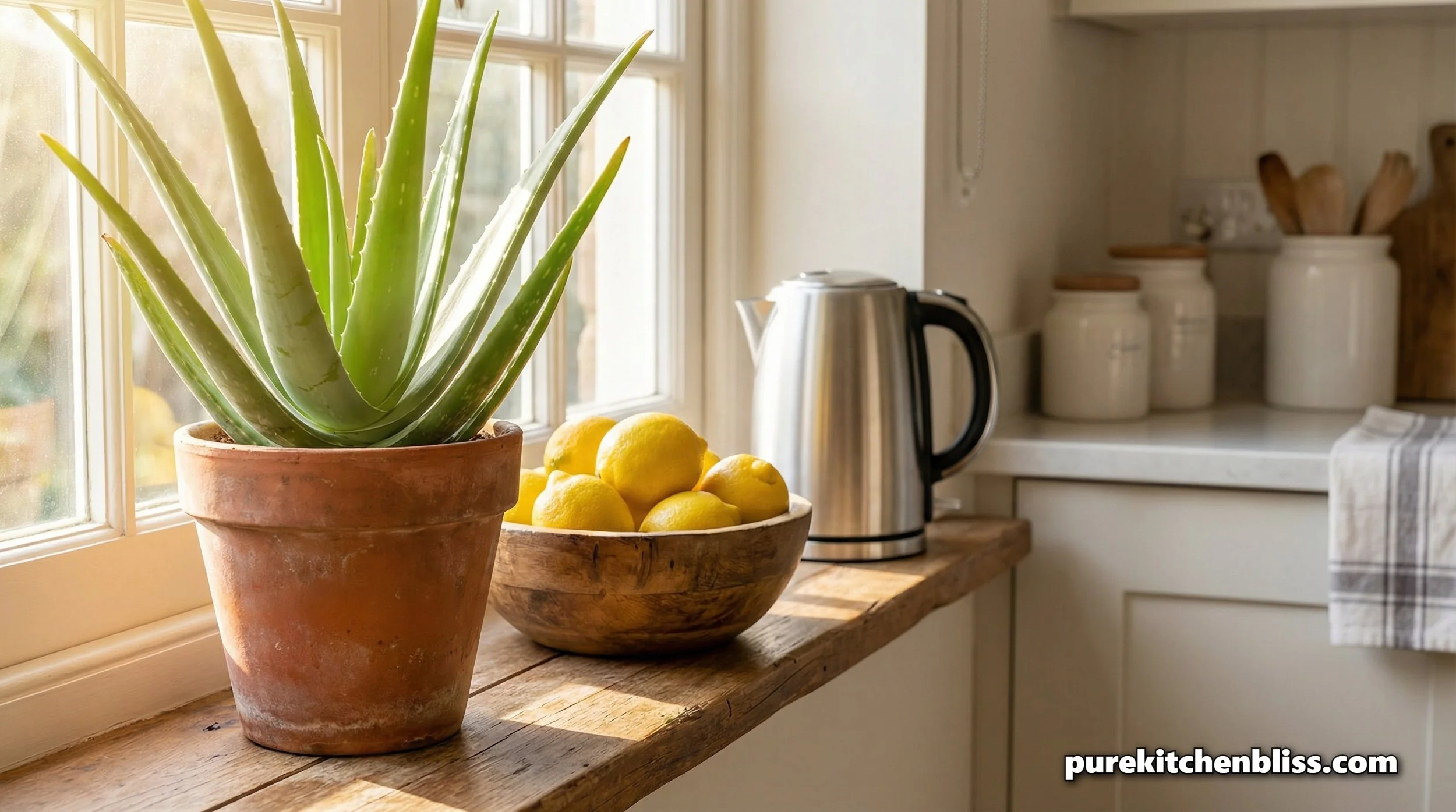
Aloe Vera Mastery: Your Kitchen’s Living First-Aid Station
In a kitchen defined by the "beautiful chaos" of family life, every item should serve more than one purpose. As a father of four, I’ve learned that the most valuable tools are the ones that are both beautiful and functional. The Aloe Vera plant is exactly that: a sleek, architectural succulent that doubles as your kitchen’s primary first-aid station.
Known for centuries as the "Burn Plant," Aloe Vera is a biological powerhouse. Having one on your windowsill isn't just a design choice, it's an infrastructure upgrade. When a minor burn happens during a busy dinner prep, you aren't reaching for a tube of synthetic gel filled with preservatives; you’re reaching for a raw, organic cooling agent grown right in your sanctuary.
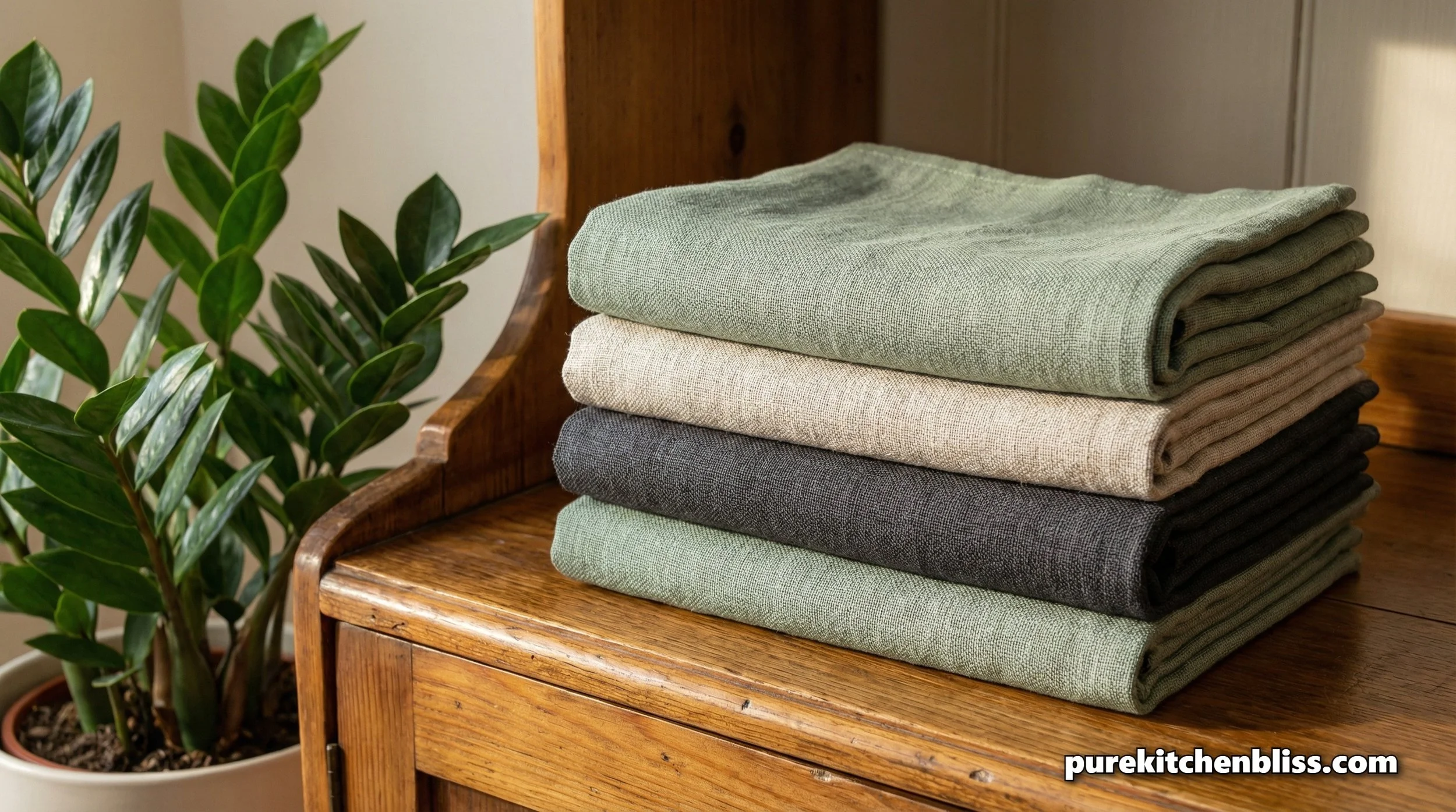
How Often Should You Wash Your Tea Towels?
In a house with four daughters and a constant cycle of meal prep, the humble tea towel is the hardest-working "Soft Infrastructure" in the building. As a father, I look at these towels as filters: they catch moisture, food particles, and aerosolized grease.
Most people wait until a tea towel looks dirty or develops that tell-tale "sour" smell before throwing it in the wash. But as a builder who understands how mold and bacteria thrive in damp environments, I can tell you: If you can smell it, the infrastructure has already failed. In the "Beautiful Chaos" of our kitchen, tea towels are the primary source of cross-contamination. Here is the professional schedule to keep your linens, and your family, safe.
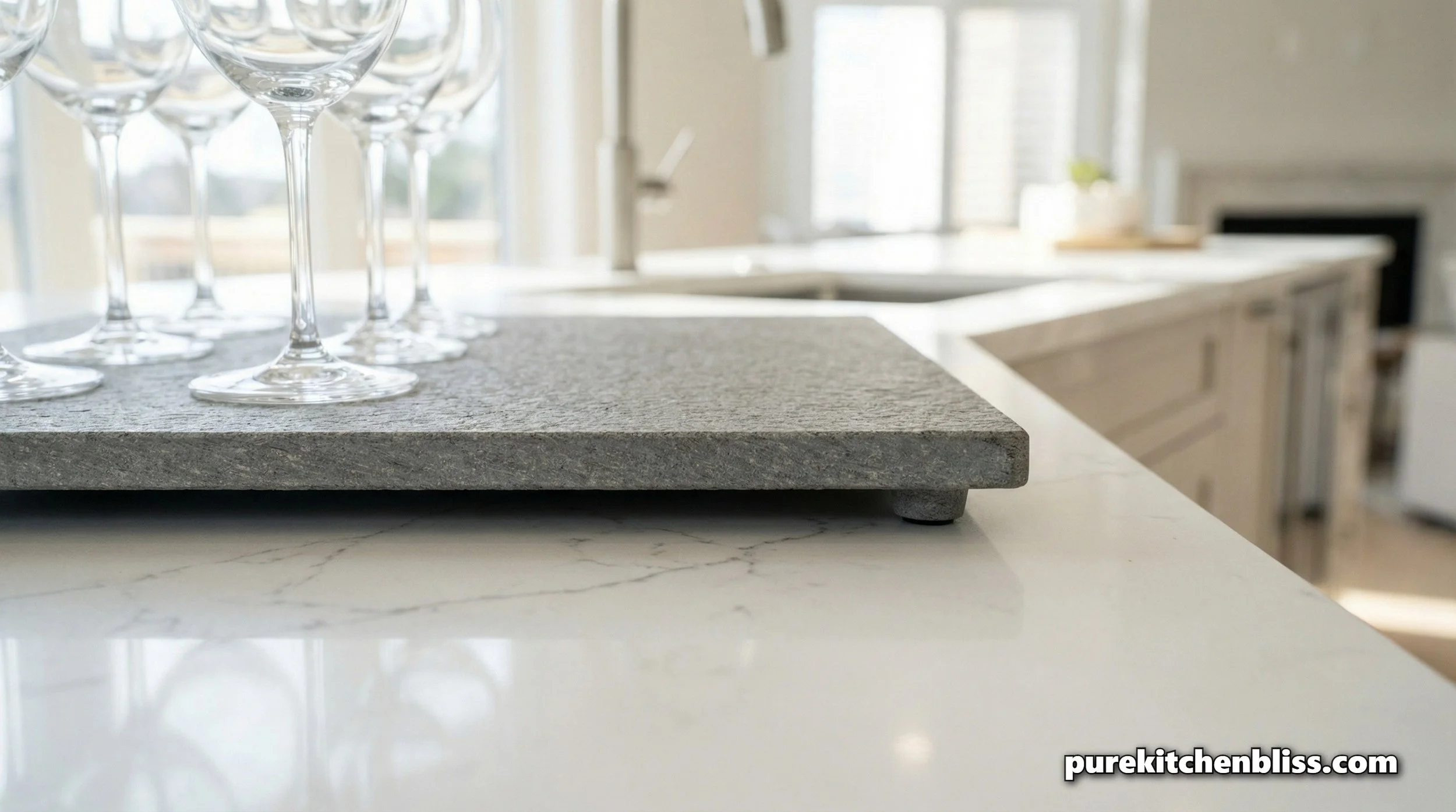
Stone Dish Drying Mat Mastery: The Anti-Mold Kitchen Infrastructure
In my 20 years as a Red Seal Carpenter, I’ve spent a significant portion of my career repairing the damage caused by "slow moisture." I’ve seen subfloors rotted through and cabinetry warped beyond repair, all because of the humble, soggy dish towel sitting on a countertop.
The traditional fabric or memory foam drying mat is a design failure. It captures water, traps heat, and creates a dark, damp "micro-climate" perfect for mold and bacteria. To maintain a Sustainable Sanctuary, we need to replace that "biological sponge" with a material designed for rapid evaporation: Diatomaceous Earth.