Linen vs. Cotton: Which Fiber is Best for Your Sanctuary?
In the pursuit of a sustainable sanctuary, we often spend significant time researching the "bones" of our home—the non-toxic finishes and the structural integrity of our furniture. However, we spend a third of our lives in direct contact with the textiles on our beds. The debate between Linen and Cotton is not merely an aesthetic choice; it is a choice about thermal regulation, longevity, and environmental stewardship.
Both fibers have been used for millennia, yet they offer vastly different experiences for the sleeper. To choose the right material for your bed, we must look at the science of the fiber, the "break-in" period, and how each fits into your The Ultimate Linen Closet Audit.
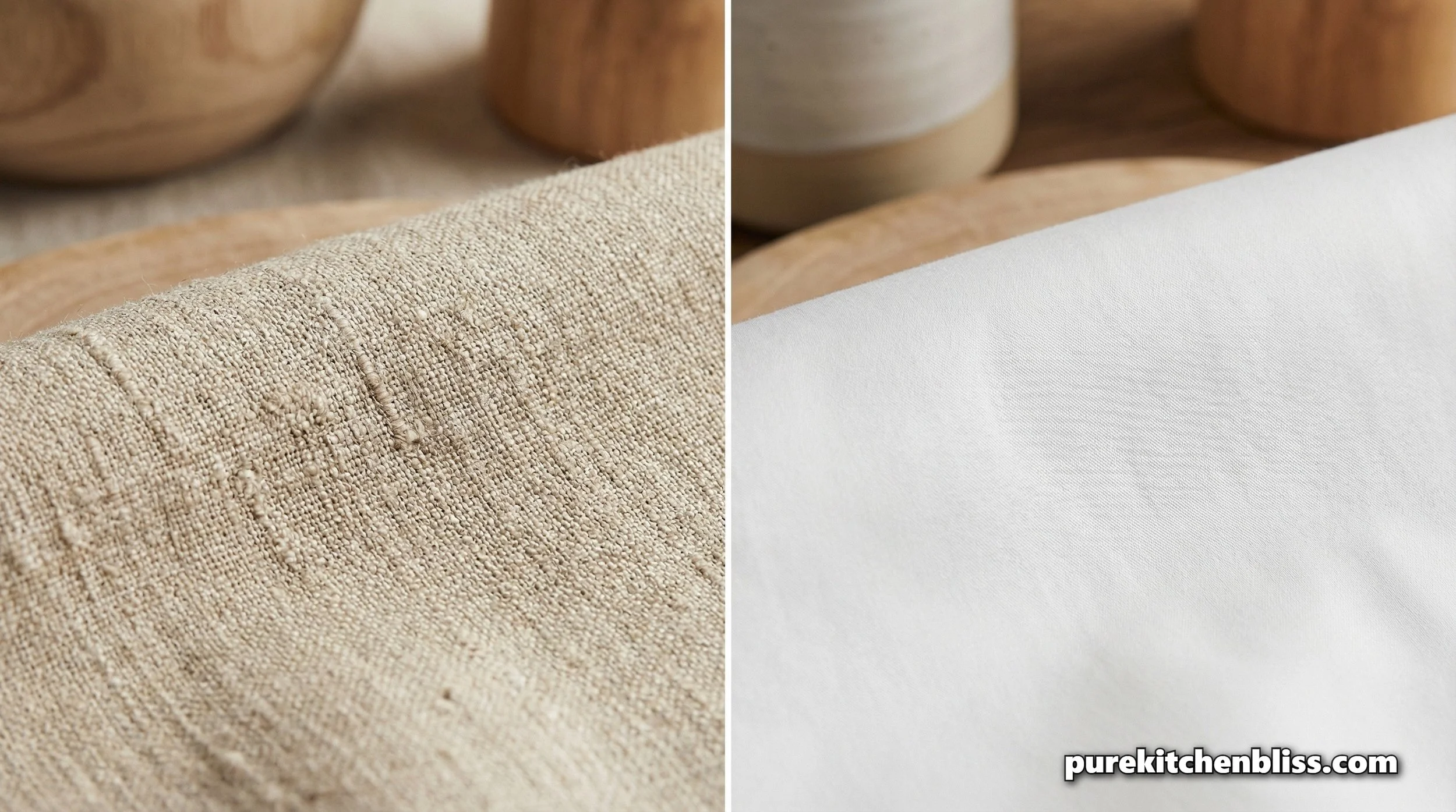
1. The Science of the Fiber: Breathability and Heat
The primary function of bedding is to maintain a stable body temperature throughout the night. This is where the structural differences between cotton and linen become most apparent.
Cotton: The Soft Insulator
Cotton is a "solid" fiber. Depending on the weave, such as percale or sateen, it can be incredibly smooth and crisp. Because cotton fibers are finer, they can be woven more tightly. While this creates a soft, hotel-like feel, it also limits airflow. If you are a "hot sleeper," a high-thread-count cotton sheet can actually trap heat against your skin, leading to a disrupted sleep cycle.
Linen: The Natural Heat Sink
Linen is derived from the flax plant and is a "hollow" fiber. This structural hollow core makes linen a natural insulator; it keeps you warm in the winter and cool in the summer. Linen can absorb up to 20% of its own weight in moisture before even feeling damp. This high "wicking" ability makes it the gold standard for those who prioritize a dry, temperature regulated sleep environment.
2. Durability and the "Stewardship Lifecycle"
When we talk about sustainability, we must talk about longevity. A product that lasts twenty years is infinitely more sustainable than one that needs replacing after three.
The Lifecycle of Cotton
Even high-quality Egyptian or Pima cotton will eventually begin to "pill" or thin. Because cotton fibers are shorter and softer, they break down more easily under the mechanical stress of washing and drying. You may find that after several years, your cotton sheets develop "transparency" in the areas of highest friction.
The Resilience of Linen
Linen is one of the strongest natural fibers in the world. In fact, it is often said that linen sheets are not "bought," they are "curated" for the next generation. Unlike cotton, which is at its softest on day one, linen requires a "break-in" period. With every wash, the pectin in the flax fibers breaks down, making the fabric softer and more supple. A set of linen sheets can easily last several decades if maintained using our How to Strip Your Towels protocol to remove mineral buildup.
3. Aesthetic and Mental Flow: Crisp vs. Relaxed
The visual state of your bedroom affects your mental "reset" at the end of the day.
Cotton Percale: If your version of a sanctuary is a crisp, "freshly pressed" hotel look, cotton is your winner. It holds a fold beautifully and looks sharp on the bed.
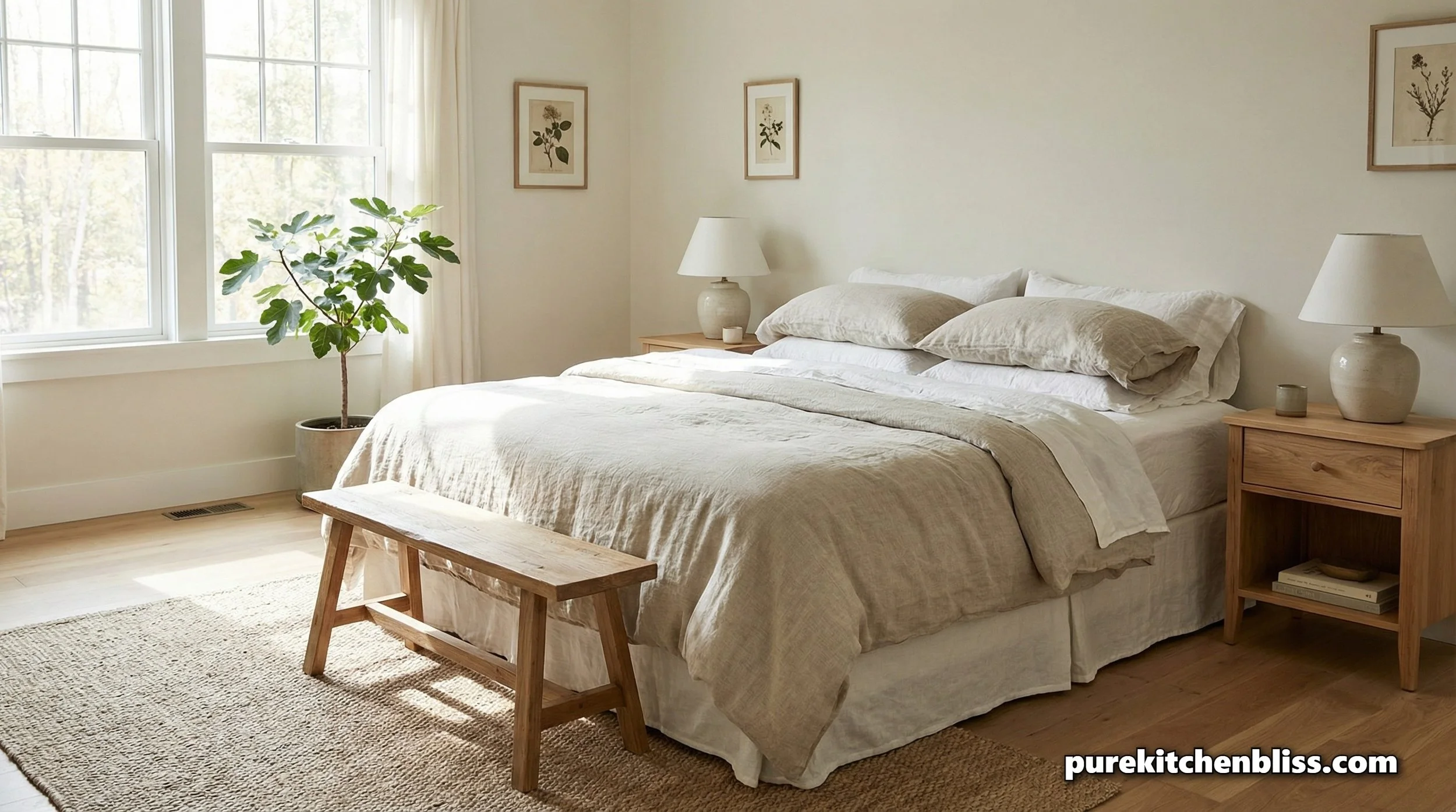
Flax Linen: Linen embraces the "Beautiful Chaos." It is naturally prone to soft wrinkling, which creates a relaxed, lived-in aesthetic. It signals to the brain that the space is informal, comfortable, and ready for rest.
4. Environmental Stewardship: The Eco-Footprint
For the conscious curator, the "hidden cost" of a fiber is just as important as the price tag.
The Water Demand of Cotton
Traditional cotton is a thirsty crop. It requires significant amounts of water and, unless specified as "Organic," often involves the use of heavy pesticides. If you choose cotton, look for GOTS Certified Organic or OEKO-TEX labels to ensure your sanctuary remains non-toxic.
The Sustainability of Flax
Flax (the source of linen) is a remarkably hardy plant. It grows in poor soil, requires very little water, and almost no pesticides. Furthermore, every part of the flax plant is used, from the seeds (flaxseed oil) to the fibers. Choosing linen is a vote for a lower-impact home infrastructure.
5. Maintenance Rituals: Caring for Your Investment
Regardless of the fiber you choose, your maintenance rhythm will determine its lifespan.
The Detergent Rule: Both fibers are sensitive to harsh chemicals. Use a pH-neutral, plant-based detergent to prevent the fibers from becoming brittle.
The Heat Warning: Never "cook" your linens in a high-heat dryer. As we discussed in our 5 Natural Ways to Scent Your Linen Closet, high heat breaks down the molecular bonds of the fiber. Use a medium setting and remove them while they are still slightly damp to prevent "permanent creasing."
The Storage Factor: Because linen is a natural fiber, it needs to breathe. Avoid plastic storage bins. Instead, use the "Pillowcase Bundle" method found in our The Ultimate Linen Closet Audit.
6. Conclusion: Which is Right for Your Bed?
The verdict depends on your personal "Rest Profile."
Choose Cotton if: You love a crisp, smooth, cool-to-the-touch feel and prefer a formal, polished bedroom aesthetic.
Choose Linen if: You are a hot sleeper, you value extreme longevity, and you embrace a relaxed, organic, and sustainable lifestyle.
In a Sustainable Sanctuary, there is no wrong answer, only an informed one. By choosing high-quality natural fibers over synthetics, you are investing in the "soft infrastructure" of your health and the planet.
Explore More in Your Home Sanctuary:
To prepare your closet for your new sheets: The Ultimate Linen Closet Audit
To refresh your bedding naturally: 5 Natural Ways to Scent Your Linen Closet
To ensure your kitchen linens match your quality: How Often Should You Wash Tea Towels?