5 Natural Ways to Scent Your Linen Closet Without Chemicals
There is a specific sensory experience associated with opening a perfectly organized linen closet: the cool touch of cotton, the visual order of the stacks, and, most importantly, the scent. However, in our quest for a "fresh" home, many of us have relied on synthetic fragrances, plug-ins, and petroleum based dryer sheets. While these products provide an immediate hit of perfume, they often introduce Volatile Organic Compounds (VOCs) into our air and leave a waxy residue on the very fibers we use to dry our skin.
In a Sustainable Sanctuary, we prioritize "Passive Scenting," the art of using natural botanicals and essential oils to maintain a subtle, blissful aroma without compromising air quality. By integrating these five non-toxic methods, you can ensure your linens remain a source of sensory delight.
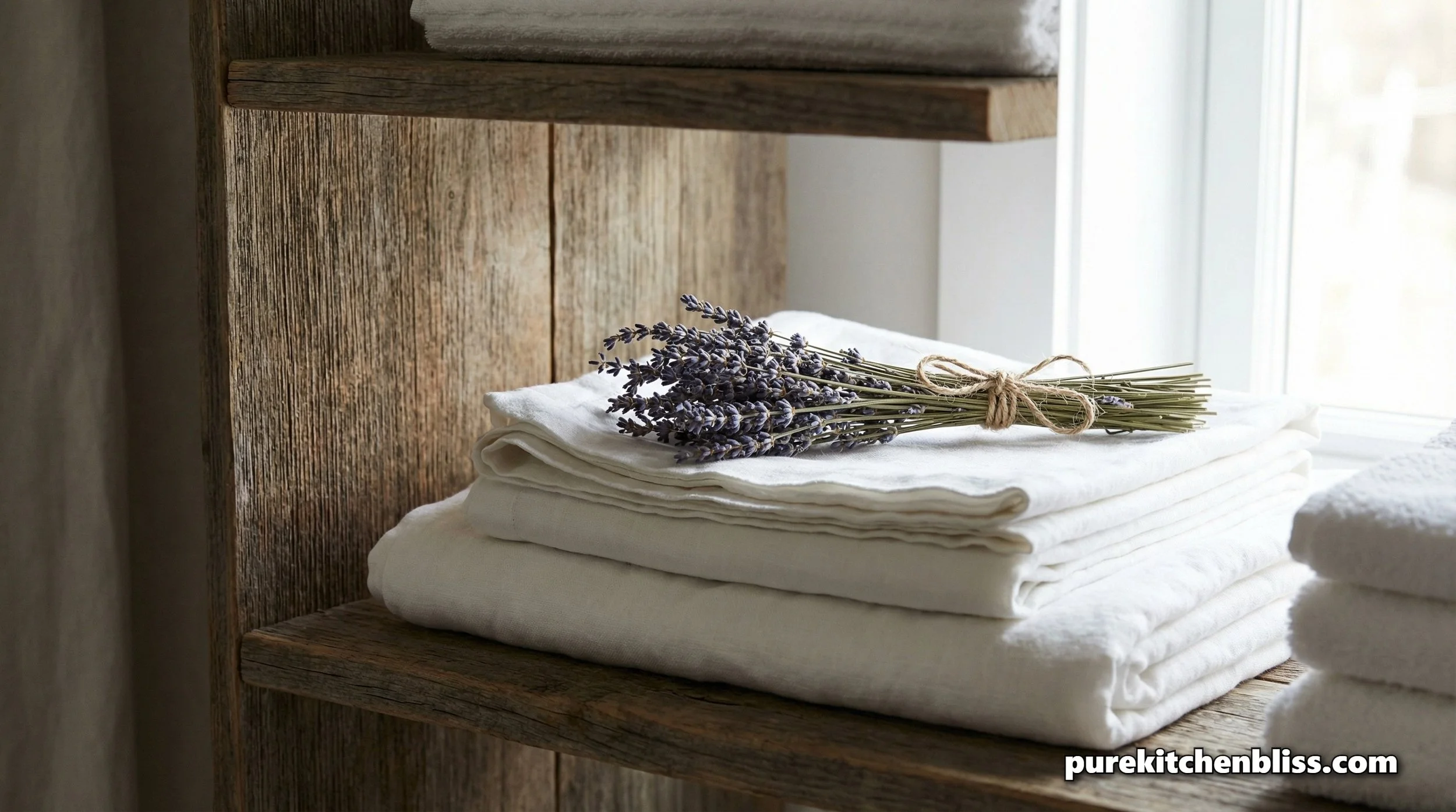
1. The Cedar Infrastructure: Protection & Aroma
Cedar has been used in home stewardship for centuries, and for good reason. It is one of nature’s most effective "functional scents." Eastern Red Cedar contains natural oils that emit a woody, clean fragrance while simultaneously acting as a deterrent for moths and other textile-damaging pests.
How to Implement:
Instead of using mothballs (which contain naphthalene, a known toxin), integrate cedar blocks, rings, or planks directly into your shelving infrastructure.
The Ritual: Place cedar rings over the hooks of your aprons or tuck small blocks behind your stacks of towels.
The Maintenance: Over time, the surface of the cedar will dry out, and the scent will fade. You don't need to replace them; simply give the wood a light sand with fine-grit sandpaper to reopen the "pores" and release a fresh wave of aromatic oils.
2. Botanical Sachets: The Power of Dried Herbs
Dried botanicals provide a steady, slow-release scent that is far superior to aerosol sprays. When herbs are dried properly, their essential oils are concentrated within the plant material, releasing slowly over months.
The Sanctuary Blend:
Lavender: The gold standard for sleep and relaxation. Ideal for your sheet sets.
Rosemary & Thyme: These have natural antiseptic properties and a "sharper" scent that works beautifully for your kitchen textiles and the tools used in your Range Hood Restoration.
The Ritual: Fill small cotton or muslin bags with your chosen herbs. If you have a garden, this is a wonderful way to preserve the summer harvest. Tuck these sachets inside your "Pillowcase Bundles" (as described in our The Ultimate Linen Closet Audit) so the scent is pressed directly into the fabric.
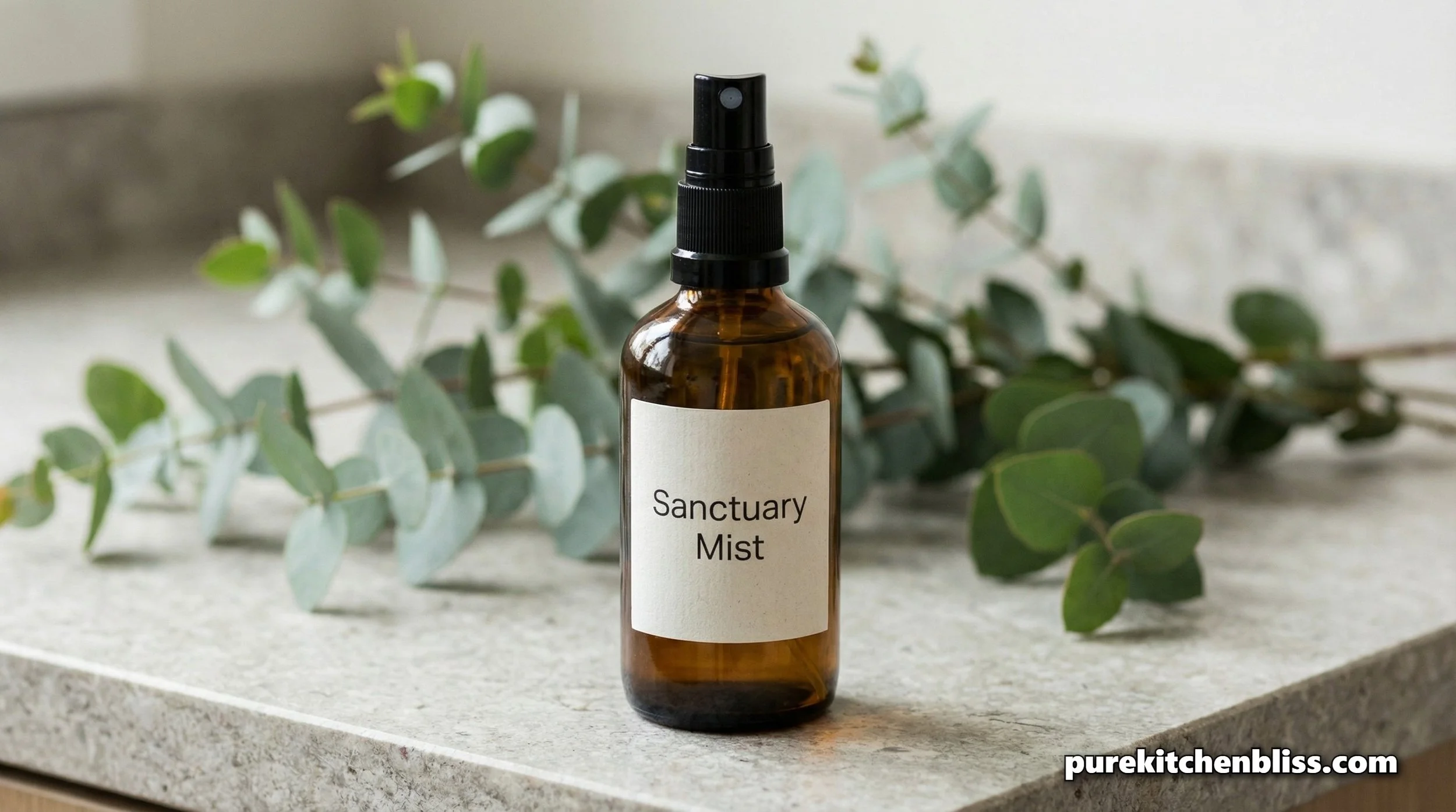
3. The "Vodka Spray" Refresh (The Sanctuary Mist)
Sometimes, linens that have sat at the back of the closet for too long can develop a "flat" or stale scent. This is where a high-performance linen spray comes in. By using a base of high-proof vodka, we create a mist that neutralizes odors and evaporates instantly without leaving the fabric damp.
The Recipe:
The Base: 2 ounces of high-proof vodka (which acts as an emulsifier for the oils).
The Aromatic: 10–15 drops of high quality essential oil (Eucalyptus and Lemon provide a "clean" profile).
The Action: Mist the shelves lightly during your Sunday Night Reset. The alcohol kills surface bacteria that cause odors, while the essential oils leave a lingering, non-toxic fragrance.
4. Activated Charcoal & Citrus Peels: The Odor Absorber
Before you can add a "good" scent, you must remove the "bad" ones. Closets are enclosed spaces with limited airflow, which can lead to a build-up of musty odors. Activated charcoal is an incredible tool for home stewardship because it is highly porous and physically "traps" odor molecules.
The Dual-Action Method:
The Absorber: Place a small bowl of activated charcoal in the back corner of your linen closet to pull moisture and mustiness out of the air.
The Scent: Pair the charcoal with dried citrus peels (lemon or orange). The charcoal handles the "cleaning" of the air, while the citrus provides a bright, uplifting top note that makes the closet feel energized.
5. Terracotta and Wood Diffusion
If you prefer a more consistent scent profile throughout the entire closet, consider using "Passive Diffusers." Unlike electric diffusers, these rely on the natural porosity of the material to slowly evaporate essential oils into the confined space.
How to Implement:
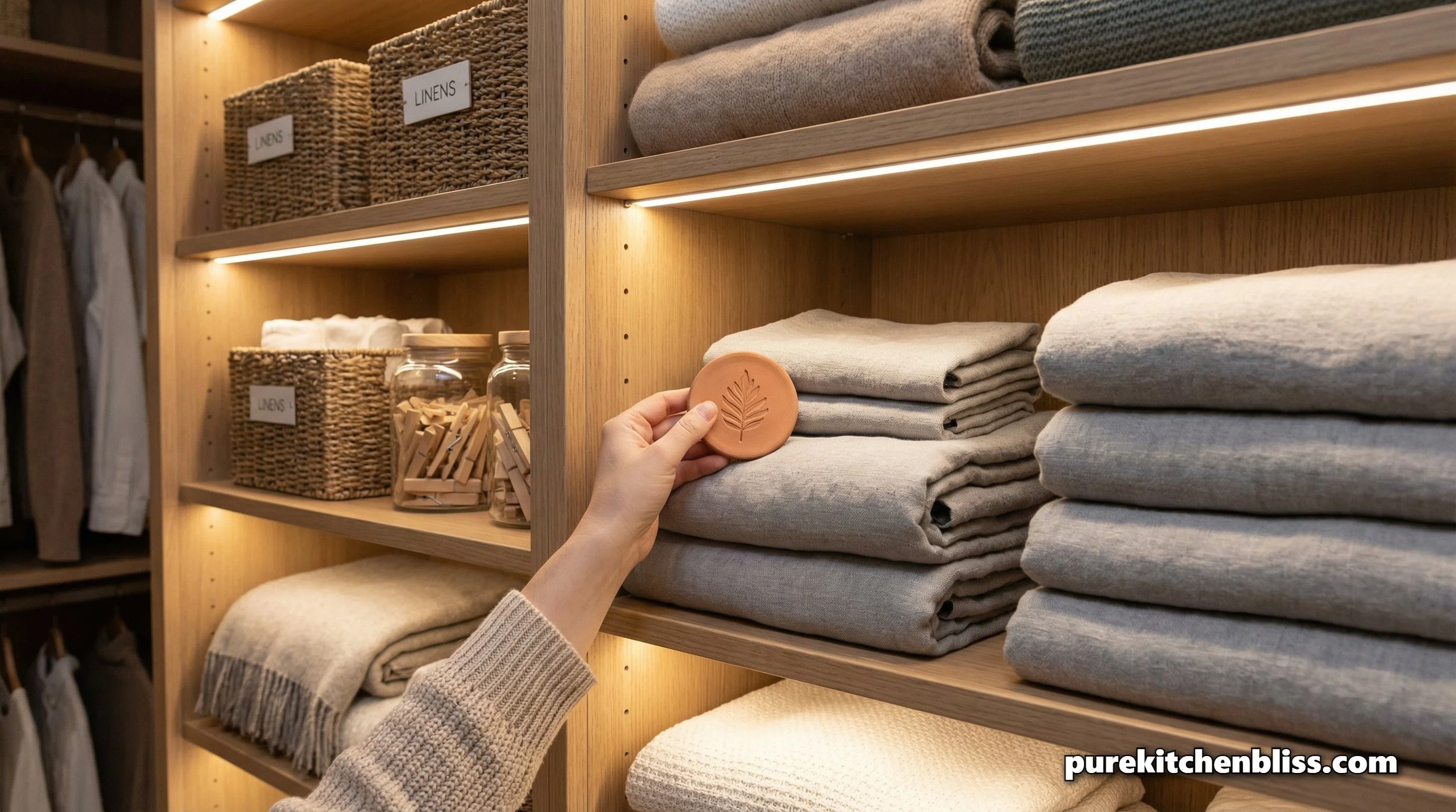
Terracotta Disks: These unglazed clay disks are perfect for the closet. Add 5 drops of your favorite essential oil to the disk and let it soak in. The clay will hold the scent and release it slowly over 2–3 weeks.
The Wood Bead Trick: String several unfinished wooden beads onto a piece of twine and drench them in oil. Hang this from the back of the closet door. The wood acts as a "wick," providing a constant, subtle aroma that greets you every time you open the door.
6. Maintaining the Sensory Sanctuary
Scenting your home is an ongoing practice of stewardship. To ensure your linen closet remains a blissful environment, avoid the temptation to "over-scent." The goal is a subtle, clean aroma that feels like a natural extension of your home.
The Seasonal Rotation
Just as we change our linens with the seasons, we should change our scents:
Spring/Summer: Focus on bright, antimicrobial scents like Lemon, Peppermint, and Eucalyptus.
Autumn/Winter: Move toward grounding, warming scents like Cedarwood, Clove, and Lavender.
By following these natural methods, you are not just masking odors; you are maintaining the integrity of your fabrics and the health of your home. A Sustainable Sanctuary is one that smells as pure as it looks.
Explore More in Your Home Sanctuary:
To ensure your towels are fresh enough for scenting: How to Strip Your Towels for Maximum Absorbency
To organize your newly scented linens: The Ultimate Linen Closet Audit
To maintain the kitchen textiles that share this space: How Often Should You Wash Tea Towels?