How to Get Rid of Fruit Flies
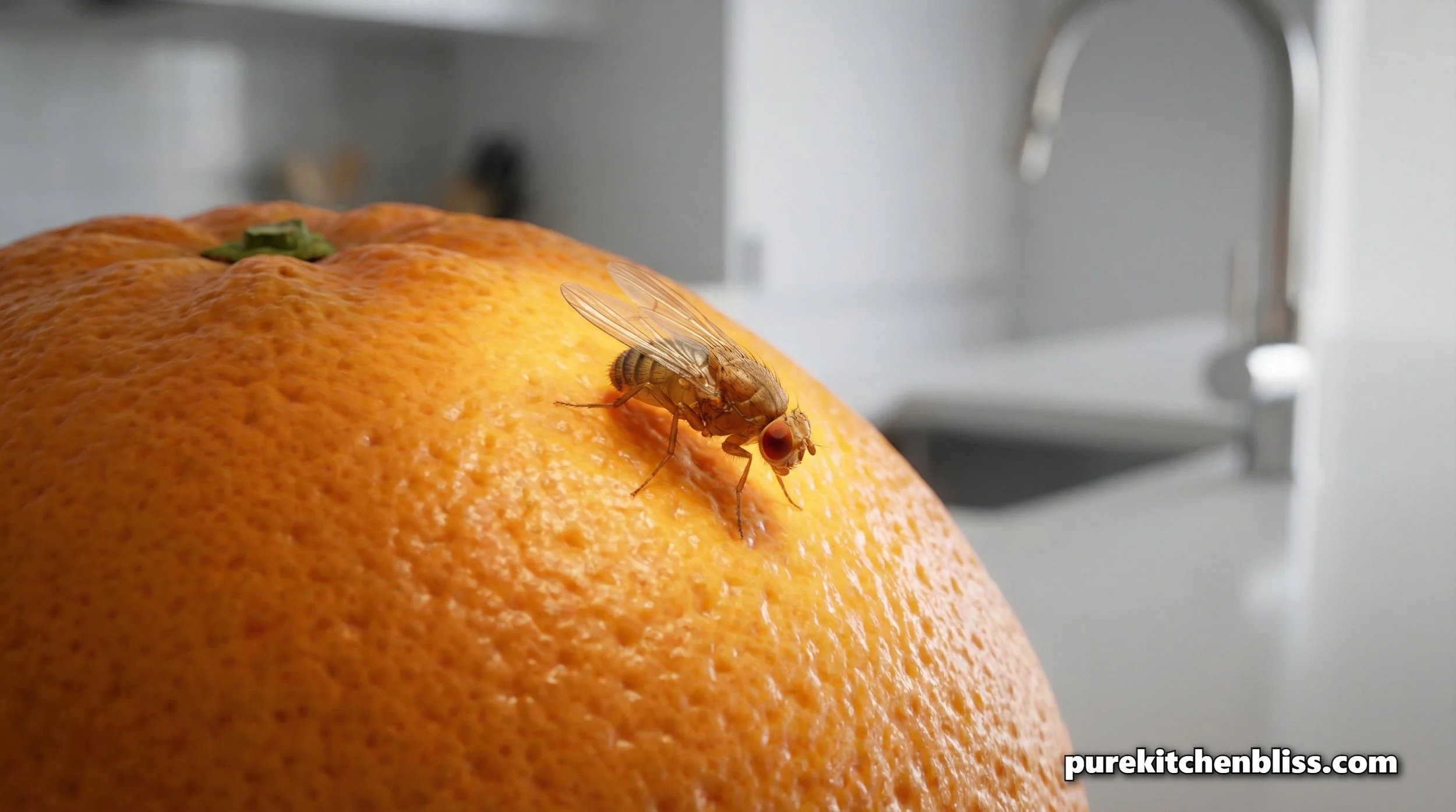
Fruit flies (Drosophila melanogaster) don’t just "appear" out of nowhere. They are high-performance scavengers with an incredible sense of smell. They can detect the ethanol of a fermenting banana or the microscopic biofilm in your drain from a distance that would put a bloodhound to shame.
Once they enter your kitchen, they look for the softest spots, damp tea towels, overripe fruit, or the "sump" of your sink. To get rid of them, we don't use toxic aerosol sprays that compromise our air quality. Instead, we use a two-phase tactical approach: targeted extraction and source elimination.
1. The Biology of the "Swarm"
To defeat a kitchen pest, you have to understand its timeline. A single female fruit fly can lay up to 500 eggs in her short lifetime.
The 8-Day Window: Under ideal conditions (the warm, humid environment of a family kitchen), a fruit fly can go from egg to adult in about 8 to 10 days. This means if you see ten flies today, there are potentially hundreds more in the "larval" stage hidden in your kitchen's systems.
The Scent Trigger: Fruit flies are specifically attracted to acetic acid and ethanol. These are the chemical signatures of decay. In a house with four daughters and a high-volume meal-prep schedule, these scents are constant.
The "Hitchhiker" Reality: Most fruit fly infestations start outside. They arrive as microscopic eggs on the skins of grocery-store bananas, melons, or tomatoes.
2. Phase 1: Targeted Extraction (The "Trap")
Before we can stop the breeding, we need to remove the active "patrol" currently flying in your kitchen. We use a natural lure to catch the adults.
The DIY Vessel: Use a How to Clean Glass Jars, a small mason jar or even a ramekin.
The Lure: Pour 2 inches of apple cider vinegar (the fermentation scent is irresistible to them) and a drop of Non-Toxic Kitchen Degreaser or eco-friendly dish soap.
The Physics of Surface Tension: Naturally, liquid has "surface tension" that allows tiny insects to land on it without sinking. The soap breaks this tension. When the fly touches the liquid, it sinks instantly.
The Placement Strategy: Put these near your high-risk zones, the fruit bowl, the compost bin, and the sink.
3. Phase 2: Source Elimination (The Deep Reset)
If you catch 100 flies but leave the breeding ground intact, you haven't solved the problem; you’ve just cleared the air for the next generation. You need to clear the biological bridge they use to multiply.
The Anatomy of the Kitchen Sink
As a builder, I look at the sink as a series of connected pipes that collect organic "sludge." This sludge, composed of fats, oils, and food particles, creates a biofilm that acts as the perfect nursery for fruit fly larvae.
The P-Trap: This is the U-shaped pipe under your sink. It’s designed to hold water to block sewer gases, but it also collects food debris.
The Garbage Disposal: The rubber baffles and grinding chamber are prime real estate for mold and biofilm.
The Overflow Hole: This is the hidden tunnel in your sink. It’s rarely cleaned and is often the "ground zero" for a persistent infestation.
The "Mechanical Flush" Protocol
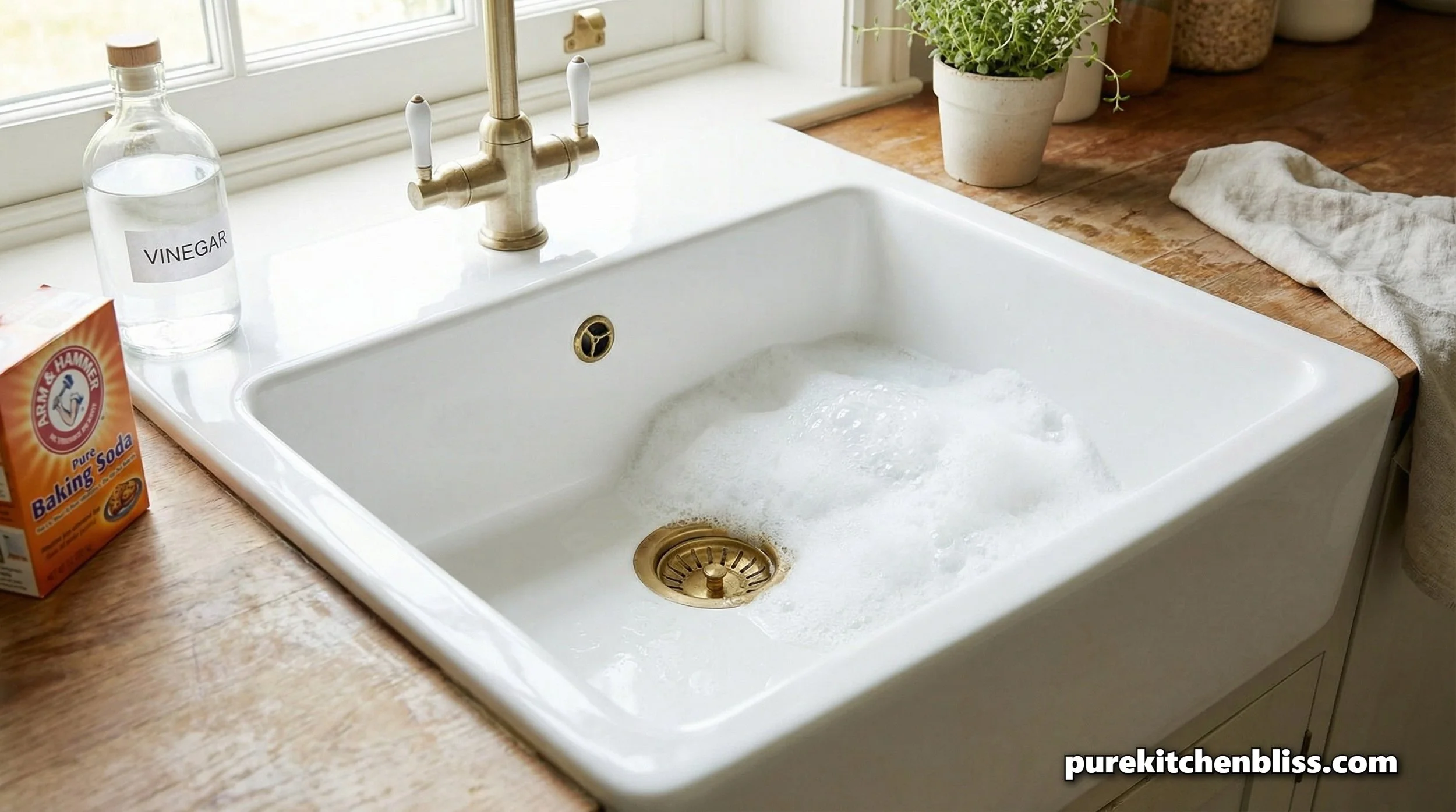
The Scour: Pour 1 cup of baking soda down the drain, followed by 1 cup of white vinegar.
The Dwell Time: Let it fizz for at least 10 minutes. The effervescent action helps "scrub" the biofilm off the walls of the pipes.
The Extraction: Flush with a gallon of boiling water. The heat "shocks" any remaining larvae and melts the grease that holds the biofilm together.
Read More: How to Unclog a Drain With Baking Soda and Vinegar
4. The 24-Hour Waste Rule
As we established in How Often Should You Change Your Garbage, organic waste is a magnet.
The Compost Pivot: Move your compost to a sealed container with a charcoal filter or store it in the freezer until pickup day.
The Sump Clean: Eliminate any standing water or "trash juice" in the bottom of your trash bin. Spray the bin with your DIY Vodka Spray to neutralize the odors that attract the scavengers.
BUILDER TIP: THE AIR-GAP WARNING
Don't forget the dishwasher air gap (the small silver cylinder on your sink). If it’s clogged with food particles, it becomes a high-rise apartment for fruit flies. Pop the cap, scrub it with a bottle brush, and give it a vinegar flush.
5. Protecting the "Beautiful Chaos"
In a family home, fruit is a constant. To keep it safe, you need a physical barrier.
The "Wash and Store" Ritual: Wash all store-bought fruit as soon as you get home using a 3-to-1 water/vinegar soak. This kills any hitchhiking eggs.
The Physical Barrier: Use a mesh "fruit tent" or store high-sugar fruits (like bananas and peaches) in the refrigerator during a "swarm" event to break the life cycle.
Pest Prevention Matrix
| Risk Zone | The "Pure" Fix | The Reasoning |
|---|---|---|
| Kitchen Sink | Baking Soda & Vinegar Flush | Removes the bio-film nursery for larvae. |
| Fruit Bowl | ACV & Soap Trap | Eliminates active adults via fermentation lure. |
| Trash/Compost | 24-Hour Extraction | Cuts off the primary odor trail. |
| Baseboards | Vodka Spray Mist | Neutralizes sugary spills and "hidden" spills. |
| Produce | Vinegar Soak | Kills eggs on the skin of store-bought fruit. |
6. Troubleshooting: When the Swarm Won't Leave
If you’ve set traps and cleaned the drains but the flies persist, you have a "hidden" source.
Check the Pantry: A single rotting potato or onion in the back of a dark cabinet can produce thousands of flies.
Check the Refrigerator Tray: Some fridges have a condensation tray at the bottom that collects water and dust. This "hidden puddle" is a prime breeding site.
Check the Plants: If you see flies around your Golden Pothos, they might be Fungus Gnats, not fruit flies. Fungus gnats live in the soil, not the drains.
The Pest-Free Sanctuary Toolkit
Stop the cycle before it starts. These are the curator-approved essentials for a high-performance kitchen:
The Lure: [Ceramic Fruit Fly Trap Set (Aesthetic & Effective)](Affiliate Link)
The Barrier: [Airtight Countertop Compost Bin with Charcoal Filter](Affiliate Link)
The Brush: [Detail Bottle Brush Set (For Overflow & Drains)](Affiliate Link)
The Cleaner: [Organic White Vinegar (Bulk for Drain Flushes)](Affiliate Link)
Conclusion: Reclaiming the Sanctuary
Fruit flies are a temporary glitch, but they are a great reminder to check the health of our kitchen's foundations. By cleaning the drains, managing the waste, and using simple, non-toxic traps, you restore the blissful environment your family deserves.
Next Steps for Your Kitchen Sanctuary:
If you need an immediate tool to catch the active swarm: DIY Fruit Fly Trap: The Apple Cider Vinegar Solution
To address the "biological sludge" hidden in your pipes: How to Unclog a Drain With Baking Soda and Vinegar
To eliminate the odors and waste that draw pests in: How Often Should You Change Your Kitchen Garbage?
To establish a weekly rhythm that prevents future infestations: The Sunday Night Countertop Reset Ritual