Kitchen Countertop Stewardship: A Guide to Quartz and Natural Stone
In the heart of the home, the countertop is the primary stage for the "Beautiful Chaos" of daily life. Whether it is a marble slab that has seen years of family baking or a modern quartz surface designed for high-performance durability, your countertops are a significant investment in your home’s aesthetic and value.
True stewardship of these surfaces goes beyond a quick wipe-down after dinner. It involves understanding the unique "personality" of the material you’ve chosen. By using the right rhythms and non-toxic materials, you can ensure your surfaces remain a source of pride rather than a source of stress.
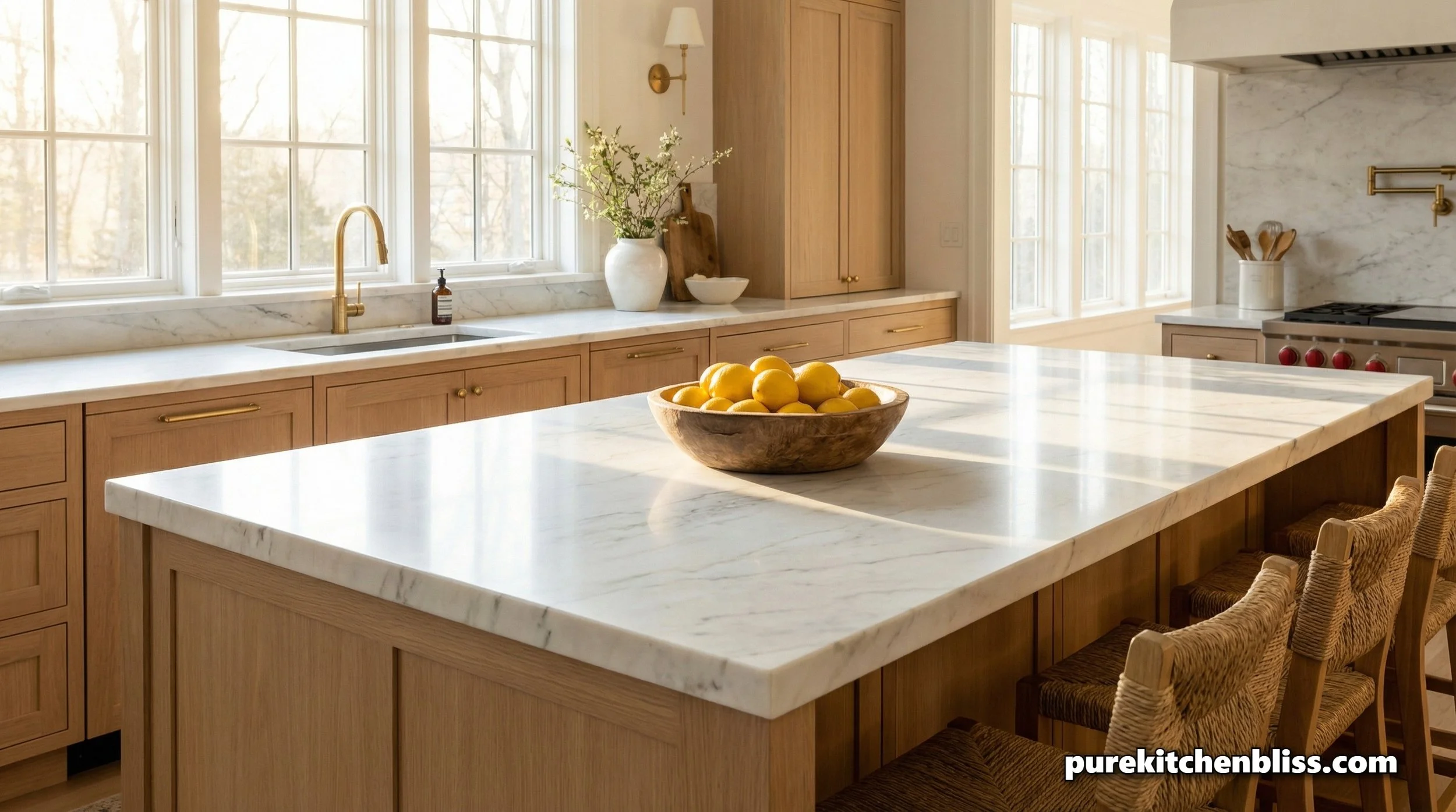
1. Understanding Material Porosity
To care for your countertops effectively, you must understand how they react to the environment. In the world of home surfaces, we categorize materials by their porosity.
Natural Stone (Marble and Granite)
Natural stones like marble and granite are "living" materials. They are porous, meaning they have microscopic pores that can absorb liquids. If you spill red wine or lemon juice on an unsealed marble surface, the liquid travels deep into the stone, leading to permanent staining or "etching" (a dulling of the surface). This is why natural stone requires a consistent sealing ritual to maintain its protective barrier.
Engineered Stone (Quartz)
Quartz is a different specimen altogether. It is an engineered product made of crushed stone held together by resin. Because of this resin, quartz is non-porous. It doesn't need to be sealed and is highly resistant to stains. However, it has a unique vulnerability: thermal shock. High heat from a pot can crack the resin, making trivets an essential part of quartz stewardship.
2. The Daily Cleaning Rhythm
Regardless of the material, the best way to preserve your surfaces is to avoid harsh, abrasive chemicals. Many commercial cleaners contain acidic agents or "grit" that can gradually wear away the finish of your stone.
The Gentle Emulsifier
For daily maintenance, a simple mixture of warm water and a few drops of plant-based dish soap is your most effective tool.
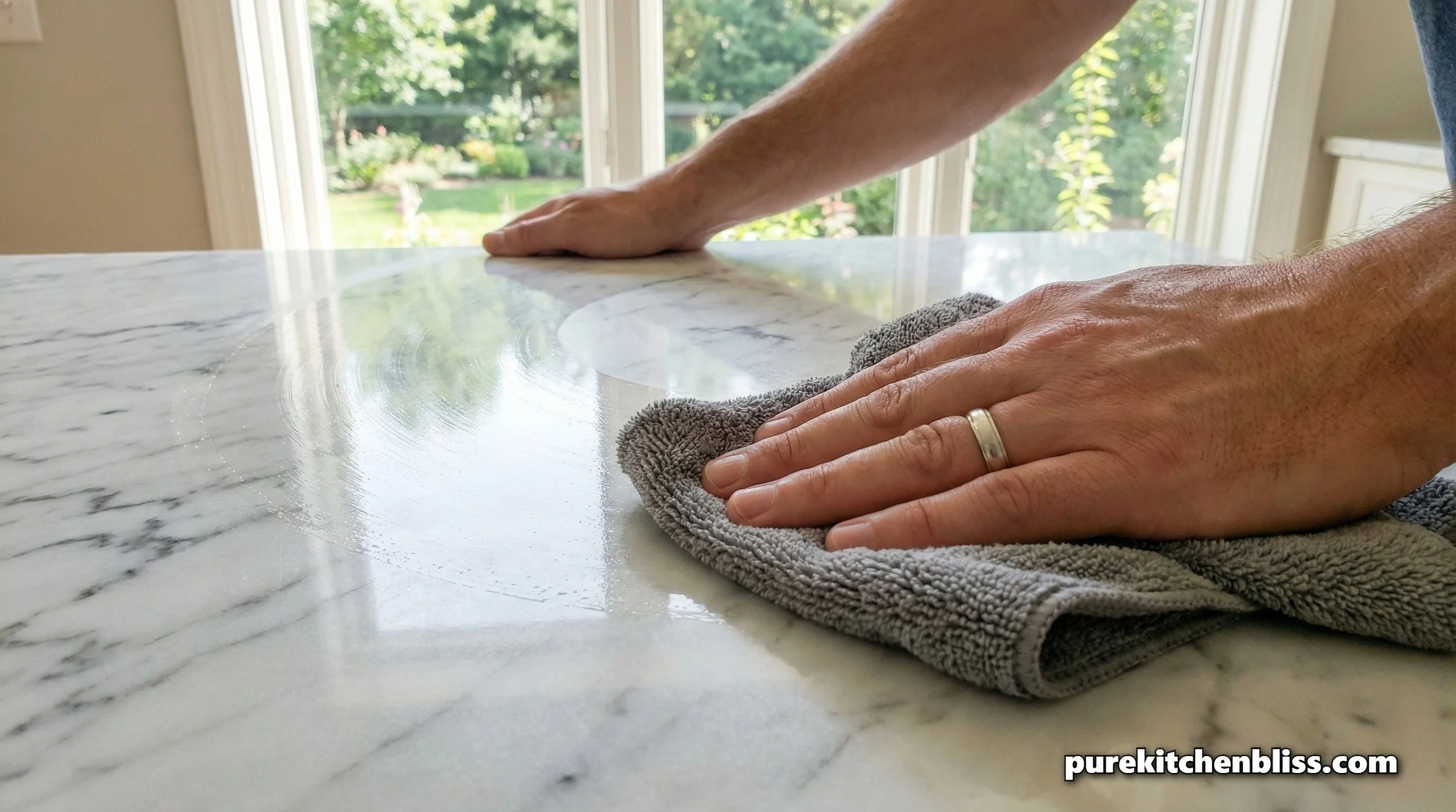
The Process: Use a soft microfiber cloth to apply the soapy water. This lifts surface oils without stripping away any protective sealants.
The Buff: Always follow with a dry cloth. Leaving water to air-dry on stone can lead to "hard water spotting," especially on darker surfaces.
The Alcohol Refresh
For a deeper, streak free shine that also sanitizes, you can use a version of our Sanctuary Mist. A gentle mist of high-proof alcohol (diluted with distilled water) cuts through grease and evaporates quickly, leaving a polished finish that is safe for food preparation.
3. Dealing with Stains and Etching
Even with the best stewardship, accidents happen. The key is to act quickly and use the right "extraction" method.
For Natural Stone: The Poultice
If an oily stain has penetrated your granite or marble, you may need a "poultice" to pull the oil back out.
The Ritual: Mix baking soda with a tiny bit of water to create a thick paste (the consistency of peanut butter). Apply it to the stain, cover it with plastic wrap, and let it sit for 24 hours. As the paste dries, it "draws" the oil out of the stone’s pores.
For Quartz: The Gentle Solvent
Quartz can occasionally suffer from "surface marks" (like metal rub from a pot). A non-abrasive cream cleaner or a paste of baking soda and water can usually lift these marks without scratching the resin. Always avoid using "magic" sponges or abrasive pads, as these can create a permanent dull spot on the quartz’s polished finish.
HOME TIP: THE LEMON TEST
To see if your natural stone needs resealing, drop a small amount of water on the surface. If the water beads up, your seal is intact. If the stone darkens and the water disappears into the surface, it’s time for a fresh coat of sealant.
4. Protecting the "Landing Zones"
To maintain your countertops, you have to be intentional about where things "land."
The Heat Defense
As mentioned, quartz is vulnerable to heat. Even stone like granite can suffer from internal stress if a boiling pot is placed directly on a cold surface. Using wood or cork trivets isn't just a styling choice; it’s a protective measure for your home’s infrastructure.
The Acid Barrier
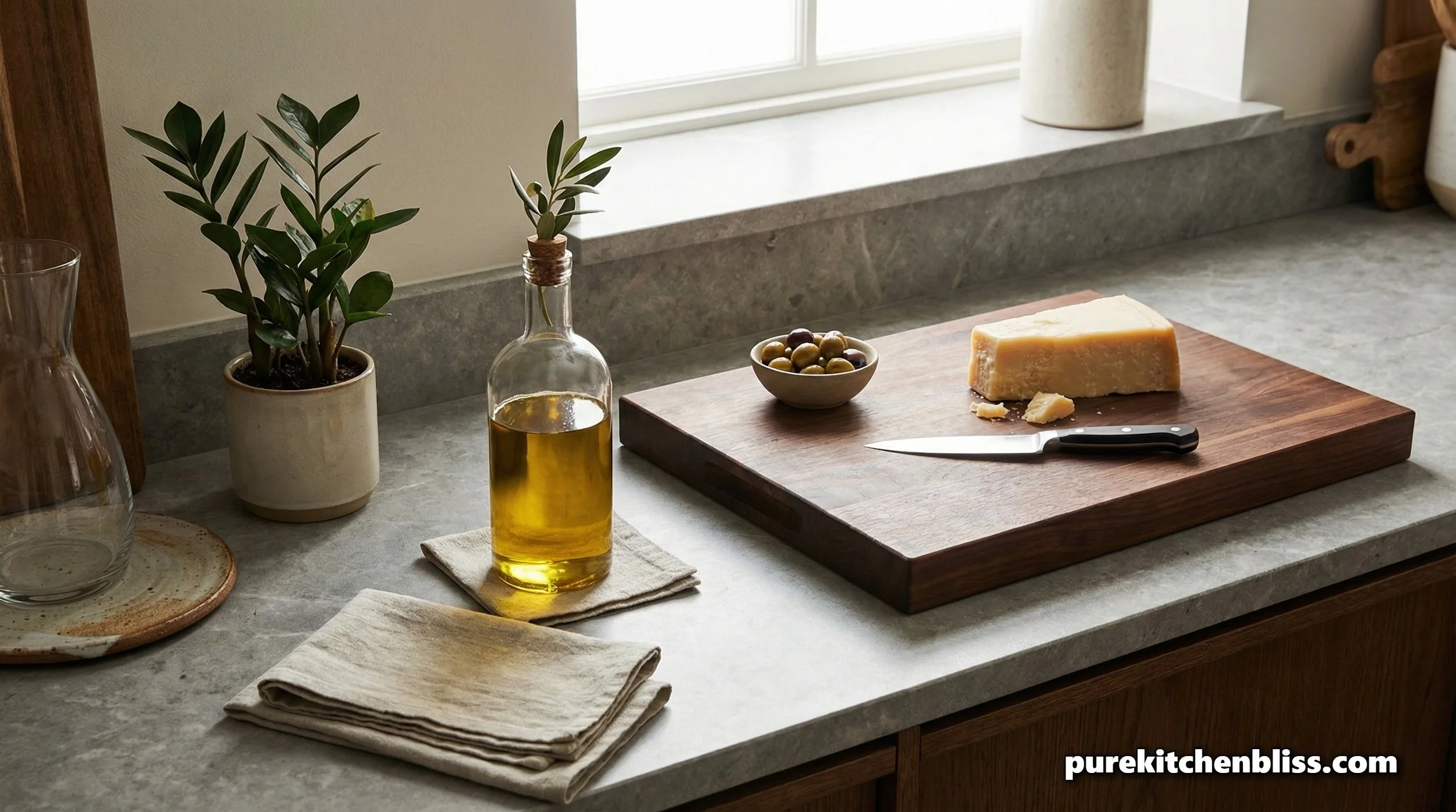
Cutting boards are your best friend. Lemons, tomatoes, and vinegar are highly acidic and will "etch" natural stone on contact. By keeping these ingredients on a dedicated wood or bamboo board, you protect the stone from a chemical reaction that can't be "cleaned" away.
5. Conclusion: Long-Term Surface Preservation
Stewardship of your kitchen surfaces is a form of respect for the home you’ve built. By understanding the porosity of your materials and adopting a gentle, non-toxic cleaning rhythm, you extend the life of your counters and keep your sanctuary looking pristine.
When you treat your surfaces with intention, the "Beautiful Chaos" of the kitchen becomes much easier to manage.
Next Steps for Your Kitchen Sanctuary:
To keep your kitchen air as clean as your counters: Range Hood Restoration: Deep-Cleaning Your Kitchen's Lungs
To find the perfect green companion for your island: The ZZ Plant: Low-Maintenance Luxury
To ensure your cleaning cloths are ready for the task: How Often Should You Wash Tea Towels?