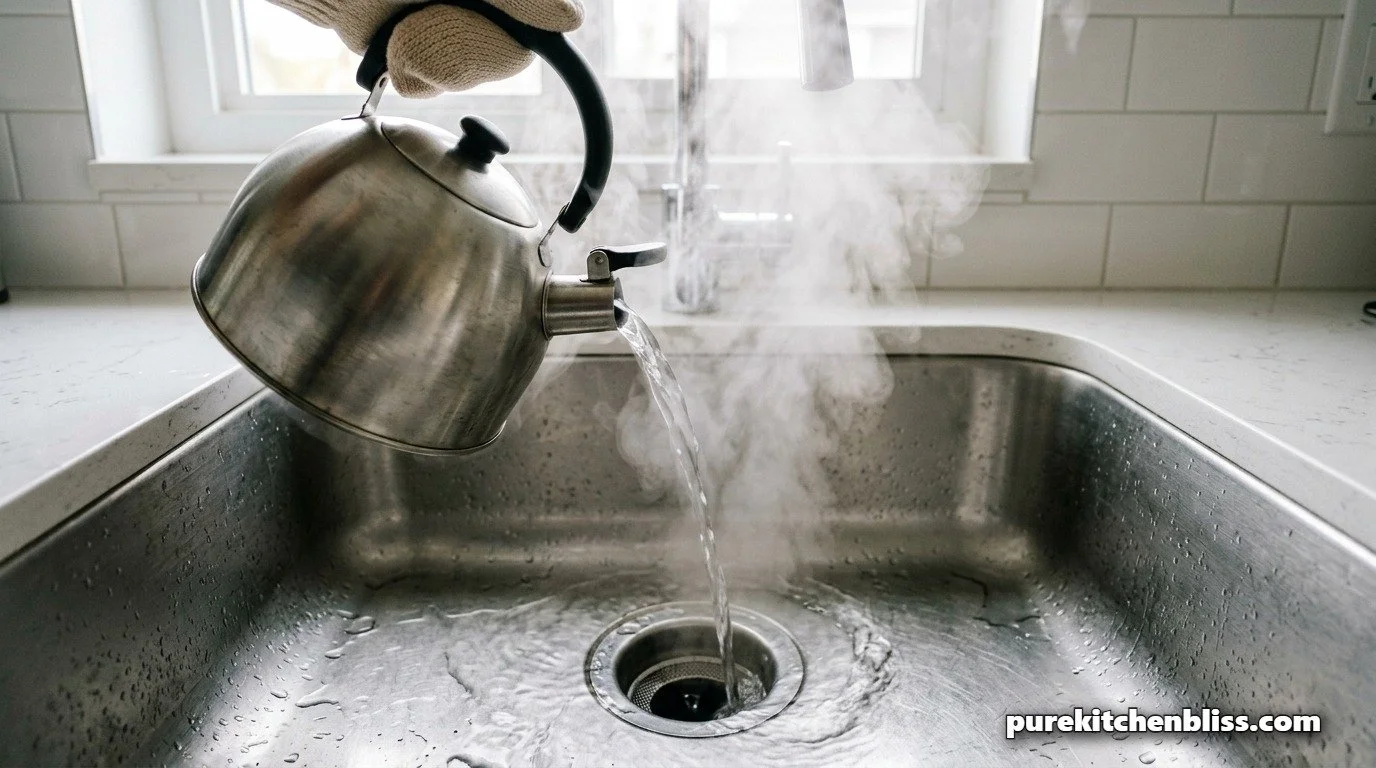
The "Fizzy" Drain Reset: How to Blast Through Clogs Without Toxic Chemicals! 🌋
There is nothing that kills the "Sanctivity" of your kitchen faster than a sink that won't drain. 😫 As a father of four, I know that the workstation sink is the engine room of the house—and when it’s backed up with grey water, the whole system stalls.
Most people reach for those blue or red bottles of liquid "drain opener" from the store, but as a builder, I’m telling you: Stop! 🙅♂️ Those harsh chemicals can eat away at your PVC joints and gaskets over time. Instead, we’re going to use a simple "mechanical fizz" hack that leverages a natural reaction to blast through organic gunk. It’s fast, it’s cheap, and it’s actually kind of fun to watch!
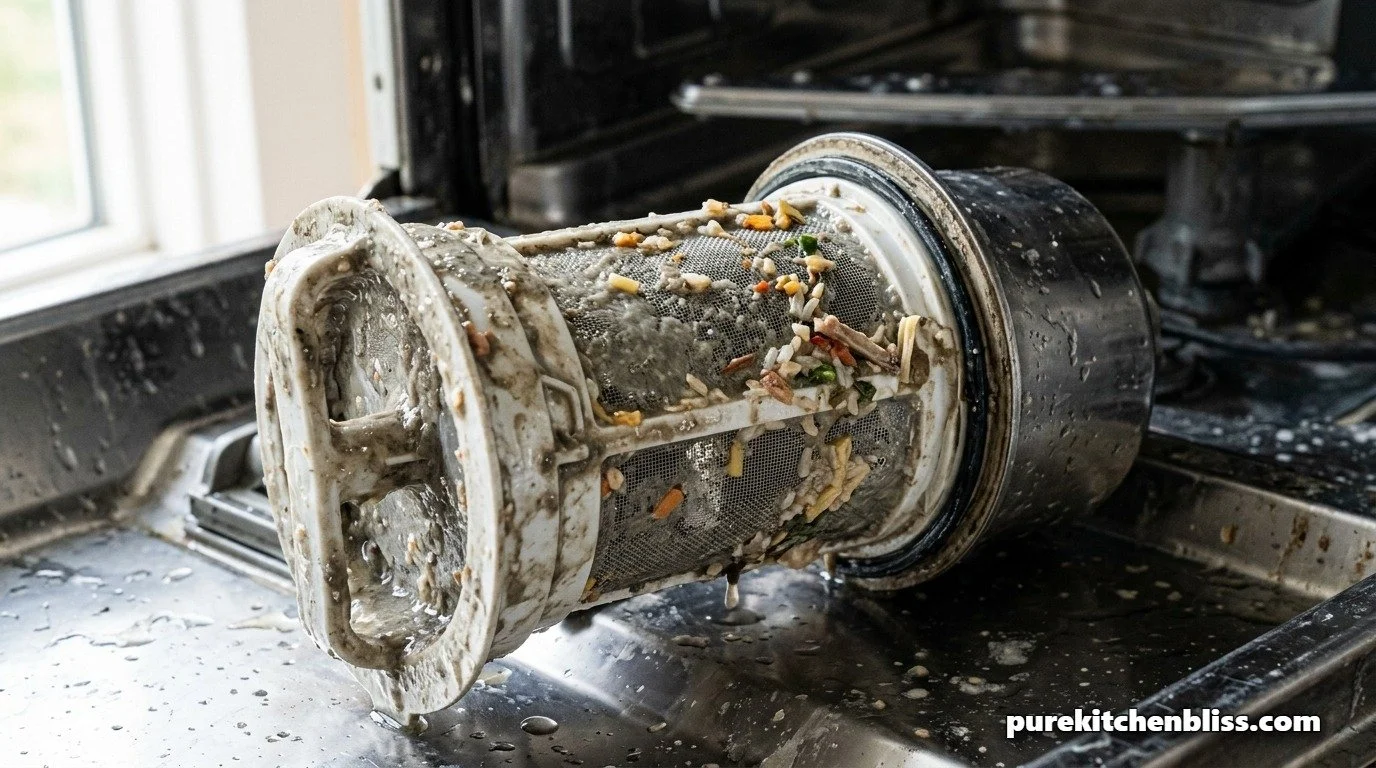
The "2-Minute" Dishwasher Reset: Stop Washing Your Dishes with Dirty Water! 🤮
If your glasses are coming out cloudy or you’re noticing "mystery grit" on your plates, I’ve got bad news: Your dishwasher filter is probably a biohazard zone. 😫 As a dad and a builder, I treat my dishwasher like a precision tool, and you’d never leave a saw blade covered in pitch, right?
Most people think you need a degree in engineering to clean these, but it’s actually a total 2-minute hack! We’re going to clear that "mechanical bottleneck" so your kitchen sanctuary stays sterile and your dishes come out sparkling every single time.
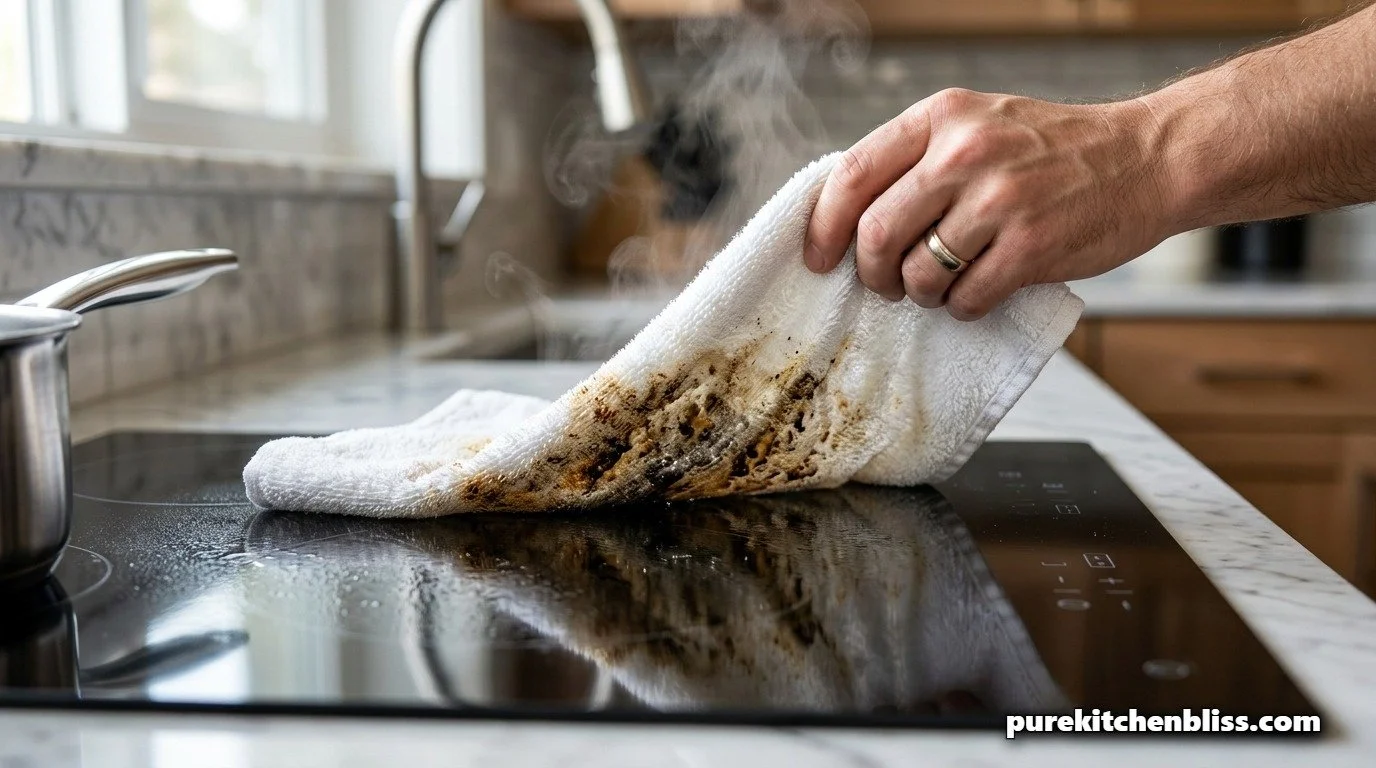
The "Hot Towel" Hack: How I Clean My Stovetop Without Even Scrubbing! 😲
If you’re anything like me, you’ve spent way too long hunched over a glass stovetop trying to scrape off those crusty white rings. 😫 As a carpenter and a father of four, I’m obsessed with efficiency. I don’t want to work harder; I want to work smarter. Why spend 20 minutes scrubbing when you could let physics do the job for you?
This "Thermal Soak" method is a total game-changer for your kitchen sanctuary. We’re going to use steam and chemistry to melt that burnt-on mess away while you go pull a shot of espresso. No razor blades, no scratches, just a mirror finish in minutes!
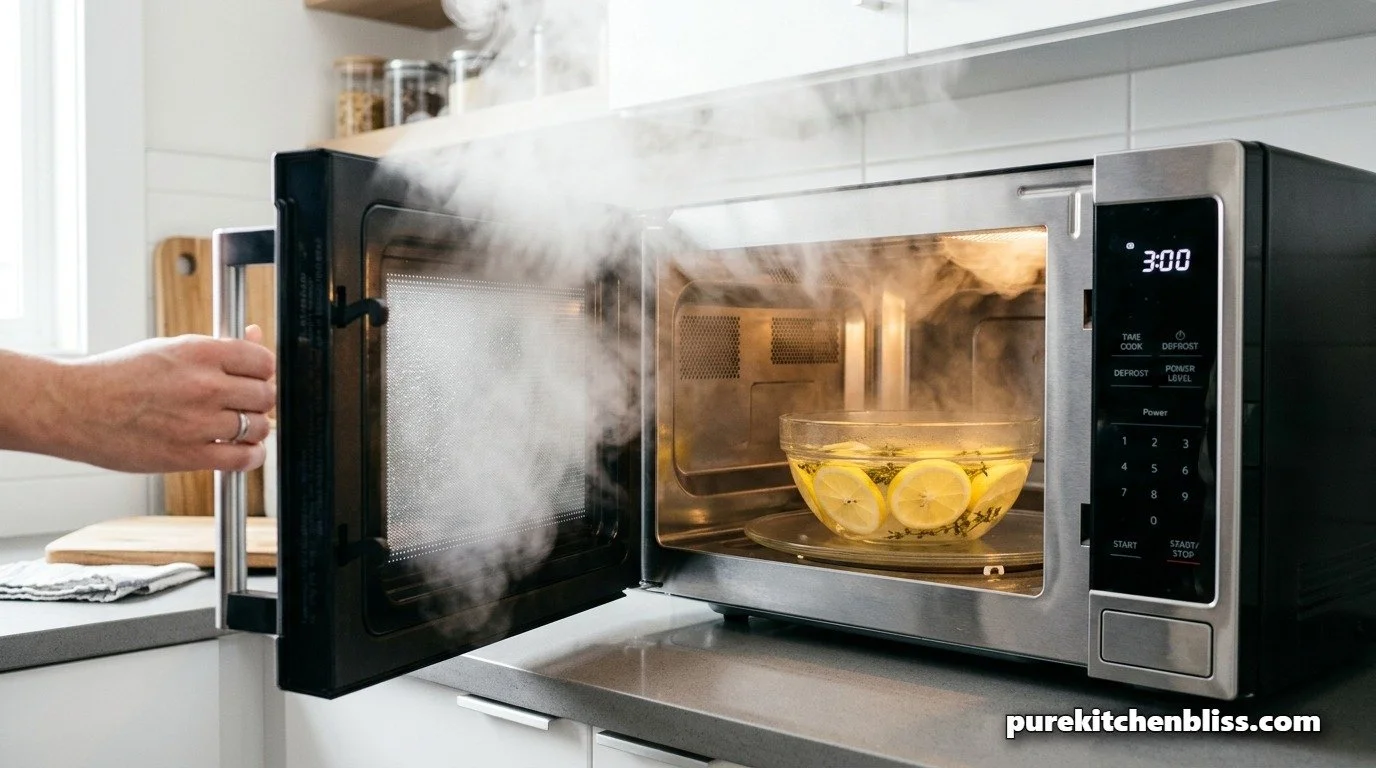
The 5-Minute Microwave Steam Reset: Efficiency Over Elbow Grease
Between running a coffee shop, and wrangling four kids, I’ve learned one absolute truth: if you’re spending twenty minutes scrubbing a microwave, you’ve failed the efficiency test. In my shop, we don't use "elbow grease" when we can use the right tool for the job. In the kitchen, that tool is atmospheric steam.
A dirty microwave isn't just an eyesore; it’s a failure of your kitchen sanctuary. Exploded food particles carbonize over time, which can actually damage the appliance's interior lining. Instead of reaching for a scraper, we’re going to use basic physics to "reset" the machine in five minutes flat.
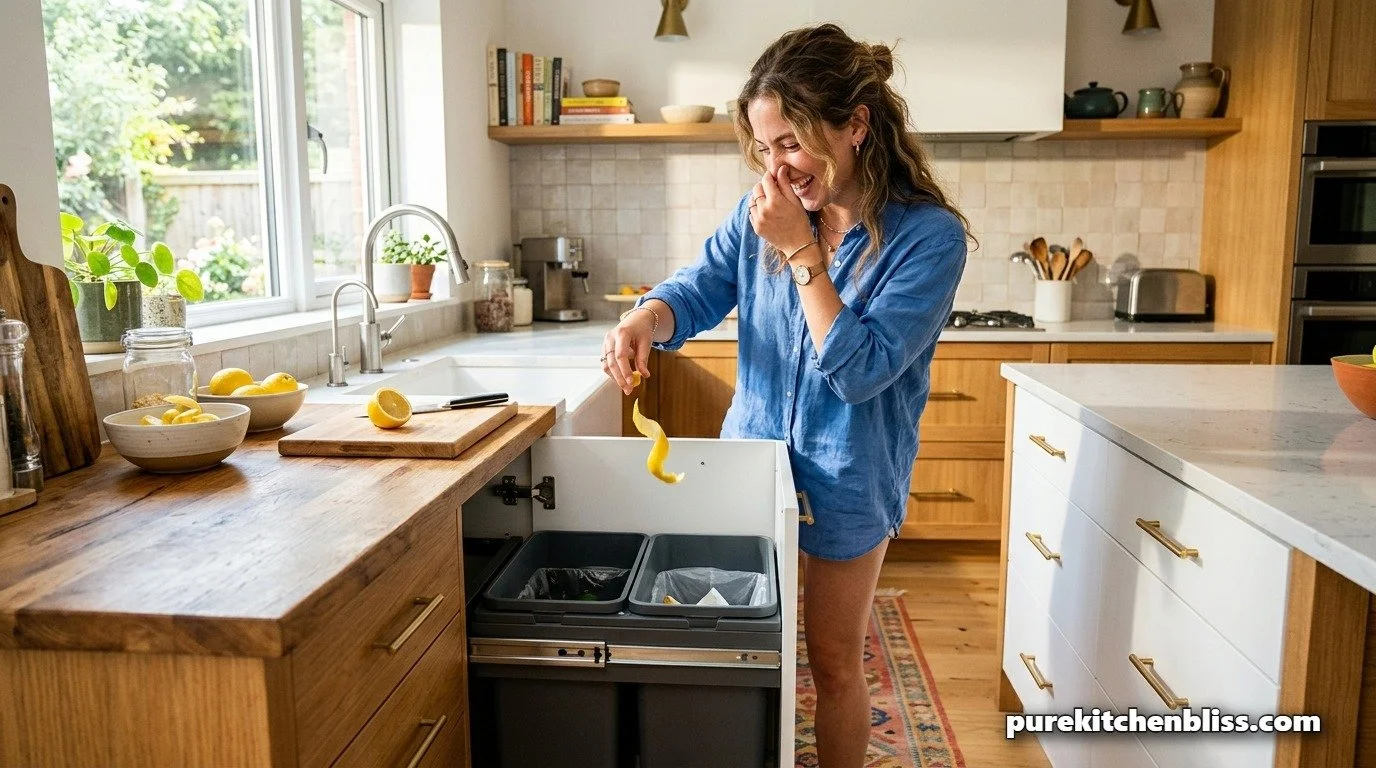
5 Genius Hacks to Stop Your Trash Can From Ruining Your Kitchen Vibe!
Let’s be real: Nothing kills the "Sanctuary" vibe faster than a trash can that smells like a swamp. 🤢 You’ve spent months perfecting your multipurpose island and polishing your stainless steel, but one hot June afternoon can turn your kitchen into a scent nightmare.
If you’re tired of holding your breath every time you toss a coffee pod, you’re in the right place! We’re going beyond the basic "take out the trash" advice. We’re looking at the mechanical reasons why bins trap odors and the genius hacks to fix them for good.
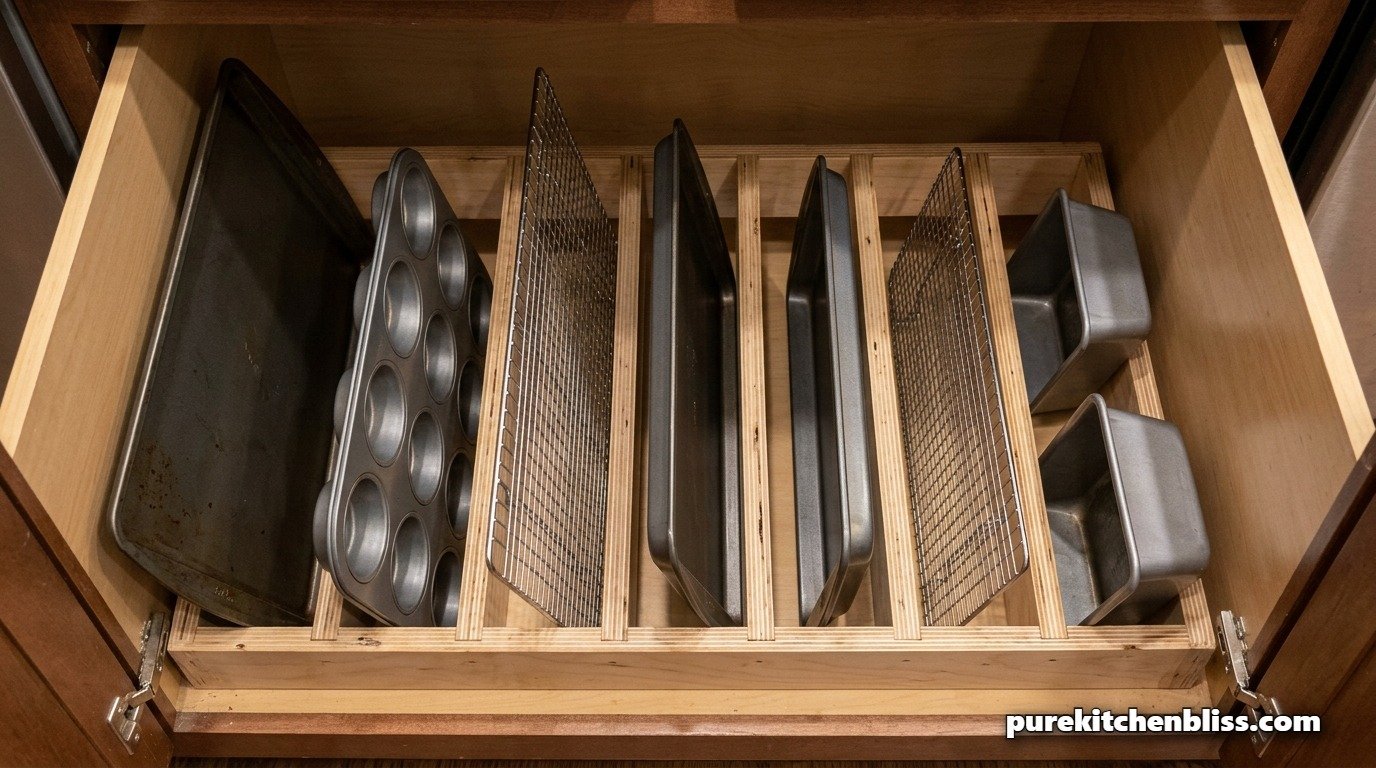
Re-Engineering Cabinet Efficiency: The Vertical Baking Sheet Hack
In a high-performance kitchen sanctuary, the "pile" is the enemy of efficiency. We’ve all been there: reaching for a heavy roasting pan only to have a stack of baking sheets clatter onto the floor, potentially damaging your full-height slab backsplash or scratching your pristine stainless steel.
Standard builder-grade cabinets often lack the internal "rough-in" for vertical storage. Generalist sites like Hunker often suggest using a basic shoe rack as a workaround for this storage deficit. From a builder’s perspective, this isn't just a "hack", it is a mechanical reorganization of space. By utilizing the slats of a two-tier shoe organizer, you can create a vertical filing system that protects the finish of your pans and restores the quiet order of your cabinetry.

The Multipurpose Island: Integrating Tech, Seating, and Storage
In a high-performance kitchen sanctuary, the island has evolved from a simple prep surface into the home’s primary "Super Hub." To truly master this space, we have to look beyond the countertop and view the island as a complex piece of mechanical infrastructure. Engineering a single zone that functions as a home office, a dining table, and a professional cooking station simultaneously is a structural challenge that begins at the sub-floor.
When you ask an island to serve multiple masters, you increase the "load" on the space, not just the physical weight on the floor joists, but the electrical and thermodynamic demand on the room. A true multipurpose island requires a sophisticated rough-in strategy to ensure your digital workflow never interferes with your culinary extraction.
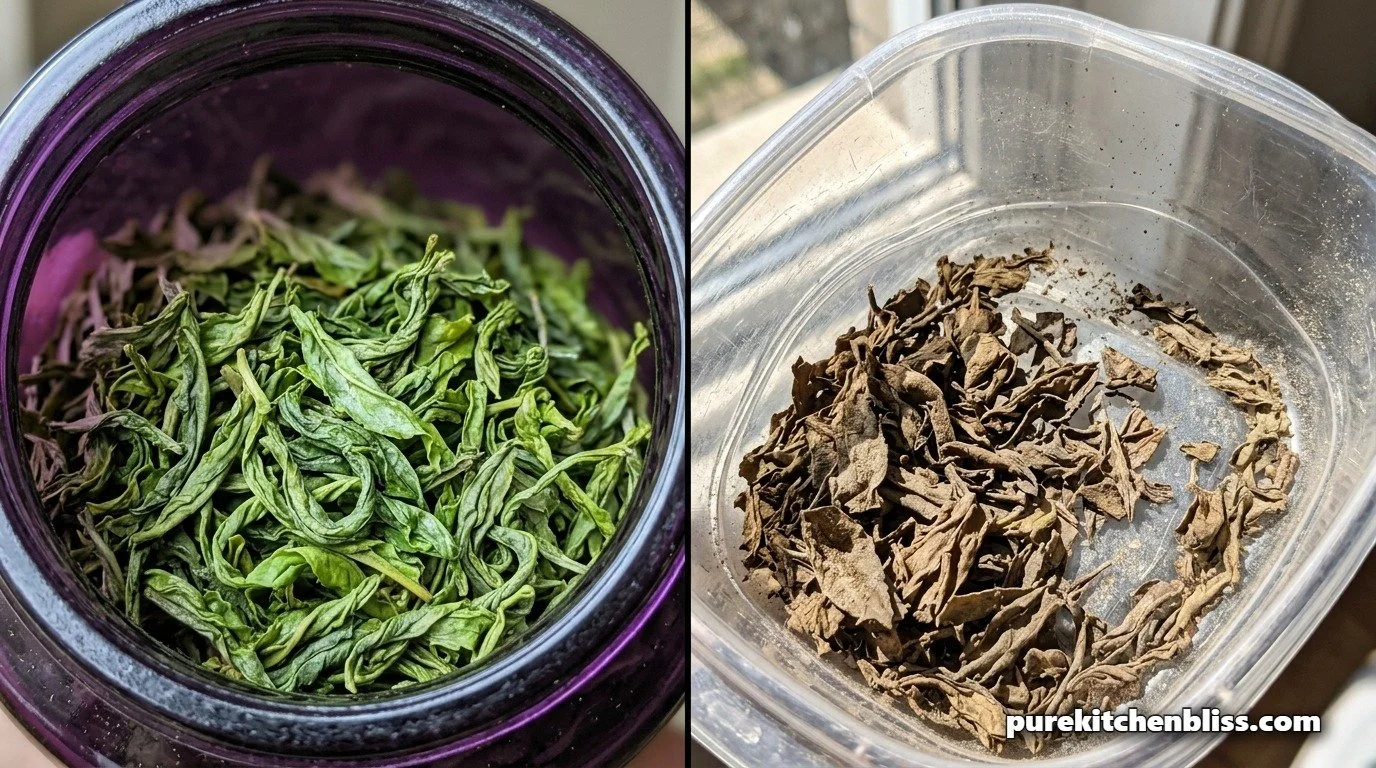
The Tea Vault: Where Should You Store Your Tea in the Kitchen?
In a high-performance kitchen sanctuary, we spend thousands on hard water defense and zero-clearance appliance cooling, yet we often treat our tea collection as an afterthought. Most homeowners store their tea in a cabinet above the stove or in a clear jar on the counter. As a builder, I see this as a failure of the home's "preservation envelope."
Tea is a delicate, dried organic leaf. The moment you move it from the supplier's packaging into your kitchen, it begins to interact with the environment. If your storage "mechanicals" aren't airtight and opaque, you aren't drinking tea, you are drinking the stale remnants of an oxidized plant. To maintain the flavor integrity of your collection, you must protect it from the "Four Enemies": Light, Heat, Moisture, and Odors.
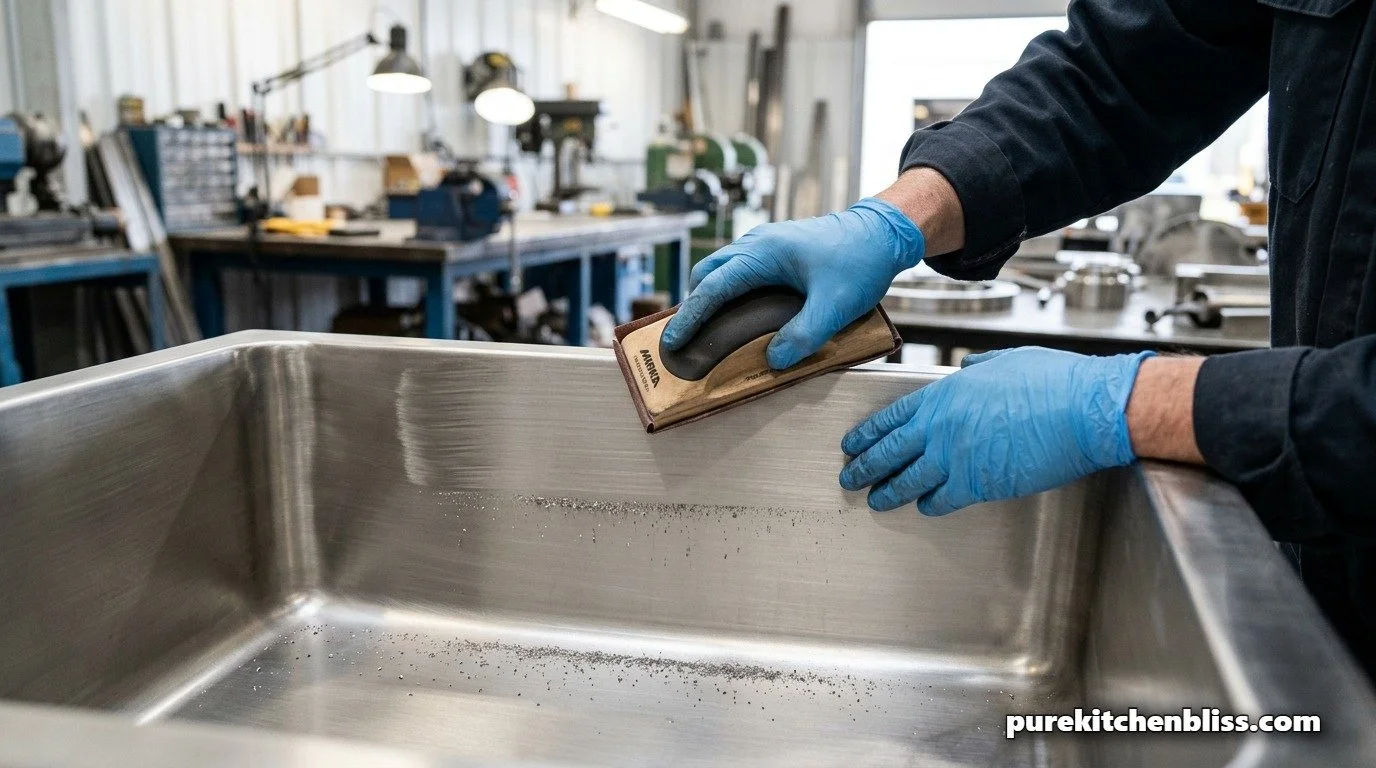
Restoring the Grain: Professional Stainless Steel Maintenance
In a high-performance kitchen sanctuary, the stainless steel of your workstation sink is more than just a basin, it is a metallurgical marvel. Most home maintenance guides suggest a quick wipe with olive oil to hide scratches, but as a builder, I find that approach fundamentally flawed.
Hiding a scratch is a temporary aesthetic fix; it is not a repair of the mechanical finish. Stainless steel’s "stainless" property comes from an invisible, microscopic layer of chromium oxide. When you scratch that surface, you are physically breaching the metal's protective envelope. To truly restore your sink's luster, you have to master the science of grain alignment and the passivation process.

Cold Brew Infrastructure: Professional Setup for Your Coffee Niche
As we approach the end of May, the "mechanical" focus of the coffee niche shifts. While your Breville Bambino is perfect for a quick morning shot, the rising temperatures call for a different extraction method: the slow, cold-steeped concentrate.
In a true sanctuary, we don't just "put coffee in a jar." We look at the infrastructure of extraction. Cold brew is a game of time and filtration, and the equipment you choose dictates the clarity, flavor, and "shelf-life" of your caffeine supply.
The Bug-Free Sanctuary: Preventive Measures for the Summer Swarm
As the temperatures climb toward the end of May, the "mechanical" integrity of your kitchen is put to a new test. In our guide to microwave safety, we discussed protecting your appliances; now, we address the biological threats to your kitchen sanctuary.
When bugs, specifically fruit flies, house flies, and sugar ants, infiltrate a kitchen, it is rarely a failure of "cleaning." It is usually a failure of the envelope. As a builder, I view pest control as a "rough-in" problem. If you don't seal the entry points and manage the organic waste infrastructure, no amount of spray will keep the sanctuary sterile.
Microwave Safety: Protecting the Mechanical Heart of Your Kitchen
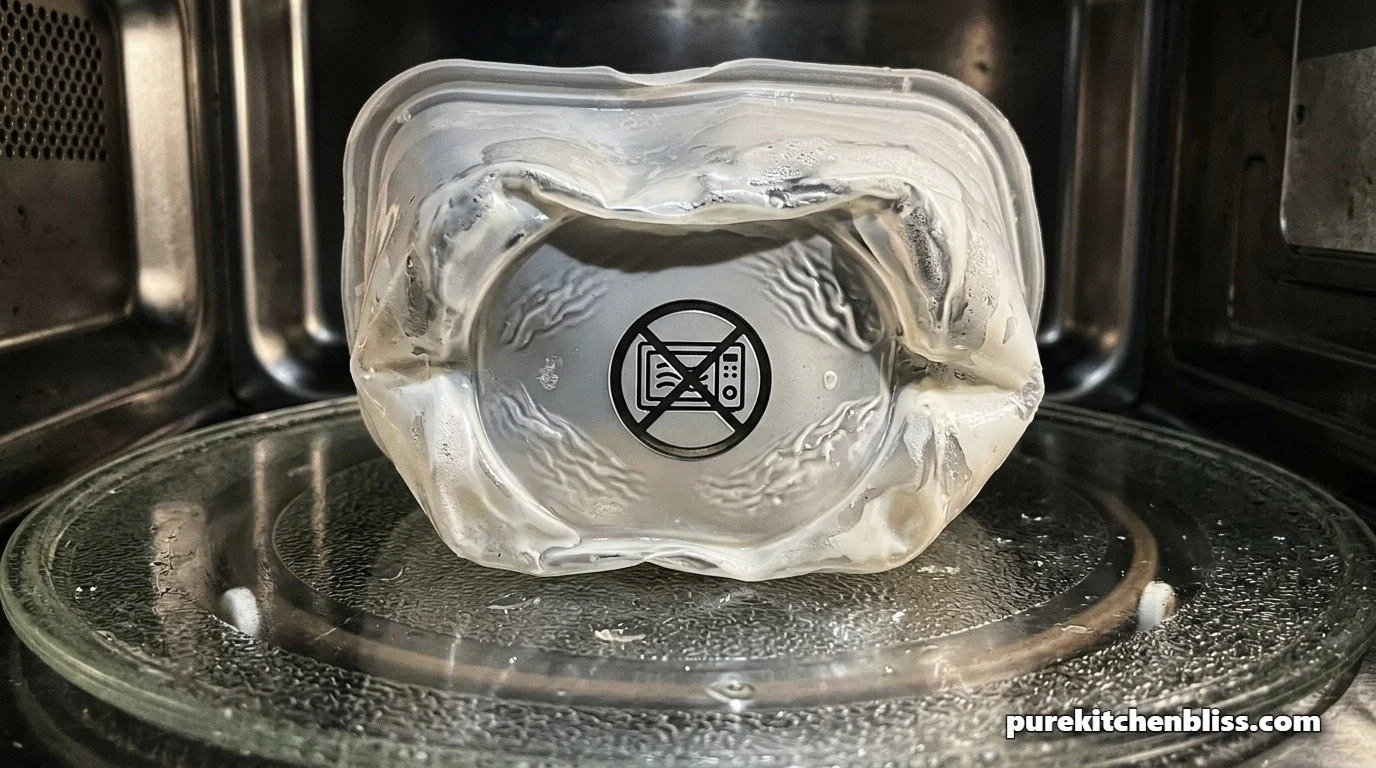
In a high-performance kitchen sanctuary, we often focus on the longevity of our hard water defense systemsor the precision of our soft-close mechanicals. However, the most common threat to your kitchen’s safety isn't a plumbing leak—it’s the misuse of the microwave oven.
Since Percy Spencer patented the microwave in 1945, it has become a staple of the modern rough-in. But as a builder, I see the aftermath of "arc-over" and thermal runaway caused by simple user errors. To maintain the fabric of your kitchen and prevent premature appliance failure, you must understand the technical limits of microwave energy.
5 Safe Ways to Dispose of Kitchen Oil and Grease
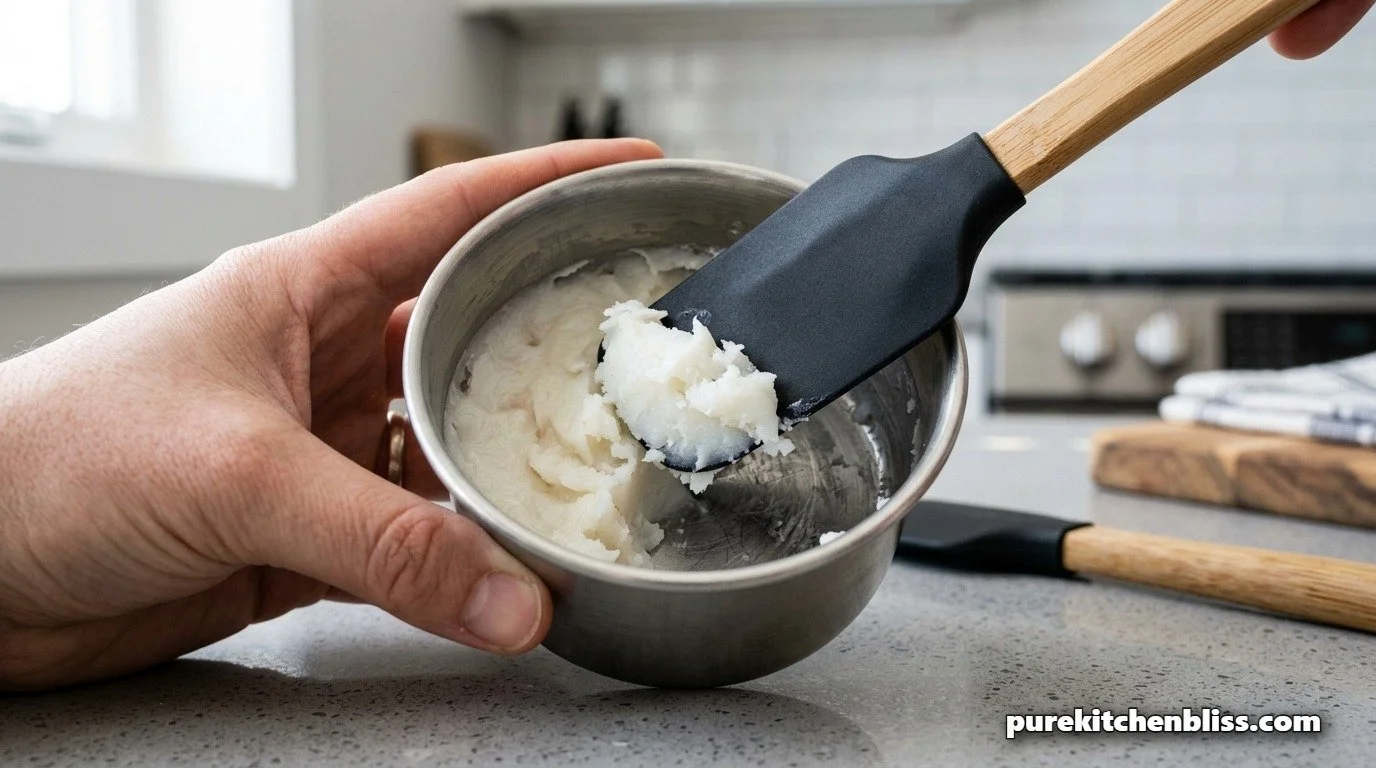
In a high-performance kitchen sanctuary, the most dangerous substance you can handle isn't a sharp knife or a hot flame, it’s used cooking oil. Most homeowners treat their workstation sink like a universal waste bin, but as a builder, I’ve seen the "fatbergs" that form when grease meets cold pipes.
Pouring oil down the drain is a direct attack on the mechanicals of your home. It coats the interior of your PVC or cast-iron rough-in, trapping food particles and eventually causing a total systemic failure. To protect the fabric of your plumbing, you need a technical approach to grease management.
The Zero-Clearance Flush: Refrigerator Ventilation & Rough-In Guide
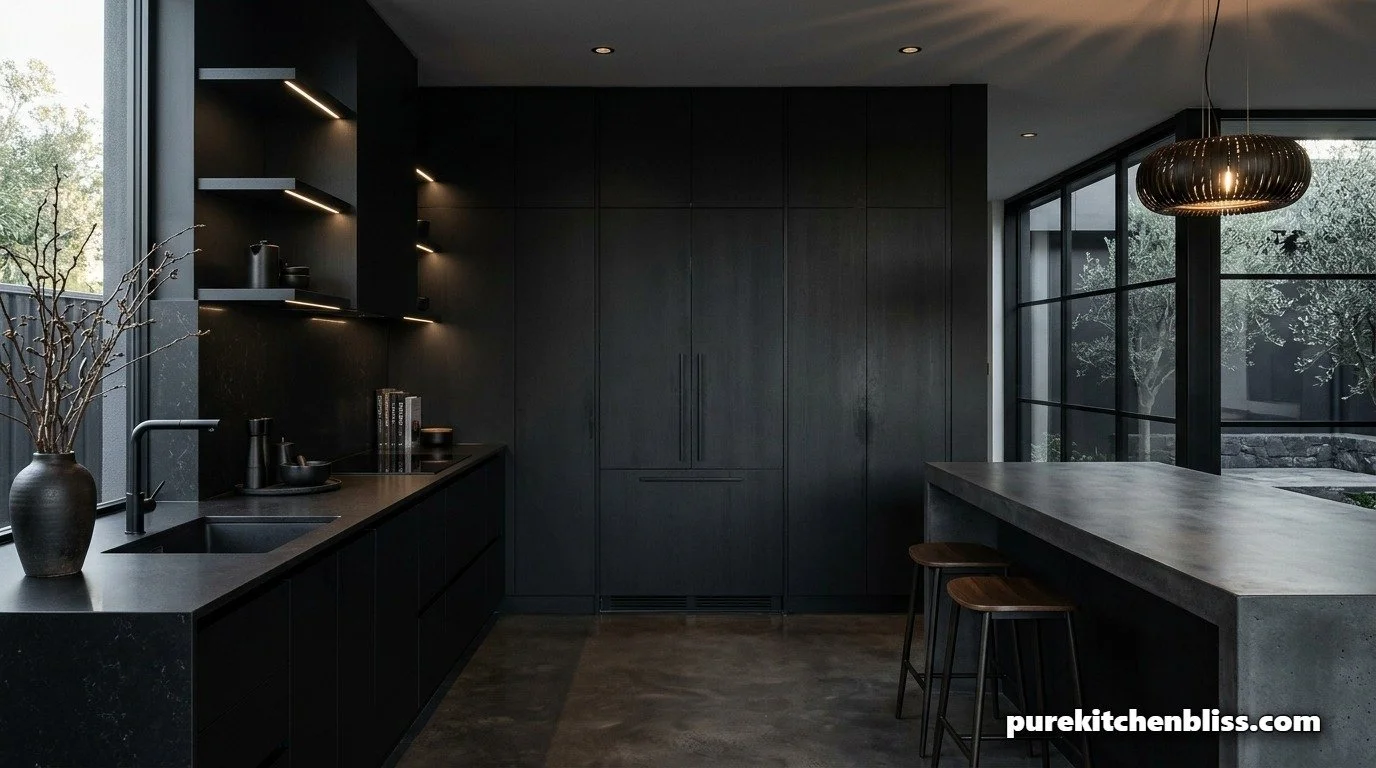
In the design of a kitchen sanctuary, the visual "clutter" of a refrigerator protruding three inches past the cabinetry is a structural failure. Achieving a true flush, "built-in" look requires more than just a counter-depth unit; it requires a mastery of zero-clearance mechanicals and specialized ventilation rough-ins.
Unlike the generic advice found on most DIY sites, a master carpenter knows that "flush" is a dangerous game. If you don't account for the pivot point of the hinge and the BTU output of the compressor, you are essentially building a thermal tomb for a $10,000 appliance.

6 Things You Can Get Your Child to Help You With in the Kitchen!
A true kitchen sanctuary isn't just a place for high-end mechanicals and pristine surfaces; it is a space for legacy and learning. As a father of four, I’ve learned that involving children in the kitchen early doesn't just teach them life skills, it gives them a sense of ownership over the home's most important room.
The key is matching the task to their height and motor skills while ensuring the fabric of your safety systems remains intact. Here are 6 ways to turn your "helpers" into junior kitchen stewards.
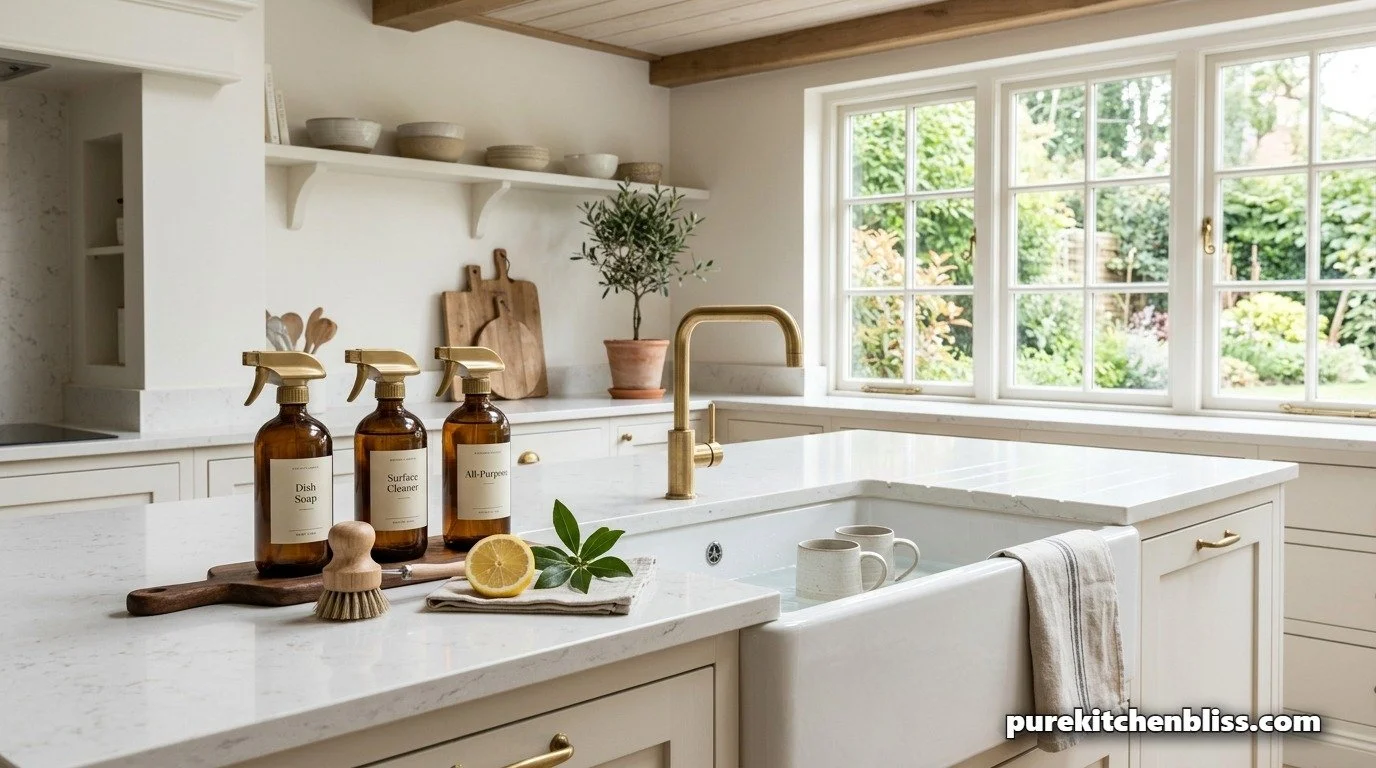
Top 5 Organic Products to Clean Your Sink With!
Maintaining a kitchen sanctuary means keeping your high-traffic areas sterile without introducing toxic chemical residues into your food prep zone. As we explored in our look at scouring pad microplastics, the tools and liquids we use eventually enter our water systems and our bodies.
If you are looking to protect the fabric of your home while ensuring a hospital-grade clean, you need products that leverage plant-based surfactants and natural acids. Here are the top 5 organic products that effectively sanitize your sink.
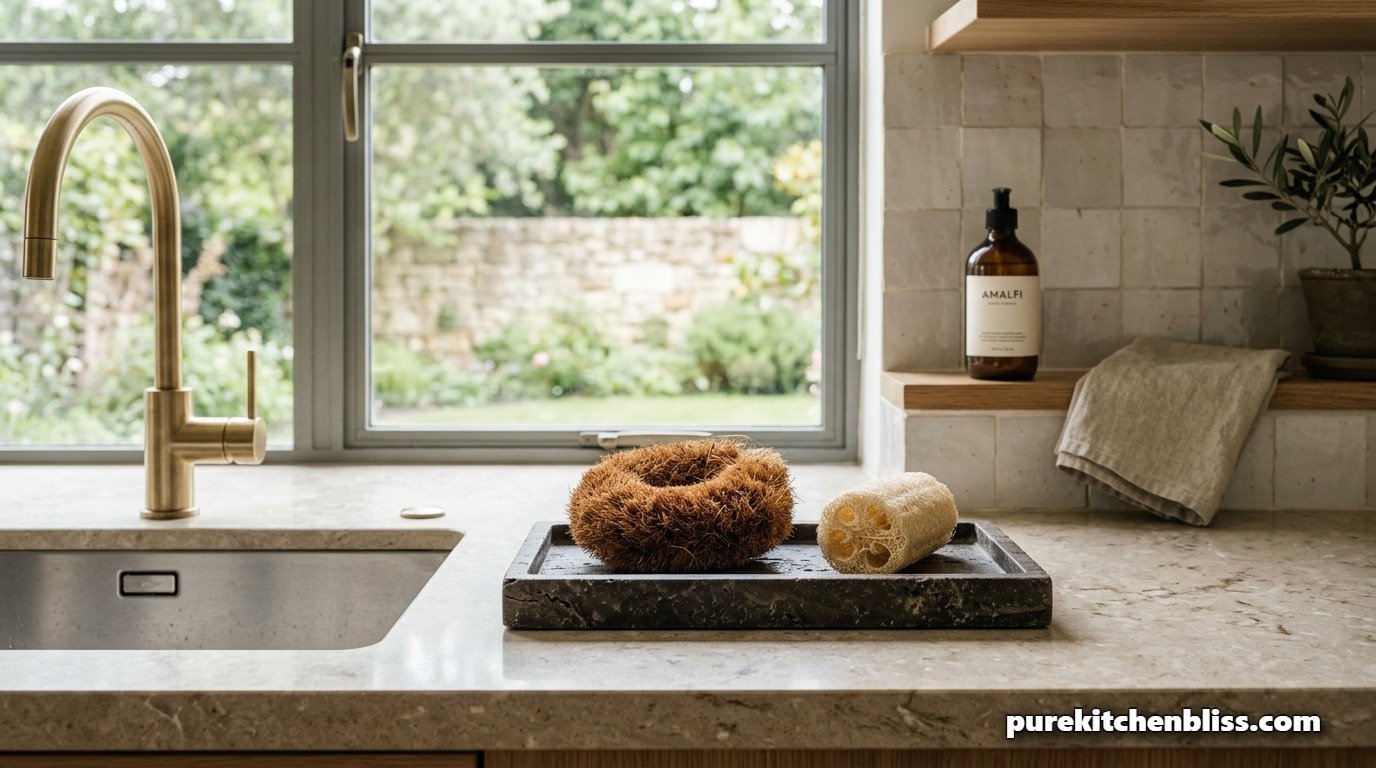
The Microplastic Shed: Are Scouring Pads Killing Your Sanctuary?
In our quest for a silent sanctuary and pristine mechanicals, we often overlook the smallest tools in our arsenal. The standard synthetic scouring pad is a workhorse—cheap, abrasive, and effective. But as a builder, I look at the "wear cycle" of a tool. Where does that material go when it disappears?
I once had a friend who I realized would use a brand-new pad every single day. I was blown away by what I thought was pure waste, but it pushed me to look deeper into the mechanical reality of these scrubbers. What I found changed how I view the "cleanliness" of a kitchen.
The Silent Sanctuary: Soft-Close Mechanicals & Hinges
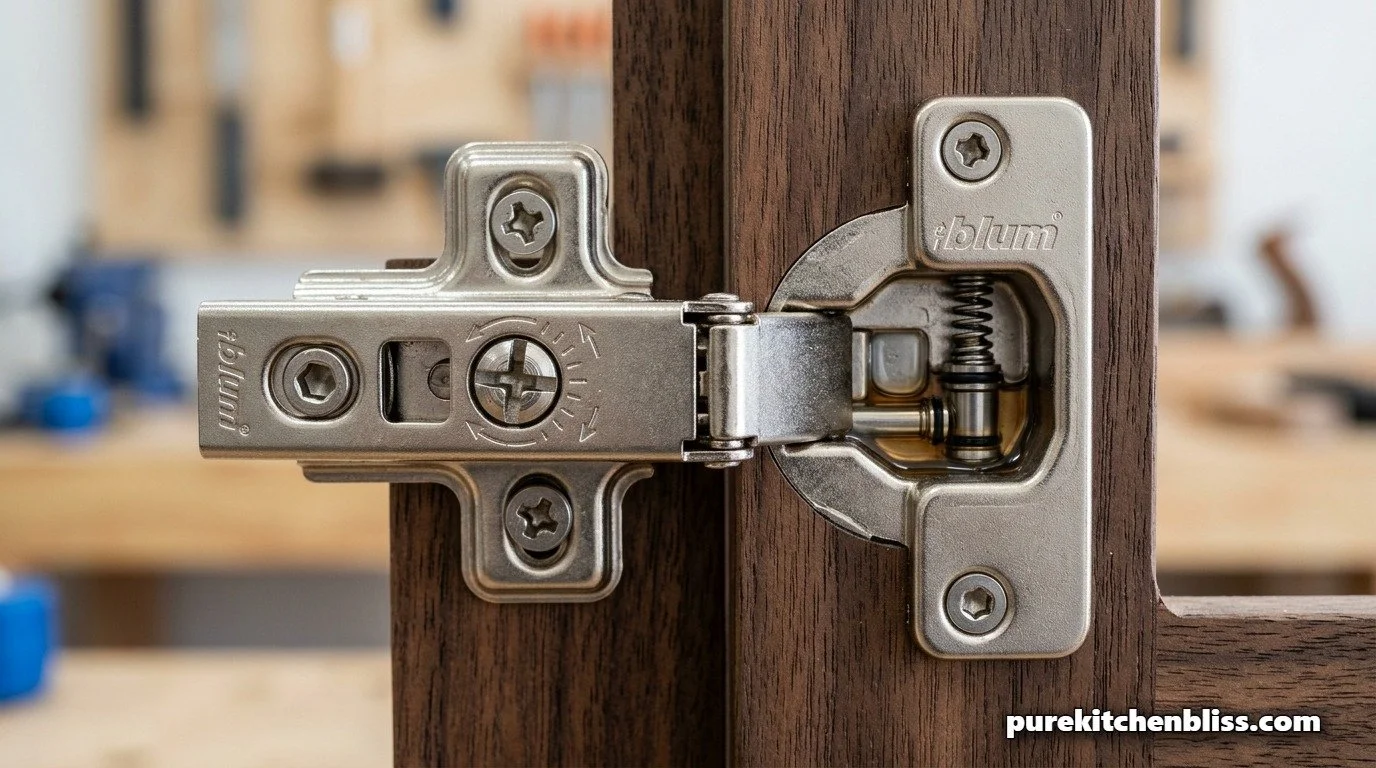
In a high-performance kitchen, the "feel" of the space is dictated by the mechanical tolerances of its moving parts. As we’ve established with our hard water defense systems, the longevity of a kitchen depends on the quality of its internal components.
The most frequent point of physical contact in your home isn't the countertop; it's the cabinet hinge. A "slamming" cabinet door is more than an acoustic nuisance, it's a sign of a mechanical system failing to decelerate. To achieve a true "Zero-G" feel where doors glide into place, you need to understand the hydraulic dampening hidden inside the hinge cup.In a high-performance kitchen, the "feel" of the space is dictated by the mechanical tolerances of its moving parts. As we’ve established with our hard water defense systems, the longevity of a kitchen depends on the quality of its internal components.
Hard Water Defense: The Mechanical Heart of the Kitchen
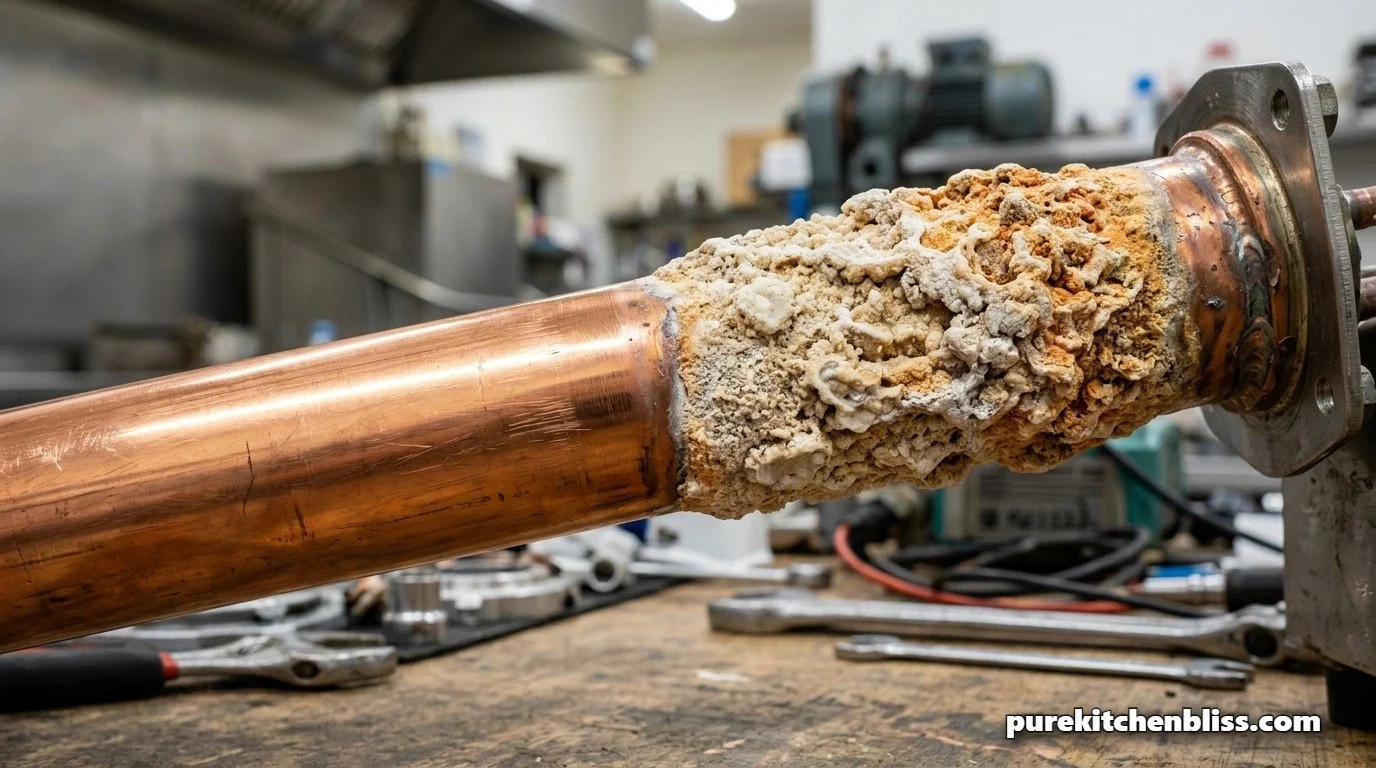
In a high-performance sanctuary, we obsess over the aesthetics of full-height slabs and the ergonomics of a workstation sink. But there is an invisible predator that targets the "internal organs" of your home: Calcium and Magnesium.
If you are running untreated water through a $5,000 Miele steam oven or a Breville Bambino, you aren't just making coffee, you are effectively "sandblasting" your heating elements from the inside out. In a commercial environment, we wouldn't dream of pulling a shot without a dedicated filtration manifold. Your home deserves the same technical standard.

The 120°F Reset: How to Prevent Kitchen Sink Scalds Permanently
As a carpenter and a father of four, I’ve seen my share of "near misses" in the kitchen. We spend thousands on sintered stone countertops and high-end espresso machines, but we often overlook the most dangerous "Invisible Infrastructure" in the room: the temperature of the water coming out of the tap.
In a standard home, the water heater is often set to 140°F (60°C) to kill bacteria and ensure the dishwasher runs effectively. However, water at 140°F can cause a third-degree burn on a child’s delicate skin in less than three seconds.
To turn your kitchen into a true sanctuary for a growing family, you need more than just a "caution" sign. You need a Thermostatic Mixing Valve (TMV).