Re-Engineering Cabinet Efficiency: The Vertical Baking Sheet Hack
In a high-performance kitchen sanctuary, the "pile" is the enemy of efficiency. We’ve all been there: reaching for a heavy roasting pan only to have a stack of baking sheets clatter onto the floor, potentially damaging your full-height slab backsplash or scratching your pristine stainless steel.
Standard builder-grade cabinets often lack the internal "rough-in" for vertical storage. Generalist sites like Hunker often suggest using a basic shoe rack as a workaround for this storage deficit. From a builder’s perspective, this isn't just a "hack", it is a mechanical reorganization of space. By utilizing the slats of a two-tier shoe organizer, you can create a vertical filing system that protects the finish of your pans and restores the quiet order of your cabinetry.
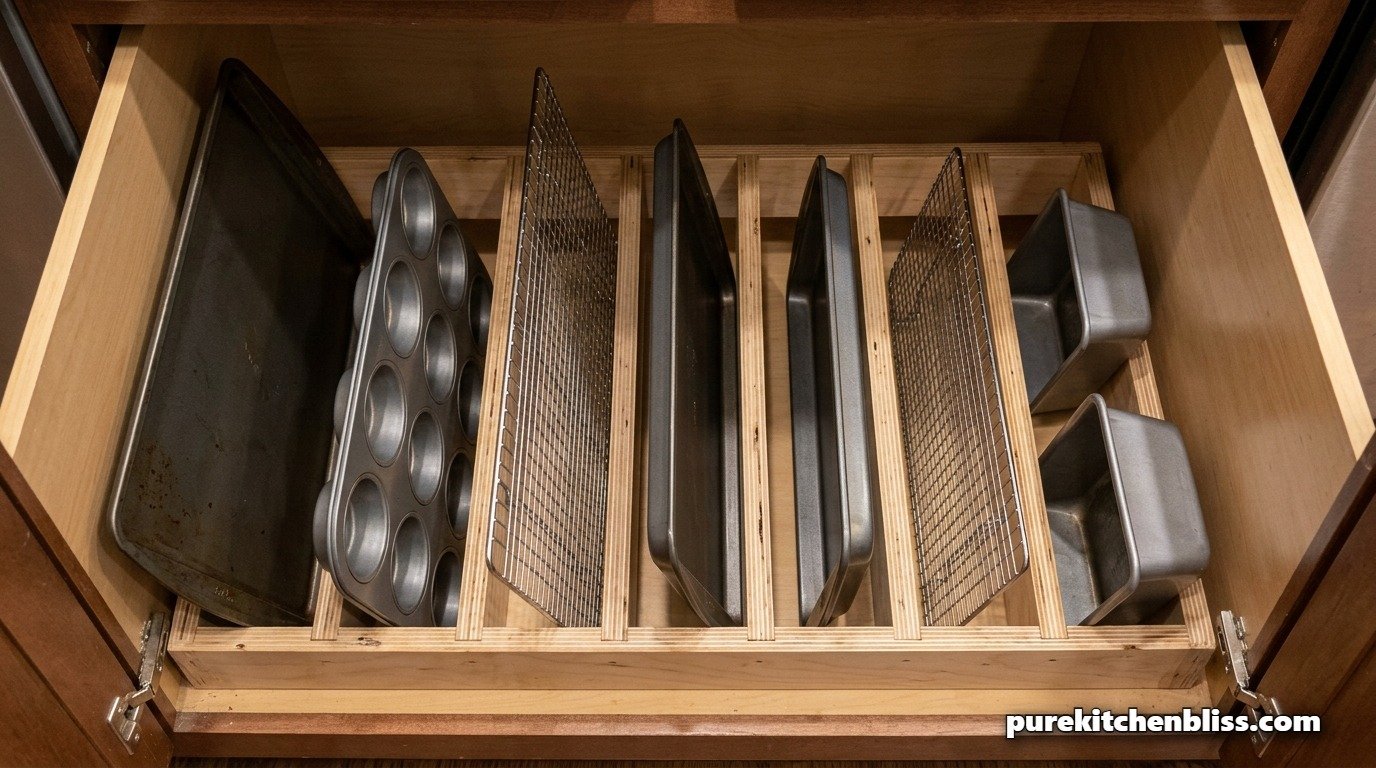
1. The Physics of Vertical Loading
Why does vertical storage out-perform stacking? It comes down to "selective accessibility."
The Stack Problem: When pans are stacked horizontally, the weight of the top pans creates friction and "stiction" on the bottom pans. This leads to surface marring and the release of metallic dust, not something you want in a sterile sanctuary.
The Vertical Solution: By using a shoe rack with horizontal slats (like a Songmics style), each pan occupies its own "bay." This eliminates the weight-load of the stack and allows you to pull a single sheet without disturbing the rest of the setup.
2. Sourcing the Right "Chassis"
Not every shoe rack is built for the weight-load of professional-grade bakeware.
Material Integrity: Avoid flimsy plastic versions. Look for bamboo or metal racks with adjustable widths. These materials offer the structural rigidity needed to hold heavy cast-iron pizza stones or thick gauge aluminum sheets.
The Cabinet Rough-In: Before installing, ensure your cabinet floor is level. If you are placing this in a pantry, consider securing the base of the rack with a small bead of clear silicone to prevent "rack-walk" when sliding heavy pans in and out.
3. Comparison: Storage Infrastructure Tiers
| Storage Method | Accessibility Score | Material Protection | Installation Complexity |
|---|---|---|---|
| Horizontal Stacking | Low (Bottom items unreachable) | Poor (Metal-on-metal friction) | None |
| Repurposed Shoe Rack | High (Instant access) | Superior (Isolated bays) | Minimal (Drop-in) |
| Custom Vertical Dividers | High | Excellent | High (Structural carpentry) |
4. Beyond the Baking Sheet
The beauty of this hack is its versatility for other kitchen mechanicals.
Cooling Racks & Cutting Boards: These thin, flat items are notorious for getting "lost" in deep cabinets. The shoe rack bays provide a dedicated home for them.
Muffin Tins: Because muffin tins have a deeper profile, use the top tier of the shoe rack to ensure they don't snag on the cabinet's soft-close hinges.
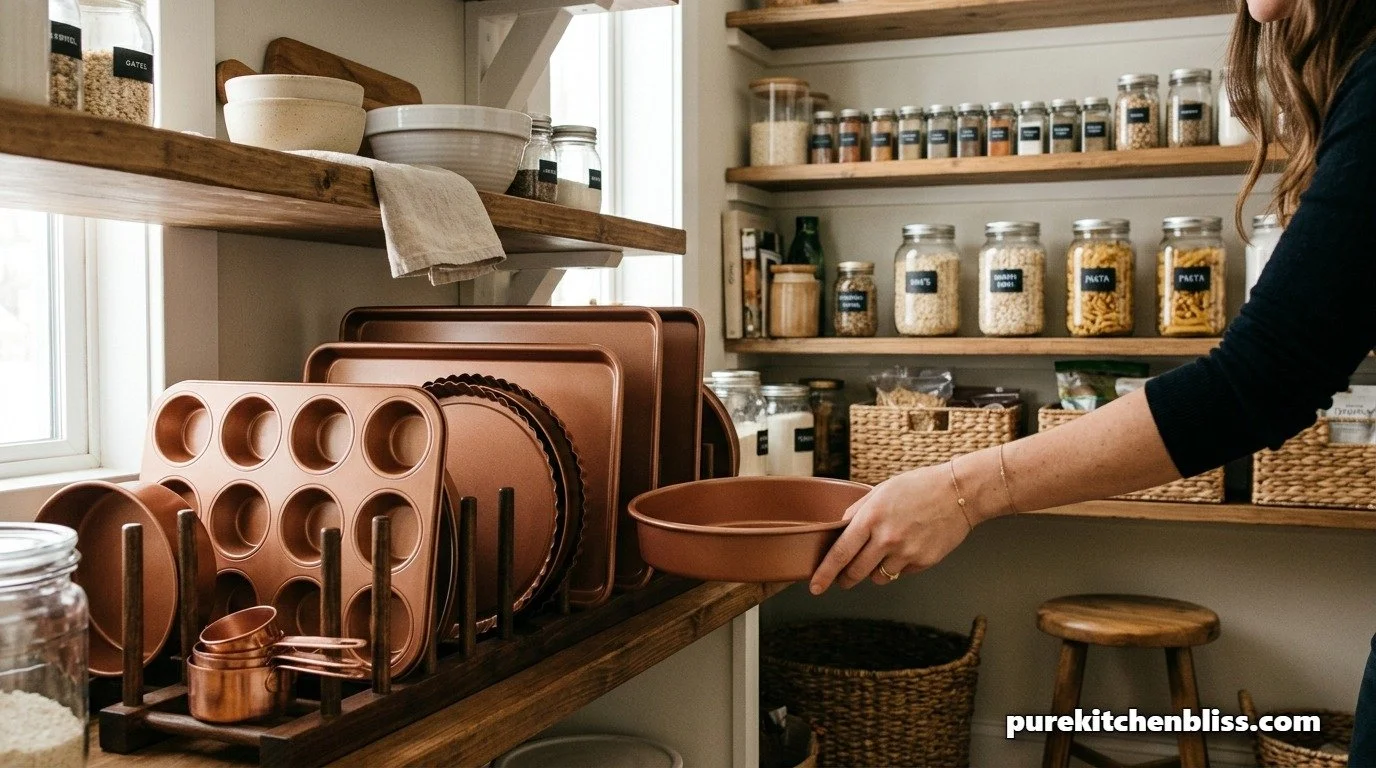
5. Managing the "Scent Envelope"
If you are repurposing an old shoe rack, you must perform a total decontamination. Wood and bamboo are porous and can hold onto the odors of its previous life.
The Decontamination: Scrub the rack thoroughly with Aunt Fannie's Vinegar and let it sun-dry for 48 hours. This ensures that no "off-gassing" or scents interfere with your culinary sanctuary.
The Maintenance: Every few months, check the slats for splinters or metal burrs that could scratch your pans, and sand them down as you would when restoring stainless steel grain.
Next Up: Take your island organization to the next level with The Multipurpose Island: Integrating Tech, Seating, and Storage.