In a high-performance kitchen sanctuary, we spend thousands on hard water defense and zero-clearance appliance cooling, yet we often treat our tea collection as an afterthought. Most homeowners store their tea in a cabinet above the stove or in a clear jar on the counter. As a builder, I see this as a failure of the home's "preservation envelope."
Tea is a delicate, dried organic leaf. The moment you move it from the supplier's packaging into your kitchen, it begins to interact with the environment. If your storage "mechanicals" aren't airtight and opaque, you aren't drinking tea, you are drinking the stale remnants of an oxidized plant. To maintain the flavor integrity of your collection, you must protect it from the "Four Enemies": Light, Heat, Moisture, and Odors.
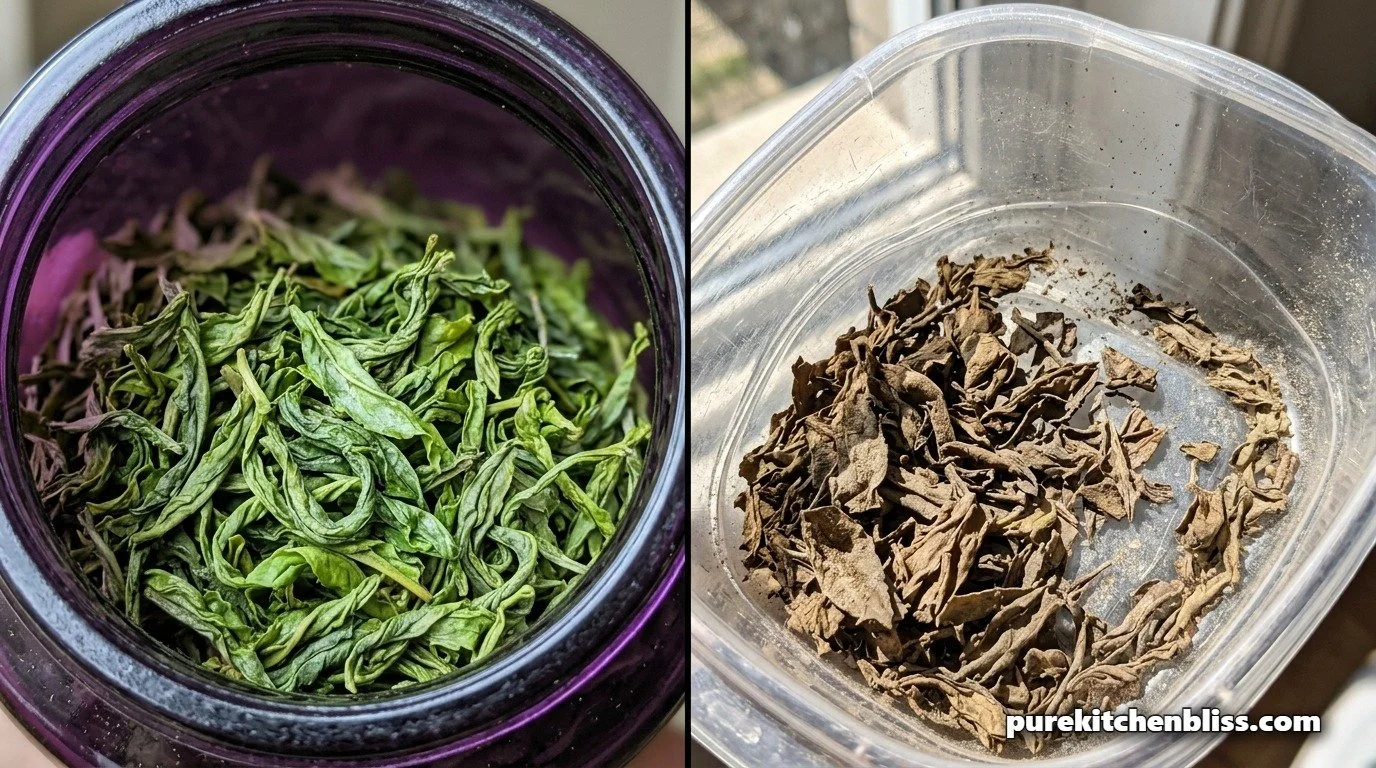
1. The "Heat Stack" Hazard
The most common mistake in kitchen organization is storing tea in the cabinets directly above or adjacent to the range.
The Physics: As we discussed in our refrigerator ventilation guide, heat rises. The "chimney effect" around your stove creates a microclimate that can reach 90F to $100F inside those upper cabinets.
The Result: Heat accelerates the oxidation process, stripping the tea of its essential oils and polyphenols. Your tea should be stored in a "Cool Zone", ideally a lower cabinet or a pantry located away from the oven's thermal footprint.
2. The Photo-Oxidation Envelope
Light is a form of energy that physically breaks down the chemical structure of the tea leaf.
The Glass Jar Myth: While clear glass jars look beautiful on a full-height slab backsplash, they act as miniature greenhouses.
The Sanctuary Solution: Use opaque tins or Miron (violet) glass. These materials act as a "Zero-Clearance" barrier for UV rays, ensuring the light never reaches the delicate leaves.
3. Comparison: Tea Storage Infrastructure
| Storage Method | Environmental Seal | UV Protection | Shelf Life Impact |
|---|---|---|---|
| Clear Glass Jar | Airtight (Variable) | Zero (High Risk) | 2-3 Months |
| Original Foil Pouch | High (If resealed) | Total | 6-12 Months |
| Double-Lid Washi Tin | Superior (Dual Gasket) | Total | 18+ Months |
4. Avoiding the "Spice Contamination"
Tea is "hygroscopic," meaning it absorbs moisture and odors from the surrounding air.
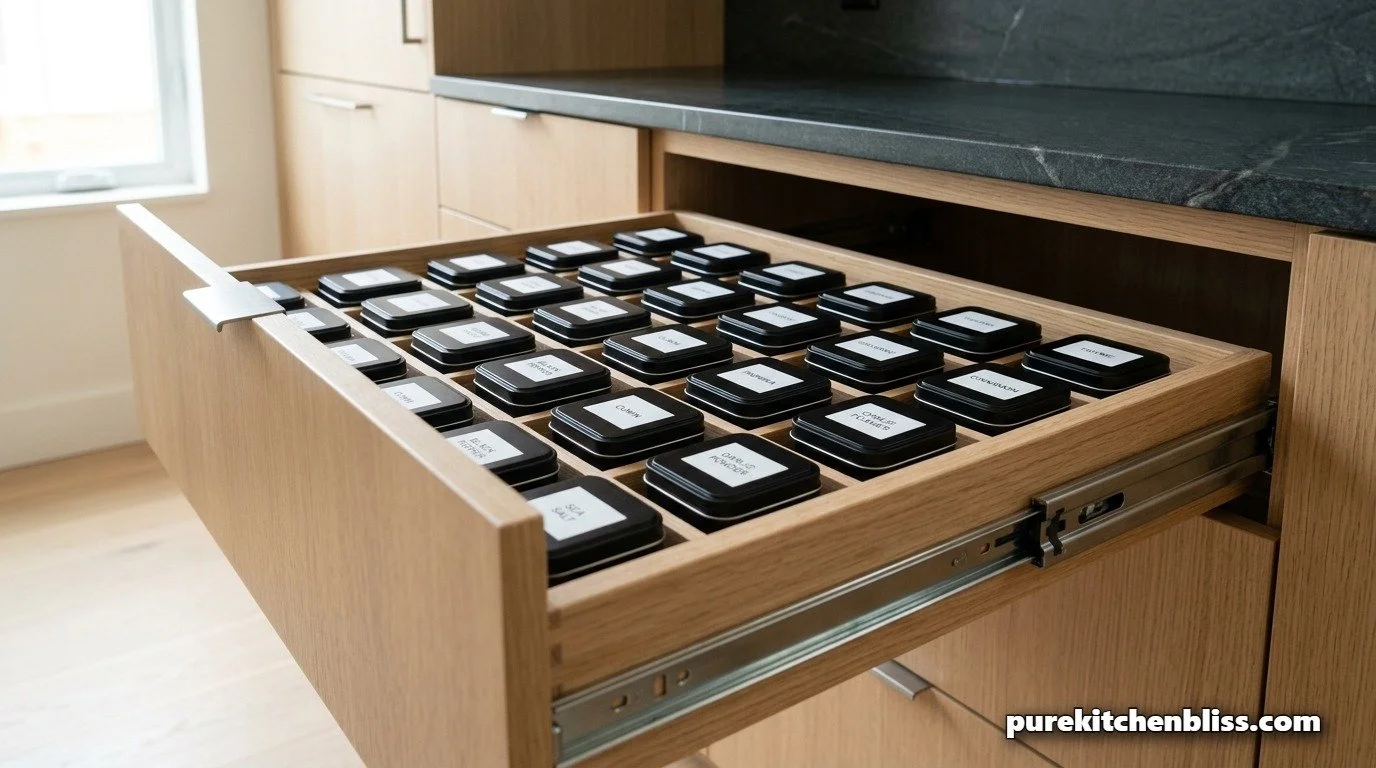
The Shared Cabinet: If you store your delicate Silver Needle white tea in the same drawer as your garlic powder or cumin, the tea will eventually taste like those spices.
The Organization Fix: In your soft-close cabinet drawers, dedicate a specific section or "niche" solely to tea. This prevents cross-contamination of aromatics and keeps your sanctuary’s flavor profile clean.
5. Managing the Humidity "Rough-In"
While we use preventive bug measures to keep pests out, the same gaps in your kitchen's envelope can let in humidity.
The Condensation Trap: Never store tea in the refrigerator unless it is in a vacuum-sealed bag that has been allowed to reach room temperature before opening. Opening a cold jar in a warm, humid May kitchen causes instant condensation on the leaves, leading to mold.
The Maintenance Move: Use a small silica gel pack inside your larger storage tins during the humid summer months to protect the tea's mechanical structure.
Next Up: Complete your beverage infrastructure by learning how to restore your prep area's surfaces: Restoring the Grain: Professional Stainless Steel Maintenance.