Transparency Note: We independently select these products based on research and user reviews. If you buy something through our links, we may earn a commission.
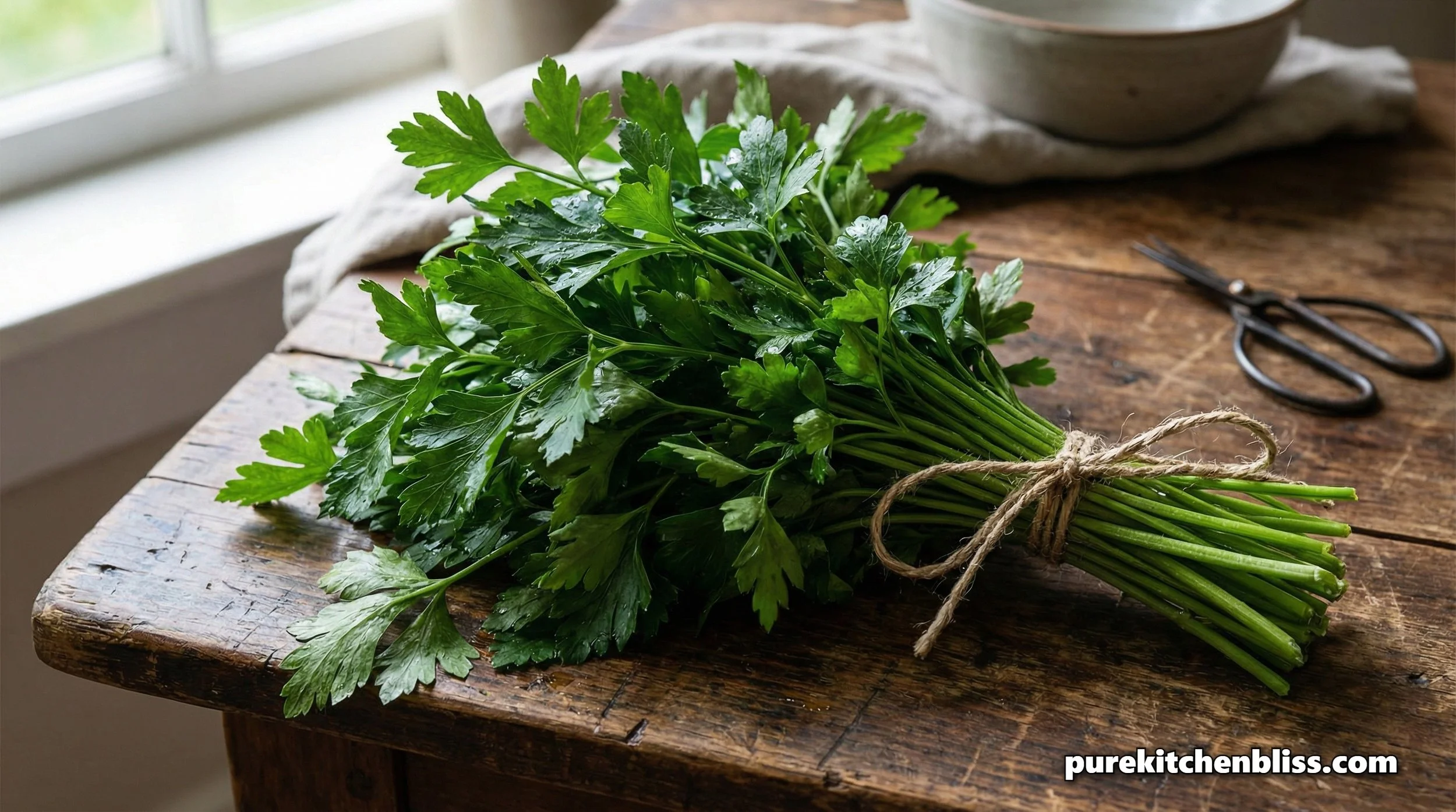
Parsley is the workhorse of the kitchen. Whether you’re chopping it for a chimichurri, garnishing a roast, or adding it to a sauce, it brings a fresh, earthy brightness that is impossible to replicate with dried store-bought versions. Growing parsley indoors is surprisingly easy, provided you give it the right "container infrastructure." Unlike basil, which craves high heat, or mint, which is an aggressive grower, parsley requires a more measured, patient approach. It is a biennial plant, meaning it grows through one full season, rests, and then finishes its life cycle in the second. If you treat it with respect and understand its specific root requirements, it will reward you with fresh, vibrant leaves long after other herbs have bolted or withered.
1. The Infrastructure: Root Depth and Drainage
Unlike mint or basil, which have relatively shallow, fibrous root systems, parsley is a "taproot" plant. This is the biological key to success. In nature, parsley sends a thick, central root deep into the earth to anchor itself and store energy. If you plant parsley in a shallow bowl or a container that is only 3 or 4 inches deep, the root will hit the bottom, become stressed, and the plant will trigger an early "bolt"—meaning it will stop producing leaves and try to produce seeds.
The Container: Use a pot that is at least 8 inches deep. This gives that taproot room to stretch.
Drainage is Non-Negotiable: As with all indoor herbs, moisture management is critical. If your pot has no hole at the bottom, water will collect, become stagnant, and suffocate the roots. If you are using a beautiful decorative pot, use the "pot-in-pot" method: keep the parsley in a cheap, nursery-grade plastic pot with holes and place that inside your decorative one.
2. The "Outer-to-Inner" Harvest Protocol
The secret to a never-ending parsley harvest is how you pick it. Most beginners treat parsley like a bush, indiscriminately hacking at the top of the plant. This is a mistake.
The Heart: The center of the plant is where the new, tender leaves grow. Leave that alone! That is the engine of your plant.
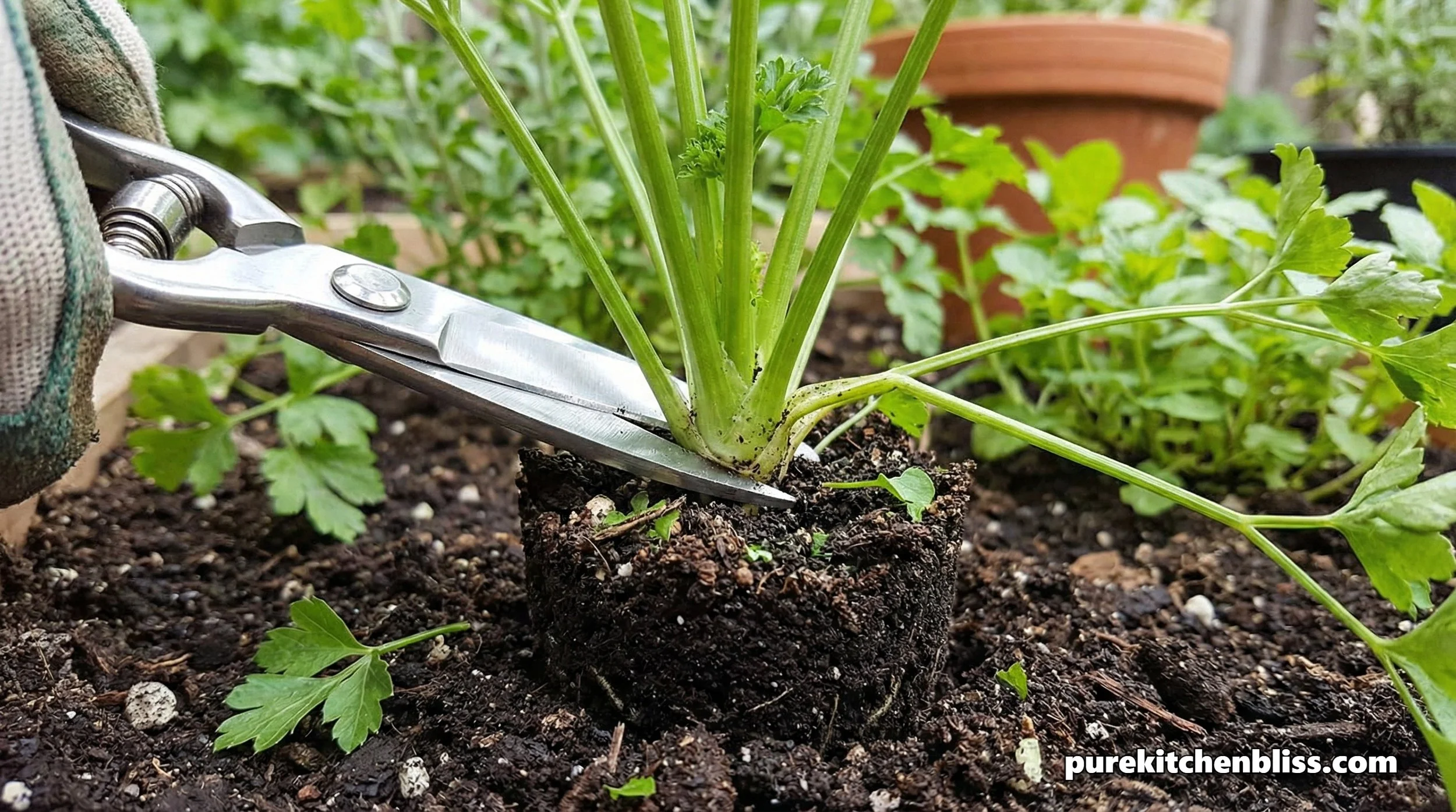
The Harvest: Always work from the outside in. Snip the older, outer stalks at the very base, as close to the soil level as possible. This serves two purposes: it keeps the plant looking tidy, and it ensures that the "heart" (the center) has the space and light it needs to push out new, fresh leaves. If you harvest this way, you can keep a single parsley plant productive for months.
| Type | Flavor Profile | Usage |
|---|---|---|
| Flat-Leaf (Italian) | Bold, intense, earthy | Cooking, sauces, soups, dressings. |
| Curly | Mild, fresh, decorative | Garnishes, salads, delicate sides. |
3. Light and Temperature Needs
Parsley is remarkably tolerant. While basil requires full, blazing sun, parsley is much happier in partial sun or bright, filtered light. This makes it an ideal herb for kitchens that don't have that perfect south-facing window.
The Temperature Sweet Spot: Parsley thrives in cooler temperatures. If your kitchen gets extremely hot (near an oven or a radiator), your parsley may struggle. Try to keep it away from direct heat sources.
Consistency: Because it’s a slower grower than basil, parsley doesn't need to be fertilized as often. A high-quality organic potting mix (which contains nutrients) will last the plant for a long time. If you notice the growth slowing down after a few months, a very light dose of balanced liquid organic fertilizer will provide the nitrogen boost it needs.
4. Soil Moisture: The "Goldilocks" Zone
Parsley isn't as thirsty as mint, but it definitely dislikes drying out completely.
The Routine: Unlike basil, which likes to dry out slightly between waterings, parsley prefers to be kept consistently damp (but never "wet"). If the soil surface feels dry to the touch, give it a drink.
The Danger of Compaction: Over time, indoor soil can become "compacted," meaning it gets hard and blocks oxygen from reaching the roots. Once a month, take a chopstick or a small fork and very gently loosen the top half-inch of soil around the edge of the pot. This allows water to penetrate evenly rather than running down the sides of the pot.
5. Common Troubleshooting
Bolting: If your parsley suddenly sends up a long, tall stalk with little flower clusters at the top, it is "bolting." This means the plant is finishing its life cycle. You can try to snip that flower stalk off to buy a little more time, but once parsley bolts, the leaves become bitter. It’s time to start fresh with new seeds.
Fungus Gnats: Because parsley loves consistent moisture, it can be a magnet for fungus gnats. The best way to prevent them is to let the very surface of the soil dry out for a day, and to ensure your kitchen air is circulating. If you see them, use a sticky trap to break their lifecycle without using harsh chemicals near your food.
6. The Variety Audit: Italian vs. Curly
Flat-Leaf (Italian): This is the culinary standard. It has a much more robust, "green" flavor and stands up better to heat in cooked dishes. If you are making sauces or soups, this is your choice.
Curly: While often relegated to a "garnish," curly parsley has a cleaner, milder flavor. It is fantastic for salads where you want a fresh "crunch" without the intense punch of flat-leaf.
7. Ready to Start?
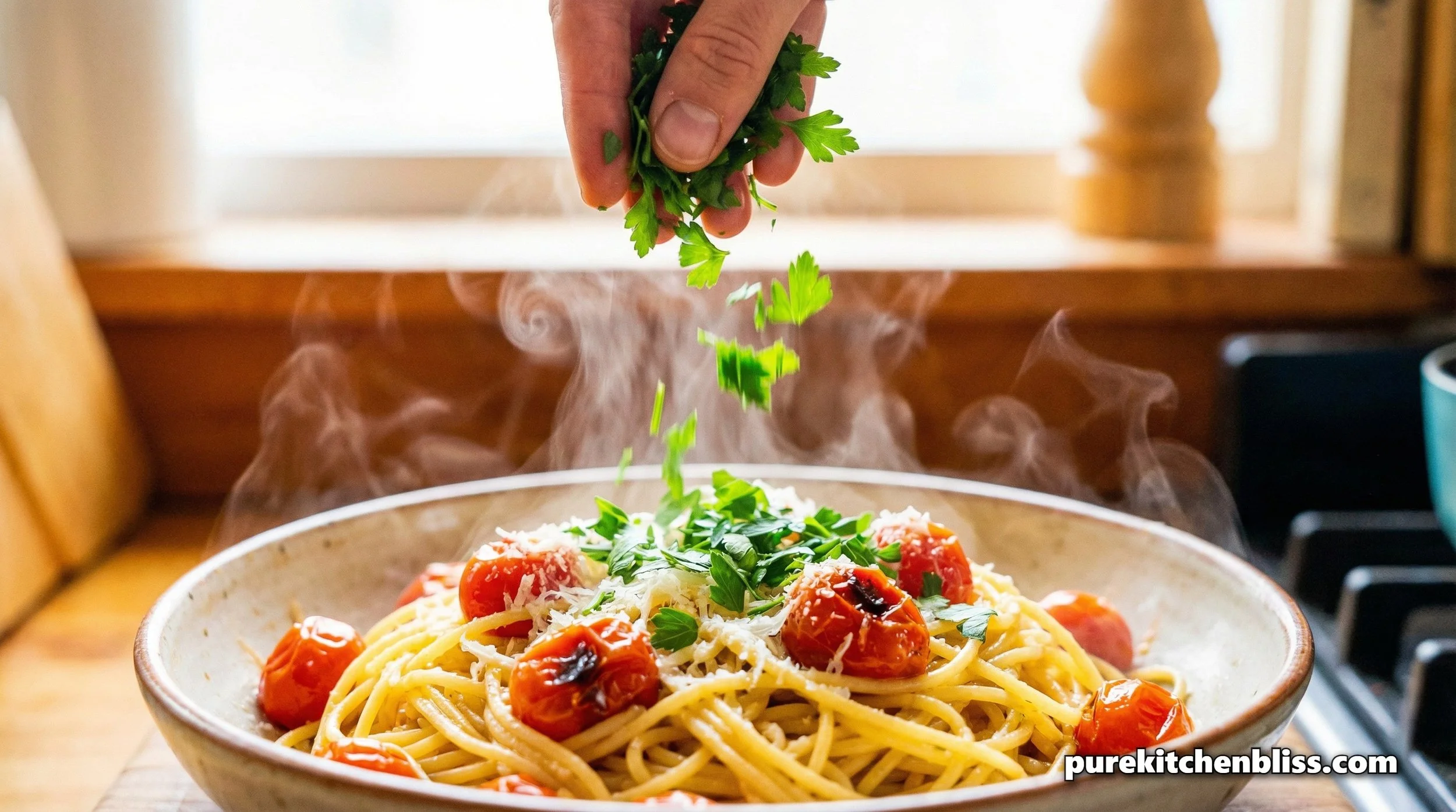
Bring this versatile herb into your kitchen and elevate every dish you make. It is the easiest way to add a "chef-level" finish to your home cooking.