How to Use Coffee Grounds for Your Plants Without Killing Them
Your morning coffee doesn't just wake you up, it can also be a powerful tool for your indoor garden. Most of us hate the idea of throwing away nitrogen-rich waste, and using coffee grounds as fertilizer is one of the most popular "home hacks" on the internet. But if you’ve ever dumped your wet grounds directly into a flowerpot only to find a fuzzy layer of mold a few days later, you know that this trick isn't as simple as it looks.
When used correctly, coffee grounds can improve soil texture and give your plants the nutrients they need to grow lush, green leaves. When used incorrectly, they can actually stunt growth, invite pests, and even kill your favorite greenery. Here is everything you need to know about using coffee waste safely and effectively.
1. The Science: Why Plants Care About Your Coffee
Coffee grounds contain three things plants love: nitrogen, potassium, and phosphorus. These are the "Big Three" nutrients found in almost every bag of store-bought fertilizer. Nitrogen, in particular, is what helps plants stay green and vibrant.
However, there is a catch. Coffee is naturally acidic. Freshly brewed grounds are also full of caffeine, which is actually a defense mechanism used by coffee plants in the wild to stop other plants from growing nearby. If you dump highly concentrated, fresh grounds onto a young seedling, you might be poisoning the soil instead of helping it.
The key is to use coffee for plants that actually enjoy a bit of acidity (often called "acid-loving" plants) and to make sure the grounds are prepared so they don't overwhelm the soil's natural balance.
| Plant Name | Why They Love Coffee | How to Feed Them |
|---|---|---|
| Azaleas & Ferns | They prefer acidic soil. | Mix a small amount into the soil. |
| Gardenias | Acidity helps them "eat" iron. | Apply only during the growing season. |
| Peace Lilies | They love the nitrogen boost. | Use "coffee tea" for a gentle feed. |
| Cactus & Succulents | Coffee holds too much moisture. | Skip the coffee for these plants. |
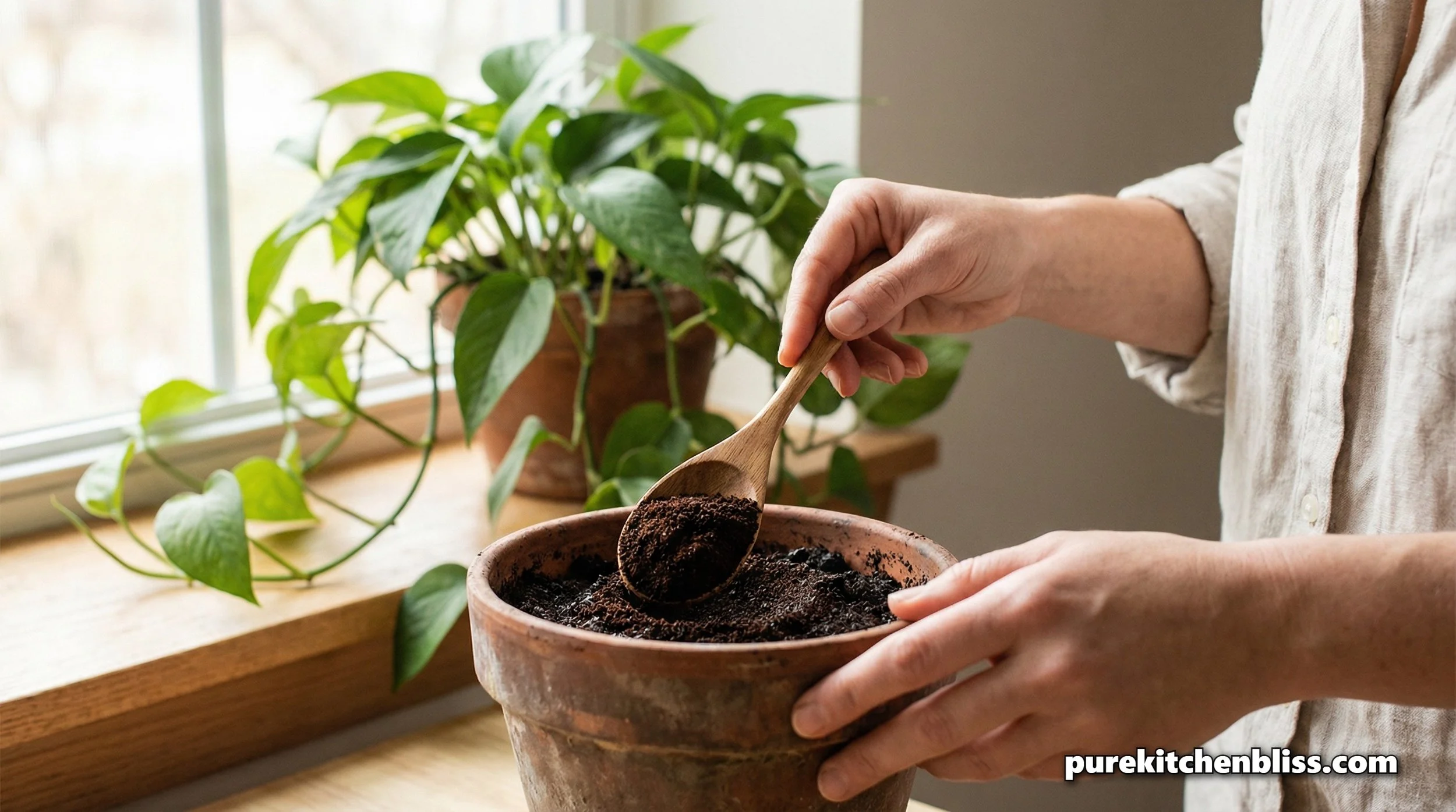
2. Common Mistakes: Why "Direct Dumping" Fails
Most people make the mistake of treating their plant pots like a compost bin. Here is why simply dumping your daily grounds into a pot usually ends in disaster:
The "Coffee Crust" Problem
When you dump wet coffee grounds on top of the soil, they eventually dry out and stick together. This creates a hard, waterproof "crust" across the surface of the pot. The next time you go to water your plant, the water can't get through that crust. Instead, it just rolls off the sides of the pot, leaving the roots underneath bone-dry.
Mold and Fungus Gnats
Wet coffee grounds are a paradise for mold. If your home doesn't have a ton of airflow, that damp layer of coffee will quickly grow a white, fuzzy fungus. This mold isn't just ugly; it attracts fungus gnats, those tiny, annoying black flies that buzz around your face. Once gnats get into your soil, they are incredibly hard to get rid of because they lay their eggs in the damp, rotting coffee.
Yellowing Leaves
You might think adding nitrogen-rich coffee would make a plant greener, but sometimes the opposite happens. As the coffee grounds break down, the tiny microbes in the soil have to work overtime to eat the carbon in the coffee. To do this, they actually "borrow" nitrogen from the plant's roots. This can cause your plant's leaves to turn yellow and look sickly until the grounds are fully decomposed.
3. Which Plants Actually Like Coffee?
Not all plants are created equal. Before you start sharing your brew, you need to know who can handle it.
The Big Winners: Plants like Azaleas, Lilies, and Ferns love slightly acidic soil. They can handle the lower pH of coffee and will reward you with darker green leaves.
The "Maybe" Crowd: Tomatoes and Hydrangeas can benefit from coffee, but you have to be careful. Too much acidity can actually stop a tomato plant from producing fruit, even if the plant itself looks healthy.
The Big Losers: Cactus, Succulents, and Orchids generally hate coffee grounds. These plants prefer soil that drains very quickly and doesn't hold onto moisture. Coffee grounds act like a sponge, keeping the soil damp for too long and causing the roots of these plants to rot.
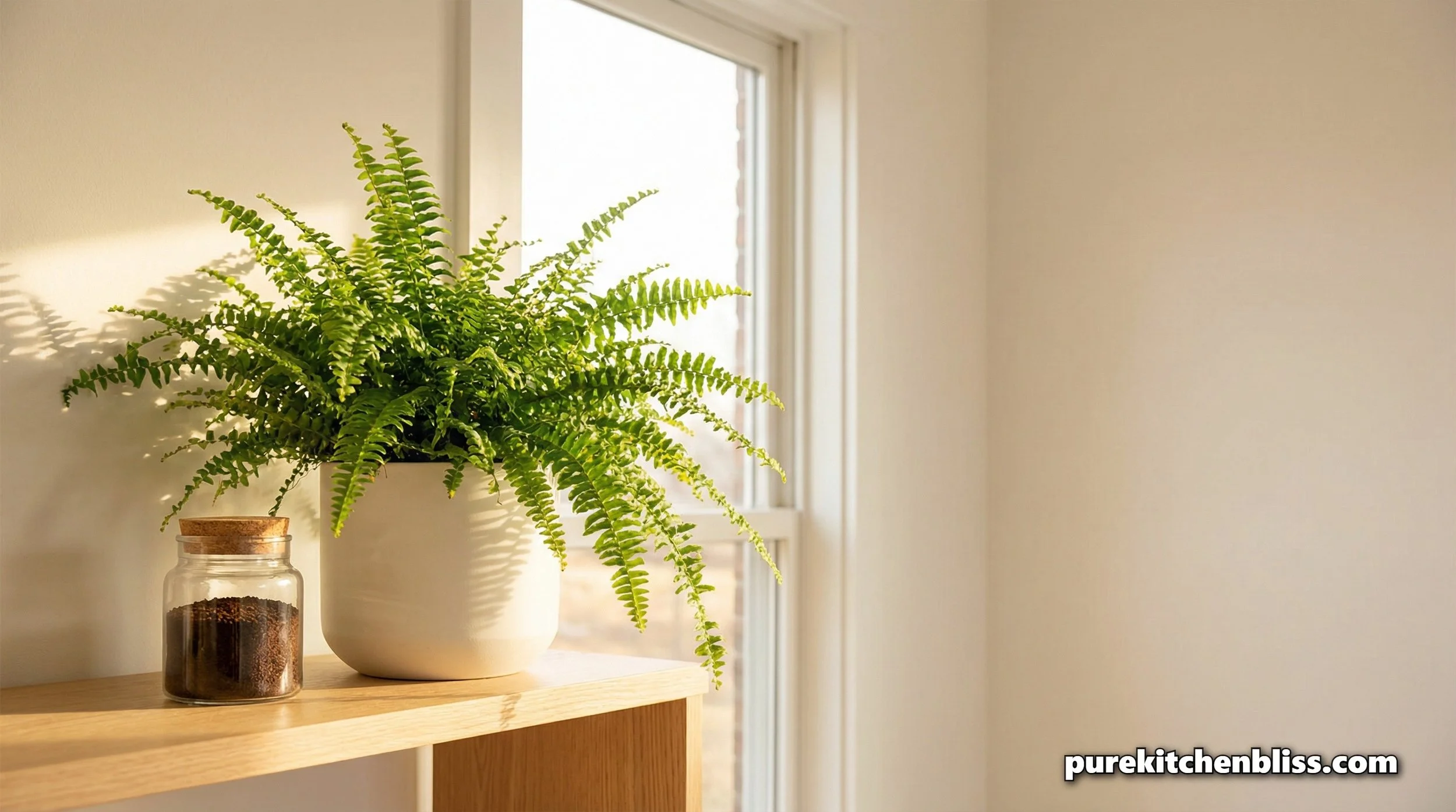
4. The Best Way to Apply Coffee Grounds
To avoid the mold and crust problems, you have three expert-level ways to feed your plants:
Method A: The Dry Mix (Best for Repotting)
Don't use grounds that are still wet from the machine. Spread them out on a baking sheet and let them air-dry completely. Once they are dry and crumbly, mix about one part grounds to ten parts soil when you are repotting a plant. This spreads the nutrients out so they don't clump together and allows the plant to "eat" slowly.
Method B: The "Coffee Tea" (Best for Maintenance)
This is the safest way to use coffee for indoor plants. Take about two cups of used grounds and let them soak in a five-gallon bucket of water overnight. Strain out the grounds and use the "tea" to water your plants. This gives them a gentle dose of nitrogen and acidity without any of the mold or pest risks that come with solid grounds.
Method C: The Compost Bin (The Gold Standard)
If you want to be the best plant parent possible, don't put grounds in the pots at all. Put them in a compost bin or a worm bin. Let the worms and microbes break the coffee down for a few months. When the coffee looks like rich, black earth, then add it to your plants. This removes the caffeine and the risk of "nitrogen stealing," giving you a perfect, safe fertilizer.
5. Tips for Long-Term Success
Don't Overdo It: Even for plants that love coffee, a little goes a long way. Think of coffee grounds like a vitamin, not a meal. Use them once a month at most.
Watch for Mold: If you see white fuzz starting to grow on the soil, scrape it off immediately and stop using coffee for a while. It usually means the soil is staying too wet.
Check the pH: If you’re serious about your garden, you can buy a cheap pH meter online. Most acid-loving plants are happy between 5.5 and 6.5. If your coffee habit pushes the soil lower than 5.0, your plant might stop being able to absorb other important minerals.
Conclusion: Better Gardening Through Better Habits Using coffee grounds is a fantastic way to live more sustainably and save a little money on fertilizer. By moving away from "quick fixes" like dumping wet grounds and moving toward smart methods like "coffee tea" or drying your grounds first, you’re acting as a true steward of your home. Your plants will look better, your soil will be healthier, and you won't have to deal with the headache of mold and pests.
Want to learn more about keeping your home sanctuary healthy?
Keep your kitchen clean after prep: Kitchen Color Trends for 2026: What’s In and Why
Fix those sink odors before they start: How to Fix a Smelly Kitchen Sink and Keep It Clean