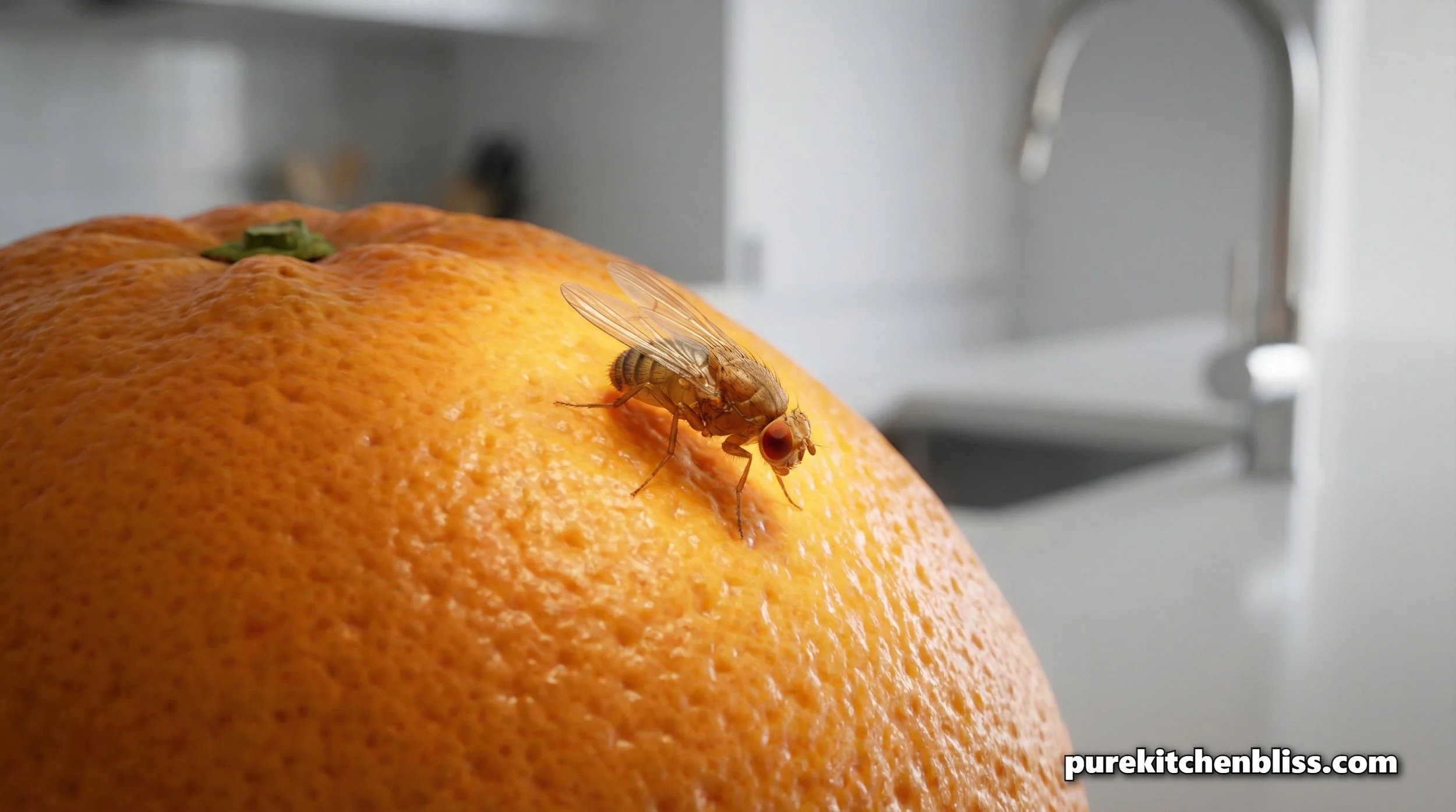
How to Get Rid of Fruit Flies
Fruit flies (Drosophila melanogaster) don’t just "appear" out of nowhere. They are high-performance scavengers with an incredible sense of smell. They can detect the ethanol of a fermenting banana or the microscopic biofilm in your drain from a distance that would put a bloodhound to shame.
Once they enter your kitchen, they look for the softest spots, damp tea towels, overripe fruit, or the "sump" of your sink. To get rid of them, we don't use toxic aerosol sprays that compromise our air quality. Instead, we use a two-phase tactical approach: targeted extraction and source elimination.
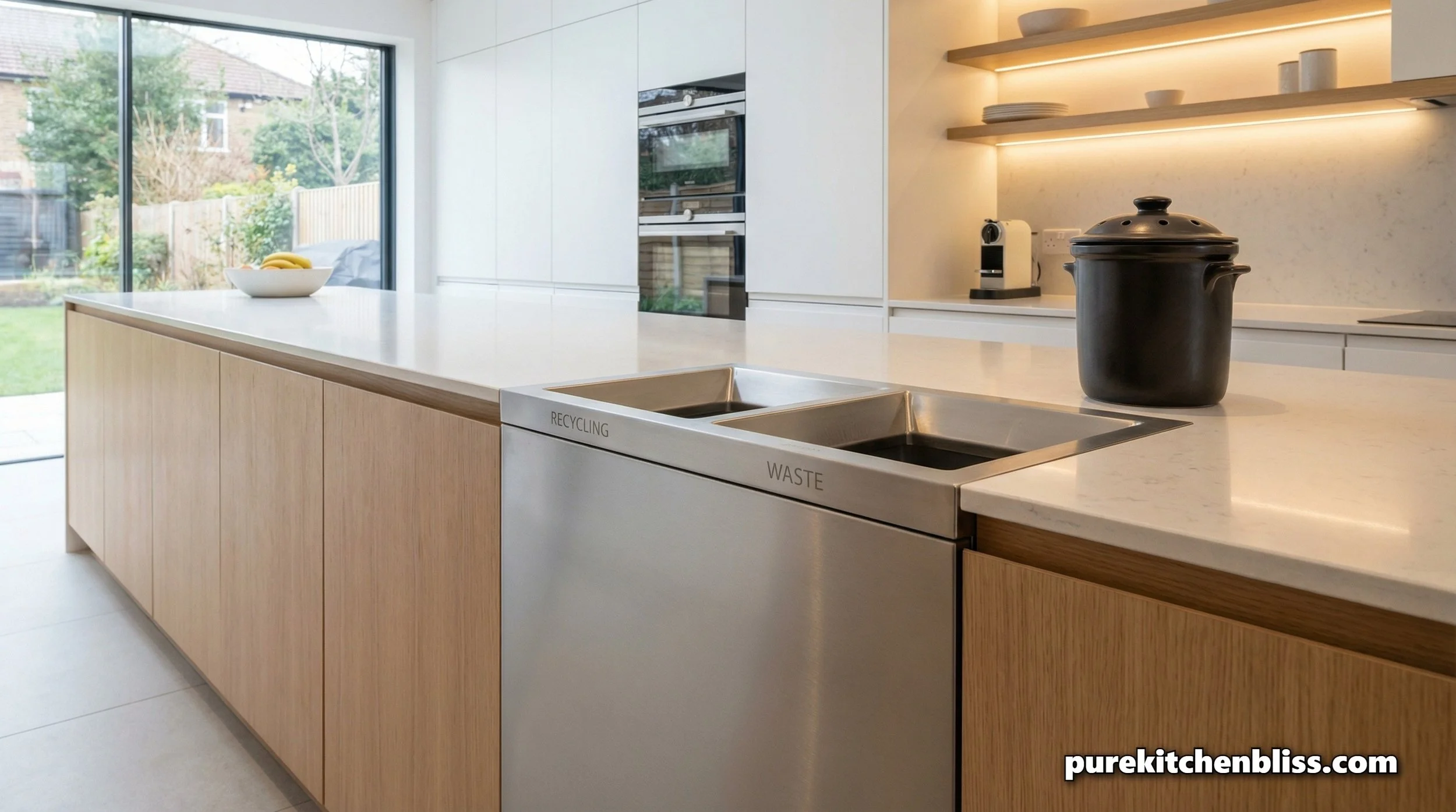
How Often Should You Change Your Kitchen Garbage?
In a house with four daughters and a high-performance meal-prep schedule, the kitchen garbage isn't just a bin—it’s a biological waste station. I look at the garbage area as a high-risk zone for "Infrastructure Contamination."
If left too long, organic waste begins a process of anaerobic decomposition, releasing moisture and VOCs (volatile organic compounds) that can permeate your cabinetry and affect your kitchen's air quality. To maintain a Sustainable Sanctuary, we need a strict extraction schedule. Most people wait until the bag is full to take out the trash, but we don't measure garbage by volume; we measure it by Bio-Load.
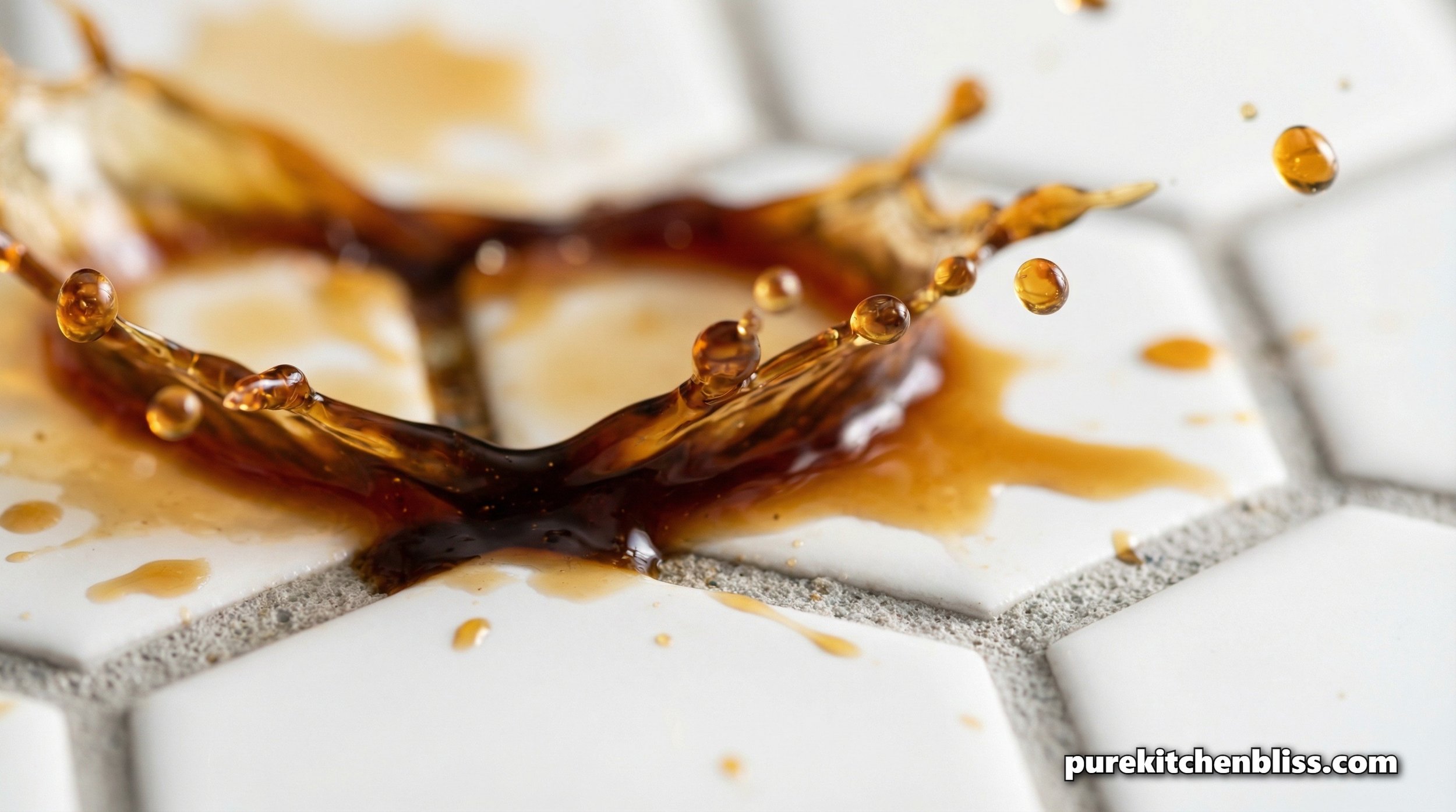
How to Clean Coffee Spills on Your Tiled Kitchen Floor
In the trades, I’ve seen beautiful (and expensive) tile floors ruined not by the tile failing, but by the grout failing. Grout is essentially a rigid, cementitious sponge. When you drop your morning brew, the coffee doesn't just sit on top; it begins a "capillary climb" into the microscopic pores of your floor’s infrastructure.
If you have kids or pets, your first instinct might be to grab a heavy chemical bleach. Stop. Harsh chemicals can break down the sealers on your tile and weaken the grout’s structural integrity over time. Instead, we use a "neutralization and extraction" method to restore the sanctuary.
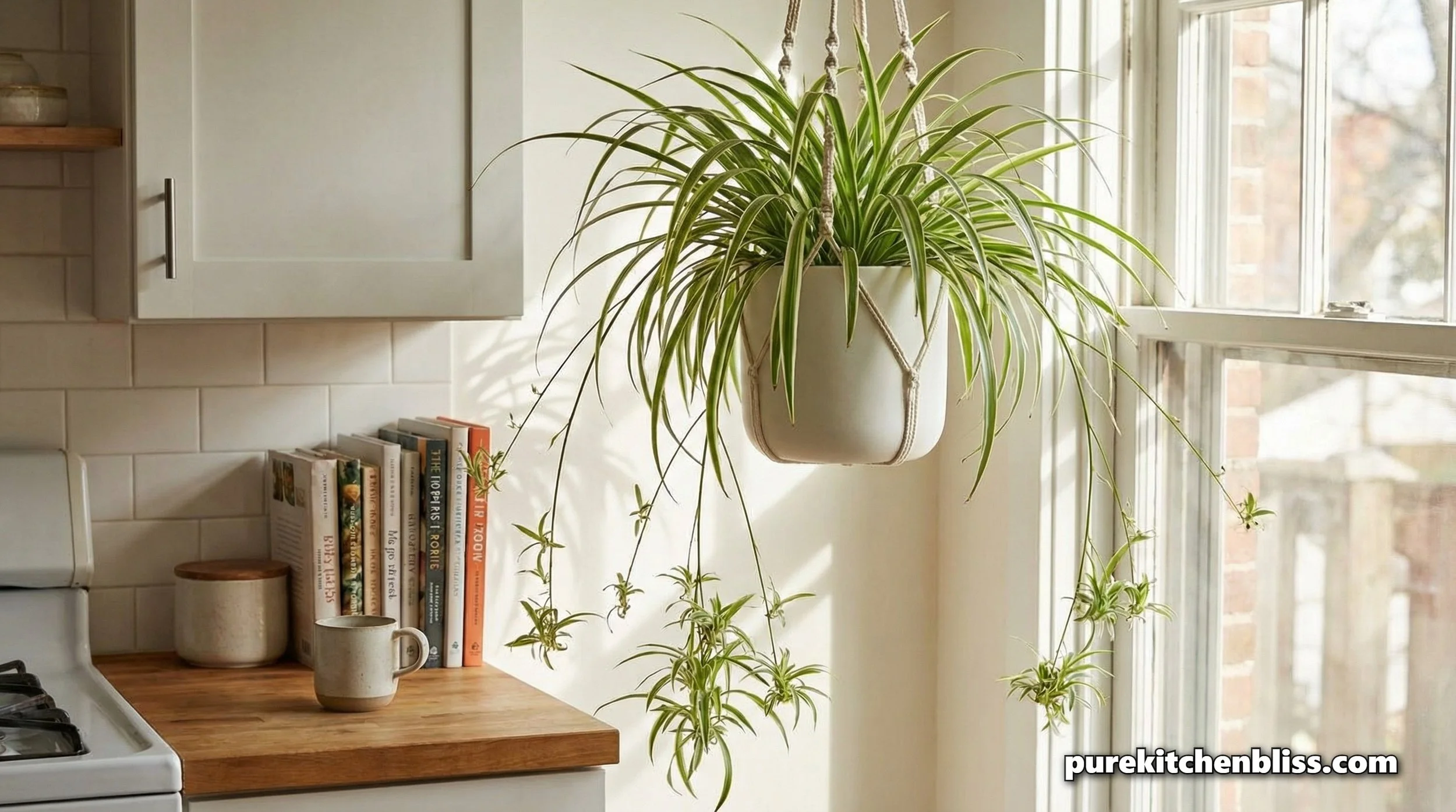
Spider Plant Care: The High-Performance Filter for Your Kitchen
In a house with four daughters and a constant flow of activity, the kitchen is more than just a place to cook—it is a high-output environment. As a Builder-Curator, I look at every element of the room as infrastructure. While we’ve covered the "Steel Beam" resilience of the Internal Link: Snake Plant, the Spider Plant (Chlorophytum comosum) brings a different kind of mechanical advantage to your sanctuary.
The Spider Plant is the kitchen’s "Carbon Monoxide Scrubber." It is one of the few plants scientifically proven to target the specific byproducts of gas cooking and wood-burning. More importantly, in a home where safety is paramount, it is 100% non-toxic to your pets.
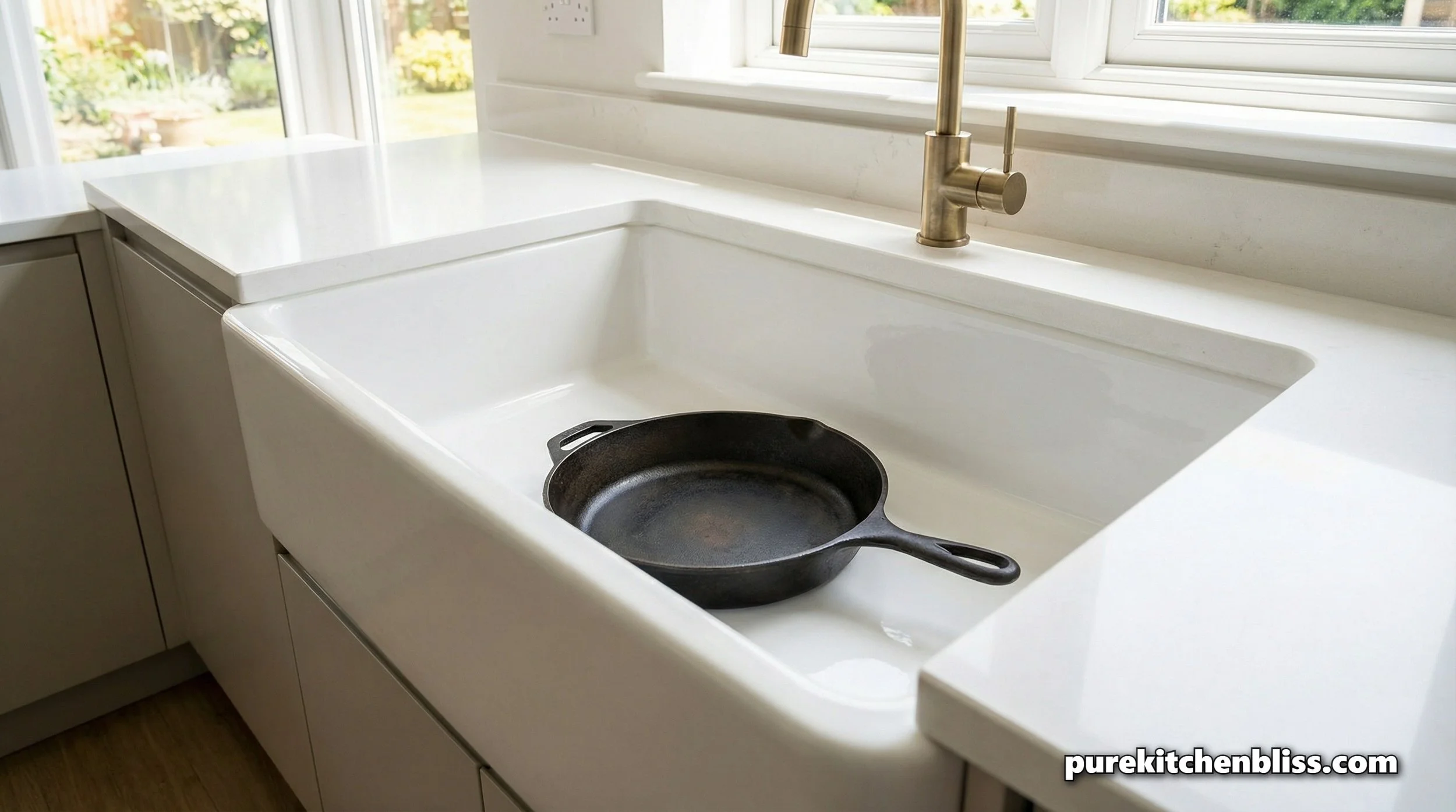
Do You Really Need a Double Sink?
In a busy home with four daughters, the kitchen sink is the most used piece of mechanical equipment you own. It’s the primary station for prepping organic meals, washing out DIY Glass Jars, and tackling the Sunday Night Countertop Reset.
The traditional double sink (the "50/50 split") was designed for a pre-dishwasher era when one side held the soapy water and the other held the rinse water. But in a modern kitchen equipped with a high-efficiency dishwasher and a Stone Dish Drying Mat, that middle divider often becomes a structural hurdle rather than a help. As a Red Seal Carpenter, I look at the sink as the "engine room" of your kitchen. If the engine isn't sized right, the whole system stalls.
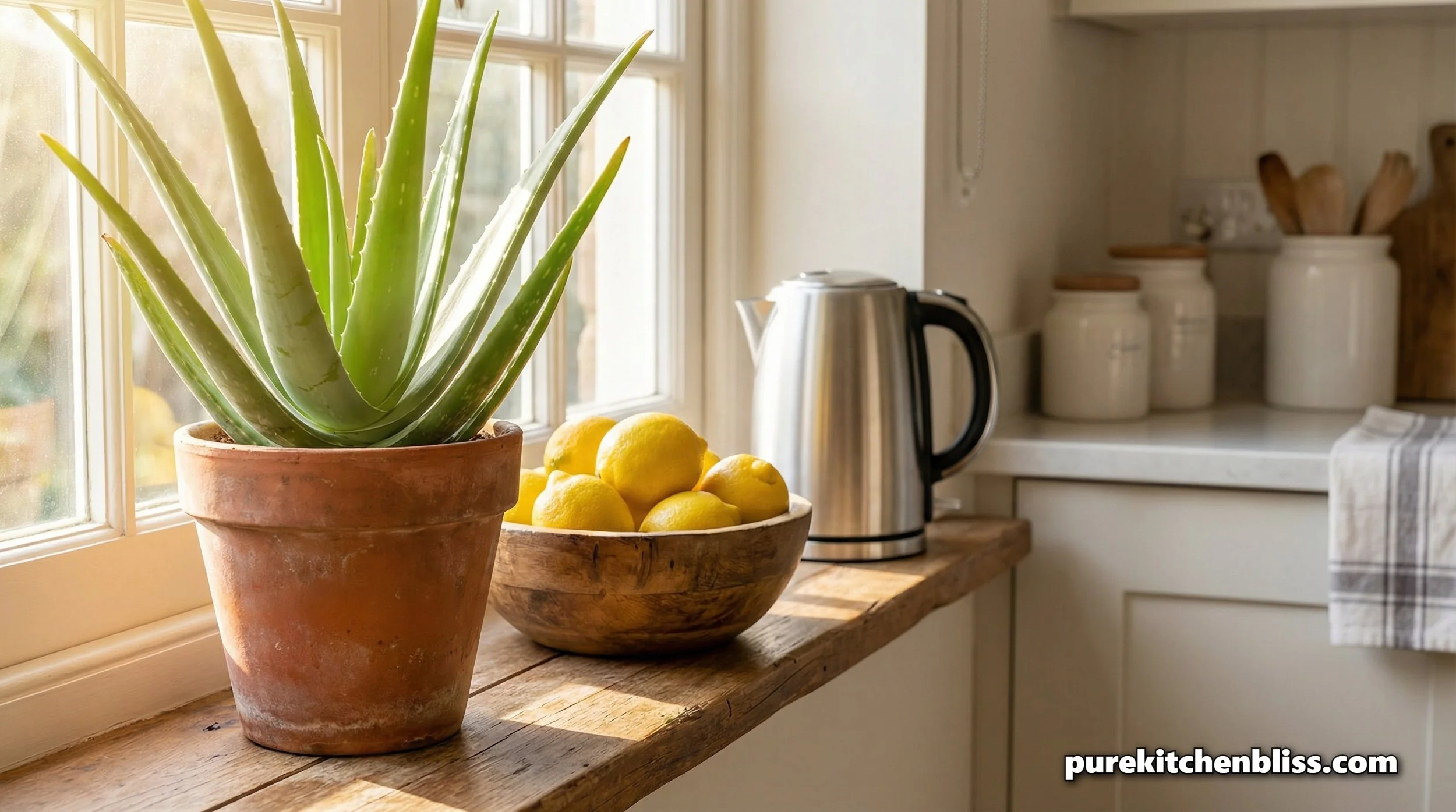
Aloe Vera Mastery: Your Kitchen’s Living First-Aid Station
In a kitchen defined by the "beautiful chaos" of family life, every item should serve more than one purpose. As a father of four, I’ve learned that the most valuable tools are the ones that are both beautiful and functional. The Aloe Vera plant is exactly that: a sleek, architectural succulent that doubles as your kitchen’s primary first-aid station.
Known for centuries as the "Burn Plant," Aloe Vera is a biological powerhouse. Having one on your windowsill isn't just a design choice, it's an infrastructure upgrade. When a minor burn happens during a busy dinner prep, you aren't reaching for a tube of synthetic gel filled with preservatives; you’re reaching for a raw, organic cooling agent grown right in your sanctuary.
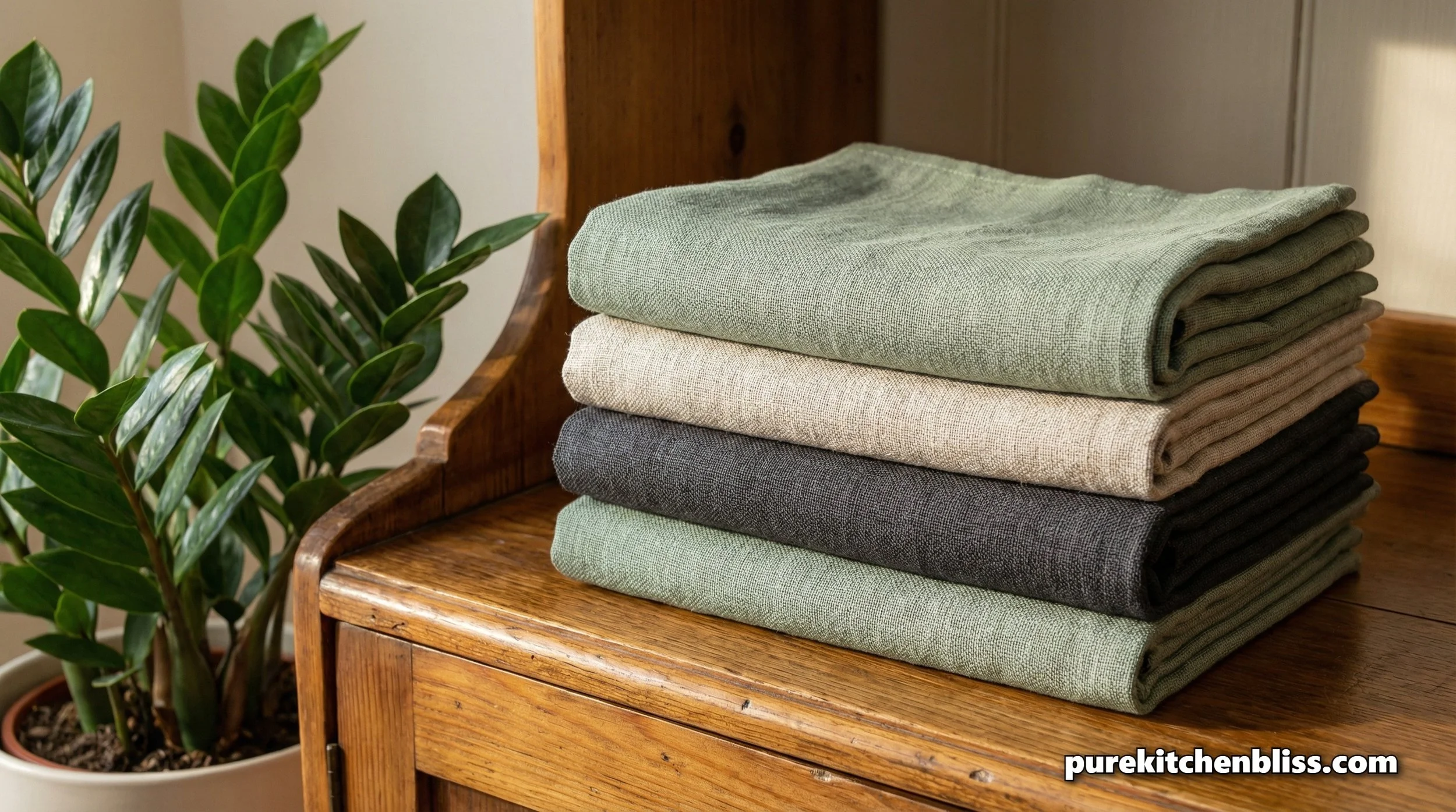
How Often Should You Wash Your Tea Towels?
In a house with four daughters and a constant cycle of meal prep, the humble tea towel is the hardest-working "Soft Infrastructure" in the building. As a father, I look at these towels as filters: they catch moisture, food particles, and aerosolized grease.
Most people wait until a tea towel looks dirty or develops that tell-tale "sour" smell before throwing it in the wash. But as a builder who understands how mold and bacteria thrive in damp environments, I can tell you: If you can smell it, the infrastructure has already failed. In the "Beautiful Chaos" of our kitchen, tea towels are the primary source of cross-contamination. Here is the professional schedule to keep your linens, and your family, safe.
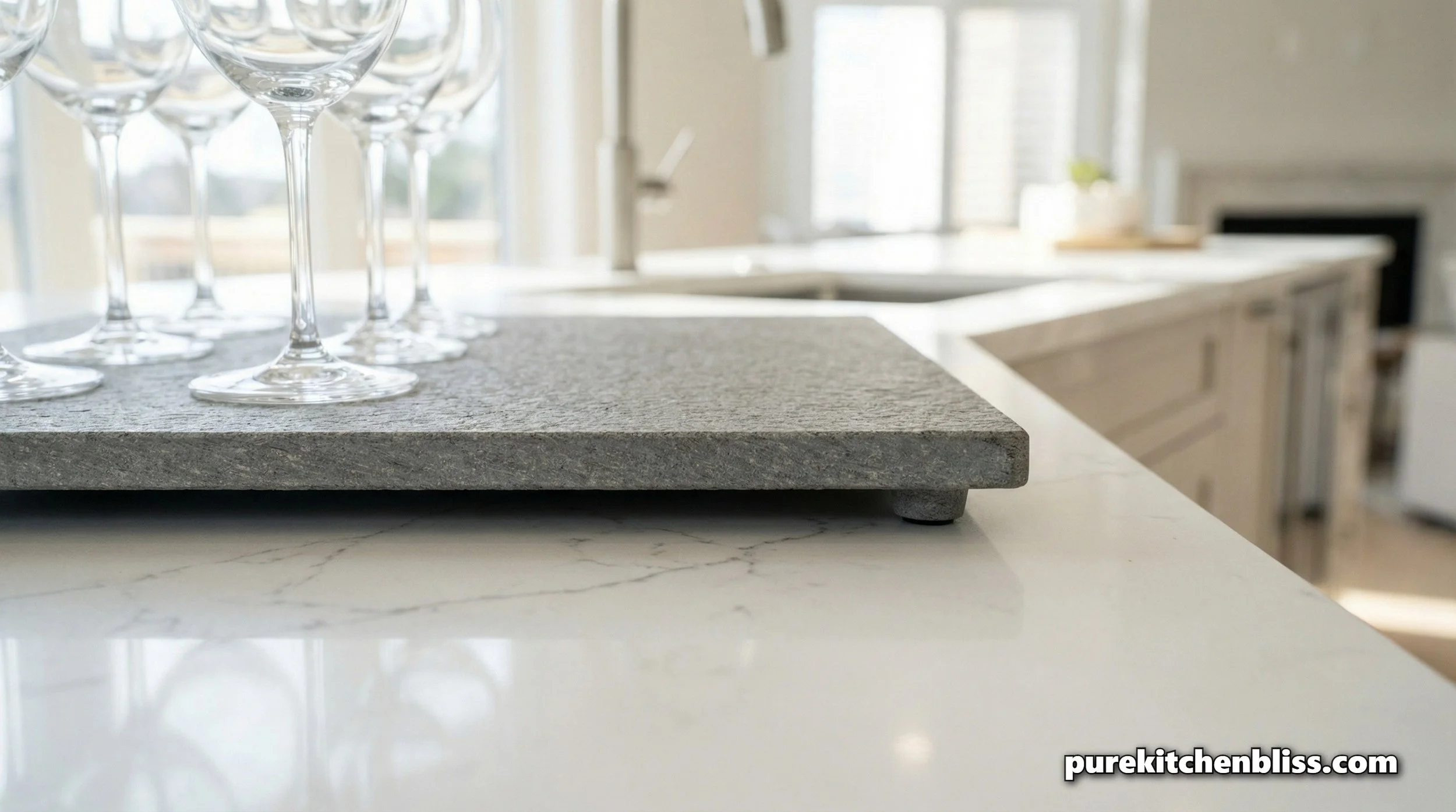
Stone Dish Drying Mat Mastery: The Anti-Mold Kitchen Infrastructure
In my 20 years as a Red Seal Carpenter, I’ve spent a significant portion of my career repairing the damage caused by "slow moisture." I’ve seen subfloors rotted through and cabinetry warped beyond repair, all because of the humble, soggy dish towel sitting on a countertop.
The traditional fabric or memory foam drying mat is a design failure. It captures water, traps heat, and creates a dark, damp "micro-climate" perfect for mold and bacteria. To maintain a Sustainable Sanctuary, we need to replace that "biological sponge" with a material designed for rapid evaporation: Diatomaceous Earth.
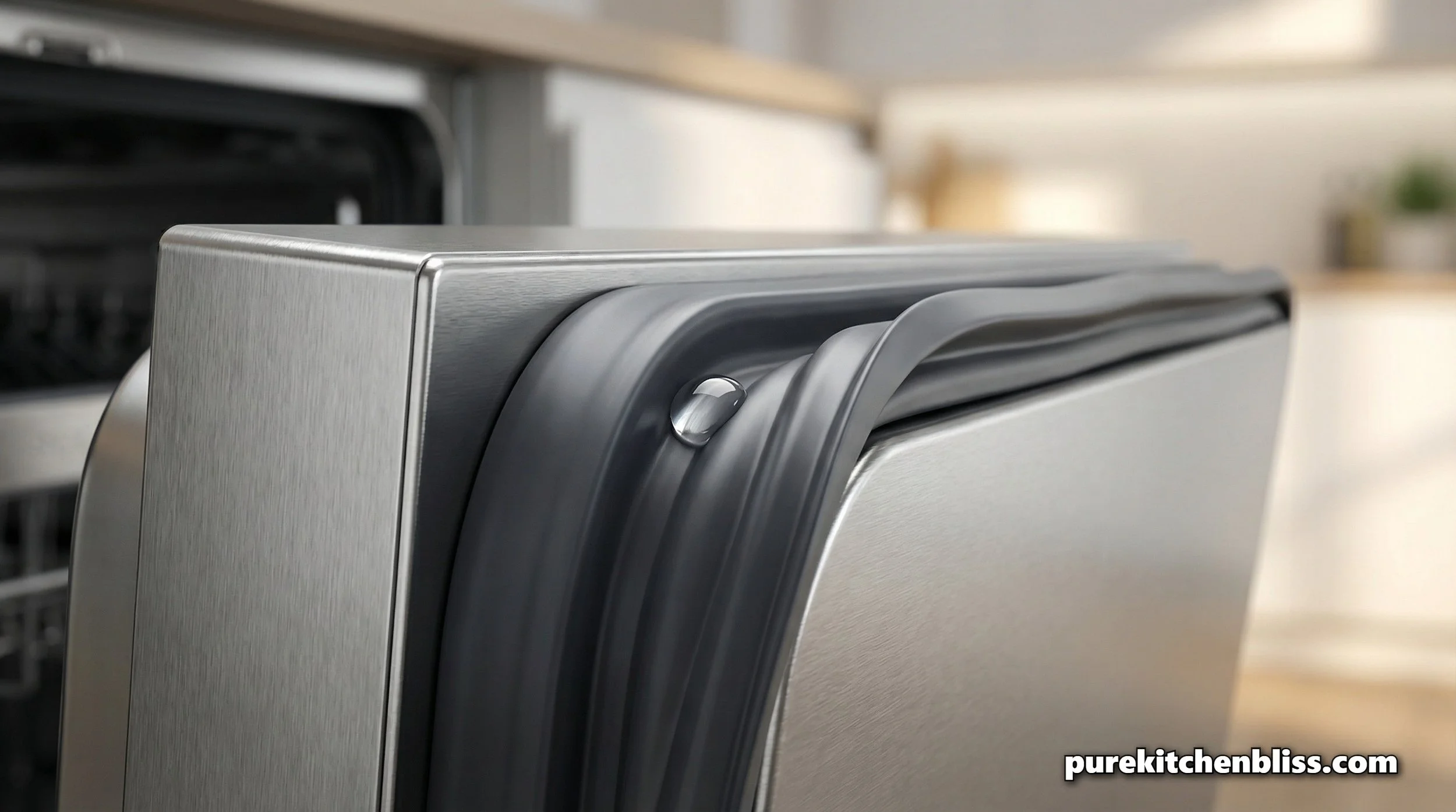
Will Vinegar Ruin the Rubber Seals on Your Appliances? The Professional Verdict
In my 20 years in the trades and as a father of four, I’ve seen the damage caused by "natural cleaning" gone wrong. Vinegar is the darling of the Sustainable Sanctuary, and for good reason, it’s a powerful, non-toxic descaler. But as a builder, I know that Acetic Acid (the active ingredient in vinegar) is still an acid.
Your dishwasher, washing machine, and refrigerator rely on rubber gaskets to keep water and air where they belong. If those seals fail, you aren't just looking at a broken appliance; you’re looking at moisture seeping into your subfloor and rotting your cabinetry. Here is the professional "Reality Check" on using vinegar near your appliance infrastructure.
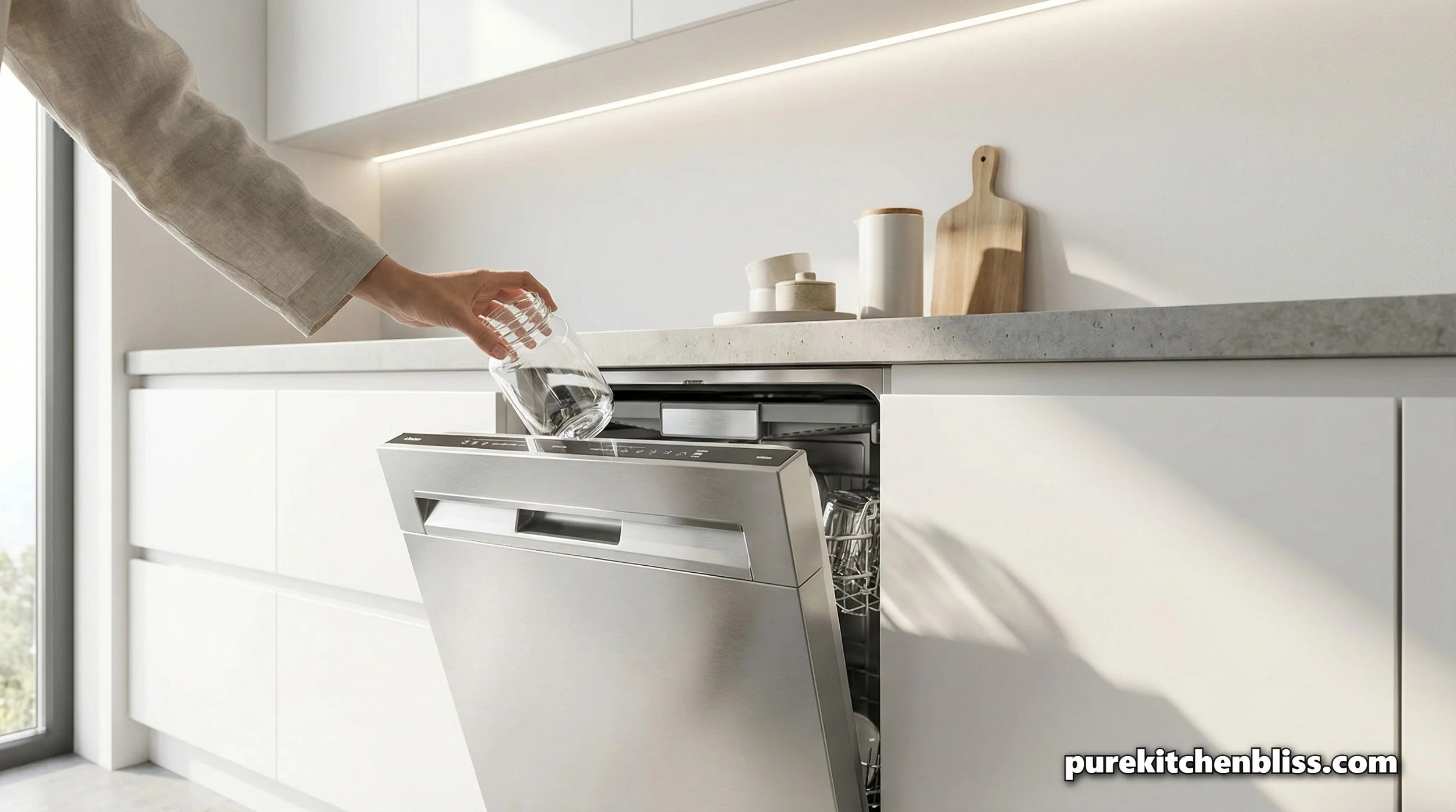
The Dishwasher Longevity Guide: How to Make a Modern Machine Last 15 Years
In a house with four daughters, our dishwasher is the unsung hero of the "beautiful chaos." It runs at least once, sometimes twice, every single day. Most appliance sales reps will tell you that the lifespan of a modern machine is only 7 to 10 years. I find that unacceptable.
A dishwasher isn't just a box that sprays water; it is a high-performance circulatory system. When it fails, it doesn't just leave you with dirty dishes,it risks catastrophic water damage to your cabinetry and subfloor. To reach the 15 year mark, you have to move beyond "using" it and start "maintaining" its infrastructure. Here is my professional protocol for appliance longevity.

How to Choose a Zero-VOC Paint for Kitchen Cabinets: A Professional’s Guide
In my 20 years in the trades and as a father of four daughters, I’ve seen the "behind-the-scenes" of hundreds of kitchen renovations. Most people choose their cabinet paint based solely on a color swatch. But as a builder, I choose paint based on its chemical footprint and its structural integrity.

The DIY Vodka Fabric Spray: How to Remove Kitchen Odors Without Chemicals
As a Red Seal Carpenter, I spent years dealing with "site smells"—sawdust, sweat, and heavy machinery. But nothing sticks quite like kitchen grease. If you’ve ever noticed that your kids' backpacks or your favorite winter coat smells like last night’s How to Get Rid of Fried Food Smell, you’ve experienced the "Sponge Effect."
Fabric is a porous material that captures aerosolized lipids and odors. While you can't throw your couch or the kids' school bags in the wash every day, you can reset their scent profile using a professional theater trick: The Vodka Spray.
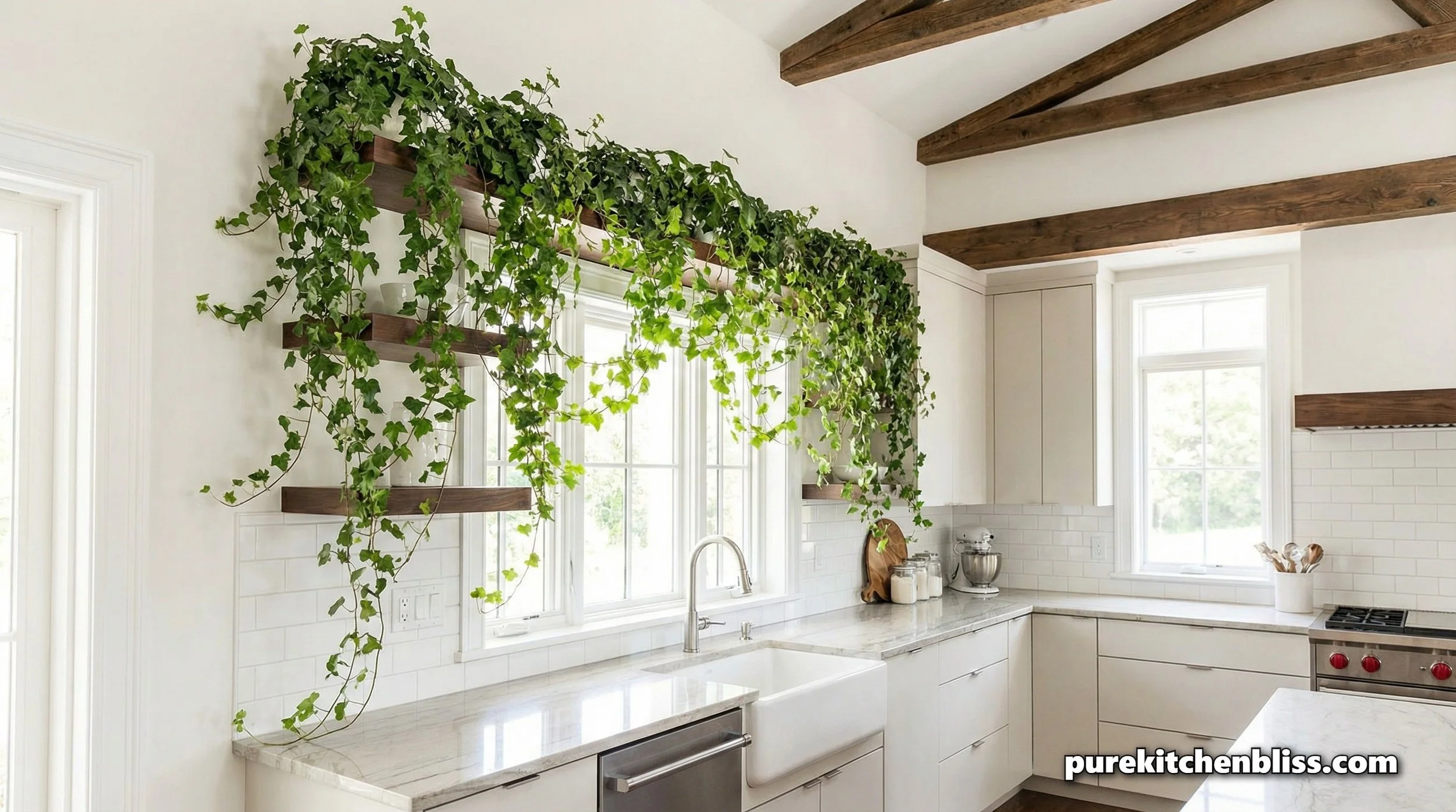
English Ivy Mastery: The Kitchen’s Biological Mold Inhibitor
In a high-performance kitchen, moisture is a constant byproduct. Between the steam from the dishwasher and the boiling pots on the stove, humidity levels can fluctuate wildly, often creating a breeding ground for microscopic mold spores. As a father of four, keeping the air quality of our sanctuary pure is my top priority.
Enter the English Ivy. While many see it as a classic exterior vine, in the kitchen, it serves a critical structural purpose. Studies, including those from the American College of Allergy, Asthma, and Immunology, have shown that English Ivy can reduce airborne mold particles by as much as 78%. It is the "biological filter" your high-moisture zones need.

How to Get Rid of Fried Food Smell: A Professional 3-Step Protocol
We’ve all been there. You treat the family to a "beautiful chaos" Friday night fish fry or homemade donuts, only to wake up Saturday morning feeling like you’re living inside a fast-food restaurant.
While common advice sites suggest a simple pot of boiling vinegar, as a professional who understands the "bones" of a home, I know that isn't enough. Fried food smells are carried by aerosolized lipids (fats). These fats are heavy and "tacky", they don't just float; they bond to your cabinetry finishes and your kitchen’s airflow systems. To truly restore your Sustainable Sanctuary, you need to address the odor at the structural level. Here is my professional protocol for a total olfactory reset.

5 Brilliant Uses for Coffee Grounds in Your Kitchen Sanctuary
In a house with four daughters, the morning coffee isn't just a luxury; it’s the fuel that powers the start of our "beautiful chaos." For years, I made the mistake of seeing the leftover grounds as a waste product, something to be tossed into the bin without a second thought.
As I shifted toward building a Sustainable Sanctuary, I realized that coffee grounds are a multi-purpose tool with a unique "material spec." They are nitrogen-rich, naturally abrasive, and highly porous—making them perfect for maintaining the purity and performance of your kitchen without reaching for synthetic chemicals. By repurposing this daily byproduct, you aren't just being "green"; you're utilizing high-performance organic matter to protect your home’s infrastructure.
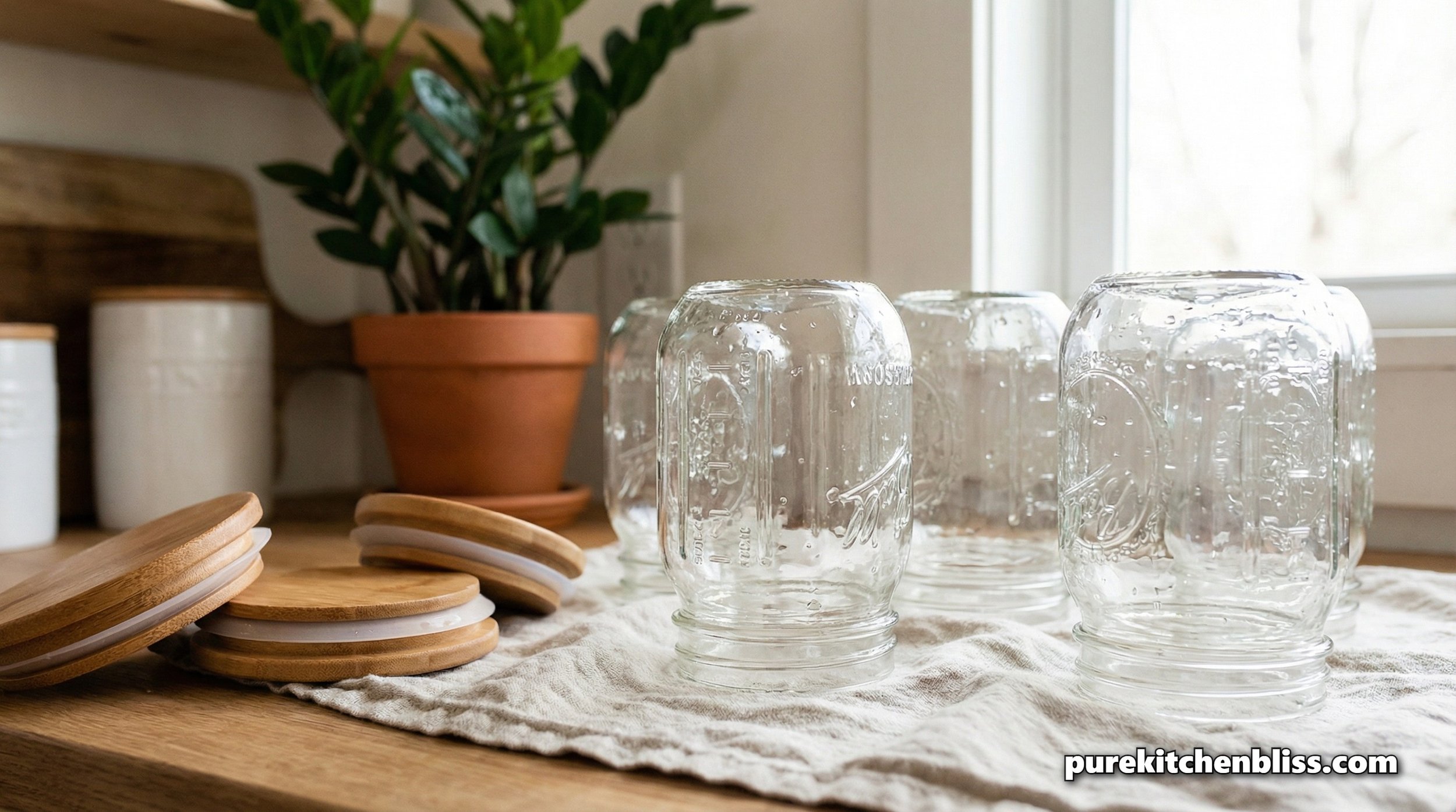
How to Clean Glass Jars Without Harsh Chemicals
To a Builder-Curator, a glass jar is one of the most versatile pieces of "micro-infrastructure" in the kitchen. Whether you are decanting grains for your Small Kitchen Organization Hacks or prepping for a Monday Morning Momentum smoothie, your glass must be sterile, clear, and free from the chemical residues found in commercial soaps.
In a household with four daughters, we go through a lot of glass. Upcycling jars from the grocery store isn't just a sustainable habit; it’s a way to build a high-performance pantry on a budget. However, cleaning glass isn't just about removing visible dirt; it’s about neutralizing odors and stripping away the "polymerized" oils that can turn rancid over time. Here is the professional, non-toxic protocol for restoring glass to its original purity.
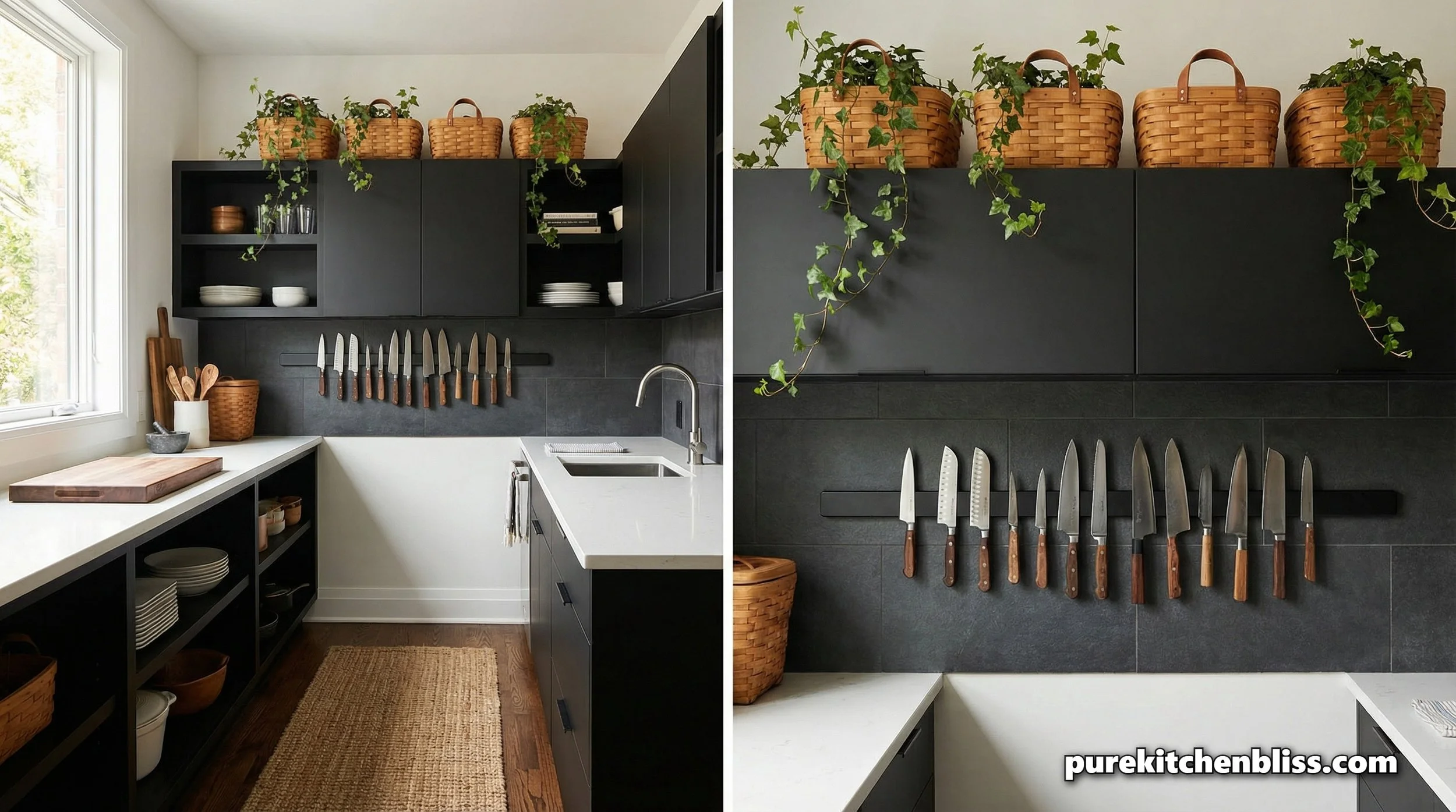
Small Kitchen Organization: Beyond the Plastic Bin
Most organization articles tell you to buy a label maker and call it a day. But in a small kitchen, especially one managing the "beautiful chaos" of a family of six, organization isn't a hobby. It is Infrastructure. When space is at a premium, every square inch must be "staged" for efficiency. If you have to move three things to get to one pan, your kitchen’s momentum is broken. As a Red Seal Carpenter, I look at a kitchen and see vertical real estate and weight loads. As a dad, I see friction points. To create a Sustainable Sanctuary, we need to organize for flow, material protection, and vertical density.
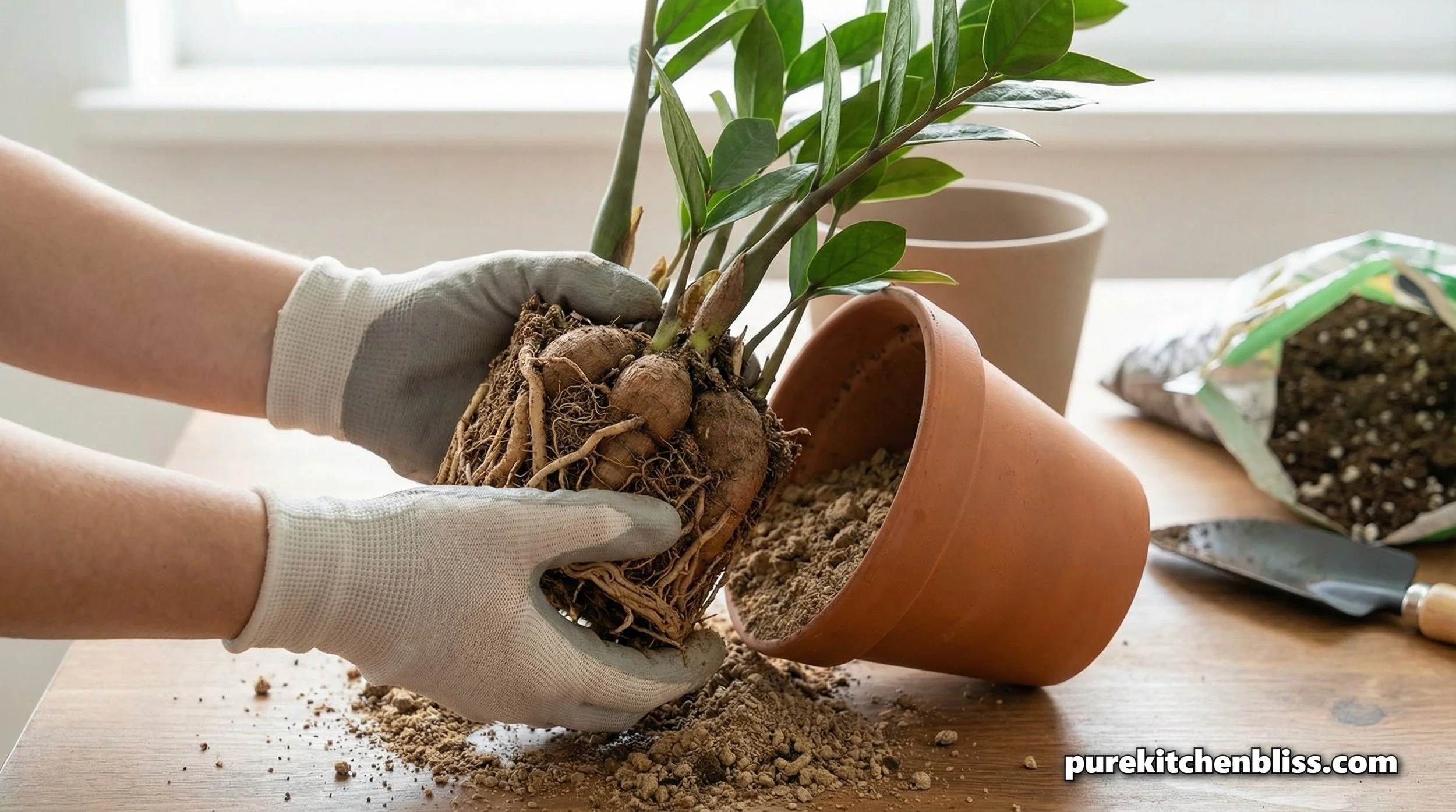
ZZ Plant Mastery: The Ultimate Low-Light Solution for Your Kitchen
Every home has that one spot, the "cave." It’s the kitchen corner farthest from the window, the internal pantry, or the prep area that never sees a direct ray of sun. In these spaces, most houseplants stage a slow, yellowing protest. But the ZZ Plant (Zamioculcas zamiifolia) is built for these exact challenges.
As a father of four, I’ve realized that the best additions to a home are the ones that give back more than they take. The ZZ Plant is the botanical equivalent of a high-end, low-maintenance appliance. It features glossy, architectural leaves that look like they’ve been polished with wax, yet it thrives on neglect. If you want the lush look of a Sustainable Sanctuary without adding another daily chore to your list, the ZZ is your primary ally.
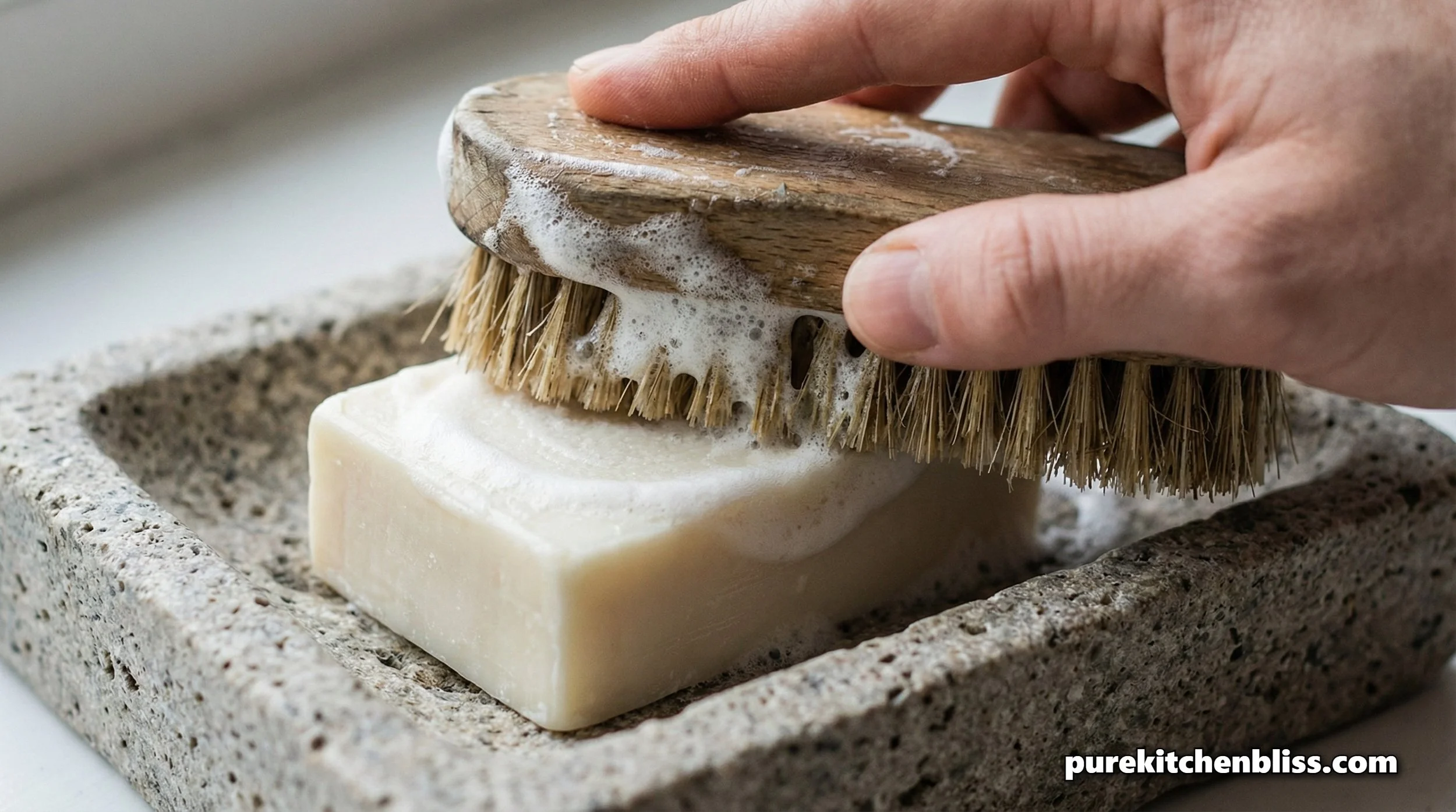
The Best Eco-Friendly Dish Soaps: Purity for Your Plates and Pipes
In a kitchen that manages the "beautiful chaos" of four kids, the dish soap is one of the most-used tools in the shed. From scrubbing oatmeal off morning bowls to degreasing the Sunday roast pan, it is a constant presence. However, as someone who cares about the "bones" of the home, I look at dish soap differently.
Many commercial soaps are loaded with petroleum-based surfactants and phthalates. These aren't just bad for the planet; they can be tough on your plumbing and leave a chemical film on your family's food-prep surfaces. Transitioning to an eco-friendly, non-toxic soap is one of the simplest ways to upgrade the purity of your sanctuary.

Monday Morning Momentum: A Ritual for the High-Performance Kitchen
There is a specific kind of silence in a kitchen at 6:00 AM. In our home, it’s the calm before the "beautiful chaos" of four kids hitting the floor. As a professional who has spent decades on job sites, I know that the first hour of the day determines the success of the next twelve.
The Monday Morning Momentum is about leveraging the work you did during your Sunday Night Countertop Reset. Because your horizontal lines are clear and your "infrastructure" is ready, you aren't fighting your kitchen; you are working with it.