The Dishwasher Longevity Guide: How to Make a Modern Machine Last 15 Years

In a house with four daughters, our dishwasher is the unsung hero of the "beautiful chaos." It runs at least once, sometimes twice, every single day. Most appliance sales reps will tell you that the lifespan of a modern machine is only 7 to 10 years. I find that unacceptable.
A dishwasher isn't just a box that sprays water; it is a high-performance circulatory system. When it fails, it doesn't just leave you with dirty dishes,it risks catastrophic water damage to your cabinetry and subfloor. To reach the 15 year mark, you have to move beyond "using" it and start "maintaining" its infrastructure. Here is my professional protocol for appliance longevity.
1. The "Pre-Rinse" Fallacy: Protect Your Sensors
The biggest mistake people make is pre-scrubbing dishes until they are spotless. Modern dishwashers use turbidity sensors to detect how dirty the water is.
The Science: If you put clean dishes in, the sensor tells the machine to run a shorter, cooler cycle. This sounds good, but it means the detergents don't fully activate, and fats don't emulsify.
My Rule: Scrape off the "solids" (the big chunks), but leave the "sauce." The machine needs that organic matter to calibrate its heat and water pressure correctly for a deep, self-cleaning internal cycle.
2. The Filter Ritual: Cleaning the "Kidney"
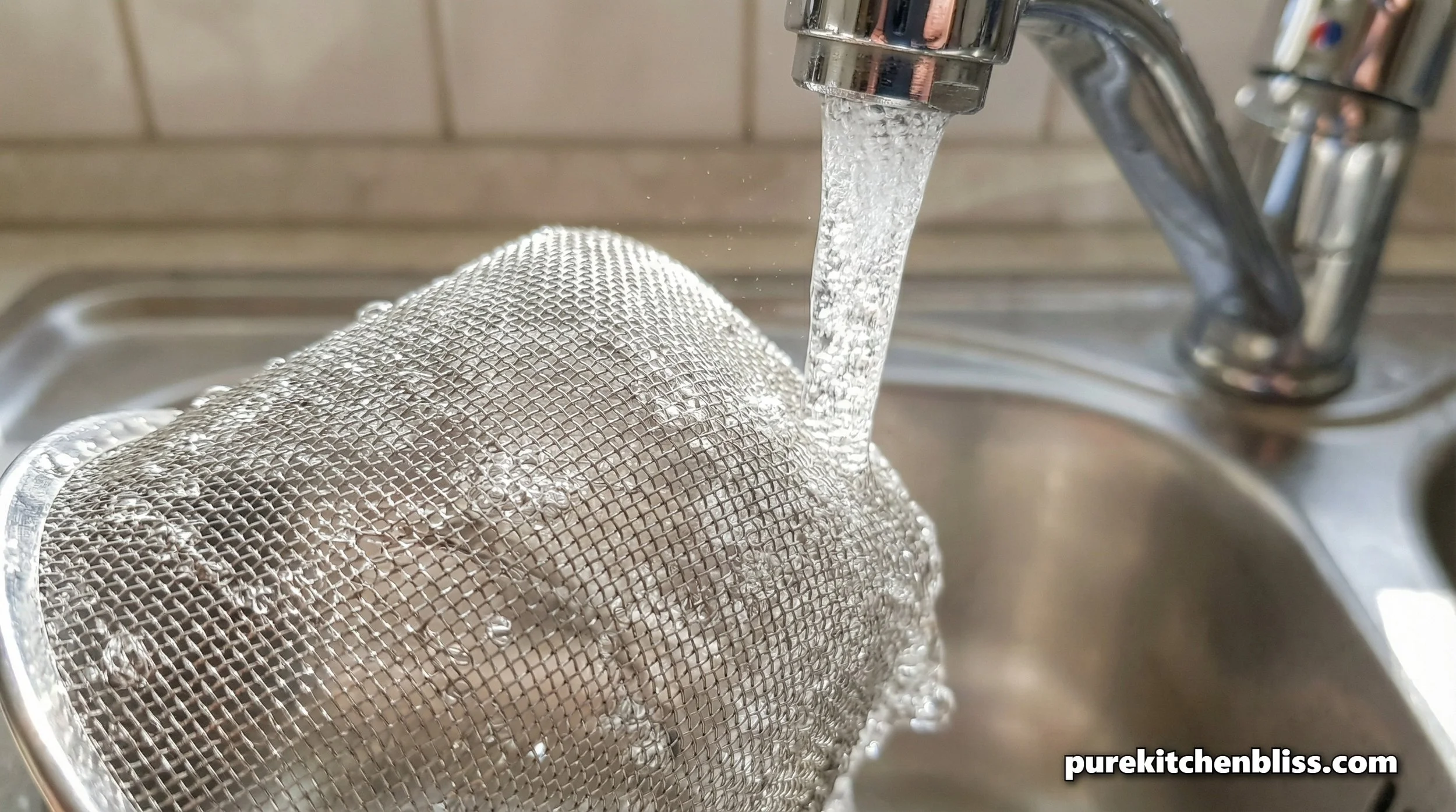
If you have a modern, quiet dishwasher, it likely has a manual-clean filter rather than a loud, grinding "macerator." This filter is the kidney of your machine.
The Protocol: Once a month, remove the cylindrical filter at the bottom. You’ll likely find a "bio-film" of grease and grey-water residue.
The Clean: Scrub it with your Non-Toxic Kitchen Degreaser and a soft brush. If this filter is clogged, the pump has to work twice as hard, leading to premature motor failure.
Dishwasher Maintenance & Longevity Matrix
| Task | Frequency | Infrastructure Impact | Builder's Note |
|---|---|---|---|
| Filter Scrub | Monthly | Protects the Drain Pump | Prevents "grey-water" odors and motor strain. |
| Vinegar Flush | Quarterly | Descales Heating Element | Removes calcium buildup for better energy efficiency. |
| Seal Inspection | Bi-Annually | Prevents Cabinet Rot | Check the rubber gasket for "tacky" grease buildup. |
| Arm Check | Yearly | Ensures Spray Coverage | Use a toothpick to clear mineral deposits from spray holes. |
3. The Temperature Reset: Fight the "Fatberg"
Dishwashers die because of grease buildup in the drain line—the "Circulatory" pipes behind your cabinets.
The Pro Hack: Always run the hot water at your kitchen sink for 30 seconds before you start the dishwasher. This ensures the machine starts its cycle with hot water immediately, allowing the detergent to emulsify fats before they can settle in the P-trap.
Read More: How to Unclog a Drain With Baking Soda and Vinegar
4. The "Pure" Chemistry: Detergent Infrastructure
The chemicals you put in your machine affect the longevity of the rubber seals and the plastic spray arms.
The Non-Toxic Spec: Avoid detergents with high chlorine content, which can dry out and crack the rubber gaskets over time. Look for plant-based enzymes that break down proteins naturally.
The Vinegar Rinse: Every three months, place a glass bowl filled with 2 cups of white vinegar on the top rack and run a hot cycle (empty). This descales the heating element, keeping your machine running at peak efficiency.
5. Structural Safety: The "Leak Leak" Check
As a carpenter, I’ve pulled out dozens of dishwashers only to find the subfloor rotted through because of a "pinhole" leak.
The Builder's Tip: During your Sunday Night Countertop Reset, take a flashlight and look at the "toe-kick" area under the dishwasher. If you see any moisture on the floor or the baseboard is starting to swell, stop. A $10 hose replacement today saves a $10,000 kitchen floor renovation tomorrow.

Conclusion: Purity in the Process
A dishwasher isn't a disposable appliance; it’s a critical piece of your kitchen’s infrastructure. By maintaining the "kidneys" (filters) and protecting the "arteries" (drain lines), you ensure that your kitchen remains a high-performance sanctuary for a decade and a half.