Will Vinegar Ruin the Rubber Seals on Your Appliances? The Professional Verdict
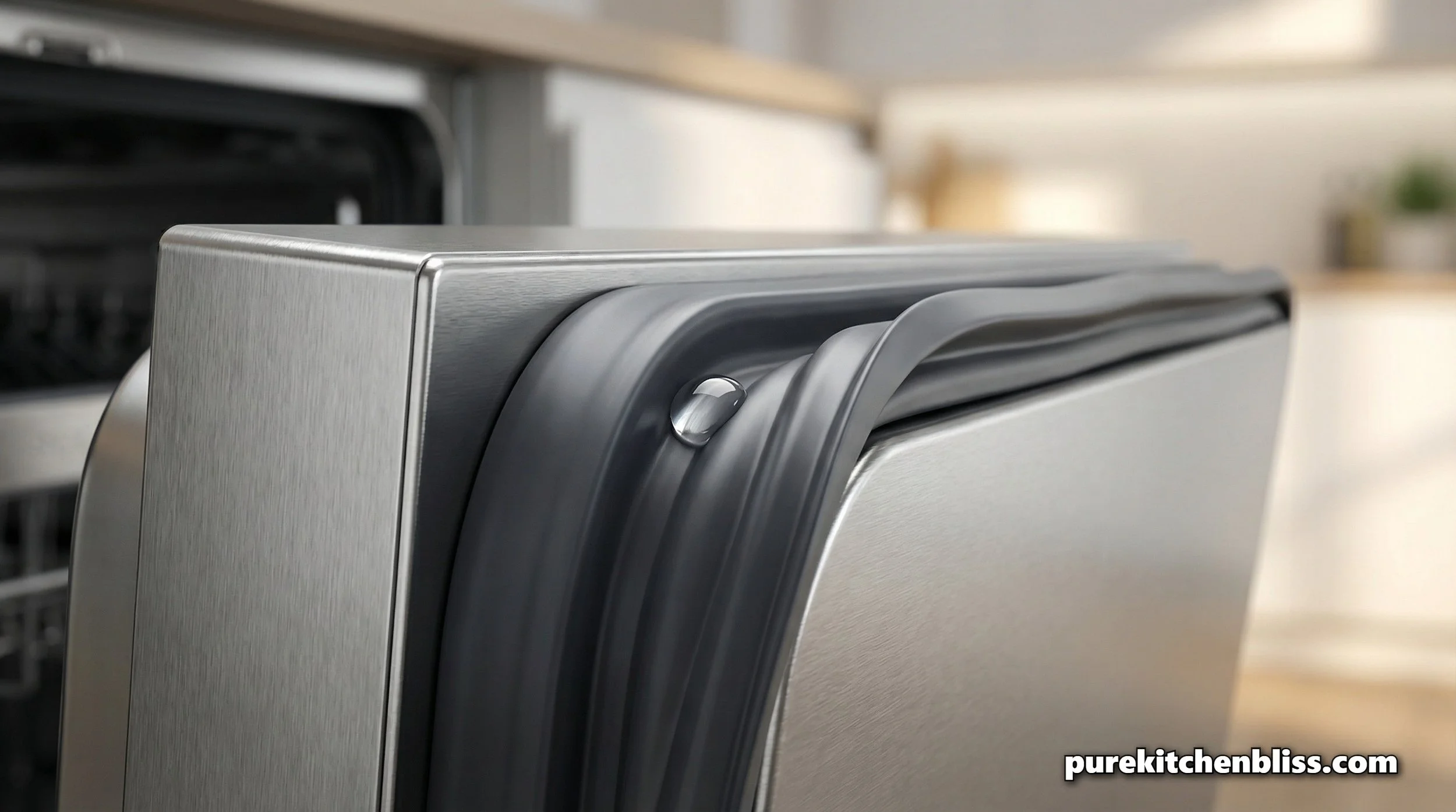
In my 20 years in the trades and as a father of four, I’ve seen the damage caused by "natural cleaning" gone wrong. Vinegar is the darling of the Sustainable Sanctuary, and for good reason, it’s a powerful, non-toxic descaler. But as a builder, I know that Acetic Acid (the active ingredient in vinegar) is still an acid.
Your dishwasher, washing machine, and refrigerator rely on rubber gaskets to keep water and air where they belong. If those seals fail, you aren't just looking at a broken appliance; you’re looking at moisture seeping into your subfloor and rotting your cabinetry. Here is the professional "Reality Check" on using vinegar near your appliance infrastructure.
1. The Chemistry of "Embrittlement"
Most modern appliances use synthetic rubbers like EPDM or Silicone, which are designed to be acid-resistant. However, older appliances or budget-tier models often use Nitrile (Buna-N) or natural rubber blends.
The Risk: When vinegar (acid) sits on these lower-grade rubbers, it initiates a process called "embrittlement." The acid leaches the plasticizers out of the rubber, causing it to lose its elasticity.
The Structural Failure: Once a seal becomes brittle, it cracks. A cracked seal on a washing machine can dump 20 gallons of water onto your floor in minutes. As a carpenter, I’ve seen this lead to $15,000 insurance claims for hardwood floor replacement.
Appliance Seal Compatibility Matrix
| Appliance Type | Seal Material | Vinegar Safety | Builder's Note |
|---|---|---|---|
| Modern Dishwasher | EPDM / Silicone | 8/10 | Safe for cycles; avoid the rinse-aid dispenser. |
| Front-Load Washer | Natural Rubber Blend | 6/10 | Safe if diluted; always wipe dry after use. |
| Refrigerator | Vinyl / Nitrile | 5/10 | Acid can harden these seals; use 50/50 dilution. |
| Older Top-Loaders | Buna-N | 4/10 | High risk of hose and valve-seal degradation. |
2. The "Rinse Aid" Trap: A Warning
One of the most common pieces of advice in the DIY community is to use vinegar as a rinse aid in the dishwasher. I am begging you: Don't do it.
The Problem: Unlike a one-time cleaning cycle where the vinegar is flushed away, a rinse aid dispenser holds vinegar in constant contact with the internal plastic and rubber valves of the dispenser unit.
The Builder’s Verdict: Never put vinegar in the rinse aid compartment. It can degrade the internal pump seals over time. If you want to use vinegar to descale your dishwasher, place a bowl of it on the top rack for a single cycle only. This limits the "dwell time" on your machine’s infrastructure.
3. The Professional Protocol for Safe Descaling
You can use vinegar to maintain your infrastructure, but you must follow the Dilute and Neutralize protocol to ensure longevity.
Dilute to 50/50: Never use full-strength vinegar on a seal. Mix it with distilled H₂O..
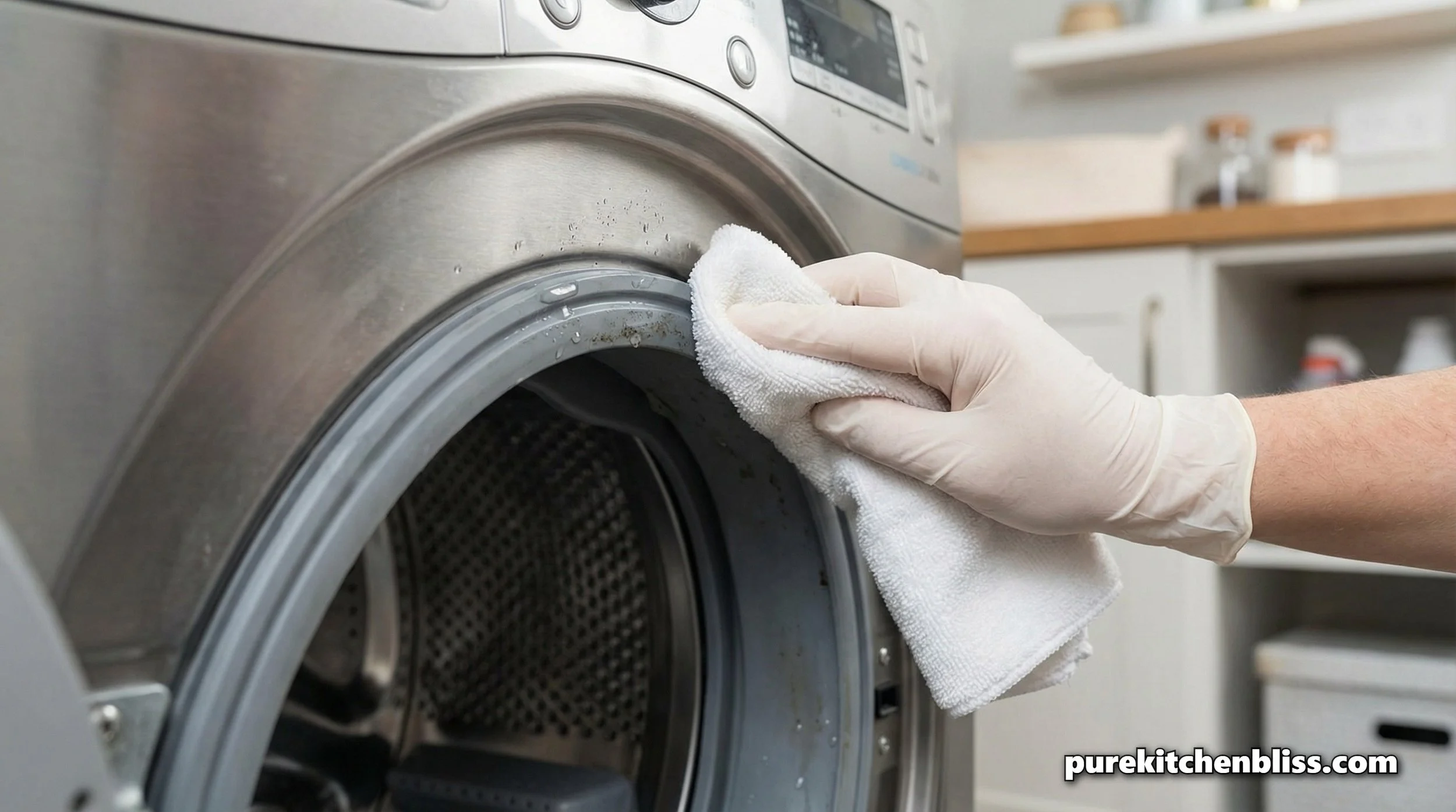
The Wipe-Down: After using vinegar to clean a refrigerator or oven gasket, wipe it down immediately with a damp cloth of plain water. This removes the residual acid that causes embrittlement.
The "Living" Seal Check: Once a month, rub a tiny amount of food-grade silicone grease (or a drop of organic olive oil) on your fridge gaskets. This keeps the rubber supple and "plump," ensuring a perfect air seal.
BUILDER TIP: THE MOISTURE BARRIER
If you notice your kitchen floor "cupping" or your baseboards swelling near the dishwasher, your seals have likely already failed. Proactive maintenance of your gaskets is cheaper than a floor renovation.
Read More: How Often Should You Clean Your Countertops
4. When Vinegar is Actually the Enemy
There are three places where a Red Seal professional will tell you to keep the vinegar away entirely:
Natural Stone Near the Appliance: If you have marble or granite counters, a single spill of vinegar while "cleaning the seal" will etch your stone permanently.
Steam Oven Gaskets: High heat plus acid is an accelerant for rubber degradation. The heat opens the "pores" of the synthetic rubber, allowing the acid to penetrate deeper.
Internal Plumbing Seals: If you have an older home with galvanized or copper pipes, frequent heavy vinegar flushes can occasionally accelerate the "pitting" of old rubber washers in your shut-off valves.
5. The Family Impact: Safety in the Mudroom
In a house with four girls, the washing machine is the heartbeat of the home. A flood in the laundry room isn't just a mess; it's a disruption to the "beautiful chaos." By maintaining the seals on your front-loader, you are protecting the soft infrastructure of your home, the rugs, clothes, and linens that rely on that machine’s performance.
MAINTENANCE RITUAL: THE SUNDAY RESET
Use your weekly reset to inspect the "Soft Infrastructure" of your appliances. A 30-second wipe-down of your gaskets prevents a $300 service call.
Read More: The Sunday Night Countertop Reset
Conclusion: Purity Without Destruction
In a Sustainable Sanctuary, we want to use the simplest ingredients possible. Vinegar is a powerful tool, but like any tool in the belt, it must be used with respect for the materials it touches. By following the "Dilute and Neutralize" protocol, you protect your appliance seals and, by extension, the very "bones" of your home.