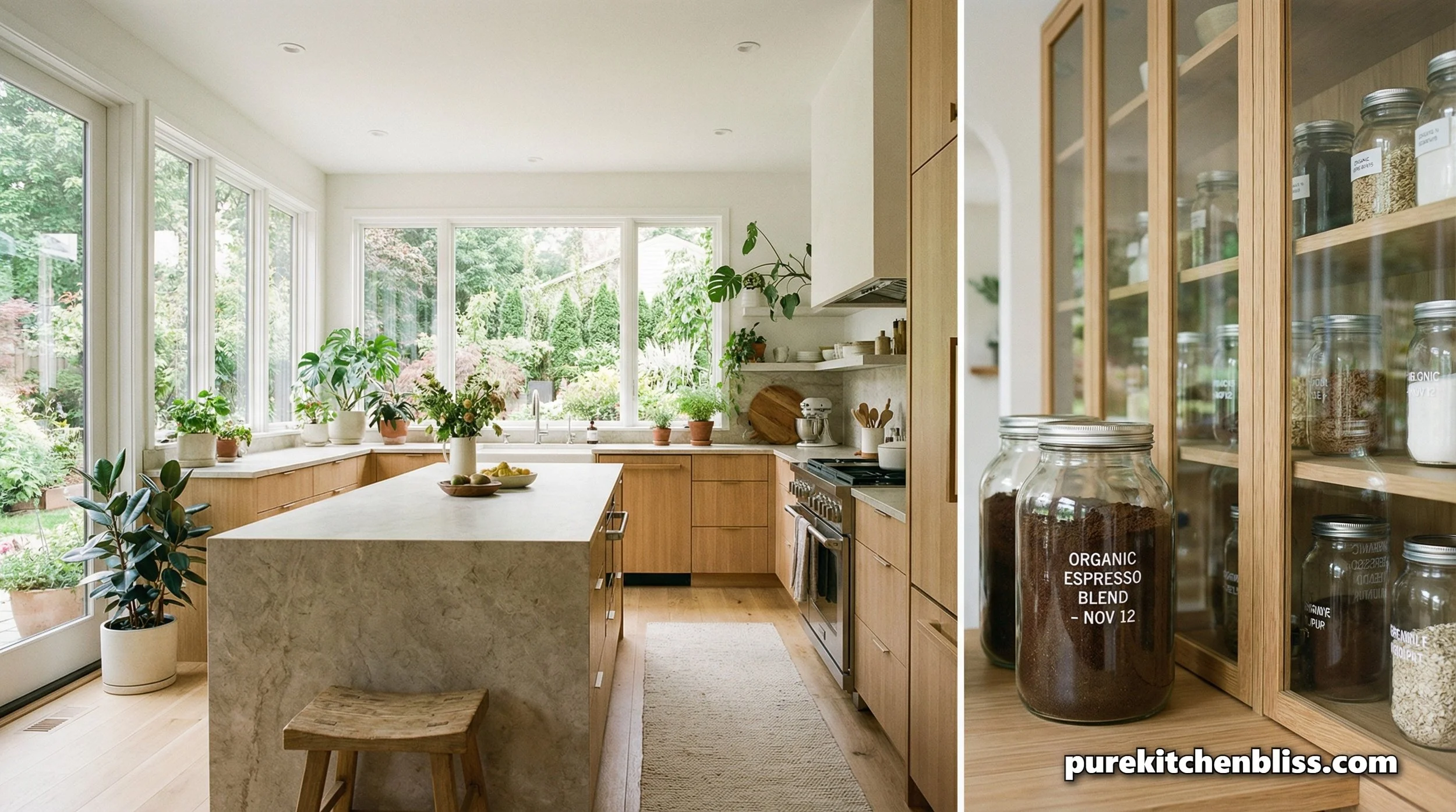
5 Brilliant Uses for Coffee Grounds in Your Kitchen Sanctuary
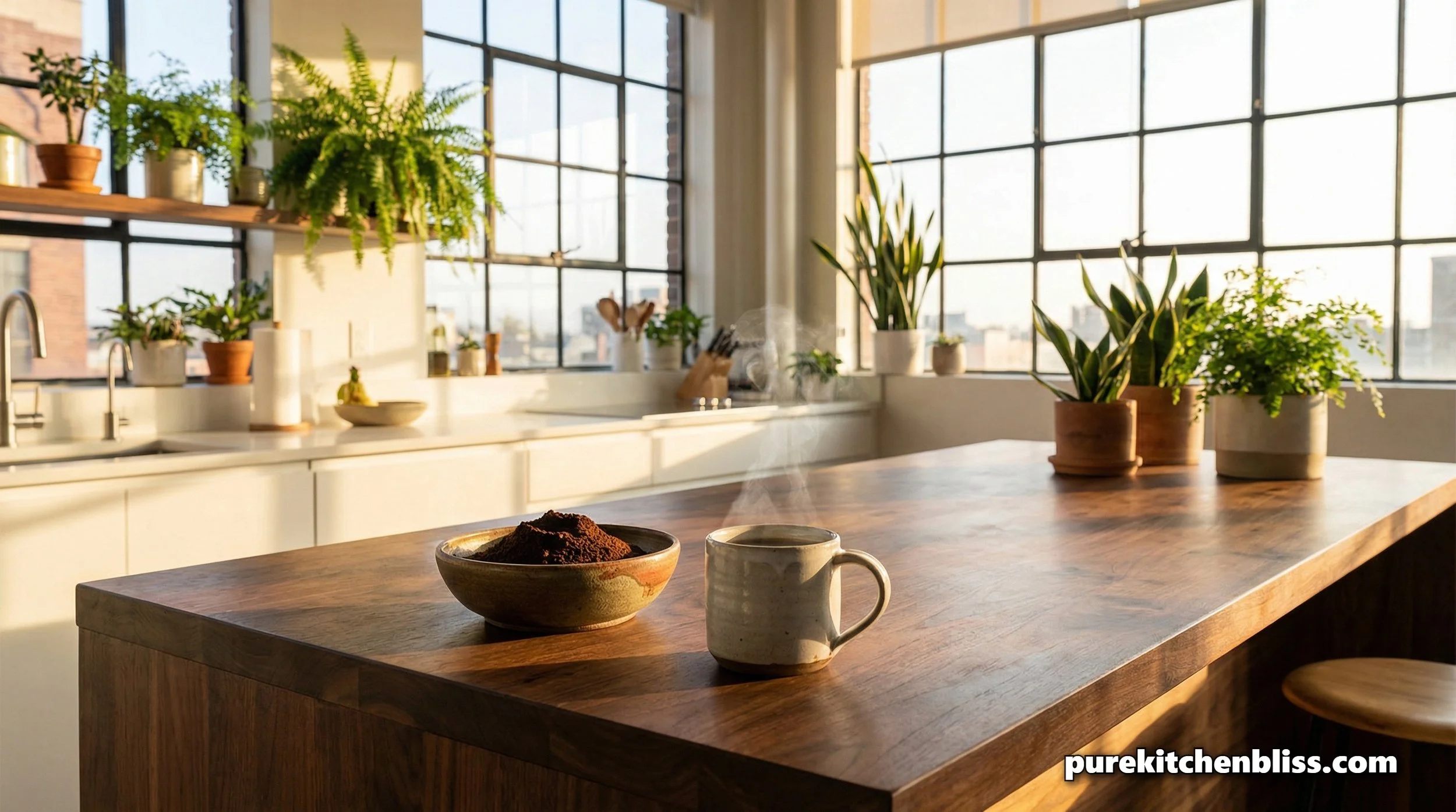
In a house with four daughters, the morning coffee isn't just a luxury; it’s the fuel that powers the start of our "beautiful chaos." For years, I made the mistake of seeing the leftover grounds as a waste product—something to be tossed into the bin without a second thought.
As I shifted toward building a Sustainable Sanctuary, I realized that coffee grounds are a multi-purpose tool with a unique "material spec." They are nitrogen-rich, naturally abrasive, and highly porous—making them perfect for maintaining the purity and performance of your kitchen without reaching for synthetic chemicals. By repurposing this daily byproduct, you aren't just being "green"; you're utilizing high-performance organic matter to protect your home’s infrastructure.
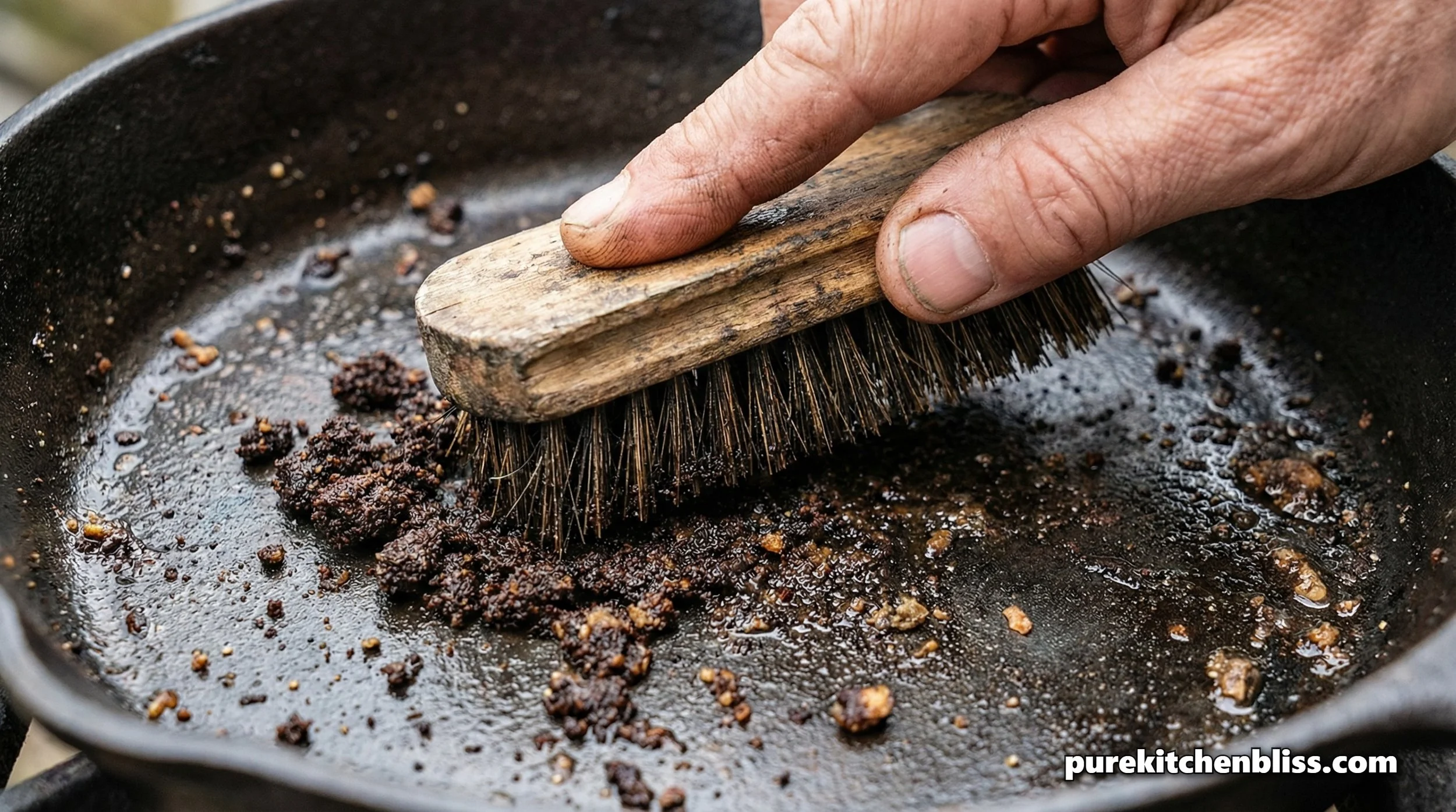
1. The Natural Scouring Agent
Most "heavy-duty" scouring powders found in big-box stores contain harsh calcium carbonate or silica abrasives that can etch delicate finishes over time. Coffee grounds provide a "medium-grit" mechanical action that is remarkably effective at lifting carbonized food without the chemical "off-gassing" of commercial cleaners.
The Hack: Use a small amount of damp grounds on a cloth to scrub stuck-on food from cast iron or stainless steel pans.
The Benefit: They cut through grease and burnt-on proteins using natural acidity and grit, protecting the "skin" of your high-end cookware.
BUILDER TIP: FINISH PROTECTION
While coffee is a fantastic abrasive for metal and durable stone, avoid using it on high-gloss white quartz or light-colored grout. The natural oils and tannins in the coffee are powerful pigments and can cause subtle staining on porous, light-colored surfaces.
2. The "Vapor-Phase" Deodorizer
Coffee is a natural "adsorbent," meaning its chemical structure allows it to bind to odors on a molecular level rather than just masking them. In a busy kitchen where we are cooking for six people daily, odors from fish, onions, or garlic can linger in the air and inside our cabinetry.
The Fridge Hack: Place dry grounds in a shallow How to Clean Glass Jars and leave it in the back of your refrigerator. It’s significantly more effective than baking soda at neutralizing the "fridge-funk" that happens in a high-traffic home.
The "Hand-Reset": If you’ve been prepping aromatic ingredients like garlic or jalapeños, rub a handful of damp grounds between your hands before washing with Eco-Friendly Dish Soap. It neutralizes the sulfur compounds instantly, leaving your hands "Pure."
Material Performance: Coffee vs. Synthetic Cleaners
| Use Case | Mechanical Action | Pure Living Score | Builder's Note |
|---|---|---|---|
| Cast Iron Scrub | Medium Abrasive | 10/10 | Safe for seasoned surfaces; removes carbon without chemicals. |
| Fridge Deodorizer | Adsorption | 10/10 | Zero off-gassing; replaces synthetic sprays. |
| Wood Stain Repair | Pigment Infusion | 9/10 | Tannins bond to raw fibers for a natural furniture fix. |
| Splash Guard Scrub | Grit Cleaning | 9/10 | Cleans the "smelly" part of the disposal without clogging pipes. |
3: The Disposal "Flap" Refresh
Instead of sending grounds down the drain (where they cause havoc), use them to clean the part of the sink that actually smells: the underside of the black rubber splash guard.
The Hack: Put a small amount of damp grounds on an old toothbrush and scrub the underside of the rubber disposal flaps.
The Benefit: This is where "bio-film" and old food spray collect, causing that phantom kitchen smell. The grounds provide the grit to scrub it away naturally. Rinse with a quick burst of water, making sure the disposal is running to clear the small amount of grit.
4. The "Living Filter" Fertilizer
In our kitchen, plants aren't just decor; they are our primary air-scrubbers. However, a high-traffic kitchen can be a humid environment, which puts plants at risk for root rot.
The Hack: Mix dried, used coffee grounds into the soil of your Golden Pothos Mastery or Ivy.
The Benefit: Coffee adds essential nitrogen for leafy growth and significantly improves soil "porosity" (drainage). This ensures the roots can breathe even in a humid kitchen sanctuary.
5. The Wood Scratch "Repair"
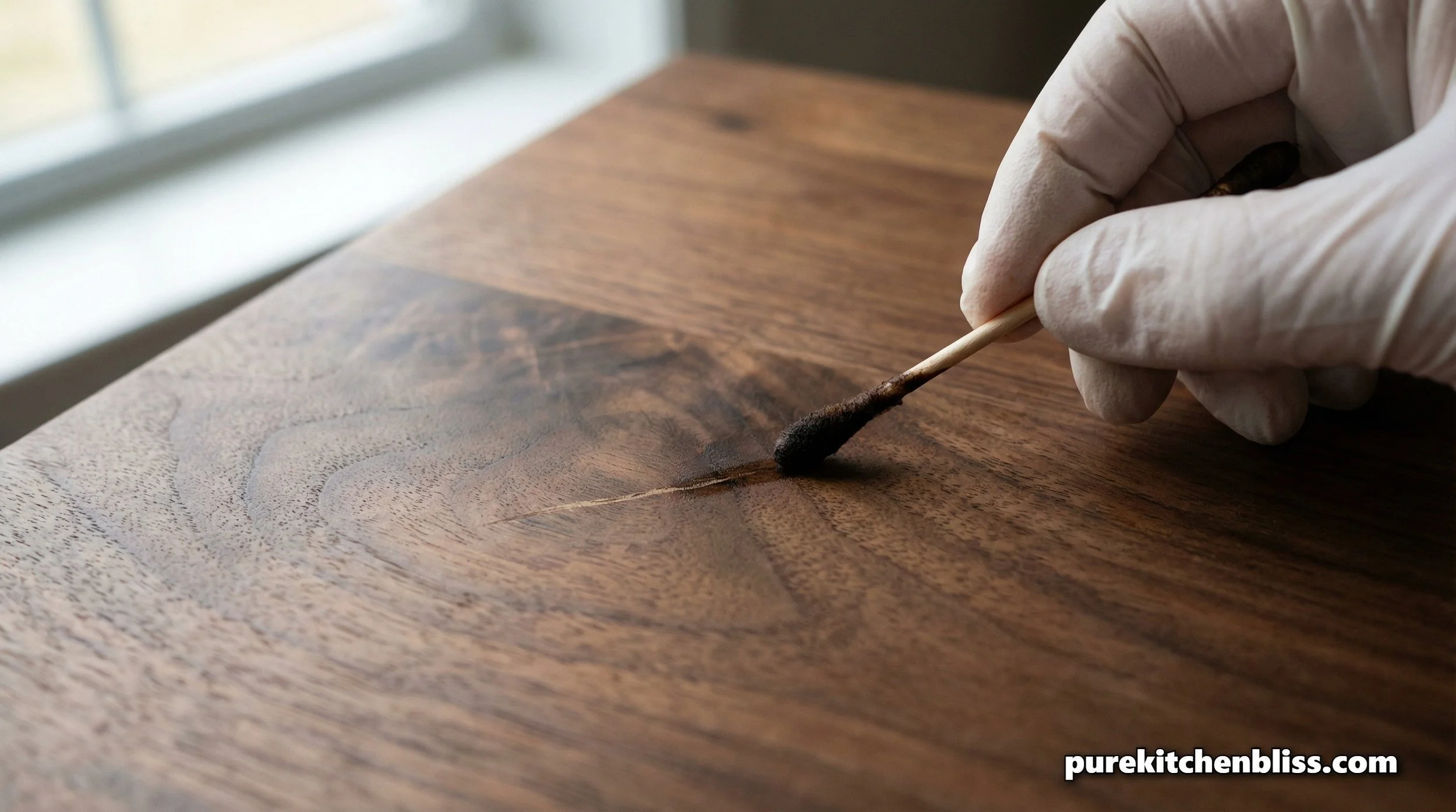
As a carpenter, I’ve seen many "distressed" wooden kitchen tables that have lost their luster due to the daily wear and tear of family life. If you have dark wood furniture (walnut, mahogany, or dark oak) with minor surface scratches, coffee can act as a natural, non-toxic wood stain.
The Hack: Steep used grounds in a very small amount of hot water to create a thick "sludge." Use a cotton swab to buff the sludge into the scratches.
The Result: The tannins in the coffee darken the exposed, raw wood fibers, making the scratch disappear into the natural grain of the piece. It’s a "Pure" alternative to petroleum-based stain pens.
6. Trouble1shooting: The "Ground Rules"
Repurposing waste is great, but as a builder, I want to make sure you don't trade one problem for another.
Mold Warning: If you are using grounds as a deodorizer or fertilizer, make sure they are completely dry first. Damp grounds in a closed pantry can develop mold in less than 48 hours.
Septic Systems: If you are on a septic system, be more conservative with the "Flap Refresh." While small amounts are fine, large volumes of grounds don't break down as fast as other organic matter.
Conclusion: Closing the Loop
In a Sustainable Sanctuary, nothing is truly waste until you’ve exhausted its utility. By repurposing your morning coffee grounds, you are reducing your environmental footprint while maintaining your home's infrastructure with the power of nature. From scrubbing the "bones" of your cookware to staining the grain of your family table, coffee is a high-performance tool hidden in plain sight.
Now you know what to do with your coffee grinds post coffee brew; learn the best ways to store your coffee beans next.