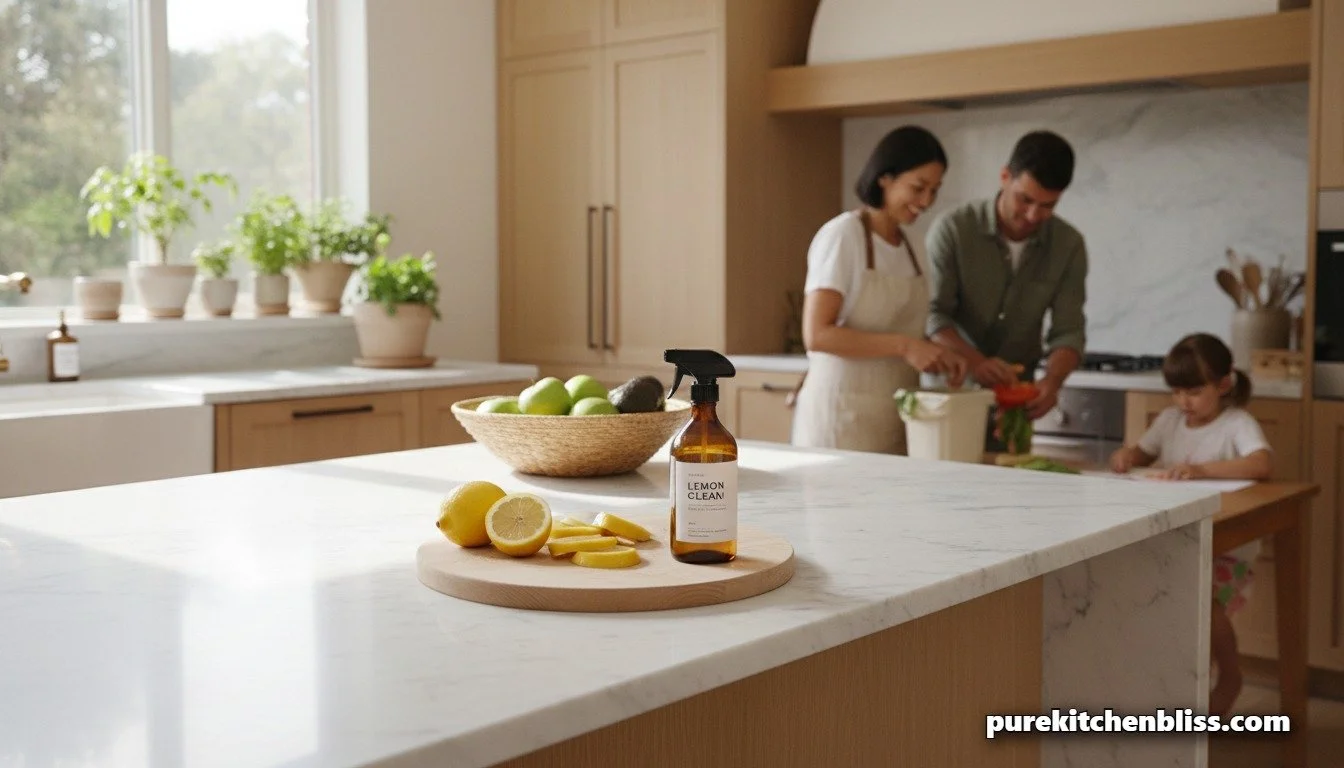
Toxic Overload: 3 Kitchen Chemical Products to Swap Out Today 🛑🌿
Whenever I hand over the keys to a newly finished custom kitchen, I always give my clients a quick rundown on how to maintain their premium surfaces. But lately, I’ve noticed a wild contradiction in how people treat their homes.
Homeowners will spend thousands of dollars sourcing toxin-free, zero-formaldehyde wheatstraw cabinet boxes and beautiful, organic stone countertops to protect their family's health. Then, the very next day, they’ll go under the sink, pull out a plastic bottle filled with harsh, corrosive chemicals, and spray it all over the place right next to their kids' school lunches. 🧴☠️
In a house with four kids, our kitchen counters are a high-contact zone. Food is constantly touching the island, and my kids are breathing the air while doing homework at the bar. As a builder and a coffee shop owner, I’ve learned that heavy commercial solvents aren't just bad for your lungs—they are actively destructive to the seals, finishes, and infrastructure of your home.
In 2026, creating a true kitchen sanctuary means cleaning up your chemical footprint. Here are the top three toxic kitchen products you need to ditch today, and the builder-approved, natural alternatives that work just as hard without the poison.
Do You Even Wash the Inside of Your Kettle? The Chalky, Hidden Truth 🫖🧼
Let’s be completely honest for a second. If I asked you when you last washed the inside of your kitchen kettle, you’d probably give me a blank stare.
It’s one of those silent kitchen laws most people take for granted: "It only holds clean water, and that water is constantly boiling, so the inside must be completely sterile, right?" 🤨
As a coffee shop owner, and a dad of four, I’m here to tell you that this logic is a massive trap. While boiling water does a fantastic job of killing off active bacteria, it does absolutely nothing to get rid of the geological chemistry hiding inside your water line. In fact, boiling water actively accelerates the problem.
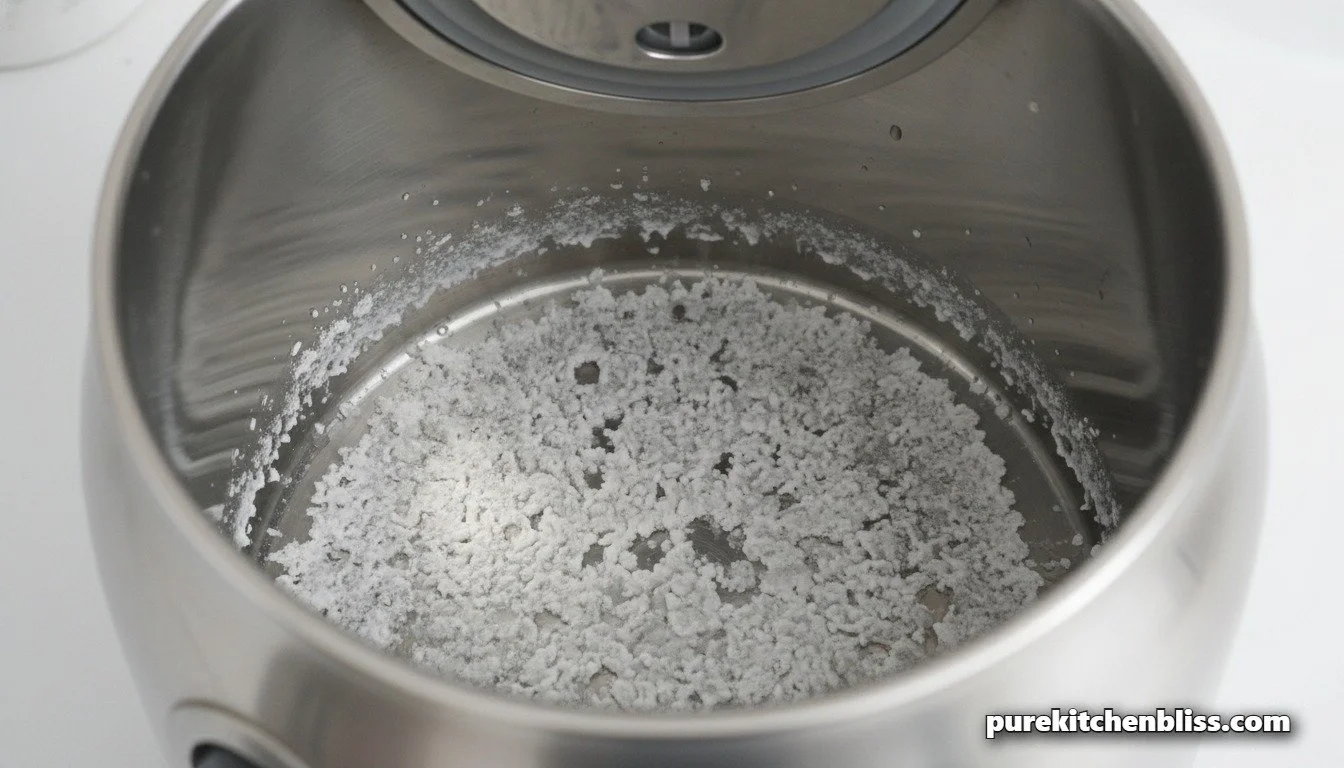
If you peer inside your kettle right now and see a rough, chalky white film, or weird gray flakes swirling around the bottom of the basin, your kettle isn’t clean. It’s suffering from severe mineral calcification.
Today, we’re ignoring the old myth that kettles wash themselves. Let’s break down the actual science of why your kettle needs a regular interior flush, how it impacts your energy bill, and the simple 10-minute shop hack to make it look brand new.
The Fire-Safe Kitchen: Why 2026 is Swapping Gas Cooktops for Induction Infrastructure 🍳
If you’ve been tracking high-end home trends over the last decade, you know that a massive, industrial-grade gas range was long considered the ultimate status symbol. It looked heavy, it felt professional, and it signaled that you took cooking seriously.
But as a carpenter, a coffee shop owner, and a dad of four kids, I look at appliances through a very different lens. I don't care how "chef-like" a range looks if it introduces an open flame, indoor air pollution, and a massive thermal footprint into the center of a busy family home.
In 2026, the conversation has shifted completely. The traditional gas cooktop is facing a rapid retirement. Homeowners are actively ripping out their gas lines to install high-performance Induction Infrastructure.
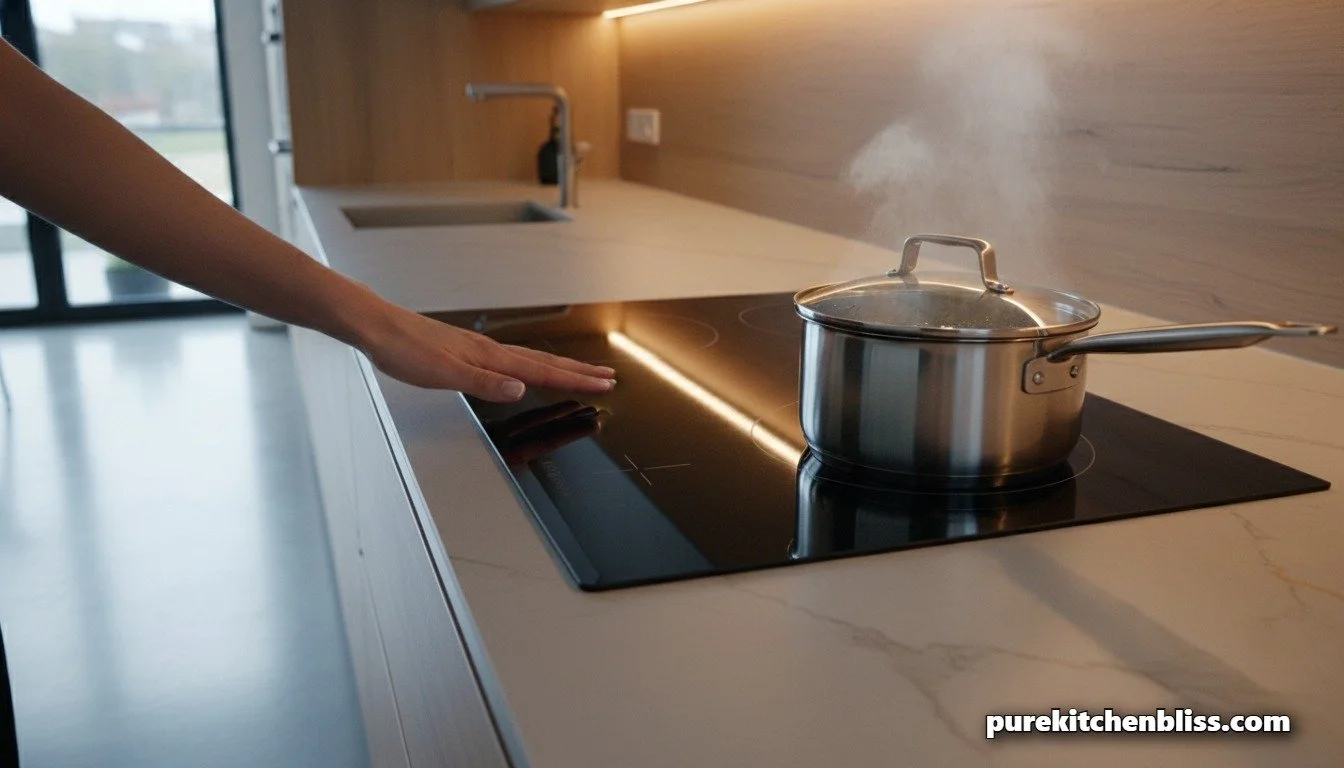
Induction isn't the weak, slow electric coil cooktop of the 1980s; it’s a high-frequency magnetic heating array that cooks faster than gas, protects your indoor air quality, and creates a completely flush visual plane. Let’s look behind the glass panel and break down the safety and electrical engineering of why induction is the new foundation for a modern kitchen sanctuary.
The Carpenter's Guide to Re-Sealing Undermount Sinks (Before It Ruins Your Cabinets) 🛠️💧
If you look underneath your kitchen counter right now, there is a silent battle happening between gravity, water, and the structural engineering of your kitchen cabinets.
When people remodel, they focus on the beautiful surface pairings, like laying out a gorgeous Cloud Dancer porcelain slab over custom cabinets. But as a carpenter, my focus is always on the joints. Specifically, the mechanical seam where an undermount sink connects to a stone countertop.
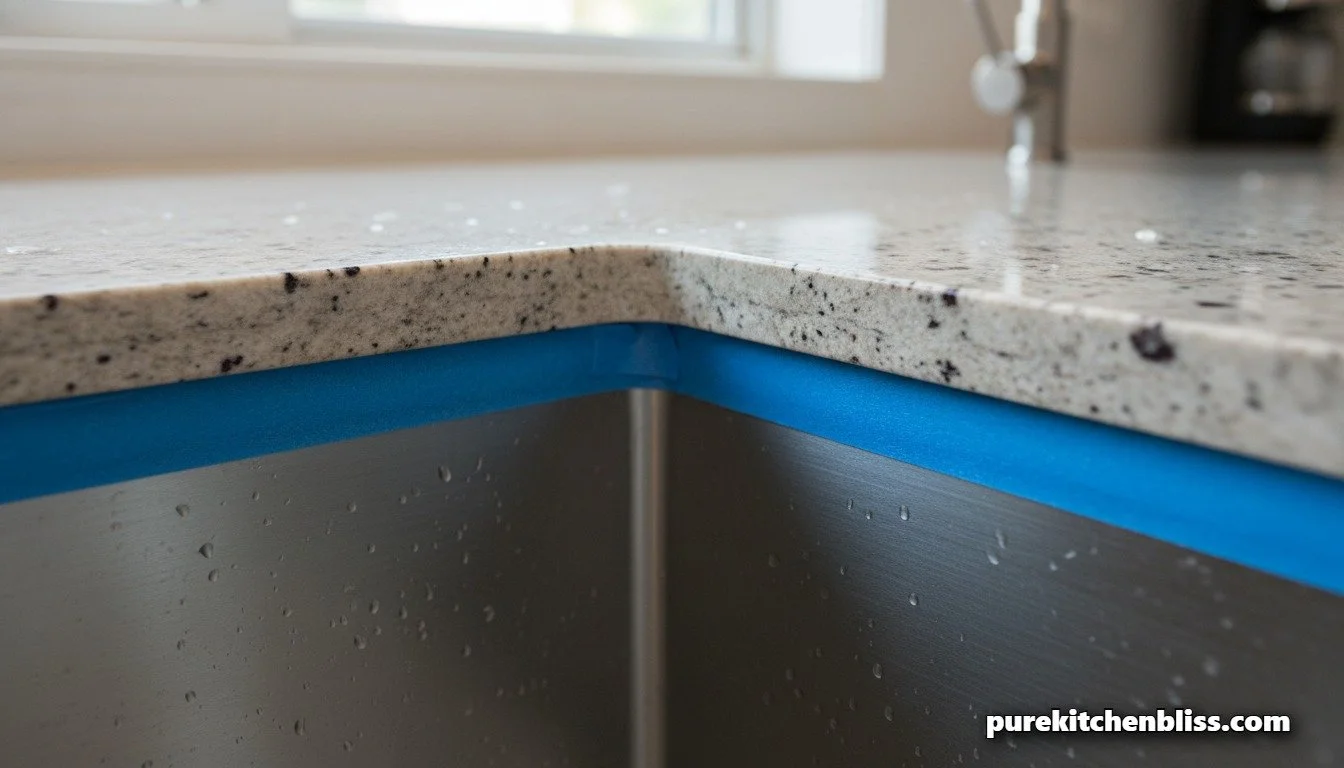
Unlike a traditional drop-in sink that rests its weight on top of the counter, an undermount sink hangs suspended over empty space. The only things keeping it up are a set of mechanical clips and a thin bead of 100% silicone sealant. Over time, from the vibrations of a heavy garbage disposal and the daily scrubbing of family pots, that silicone bead will crack, pull away, or degrade.
In a house with four kids, our workstation sink gets completely hammered every single day. A failed silicone seal is a ticking time bomb. Long before you ever notice a puddle on your kitchen floor, water will seep into that microscopic gap, traveling down the back of your plywood or wheatstraw cabinet boxes. It will blister the veneer, rust your soft-close drawer slides, mold the interior walls, and cause thousands of dollars of structural dry rot.
Today, we are putting on our work gloves. I’m giving you the step-by-step contractor's blueprint to scraping, cleaning, and completely re-sealing an undermount sink before a $5 leak turns into a $5,000 cabinet disaster.
The Workstation Sink Showdown: Kohler Prolific vs. Ruvati Roma 🚰💥
If you’re planning a major kitchen overhaul, I need you to promise me something: delete the standard, basic double-bowl sink from your floor plans immediately. 🛑
As a carpenter and a coffee shop owner, I view a kitchen sink not just as a place to rinse coffee cups, but as the primary engine room of the house. In a home with four kids, the sink zone faces constant traffic. If your sink is poorly designed, it turns into a cluttered bottleneck of dirty pots and damp dish towels, completely destroying your kitchen sanctuary vibe.
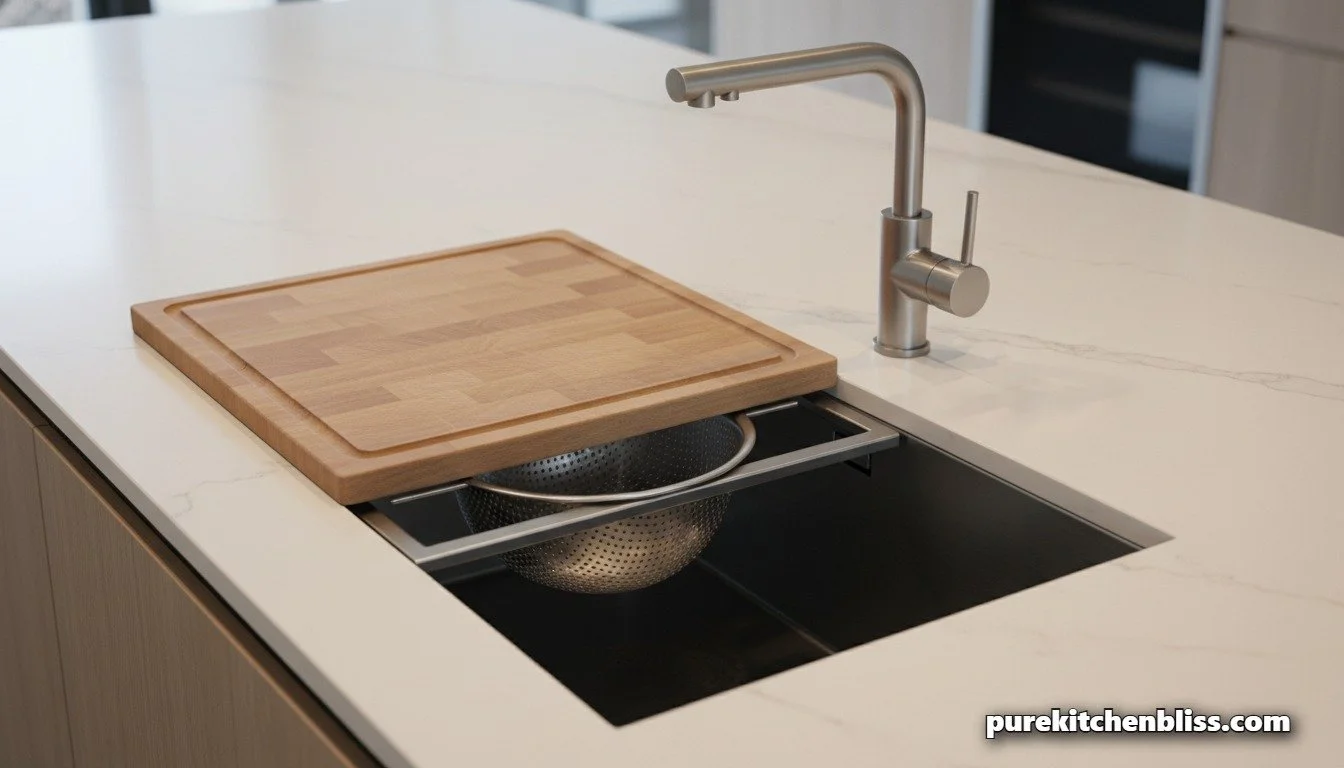
In 2026, the industry standard has shifted entirely to workstation sinks, deep, single-basin hubs featuring integrated sliding ledges that support cutting boards, colanders, and drying racks. They effectively convert your sink into a multi-tiered prep station, keeping the mess entirely below the counter line.
But if you start shopping, you’ll find two premium titans dominating the market: the Kohler Prolific and the Ruvati Roma. Today, we’re putting away the marketing brochures and using raw builder logic to run a brutal, hands-on mechanical comparison of these two heavyweights.
Goodbye Stark White: Why "Cloud Dancer" Porcelain is the Ultimate 2026 Base ☁️
If you’ve walked through any newly built custom homes over the last few years, you’ve probably noticed a common theme: blinding, hospital-grade stark white. From the cabinets to the subway tile, the industry got obsessed with a sterile, hyper-bleached look.
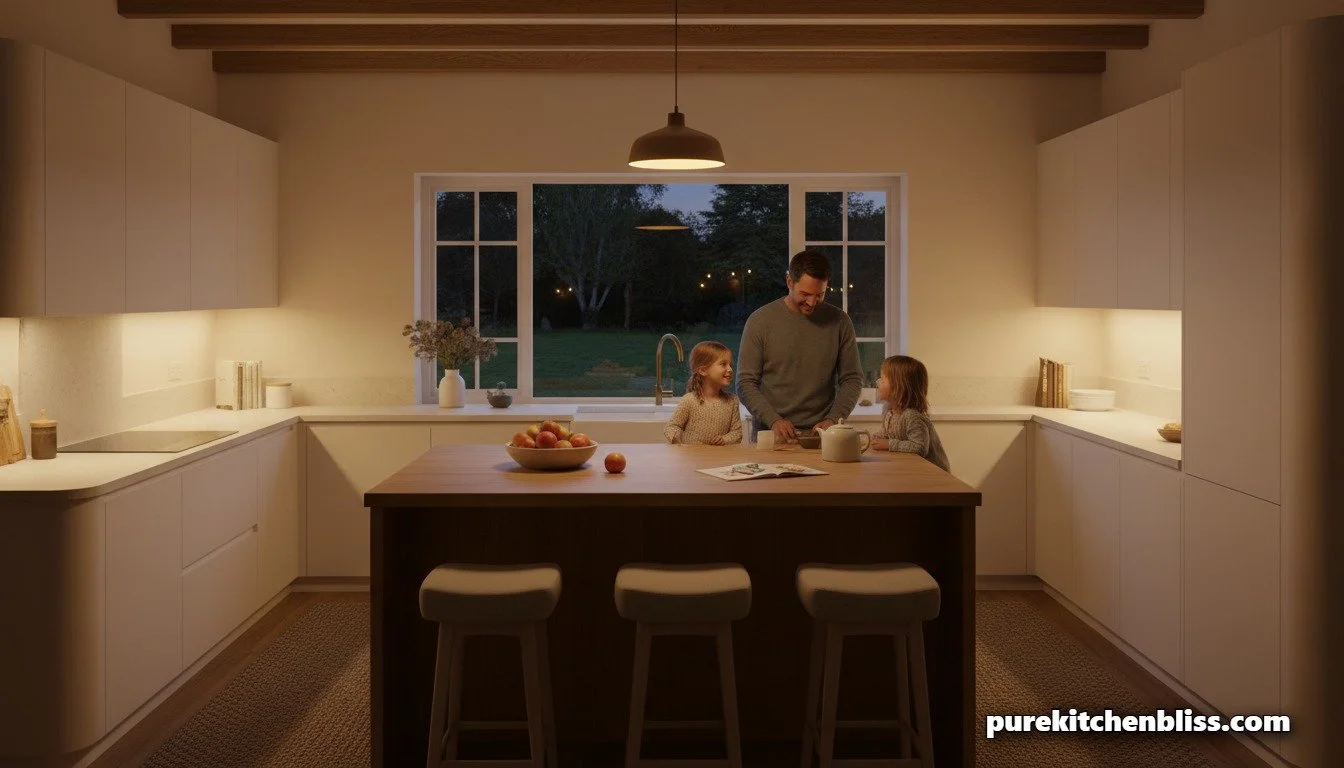
But as a carpenter, a shop owner, and a dad of four kids, I’ve always found stark white to be a major design trap. In a busy household, clinical white doesn't feel like a home—it feels like a pressure cooker. It highlights every stray fingerprint, bounces harsh overhead lighting into your eyes, and feels cold the moment the sun goes down.
Thankfully, the design world is executing a massive U-turn. Pantone officially declared PANTONE 11-4201 Cloud Dancer as the 2026 Color of the Year. It is a soft, lofty, billowy off-white that completely replaces the clinical tones of the past decade. If you are ready to transition your space into a genuine, warm kitchen sanctuary, here is why Cloud Dancer porcelain and cabinetry are the ultimate foundation for a 2026 renovation.
The Death of the Kettle: Why Boiling Water Taps are the #1 "Clear the Counter" Upgrade 🚰⚡
If you walked into my coffee shop on a busy morning, you’d see a high-speed, streamlined assembly line. Every single tool has a dedicated purpose, and there isn't a square inch of wasted counter space. But for years, home kitchens have been held hostage by a clunky, slow piece of 19th-century technology: The Electric Kettle. 🛑
In a house with four kids, our morning routine is like running a small commercial enterprise. Between filling oatmeal bowls, rushing to use my Breville Bambino, prepping afternoon thermoses, and sterilizing baby gear, waiting 5 to 7 minutes for a traditional kettle to boil isn't just an annoyance, it's a bottleneck in our workflow.
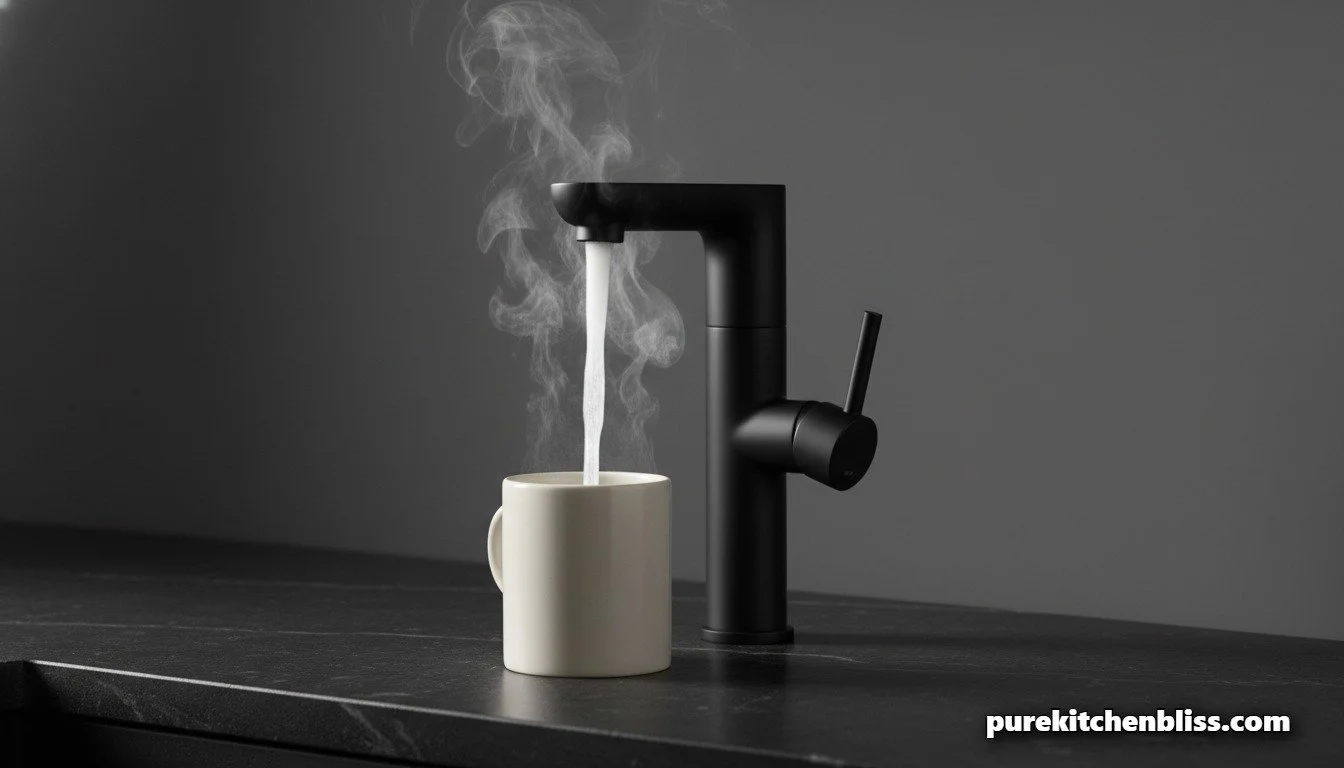
In 2026, the ultimate luxury isn't a flashy marble pattern; it's a completely clear countertop. That is why I have officially declared the electric kettle dead. As a builder, the number one infrastructure upgrade I am installing this year is the Integrated Boiling Water Tap. It gives you instant 212°F water straight from the spout, safely tucks the mechanical footprint under the sink, and lets you reclaim your workspace. Let’s look at the mechanical breakdown of why this shift is rewriting modern kitchen design.
Plywood vs. Wheatstraw: The Truth About Toxic Cabinet Off-Gassing 🪵🛑
Whenever a client walks into a freshly finished kitchen remodel, the first thing they usually do is take a deep breath and say, "Wow, love that new kitchen smell!"
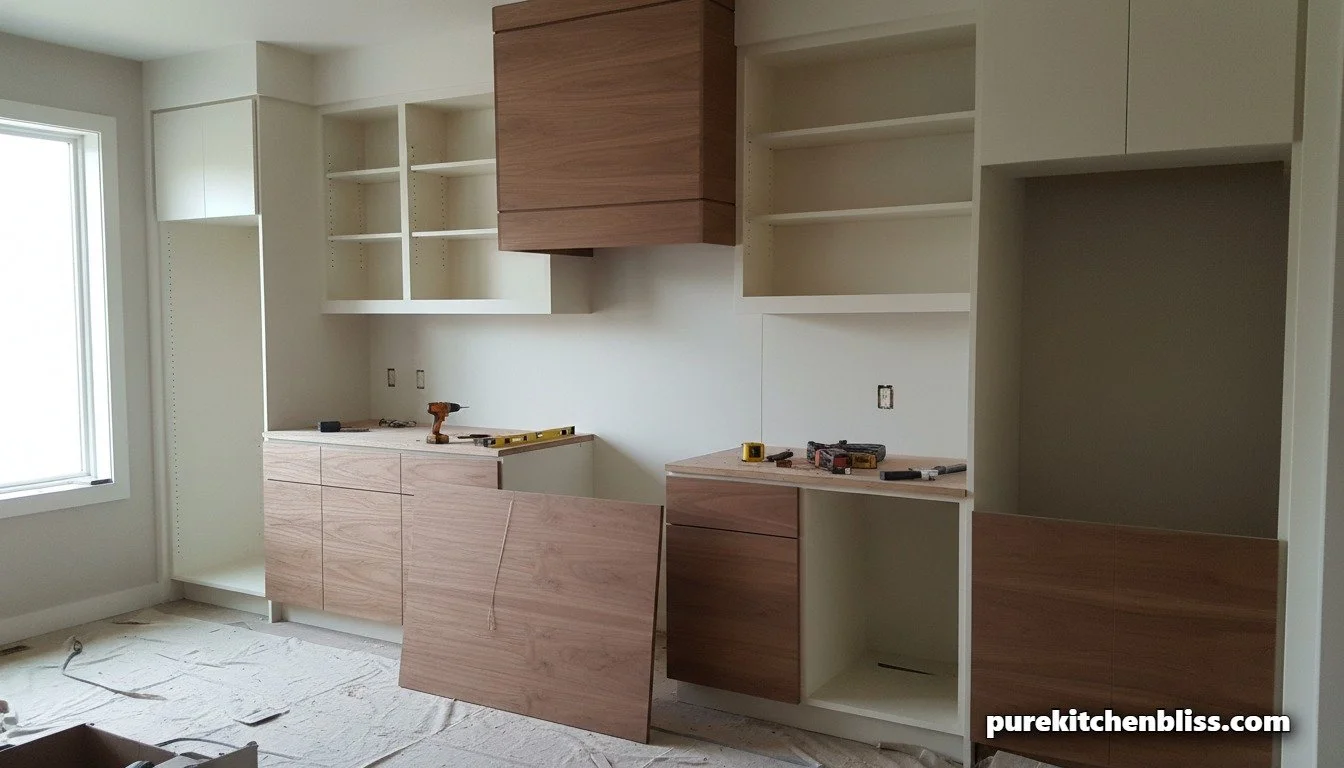
As a carpenter and a business owner, I hate to ruin the moment, but that "new kitchen smell" is actually a chemical soup. It’s the sound of millions of microscopic VOCs (Volatile Organic Compounds) escaping from the glues, binders, and sealants used to build the cabinets.
In a house with four kids, indoor air quality isn't some abstract environmental concept, it’s a direct safety metric. If we are spending time crafting a kitchen sanctuary, we can’t build it on top of materials that actively emit toxic fumes into our homes.
For decades, custom builders have treated structural plywood as the undisputed champion of cabinet construction. But in 2026, a massive shift is happening. A new competitor called Wheatstraw Agrifiber is challenging the throne, promising to eliminate toxic off-gassing entirely. Let’s look behind the finished veneer and break down the raw science of what you’re putting in your home.
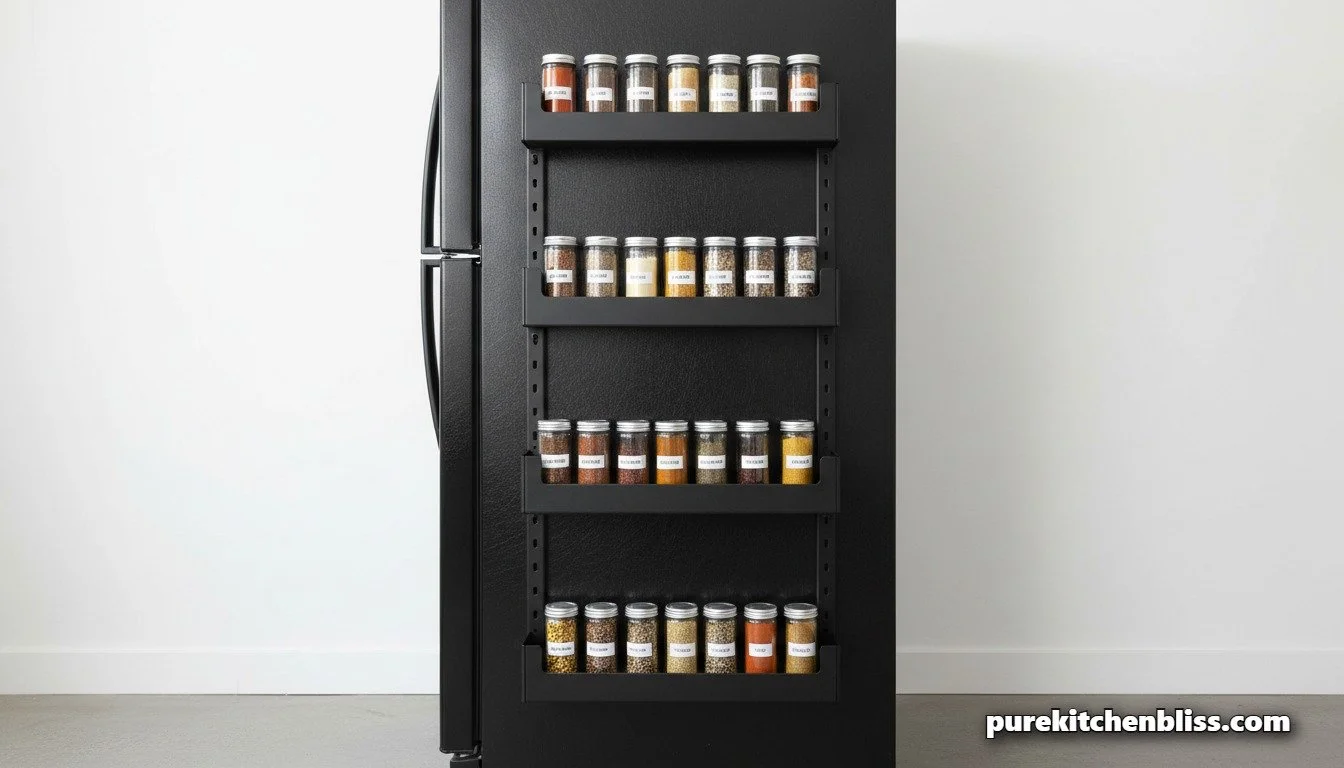
Reclaiming Dead Space: How to Use Structural Magnetics for High-Efficiency Spice Storage 🌶️
We’ve all been there. You’re mid-recipe, your sauce is simmering, and you need a dash of oregano or a pinch of garlic powder. Instead of a smooth, joyful cooking flow, you’re down on your knees, digging through a dark cabinet or rummaging through a jammed drawer, rattling plastic bottles like you’re searching for buried treasure. 🏴☠️
In a house with four kids, our kitchen handles three massive meal rushes a day. If a system isn't highly efficient, it breaks down within 24 hours. Most design blogs will tell you to buy pretty little wicker baskets or spinning Lazy Susans for your cabinets. But as a carpenter, I look at space differently. I look for the "dead zones", the structurally sound, underutilized vertical spaces that can take a heavy load.
A trend has been making the rounds on TikTok showcasing magnetic spice shelves that snap right onto the side of your refrigerator. While the internet loves it because it looks "cute," I love it because it’s brilliant vertical engineering. Let’s break down how to take this viral hack and turn it into a durable, family-proof storage system for your kitchen sanctuary.

DIY Lavender Reed Diffuser: The Perfect 2026 Spa Secret 🌿🧴
If you’ve been following our every-other-day posting schedule, you know we just unlocked the secret to passive air diffusers using shop scraps. But today, we are scaling things up to target the ultimate relaxation zone. We are building a custom, artisan DIY Lavender Reed Diffuser.
Walk into any high-end boutique in 2026, and you’ll see reed diffusers retailing for $60 a pop. But as a builder, I look at those bottles and see about $5 worth of raw materials. Most commercial brands use synthetic fragrance oils loaded with phthalates. When you have four kids running around a high-traffic kitchen sanctuary, the last thing you want to do is pump synthetic chemicals into the air.
Today, we’re using pure "Shop Logic" to mix an all-natural, highly potent lavender diffuser that matches the exact quality of the blends I run in my coffee shop. Here is the blueprint for crafting your own piece of spa-level bliss.
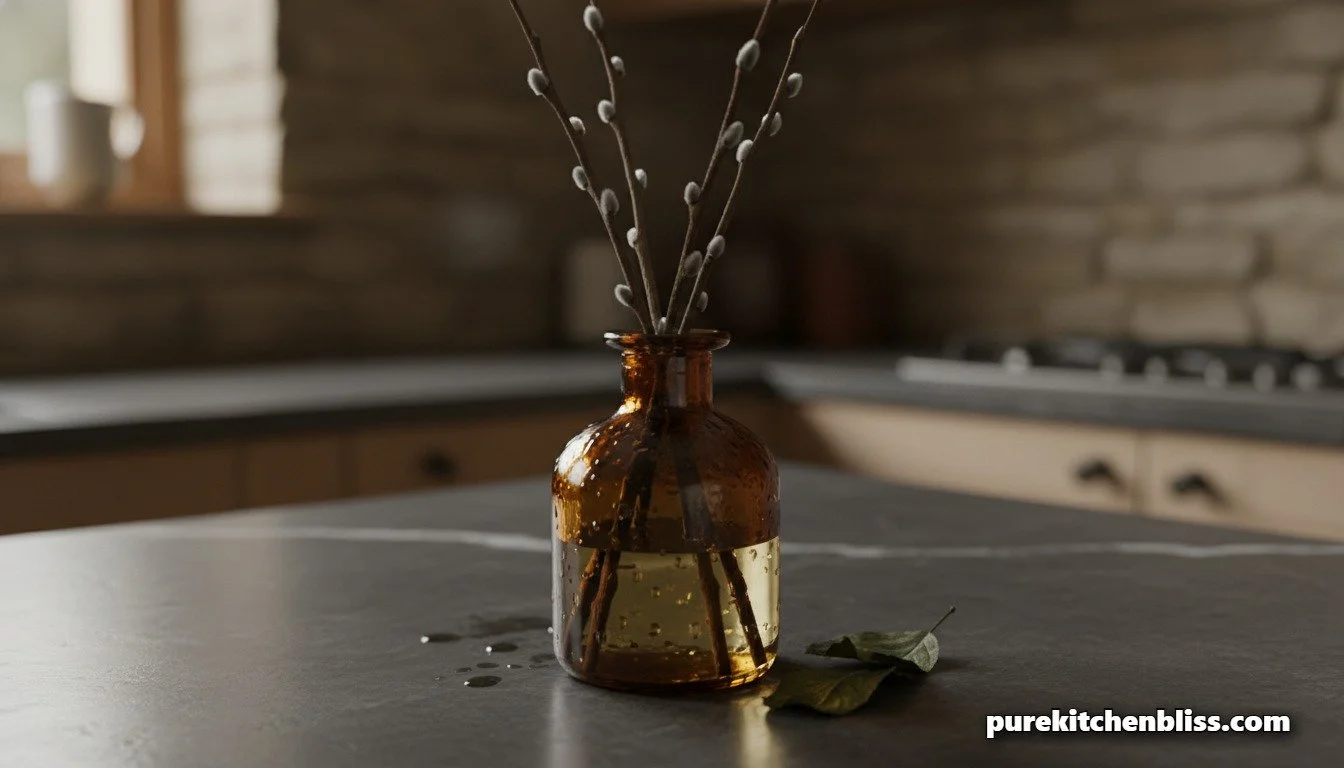
DIY Sanctuary: 3 Ways to Build Your Own Passive Air Diffuser 🌿🛠️
We’ve spent the last few articles talking about the high-tech side of aromatic zoning. But as a builder, I know that sometimes the best solutions aren't the ones you plug in—they're the ones you build with your own two hands using natural materials.
If you aren't ready to drop $200 on a high-end diffuser, or if you just want a more organic way to keep your pantry and cabinets smelling fresh, this is for you. In a house with four kids, I’m always looking for ways to eliminate "stink zones" without using synthetic sprays.
Today, we’re getting back to basics. I’m showing you how to use shop-scraps and kitchen staples to create "Passive Diffusers." These don't use electricity; they use the natural science of evaporation to keep your kitchen sanctuary smelling like a 5-star hotel.
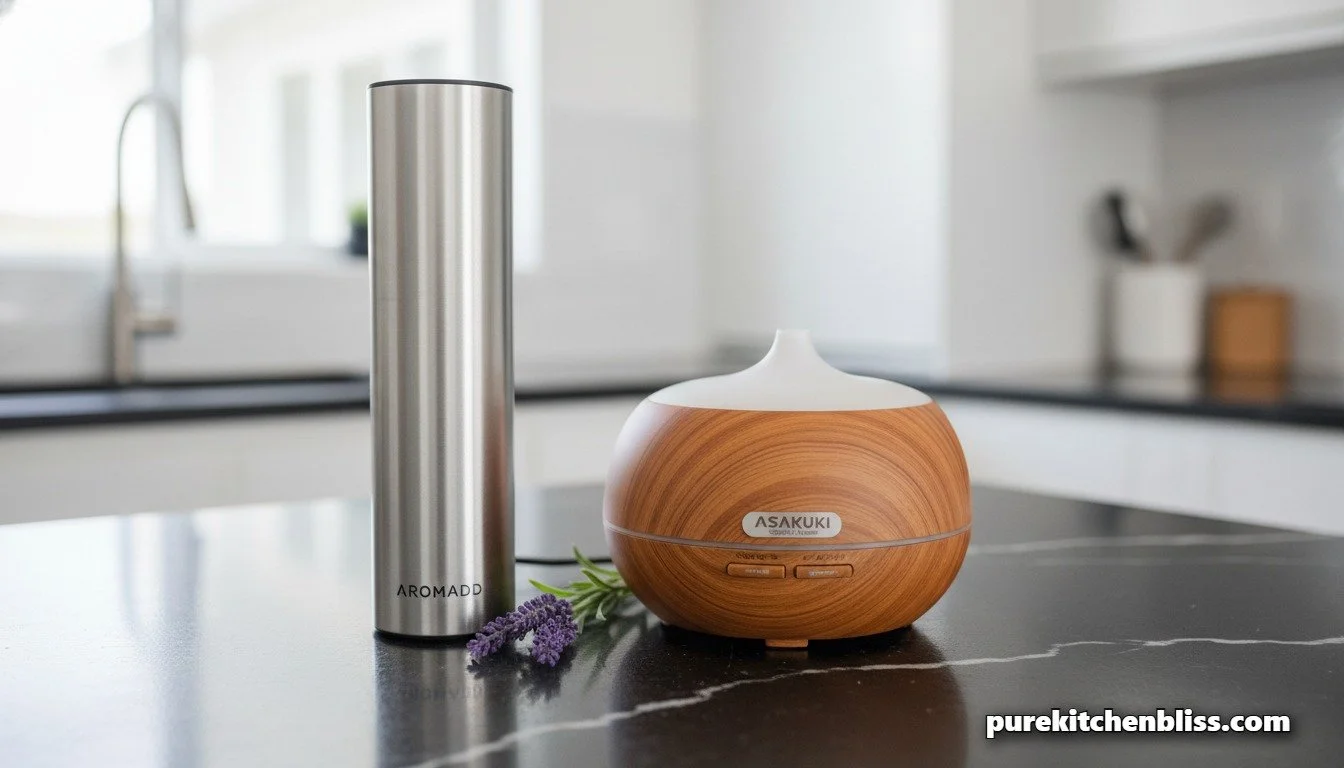
The Breath of Bliss: Top 2 Amazon Air Diffusers for Your 2026 Kitchen Sanctuary 🌬️
If you’ve been following our every-other-day deep dives, you know we’ve spent July perfecting the "hidden" elements of the home. We’ve mastered acoustic design and explored the world of aromatic zoning. But to make that "Aromatic Zone" a reality, you need the right hardware.
As a builder and a dad of four, I don't have time for fussy gadgets that leak or grow mold. I need appliances that "set and forget", tools that work as hard as a professional shop but look like they belong in a high-end spa.
Today, we’re looking at the two heavyweights ruling Amazon. Whether you want the "invisible" luxury of a waterless system or the reliable, misty glow of an ultrasonic favorite, these are the two tools that will finally clear the "taco night" smell out of your sanctuary.
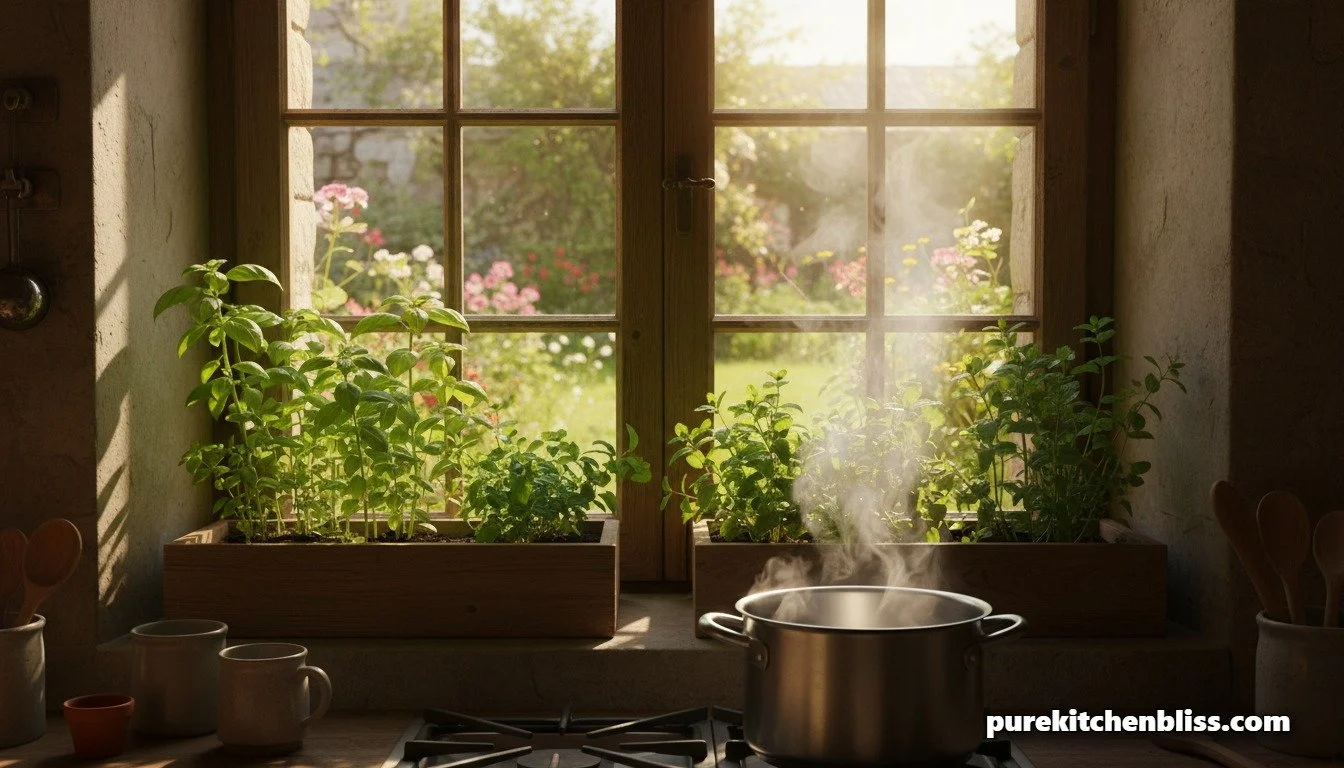
Beyond Cooking Smells: Why Your Kitchen Needs Integrated Scent Infrastructure 🍋🌿
We’ve spent the last few articles perfecting the way your kitchen looks, works, and even how it sounds. But there is one sense that hits us the moment we walk through the door, and usually, it’s an afterthought: Smell.
In a house with four kids and a busy cooking schedule, the "scent profile" of a kitchen is usually a battle between last night’s garlic and this morning’s trash. In 2026, we’re moving beyond just "venting" smells out; we’re using Aromatic Zoning to curate the vibe of the room.
As a coffee shop owner, I’ve used scent for years to make customers feel energized in the morning and cozy in the afternoon. Bringing that "Shop Logic" into your home is the secret to a true multi-sensory kitchen sanctuary. Here is how to build a kitchen that smells as good as it looks.
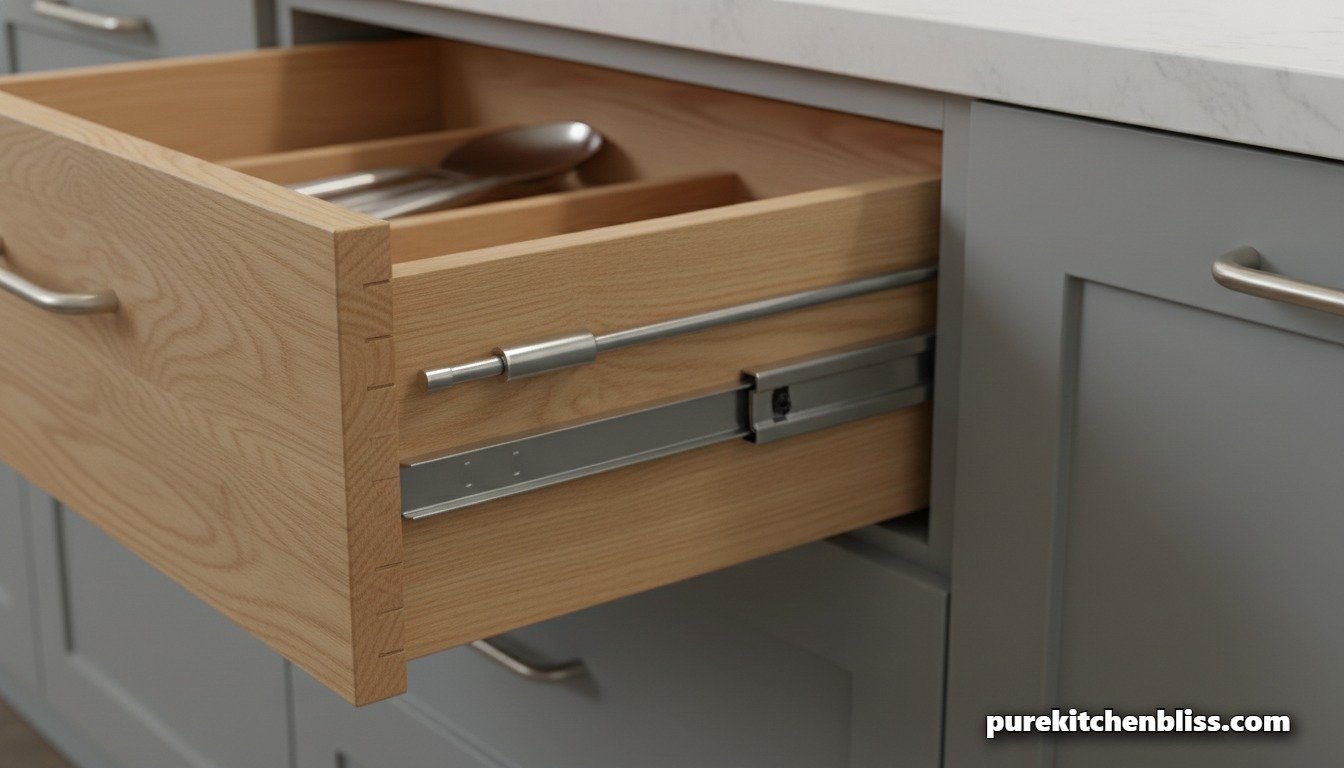
Silent Architecture: How to Soundproof Your Kitchen Against the "Dinner Chaos" 🤫
If you’ve got a house full of kids like I do, you know that the "heart of the home" is often the loudest room in the house. Between the clatter of pots, the hum of the dishwasher, and the echo of four kids talking over each other, a modern open-concept kitchen can quickly feel less like a sanctuary and more like a construction site. 🏗️
In 2026, we are finally addressing the one thing most designers ignore: Acoustics.
As a coffee shop owner, I’ve learned that the "vibe" of a room is determined as much by what you hear as what you see. We use "Acoustic Architecture" to keep the shop feeling cozy even when the espresso machine is screaming. Bringing those same builder secrets into your home is the final step in achieving Pure Kitchen Bliss. Here is how to silence the chaos and find your quiet.
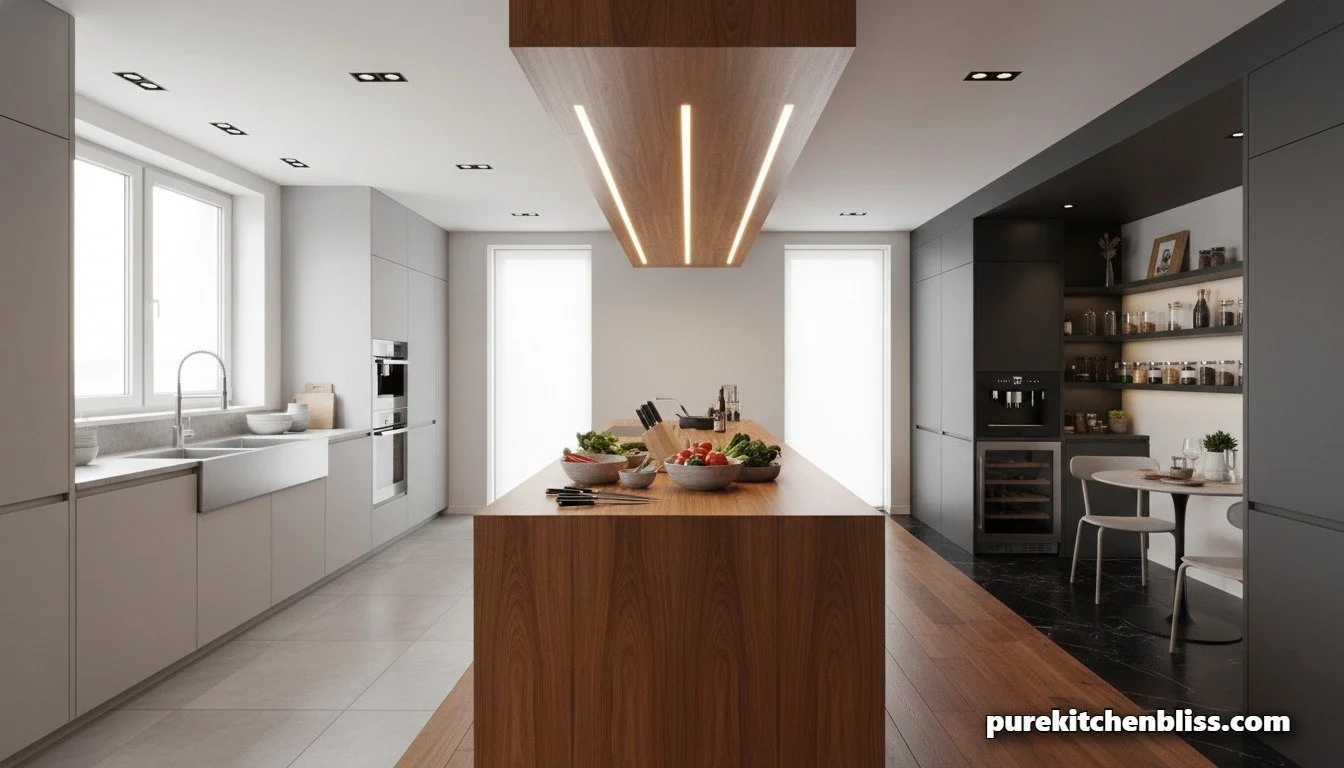
Beyond the Work Triangle: Why "Ergonomic Zoning" is the Secret to a 20-Year Kitchen 🛠️🚶♂️
If you’ve ever looked up kitchen design, you’ve heard of the "Work Triangle." It’s been the holy grail of kitchen layouts since the 1940s. But here’s the truth from a builder’s perspective: the triangle was designed for one person cooking a simple meal in a small, closed-off room.
In 2026, our kitchens are high-traffic hubs. We have four kids running around, two people prepping dinner at once, and a scullery handling the heavy lifting. The triangle just doesn't cut it anymore. It creates bottlenecks and doesn't account for the fact that our bodies change over 20 years.
To build a true Kitchen Sanctuary, we need to move toward Ergonomic Zoning. This is how I design kitchens that aren't just beautiful on day one, but stay comfortable as the kids grow up and we get a little slower.
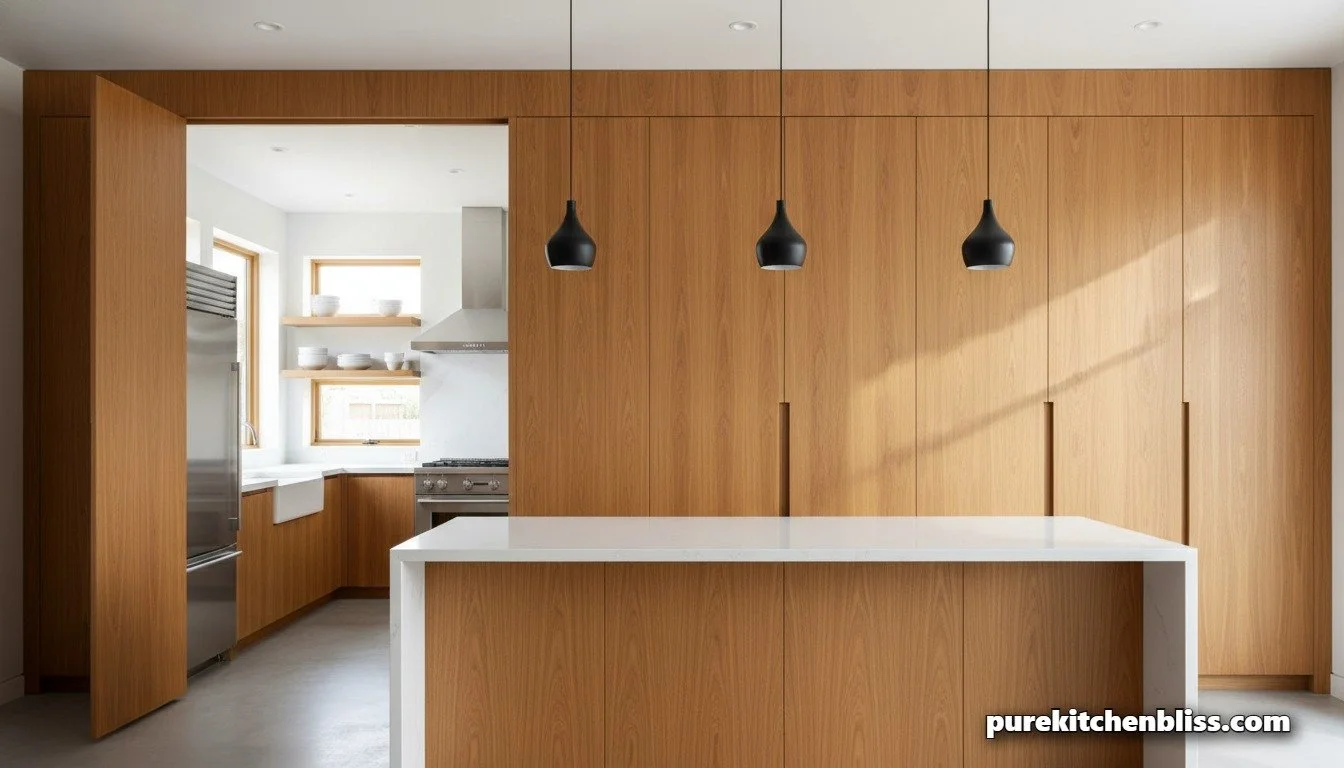
The Rise of the "Scullery": Why 2026 is Moving the Mess Behind a Secret Door 🚪
If you’ve been following our journey to build the ultimate Kitchen Sanctuary, you know we’ve spent a lot of time perfecting the "Show Kitchen", that beautiful, butter-yellowspace where the family gathers. But as a builder and a dad of four, I have to let you in on a professional secret: a pristine kitchen isn't just about good habits. It’s about Infrastructure.
In 2026, the biggest trend for high-end renovations isn't a new material; it’s a secondary space known as the Scullery (or "Dirty Kitchen"). It’s a walk-in, fully-equipped room hidden behind a secret cabinet door where the real heavy lifting happens. By moving the mixers, the steaming pots, and the stacks of dirty dishes out of sight, your main kitchen remains a calm, social stage. Here is how to design a "Second Kitchen" that works as hard as a professional shop.
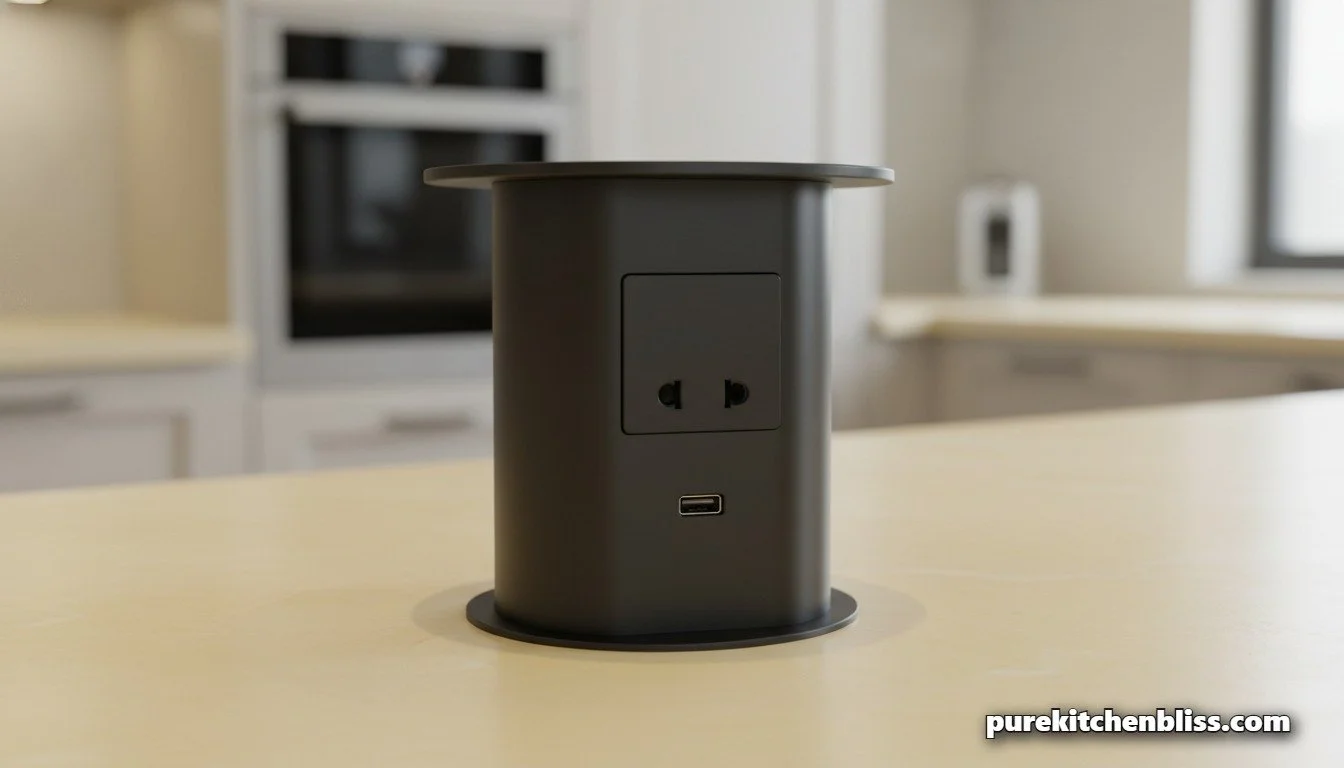
The "Hidden" Kitchen: Why Integrated Pop-Up Outlets are the New Gold Standard! 🔌✨
If you’ve been following our Kitchen Sanctuary journey, you know I’m obsessed with "clearing the deck." We’ve talked about magnetic storage and alternative countertops, but there is one "hidden" enemy that ruins even the most beautiful design: The Cord Jungle. 🐍
In 2026, the traditional wall outlet is officially a relic. Between the kids' tablets, my coffee shop laptops, and the endless stream of appliances we use at the beverage hub, we need power everywhere. But mounting outlets on the side of a beautiful kitchen island is no longer just "ugly", it’s actually becoming a code violation in many areas because of safety risks with dangling cords.
As a builder, I’ve switched entirely to Integrated Pop-Up Outlets. They stay hidden until you need them, they’re safer for the kids, and they keep your "Sanctuary" vibe pristine. Here is why this infrastructure shift is the "gold standard" for 2026.

Why I’ll Never Install "Standard" Granite Again: The 2026 Alternative Surfaces ✨🪵
I’ve spent the last twenty years behind the scenes of a coffee shop and on the front lines of home builds, and I’ve seen thousands of "perfect" granite and quartz slabs go into kitchens. They look incredible on day one, shiny, sterile, and cold. But in a house with four kids and a constant stream of morning coffee rushes, "perfect" is usually the first thing to break.
As a builder, I’ve grown tired of materials that fight against the life lived on top of them. We’ve been told that durability means a surface that never changes, but I’ve realized that the true "gold standard" for a kitchen sanctuary isn't a slab that stays frozen in time, it’s a material that evolves with you.
In my home and my shop, I’ve officially retired the big-box stone look. I’m moving toward "Living Surfaces": materials like soapstone, pewter, and end-grain wood that don't just "handle" high traffic, they get better because of it. If you’re ready to move past the flipper-grade aesthetic and build a kitchen with actual soul, here are the three surfaces I’m swearing by in 2026.
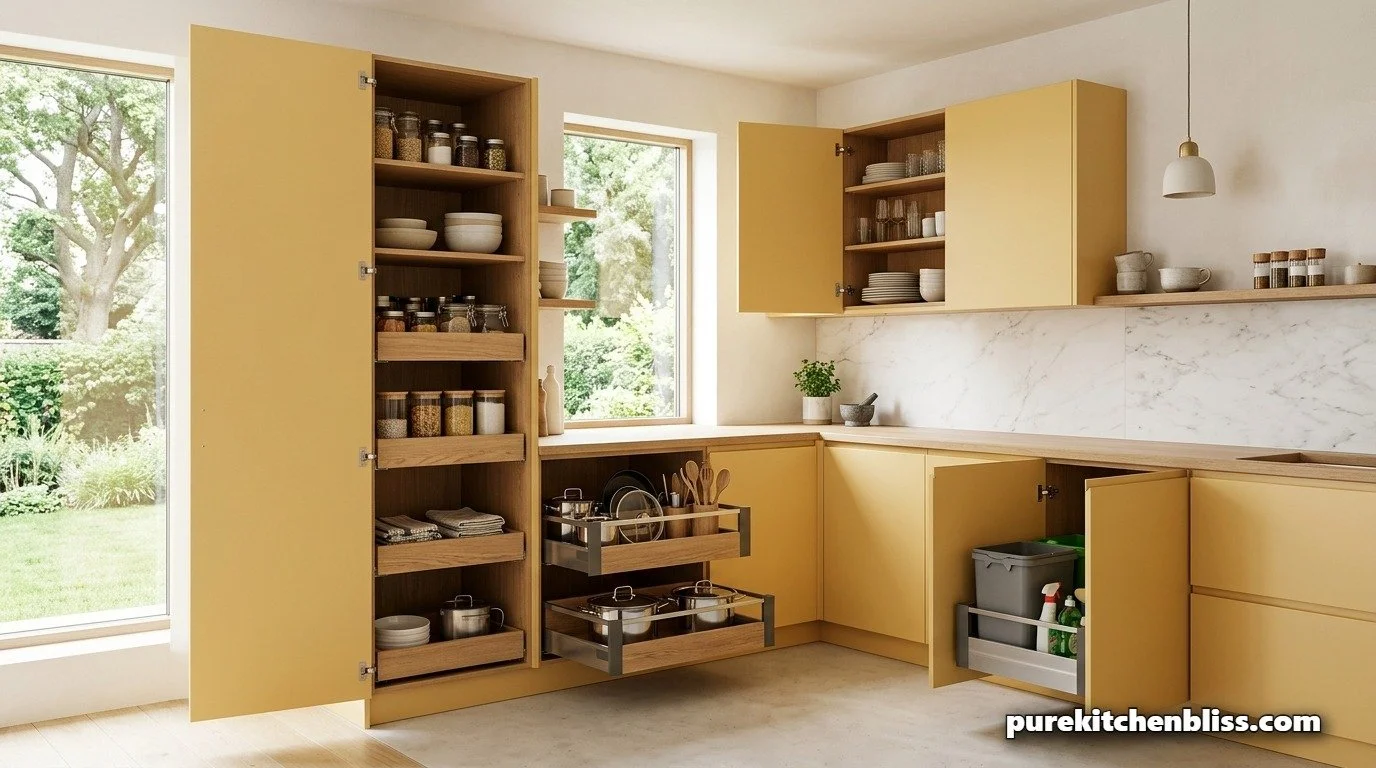
The End of Dark Corners: Why 2026 is the Year of "Blind Corner" Magic!
If you’ve ever had to get down on your hands and knees with a flashlight to find a lid that rolled into the back of your corner cabinet, you know exactly what I’m talking about. I call it the "Cabinet Abyss", that deep, dark "dead zone" where Tupperware goes to disappear forever. 🕳️
In a house with four kids, we don’t have time to go cave-diving for a frying pan. In 2026, we are officially declaring war on the "blind corner." As a shop owner, I’ve always used pull-out drawers for my heavy tools, and now kitchen design has finally caught up. Here is the "magic" infrastructure that will rescue your space and complete your kitchen sanctuary!
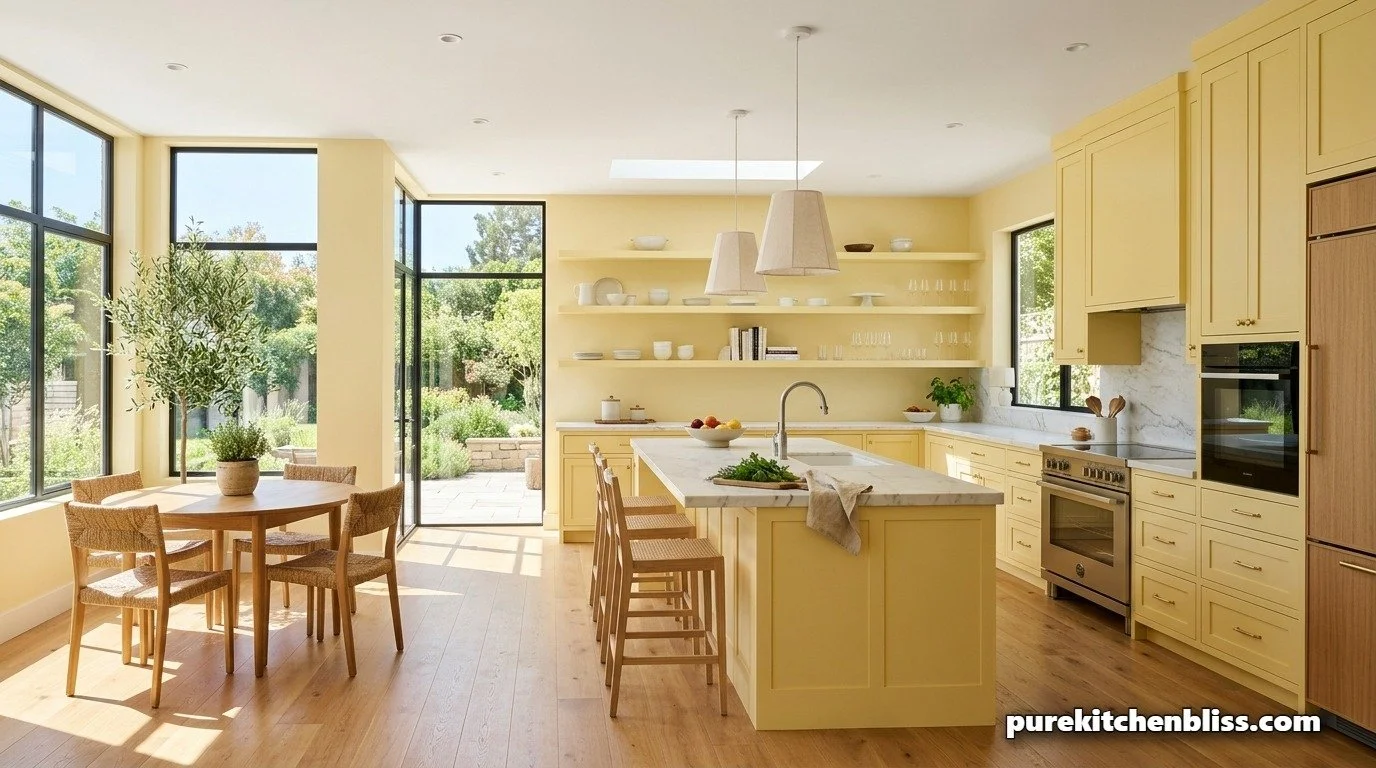
Sunshine in the Kitchen: Why "Butter Tones" are Replacing Gray! ☀️
If you’ve walked into a kitchen showroom lately, you might have noticed a massive "vibe shift." For the last decade, we’ve been living in a world of "Millennial Gray"—everything was sleek, cold, and, honestly, a bit sterile. But it’s 2026, and we are officially craving warmth.
As a dad with four kids, I want my kitchen to feel like a happy place to start the day, not a science lab. That’s why I am absolutely obsessed with the new "Butter Yellow" trend. It’s not the bright, "school bus" yellow from the 70s; it’s a soft, sun-washed cream that makes the whole room feel like it’s glowing, even on a rainy Monday. Here is why this "sunshine in a can" is the ultimate choice for your kitchen sanctuary!