The Fire-Safe Kitchen: Why 2026 is Swapping Gas Cooktops for Induction Infrastructure 🍳
If you’ve been tracking high-end home trends over the last decade, you know that a massive, industrial-grade gas range was long considered the ultimate status symbol. It looked heavy, it felt professional, and it signaled that you took cooking seriously.
But as a carpenter, a coffee shop owner, and a dad of four kids, I look at appliances through a very different lens. I don't care how "chef-like" a range looks if it introduces an open flame, indoor air pollution, and a massive thermal footprint into the center of a busy family home.
In 2026, the conversation has shifted completely. The traditional gas cooktop is facing a rapid retirement. Homeowners are actively ripping out their gas lines to install high-performance Induction Infrastructure.
Induction isn't the weak, slow electric coil cooktop of the 1980s; it’s a high-frequency magnetic heating array that cooks faster than gas, protects your indoor air quality, and creates a completely flush visual plane. Let’s look behind the glass panel and break down the safety and electrical engineering of why induction is the new foundation for a modern kitchen sanctuary.
1. The Physics of Induction: Magnetic Heat Transfer 🧲
The core reason induction is fundamentally safer than gas comes down to basic thermodynamic physics.
The Gas Method: A gas range burns fuel to create an open flame. That flame heats the air, which heats the bottom of your pan, which eventually heats your food. It is incredibly inefficient—nearly 60% of the heat energy escapes directly into your kitchen, heating up the room and cooking your cabinets.
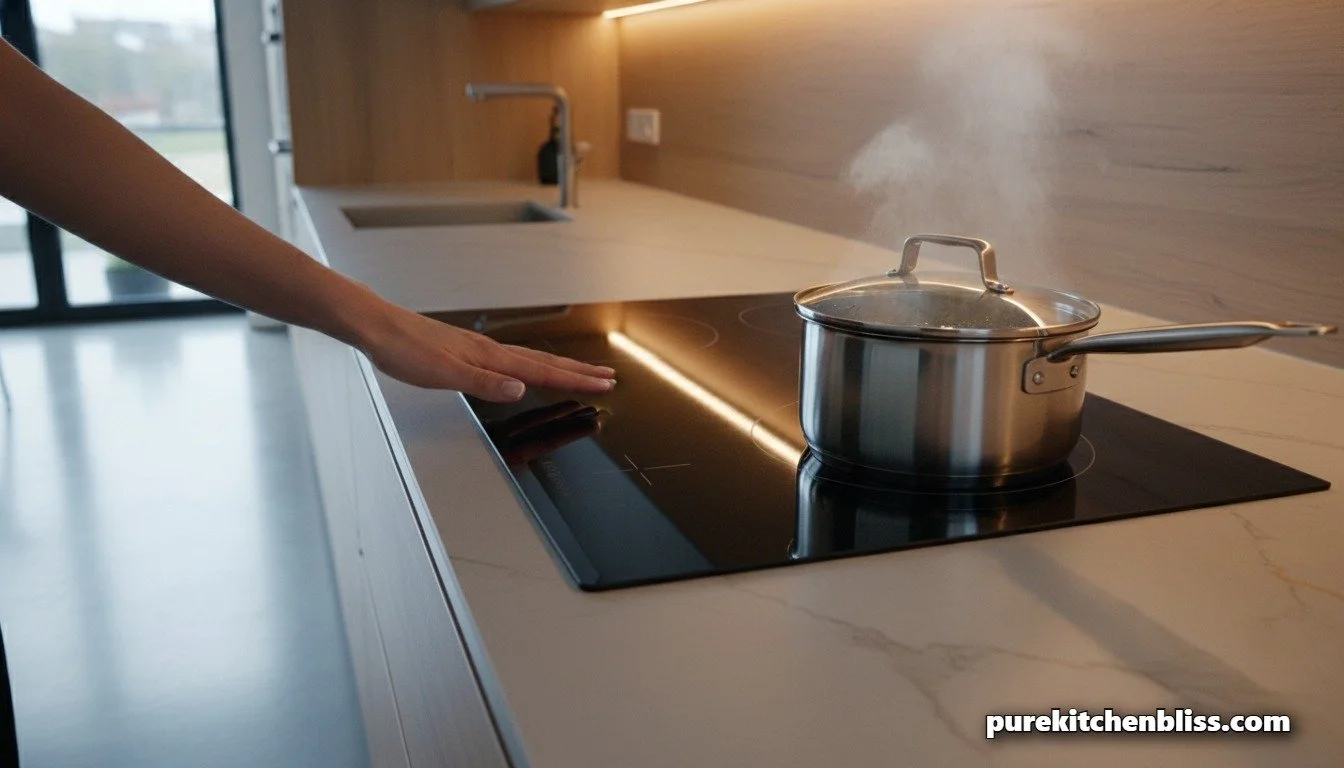
The Induction Method: Induction uses high-frequency copper electromagnets located beneath the ceramic glass surface. When you turn a zone on, it doesn't get hot. Instead, it creates an alternating magnetic field that passes directly through the glass and activates the iron molecules inside your cookware.
The Result: The pan itself becomes the heating element. Because the glass surface only warms up slightly from the residual heat of the pan, you eliminate the risk of severe burns. If a toddler accidentally reaches up and touches an active induction zone, they won't get burned because the surface won't activate without a magnetic metal pan resting on top of it.
2. The Father’s Safety Audit: Indoor Air Quality 💨
As a dad, my primary concern is always the health of my kids. Over the last few years, a mountain of environmental health data has shed light on what gas ranges actually do to a home’s air quality.
The Toxins: Burning natural gas releases high concentrations of nitrogen dioxide (NO₂), carbon monoxide, and fine particulate matter (PM2.5) directly into your breathing zone. Studies have shown that cooking with gas can create indoor air pollution levels that would be illegal outdoors.
The Child Risk: In a tightly sealed, energy-efficient modern home, these gasses can linger for hours, significantly increasing the risk of respiratory issues and asthma in young children. By moving to induction, you completely eliminate combustion gases from your home, protecting your family’s lungs and maintaining a clean-air environment alongside your natural air-purifying plants.
3. Structural Comparison: Professional Gas vs. 2026 Induction Arrays
| Infrastructure Metric | Commercial Gas Range | 2026 Induction Cooktop | Builder’s Safety Rating |
|---|---|---|---|
| Energy Efficiency | ~40% (60% heat loss to room) | ~90% (Direct molecular transfer) | Induction Winner |
| Burn Safety | High (Open flame / Hot iron grates) | Low (Cool-to-touch ceramic glass) | Family-Proof ⭐⭐⭐⭐⭐ |
| Cleanability | Nightmare (Scrubbing heavy iron grates) | Instant (Flat wipe surface) | Time-Saver ⭐⭐⭐⭐⭐ |
4. The Builder’s Reality Check: Electrical Panel Load ⚡
If you are planning to switch from gas to induction during a renovation, you can't just unplug the old unit and slide the new one in. Induction is a high-performance system that requires serious electrical infrastructure.
The Power Requirement: A standard gas range only uses a basic 110V outlet to power the digital clock and spark igniters. A modern, multi-zone induction cooktop requires a dedicated 240-volt circuit hooked into a 40-amp or 50-amp breaker.
The Panel Audit: Before you buy an induction unit, have a licensed electrician check your main electrical panel. If your home runs on an older 100-amp service, adding a 50-amp cooktop alongside your HVAC and car chargers could overload your system. You may need to budget for a panel upgrade to 200-amps to handle the load safely.
The Conduit Route: Because you’ll be pulling thick 8-gauge copper wire from your panel to the kitchen, coordinate this route early in your design phase, especially if you plan to install the cooktop on a multipurpose kitchen island.
5. Maintenance and the "Boil-Over" Reality 🧼
In my coffee shop, cleanup speed is everything. The faster we can wipe down our workstations, the more efficient our service is. The same applies to a hectic dinner rush at home.
The Gas Mess: If a pot of pasta water or tomato sauce boils over on a gas stove, it hits the scorching hot iron grates and bakes instantly into a hard, carbonized crust. Cleaning it requires taking the grates to the sink, scrubbing the burner caps, and digging into deep metal valleys.
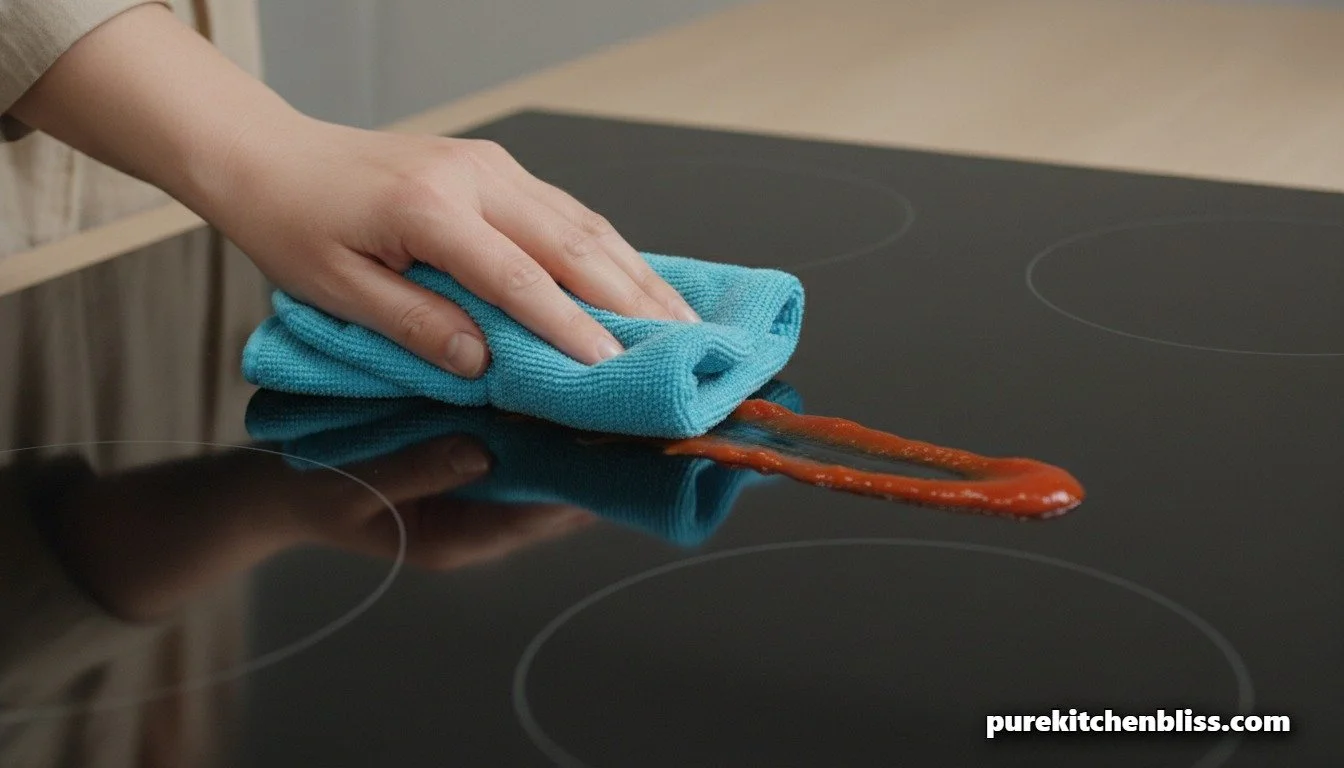
The Induction Solution: Because the induction glass doesn't get hot enough to burn food, a boil-over simply pools on the cool surface. You don't have to wait for the stove to cool down. You can lift the pot up mid-cook and wipe the spill away instantly with a simple hacked cleaning sponge.
When you replace an open flame with high-efficiency magnetic infrastructure, you do more than just upgrade an appliance. You eliminate fire hazards, clear your indoor air, and build a streamlined workspace that keeps your family safe and your counters completely pristine.
Next Up: Want to see how to pair your safe, flat-panel cooktop with an advanced hidden prep room? Check out our The Rise of the Scullery: Why 2026 is Moving the Mess Behind a Secret Door!.