Toxic Overload: 3 Kitchen Chemical Products to Swap Out Today 🛑🌿
Whenever I hand over the keys to a newly finished custom kitchen, I always give my clients a quick rundown on how to maintain their premium surfaces. But lately, I’ve noticed a wild contradiction in how people treat their homes.
Homeowners will spend thousands of dollars sourcing toxin-free, zero-formaldehyde wheatstraw cabinet boxes and beautiful, organic stone countertops to protect their family's health. Then, the very next day, they’ll go under the sink, pull out a plastic bottle filled with harsh, corrosive chemicals, and spray it all over the place right next to their kids' school lunches. 🧴☠️
In a house with four kids, our kitchen counters are a high-contact zone. Food is constantly touching the island, and my kids are breathing the air while doing homework at the bar. As a builder and a coffee shop owner, I’ve learned that heavy commercial solvents aren't just bad for your lungs—they are actively destructive to the seals, finishes, and infrastructure of your home.
In 2026, creating a true kitchen sanctuary means cleaning up your chemical footprint. Here are the top three toxic kitchen products you need to ditch today, and the builder-approved, natural alternatives that work just as hard without the poison.
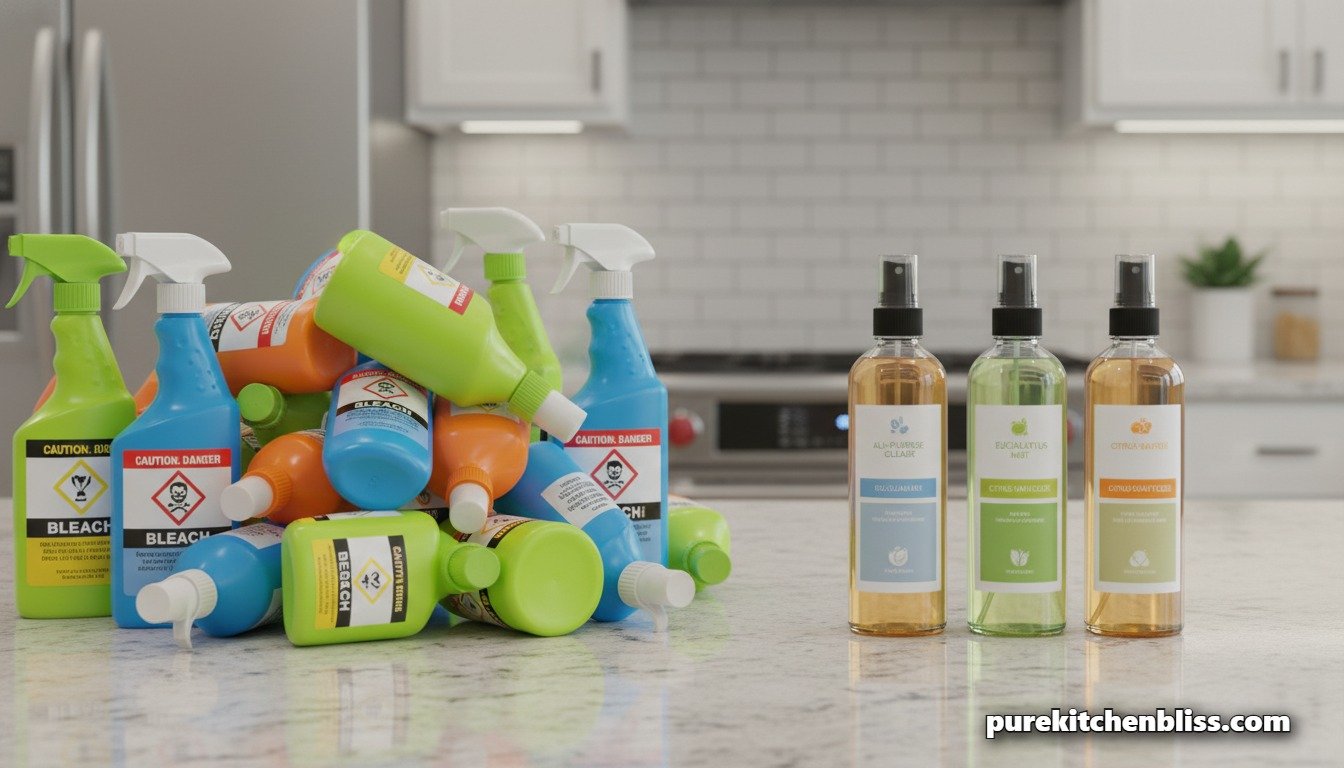
1. Ditch: Commercial Oven Cleaners 🚫 (Swap For: Baking Soda & Vinegar)
If you have ever sprayed traditional aerosol oven cleaner inside your range, you know how terrifying that stuff is. It smells like a chemical weapon because it’s packed with sodium hydroxide (lye) and butane.
The Danger: These fumes are highly corrosive to your respiratory tract and can leave chemical burns on skin. Furthermore, if you have a modern kitchen with a seamless induction cooktop, overspray from these caustic aerosols can permanently etch the glass panel and pit your surrounding cabinetry finish.
The Builder's Swap: Make a thick paste using 1 cup of baking soda and 3 tablespoons of water. Coat the greasy interior walls of your oven and let it sit overnight. In the morning, spray it lightly with white vinegar. The mixture will effervesce into a gentle carbon dioxide foam that breaks down burnt grease bonds naturally. Wipe it clean with a damp cloth—no fumes, no respirators required.
2. Ditch: Synthetic Chemical Dish Soap 🚫 (Swap For: Plant-Based Castile Liquid)
Most standard dish soaps aren't actually soap at all, they are synthetic detergents derived from petroleum. They rely heavily on Sodium Lauryl Sulfate (SLS) for foam generation and artificial fragrance matrices to mask chemical odors.
The Danger: SLS is a known skin irritant that strips natural oils from your hands, while synthetic fragrances continuously off-gas VOCs into your dish basin. Because these chemical detergents leave a microscopic residue on your dishes, you end up ingesting trace amounts with your food.
The Builder's Swap: Switch to a 100% plant-based liquid Castile soap (like Dr. Bronner’s Sal Suds or pure liquid castile). It uses coconut and olive oil surfactants that cut through heavy cooking grease effortlessly, rinse away 100% clean without a residue film, and are entirely biodegradable.
3. Structural Comparison: Chemical Overload vs. Natural Sanctuary
| Product Category | The Toxic Legacy Choice | The 2026 Natural Sanctuary Swap | Infrastructure Impact |
|---|---|---|---|
| Oven Degreaser | Aerosol Lye / Sodium Hydroxide | Baking Soda + White Vinegar | Protects glass & metal seals |
| Dish Detergent | Petroleum Distillates & SLS | Liquid Vegetable Castile Soap | Zero synthetic film residue |
| Countertop Spray | Chemical Chlorine Bleach | Thymol Botanical / Isopropyl | Prevents natural stone stripping |
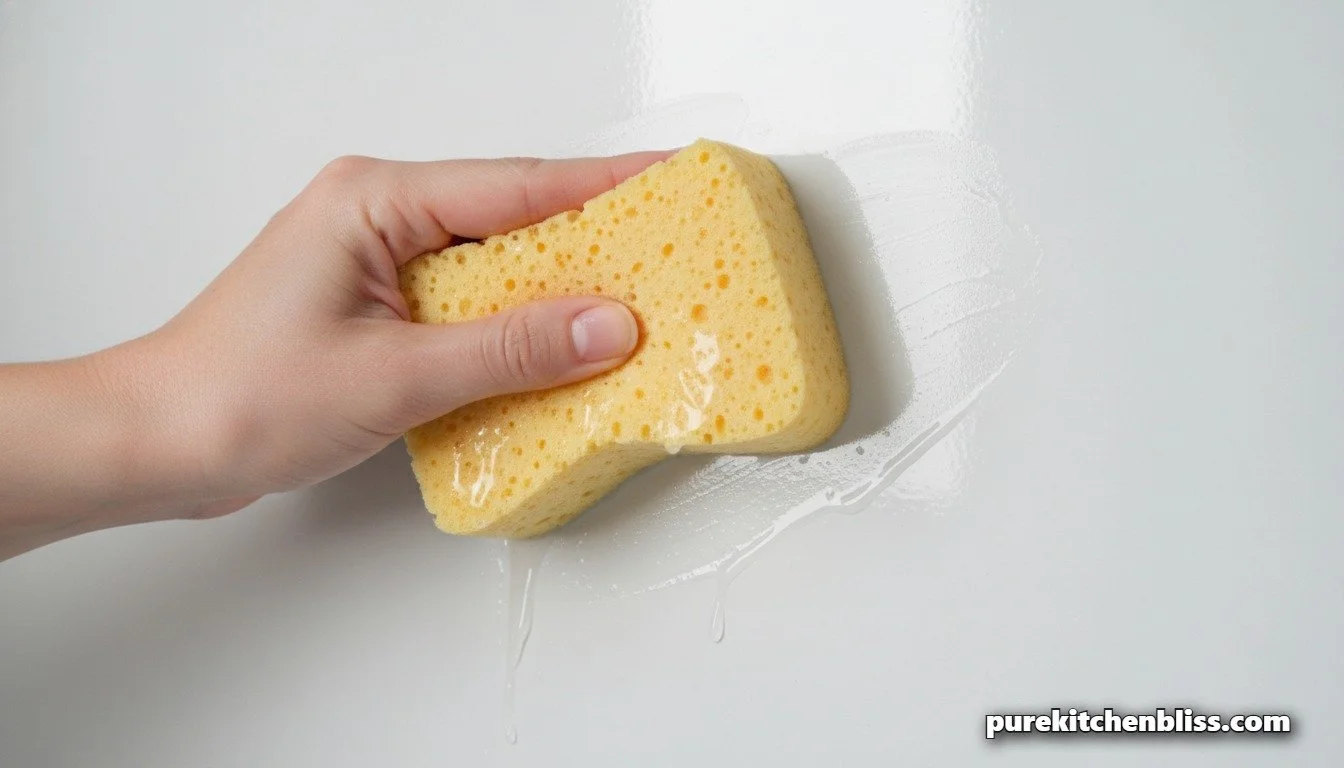
3. Ditch: Chlorine Bleach Counter Sprays 🚫 (Swap For: Thymol or Isopropyl Bases)
People love grabbing bleach-based spray bottles because they think it’s the only way to genuinely sanitize a kitchen counter. But from a carpenter’s perspective, bleach is a wrecking ball to your finishes.
The Damage: Chlorine bleach is highly acidic and corrosive. If you spray it onto natural stone, quartz, or wood, it will slowly eat through the topical impregnating sealers. Once that protective barrier is stripped, your counters become porous, leading to deep, permanent stains and giving bacteria a rough surface to cling to.
The Builder's Swap: For daily disinfection, use a spray based on Thymol (a natural derivative of thyme oil) or a simple home mix of 70% Isopropyl Rubbing Alcohol and water. Alcohol kills 99.9% of surface bacteria instantly on contact, flashes off into the air without leaving a sticky streak, and is completely chemically neutral to stone sealers. It lets you maintain a spotless, germ-free environment right next to your undermount workstation sink channel.
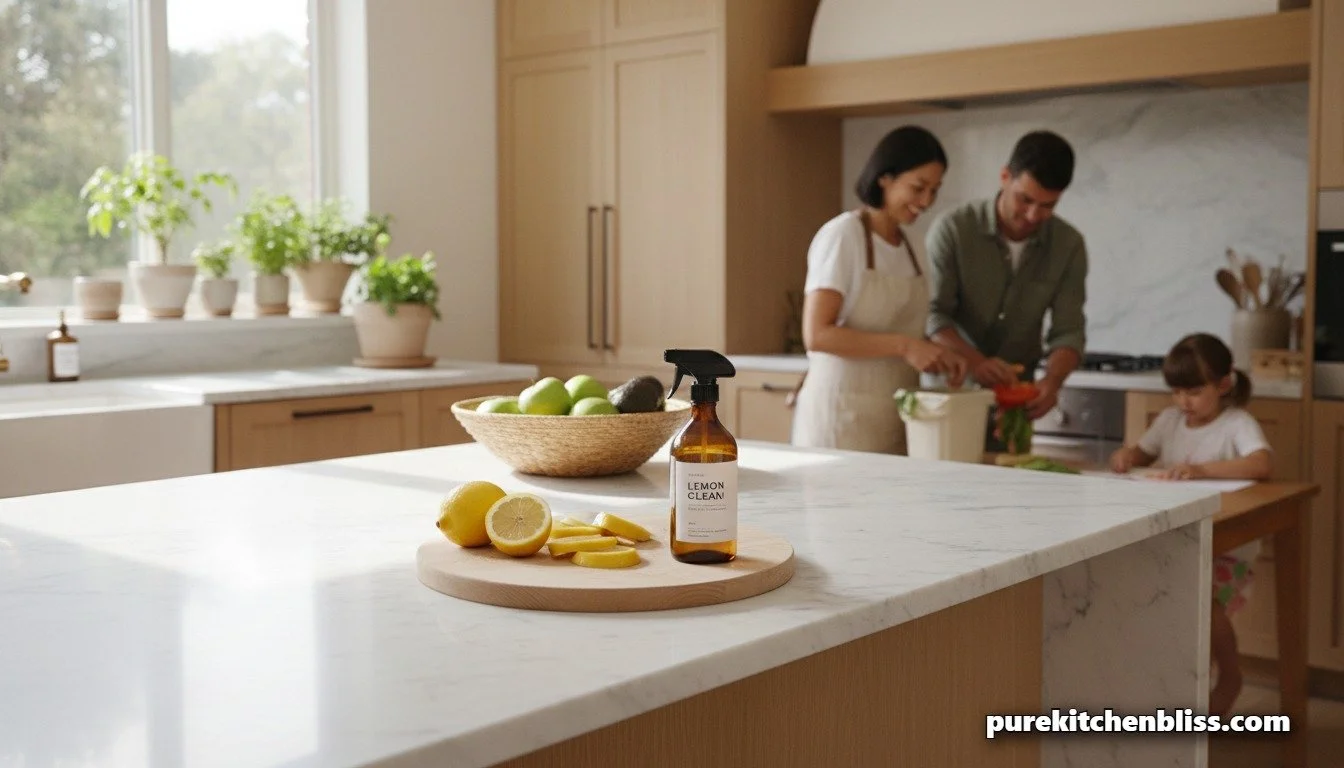
4. The Pro Cleaning Hack: The Cellulose Switch 🧽
If you are dumping your toxic chemicals, you need to dump your plastic cleaning tools too. Standard neon-colored kitchen sponges are made of polyurethane plastic, which sheds millions of microplastic fibers down your drain and onto your countertops every time you scrub.
The Move: Switch to 100% natural Cellulose Spones made from plant pulp or loofah fibers. They are fully compostable, don't scratch your glass cooktops, and don't trap bacteria-borne odors like plastic foam does.
When you clean up the chemical inventory under your sink, you match the premium quality of your kitchen's infrastructure. You stop fighting grime with poisons and start running a clean, sustainable sanctuary that protects your investment, your home, and your family's health for the long haul.
Next Up: Want to see how to pair your clean-air kitchen with a perfectly maintained morning brew? Check out our Do You Actually Need to Wash the Inside of Your Kettle? The Chalky, Hidden Truth!