The Workstation Sink Showdown: Kohler Prolific vs. Ruvati Roma 🚰💥
Transparency Note: We independently select these products based on research and user reviews. If you buy something through our links, we may earn a commission.
If you’re planning a major kitchen overhaul, I need you to promise me something: delete the standard, basic double-bowl sink from your floor plans immediately. 🛑
As a carpenter and a coffee shop owner, I view a kitchen sink not just as a place to rinse coffee cups, but as the primary engine room of the house. In a home with four kids, the sink zone faces constant traffic. If your sink is poorly designed, it turns into a cluttered bottleneck of dirty pots and damp dish towels, completely destroying your kitchen sanctuary vibe.
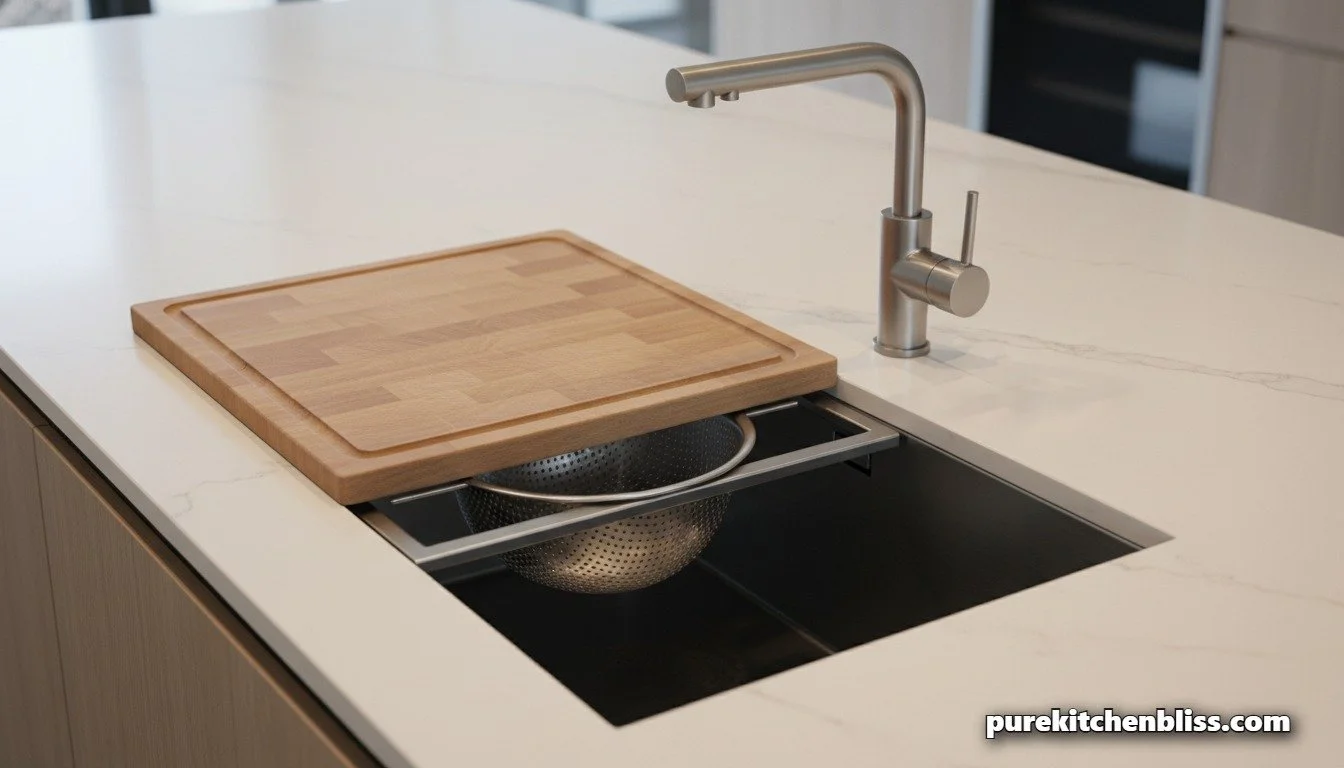
In 2026, the industry standard has shifted entirely to workstation sinks, deep, single-basin hubs featuring integrated sliding ledges that support cutting boards, colanders, and drying racks. They effectively convert your sink into a multi-tiered prep station, keeping the mess entirely below the counter line.
But if you start shopping, you’ll find two premium titans dominating the market: the Kohler Prolific and the Ruvati Roma. Today, we’re putting away the marketing brochures and using raw builder logic to run a brutal, hands-on mechanical comparison of these two heavyweights.
The Steel Gauge Battle: 16-Gauge vs. 18-Gauge 🏗️
As a tradesman, the first thing I do when evaluating any stainless steel fixture is check the thickness profile. In sheet metal, a lower gauge number means a thicker, more durable product.
The Ruvati Roma: This unit is built from heavy-duty 16-gauge T-304 stainless steel. It feels incredibly solid, resists denting from heavy commercial stockpots, and has a premium, industrial feel.
The Kohler Prolific: Kohler constructs the Prolific from 18-gauge stainless steel. While 18-gauge is still highly durable and less likely to break delicate glassware if dropped, it is technically thinner than Ruvati's commercial-grade offering.
The Verdict: If your family treats the sink zone like a warzone, Ruvati’s 16-gauge build offers superior structural integrity.
The Tier System: Triple Ledges vs. Dual Tracks 📐
The core feature of any workstation sink is the integrated tracks that hold your sliding accessories. This is where the workflow philosophies of these two brands split dramatically.
The Ruvati Roma System: Typically utilizes a streamlined single or dual-tier ledge design. It holds your cutting board and colander neatly, keeping your prep workflow simple and tidy.
The Kohler Prolific System: This is where Kohler flexes its engineering muscles. The Prolific features three graduated, step-down ledges inside the basin.
The "Dad" Logic: Having three separate tiers means you can stack accessories vertically. You can have the bamboo cutting board on top for slicing veggies, the colander right below it to catch scraps, and a wash bin on the bottom floor collecting soapy water. For a family of six, this multi-level optimization is an absolute game-changer during the evening meal rush.
Head-to-Head: Kohler Prolific vs. Ruvati Roma
| Mechanical Feature | Kohler Prolific (33-Inch) | Ruvati Roma (32-Inch) | Builder’s Take |
|---|---|---|---|
| Steel Thickness | 18-Gauge (Standard Premium) | 16-Gauge (Commercial Duty) | Ruvati Wins on Strength |
| Ledge Infrastructure | 3 Graduated Tiers (Stackable) | 1 or 2 Ledges (Standard setup) | Kohler Wins on Workflow |
| Corner Profile | Slightly curved (Easy to wipe) | Tight-radius (Sharp modern look) | Tie (Aesthetic preference) |
Noise Control: SilentShield vs. SoundGuard 🔇
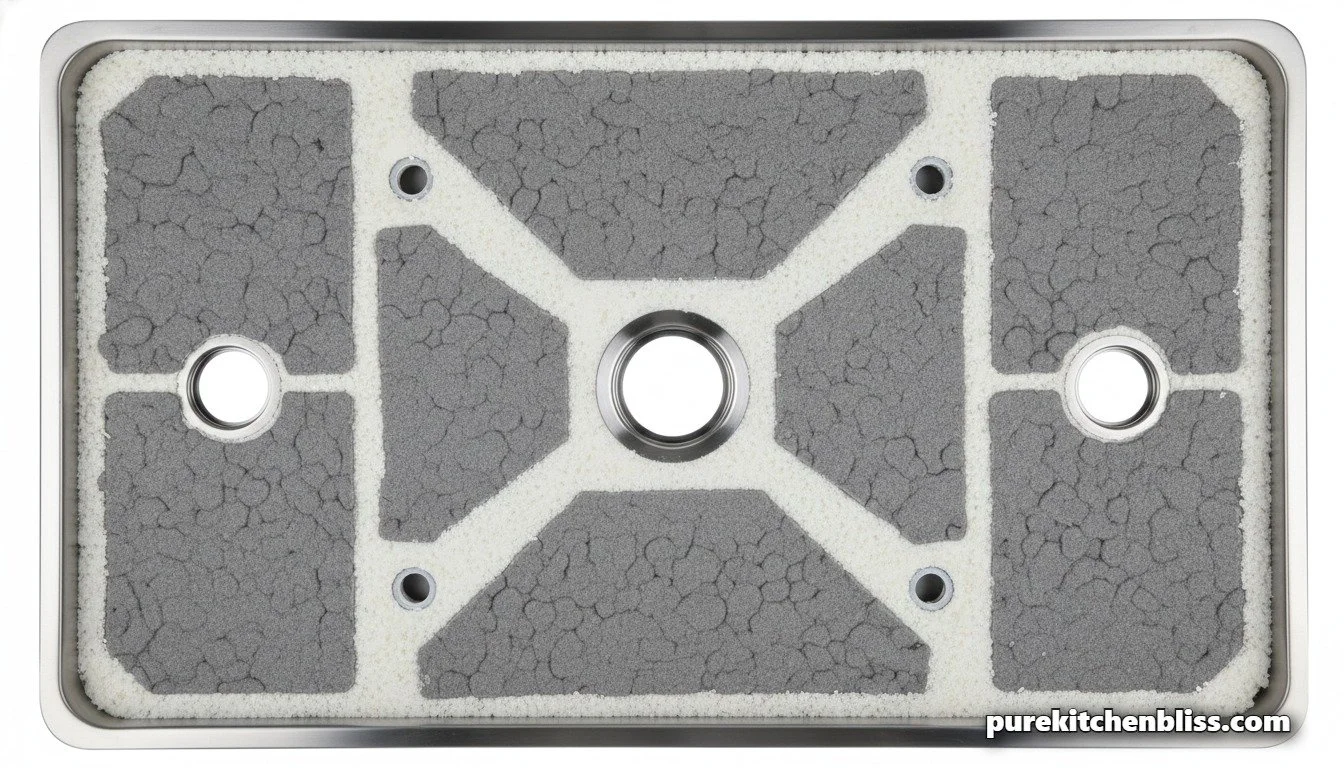
If your kitchen opens up into a living area, the sound of water clanging against metal can completely ruin the acoustics of your home. Both brands address this, but they do it differently.
The Kohler Approach: Uses their proprietary SilentShield technology. It features sound-absorption pads strategically placed on the exterior walls to dull the vibration of running water and loud garbage disposals.
The Ruvati Approach: Uses SoundGuard rubber padding coupled with a thick, heavy-duty undercoating. Because Ruvati pairs this thick rubber shell with inherently thicker 16-gauge steel, it naturally absorbs deep, low-frequency vibrations slightly better than the Kohler. It creates a noticeably quieter environment, perfect if you’ve already invested in acoustic architecture.

Maintenance and Corner Engineering 🧼
The final hurdle to look at is the corner design, which dictates how easy the sink is to clean at the end of the day.
The Ruvati Profile: Features sharp, tight-radius corners. It looks incredibly modern and striking, but those 90-degree corners can catch food grime if you aren't diligent.
The Kohler Profile: Uses a slightly curved, fabricated corner line with a cone-shaped, sloped bottom that drives water and debris straight to the drain. It is significantly easier to wipe clean using a simple hacked cleaning sponge.
The Final Verdict 🛠️
Go with the Ruvati Roma if: You want a bulletproof, commercial-grade 16-gauge steel basin with maximum dent resistance and a lower price point.
Go with the Kohler Prolific if: You want a premium, high-efficiency system with three stackable tiers to completely maximize your prep space and clear your counters.
Next Up: Want to see how to pair your high-end sink with a hidden, high-efficiency prep room? Check out our The Rise of the Scullery: Why 2026 is Moving the Mess Behind a Secret Door!.