Transparency Note: We independently select these products based on research and user reviews. If you buy something through our links, we may earn a commission.
If you’ve been following our every-other-day posting schedule, you know we just unlocked the secret to passive air diffusers using shop scraps. But today, we are scaling things up to target the ultimate relaxation zone. We are building a custom, artisan DIY Lavender Reed Diffuser.
Walk into any high-end boutique in 2026, and you’ll see reed diffusers retailing for $60 a pop. But as a builder, I look at those bottles and see about $5 worth of raw materials. Most commercial brands use synthetic fragrance oils loaded with phthalates. When you have four kids running around a high-traffic kitchen sanctuary, the last thing you want to do is pump synthetic chemicals into the air.
Today, we’re using pure "Shop Logic" to mix an all-natural, highly potent lavender diffuser that matches the exact quality of the blends I run in my coffee shop. Here is the blueprint for crafting your own piece of spa-level bliss.
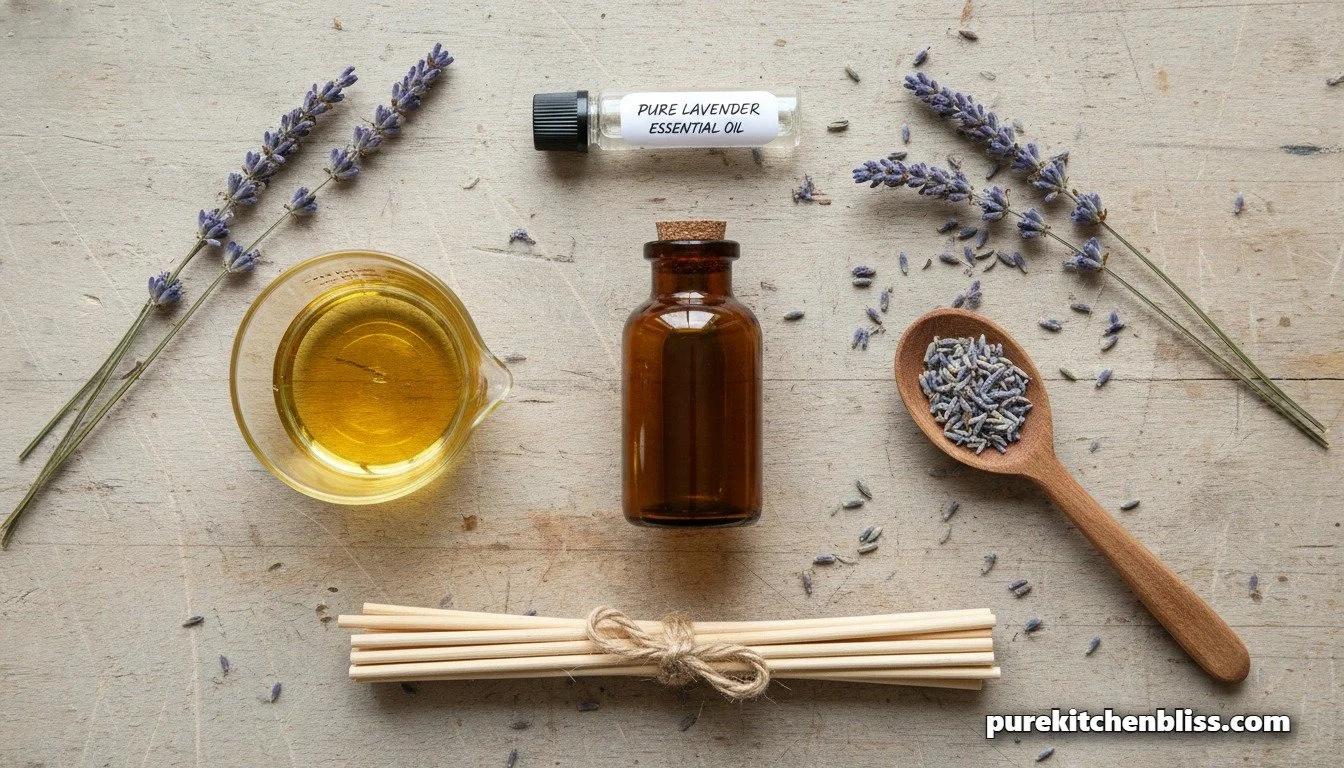
1. The Chemistry: Choosing Your Base 🧪
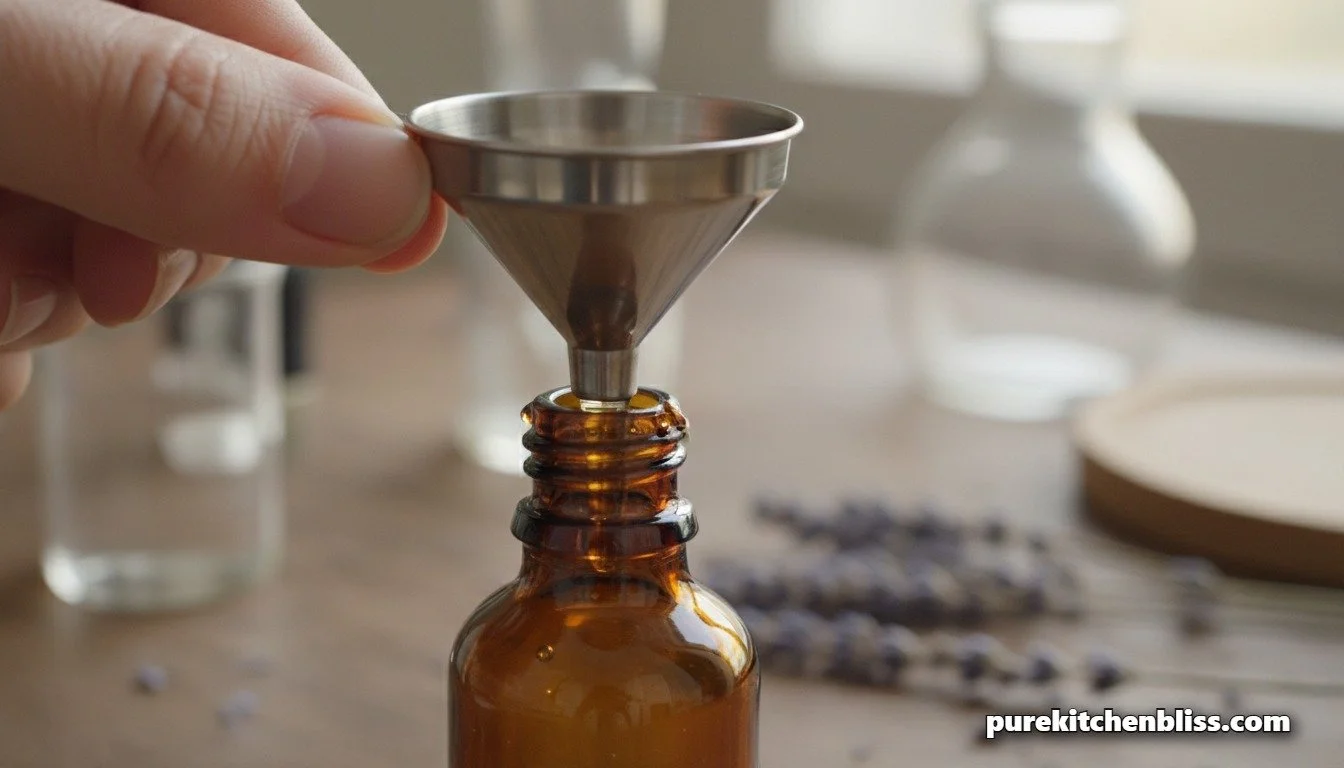
The biggest mistake people make with DIY diffusers is using thick oils like olive oil or standard vegetable oil. Sound waves travel through air, but scent travels through capillary action. If your oil is too thick, it clogs the microscopic channels in the reeds, and you get zero scent throw.
The Builder’s Choice: Use a super-light, odorless carrier oil. Fractionated Coconut Oil (MCT) or Sweet Almond Oil are the gold standards for 2026. They stay liquid, never go rancid, and climb up the reeds effortlessly.
The Dispersant Secret: I always add a splash of high-proof alcohol (like 90% isopropyl alcohol or cheap, high-proof vodka). The alcohol acts as a thinning agent and helps the essential oils vaporize into the room faster.
2. The "Pure Bliss" Ratio 📊
To beat the store-bought brands, we need a punchy concentration. We are aiming for a 70:30 ratio of carrier base to essential oils.
The Formula: For a standard 4-ounce narrow-neck glass bottle, mix:
1/2 cup of Sweet Almond Oil.
1 tablespoon of high-proof alcohol.
40-50 drops of pure Lavender Essential Oil (Lavandula angustifolia).
The Bestie Move: If you want a deeper, more grounded scent profile that pairs perfectly with acoustic slatted wood features, drop in 35 drops of lavender and bolster it with 15 drops of cedarwood or patchouli. It smells incredible.
3. Blueprint: DIY Ratios for Maximum Scent Throw
| Ingredient | Amount (4 oz Vessel) | Professional Purpose | Dad-Tested Rating |
|---|---|---|---|
| Sweet Almond Oil | 1/2 Cup | Low-viscosity carrier fluid | ⭐⭐⭐⭐⭐ |
| High-Proof Alcohol | 1 Tablespoon | Accelerates capillary wicking | ⭐⭐⭐⭐⭐ |
| Lavender Essential Oil | 40-50 Drops | Active aromatherapy agent | ⭐⭐⭐⭐⭐ |
4. Selecting Your Reeds: Avoid the Bamboo Trap 🎋
Here is a major piece of builder advice: Do not use bamboo kitchen skewers. I see this hack all over the internet, and it’s garbage. Bamboo has internal nodes that block the flow of fluid.
The Material: Buy true Rattan Reeds. Rattan is packed with open, hollow channels (like tiny straws) that naturally draw the liquid upward.
The Setup: Place 6 to 8 rattan reeds into your mixed solution. Let them sit for one hour, then take them out and flip them upside down so the saturated ends are exposed to the air. This instantly jump-starts the diffusion process.
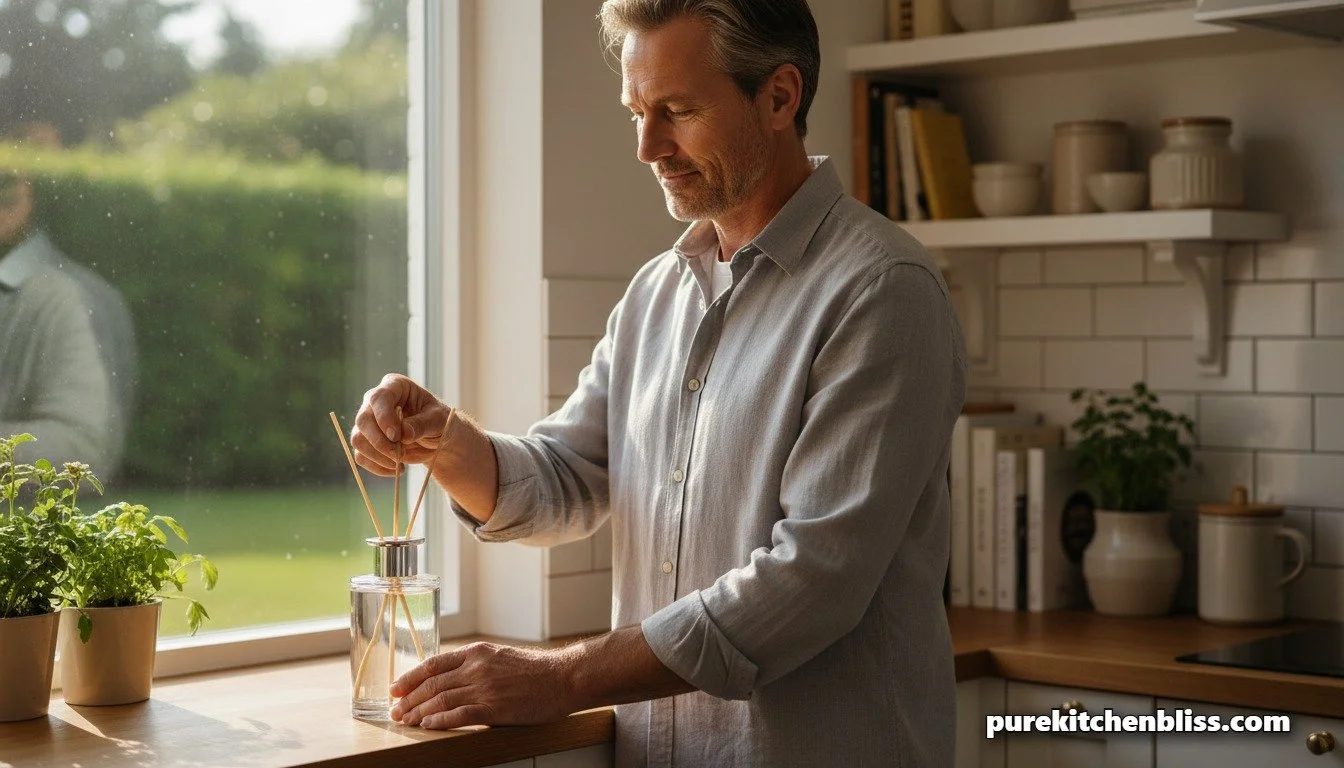
5. Maintenance for a 4-Month Lifespan 🛠️
A well-built passive diffuser can last up to 16 weeks if you treat it right.
The Flip: Flip your reeds once a week (I do it every Sunday morning while the coffee is brewing). This refreshes the scent loop.
The Refresh: Over time, dust will settle on the reeds and clog the pores. If the scent fades after a couple of months, don't throw away the oil! Just discard the old reeds, give the bottle a quick swirl, and drop in a fresh set of rattan sticks.
Building your own home fragrances isn't just about saving money, it’s about knowing exactly what your family is breathing in. When you control the inputs, you create a space that is truly pure, healthy, and blissful.