Magnetic Knife Strips: The Hygiene Case for Open Storage
In the world of professional kitchen design, the traditional wooden knife block is increasingly viewed as a legacy failure. While it provides a convenient place to dock your cutlery, the interior of those narrow wooden slots is a dark, unventilated environment where moisture from "mostly dry" knives can settle. Over time, this creates a hidden breeding ground for yeast and mold, a "bacteria box" sitting right on your counter.
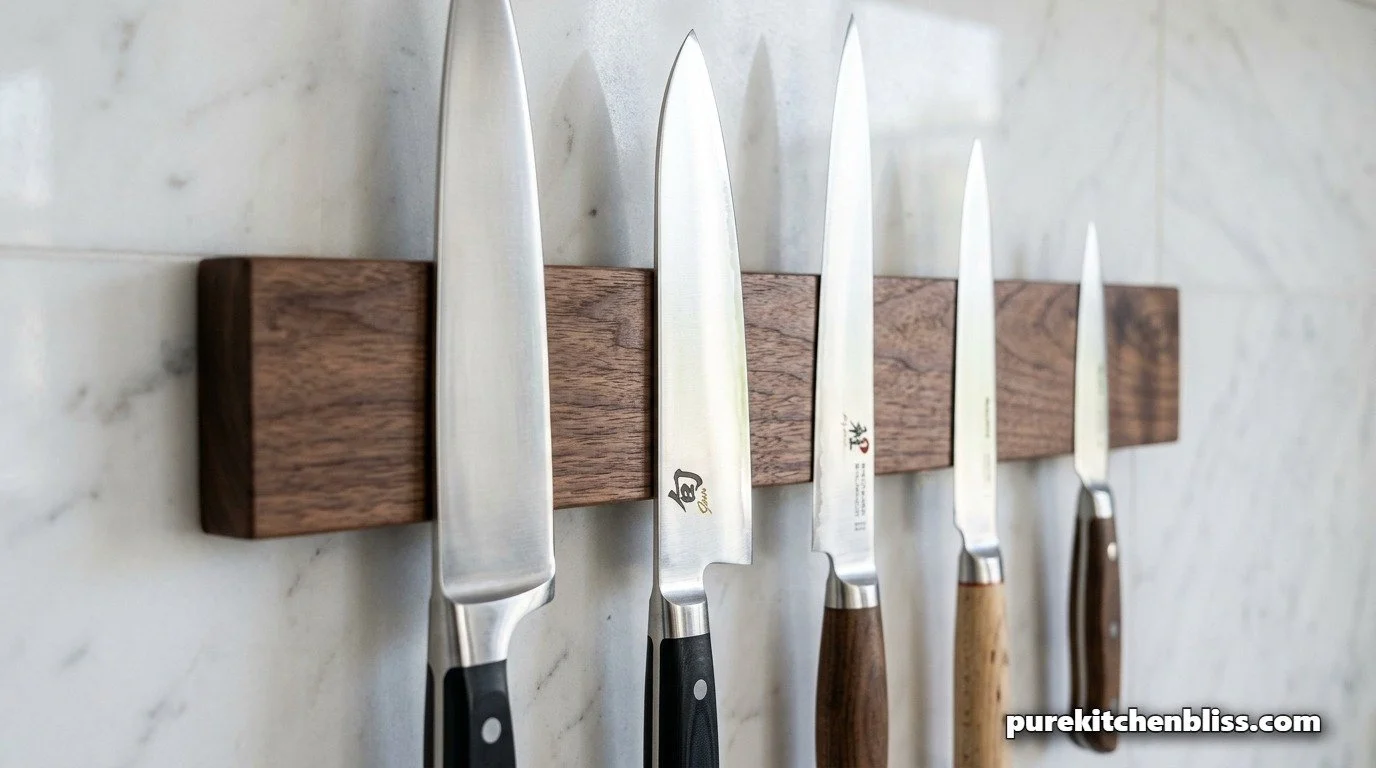
For a high-performance kitchen, the solution is the Magnetic Knife Strip. By moving your blades to an open-air, vertical surface, you aren't just saving counter space; you are upgrading your kitchen’s sanitization infrastructure. When your blades are exposed to the ambient airflow of the room, they dehydrate instantly, breaking the biological cycle that leads to cross-contamination.
1. The Hygiene Audit: Why Blocks Fail
A knife block is an "Invisible Infrastructure" risk.
The Moisture Trap: Even if you towel-dry your knives, microscopic moisture remains in the bolster and the serrations. When inserted into wood, that moisture is absorbed into the grain, creating a damp, anaerobic pocket.
The "Zero-Air" Environment: Without airflow, organic particles trapped in the slot begin to ferment. Because you cannot effectively clean the inside of a knife block slot, the contamination is permanent.
The Magnet Advantage: On a magnetic strip, the blade is 100% accessible. You can wipe the strip down with a Swedish dishcloth and a pH-neutral cleaner in seconds, ensuring a sterile docking station every time.
2. Protecting the Edge: Wood vs. Metal Strips
Not all magnetic strips are created equal. To protect your investment in high-carbon steel, the material of the strip matters.
Metal-on-Metal: Stainless steel magnetic strips are durable, but if you aren't careful, the "clack" of the blade hitting the metal can cause micro-chipping over time.
Wood-Encased Magnets: The "Builder-Grade" choice is a wood-encased strip (Walnut, Oak, or Acacia). These utilize powerful neodymium magnets hidden behind a thin layer of hardwood. This provides the "soft landing" of wood with the hygiene of open-air storage.
3. The "No-Drill" Installation Hack
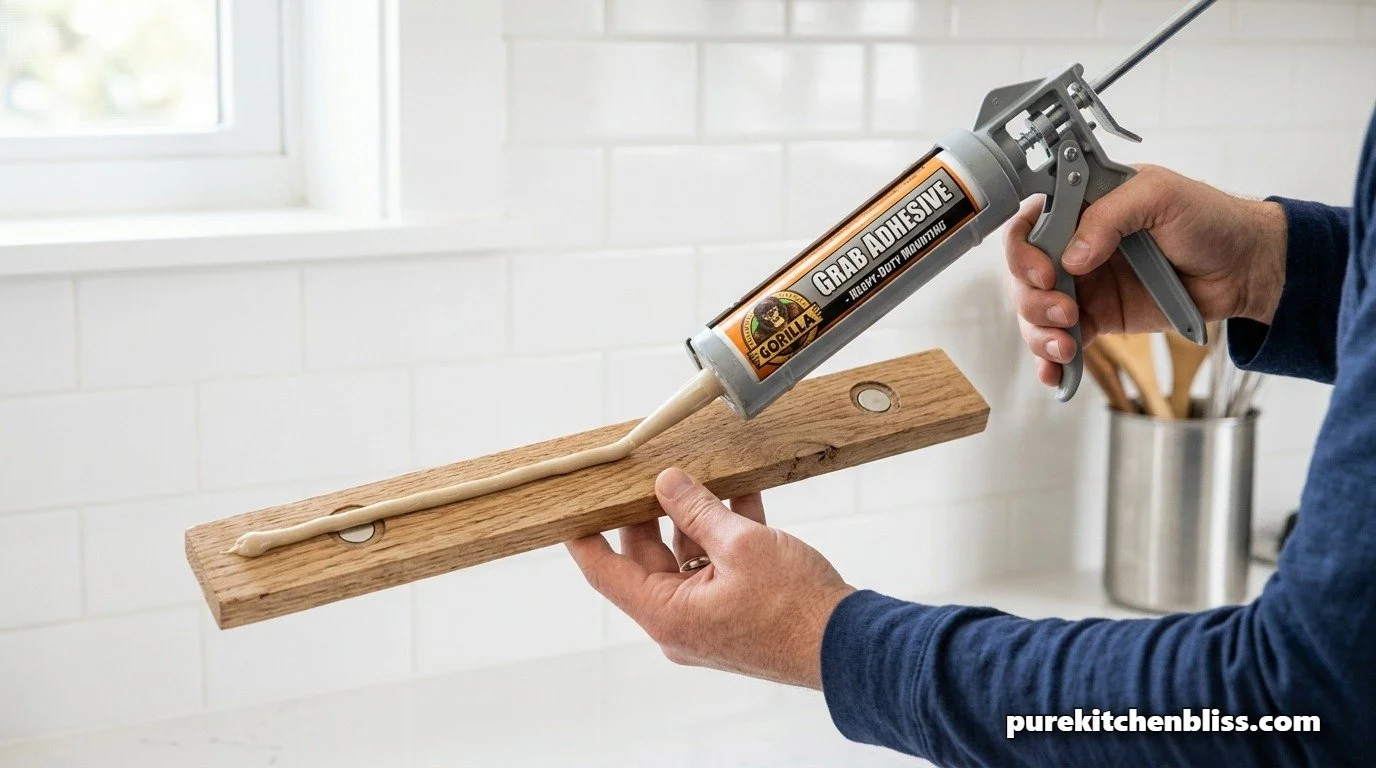
If you have invested in a porcelain or sintered stone backsplash, the last thing you want to do is drill holes into it.
The High-Bond Adhesive Method: Use a professional-grade, high-bond mounting tape or a bead of construction adhesive (like Liquid Nails FuzeIt).
The "Pro-Tip": Clean the backsplash area with a 50/50 vinegar-water mix first to remove any residual cooking oil film. This ensures a permanent bond that can still be "sawn off" with a piece of wire if you ever decide to redesign the kitchen.
4. Comparison: Storage Infrastructure Performance
| Feature | Traditional Block | Magnetic Strip |
|---|---|---|
| Hygiene | Poor (Bacterial Trap). | Excellent (Self-Drying). |
| Space Usage | Counter-Heavy. | Zero Footprint (Wall-Mount). |
| Blade Visibility | Low (Handles only). | High (Full Blade). |
5. Proper "Docking" Technique
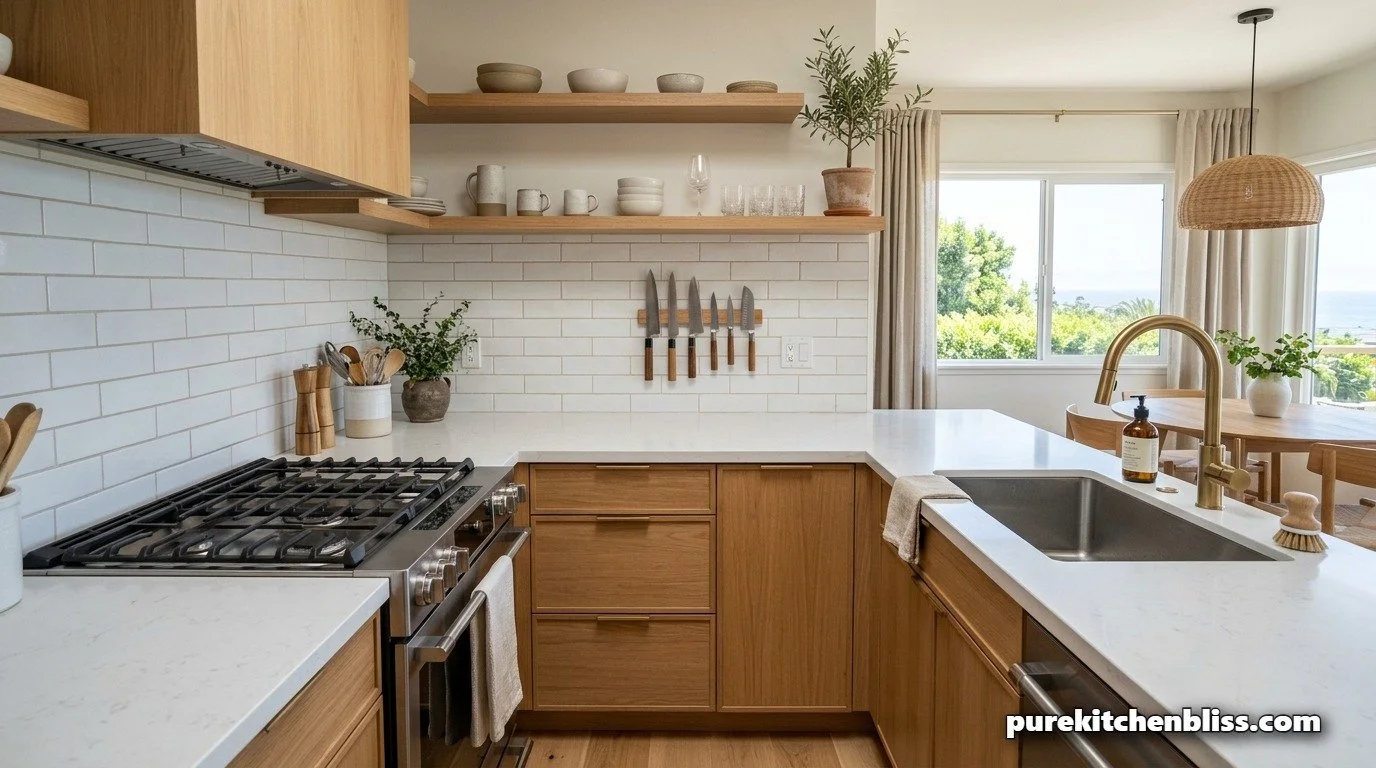
To protect your infrastructure (and your fingers), there is a specific mechanical way to use a magnetic strip.
The "Spine-First" Rule: When placing a knife on the magnet, touch the spine (the dull top edge) to the strip first, then let the blade roll flat.
The Removal: Twist the handle so the sharp edge leaves the magnet first. This prevents the magnet from "grabbing" the delicate edge and pulling it sideways, which can lead to dulling.
6. Small Kitchen Synergy
In our guide to small kitchen summer decor, we discussed the importance of clearing the decks. A magnetic strip is the ultimate "Clear Counter" tool. By moving 8–10 knives to the wall, you regain a significant amount of prep space near your workstation sink.
Conclusion: The Evolution of Storage Upgrading to a magnetic knife strip is more than an aesthetic choice; it’s a commitment to the long-term hygiene of your kitchen. By eliminating the "bacteria box" and embracing open-air storage, you protect your cutlery, your surfaces, and your health. It’s the kind of invisible infrastructure upgrade that defines a professional-grade home.
Next Up: Learn how to manage your kitchen’s microbial health with our Guide to Listeria Protection.