The Simple Swap That Finally Made Me Quit Paper Towels for Good
Transparency Note: We independently select these products based on research and user reviews. If you buy something through our links, we may earn a commission.
For years, I was stuck in the "disposable loop." I believed the myth that a truly clean kitchen required a never-ending supply of white, perforated paper towels. I was convinced that any reusable alternative would inevitably lead to a pile of soggy, sour-smelling rags sitting on my counter. But in a high-performance kitchen, the goal isn’t just to move a mess around, it’s to remove it.
The breakthrough didn't come from finding one "magic" towel. It came from realizing that a paper towel is a generalist tool trying to do specialized jobs. By matching specific high-performance textiles to specific kitchen tasks, I was able to retire my paper towel roll for good. This isn't just an eco-hack; it’s a systematic upgrade to your kitchen’s active infrastructure.
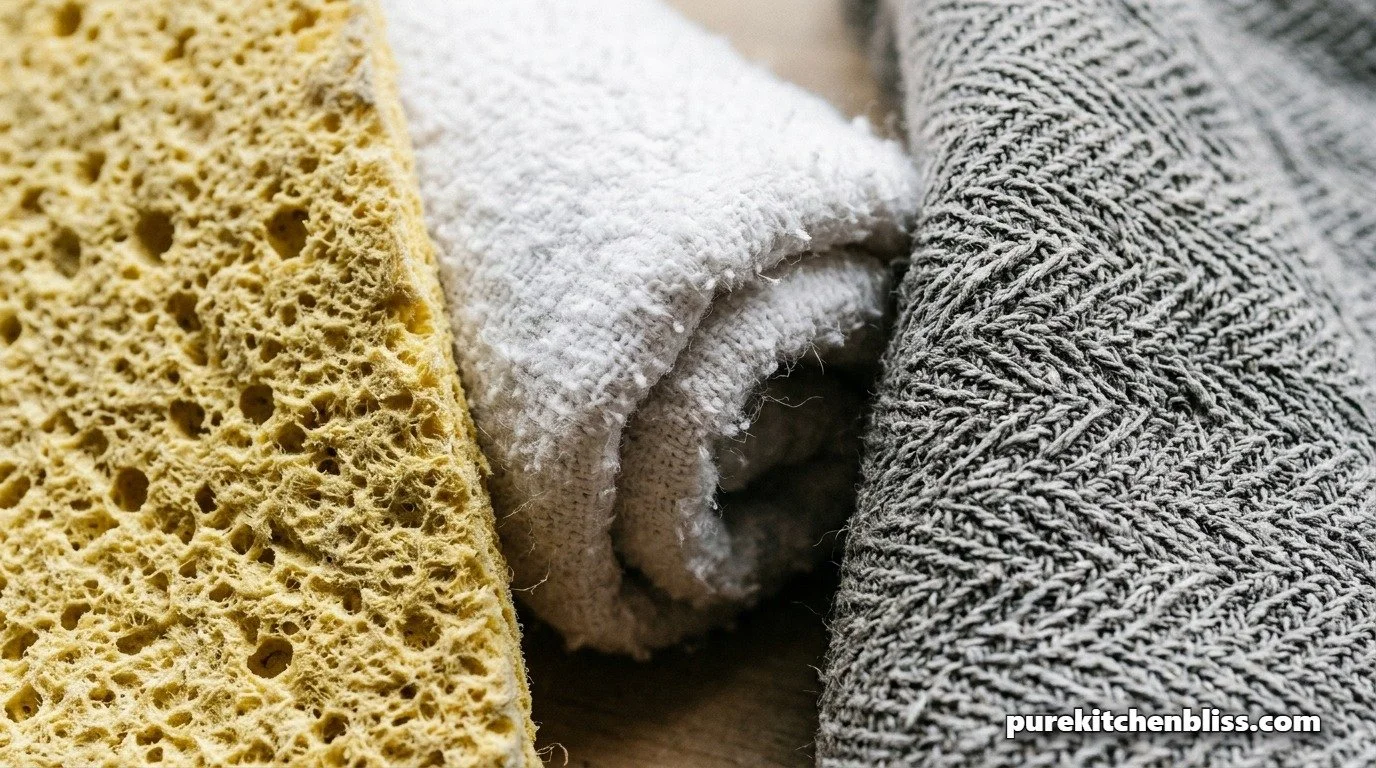
1. The Surface Specialist: The Swedish Dishcloth
This was the first part of the swap that made the transition possible. A Swedish dishcloth is a hybrid material made of 70% cellulose (wood pulp) and 30% cotton.
The Science: It can absorb 20x its weight, but its real "superpower" is its drying speed. Because it is highly porous, it dehydrates faster than bacteria can colonize. This solves the "stinky rag" problem once and for all.
The Task: Use this for 90% of your daily wiping, sintered stone countertops, the rim of the workstation sink, and spilled coffee.
Authentic Swedish Wholesale Cellulose Sponge Cloths (10-Pack)
2. The Daily Replacement: Cotton Flannel "Unpaper"
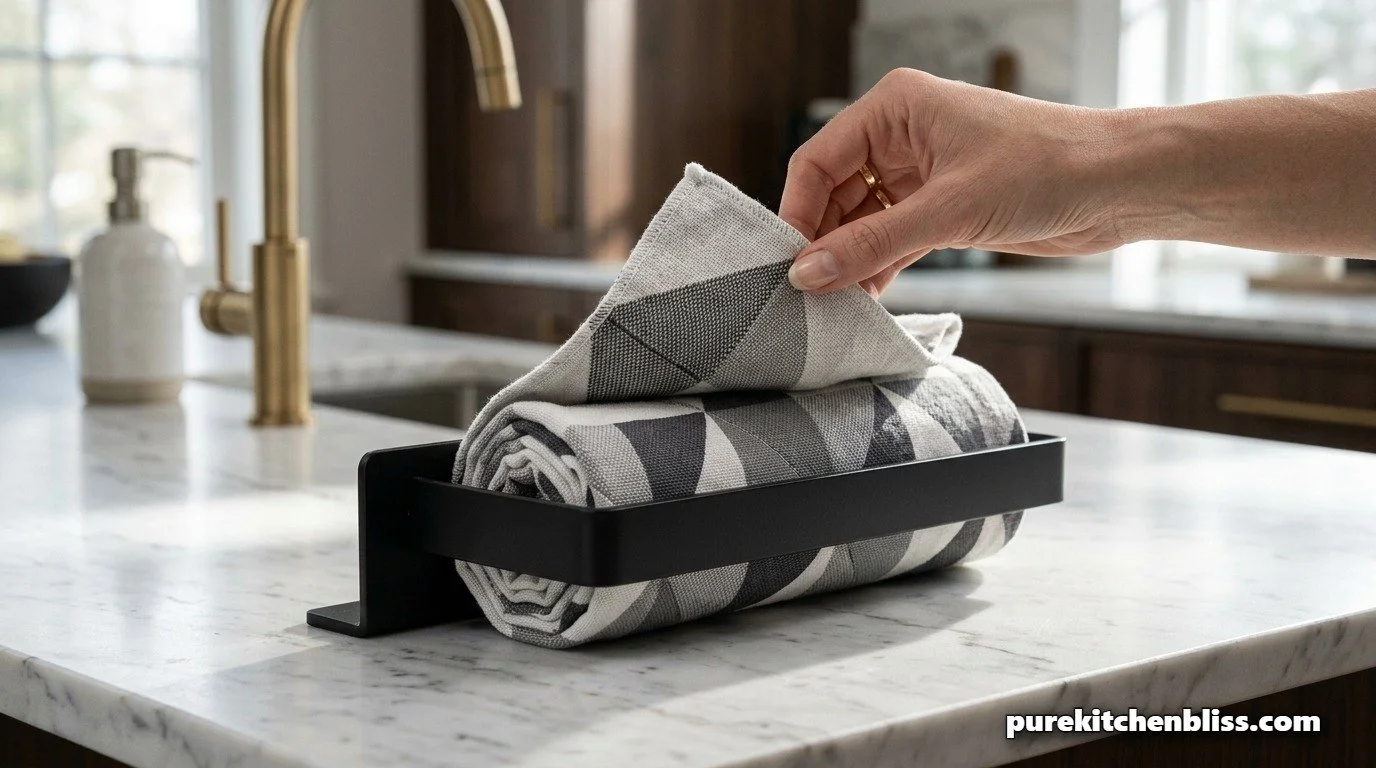
The biggest hurdle to quitting paper towels is the "grab-and-go" habit. Cotton flannel towels solve this because the fabric naturally "clings" to itself, allowing the towels to be rolled onto a standard upright holder.
The Science: Unlike synthetic microfibers, organic cotton flannel actually becomes more absorbent the more you wash it as the fibers "bloom." It’s soft enough for faces and hands but durable enough to survive a high-heat sanitization cycle.
The Task: Use these exactly like you would a paper towel: drying your hands, as a dinner napkin, or drying off washed produce.
3. The Heavy-Duty Tool: Bamboo Viscose
For the "ugly" jobs where you'd normally waste half a roll of paper towels, like wiping out a greasy pan or cleaning a floor spill, you need a heavy-duty bamboo weave.
The Science: Bamboo fibers have a much higher tensile strength than wood pulp. These towels are usually perforated like paper towels but can be rinsed, machine-washed, and reused up to 100 times before they finally break down.
The Task: Wiping out grease (before it hits the drain) or cleaning up after a pet.
4. Performance Matrix: Reusables vs. Disposables
| Task | Best Reusable Material | Why It Wins |
|---|---|---|
| Counter Spills | Swedish Cellulose | Superior absorbency; streak-free. |
| Hand Drying | Cotton Flannel | Soft texture; familiar "roll" format. |
| Grease/Grime | Bamboo Viscose | Tear-resistant; antimicrobial. |
5. Managing the "Dirty" Infrastructure
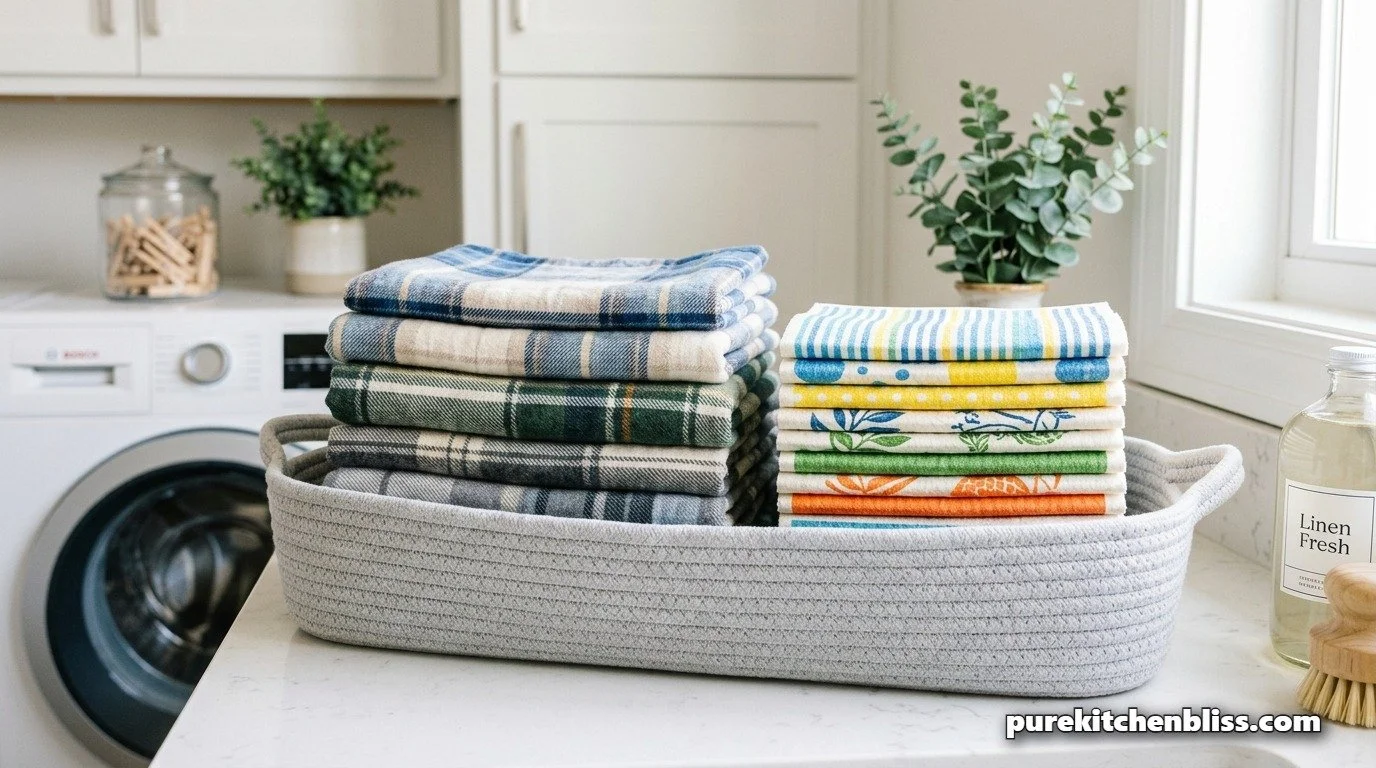
The secret to ditching disposables "for good" isn't the towels; it's the dirty bin. If you throw wet towels into a closed hamper, they will grow bacteria and smell.
The Ventilated Bin: You need a small, mesh or open-slat bin under the sink. This allows the towels to "breathe" and dry out while they wait for laundry day.
The Sanitization Reset: Once a week, take your Swedish dishcloths and put them in the top rack of your dishwasher during a "Sanitize" cycle. This 160°F+ water is the "reset button" that keeps your reusables as hygienic as a brand-new paper towel.
6. Why You Still Need a "Backup" Roll
Even in a high-performance, reusable-focused home, I recommend keeping one roll of traditional paper towels hidden away for "Biological Isolation."
If you have a raw chicken spill or a pet accident, you don't want to introduce those pathogens into your laundry infrastructure. Use a disposable for the "toxic" jobs to ensure your reusables remain part of a non-toxic sanctuary.
Conclusion: The Efficiency of Sustainability Transitioning to reusables isn't about being "perfect"; it's about being prepared. When you have a dedicated system of cellulose, flannel, and bamboo, you realize that paper towels were always the inferior tool for the job. By investing in the right textiles and a solid sanitization protocol, you create a kitchen that is cleaner, cheaper to run, and better for the planet.
Next Up: Learn how to protect your high-end finishes from "Chemical Drift" in our guide to The Ammonia Cleaning Myth.