The Green Dust: How to Clean and Prevent Moldy Lemons
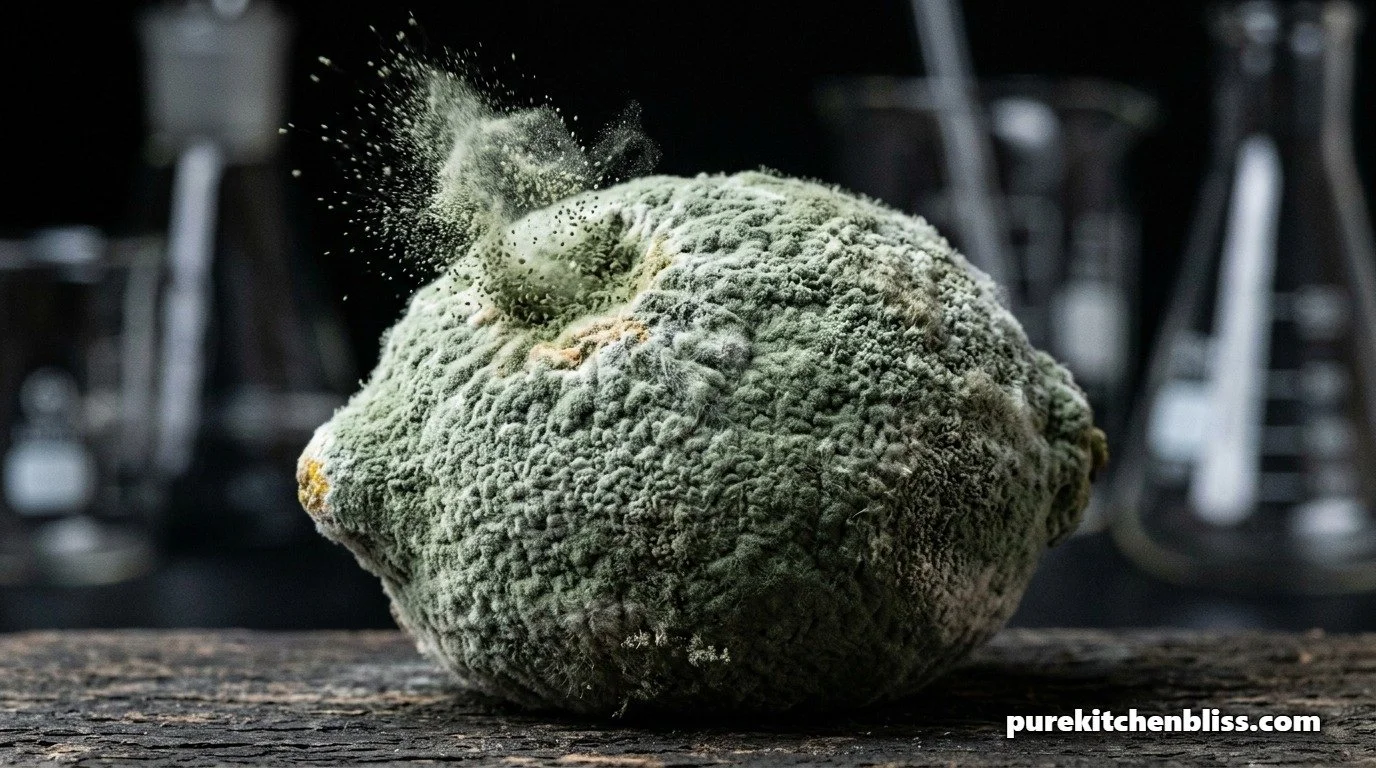
It starts as a small, white fuzzy patch, but within 48 hours, a single lemon can transform into a pressurized vessel of green spores. If you’ve ever picked one up only to have it release a fine, "smoke-like" dust everywhere, you’ve experienced a spore-dispersal event.
In a high-performance kitchen, this is a serious maintenance hurdle. That green dust isn't just "dirt"; it is a colony of Penicillium looking for its next host. If those spores settle into the porous wood of a fruit bowl or the gaskets of your refrigerator, they can remain dormant for months, waiting to ruin the next batch of groceries. To protect your culinary sanctuary, you need a protocol that captures the dust before it migrates.
1. The "No-Stir" Cleanup Protocol
The biggest mistake is grabbing the lemon and walking it to the trash. This movement creates air currents that spread the spores across your sintered stone countertops.
The Bag-Over Method: Instead of picking it up, take a large Ziploc or a compost bag and carefully lower it over the lemon while it is still sitting on the counter. Gently slide the lemon into the bag and seal it before moving it.
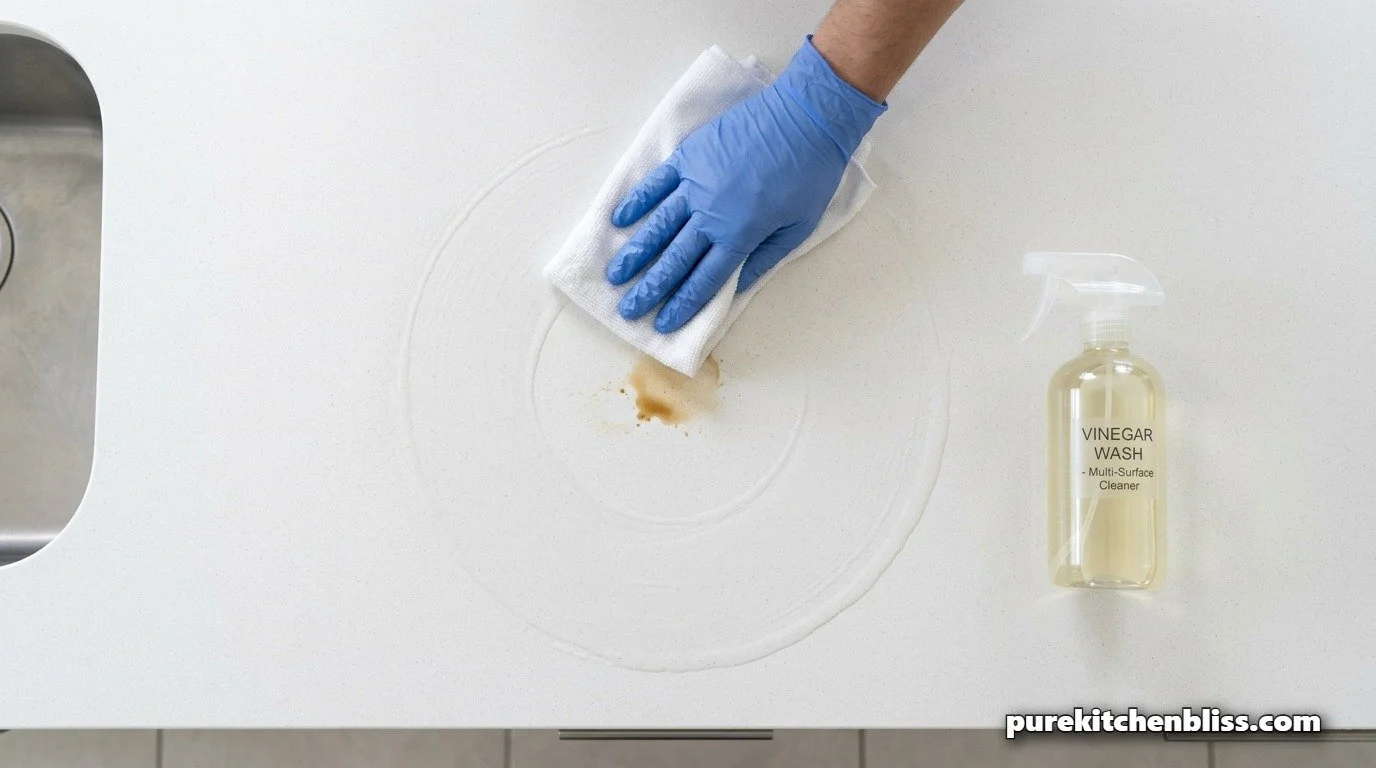
The "Wet-Wipe" Rule: Never use a dry reusable paper towel or a vacuum on the green dust. Dry wiping just lofts the spores into the air. Use a damp cloth or a Swedish dishcloth to "trap" the dust in the moisture, then dispose of or immediately sanitize the cloth.
2. The Spore-Kill Surface Wash
Standard water won't kill spores; it just moves them. You need to drop the pH level to a point where the mold can no longer replicate.
The Solution: Mix a solution of 1 part white vinegar to 1 part water. Vinegar is an acetic acid that is incredibly effective against 80% of mold species.
The Application: Spray the area where the lemon was sitting, and the surrounding 2 feet of counter. Let it sit for 10 minutes.
The "Specified" Tool: Scrub the area with a citric acid-based cleaner. Since lemons are high in citric acid, the irony is that a concentrated citric acid reset is one of the best ways to keep the surface hostile to Penicillium.
3. Preventing the "Green Dust" Infrastructure
If you are seeing moldy lemons repeatedly, your Storage Infrastructure is failing. Mold requires three things: moisture, stagnant air, and a food source.
The Airflow Solution: Most fruit bowls are solid basins. This creates a "CO2 pocket" at the bottom where moisture pools. The Upgrade: Switch to a wire-mesh or "open-slat" fruit bowl. This ensures 360-degree airflow, which dehydrates the skin of the lemon, making it harder for spores to take root.
The Ethylene Factor: Lemons are sensitive to ethylene gas produced by apples and bananas. If you store them together, the lemons will soften and rot at 3x the speed.
The Fix: Store citrus in a separate zone or in the refrigerator’s high-humidity crisper drawer in a ventilated bag.
4. Comparison: Mold Cleanup Methods
| Method | The Result | Safety Score |
|---|---|---|
| Dry Sweeping | Spreads spores into air and lungs. | EXTREME RISK |
| Wet Wipe + Vinegar | Traps and kills 80%+ of spores. | PROFESSIONAL GRADE |
| Bleach Spray | Corrosive; emits toxic fumes. | NOT RECOMMENDED |

5. The "Spore-Watch" Audit
If a "green dust" event occurs, you need to check your Invisible Infrastructure:
The Refrigerator Gasket: Mold loves the rubber seals of your fridge. If the lemon was inside, wipe the seals with a vinegar-soaked cloth to prevent a colony from forming in the dark, damp crevices.
The Dishwasher Filter: If you used a rag to clean the mold and then tossed it in the wash, ensure you run a "Sanitize" cycle. Spores can survive a cold wash and settle in your dishwasher filter.
The Range Hood: If the lemon was near the stove, check your filters. The grease in the filter acts as a "glue" for airborne spores.
Conclusion: Breaking the Cycle Dealing with a moldy lemon isn't just about throwing it away; it’s about containing the "dust" and resetting the chemistry of your kitchen surfaces. By implementing a "Bag and Damp-Wipe" protocol and upgrading to ventilated storage infrastructure, you can ensure that one bad lemon doesn't lead to a kitchen-wide contamination event. Keep your air clean, and your citrus will follow.
Next Up: Learn how to manage other kitchen "Intruders" with our Guide to Non-Toxic Ant Hacks.