How I Get Super Glue Off My Countertop 🛠️💧
With having four kids, I always seem to have someone working on some sort of project at the kitchen island. Whether it's fixing a broken plastic toy, working on a school model, or doing crafts, our counters get a lot of action. And honestly, as the kids get older, the more glue it seems they want to use.
I feel like I am constantly cleaning dried glue, paint, and tape residue off our countertops.
Last week, my oldest one was working on a project and accidentally left me a nice, rock-hard puddle of super glue right on our main work surface. If you’ve ever dealt with cyanoacrylate (the chemical name for super glue), you know that once it cures, it bonds instantly and feels like plastic armor welded to your counter.
If you look up a quick solution online, a lot of generic advice will tell you to just grab a metal razor blade and scrape it off, or dump heavy acetone everywhere. But as a woodworker and builder, my immediate thought is always about protecting the surface finish. If you have a premium honed stone or wood counter, aggressive scraping or using the wrong chemicals can permanently scratch the material or strip away the protective sealer.
You have to be patient and let chemistry do the work. Here is exactly what I did last week to clean that super glue puddle off our countertop without leaving a single scratch behind.
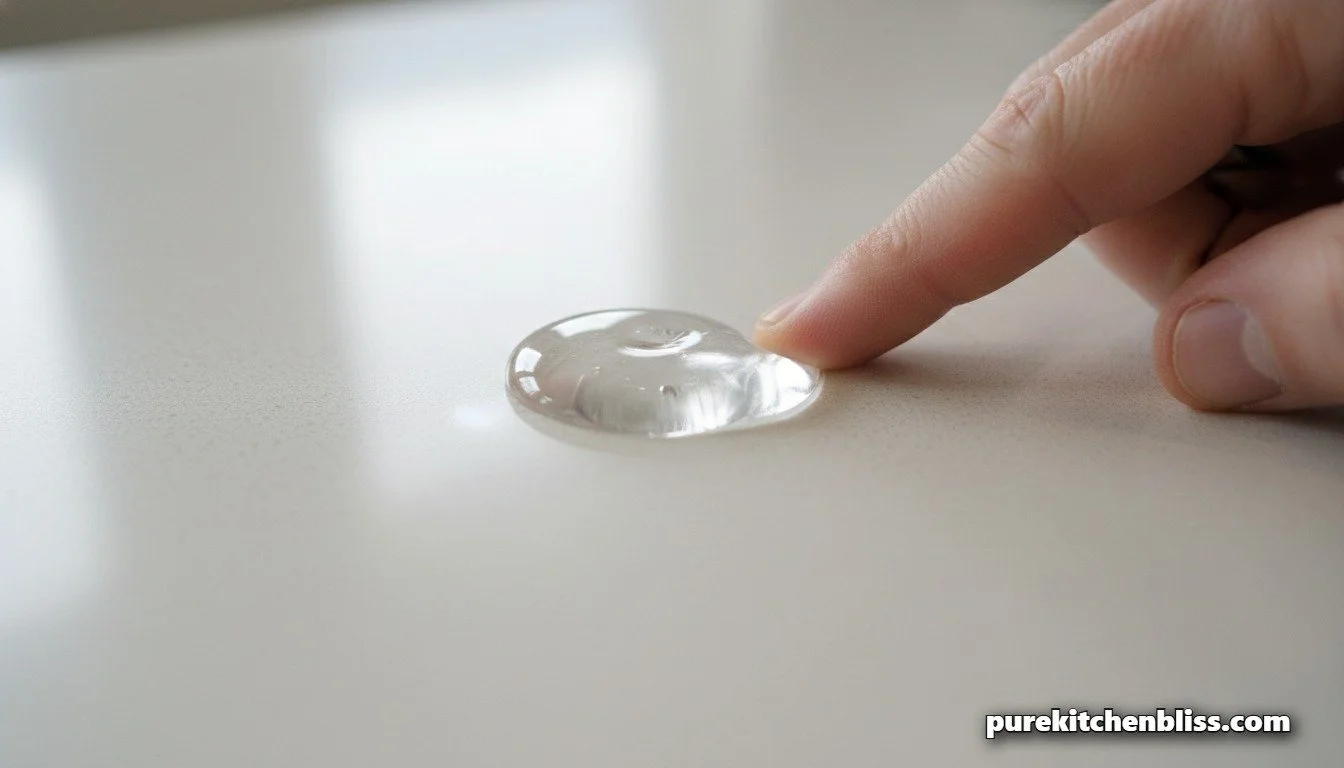
Step 1: The Warm Compress Soak 💨
Before jumping to any chemical solvents, I always try to soften the glue matrix first using basic thermal physics. This is the gentlest way to start, especially if you are working near painted cabinet faces or delicate edges.
The Routine: I take a small microfiber cloth and soak it in very warm—almost hot—water mixed with a few drops of natural dish soap.
The Wait: Wring it out slightly so it’s damp but not dripping everywhere, and lay it directly flat over the dried super glue puddle. Leave it alone for about 10 to 15 minutes.
The Result: The heat and moisture help loosen the bond between the glue and the top layer of your counter sealer, sometimes making it soft enough that you can gently pick the edges up with a plastic putty knife or your thumbnail.
Step 2: The Acetone Test (Proceed with Caution) 🧪
If the warm soak doesn't budge it, which is often the case with heavy-duty super glue, you have to bring in a solvent to break down the plastic polymers. The gold standard for dissolving super glue is Acetone (or a high-quality, professional nail polish remover that is 100% pure acetone).
The Material Warning: Before you pour acetone onto your counter, you must do a test spot. Acetone is perfectly safe for unsealed porcelain, quartz, and true natural granite. However, if you have laminate counters, solid surface acrylics, or a varnished butcher block island, acetone will melt right through the plastic resin or dissolve the wood lacquer, leaving a permanent dull, cloudy spot.`
The Test: Dab a tiny drop of acetone on an inconspicuous area, like the back corner near the wall or under an appliance footprint, to make sure it doesn't discolor the surface.
My Step-by-Step Blueprint for Safe Glue Removal
| Removal Phase | My Exact Mechanical Action | The Surface Protection Logic | Tool Material |
|---|---|---|---|
| 1. Thermal Softening | Apply a hot, soapy rag compress over the spot for 15 minutes | Loosens the outer chemical bond without using chemicals | Microfiber Cloth |
| 2. Targeted Solvent | Dab pure acetone precisely onto the glue using a cotton swab | Dissolves the cyanoacrylate plastic matrix directly | Cotton Q-Tip |
| 3. Gentle Lift | Gently scrape underneath the softened edges of the puddle | Prevents gouging or scratching expensive stone sealers | Plastic Scraper / Credit Card |
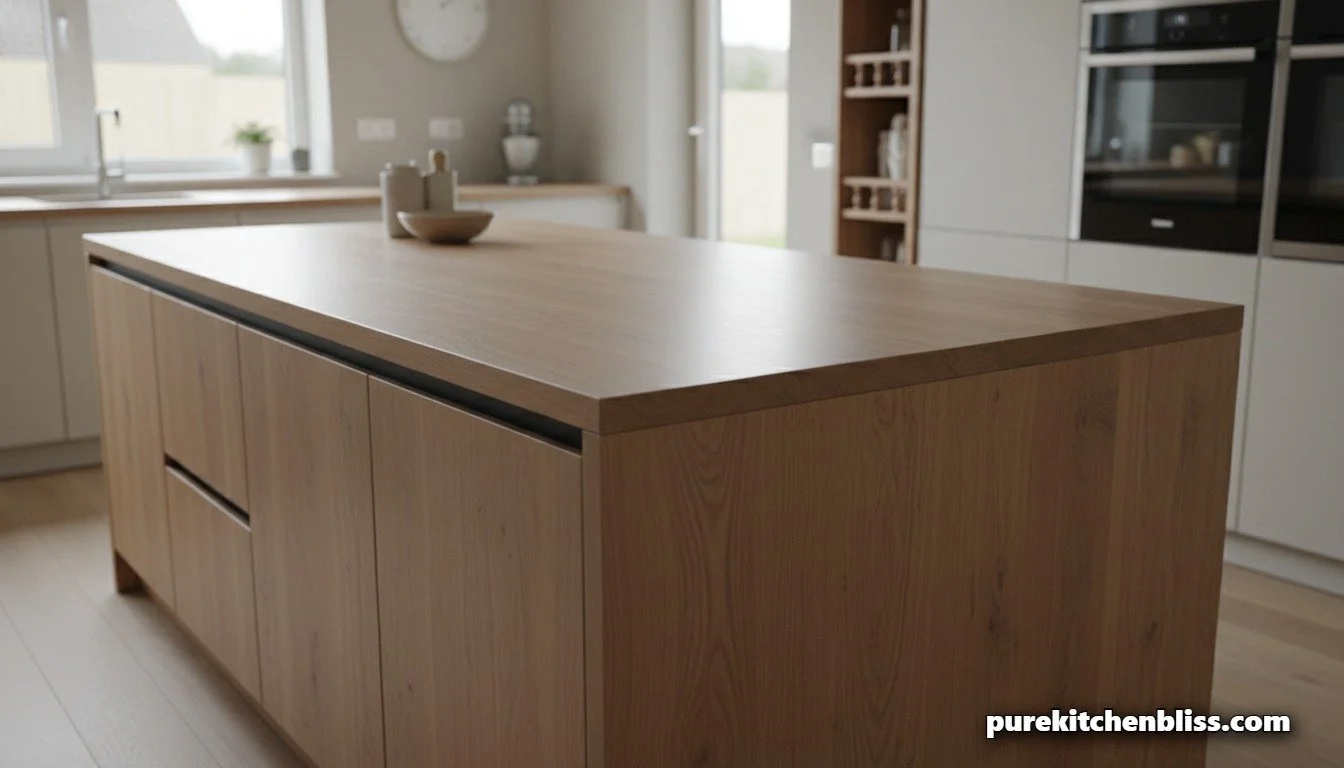
Step 3: Dabbing and Lifting 🔑
If your counter passes the test spot, you want to apply the solvent with precision. Don't just dump it out of the bottle.
The Precision: Dip a cotton swab (Q-tip) into the acetone and press it directly onto the dried super glue spot. Hold it there for about 30 seconds. You will see the shiny, hard plastic start to look cloudy and turn into a soft, jelly-like consistency.
The Lift: Put away the steel razor blades. Instead, grab an old plastic credit card, a guitar pick, or a rigid plastic putty knife. Hold it at a very shallow, flat angle against the countertop and slide it underneath the softened glue. It should curl up and lift away cleanly from the stone. Wipe the area down immediately with a clean, damp cloth to remove any leftover chemical residue, matching the care routine I keep for our under-sink plumbing layouts.
What to Do on Sensitive Wood or Laminate Counters 🪵
If you ran the test spot and realized acetone will ruin your specific countertop material, don’t panic. You can still get the glue off using a mechanical friction method.
The Alternative: Grab a bottle of standard Isopropyl Rubbing Alcohol or a natural citrus-based adhesive remover. It won't dissolve the glue as fast as acetone, but it will help break the sticky grip.
The Friction: Apply a few drops of the alcohol to the spot, let it sit, and then use a non-scratch cellulose sponge or a microfiber cloth to rub the spot firmly in a circular motion. The friction, combined with the mild solvent, will slowly roll the glue up into small pills. It takes a little more elbow grease, but it keeps your delicate varnishes or laminates completely safe from chemical stripping, just like keeping your custom cabinet boxes free from harsh wear.
At the end of the day, having kids means your house is going to look lived-in, and accidents are going to happen on your work surfaces. But you don't need to stress or ruin your counters trying to fix it. Taking ten minutes to use the right tool for the job keeps your kitchen looking great, your surfaces protected, and your sanity intact for the next weekend project!
Next Up: Want to see the daily cabinet habits I use to store all our family crafting gear out of sight? Check out our Why I Use Soft-Close Hinges on All My Heavy Pantry and Utility Doors!